REVIEW · MUNICH RESIDENZ
Munich Residenz: Private Tour with artists and historians
Book on GetYourGuide →Operated by Munich Art Tours · Bookable on GetYourGuide
A palace tour that reads like real life. This private visit through the Munich Residenz turns 139 rooms into a story you can follow, with your guide tying art, power, and local traditions together. I especially like the way an artist guide spots details in the paintings, and the way you connect the residence to Oktoberfest and the Ludwig II–Richard Wagner thread. One watch-out: the 2–3 hour pace means you will have to choose what to stare at longer.
You meet your guide at the front of the Residenz and head in as a private group, rain or shine. Your tour is led in English or German and is designed to help you skip the ticket line, though museum entry is not included, so plan for admission separately. I also like that the tour is wheelchair accessible, but you will still want comfortable shoes for a lot of indoor walking.
If you like art and court history but hate tours that feel like memorized facts, this is a good fit. It’s also a great way to get oriented before you wander Munich on your own, because you’ll start seeing connections—how a royal home shaped the city, and how big cultural moments grew out of Bavarian life.
In This Review
- Key things that make this tour worth your time
- Why the Munich Residenz feels like a living story
- Meet your artist guide: Paul Riedel and Freya-style interpretation
- Green Gallery: where paintings turn from pretty to meaningful
- Wittelsbach beginnings and where royal life actually happened
- Oktoberfest connections you can explain after the tour
- Ludwig II’s Wagner affair: a surprising human thread
- Late kings’ style and the kind of grandeur you can actually track
- Exterior and WWII context: what survived and what almost didn’t
- Timing, tickets, and what to bring for an easy 2–3 hours
- Value for $160: when a private art-and-history guide makes sense
- Who should book—and who might want a different plan
- Should you book this Munich Residenz private tour?
- FAQ
- Where do I meet the guide?
- How long is the tour?
- Is museum entry included?
- What language is the tour offered in?
- Is it suitable for families with young children?
- What should I bring, and what should I avoid?
Key things that make this tour worth your time
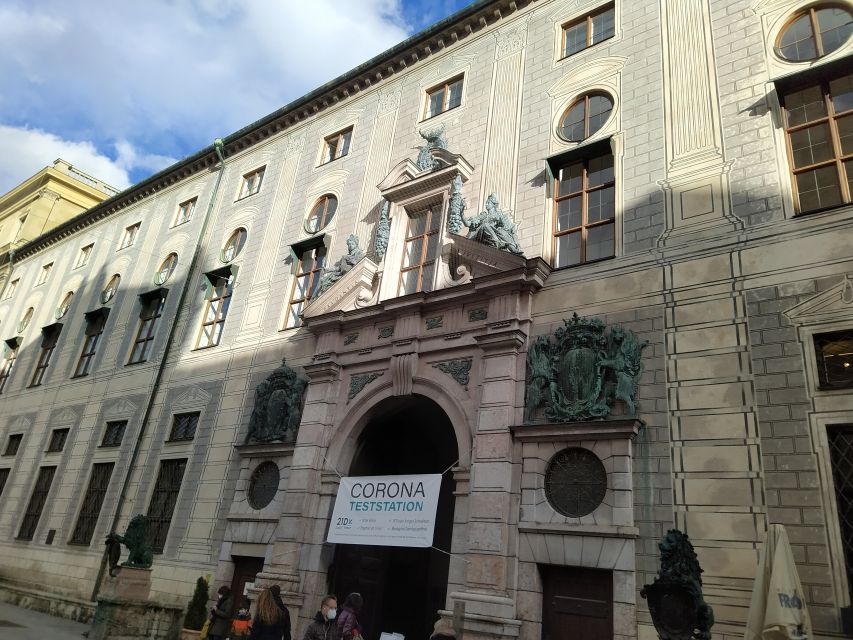
- Private artist guide: You’re not stuck with a crowd, and the art gets explained with a creator’s eye
- Green Gallery focus: Technical background on paintings makes the visuals click fast
- 139 rooms, but with a plan: You don’t just pass rooms—you learn how to read them
- Munich traditions, not just royalty: Oktoberfest connections tie the palace to local culture
- Ludwig II and Richard Wagner: A personal, surprising thread through the palace story
- WWII exterior context: You end with a sense of what nearly disappeared and what remains
Why the Munich Residenz feels like a living story
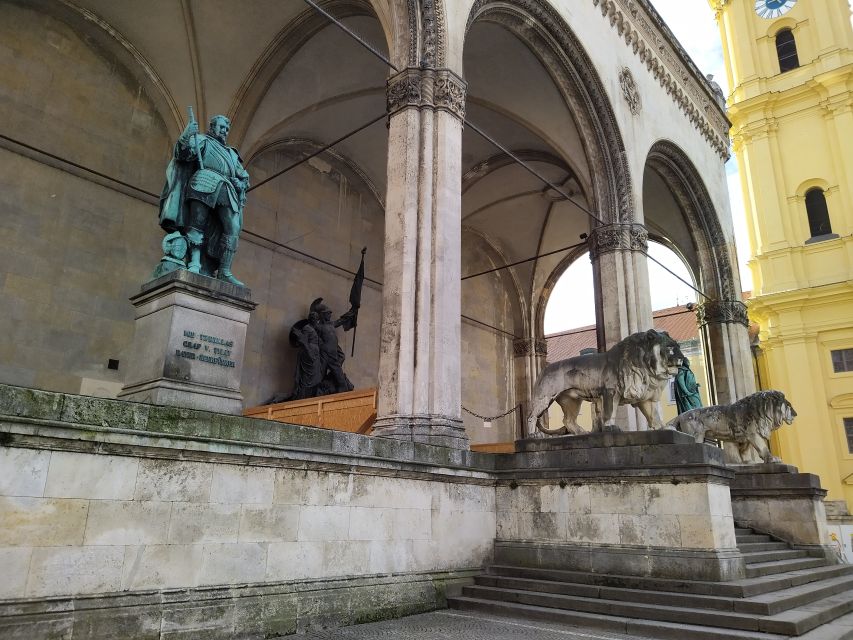
The Munich Residenz is not a generic museum building. It’s the real seat of Bavarian rulers, where major moments in regional history actually played out. When you walk through it with a guide, the walls stop feeling decorative and start feeling political—each room becomes a clue to status, taste, and power.
One thing I like is that the tour frames the place through the Wittelsbachs, the royal family behind so much of Bavaria’s public identity. You don’t just hear names. You get pointed to where and how they lived, which makes the palace feel less like a postcard and more like a home that still shaped Munich long after the rulers were gone.
And yes, it’s big—139 rooms is a number that sounds overwhelming. But with the right guide, the scale becomes part of the payoff: you see how taste and authority were displayed room after room, not all at once and not all random.
Meet your artist guide: Paul Riedel and Freya-style interpretation
This is a private tour led by an artist guide. In one tour example, the guide is Paul Riedel, and in other cases you may be guided by Freya—both brought a calm, room-to-room storytelling style that keeps the pace comfortable. I like that they don’t treat art like a diagram. They treat it like something made by people, with choices you can actually see.
Your guide will help you read the palace through art and technique. In particular, you’ll get painting and wall art context, including the technical background behind what you’re looking at. That matters because many palace tours tell you who commissioned a work, but they don’t help you understand why it looks the way it does. Here, the explanation supports what your eyes are doing.
Expect a steady flow rather than a sprint. One review described not feeling rushed, and that matches the best way to enjoy a place like this: stop, look, listen, and then move on while the details are still fresh in your mind.
Green Gallery: where paintings turn from pretty to meaningful
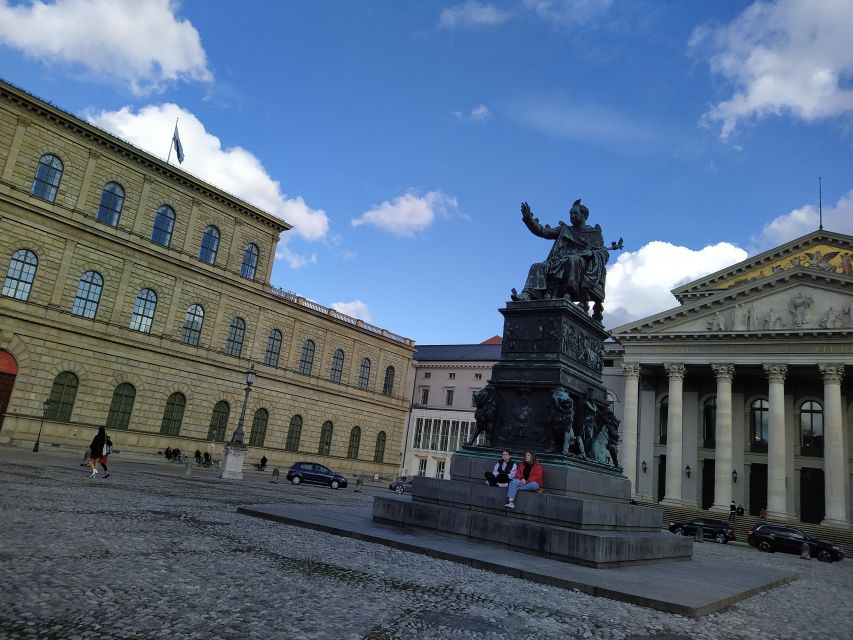
The Green Gallery is one of the standout moments. This is where your guide explains different paintings and gives you background that helps you see beyond color and subject.
If you’re the kind of person who likes to stand in front of an artwork and wonder why it was created, this stop is your reward. The technical framing helps you understand how the work communicates status and taste, and it gives you language for what you’re seeing—composition, style choices, and the visual logic of the room.
A nice practical bonus: the Green Gallery is a great place to reset your attention. After that, the rest of the palace starts making more sense. You’ll be able to connect the art choices you learned about to the broader idea of court culture—how power presented itself through decoration and narrative.
Wittelsbach beginnings and where royal life actually happened
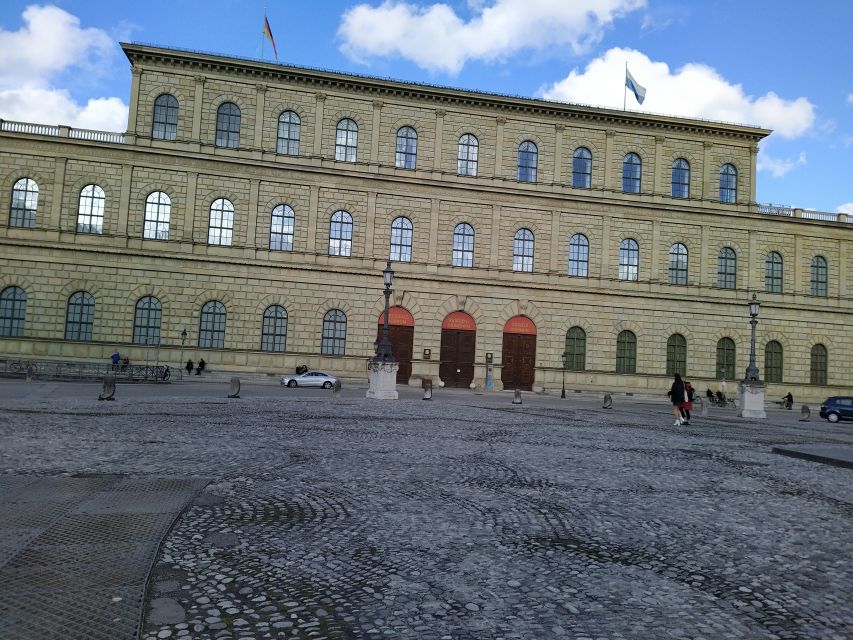
A good part of the tour is about the early years of Munich’s royal family, the Wittelsbachs, and what daily life looked like inside the residence. Your guide points out where they lived and how the residence supported their world.
This is where a private format helps. In a group tour, you often hear highlights in a blur. On a private tour, the pacing can match your questions—so you can linger when a room clicks for you, or move on quickly if you’re done with that particular theme.
You’ll also spend time wandering the residence’s garden area connected to King Ludwig II. Even if you’re not a big “garden person,” this stop adds emotional context. It gives you a break from interior grandeur, and it helps explain why Ludwig II is such a fascinating figure in Bavarian memory.
Oktoberfest connections you can explain after the tour
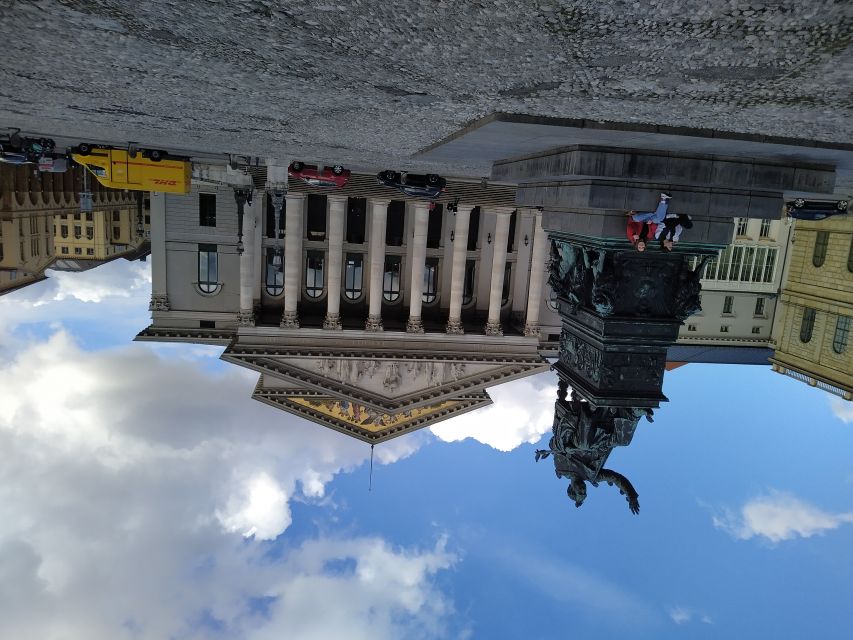
The tour doesn’t treat Bavarian tradition as an afterthought. It links the residence story to Oktoberfest and explains how the tradition connects back to the world of the palace and former residents.
That matters because Oktoberfest is easy to experience as food, beer, and costume. But once you’ve heard the palace-side connection, you start seeing it differently: as part of a longer cultural system where public celebration and court-era symbolism overlap. You won’t just know that Oktoberfest exists—you’ll understand why the idea of Bavarian festivities carries the imprint of its rulers and their ceremonial tastes.
I like that this connection is not forced. It’s folded into the residence narrative, so it feels like Munich logic rather than a random tangent.
Ludwig II’s Wagner affair: a surprising human thread
One of the tour’s best story lines is the affair between King Ludwig II and Richard Wagner. It’s the kind of connection that turns a palace tour from an architecture lesson into a cultural history story you’ll remember.
Wagner isn’t just a name in a music book here. The tour framework helps you see why Ludwig II mattered to Bavarian cultural identity—and why that personal relationship echoes through the way Munich is remembered. It’s the human scale of history: emotions, patronage, and ambition shaping a city.
If you only know one side of Ludwig II—his reputation for extravagance or his larger-than-life image—this guide thread gives you another layer. You’ll leave with a more complete picture of why he is so central to Bavarian storytelling.
Late kings’ style and the kind of grandeur you can actually track
As you move through the palace, your guide points out the style of Europe’s late kings and the sheer grandeur of the residence. This isn’t just about big rooms. It’s about how the residence used design to communicate authority.
Here’s what I find useful: you start learning how to “read” court design. You’ll notice how wall art, room rhythm, and decorative choices reinforce hierarchy and ceremonial presence. Even if you are not an art historian, the explanations give you a way to interpret what you’re seeing without getting stuck in jargon.
This is also where the “artist guide” approach pays off. An artist tends to notice what an average museum placard skips—the craftsmanship choices and the visual structure behind the impression. You walk away feeling like you saw more than decor. You saw intent.
Exterior and WWII context: what survived and what almost didn’t
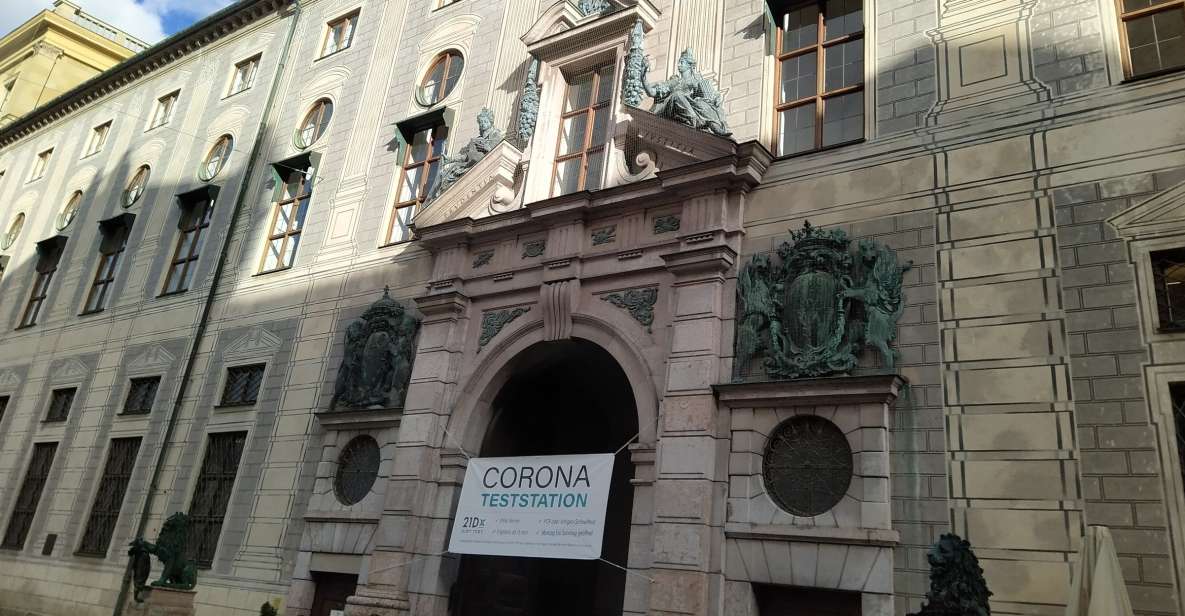
After the interiors, you shift attention to the exterior and its WWII story. The palace was nearly destroyed during the war, and learning that context changes how you look at what stands today.
I like doing this after the interior stops. When you understand how much the palace represented—royal power, art patronage, Munich identity—the survival story lands harder. You stop thinking of the Residenz as scenery and start thinking of it as something that endured a near erasure.
If you care about preservation, this ending perspective helps you connect personal memory (what you saw inside) to collective memory (what nearly vanished).
Timing, tickets, and what to bring for an easy 2–3 hours
This tour runs about 2–3 hours and is flexible in timing depending on availability. The private group format usually helps you avoid the “constant start-stop” feeling that can happen on larger group tours, and it supports the slow attention that art in a palace really needs.
Meeting point is simple: in front of the Munich Residenz. You’ll want to wear comfortable shoes, because you’re on your feet through a lot of rooms and corridors. Also plan your carry-ons. Luggage or large bags are not allowed, so travel light.
As for tickets: museum entry is not included, but the tour includes skipping the ticket line. Translation: you should still expect to handle admission separately, just not as a time-consuming ordeal on arrival. And because the tour takes place rain or shine, dress for walking.
Value for $160: when a private art-and-history guide makes sense
At $160 per person, you’re paying for two things that are hard to replicate on your own: a guided narrative through a huge complex and interpretation of art that you might miss without help.
If you’re the kind of visitor who just wants a quick look at famous rooms, a self-guided route might feel cheaper. But if you want the layers—Wittelsbach context, Ludwig II connections, Wagner, Oktoberfest links, and art technique explanations—then paying for a private guide can actually feel efficient. You’re buying time you would otherwise spend figuring out what matters.
The other value piece is the private format. Instead of filtering through noise, you get steady attention to what you’re looking at. Reviews praised the pacing and the way guides connected rooms and artworks with historical background. In a palace this size, that kind of structure is what prevents the experience from becoming a blur.
Who should book—and who might want a different plan
This tour is a strong match for adults and couples who like art plus history and want context that connects to modern Munich traditions like Oktoberfest. It also works well for people who appreciate a calm pace—no rushing, no crowd energy.
It’s not suitable for children under 10, so if you’re traveling with younger kids, you’ll want a more family-focused option.
Also think about your own priorities. If you’re visiting mainly for general sightseeing and you don’t care about understanding paintings or court symbolism, the private guidance may feel like money spent on explanations you won’t use. But if you do like art details and you want the story threads tied together, this is the kind of tour that makes the palace feel personal.
One more tip: your guide may suggest a place to taste Bavarian food and wine at the end. That kind of nudge is often where the tour extends beyond history into real local experience—just don’t treat it as guaranteed.
Should you book this Munich Residenz private tour?
I’d book it if you want your Munich palace time to feel like an organized story, not a random wander. The strongest reasons are the art-focused interpretation in stops like the Green Gallery, plus the way the tour connects the residence to Munich tradition and major cultural names like Richard Wagner.
Skip it if you only want a casual walk-through, or if you strongly prefer museums with hands-off guidance. Also remember the tour is about 2–3 hours, so it’s not a full-day commitment—great for a half-day plan, not a replacement for a slow, independent deep look.
If your ideal trip includes a little structure, a little art technique, and a few moments that turn into real conversation later, this private tour earns its place.
FAQ
Where do I meet the guide?
Meet your guide in front of the Munich Residenz.
How long is the tour?
The tour lasts about 2–3 hours.
Is museum entry included?
No. Museum entry is not included, though the tour includes skipping the ticket line.
What language is the tour offered in?
The tour is offered in English and German.
Is it suitable for families with young children?
It is not suitable for children under 10.
What should I bring, and what should I avoid?
Bring comfortable shoes. Luggage or large bags are not allowed. The tour also runs rain or shine.