REVIEW · OBERAMMERGAU
Oberammergau Private Guided Walking Tour
Book on GetYourGuide →Operated by Travmonde OÜ · Bookable on GetYourGuide
Passion Play stories start in plain streets. This Oberammergau private guided walking tour ties together wood carving, old pilgrimage routes, and the town’s sacred-and-profane character in just 90 minutes. I like that it’s built around real local connections, from the early monastery era to the Passion Play’s beginnings, rather than a generic sightseeing loop. The only catch: with a single 90-minute walk, you’ll see the big threads, but you may want extra time if you’re chasing shops, museums, or house interiors that sometimes require paid entry.
I also like the pacing of a small group—when you’re with your guide only, questions land fast and the stories stay personal. You’ll start at the tourist office (Eugen-Papst-Straße 9A) and move through the village’s key visual clues: Märchenhäuser fairy-tale façades, historic frescoes, and the sites tied to major shocks like the 30 Years War and the Black Plague. If you’re sensitive to lots of dense historical context packed into a short time, it can feel like drinking from a firehose—bring good walking shoes and let your guide steer the pace.
In This Review
- Key highlights to look for
- Oberammergau in 90 minutes: the value of a guided focus
- From Eugen-Papst-Straße to the monastery-era story in the Ammer Valley
- Märchenhäuser and 14th-century wood carving: art you can read
- The 30 Years War and Black Plague story behind the Passion Play
- WWII traces you can spot as part of the village story
- Passion Play origins and an exclusive cast tradition
- A private guide who keeps the conversation tight (and personal)
- Price and logistics: $280 per group up to 15
- Who this Oberammergau walk is best for
- Should you book this tour?
- FAQ
- FAQ
- Where does the Oberammergau private guided walking tour start?
- How long is the tour?
- Is this a private tour or a group tour?
- What’s the maximum group size?
- What languages are available?
- What’s included in the tour price?
- Are entrance fees included?
- Can I customize the tour during it?
- What is the cancellation policy?
- Can I reserve and pay later?
Key highlights to look for
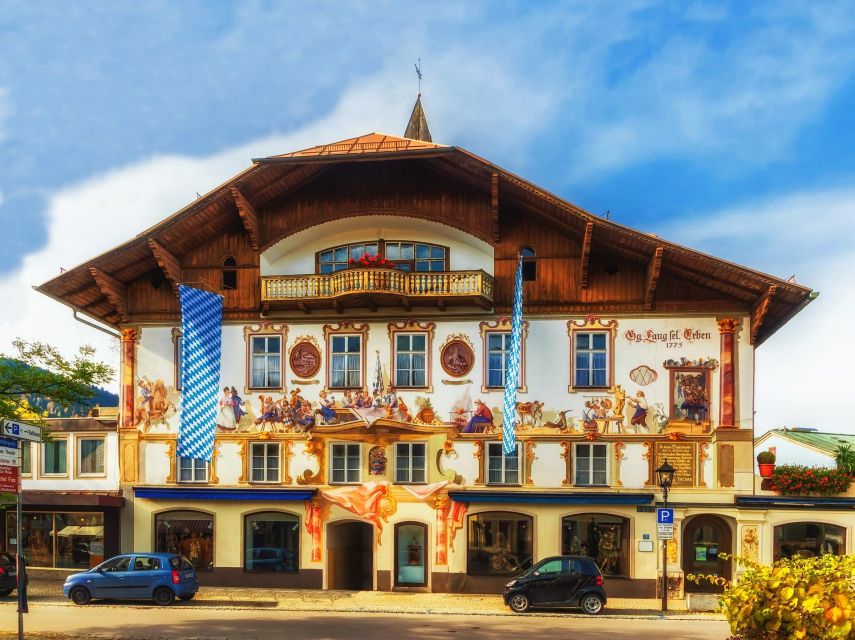
- Märchenhäuser façades: fairy-tale imagery tied to Brothers Grimm folklore collections
- Monastery links to Ettal: Oberammergau’s early 9th-century roots and religious network
- Wood carving trade paths: how pilgrimage routes and markets helped spread the craft
- 30 Years War + Black Plague storyline: the town’s dark chapter that shaped the Passion Play
- WWII traces: references to Wehrmacht leadership and a Messerschmitt factory connection
- Passion Play origins and exclusive cast: why this performance tradition stays special
Oberammergau in 90 minutes: the value of a guided focus
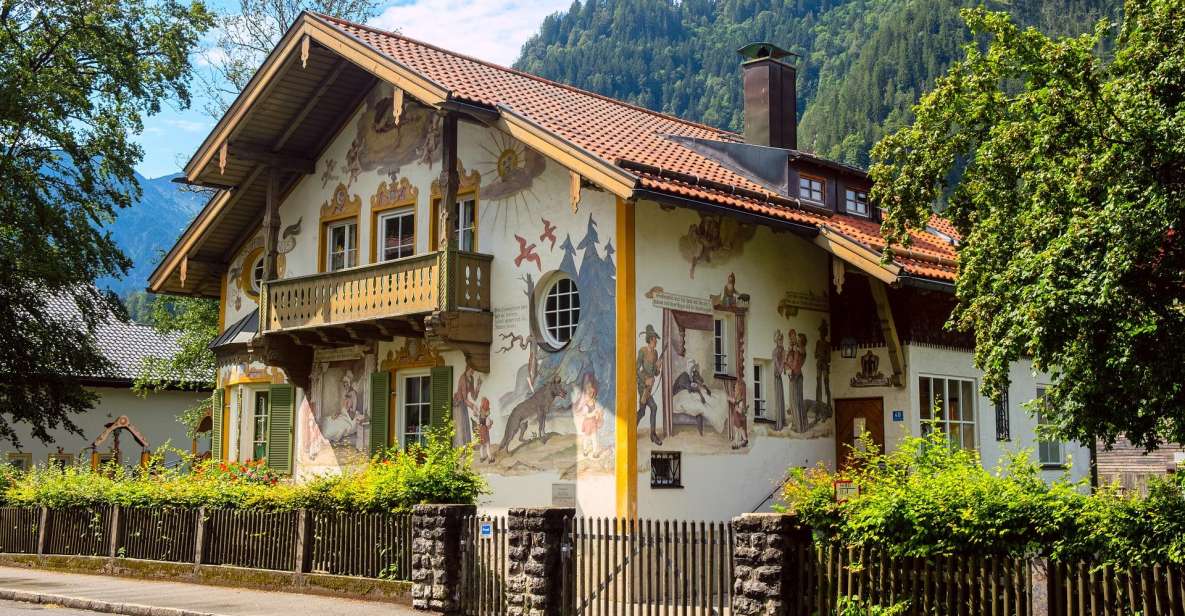
Oberammergau is one of those places where you can’t really separate religion, art, and politics—you see them in the same street scene. This tour is short on paper, but it’s long on meaning because your guide connects details you’d otherwise miss, from how the village formed to why certain traditions took hold.
I like that the experience is structured around themes you can actually “see while walking.” You’re not just hearing dates. You’re watching for clues tied to the Ammer valley setting, the Märchenhäuser façades, and the wood carving reputation that grew from the 14th century onward.
The town’s background also makes the route feel purposeful. The village’s roots trace back to the late Bronze Age, while the Oberammergau you know today began with a small monastery in the 9th century. Your guide uses those anchors to explain why Oberammergau became a stopping point for pilgrims traveling between Germany and Italy, heading toward Rome.
One practical note: because it’s 90 minutes, it’s best for travelers who enjoy tight, well-guided walks more than they enjoy aimless wandering. If you want slow photo time or you’re hoping for inside access, plan to add free time after the tour.
From Eugen-Papst-Straße to the monastery-era story in the Ammer Valley
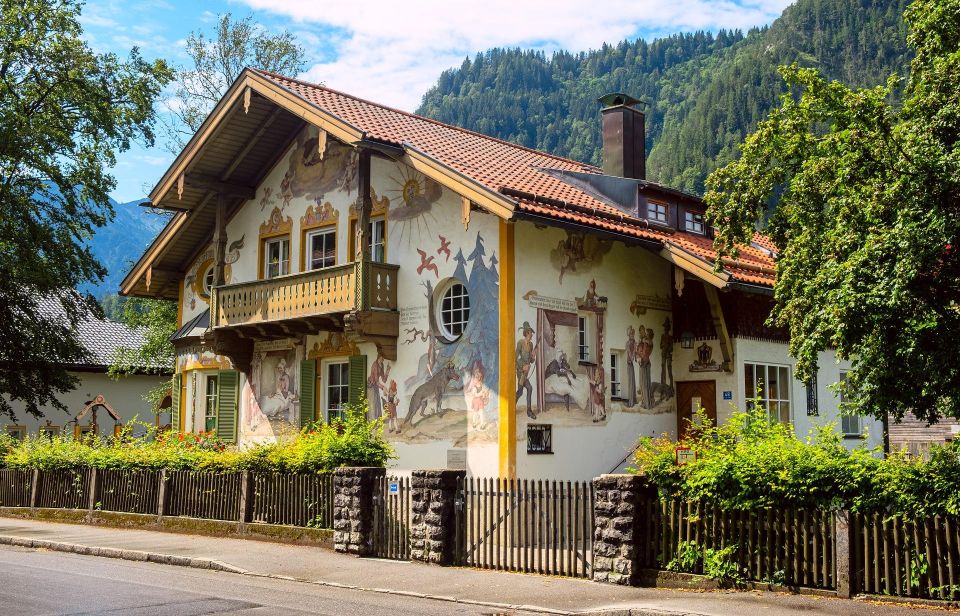
The meeting point is simple: in front of the tourist office on Eugen-Papst-Straße 9A, in Oberammergau. From there, your private group walks into the village with a sense of “how it grew,” not just “what’s here.”
Oberammergau sits in the Ammer valley, and it even takes its name from the river Ammer that crosses the village. That geography matters to your understanding: your guide can show you how a valley stop would naturally attract travelers, pilgrims, and markets over time.
A big early thread is the monastery connection—Oberammergau’s beginnings are tied to a small monastic start in the 9th century, and the tour highlights the link to the nearby Ettal Monastery and its elite boarding school. Even if you’ve never cared about medieval religious networks before, the story becomes practical: monasteries weren’t just worship sites. They were education hubs, economic anchors, and information routes.
As you walk, you’re also learning how pilgrim movement shaped what people built and sold. In other Alpine towns, you might just see pretty storefronts. Here, the guide connects the pilgrimage routes and markets to the spread of wood carving—so the craft doesn’t feel random. It feels like a business and a tradition that grew alongside the traffic of travelers.
If you’re the type who likes “why this place looks the way it does,” this opening portion is where you’ll feel it most. Your guide sets up the sacred parts (monastery and worship tradition) and the profane parts (art, markets, and daily life), so later stops land better.
Märchenhäuser and 14th-century wood carving: art you can read
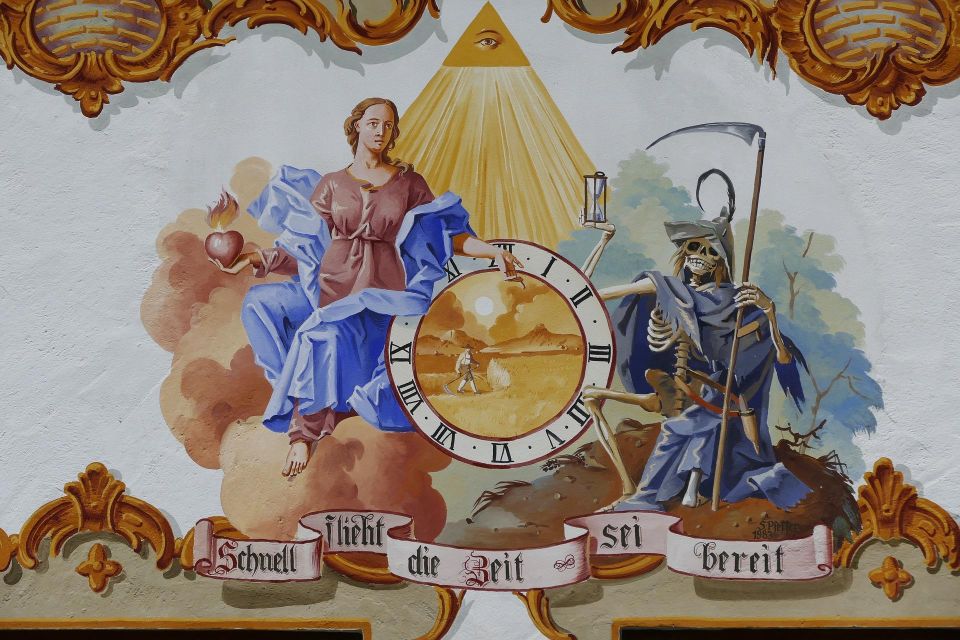
Some villages have a single famous sight. Oberammergau spreads its identity across its streets, and the Märchenhäuser façades are a big reason why.
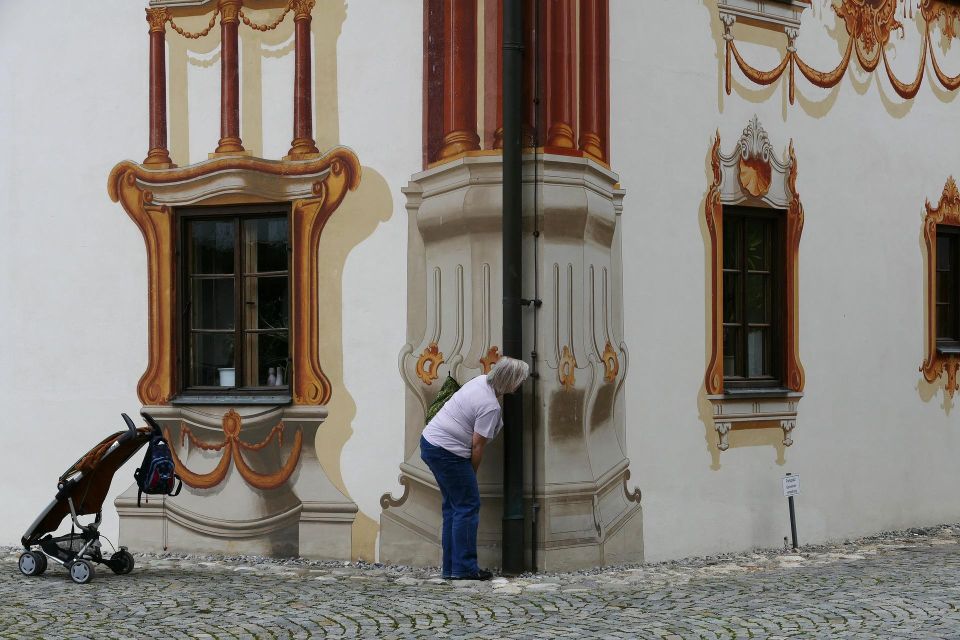
Your guide points out these fairy-tale houses—visual stories that connect to the Brothers Grimm. The important detail here isn’t just that the imagery is whimsical. It’s that these fairy tales were gathered from older oral German folklore in the early 19th century, and Oberammergau put that storytelling energy directly onto the town’s architecture.
I like this because it changes how you look at what might otherwise be “cute.” Instead of thinking, oh, pretty decorations, you start asking, why is this here, and how did the town decide to keep this thread alive?
Wood carving is the other huge pillar, and your tour tracks how it became a fulcrum of the craft from the 14th century onward. You’ll also connect the dots between pilgrimage and the market. Pilgrims bring demand; markets organize supply; craftspeople turn local skill into something recognizable you can carry home.
As you walk, you can also keep your eyes open for how the town balances religion and everyday life. The Passion Play tradition is a major identity marker, but the craft economy isn’t a side note. It’s part of the same historical story—people needed work, visitors bought souvenirs, and the village built a reputation.
Drawback to consider: this portion leans hard on interpretation. If you’re hoping for a simple “shop tour,” you may wish you had more time to stop for specific carved items after the guided walk. The tour gives you context so you’ll shop smarter, but it won’t turn into a long browsing session.
The 30 Years War and Black Plague story behind the Passion Play
Oberammergau became famous for its Passion Play, and this is where the tour gets darker and more compelling.
The guide walks you through how the 30 Years War and the return of the Black Plague shaped the town’s history. The story matters because it explains why the Passion of Christ play took on such importance here. In other words, it wasn’t just tradition for tradition’s sake. It’s tied to a community trying to make sense of suffering and survival.
You’ll also hear how the Passion Play has roots in a long-standing tradition described as one of the best representations of the last days of Christ. That language is broad, but the practical value is this: your guide helps you understand what makes the performance meaningful to the town and how the narrative became a core part of local identity.
Another detail that ties into “what you see” is the town’s 18th-century frescoes painted on its houses. These murals and painted façades aren’t just pretty backgrounds. They reinforce the idea that faith and storytelling live right in daily space, not only inside churches.
This is also where the tour’s structure shines. You don’t just hear about catastrophe. You watch how the community’s later cultural choices reflect earlier trauma and fear—then you compare that sacred purpose to the craft-driven tourist economy that grows around the town.
If you prefer upbeat travel stories only, this section might feel heavy. But if you want context, this is the part that turns Oberammergau from a postcard into a place with real cause-and-effect.
WWII traces you can spot as part of the village story
Most people go to Oberammergau for religion and folk art. This tour also includes WWII-era secrets and connections that are harder to ignore.
The walk references Wehrmacht headquarters and a Messerschmitt factory connection. These aren’t “background facts” tossed in for drama; they fit the tour’s bigger theme: Oberammergau has been shaped by major European forces, not only by local tradition.
What makes this useful is how it expands your mental map. You stop thinking of Oberammergau as only a secluded Alpine performance town. Instead, you see a village that sat within broader power structures—because geography, roads, and industry link even remote places to world events.
Important consideration: you don’t get a full WWII museum experience in 90 minutes. The tour gives you references and historical framing, so if you want deep archival detail, you’ll need extra independent reading or museum time afterward. But as an on-foot primer, it’s an effective way to keep the story honest.
If you’re the type of traveler who likes moral clarity and accuracy, this portion helps. It also gives you a better “listening filter” for anything you might see around town later—because you’ll know what questions to ask.
Passion Play origins and an exclusive cast tradition
The tour doesn’t stop at the general idea of the Passion Play. You learn about its origins and the fact that it has an exclusive cast.
That “exclusive” point matters. It means the Passion Play is not just a one-time theatrical event; it’s a tradition with a specific local structure. Your guide ties this into why Oberammergau became famous in the first place and why the village guards this identity rather than flattening it into generic entertainment.
You’ll also connect the Passion Play to earlier influences we already touched: pilgrimage traffic, community identity formed by hardship, and the town’s long visual language of frescoes and carved craft. The guide’s goal is to help you see the Passion Play as the culmination of multiple village currents.
If you’re visiting outside performance dates, you might wonder how the tradition feels in everyday life. This walking tour helps you answer that by pointing out how the town’s art and architecture keep the story present even when the cast isn’t performing.
One more small practical perk: because it’s a private format, you can ask direct questions about what you’re seeing and how it connects. That’s especially helpful with a tradition like this, where details can feel confusing if you only pick up bits from a sign.
A private guide who keeps the conversation tight (and personal)
This is a private group experience, and your local professional guide stays with your group only. That means you don’t spend the first 20 minutes waiting for stragglers or repeating yourself for a mixed crowd—you get a more fluid story and quicker answers.
Languages offered are English and German. If you’re comfortable in either language, you’ll likely appreciate how the guide can tailor explanations on the fly when you ask follow-ups.
One real example from bookings: Ekaterina has led small groups and is described as lively with interaction and clear storytelling. Even without expecting the exact same guide, you can reasonably plan for a conversation-style walk where the guide reads the room and keeps you involved.
Because your tour can be customized on the spot, you can also steer slightly. If you want to spend more time on Märchenhäuser and the wood carving side, or you’d rather focus more on the war-era references, you should be able to request that during the walk.
The main limitation is the time box. Customizing is great, but it has to fit inside 90 minutes. So choose your priority before you meet your guide—then let them adjust without trying to cover everything.
Price and logistics: $280 per group up to 15
Let’s talk value in plain terms. The price is $280 per group, good for up to 15 people, for a 90-minute walking tour.
That pricing can be excellent if you’re traveling with a small group, family, or friends who want one guide and don’t want the hassle of splitting up. With 15 people, you’re effectively getting a guide experience closer to “group entry” price, but with a more intimate walking format than large public tours.
If you’re going solo, it’s pricier than a standard tour per person—but you’re buying flexibility: private group dynamics, a live guide who stays with you, and a chance to ask questions without time pressure from strangers.
Entrance fees are not included, so if your route plans to connect to paid sites, treat any ticket costs as extra. The tour is designed as a guided walking experience with interpretive stops rather than a ticket-heavy checklist.
Also, plan your footwear and energy. This is a walking tour, and it’s intentionally compact. You’ll enjoy it most if you’re comfortable moving through town and listening as you go.
Who this Oberammergau walk is best for
This tour is a strong fit if you like travel that connects art and history instead of treating them as separate categories. If you care about how a place becomes famous—wood carving, frescoed façades, pilgrimage routes, and a Passion Play tradition—you’ll find plenty to chew on here.
It’s also a good choice for:
- Couples or friends who want a private, conversation-friendly walk
- Travelers who enjoy serious context mixed with local craft and architecture
- People who want a quick orientation before spending more time in Oberammergau on their own
If you hate historical context or prefer only light, postcard-style sightseeing, you might feel the balance is too weighted toward interpretation. But for most curious travelers, that mix is exactly the point.
Should you book this tour?
I think you should book this if you want Oberammergau to make sense fast. The guide-led approach connects the monastery-era roots, wood carving trade story, Märchenhäuser fairy-tale façades, and the Passion Play’s origin context—all without turning the day into an all-day museum marathon.
Skip it only if you’re mainly interested in shopping and you don’t want a lot of historical framing, or if you need longer time for paid entries and inside stops. In that case, you’ll probably be better with self-guided wandering plus a separate stop elsewhere.
FAQ
FAQ
Where does the Oberammergau private guided walking tour start?
It meets in front of the tourist office at Eugen-Papst-Straße 9A, 82487 Oberammergau, Germany.
How long is the tour?
The duration is 90 minutes.
Is this a private tour or a group tour?
It’s a private group tour.
What’s the maximum group size?
The price is for a group up to 15 people.
What languages are available?
The live tour guide is available in English and German.
What’s included in the tour price?
A local professional guide is included, and your guide will be with your group only. Customizing on the spot may also be possible.
Are entrance fees included?
No, entrance fees are not included.
Can I customize the tour during it?
The tour description notes possible customizing on the spot with your local guide.
What is the cancellation policy?
Free cancellation is available up to 24 hours in advance for a full refund.
Can I reserve and pay later?
Yes, the option to reserve now and pay later is available.