REVIEW · MUNICH
Munich: Historical Walking Tour Maxvorstadt with GEO Epoche
Book on GetYourGuide →Operated by Eat the World GmbH · Bookable on GetYourGuide
Munich changes when you learn its street names. This Maxvorstadt walking tour turns a neighborhood stroll into a guided story of bohemian art, Mediterranean-looking grand design, and the darker side of 20th-century Munich. You’ll get an expert-led format built with GEO Epoche, so the stops feel anchored in real context instead of random facts.
I especially like the focus on Brienner Street—Munich’s first boulevard—and how the guide connects the architecture to Ludwig I’s bigger idea of making Munich look like Athens. I also like the emotional honesty of the walk, where glamorous façades share the same corners as World War 2 memory. A possible drawback: the tour is not suitable for people with mobility impairments, and it’s a rain-or-shine walking experience, so wear solid shoes.
In This Review
- Key highlights you shouldn’t miss
- Maxvorstadt on foot: why this 2-hour walk hits the right note
- Meeting at Theatinerkirche and getting your bearings fast
- Odeonsplatz to Maxvorstadt: the city’s story changes as you walk
- Brienner Street: Ludwig I’s Athens-on-the-Isar plan in real view
- Bohemian artists and Italian flair: why Maxvorstadt feels different
- World War 2 in Munich’s streets: stories with the hard edges left visible
- The GEO Epoche touch: structured, expert-led, and easy to follow
- Price and value: is $29 worth it?
- Who this tour fits best (and who should skip it)
- Should you book the Maxvorstadt Historical Walking Tour with GEO Epoche?
- FAQ
- Where is the meeting point?
- How long is the tour?
- What language is the tour in?
- Does the tour run in bad weather?
- What should I bring for the tour?
- Are pets allowed on the tour?
- Is there free cancellation?
- Can I reserve now and pay later?
- Is this tour suitable for people with mobility impairments?
Key highlights you shouldn’t miss
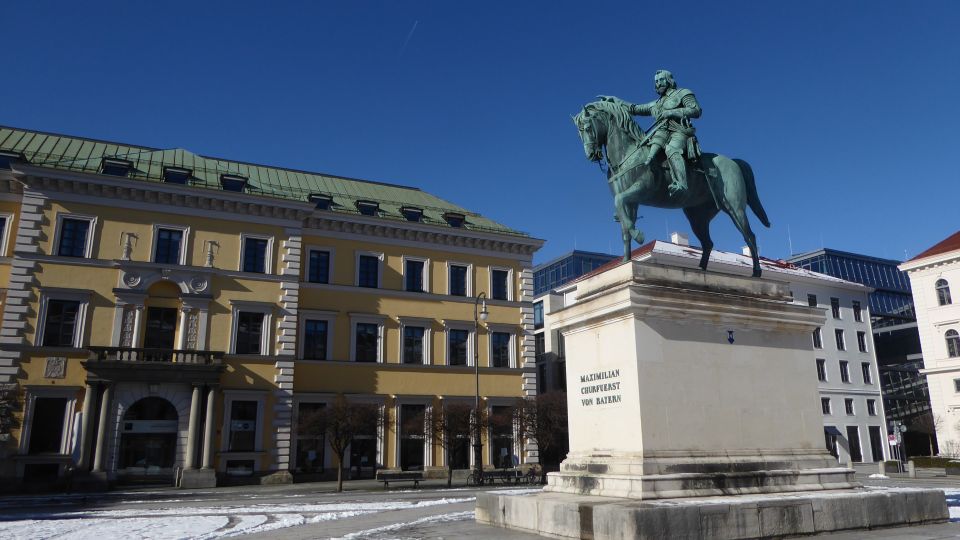
- Odeonsplatz to Maxvorstadt route that frames the district the way locals experience it today (student life included)
- Brienner Street history with Ludwig I’s Athens-on-the-Isar dream and the Mediterranean flair behind it
- First-boulevard significance—you’ll learn why this particular street matters in Munich’s growth
- Glamour and horror in the same neighborhood, with clear World War 2 connections
- Live German guide who brings the streets to life with stories, not lectures
- Developed with GEO Epoche, giving the walk a magazine-level structure and pacing
Maxvorstadt on foot: why this 2-hour walk hits the right note
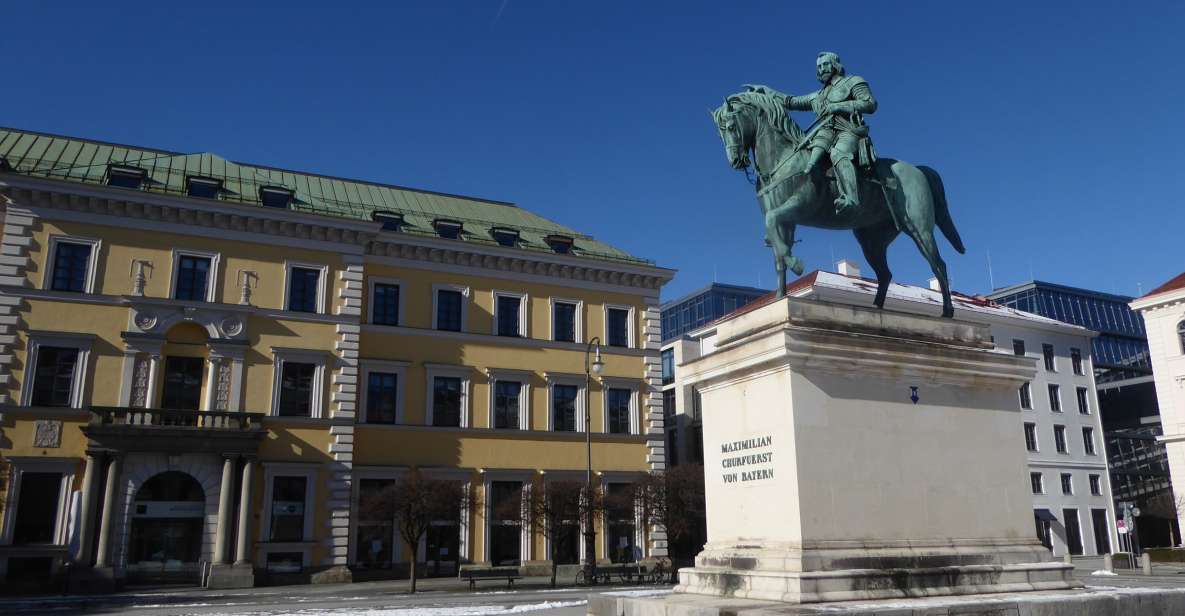
Maxvorstadt isn’t just another Munich district—it’s the kind of place where the city’s personality shows up in details. Today it’s student-oriented, with a younger crowd than the rest of Bavaria’s capital, but the street grid still carries older ambitions and older conflicts. This tour uses that contrast on purpose, so you don’t just see buildings—you understand what shaped them.
The biggest win for me is the guide-driven storytelling. You’re walking through meaningful streets with a human voice explaining why things look the way they do, and where the stories played out in real space. It’s also designed to stay workable in real time: 2 hours is long enough for multiple stops, but short enough that you won’t feel stuck in one place.
If you expect a museum-style experience with long indoor pauses, this isn’t that. It’s a street walk, so you’ll want to plan for steady motion and changing weather.
You can also read our reviews of more walking tours in Munich



Meeting at Theatinerkirche and getting your bearings fast
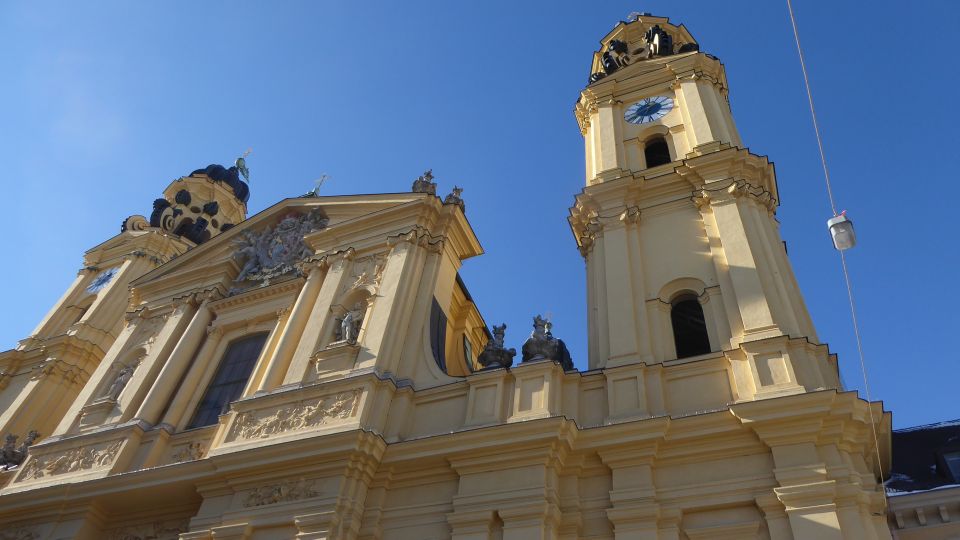
You meet your guide in front of Theatinerkirche. That’s a convenient starting point because it places you in the historic core of Munich before the walk turns toward Maxvorstadt.
From there, the tour’s movement matters. It’s set up as a journey from Odeonsplatz to Maxvorstadt, which helps you feel like the city is unfolding in layers. Instead of jumping randomly from landmark to landmark, the route builds a line of thought: how Munich looked, how it wanted to look, and what happened when history turned violent.
Also note the practical reality: the tour runs rain or shine. Munich weather can be unpredictable, so pack for the day you get—not the day you hoped for. Comfortable shoes and a water bottle are not optional if you want to enjoy the pace.
Odeonsplatz to Maxvorstadt: the city’s story changes as you walk
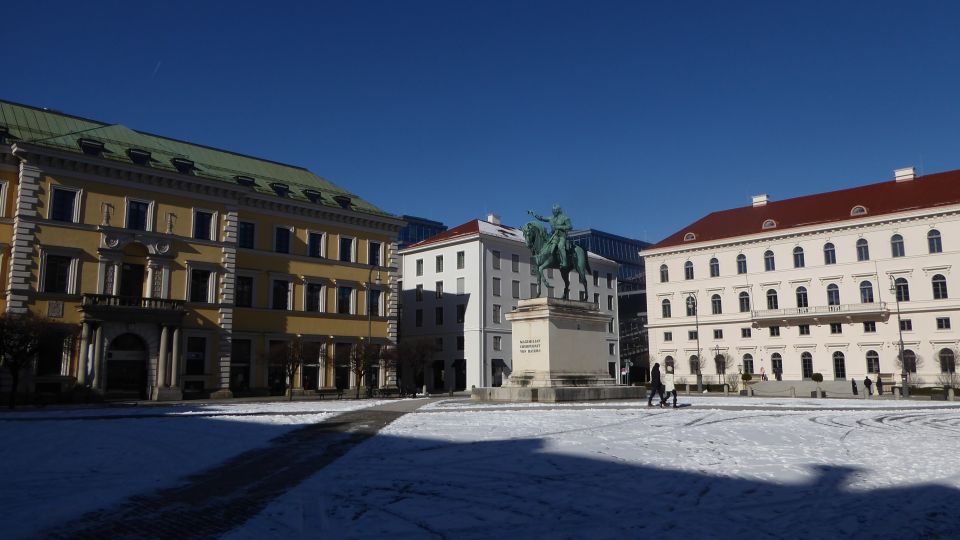
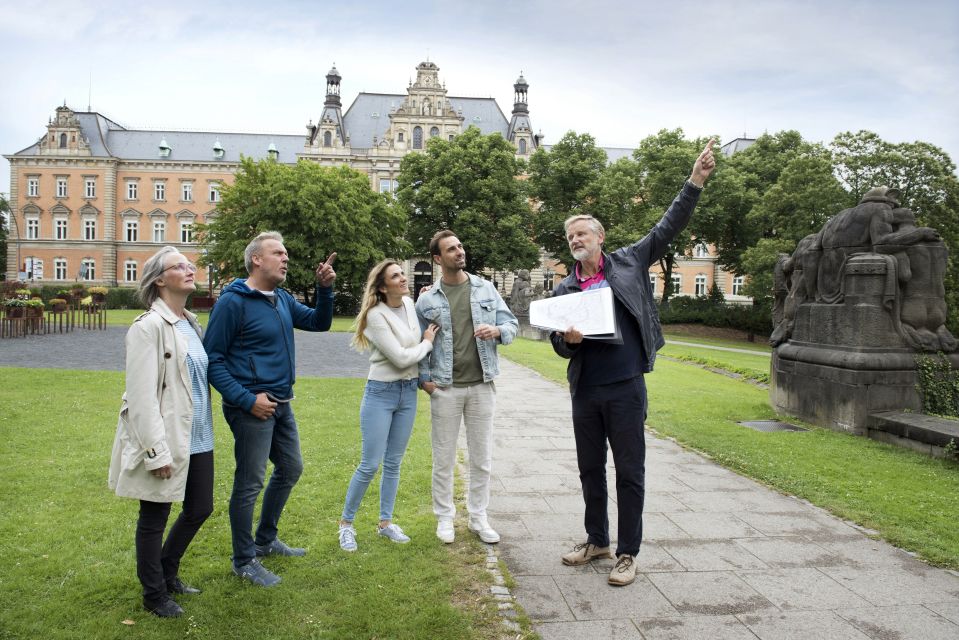
The tour’s core strength is how it connects geography to identity. As you move from Odeonsplatz toward Maxvorstadt, you start seeing the district less as a dot on a map and more as a chapter of Munich’s ambition. The guide doesn’t treat streets as background; they become stages.
You’ll also get a clear snapshot of how the area functions now. Maxvorstadt is known for student life, and the walk uses that as a bridge to the past. When you learn what the area was designed for, it makes sense why it feels youthful today—Munich built it for people to gather, to move, and to be part of public life.
This is also where the tour leans into the “two-tone” feel of the district: Italian flair and bohemian creativity on one hand, and the horror of war on the other. That contrast can be heavy, but the value is that it’s not sugarcoated.
Brienner Street: Ludwig I’s Athens-on-the-Isar plan in real view
Brienner Street is a highlight for a reason: it was Munich’s first boulevard, and it reflects the city’s deliberate attempt to look grand and classically inspired. Here’s what I like about the way the tour handles this. It doesn’t just say “Ludwig I loved classical ideas.” It explains how those ideas shaped public-facing spaces you can still stand in today.
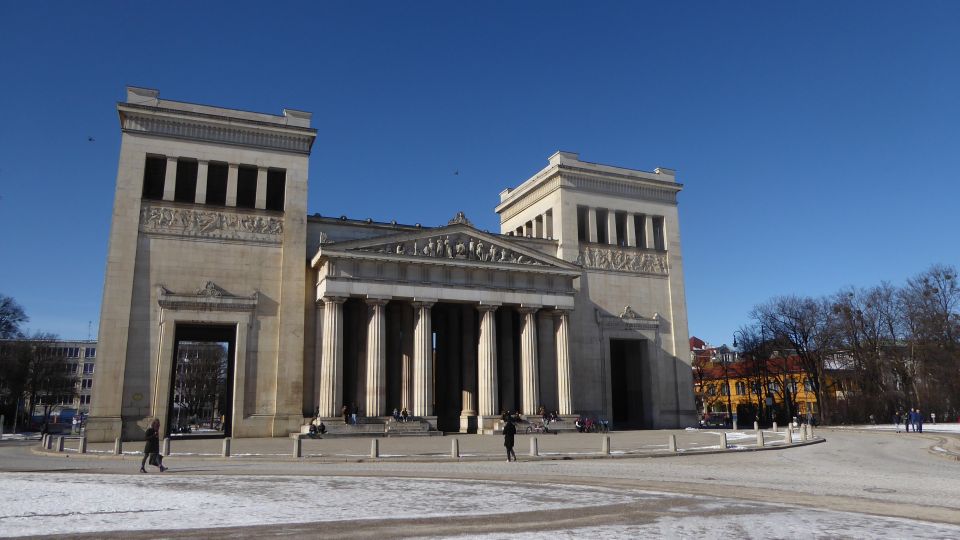
You’ll learn about how Ludwig I dreamed of Munich as Athens on the Isar, with Mediterranean aesthetics and a sense of grandeur. Even if you’re not an architecture person, that framing makes the street easier to read. You start noticing how buildings and street presence signal power, culture, and status.
And the guide points out the era’s real-life features along the way—palaces, concert halls, and glamorous cafés connected to this period. That’s the practical value: you can look at what’s there now and connect it to why it exists.
One small consideration: since this tour is mostly outdoor walking, your enjoyment of Brienner Street will depend on your tolerance for weather. If it’s wet, bring footwear that won’t punish you mid-walk.
Bohemian artists and Italian flair: why Maxvorstadt feels different
This isn’t a tour that only cares about rulers and wars. It also brings in the human side—artists, creativity, and the kinds of cultural energy that make a neighborhood feel alive.
The description includes Italian flair and bohemian artists, which is a useful reminder that cities aren’t built only by official plans. They’re also shaped by the people who use the spaces—where they meet, where they perform, where they form communities.
This matters for you because it changes what you take away. Instead of leaving with a checklist of dates, you leave with a sense of how culture and daily life overlapped with big historical decisions. That’s what makes a two-hour walking tour feel worth your time.
You can also read our reviews of more historical tours in Munich






World War 2 in Munich’s streets: stories with the hard edges left visible
A major theme here is Munich’s role in World War 2, including places tied to the conflict and the aftermath. The tour doesn’t frame the district as purely glamorous. It treats the dark history as part of the same urban fabric.
What I appreciate is the honesty about how a neighborhood can be both attractive and scarred. You’ll see how Munich’s public image and cultural ambition existed alongside brutal reality. That gives you a fuller picture of the city—one that matches what surviving places can tell you.
This part can hit harder than the “architectural wow” stops. If you prefer light and breezy sightseeing only, you might want to choose another style of tour. If you’re okay with serious history presented clearly on foot, this is where the tour earns its emotional impact.
The GEO Epoche touch: structured, expert-led, and easy to follow
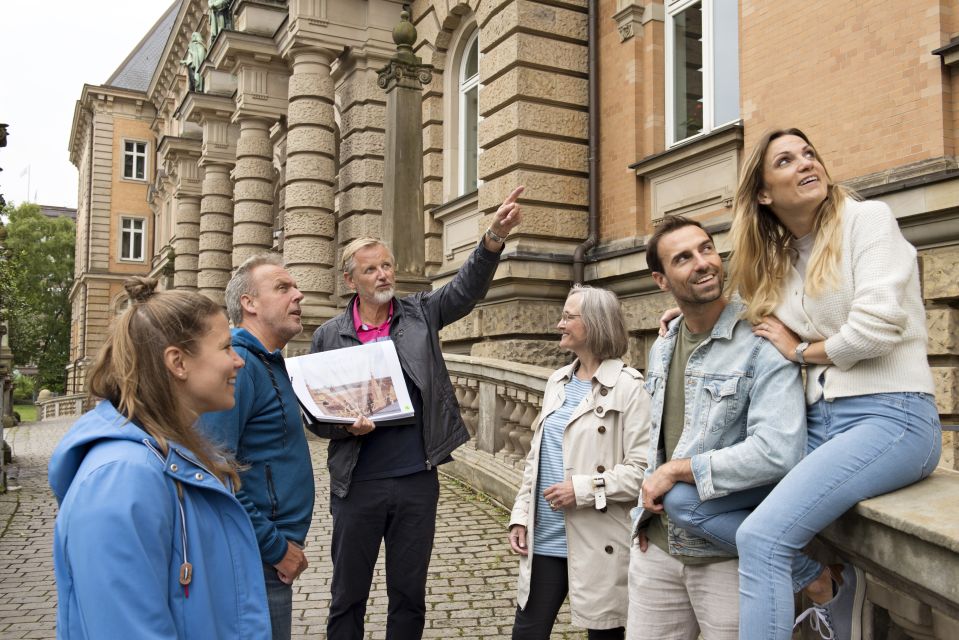
You’re not getting a random walk assembled by whoever has good storytelling. The tour is developed together with GEO Epoche, which shows in how the narrative is shaped and paced for a walking format.
In practical terms, that means:
- You get a sequence that builds logically as you move through the district.
- You hear facts tied to specific places, not vague generalities.
- The guide can keep anecdotes from feeling like distractions, because they support the bigger story.
On top of that, the tour uses a live guide and is conducted in German. If you read German comfortably, you’ll likely follow the flow well. If your German is basic, you might still enjoy the architectural and visual context, but the full value is in understanding the spoken explanations.
From the quality of guidance highlighted in feedback, you can also expect that the guide should know how to keep the tour lively and readable—clear enough to be enjoyable, not stiff like a textbook.
Price and value: is $29 worth it?
At $29 per person for a 2-hour guided walk, this sits in the category of affordable, high-value experiences—especially if you want more than self-guided strolling.
Here’s what you’re really paying for:
- A structured route from the historic center toward Maxvorstadt
- Expert storytelling about Ludwig I, Brienner Street, and Munich’s World War 2 connections
- The GEO Epoche development effort, which typically means better narrative flow than an ad-hoc walk
- A live guide rather than an audio app
If you were going to spend your time wandering anyway, this adds meaning quickly. The time cost is low, the walking time is manageable for most healthy adults, and the historical payoff is concentrated instead of spread across several attractions.
Who this tour fits best (and who should skip it)
This works best for you if:
- You like walking tours with real context, not just photos
- You want to understand Maxvorstadt beyond its student feel
- You’re interested in Ludwig I’s vision and the significance of Brienner Street
- You don’t mind hearing the harder side of the city, including World War 2
It may not be ideal if:
- You have mobility limitations (it’s listed as not suitable for people with mobility impairments)
- You need lots of indoor breaks or minimal walking
- You can’t comfortably handle a German-only guided experience
Also, note that pets aren’t allowed, so plan accordingly if you’re traveling with an animal.
Should you book the Maxvorstadt Historical Walking Tour with GEO Epoche?
I’d recommend booking if you want a compact, meaningful way to experience Munich through the lens of Maxvorstadt—and especially if Brienner Street and Ludwig I’s “Athens on the Isar” idea sound like your kind of historical thread. This tour is strong at connecting what you see to why it exists, and it’s willing to include the darker truths instead of skipping past them.
I’d skip it if you’re looking for only light sightseeing, or if walking for two hours rain or shine isn’t practical for you. Otherwise, this is a solid pick: focused route, expert guidance, and stories that make the neighborhood feel real.
FAQ
Where is the meeting point?
Meet your tour guide in front of Theatinerkirche.
How long is the tour?
The duration is 2 hours.
What language is the tour in?
The tour is conducted with a live guide in German.
Does the tour run in bad weather?
Yes. The tour takes place rain or shine.
What should I bring for the tour?
Bring comfortable shoes, weather-appropriate clothing, and water.
Are pets allowed on the tour?
No. Pets are not allowed.
Is there free cancellation?
Yes. You can cancel up to 24 hours in advance for a full refund.
Can I reserve now and pay later?
Yes. The option reserve now & pay later is available, so you can book your spot and pay nothing today.
Is this tour suitable for people with mobility impairments?
No. It is not suitable for people with mobility impairments.
If you tell me your dates and whether your German is basic or strong, I can suggest the best kind of tour-day plan around this walk.