REVIEW · DACHAU
Dachau Memorial Public Tour
Book on GetYourGuide →Operated by Travmonde OÜ · Bookable on GetYourGuide
This tour turns facts into human scale. You’ll spend five hours at Dachau, where the story stretches from the Nazis’ first camp in 1933 to forced labor and mass death by 1945. I especially like the English live guide approach that connects camp rules to real human outcomes, and I like that the tour covers the horrors of medical experiments and the fate of Roma prisoners. One thing to consider: you should double-check the day-of meeting details at Marienplatz, since clear guide-location info can be a weak spot.
You’ll also hear survivors’ accounts as part of the memorial experience, and that’s the part that sticks. Dachau has the weight of an entire system of terror, but the tour keeps the focus on what people endured and what survived—without turning it into a history lecture you can tune out.
In This Review
- Key things I’d circle before you go
- Why Dachau’s Memorial Tour Works in 5 Hours
- Finding the Meeting Point at Marienplatz Fish Fountain
- Dachau’s History: From 1933 Camp to 1945 Liberation
- Camp Life Explained: Guards, Prisoners, and Daily Control
- The Medical Experiments Section: What the Guide Helps You See
- Roma Prisoners: The Memorial Focus You Don’t Want to Miss
- Survivors’ Stories and Resilience Without Sentimentality
- Price and Value: Is $126 Worth It?
- Practical Tips for a Memorial Like This
- Who This Dachau Memorial Public Tour Fits Best
- Should You Book This Tour?
- FAQ
- Where is the meeting point for the Dachau Memorial Public Tour?
- How long is the tour?
- Is the tour guided in English?
- What is the price of the tour?
- What’s included in the ticket price?
- Is food and beverage included?
- Is there free cancellation?
- Can I reserve first and pay later?
- Are there different starting times?
- Who is the experience provider?
Key things I’d circle before you go
- English narration that ties daily mechanics to daily suffering: it’s not just dates; it’s how control worked.
- Time on the memorial message, not a checklist: the guide frames courage and survival in context.
- Medical experiments covered directly: you’ll learn what happened to helpless prisoners and why it matters.
- Roma prisoners’ stories get real attention: you’re guided toward histories that are often sidelined.
- Survivor testimony as the human anchor: the tour uses personal accounts to keep events grounded.
- Public transport included for a smoother start: you get a ticket built into the price.
Why Dachau’s Memorial Tour Works in 5 Hours
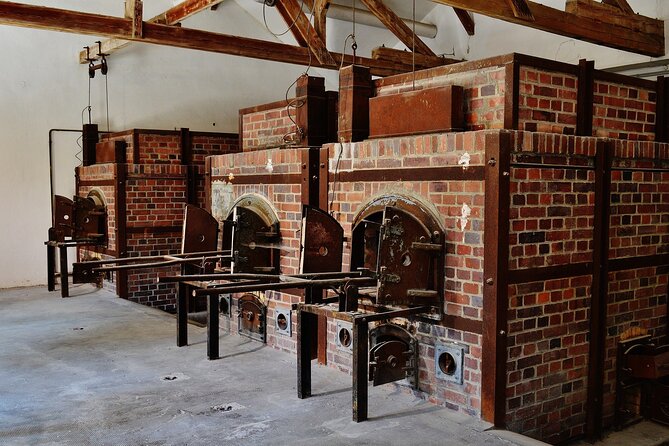
Dachau isn’t a place you rush. In a short visit, it’s easy to skim, look busy, and absorb very little. This 5-hour format is long enough to build understanding and still leave time for you to process what you’re hearing while you walk through the memorial’s story.
The biggest strength is how the tour is structured around people and purpose. Dachau started in 1933 as a camp for political prisoners, then shifted into forced labor. Over the camp’s 12 years of operation, it held more than 200,000 inmates. And by the end, the memorial’s message doesn’t only focus on what Nazi Germany planned—it focuses on what that system did to real bodies, real families, and real futures.
If you want a guided explanation that doesn’t treat suffering like a museum exhibit, this tour is built for that. Just be ready: this is heavy material. You’ll need steady mental energy.
You can also read our reviews of more tours and experiences in Dachau.
Finding the Meeting Point at Marienplatz Fish Fountain
The meeting point is at the Fish Fountain, Marienplatz 8, 80331 München, Germany. That’s in central Munich, so it’s convenient to get to, but it also means you should plan to arrive with margin.
Here’s my practical advice: show up a little early and double-check you have the correct tour start time before you leave your hotel. This particular booking setup can be sensitive to timing and meeting details, and you don’t want to be standing there guessing while everyone else is already heading out.
Also, because it’s a public guided tour with public transport included, you’ll want to move as a group. Treat it like an appointment, not a casual meetup.
Dachau’s History: From 1933 Camp to 1945 Liberation
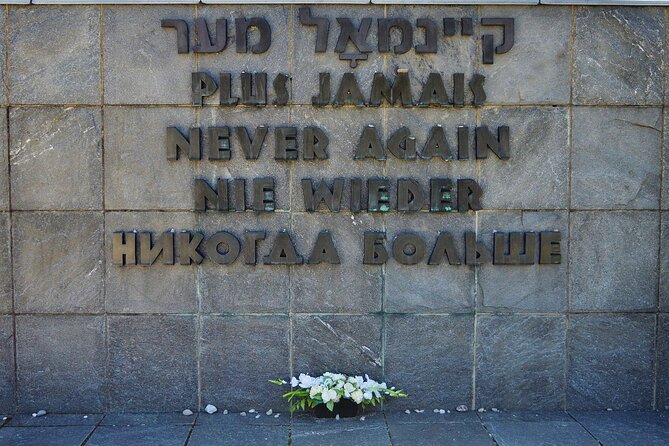
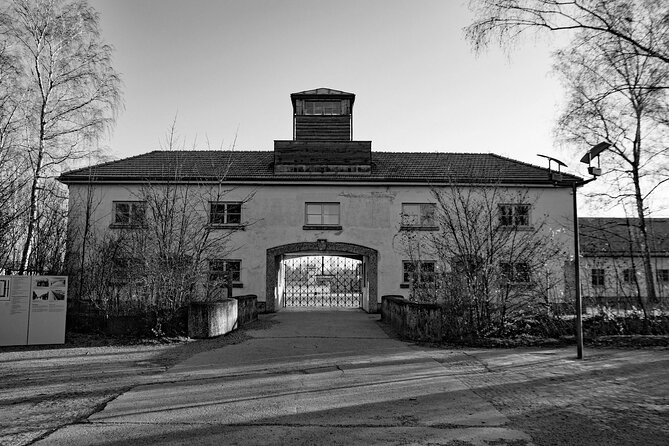
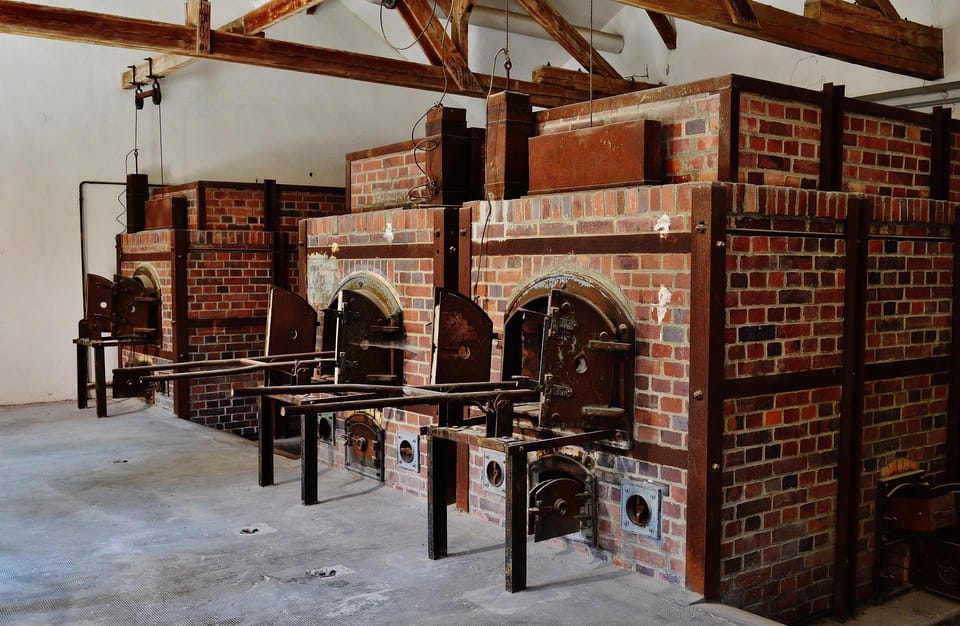
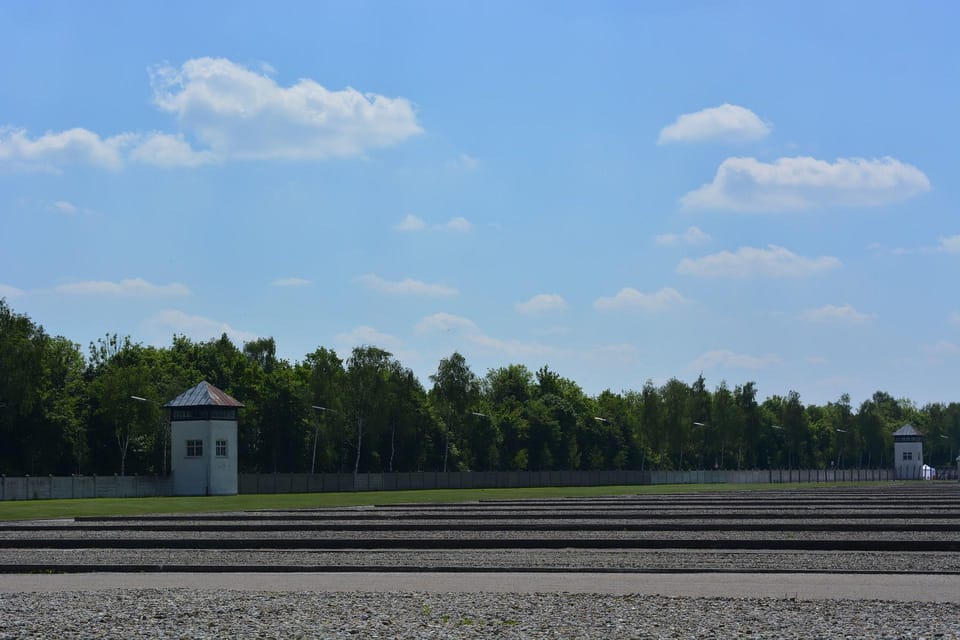
This tour gives you the backbone of what happened, in plain language. You start with the fact that Dachau was the first camp the Nazis opened in Germany in 1933. It began as a way to hold political prisoners. Over time, the camp expanded its function until it became part of the forced labor machine.
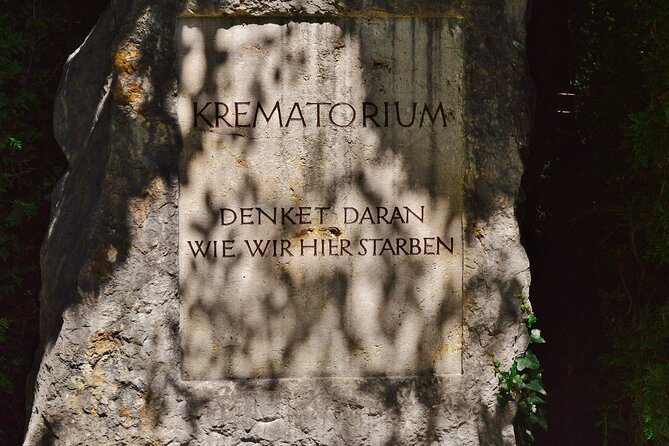
The tour frames Dachau as more than one atrocity. It was described as an “Academy of Terror,” a training ground where brutality was scaled and taught. The data shared for the experience points to about 40,000 people killed from 34 nations before liberation in 1945 by the American army.
Why this matters for you: if you don’t have the timeline, it’s hard to understand why different parts of the memorial feel interconnected. You might see references to different prisoner categories or different types of abuse, and the guide helps you connect those dots to a single system.
Camp Life Explained: Guards, Prisoners, and Daily Control
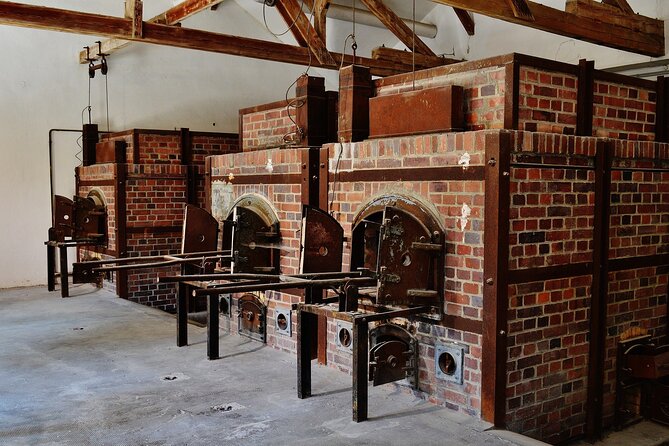
One of the tour highlights focuses on daily camp dynamics—how guards operated and how prisoners experienced the structure of control. That’s the kind of context that turns generic horror into something you can actually understand.
You’ll be guided through what daily life meant in a system built for domination. The tour is meant to show you the mechanics: how prisoners were handled, how order was enforced, and how the camp’s routine reinforced the larger purpose of terror.
This is one of the most valuable parts for me. When you learn how control was practiced day after day, you stop treating the atrocities as random cruelty. You see it as organized policy.
A possible consideration: this section can feel emotionally exhausting. If you’re prone to getting overwhelmed in museums, take short breaks when the guide pauses. You’re allowed to step back and breathe.
The Medical Experiments Section: What the Guide Helps You See
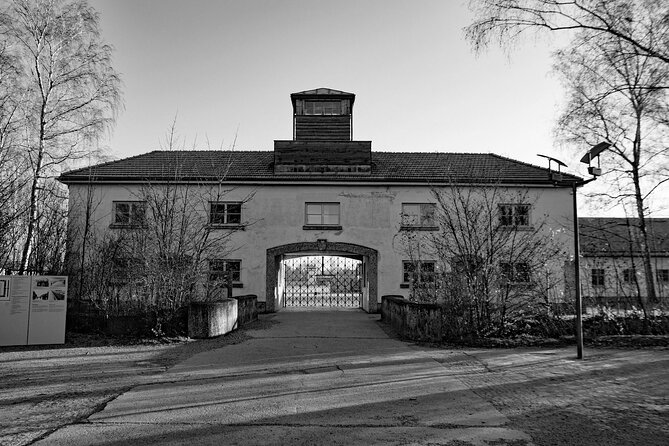
The experience explicitly includes the gruesome subject of medical experiments on helpless prisoners. The goal here isn’t to shock you for its own sake. It’s to explain what those experiments were and what they represented inside the camp’s broader cruelty.
You’ll want to listen for context clues: how the experiments fit into the camp’s power structure, and how prisoners were treated as instruments rather than people. Even if you’ve read about this before, hearing it explained within the memorial setting can change how the information lands.
Practical tip: go in knowing you may not want to take photos or jot notes constantly. Sometimes quiet attention is the most respectful way to absorb what’s being explained.
Roma Prisoners: The Memorial Focus You Don’t Want to Miss
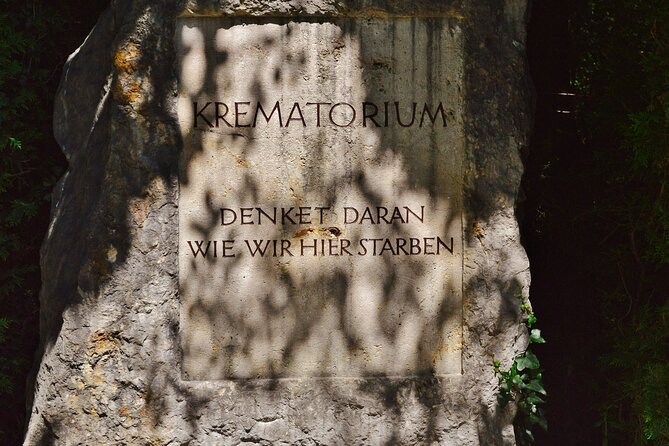
Another highlight is coverage of Roma prisoners’ dreadful fates and untold stories of suffering. This part matters because it adds depth to Dachau’s victim picture. It also helps you understand that persecution wasn’t limited to one group or one label.
If you care about complete history, this is the value: you’re not just hearing about the camp in broad strokes. You’re being guided to specific human stories that belong in the record.
When the guide brings up these histories, I’d recommend you slow down mentally. The temptation is to treat them like one more subtopic. In reality, they’re central to the memorial’s moral message.
Survivors’ Stories and Resilience Without Sentimentality
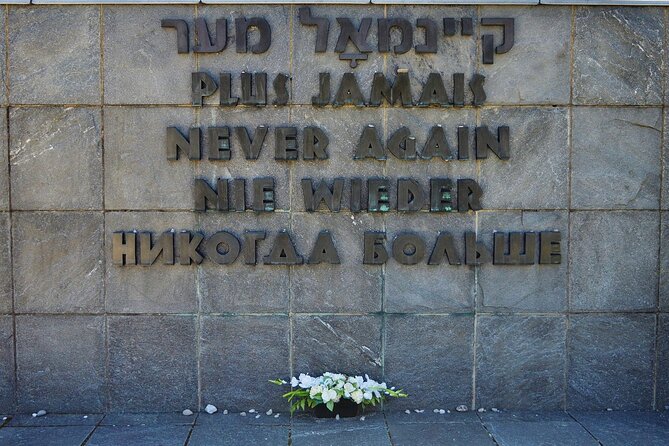
The tour includes survivors’ gripping tales, which is where the experience becomes more than history. Survivor testimony shifts the center of gravity from what happened to what it did to people afterward—and what it cost.
Resilience here isn’t presented as a motivational poster. It’s presented as something lived through. That’s why it matters that the tour keeps the emphasis on courage and survival. You’re not just learning what the Nazis did—you’re hearing how people carried the aftermath.
One caution: if you’re visiting with someone who wants a lighter pace, this is not the best match. Dachau demands seriousness. The pacing only works if you and your group are on the same emotional level.
Price and Value: Is $126 Worth It?
At $126 per person for a 5-hour English-guided visit, you’re paying for three concrete things:
- a local professional guide
- a ticket for public transport
- the tour format itself (a live guide experience with structured memorial storytelling)
To me, the value isn’t only time. It’s the guide’s job: turning a site that could overwhelm you into a narrative you can follow. Dachau includes multiple kinds of abuse and multiple groups of victims. A guide helps you connect those elements so you’re not left with scattered impressions.
Also, this tour includes public transport ticketing, which reduces your planning workload. That matters because memorial sites punish sloppy logistics—if you’re late or confused, you lose the flow of the explanation.
One more point: the overall rating shown with the tour data is 3.1 (3 reviews). That isn’t a dealbreaker, but it’s a reason to be organized. You want clear meeting details and a smooth start so the experience stays on track.
Practical Tips for a Memorial Like This
You’ll learn fast that Dachau is not a place for multitasking. A few practical choices can make the experience easier to handle:
- Wear comfortable shoes. You’ll be standing and walking for hours while listening closely.
- Use a low-tech approach. If you feel drained, limit phone use. Focus on the guide’s explanations and your own pacing.
- Have a mental plan for tough moments. When you hit the medical experiments or prisoner fates sections, don’t try to power through mechanically. Take a breath and let the information land.
- Plan for no food on the tour. Food and beverage aren’t included, so you may want to eat beforehand or plan to grab something after.
Also, since the tour is in English, it’s a solid option if you want to avoid translation gaps. Your understanding matters most when the subject is this difficult.
Who This Dachau Memorial Public Tour Fits Best
This tour suits you if you want:
- a guided, English-language explanation
- a structured look at camp life, including guards/prisoners dynamics
- coverage that explicitly includes medical experiments and Roma prisoners
- survivors’ stories as part of the memorial experience
It’s also a good fit for first-time visitors to Dachau who don’t want to piece everything together alone. If you’re the kind of traveler who asks questions and wants clarity, this guide-led approach will likely feel worthwhile.
If you prefer short museum-style visits or you struggle with very heavy content, you might consider a different format or a shorter outing. Dachau takes concentration, and a 5-hour tour isn’t designed to be light.
Should You Book This Tour?
Yes, I’d book it if you want an English-led memorial visit that tackles the hard topics directly—camp dynamics, medical experiments, Roma prisoner history, and survivor accounts—and you value having a local professional guide interpret what you’re seeing.
But I’d book with one condition: be organized about the meeting. The meeting point is clearly listed at the Fish Fountain in central Munich, yet the tour data includes mixed feedback on guide-location clarity. So I’d confirm your exact meeting details ahead of time and plan to arrive early.
If you’re emotionally prepared and you want guided context rather than self-guided guesswork, this $126, 5-hour experience can be a powerful, serious way to understand what Dachau meant—and what it cost.
FAQ
Where is the meeting point for the Dachau Memorial Public Tour?
The meeting point is at the Fish Fountain, Marienplatz 8, 80331 München, Germany.
How long is the tour?
The tour duration is 5 hours.
Is the tour guided in English?
Yes. The live tour guide language is English.
What is the price of the tour?
The price is $126 per person.
What’s included in the ticket price?
Included are a local professional guide on the public guided tour, a ticket for public transport, and an online payment processing fee.
Is food and beverage included?
No. Food and beverage are not included.
Is there free cancellation?
Yes. You can cancel up to 24 hours in advance for a full refund.
Can I reserve first and pay later?
Yes. The experience offers a reserve now & pay later option, with you paying nothing today.
Are there different starting times?
Starting times depend on availability, and you can check availability to see what’s offered.
Who is the experience provider?
The experience provider is Travmonde OÜ.