REVIEW · DACHAU
From Munich: Dachau Memorial Site Tour in Spanish
Book on GetYourGuide →Operated by Bayern a medida GmbH & Co KG · Bookable on GetYourGuide
History hits hard at Dachau. This Spanish-language tour from Munich takes you by train with an official Dachau Memorial Guide to the memorial site, where the permanent exhibition and surviving buildings turn history into something you can actually see. The main consideration: this visit is emotionally intense, and it’s not open to kids under 13 or to non-Spanish speakers.
In about five hours, you’ll cover the key parts of the memorial—roll-call areas, bunkers, barracks, and the crematorium—plus the International Memorial and other religious memorials. I really like the way the guide experience is described as patient and careful, with explanations that stay clear even when the subject is heavy. Bring comfortable shoes, because you’ll be walking and standing for stretches.
In This Review
- Key highlights that make this tour worth it
- Getting from Munich to Dachau by train with an official guide
- Finding the guide at Karlstor Gate (and not boarding the wrong bus)
- The memorial’s permanent exhibition: understanding the story you’re seeing
- Roll-call, bunkers, barracks, and the crematorium: seeing the camp’s core layout
- International Memorial and religious memorials: reflection beyond the buildings
- Price and value: why $40 makes sense for a guided Spanish visit
- Comfort, rules, and who this tour is best for
- Timing tips and what to wear for a 5-hour memorial visit
- Should you book this Dachau Memorial Site tour?
- FAQ
- How long is the Dachau Memorial Site tour from Munich?
- What language is the tour conducted in?
- Can non-Spanish speakers book this tour?
- Is the tour suitable for children?
- What does the tour cost?
- Where do I meet the guide in Munich?
- Does the tour include the transport ticket?
- What is included in the tour price?
- What should I bring?
- Are pets, luggage, or food allowed?
Key highlights that make this tour worth it
- Official Dachau Memorial Guide in Spanish for a structured, respectful visit
- Permanent exhibition that frames the history of Dachau Concentration Camp
- Original buildings and reconstructions that show what’s left of the camp
- Roll-call, bunkers, barracks, and crematorium so you see the camp’s core layout
- International and religious memorials for reflection beyond the main exhibit
Getting from Munich to Dachau by train with an official guide
This tour is built around one simple goal: get you from Munich to Dachau with less stress, then give you an expert at the site who can guide you through what you’re seeing.
You start in Munich and travel to the Dachau Concentration Camp Memorial Site by train. The group is accompanied by an official Dachau Memorial Guide once you begin the day, so you’re not left figuring things out on your own. That matters here, because without context, you can miss why certain buildings and spaces are important.
The tour runs for about 5 hours, which is a realistic amount of time to walk the memorial grounds and still have room for explanations. It’s long enough to cover the key stops—short enough that you’re not stuck for an entire day after a heavy visit.
You can also read our reviews of more tours and experiences in Dachau.
Finding the guide at Karlstor Gate (and not boarding the wrong bus)
Logistics are straightforward, but they’re strict in one place: meeting time and location.
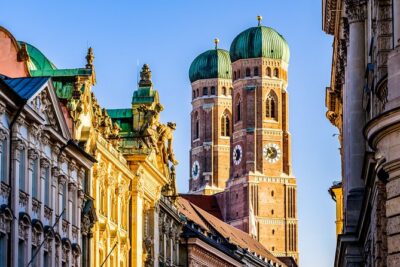
Meet under Karlstor Gate (at Karlsplatz) 10 minutes before the activity starts. The guidance is very specific: don’t look for or get on any buses. Instead, find the guide waiting under the Karlstor arch at Karlsplatz.
That “look for the person, not the vehicles” tip saves time and confusion. It also helps the group start together so you’re not walking into the memorial experience half-distracted.
If you’re coming from central Munich by foot or transit, give yourself a little buffer to reach Karlsplatz on time—this is one of those tours where being late can push you out of sync with the group.
The memorial’s permanent exhibition: understanding the story you’re seeing
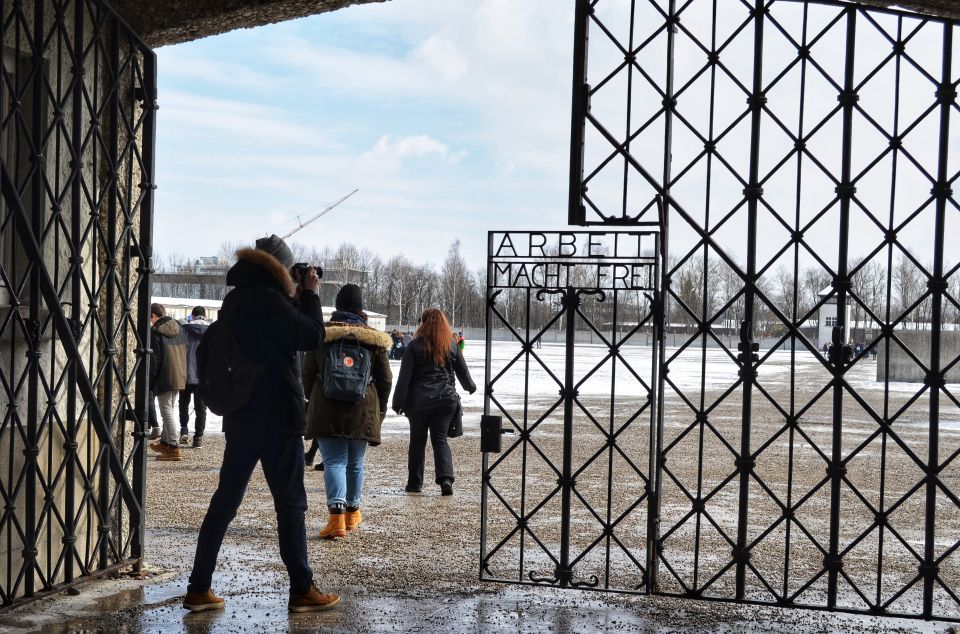
The first big stop you can expect is the permanent exhibition, which gives you the historical overview of Dachau Concentration Camp. This is where the site becomes more than a set of buildings.
The value here is context. When you later stand in areas connected to the daily operation of the camp—like the roll-call spaces and the crematorium—you’ll understand why the tour directs your attention to certain details and why the memorial is arranged the way it is.
Because this is a guided experience in Spanish, you get a running explanation rather than reading panels by yourself. That makes a difference if you’re not fluent in German, and it also helps keep the pacing respectful. The guide’s tone is described as clear and patient, which you’ll appreciate once the topic gets emotionally difficult.
Think of the exhibition as your “map.” After that, the rest of the memorial starts to click: not just what you’re seeing, but how it connects to what Dachau represented for victims and survivors.
Roll-call, bunkers, barracks, and the crematorium: seeing the camp’s core layout
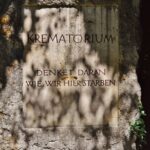
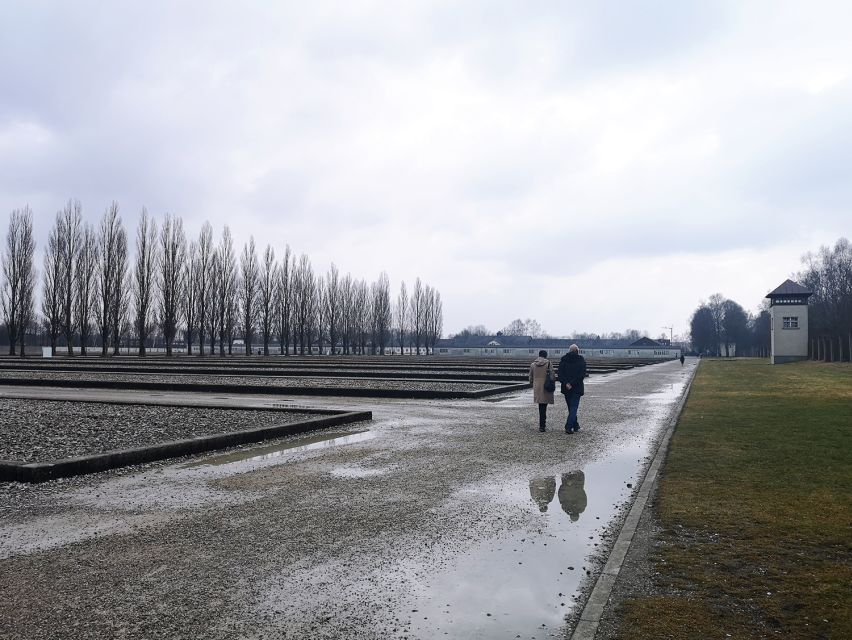
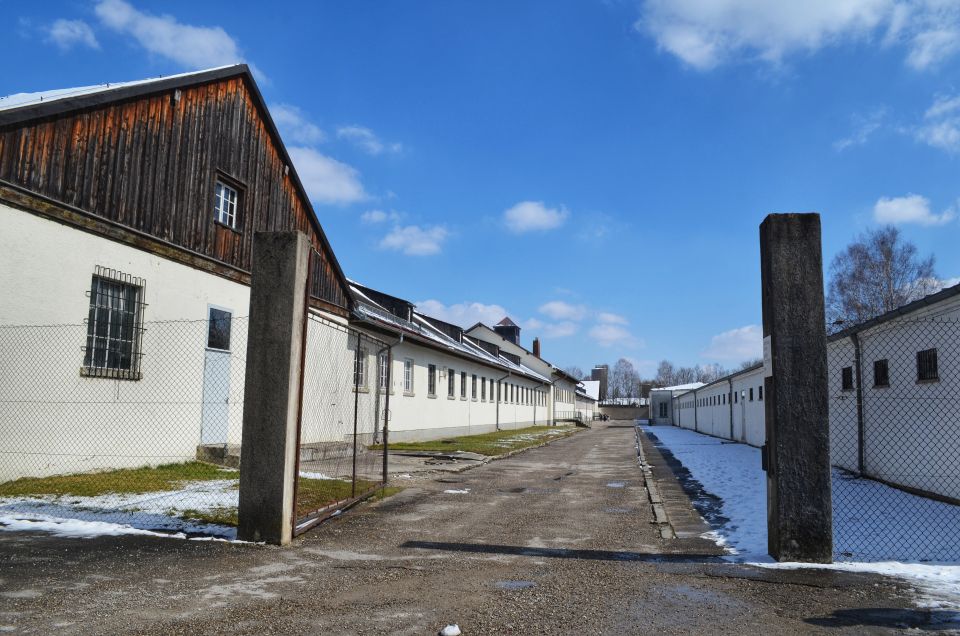
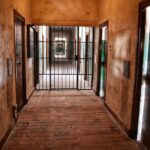
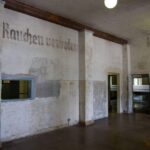
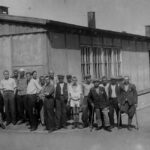
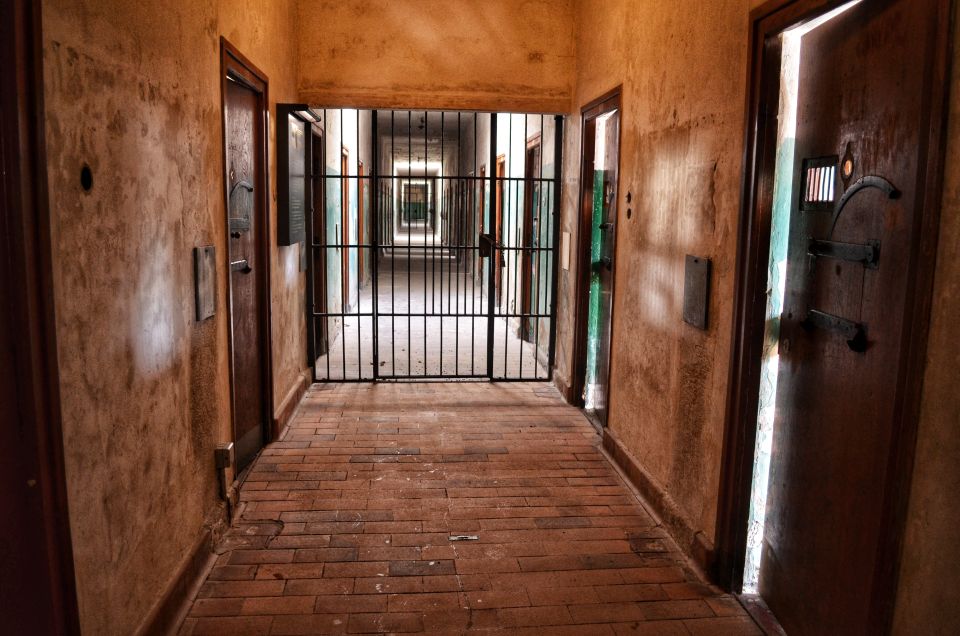
After the exhibition, you’ll visit the memorial’s remaining historical buildings and reconstructions—plus the core spaces of camp life. The tour explicitly includes roll-call, bunkers, barracks, and the crematorium.
Here’s why that sequence matters. You’re not jumping randomly around. You’re moving through the main parts in a way that matches how the camp operated, so the buildings don’t feel like disconnected stops. Instead, they feel like pieces of one system.
At these points, you’ll be close to the material evidence that remains. The tour emphasizes seeing both the remaining original structures and reconstructions, which helps you grasp what’s gone, what’s preserved, and why the memorial keeps parts visible.
This is also where the “moving” side of the experience shows up. You’re not just learning dates. You’re walking through spaces tied to detention, suffering, and death. The guide’s job is to keep the visit sensitive and structured, so you can absorb information without it turning chaotic or voyeuristic.
A practical note: plan for standing and slow walking. Even if you can handle long days, your pace may naturally slow when the content hits close.
International Memorial and religious memorials: reflection beyond the buildings
One of the more meaningful additions is the chance to see the International Memorial and other religious memorials within the concentration camp area.
This matters because memorial sites aren’t only about documenting history. They’re also about acknowledgment—of victims from many places and of the different ways people honor lives that were lost.
The International Memorial supports a wider perspective, reminding you the victims were not all from the same region. Then the religious memorials add another layer: the space recognizes faith and remembrance, not just the historical facts.
If you’ve ever visited a museum and felt like the learning stayed on the surface, this part of the tour usually does the opposite. It shifts from explanation to space for reflection, without taking attention away from what the site shows.
Price and value: why $40 makes sense for a guided Spanish visit
The price is $40 per person for a 5-hour guided tour with an official Dachau Memorial Guide. Transport inside the plan is included in the sense that you’ll go from Munich by train, but transport tickets are not included—you’ll need to cover your own train fare.
So what are you paying for? Mostly for structure and interpretation. At a site like Dachau, the difference between a self-guided visit and a guided visit is often the difference between collecting impressions and understanding what the site is trying to communicate.
You’re also paying for language access. This tour is exclusively in Spanish, and non-Spanish speakers can’t book. That turns the “guided” part into a true value item, not a nice-to-have.
With a rating of 4.9 from hundreds of reviews, the strong takeaway is consistency: the tour experience tends to deliver the clear, patient explanations people look for when the subject matter is hard.
If you want the memorial without having to coordinate everything yourself, and you want Spanish-language guidance that keeps the visit respectful, the pricing feels reasonable.
Comfort, rules, and who this tour is best for
This tour is not designed for everyone, and that’s not a flaw. It’s part of how the visit stays respectful and manageable.
A few rules to know:
- Children under 13 can’t participate.
- Pets are not allowed.
- Luggage or large bags aren’t allowed.
- Food isn’t allowed.
What I’d take from that: pack light. Bring only what you need for a 5-hour guided walk—water plans, snacks, and extra items that don’t fit the rules will just slow you down.
Also, this is a Spanish-only tour. If you’re traveling as a couple or with friends and not everyone speaks Spanish, you’ll need a different plan for the others. The tour is also described as not open to travelers who do not speak Spanish, so it’s not something you can “figure out on site.”
Who will enjoy this most:
- Spanish speakers who want real guidance, not just signage
- History-minded travelers who also care about how stories are told
- People willing to handle an emotionally serious visit with the right mindset
Timing tips and what to wear for a 5-hour memorial visit
You’re walking through memorial grounds, standing for explanations, and spending time in exhibition areas. That’s why the “bring comfortable shoes” advice is more than boilerplate.
I’d wear shoes that are supportive and already broken in. You’re not just sightseeing; you’re moving through an environment where pauses happen and you might spend extra time at points that hold your attention.
Try to arrive early at Karlstor Gate so you can settle in before the guide leads the group. Once you start, the day moves as a single unit, which is a big part of why the experience stays orderly.
Finally, mentally prepare for a heavy subject. The tour is designed with sensitivity and respect for the victims. You’ll still feel the weight of what you’re learning and seeing.
Should you book this Dachau Memorial Site tour?
Book it if you:
- Speak Spanish and want an official guide instead of relying on panels
- Want a structured visit that covers the main parts: exhibition, roll-call areas, bunkers, barracks, and crematorium
- Appreciate seeing both the international and religious memorial spaces for reflection
- Are okay with a serious, emotionally moving site visit
Skip it if:
- You don’t speak Spanish (the tour isn’t open to non-Spanish speakers)
- You’re traveling with a child under 13
- You need a lighter, purely casual sightseeing experience
If your goal is to understand Dachau with care—walking where the memorial directs you, listening to guided explanations, and making time for reflection—this Spanish tour is a strong, practical choice.
FAQ
How long is the Dachau Memorial Site tour from Munich?
The tour duration is 5 hours.
What language is the tour conducted in?
The guided tour is exclusively in Spanish.
Can non-Spanish speakers book this tour?
No. This tour is not open to travelers who do not speak Spanish.
Is the tour suitable for children?
No. Children under 13 are not allowed to participate.
What does the tour cost?
The price is $40 per person.
Where do I meet the guide in Munich?
Meet under Karlstor Gate (at Karlsplatz), 10 minutes before the activity starts.
Does the tour include the transport ticket?
No. The meeting includes train travel, but transport ticket is not included.
What is included in the tour price?
You get a Spanish-speaking official Dachau Concentration Camp Memorial guide.
What should I bring?
Bring comfortable shoes.
Are pets, luggage, or food allowed?
Pets are not allowed. Luggage or large bags are not allowed. Food is not allowed.