REVIEW · DACHAU
Munich: Dachau Concentration Camp Memorial Site Tour by Car
Book on GetYourGuide →Operated by Bayern Tourismus GmbH - Germany Travel · Bookable on GetYourGuide
Dachau is close enough to feel real. This is a focused Munich to Dachau car trip with a small group (up to 4) and a guided walk through one of Germany’s most important memorials. I especially like how the guide work leans practical and clear, the kind of explanation that helps you understand what you’re seeing, and not just look at buildings. When Markus leads, you get a steady flow of context that makes the whole visit land.
The one caution: this tour is mostly outside, with real walking, and it’s not suitable for children under 14. I’d plan on bringing water and wearing comfortable shoes, because you’ll be on your feet through key parts of the site.
In This Review
- Key Things You’ll Notice on This Dachau Memorial Tour
- Munich to Dachau by Car: What Makes This Day Trip Work
- The Drive From Munich: Using Those 30 Minutes Well
- The 3-Hour Memorial Visit: What You’ll See and Why It Matters
- Roll-call, barracks, and bunkers
- The camp street and crematorium
- Dachau’s role as an early model and SS training center
- Sub-camps and the scale of imprisonment
- The memorial itself and why it exists
- Audio Guide + Live Guide: A Useful Combo
- Small Group Size (Up to 4): How It Changes the Feel
- What’s Included (and What That Means for Your Day)
- Weather, Clothing, and the Simple Rule: Don’t Overpack
- Price in Context: Is $371 Per Person Fair Value?
- Who This Tour Suits Best
- Should You Book This Munich to Dachau by Car Tour?
- FAQ
- How long is the tour from Munich to Dachau?
- Do I get hotel pickup and drop-off in Munich?
- What type of transportation is used?
- Is the tour in English?
- How big is the group?
- What will we see at the Dachau Memorial Site?
- Is food available at the memorial grounds?
- Is the tour suitable for children?
Key Things You’ll Notice on This Dachau Memorial Tour
- Small group size (up to 4): more room for questions and less crowd noise.
- A trained guide for a 3-hour memorial visit: you’re not left to figure everything out alone.
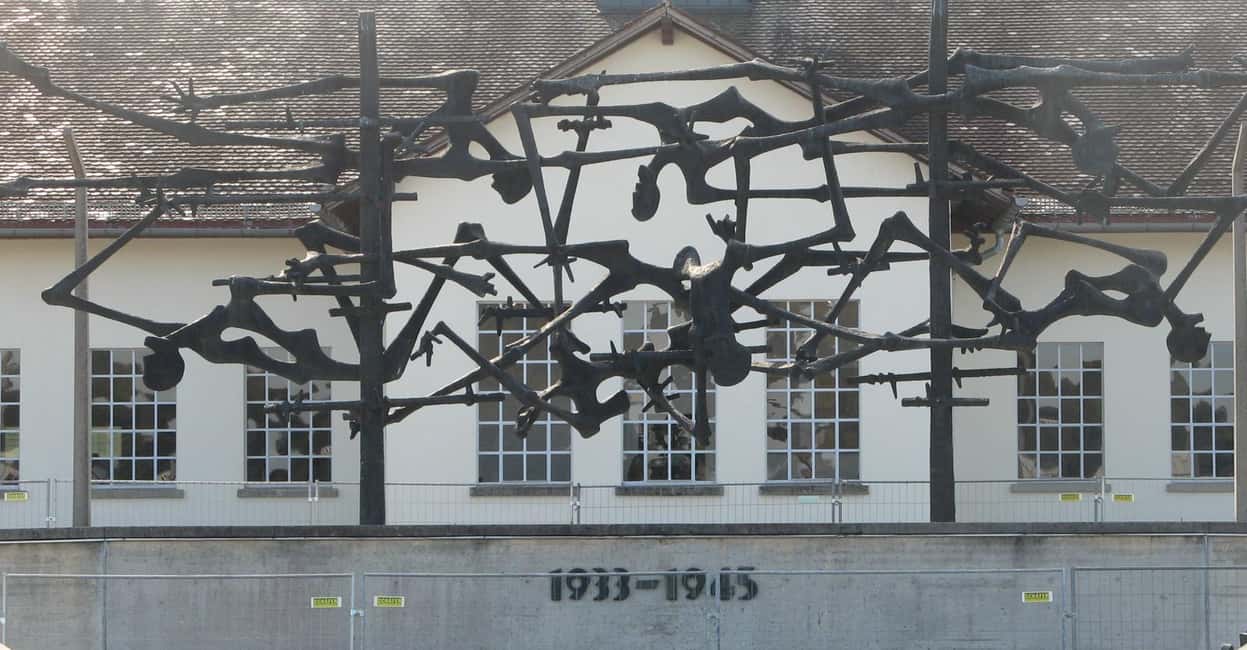
- You see the core camp areas: including the roll-call setup, barracks, bunkers, camp street, and crematorium.
- Direct context for Dachau’s role in Nazi terror: including its early political-prisoner purpose and SS training function.
- A full day trip rhythm from Munich: about 30 minutes each way by private car, plus time at the memorial.
Munich to Dachau by Car: What Makes This Day Trip Work
A trip from Munich to Dachau is short on paper and heavy in real life. That’s why the format matters. You’re not doing a rushed self-guided sprint. You’re getting a set schedule: pickup in Munich, a quick ride out, then a guided, respectful visit that actually helps you read the site.
Dachau is also unusual among memorials in how it tells a story of systems. It wasn’t only a place where people were imprisoned. It became a reference point for how other Nazi camps functioned. Standing there, you can understand why Dachau is often treated as a starting key for the wider Nazi camp network in occupied Europe.
The car-and-guide approach is practical too. The memorial is about 12 miles (20 kilometers) northwest of Munich. That’s close enough for a day trip, but far enough that you’d waste energy on transit and directions. Here, you spend the mental calories on the visit itself.
And the small-group size helps. Up to four people means you’re more likely to hear details clearly, and you have a better chance of getting answers to the questions that pop up mid-walk.
You can also read our reviews of more tours and experiences in Dachau.

The Drive From Munich: Using Those 30 Minutes Well
You start with pickup in Munich, then ride by Jeep or SUV for about 30 minutes to the memorial area. That short transfer time is long enough to settle in, but not long enough to turn the day into a half-day of commuting.
Use the ride time for logistics in your head: plan your pace for walking outside, double-check what you’re wearing, and think about how you want to approach sensitive content. This isn’t a museum-shopping day. It’s a guided walk through spaces tied to imprisonment, forced labor, medical abuse, torture, and mass death.
You’ll also be reminded that this is a memorial, not a sightseeing loop. The visit includes areas such as roll-call structures and the crematorium. Those are the kinds of spots where people naturally slow down, even if the schedule keeps moving.
The 3-Hour Memorial Visit: What You’ll See and Why It Matters
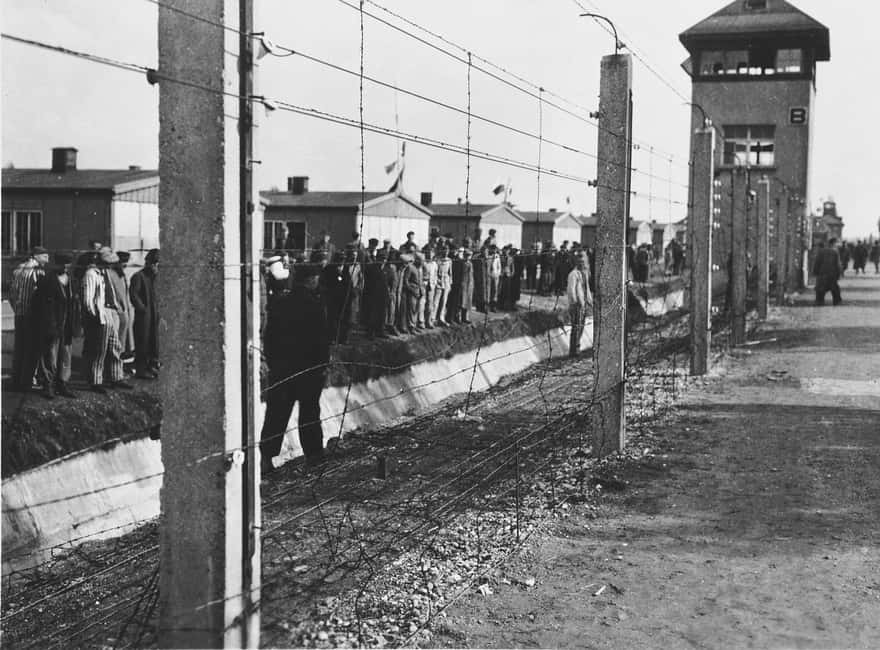
The heart of this experience is the guided visit at the Dachau Concentration Camp Memorial Site, lasting about 3 hours. The guide brings it together with dignity and sensitivity, and you’ll cover the core features that help you understand how the camp operated day to day.
Roll-call, barracks, and bunkers
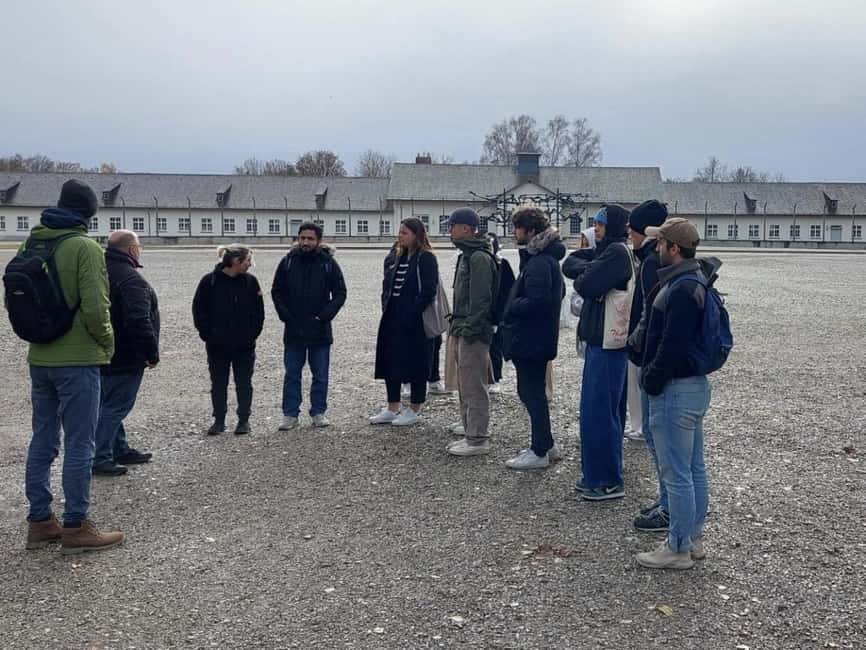
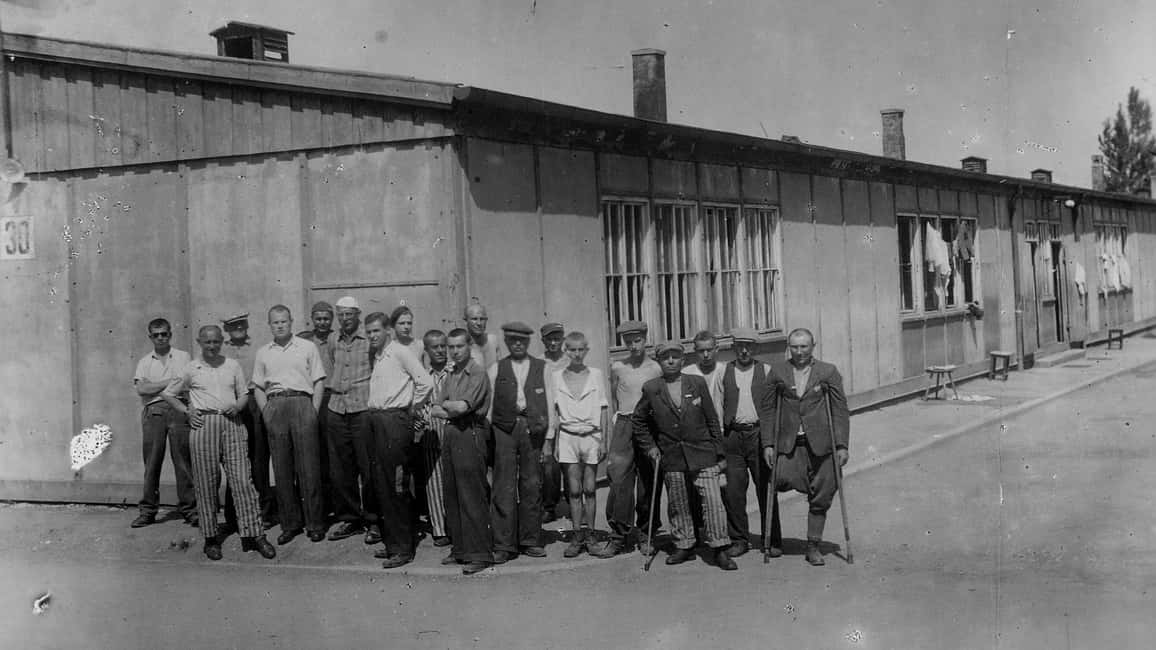
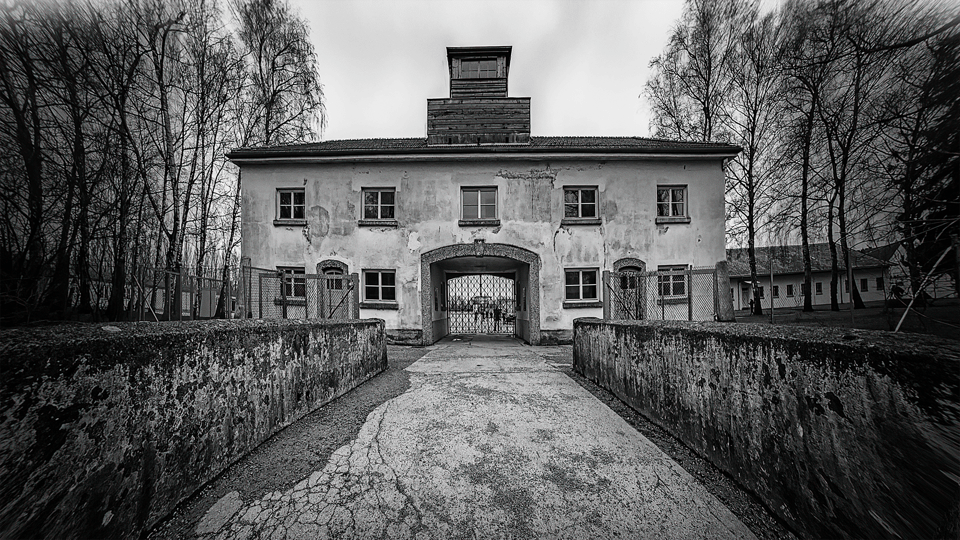
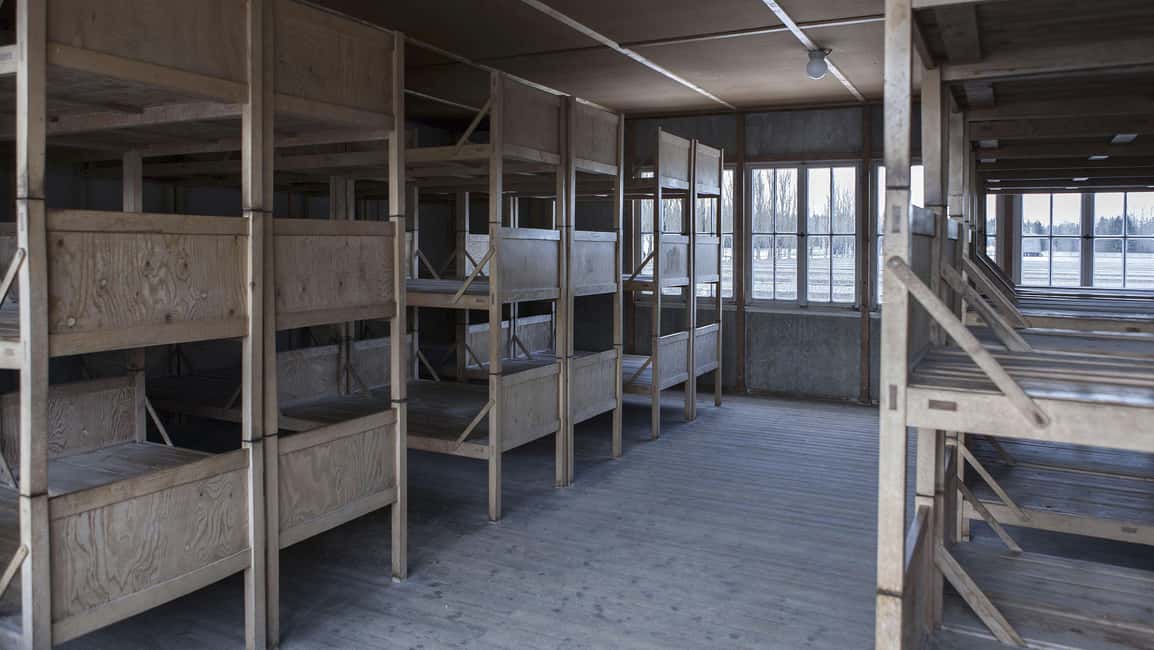
You’ll walk through spaces tied to control and confinement. The roll-call area is especially important because it connects to how the camp enforced discipline and order. The barracks and bunkers show how living conditions were designed to break people physically and mentally.
If you’ve ever visited memorials before, you know that seeing buildings isn’t the hard part. The hard part is making the buildings explain themselves. That’s where a strong guide helps. With Markus specifically, people come away with a deeper grasp of the history because the tour doesn’t just point. It explains.
The camp street and crematorium
The tour also takes you through areas of the camp street and the crematorium. Those stops can feel stark because they connect the camp’s system of imprisonment to its machinery of death.
You don’t need to be a history expert to understand what you’re seeing. What helps is having the guide connect the dots: why these spaces were located where they were, and what daily life and brutal punishment were meant to accomplish.
Dachau’s role as an early model and SS training center
Dachau opened in 1933, shortly after Hitler became chancellor. It started with political prisoners, and it soon became a model for other concentration camps. The tour also highlights Dachau’s use as a training center for the SS—often described as a school of violence.
This piece is crucial. Without that context, it’s easy to think of Nazi camps only as places where people suffered. With the context, you can see them as part of a planned system: methods, training, routines, and expansion.
Sub-camps and the scale of imprisonment
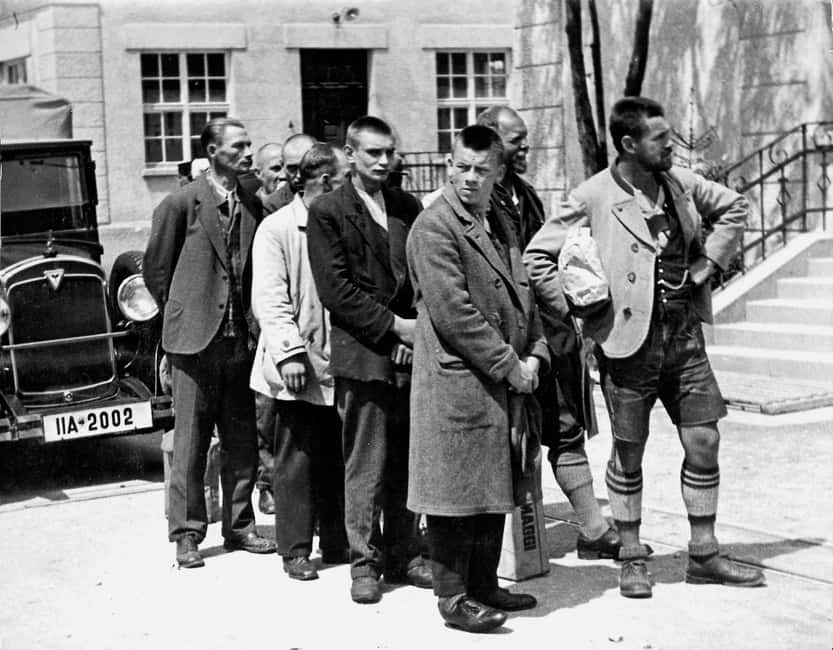
Over time, Dachau grew into a system with nearly 100 sub-camps. Over its 12 years, more than 200,000 people from across Europe were imprisoned there, and around 41,500 are estimated to have been killed. Even if those numbers don’t hit emotionally on the first pass, your guide’s framing can make them feel meaningful without turning the site into statistics-only.
The U.S. forces liberated the main camp on April 29, 1945, ending more than a decade of atrocities and brutality. That liberation detail matters because it gives you a timeline. It anchors the cruelty in history—real dates, real sequence, and real consequences.
The memorial itself and why it exists
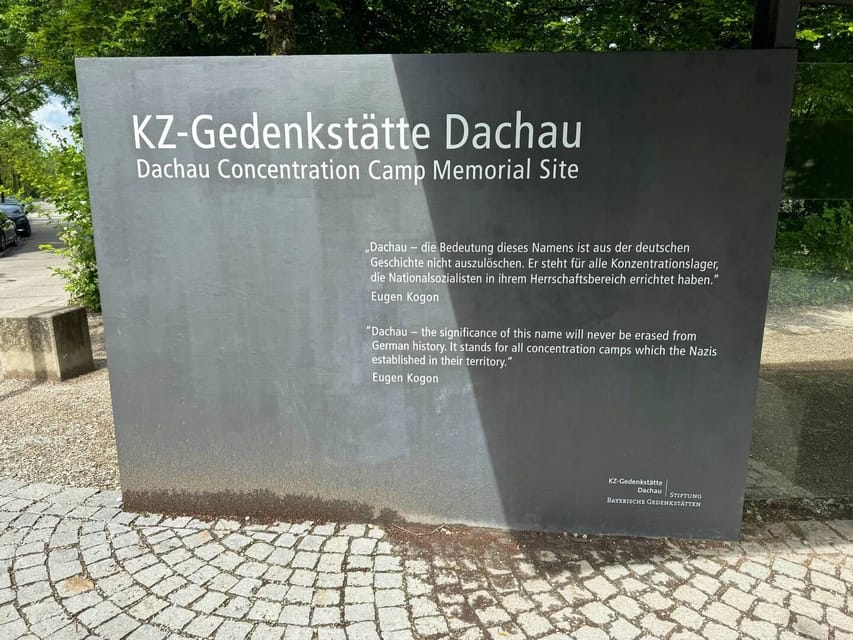
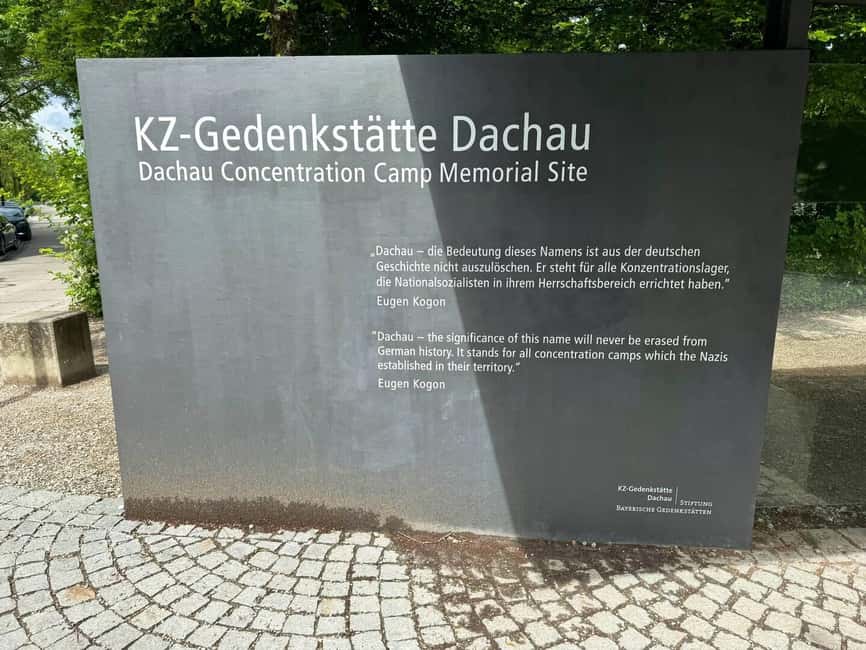
In 1965, survivors helped drive the creation of the memorial on the site of the former camp. Nearly 800,000 people visit each year, which tells you something simple: people keep coming back to learn and remember.
That’s part of the reason this tour works well as a day trip from Munich. You’re not only seeing a site. You’re participating in an ongoing act of remembrance.
Audio Guide + Live Guide: A Useful Combo
This tour includes a live tour guide in English and Spanish, and it also offers an audio guide. In practice, that mix can be helpful if you want to re-check a point later while walking through quieter sections.
For many people, the live guide is what carries the emotional and historical logic. The audio guide is a backup brain when your attention splits between what you’re seeing and what you’re hearing.
Small Group Size (Up to 4): How It Changes the Feel
A small group doesn’t sound dramatic. But it changes how the visit flows.
With fewer people, the guide can keep a steady pace and still handle questions. You’re also less likely to miss details because you’re stuck listening from the back of a crowd. And when the content is heavy, you don’t want to feel like you’re moving through a conveyor belt.
The small size also tends to help with the tone. The experience is meant to be respectful and structured, not performative.
What’s Included (and What That Means for Your Day)
You’re getting a lot of the practical stuff handled for you:
- Private transportation by car
- Hotel pickup and drop-off in Munich
- Guided tour of about 3 hours at the memorial
- Water and drinks
- An audio guide is available
This matters because it prevents your schedule from breaking into pieces. You’re not timing trains. You’re not searching for the correct entrance. That keeps your mind where it belongs: on the memorial and the explanation.
Weather, Clothing, and the Simple Rule: Don’t Overpack
Most of the tour takes place outside, and it’s a walking tour. That means your outfit isn’t a fashion choice. It’s part of your ability to stay present.
You’ll want:
- good footwear
- weather-appropriate layers
- water (it’s recommended, and water is included)
Also note the practical rule at the memorial: food may not be purchased or consumed on the grounds. So if you’re hungry, plan your snacks and timing around getting to the memorial. This keeps you from feeling stressed mid-visit.
And one more non-negotiable: children under 14 aren’t permitted on this tour.
Price in Context: Is $371 Per Person Fair Value?
$371 per person is not a budget price. This is the kind of day trip where you’re paying for three things that add up fast:
- Private hotel pickup and drop-off in Munich
- Private transportation (Jeep/SUV)
- A guided 3-hour memorial visit with trained interpretation in English or Spanish, plus an audio guide option
The small group size (up to 4) also helps with value. When you spread the cost across a small number of people, the experience tends to feel more personal than a big group tour. If you’re two or more people traveling together, this format can start to look more reasonable than it first appears, because you’re essentially buying time saved, stress removed, and guide attention upgraded.
Is it worth it? If you care about getting context—not just walking the grounds—this price often feels aligned with what you’re actually receiving: structure, transport, and interpretation.
If you only want a quick self-guided walkthrough and you’re comfortable handling transit, then a cheaper option might fit better. But if you want the memorial to make sense as you move through it, this setup is designed for that.
Who This Tour Suits Best
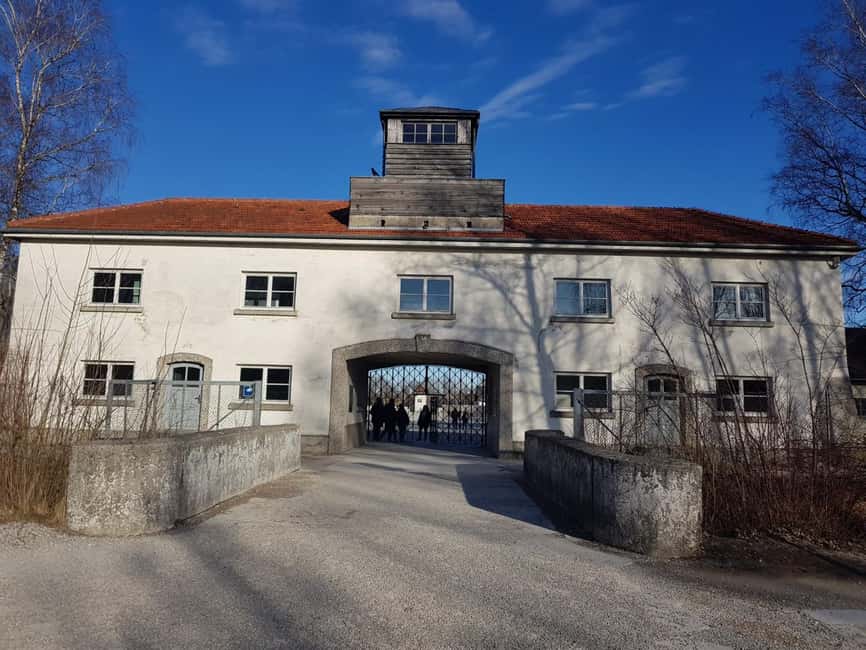
This tour fits best if you:
- want a guided, respectful visit with clear context
- prefer a small group format
- plan a focused day trip rather than managing transit on your own
- are comfortable with a mostly outdoor walking schedule
It may not be the right match if you’re traveling with children under 14, or if you can’t handle sustained walking outside.
Should You Book This Munich to Dachau by Car Tour?
Book it if you want your Dachau visit to feel organized, guided, and understandable in real time. The combination of small group size, live interpretation, and private door-to-door transport is a strong value proposition for a trip that’s both physically and emotionally demanding.
Skip it if you’re looking for something light, short, or kid-friendly. Also, if you hate walking outdoors or you want total freedom with no schedule at all, you’ll probably feel constrained.
If you do book, do one smart thing: keep your expectations simple. Dress for walking, bring water, and let the guide do the heavy lifting of history and context. That’s the difference between seeing the memorial and truly understanding what you’re standing in.
FAQ
How long is the tour from Munich to Dachau?
The total experience runs about 5 hours, including pickup and return travel. The guided portion at the Dachau Memorial Site is about 3 hours.
Do I get hotel pickup and drop-off in Munich?
Yes. Hotel pickup and drop-off in Munich are included.
What type of transportation is used?
You travel by private Jeep/SUV for the transfer between Munich and the memorial area.
Is the tour in English?
The live tour guide is available in English and Spanish, and an audio guide is also available.
How big is the group?
The group is small, limited to 4 participants.
What will we see at the Dachau Memorial Site?
The guided visit covers key parts of the site including the roll-call area, bunkers, barracks, camp street, and the crematorium.
Is food available at the memorial grounds?
No. Food may not be purchased or consumed on the grounds of the Memorial Site.
Is the tour suitable for children?
No. Children under 14 years old are not permitted on this tour.