REVIEW · BERCHTESGADEN
Eagle’s Nest-Berchtesgaden-Obersalzberg Private Half Day WWII Historical Tour
Book on Viator →Operated by Discover Eagle's Nest Tours · Bookable on Viator
The Eagle’s Nest tells the story fast. This private WWII tour in Berchtesgaden strings together the most important Third Reich sites with smooth pickup from your hotel or the train/bus station, plus an English-speaking guide like Tom Lewis or Sharon. You’re not stuck waiting on other people, and you get commentary paced for real understanding, not a speed-run.
I especially like the visit underground at the Dokumentationszentrum Obersalzberg, where the real bunker layout makes the scale feel physical. I also love the Kehlsteinhaus details, from the brass elevator to the big marble fireplace, so the famous viewpoint is more than a postcard stop.
One thing to consider: Eagle’s Nest is seasonal. It only opens mid May to October (weather-dependent). If you go outside those months, you’ll get an in-depth historical explanation instead of entering the building, plus extra driving stops. The tour is still great, but it’s not the same experience as summer access.
In This Review
- Key highlights that make this tour work
- Where this half-day WWII tour fits on your itinerary
- Private transport in Berchtesgaden: less waiting, more seeing
- Stop 1 at Dokumentationszentrum Obersalzberg: walking real bunker corridors
- Kehlsteinhaus and Eagle’s Nest: the teahouse experience (and its famous elevator)
- If Eagle’s Nest is closed (Nov–mid May)
- Stop 3 in Obersalzberg: from major housing sites to Berghof ruins and views
- The guide experience: Tom Lewis and Sharon make the difference
- Price and tickets: where the real value shows up
- Timing, crowds, and why good weather matters
- Who should book this private Eagle’s Nest WWII tour
- Should you book it or not?
- FAQ
- How long is the Eagle’s Nest–Berchtesgaden–Obersalzberg private half-day tour?
- Is the tour in English, and is it a private group?
- Where does pickup happen, and where does the tour end?
- Are entrance tickets included for Eagle’s Nest and the Obersalzberg bunker center?
- Is Eagle’s Nest open year-round?
- What should I do about weather on this tour?
Key highlights that make this tour work
- Private transport from Berchtesgaden, with air-conditioned comfort and a guide handling the timing
- Dokumentationszentrum Obersalzberg bunker tunnels: a rare look at the underground network
- Kehlsteinhaus and the Eagle’s Nest: the famous teahouse story plus standout original features
- A driving tour of Obersalzberg with on-the-ground commentary at major former sites
- A short walk into the woods to lesser-known ruins tied to Hitler’s Berghof (and mountain views)
- Guides who manage attention well, including off-the-beaten-track stops and time-saving crowd avoidance
Where this half-day WWII tour fits on your itinerary
Berchtesgaden is small, but the WWII story here isn’t. In a short window, you’ll cover three layers of the area’s Nazi leadership world: underground operations, the showpiece mountain teahouse, and the surrounding Obersalzberg complex. That’s a lot to pack, which is why the private format matters.
This is built around about four hours total, with stops that keep moving. You get the big names (Eagle’s Nest and Obersalzberg), but you also get the connective tissue—places and viewpoints that help you understand how the leadership lived with power and secrecy in the same small valley.
If you’re spending time in the Alps and want something more specific than a general “Hitler’s retreat” tour, this is a strong match. It’s also a good choice for mixed ages, since the guide’s job is to translate the sites into a story you can follow without getting lost.
You can also read our reviews of more private tours in Berchtesgaden
Private transport in Berchtesgaden: less waiting, more seeing
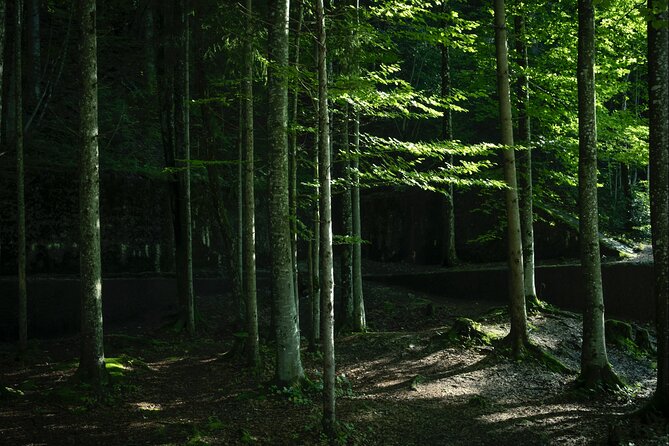
All tours start and end back in Berchtesgaden. Pickup can happen at either Bahnhofpl. 2 or your local accommodation in the area, and that reduces one of the biggest hassles in this region: getting from place to place without burning half your day on buses and walking.
You’re also riding in an air-conditioned vehicle. That sounds minor until you’re doing mountain turns and weather changes, especially in shoulder seasons when conditions can flip quickly. It’s one of those practical details that makes the whole day feel calmer.
A private group (up to 6 people) also changes the feel. You can ask questions, adjust pace when a viewpoint needs extra time, and you’re not forced to wait on a larger crowd schedule. It’s still a half-day plan, so you do need to stay flexible—but the guide can steer the experience.
Stop 1 at Dokumentationszentrum Obersalzberg: walking real bunker corridors
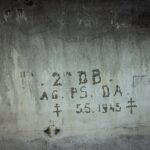
The first stop is the Dokumentationszentrum Obersalzberg, focused on an original section of the vast underground bunker complex. The key here is that you’re not just looking at a map or reading panels. You’re moving through a space designed for secrecy—meandering tunnels, twisting corridors, and cavernous chambers that help you grasp the scale of what was built below Obersalzberg.
You’ll have about 30 minutes there, and an entrance ticket is required (not included in the tour price). This is one of the best places to start because it sets the tone. After you see the underground footprint, the rest of the itinerary makes more sense—who needed protection, who planned for survival, and how planning and propaganda met in the same geography.
Practical note: wear comfortable shoes. Even if you’re not doing a long hike, bunker and museum environments tend to mean uneven flooring and steady walking inside.
Kehlsteinhaus and Eagle’s Nest: the teahouse experience (and its famous elevator)
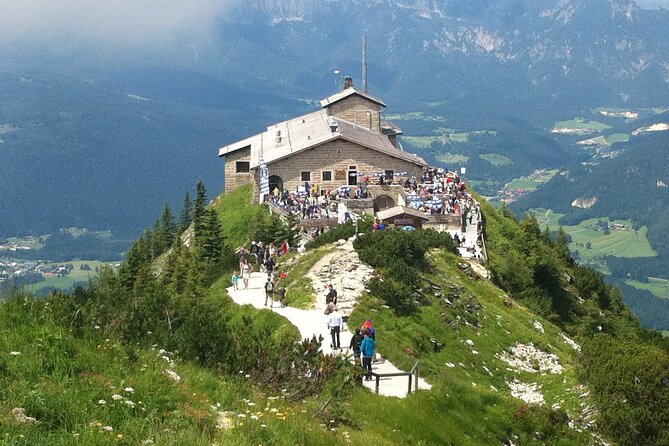
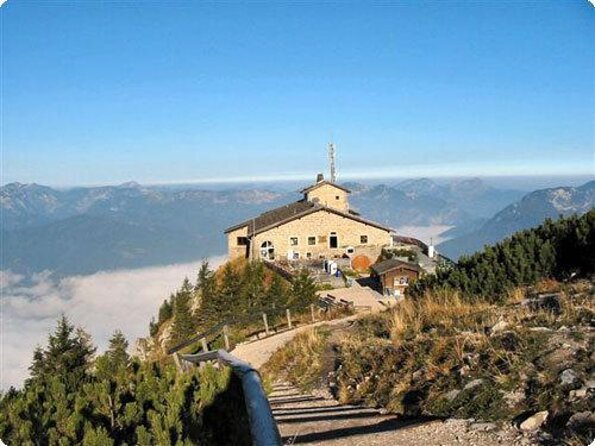
The main event is Kehlsteinhaus, the Eagle’s Nest teahouse on Kehlstein mountain at about 6,017 feet. The spot is famous for views, but on this tour you’re guided through the historical meaning of the building and its design choices—what it represented and why it mattered to the people who used it.
Inside, you’ll learn about standout original features, including the huge marble fireplace and the famous brass elevator. These are the kinds of details that help the story become concrete. Instead of hearing vague descriptions, you’re seeing specific design elements that were meant to impress.
You’ll have about two hours for this segment, and the Eagle’s Nest entrance fee is extra (not included). The current entry window is seasonal and weather-dependent, typically mid May through October. If you’re planning a winter or early spring visit, don’t worry—you still get value, but the format changes.
If Eagle’s Nest is closed (Nov–mid May)
Outside the opening season (or when weather shuts access), you won’t enter the building. Instead, the tour includes an in-depth historical account of the Eagle’s Nest and its significance, so you still get the story you came for. That approach keeps your time useful rather than turning the day into a detour.
In this off-season plan, you’ll also get an extended driving tour around Berchtesgaden to stop at other WWII historical sites along the route. It’s a smart trade: you lose the inside experience, but you gain more context in the surrounding areas.
Stop 3 in Obersalzberg: from major housing sites to Berghof ruins and views
After the teahouse focus, the itinerary shifts to Obersalzberg itself. You’ll get a driving tour across the Obersalzberg mountainside with historical commentary throughout. This is where you start connecting the “big show” places to the day-to-day geography of power.
The guide points out several significant locations, including:
- the site of Hermann Göring’s former home
- Albert Speer’s former home and studio
- the former RSD Headquarters
- the former SS officers’ housing
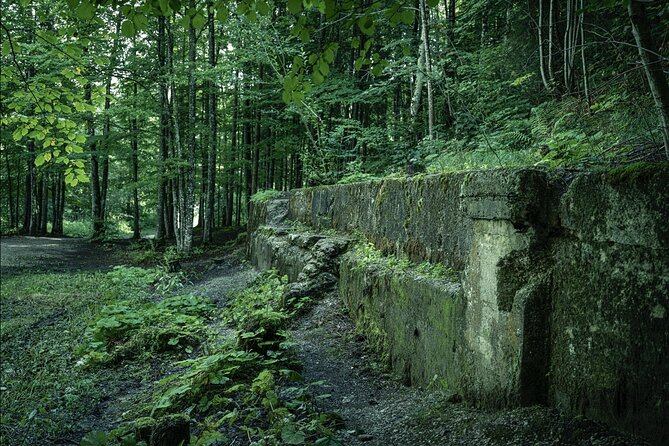
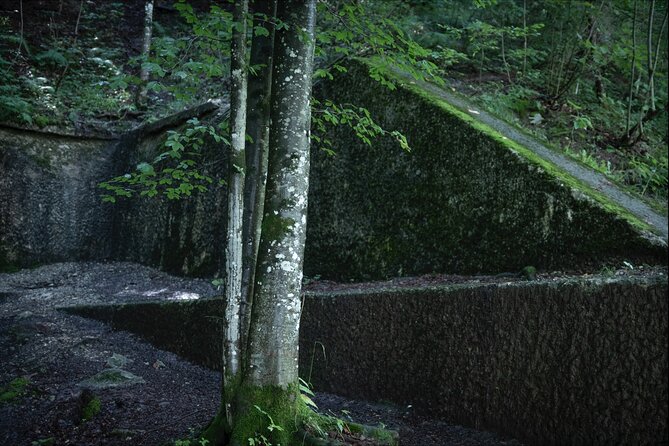
Then comes a more grounded moment: a walk into the woods to lesser-known ruins of Hitler’s Berghof home. Even though the buildings are gone, the route and the viewpoint help you understand why the location was chosen. You’ll also get the chance to experience panoramic mountain views that once framed the setting from his residence.
You’ll have about one hour for this final portion, including the walk. If you tend to get cold or if you’re visiting outside summer months, dress in layers. The walk is not described as long, but the woods and open viewpoints can change the temperature fast.
The guide experience: Tom Lewis and Sharon make the difference
In this area, facts matter. But so does pacing. The tour’s biggest strength is that the guide isn’t just reciting dates; they’re matching the story to what you can actually see around you.
I like the way guides on this tour handle questions without turning it into a lecture. People in your group can be history buffs or just curious, and the guide can still keep everyone engaged. That’s especially useful if you’re traveling with teenagers. The guides also know how to handle the rhythm of getting in and out of vehicles and moving between stops without wasting time.
Two guide names show up often in the guide feedback for this experience: Tom Lewis and Sharon. What stands out is their ability to steer you away from the most crowded viewing angles, and to point out aspects that aren’t always front-and-center on standard itineraries. One practical detail that comes up is using a tablet with historic photos—helpful for understanding what stood where, and how the site looked at the time.
If you want a tour that feels personal even while visiting heavy historical ground, this is the right style.
Price and tickets: where the real value shows up
The tour price is $591.34 per group, up to 6 people, for about four hours. That sounds like a lot until you look at what’s included and what’s not.
Included:
- air-conditioned vehicle
- private transportation
- English-speaking guide service
- private format (your group only)
- mobile ticket
Not included:
- Eagle’s Nest entrance fee: €31.90 per person
- Dokumentationszentrum Obersalzberg bunker entrance fee: €4.50 per person
Here’s how I think about value. You’re paying for logistics and interpretation in one tight package. Without a private guide, you’d still have to manage the same basic challenge: coordinating transport, understanding which parts matter, and dealing with seasonal access at Eagle’s Nest. For a small group of up to 6, the per-person cost can feel reasonable compared to piecing together transport plus a guide plus tickets.
If you’re traveling solo or as a couple, ask yourself if you’ll truly use the private format. If you like asking questions and want a guide to control timing, it’s worth it. If you prefer to wander at your own speed, you might feel the half-day limit.
Timing, crowds, and why good weather matters
This tour requires good weather. That’s not a soft suggestion—Eagle’s Nest access is weather dependent, and the mountain experience changes when conditions are poor. If the experience is canceled due to bad weather, you’ll be offered a different date or a full refund.
The tour is also built for a specific flow. Eagle’s Nest takes time, the bunker stop has a set window, and Obersalzberg ends with a short walk. So if you’re the type who likes to linger in museums and read everything slowly, you may want to plan for less friction rather than more time.
In colder months, the guide experience matters even more because the schedule still includes time outdoors for viewpoints and the wooded ruins. One nice detail that shows up in guide feedback is being prepared with practical items like umbrellas during wintery conditions.
Who should book this private Eagle’s Nest WWII tour
Book this tour if you want:
- a focused half-day plan in Berchtesgaden that links underground spaces, the teahouse, and Obersalzberg sites
- a private guide who can manage the pacing and ask/answer flow
- a route that helps you avoid the worst crowd crush at major stops
- a tour that still works even if you visit outside the Eagle’s Nest opening season
It may not be the best fit if:
- you want lots of free time inside each venue
- you strongly prefer self-guided wandering with no fixed stop structure
- you need a long buffer for slow museum reading (the tour is built to move)
Should you book it or not?
Yes, if your main goal is to understand what happened here without getting overwhelmed by the geography. The private format, the underground bunker stop, and the way the guide connects Kehlsteinhaus to Obersalzberg locations make this a practical way to see the area in a half-day.
I’d especially lean in if you’re traveling as a small group of up to 6 and you care about interpretation. The extra entrance fees still don’t change the core value: you’re buying time saved on logistics and you’re getting a guide who can point you toward what matters most.
If Eagle’s Nest access is a must, plan for mid May to October and keep an eye on weather. If you’re going off-season, don’t treat that as a downgrade. The tour is designed to keep the historical story strong even when the building itself isn’t open.
FAQ
How long is the Eagle’s Nest–Berchtesgaden–Obersalzberg private half-day tour?
It runs for about 4 hours.
Is the tour in English, and is it a private group?
Yes. The tour is offered in English, and it’s a private tour/activity with only your group participating (up to 6 people).
Where does pickup happen, and where does the tour end?
Pickup can be arranged at either the train & bus station in Berchtesgaden or at your accommodation in the local area. The tour starts at Bahnhofpl. 2, 83471 Berchtesgaden, and ends back at the same meeting point in Berchtesgaden.
Are entrance tickets included for Eagle’s Nest and the Obersalzberg bunker center?
No. The Eagle’s Nest entrance fee is €31.90 per person, and the Dokumentationszentrum Obersalzberg bunker entrance fee is €4.50 per person. The tour includes the visit stops, but not those admission fees.
Is Eagle’s Nest open year-round?
No. Eagle’s Nest is only open mid May to October, depending on weather. If you visit from November to mid May, the tour includes an in-depth historical account of Eagle’s Nest instead of entering the building.
What should I do about weather on this tour?
The experience requires good weather. If it’s canceled due to poor weather, you’ll be offered a different date or a full refund. The route also includes time at mountain viewpoints and a short walk, so dressing for changing conditions helps.