REVIEW · BERCHTESGADEN
Eagle’s Nest Hiking Tour
Book on Viator →Operated by Monkey Business Tours · Bookable on Viator
This hike changes what you see.
In Berchtesgaden, the Eagle’s Nest experience feels more real because you pair the summit visit with a walk through the Obersalzberg sites tied to WWII. I like the focus on practical pacing on a real uphill trail, not just a quick ride and a photo stop.
I also like the guide-led storytelling, including the nuts-and-bolts of why these sites were built and what was left behind at ground level. With a maximum of 8 people, you’re not swallowed by the crowd, and questions actually fit into the day.
The main drawback is the effort: expect a hike that’s mostly uphill on gravel and paved paths, and you’ll want good legs and water (lunch isn’t included).
In This Review
- Key things you’ll notice on this Eagle’s Nest hike
- Why walking to Eagle’s Nest beats the bus
- Getting oriented: meeting point, timing, and small-group flow
- Stop 1 at Kehlsteinhaus: what the summit visit feels like
- Stop 2 around Obersalzberg: ruins, bunkers, and the WWII story on foot
- The hike itself: how hard is it, and what you should do to prepare
- Footwear and weather reality
- Summit time at Eagle’s Nest: views, timing, and food options
- Guide factor: Claudio (and sometimes Pauline) make the story stick
- Price and value: what you get for about $240.66
- Transport down and back: plan for the day you want
- What to bring (so you don’t waste the day)
- Who should book this Eagle’s Nest Hiking Tour
- Should you book it?
- FAQ
- How long is the Eagle’s Nest Hiking Tour?
- What time does the tour start?
- How many people are in the group?
- Is the tour offered in English?
- What’s included in the price?
- Is lunch included?
- Do I need to pay extra for transportation down?
- Where do I meet the guide?
- What happens if the weather is bad?
Key things you’ll notice on this Eagle’s Nest hike
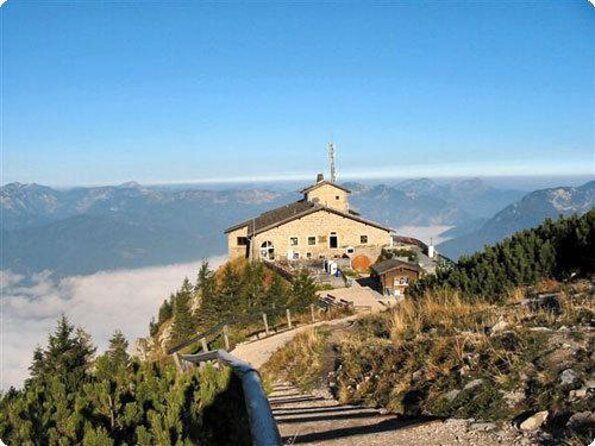
- Small group size (up to 8 travelers) for a more personal experience
- Up to Kehlsteinhaus/Eagle’s Nest with summit entry included, timed so you can get there before peak crush (when conditions allow)
- Obersalzberg on foot: the route takes you past WWII remnants most people miss
- Guide storytelling that connects buildings to decisions, not just dates on a timeline
- Trekking poles available on request, which helps on steeper sections
- Lunch not included, so plan snacks for the climb and/or a casual meal up top
Why walking to Eagle’s Nest beats the bus
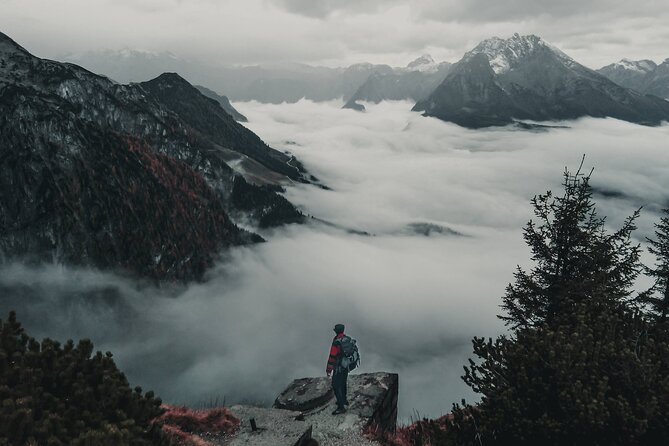
Eagle’s Nest is famous, but it can also feel a little… removed. The bus gets you up fast; the stairs and photos get you the headline. The hike does something different: it turns the day into a slow walk where you can connect the views with the purpose of the place.
On this tour, you’re not just going to Kehlsteinhaus and calling it done. You start by building context on the mountain and the surrounding area where Nazi leadership had residences and command structures. Then you move uphill, where the history isn’t on a plaque only—it’s in the terrain, the remnants, and what’s still visible.
You can also read our reviews of more tours and experiences in Berchtesgaden.


Getting oriented: meeting point, timing, and small-group flow
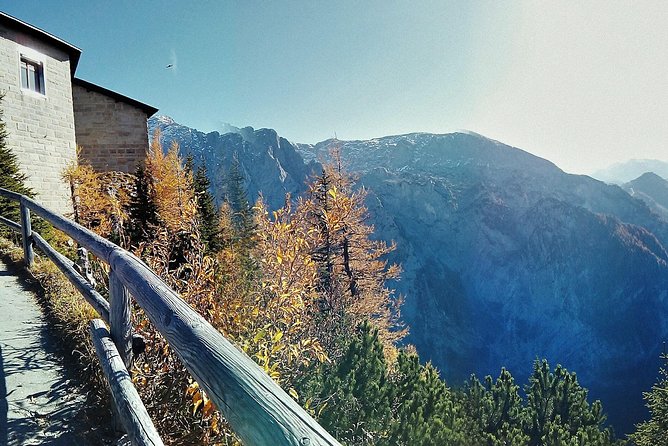
This tour runs about 5 to 6 hours total, starting at 9:30 am. You meet at Berggasthof Obersalzberg, Salzbergstraße 43, 83471 Berchtesgaden and the experience ends back at that same meeting point.
The group stays small: up to 8 travelers. That matters because the hike is not a slow stroll, and a small group makes it easier for the guide to adjust pace, add short stops, and keep the day from turning into one long line.
It’s offered in English, and you’ll have a mobile ticket. Confirmation comes at booking, which is helpful if you’re piecing together a tight Salzburg and Berchtesgaden plan.
Stop 1 at Kehlsteinhaus: what the summit visit feels like
Kehlsteinhaus is the structure tied to Eagle’s Nest, perched on the Kehlstein mountain. This part of the tour includes your admission ticket, and it runs about 2 hours.
A couple details make the timing feel smarter than a typical on-your-own visit:
- You’re hiking enough beforehand that the summit arrival feels earned, not rented by the bus ride.
- You can reach the elevator/tunnel route earlier than the biggest tour-bus wave, so your summit time starts with less crowd pressure.
In practice, you don’t necessarily hike every step all the way to the final summit platform. One key thing to understand: you’ll reach a tunnel area that leads to an elevator for the last leg. That keeps the day from becoming a pure slog while still giving you the payoff of the uphill trek and the views you’ve been working for.
The tour also explains the history behind the building’s construction and what role the site has today. That means the summit doesn’t feel like a single stop; it feels like the last piece in a story you’ve already been hearing while walking through Obersalzberg.
Stop 2 around Obersalzberg: ruins, bunkers, and the WWII story on foot
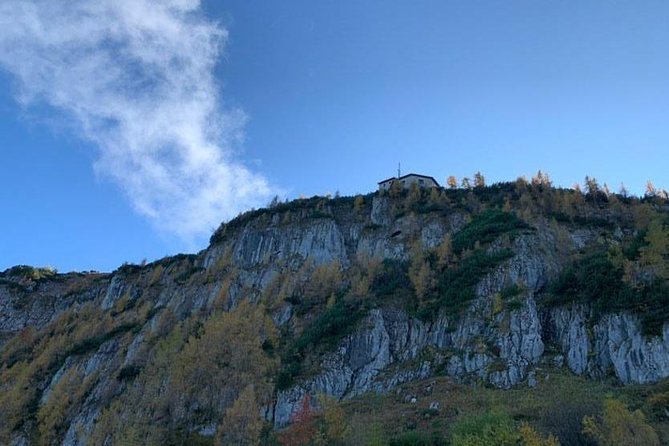
The Obersalzberg segment is where the tour earns its name as a hike with meaning. This portion focuses on the area where Hitler and other high-ranking Nazi officers had residences, plus the remnants and structures that supported the system.
You spend about 1 hour here, and the admission ticket for this portion is listed as free. But the bigger point is the guide walk: you’ll see things tied to the war story—crumpled house remains, bunkers, and ruins—and you’ll understand how this location changed into a Nazi “town” and why decisions made there affected millions.
This is also where the walking becomes more than scenery. A well-paced guide can point out infrastructure in the forest and explain how the terrain shaped movement and planning. Several people in the group appreciate that the route takes you toward spots that most visitors miss when they only do the fast up-and-down option.
The hike itself: how hard is it, and what you should do to prepare
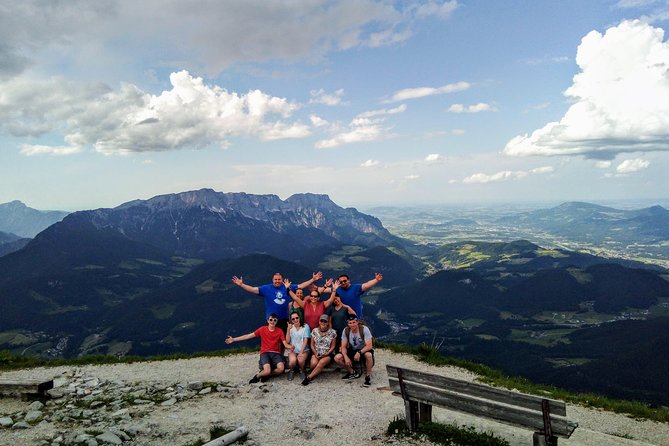
Expect moderate physical fitness. The trail is described as a gravel/paved pathway, and the effort is real because it’s mostly uphill.
Here’s what helps you judge it without guesswork:
- Many walkers report a climb time around 2.5 to 3 hours to reach the summit area, depending on group pace and breaks.
- The incline can feel steady and steep at points. One helpful reference point from a past walk: a typical incline around 7 degrees, sometimes more.
- Distance and elevation gains vary by how the route is measured, but one Apple Watch report cited about 5.7 km and 710 meters of gain, which lines up with the sense of a workout more than a casual stroll.
What makes it manageable is the way the guide runs it: taking snack breaks, adjusting speed when someone needs a slower rhythm, and stopping when someone needs a breather. If you’re not used to uphill hiking, plan for more breaks and bring water from the start.
Footwear and weather reality
Good hiking shoes are the safe bet. One person said sneakers would be fine in good conditions, but the trail could get muddy if it rained. If there’s any wetness in the forecast, I’d lean toward shoes with grip and bring a small towel or wipes for your hands and shoes after.
If it’s hot, it can be tough. One person noted the heat made the climb harder, but the reward of reaching the summit kept the day moving in the right direction.
Summit time at Eagle’s Nest: views, timing, and food options
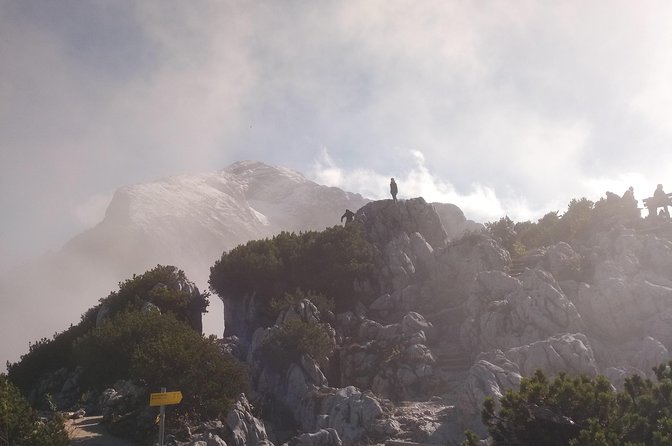
Once you reach the summit area, you get time to explore and take in the views. People often highlight one big advantage: reaching the summit before the tour buses hits a different crowd vibe. That usually means you can ride the elevator route before the biggest swell arrives.
You’ll also get more guide context at the top—how to interpret what you’re seeing and how it fits into the larger war story.
As for food: lunch is not included. That’s important because you’ll be working up an appetite. Plan to carry snacks, and if you want a proper meal, there’s a restaurant and snack shop up top where you can grab something once you arrive. If you prefer to keep things simple, bring a small picnic and eat while you rest your legs.
Guide factor: Claudio (and sometimes Pauline) make the story stick
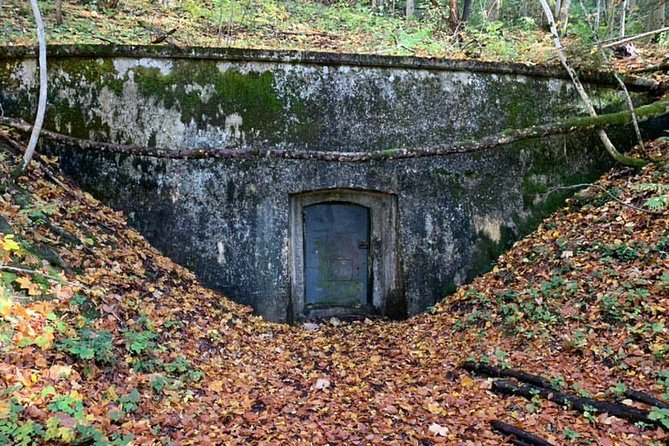
The tour’s biggest strength is the guide’s ability to connect sites to meaning while keeping the day walkable.
Many groups are led by Claudio, and his approach gets consistent praise: clear explanations, lots of direct answers, and a pace that doesn’t leave slower walkers behind. People also appreciate that he balances English and German smoothly when needed, and he brings in details you wouldn’t naturally spot on your own—like specific infrastructure and lesser-seen points around the route.
There’s also at least one example of the tour being led by Pauline, who combined strong guiding with detailed area knowledge and a helpful hiking pace. In one case, the guide even adjusted when the group couldn’t finish the full summit timing and waited while others walked back down.
That’s the practical takeaway for you: the guide isn’t just reciting facts. They manage the hike so the history lands without turning the day stressful.
Price and value: what you get for about $240.66
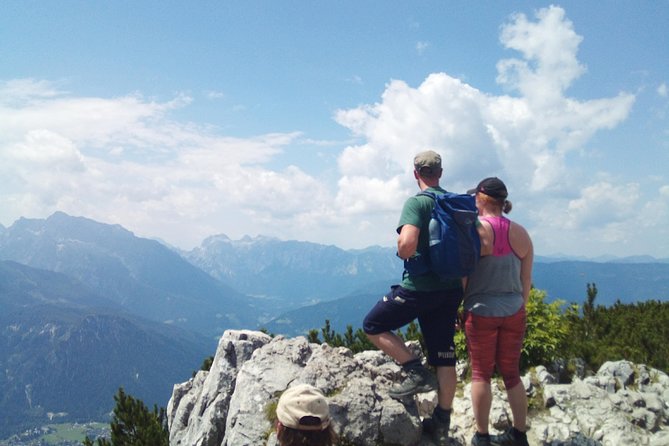
At $240.66 per person, this isn’t a bargain tour. But it’s not priced like a generic sightseeing bus either.
Here’s where the value comes from, based on what’s included:
- Entrance to Eagle’s Nest is included
- You get ruins and Obersalzberg exploration as part of the guided route
- Historical background is included as part of the tour flow
- Small-group size (up to 8) makes your guide time feel like more than a lecture
- You can borrow trekking poles if you request them
When a tour includes both the ticket and a guide-led route to rarely-seen WWII remnants, you’re paying for access plus interpretation. If you’d otherwise go on your own, you’d still spend time figuring out how to walk the area, what to look for, and how to avoid turning the day into random stops.
One note to keep expectations realistic: lunch isn’t included, and if you choose to take the paid bus down rather than hike all the way back, that’s an extra cost.
Transport down and back: plan for the day you want
The itinerary ends back at the meeting point, and the tour is described as offering return transport for ease. At the same time, there’s a clear optional cost for those who don’t want to walk down from the Nest area.
If you’d rather avoid the return fatigue, you can take a bus down for about 25 euros, payable cash or card. That gives you flexibility: hike up to get the payoff, then choose how your legs handle the descent.
What to bring (so you don’t waste the day)
Here’s my practical checklist based on the stated needs and what people report working well:
- Water: bring enough for the uphill. People repeatedly recommend it.
- A small snack: since lunch isn’t included, snacks keep energy stable.
- Hiking shoes: the path is paved/gravel, but it can still be tiring and messy.
- Trekking poles: you can borrow them if requested; they help on steep, uneven sections.
- A light rain layer: you’ll want something if the weather changes, because the tour requires good weather.
- Comfortable daypack: you’ll carry snacks, water, and any layers.
If you’re someone who gets winded easily on hills, start slower than you think you need to. The guide pace is adjustable, but your first 15 minutes set the tone for the climb.
Who should book this Eagle’s Nest Hiking Tour
This is best for you if you want:
- A walk-to-the-views experience instead of a bus-only visit
- A guided explanation of the Obersalzberg WWII remnants, not just a photo stop
- A small group and an English-speaking guide who can answer questions
It’s less ideal if:
- You’re expecting a mostly flat walk (this is uphill, and you need good legs)
- You can’t handle gravel/paved paths in potential wet conditions
- You’re sensitive to the effort of hiking in heat
One honest consideration from experience: the historical narration style can feel more or less detailed depending on the specific guide and day. If you’re very detail-driven, ask questions early and keep your pace needs clear.
Should you book it?
Yes—if you’re the type of traveler who likes your famous sites paired with a route you can actually walk and understand. The combination of Eagle’s Nest entry, Obersalzberg ruins on foot, and a guide story that helps you connect what you see to what happened is what makes this tour feel worth the money.
Book it sooner rather than later: it’s often reserved about 60 days in advance, and the group size is capped at 8. If you can handle a real uphill hike for a couple hours and you’re ready to carry snacks and water, this is one of the more satisfying ways to experience the Berchtesgaden mountain side.
FAQ
How long is the Eagle’s Nest Hiking Tour?
It runs about 5 to 6 hours total.
What time does the tour start?
The start time is 9:30 am.
How many people are in the group?
The tour has a maximum of 8 travelers.
Is the tour offered in English?
Yes, it’s offered in English.
What’s included in the price?
You’ll get entrance to Eagle’s Nest, guided exploration of Obersalzberg, access to the ruins of Hitler’s mountain house, and historical background. You can also borrow trekking poles if requested.
Is lunch included?
No. Lunch is not included, so bring snacks or plan a casual meal up top.
Do I need to pay extra for transportation down?
A bus down the mountain to the Obersalzberg is not included. It costs 25 euros (cash or card).
Where do I meet the guide?
Meet at Berggasthof Obersalzberg, Salzbergstraße 43, 83471 Berchtesgaden, Germany.
What happens if the weather is bad?
The tour requires good weather. If it’s canceled due to poor weather, you’ll be offered a different date or a full refund.