REVIEW · BERCHTESGADEN
Berchtesgaden: Via Ferrata Beginner Tour of Schützensteig
Book on GetYourGuide →Operated by Outdoor-Center-Baumgarten · Bookable on GetYourGuide
Climbing iron ladders above Berchtesgaden feels unreal. On the Schützensteig beginner route, you learn the real via ferrata basics step-by-step while looking out over the Berchtesgadener Land from above. I especially liked how guides such as Lukas and Christoph keep the learning practical and reassuring, and how the climb lets you feel the rock and metal up close, not just admire it from below.
The main consideration is simple: this is still via ferrata, and the difficulty can reach A/B to B. If you’re strongly afraid of heights, you’ll likely struggle, even with coaching and a beginner setup.
In This Review
- Key Points You’ll Care About on Schützensteig
- Why Schützensteig Feels Right for a First Via Ferrata
- The Gear Setup: What’s Provided and What You Must Bring
- The 4-Hour Flow: From Basics to Moving on the Iron-and-Rock
- Difficulty A/B to B: How to Judge Your Comfort Level
- Guides Who Actually Teach: Coaching Styles That Make a Difference
- The Schützensteig Experience: What You’ll Feel on the Wall
- Price and Value: Is $104 Worth It?
- What to Expect Day-Of: Timing, Languages, and Practical Rules
- Who Should Book This (and Who Should Skip It)
- Should You Book the Berchtesgaden Schützensteig Beginner Via Ferrata Tour?
- FAQ
- How long is the via ferrata beginner tour on Schützensteig?
- How much does the tour cost?
- What’s included in the tour price?
- What language(s) do the instructors speak?
- What should I bring with me?
- Is food or drinks included?
- Are cable car tickets included?
- Where do I meet the guide?
- Is the tour suitable for children?
- What type of cancellations are allowed?
Key Points You’ll Care About on Schützensteig
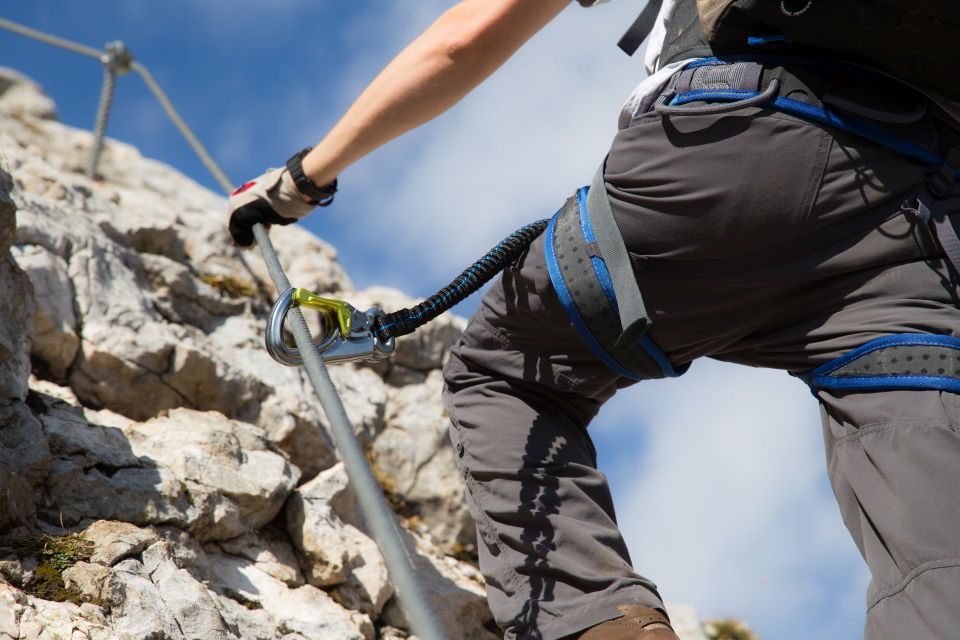
- Beginner route, but not dummy-proof: Expect difficulty ratings up to A/B and B, with some more physical climbing moments.
- Safety lessons are part of the experience: You practice belaying, climbing, and resting techniques with your mountain guide.
- All the key gear is included: Harness, helmet, gloves, and a via ferrata kit are provided.
- Small-group coaching feels personal: You may get more time per person, and support can include language help like translating guidance into English.
- Big alpine payoff in 4 hours: After you learn the system, you get time moving along the iron-and-rock route for mountain views.
- Schützensteig gives you a new angle on the region: Rolling green hills, higher peaks, and blue lakes show up when you’re above the track.
Why Schützensteig Feels Right for a First Via Ferrata
If you’ve been watching photos of via ferratas and thinking, That looks terrifying, you’re already thinking in the right direction. The Schützensteig beginner tour is designed to teach the system while you’re actually using it, so you don’t spend your whole day just standing in a safety lecture loop.
What makes this course a good first step is the mix of instruction and time on the route. You’re not only looking at the mountains; you’re learning how to move through them safely with a harness and via ferrata kit. And the mountain setting helps you commit to the basics, because you quickly see the payoff—views over Berchtesgadener Land and a real sense of being above the world.
Also, I like that the course doesn’t pretend you’ll breeze through. Difficulty can run A/B to B, so you’ll still feel the climb, but the structure is meant to keep it doable for beginners who have a reasonable level of fitness and some hiking experience.
You can also read our reviews of more tours and experiences in Berchtesgaden.
The Gear Setup: What’s Provided and What You Must Bring
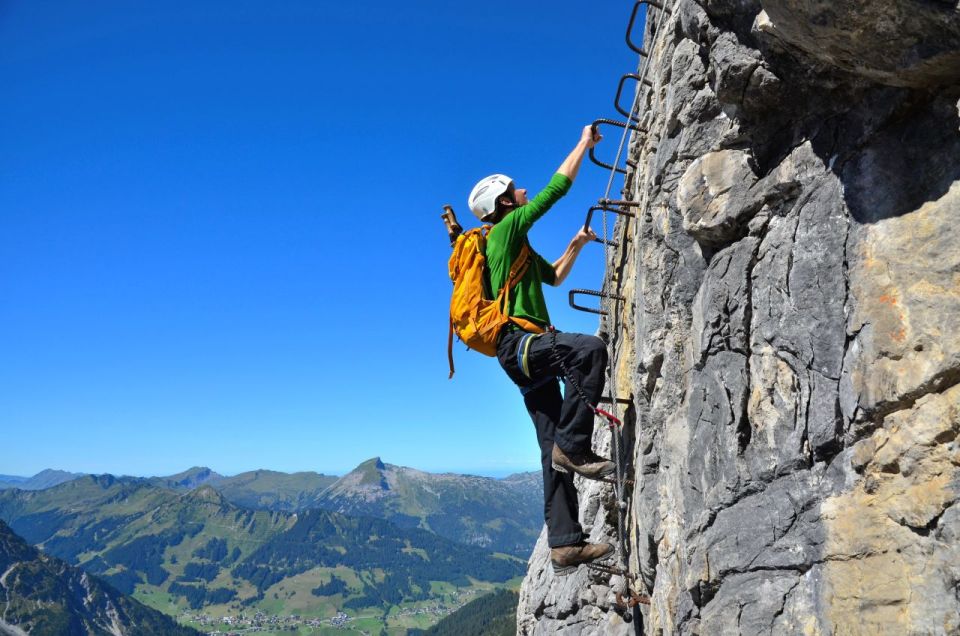
This tour takes away a big headache: you don’t have to hunt down equipment first. Your via ferrata kit, helmet, gloves, and harness are included. You also get the mountain guide for the whole course, so you’re not figuring out hardware on the fly.
That said, you still need to show up ready for being active in the mountains:
- Bring hiking shoes you trust on rocky ground.
- Bring food and drinks, since nothing is included.
- Wear weather-appropriate clothing. In the mountains, conditions can change fast, and you’ll want layers you can manage.
One practical tip: gloves are included, but you’ll still want good shoe grip and ankle support. Via ferrata is not the place for slippery soles or brand-new shoes that haven’t broken in.
The 4-Hour Flow: From Basics to Moving on the Iron-and-Rock
You’ll be meeting your guide at the start of the tour, then you’ll spend the early part of your time learning how via ferrata actually works. For a beginner, that matters more than people think. The “iron” side of the experience is only fun if the safety side feels normal in your hands and habits.
Here’s the rhythm you can expect:
- Safety briefing and gear use
You’ll get set up with your harness and via ferrata equipment. This is where you learn the key mechanics you’ll use again and again on the route.
- Belaying and how to manage your connection
You’ll learn belaying concepts—how to handle your secure connection while moving through the route. The goal is for you to understand what you’re doing, not just follow orders.
- Climbing technique and resting positions
You’ll practice climbing and resting techniques. That resting part is huge. It’s how you manage effort, regain balance, and make the climb feel less like a nonstop panic sprint.
- Time on the Schützensteig course
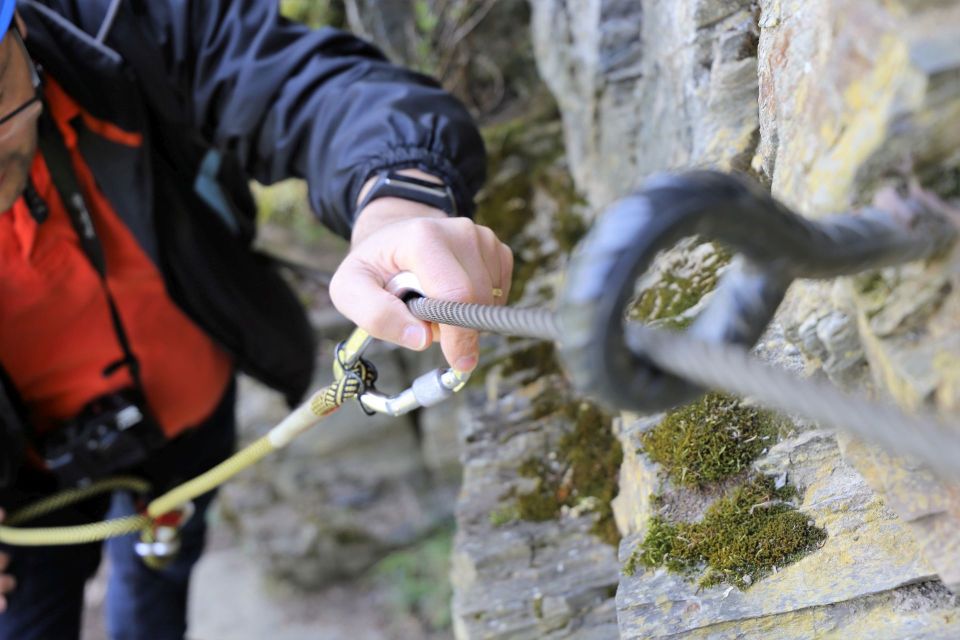
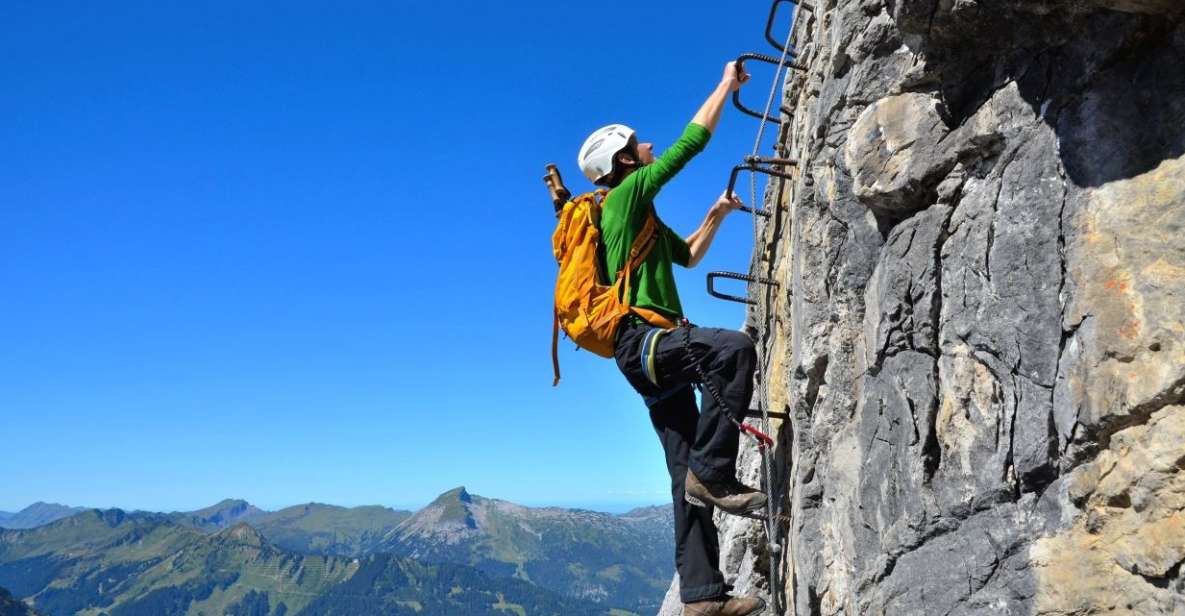
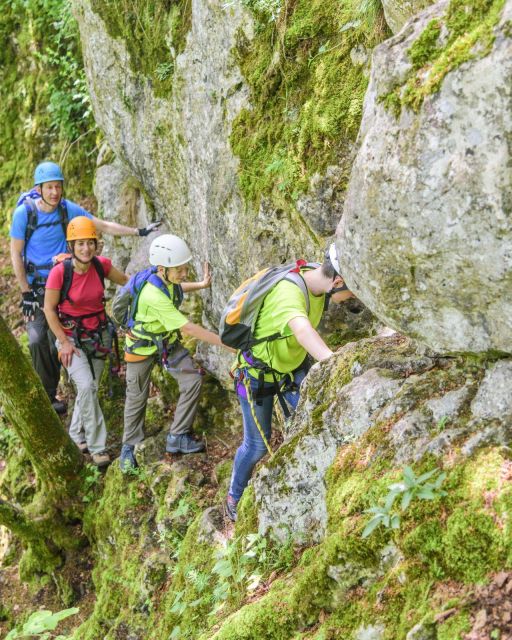
Once you’ve got the basics, you’ll go up the track and experience the route itself. The “feel it with your fingers” part is real here—rock texture and metal points become part of how you navigate.
- Views and finishing the loop
As you move higher, you get that mountain perspective: rolling green plains and hills, snow-capped peaks, and blue lakes, seen from above. Then you finish the tour with your guide’s guidance and wrap-up.
The whole thing is 4 hours, so it’s long enough to learn something, but not so long that you turn into a tired rope-and-bolts zombie.
Difficulty A/B to B: How to Judge Your Comfort Level
The course is listed with difficulty ranges between A/B and B, which is exactly where many beginners land if they have basic hiking comfort. “Beginner” here doesn’t mean “no effort.” It means you get the right teaching and route fit to learn safely.
Here’s how I’d think about it for your decision:
- If you’re comfortable hiking uphill and can stay calm while moving slowly, you’re likely in the sweet spot.
- If you struggle with balance, or you get shaky when exposed, you should take the height warning seriously.
- The tour is not suitable for people afraid of heights. That’s not an attitude thing. It’s a safety and comfort fit.
One helpful detail from the way the experience is guided: you should feel empowered to say when you’re not sure. In one case, the coaching included reassurance when a participant hesitated at the start, and the guide approach helped remove pressure to just “keep going” because the group is moving.
Guides Who Actually Teach: Coaching Styles That Make a Difference
In via ferrata, the guide isn’t just a supervisor. They’re your real-time translator of fear into technique. On this course, the guides teach the system while you’re using it.
What I liked most from the guide approach:
- Instructions are clear and supportive, not rushed.
- You get practical guidance rather than vague encouragement.
- Language support can be part of the experience. One guide translated instruction into English when something wasn’t fully understood in German, which is exactly what you want on a technical activity.
You’ll see different names referenced in real trips, including Helmut, Willi, and Lukas and Christoph. The common thread is that the coaching focuses on helping you find your footing, manage your connection, and understand the sequence of climbing and resting.
Also, if you’re the type who needs reassurance before committing to a harder section, you’ll likely appreciate the way guides handle hesitation. One climber explicitly valued that the team made it okay to say I can’t—before the group dynamic could push them into silence.
The Schützensteig Experience: What You’ll Feel on the Wall
The best via ferrata moments are sensory. You’re not just seeing a mountain—you’re touching it. One highlight here is the direct physical feel as you climb: you get to feel the rock with your fingers. That’s not a gimmick. It changes the experience from sightseeing to doing.
On the Schützensteig course, you’ll experience a mix of movement along the route and moments where you pause to rest and reset. That’s why the teaching on resting matters. When you understand how to take a breath and stabilize yourself, the climb feels less like a test and more like a skill-building session.
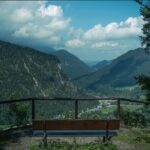
And then there’s the payoff: being higher up gives you a changing panorama over Berchtesgadener Land. Rolling green hills below, higher peaks farther out, and blue lakes in the mix—this is the kind of view that makes you understand why people get hooked on alpine climbing activities.
Price and Value: Is $104 Worth It?
At $104 per person for a 4-hour guided beginner course, the value comes down to what’s included and what you’re buying: safety setup plus expert time.
You’re not just paying for a ticket to a route. You’re paying for:
- a professional mountain guide
- via ferrata kit (plus the practical know-how to use it)
- helmet, gloves, and harness
- a course structure that covers belaying, climbing, and resting
Food and drinks are not included, and cable car tickets are not included, so you should plan on bringing your own. But compared with paying for gear and then trying to learn independently, this format is the efficient choice. You’ll spend your energy on learning the actual technique, not on trial-and-error.
If you’ve been waiting for a first via ferrata moment where you feel supported, this pricing is reasonable for that kind of guided instruction.
What to Expect Day-Of: Timing, Languages, and Practical Rules
The tour runs for about 4 hours, and you’ll check availability to see starting times. Your guide communicates in German and English, which matters if you’re still getting comfortable with the mountain-vocabulary side of the activity.
There are also clear rules that keep things safe and focused:
- Alcohol and drugs are not allowed.
- You’ll want to follow the guide’s instructions closely and avoid improvising around the equipment.
You’ll meet your guide at the beginning of the tour. Parking has a fee in the large parking lot. Cable car tickets aren’t included, so don’t count on that option being part of the package.
Who Should Book This (and Who Should Skip It)
This tour fits best if you:
- want a beginner via ferrata experience with real coaching
- are comfortable with hiking and basic uphill effort
- want to learn technique, not just do a photo stop
- can follow instructions and take safety seriously
It’s not a fit if you:
- are afraid of heights
- need an activity for very young kids, since it’s not suitable for children under 10
- are expecting food, drinks, or cable car costs to be part of the price
If you’re on the fence because you worry about nerves, you can still go into it with a plan: be honest with your guide early, and give yourself permission to learn at a pace that feels safe.
Should You Book the Berchtesgaden Schützensteig Beginner Via Ferrata Tour?
I’d book it if you want your first via ferrata lesson to be structured and guided, with the equipment already sorted and real time on the route. The big attraction is learning belaying, climbing, and resting so you can actually enjoy the climb instead of just surviving it.
Skip it if heights make you freeze. And if you’re hungry or forgetful, plan ahead—bring food and drinks so you’re not making decisions on the fly while you’re thinking about your next move.
If you’re ready to learn a new alpine skill and want those mountain views from above, Schützensteig is a strong beginner choice.
FAQ
How long is the via ferrata beginner tour on Schützensteig?
The tour lasts 4 hours.
How much does the tour cost?
The price is $104 per person.
What’s included in the tour price?
You get the via ferrata kit, helmet, gloves, harness, a mountain guide, and the via ferrata course.
What language(s) do the instructors speak?
The guide can teach in German and English.
What should I bring with me?
Bring food and drinks, hiking shoes, and weather-appropriate clothing.
Is food or drinks included?
No. Food and drinks are not included, so you’ll need to bring your own.
Are cable car tickets included?
No. Cable car tickets are not included.
Where do I meet the guide?
You meet your guide at the beginning of the tour.
Is the tour suitable for children?
No. It is not suitable for children under 10.
What type of cancellations are allowed?
You get free cancellation up to 7 days in advance for a full refund.