REVIEW · MUNICH
From Munich: Dachau Memorial Site Day Tour
Book on GetYourGuide →Operated by Munich Walk Tours · Bookable on GetYourGuide
Five hours that hit hard, then stay with you.
This Dachau Memorial Site tour from Munich is interesting because it combines a simple public-train ride with a guided, on-the-ground walkthrough of one of Germany’s most important Holocaust sites. I like that the visit is structured, so you are not wandering around trying to piece together meanings. I also love the way English guides keep the tone sensitive and clear, including room for questions.
Two parts really sold me: the on-site guided route through Dachau’s former gas chamber area, barracks, and cells, and the follow-up museum time with prisoner photos and reports about daily life in the camp. If you only did the exhibits at your own pace, you would miss a lot of what the guide connects—why specific buildings mattered, and how the system worked. The only drawback to plan around is that this is a heavy day, and the schedule can move you along at a pace that feels fast when you want more quiet looking.
In This Review
- Key things that make this tour worth your time
- From Marienplatz to Dachau by public train
- The guided walkthrough: gas chamber, barracks, and cells
- Museum time: prisoner photos and reports on daily life
- Timing that helps: avoiding school groups on the grounds
- Price and value: what $49 buys in real terms
- What to bring and how to pace yourself on a heavy day
- Should you book this Munich to Dachau Memorial tour?
- FAQ
- How long is the Dachau Memorial Site day tour from Munich?
- Where does the tour meet in Munich?
- Is the tour offered in English?
- What is included in the price?
- Is this tour wheelchair accessible?
- What should I bring?
- Are pets allowed?
- Is there a better time to visit to reduce crowding?
- Can I cancel for a refund, and can I pay later?
Key things that make this tour worth your time
- Marienplatz start with an easy meeting setup: the guide holds a yellow sign reading Dachau Memorial Tour in red letters
- Public train to Dachau so you get a real local commute rhythm, not a bus-shaped blur
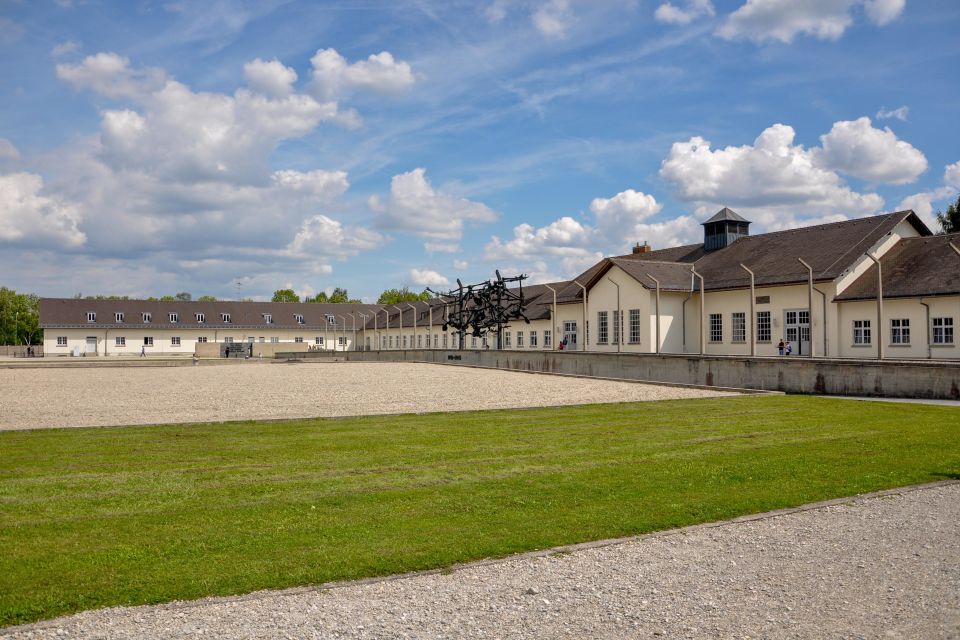
- Guided access to the hard sites including barracks, cells, and the former gas chamber area
- Museum exhibits with prisoner evidence that connects camp life from the beginning through liberation in 1945
- Better timing option: the 1:10 PM departure is recommended for fewer school groups and classes
- Strong guide skill in difficult material: many guides (like Thomas, Aileen, Matt, Michael, Conni, and Jesse) are praised for empathy and clarity
From Marienplatz to Dachau by public train
You start in Munich at Marienplatz, in front of the Tourist Information by the Gothic Town Hall. Look for the guide with a yellow sign that says Dachau Memorial Tour in red letters. This is a good setup because it cuts down on confusion before you even leave town.
Then comes the ride: you travel by public train, and you get countryside views along the way. It is not a tourist bubble transport. The upside is that the day feels more grounded and real, like you are heading to a working town near a historic site rather than being whisked away.
The tour is designed around being together. I would show up with a few extra minutes just to settle your bearings, especially if you are new to Munich transit. If you have mobility challenges and you are in a wheelchair, you will need a carer and should arrive 10 minutes early so you can use the different platform entrance and train access described for the tour.
You can also read our reviews of more tours and experiences in Munich.



The guided walkthrough: gas chamber, barracks, and cells
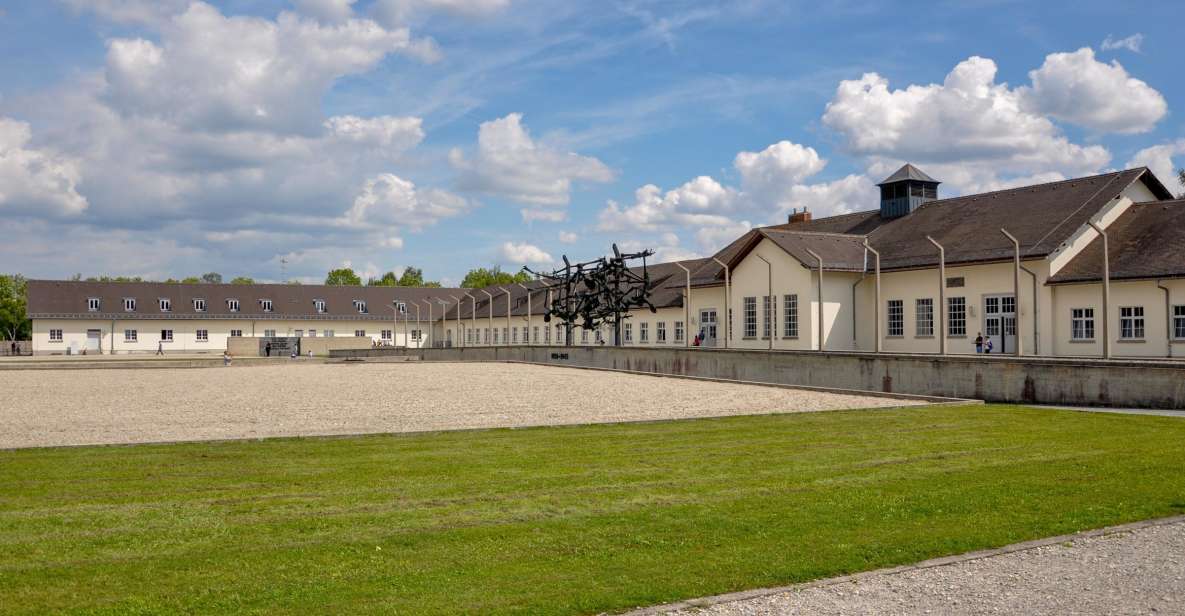
On site, the tour focuses on what people often find hardest to understand from signs alone: how the camp functioned as a system. Your guide narrates the story in a way that keeps the emotional weight present without turning it into noise or shock-value.
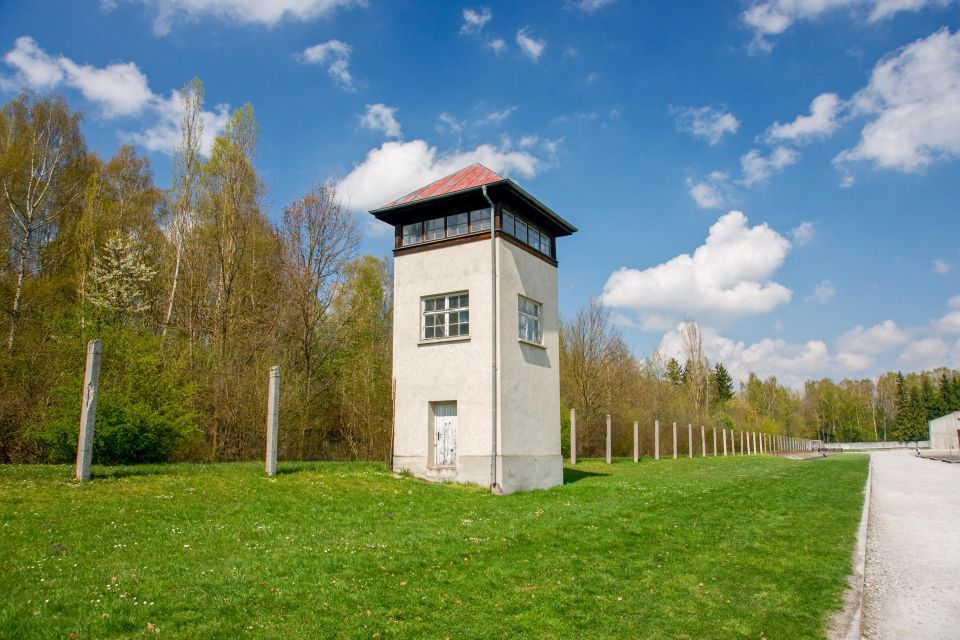
Expect a route that hits the most important remaining structures, including the former gas chambers, the barracks, and the cells. These are not presented as isolated artifacts. The guide ties them to the camp’s purpose under National Socialism and to the lives affected inside those walls.
What I think makes the guided format work is pacing with context. Instead of listing facts, the guide tends to explain what you are looking at, then connects it to how prisoners experienced everyday life—space, routines, control, and punishment. Many guides are praised for staying professional and moving efficiently, which matters because the camp grounds can feel big and easy to get lost in if you are going solo.
Another small but meaningful plus: your guide typically gives you time to ask questions, and the tone stays respectful. That matters here. You are dealing with atrocity and history, and you need a guide who can answer without getting defensive or vague.
Museum time: prisoner photos and reports on daily life
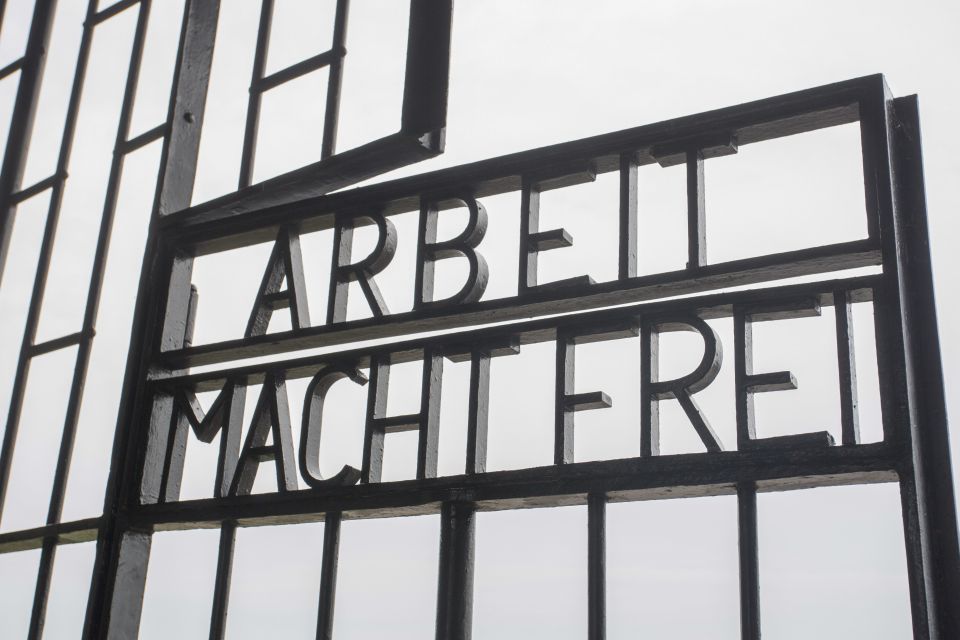
After the memorial grounds, you shift to the Dachau Memorial Museum. This is where the day turns from buildings into documentation—pictures, reports, and accounts that help you see what camp life meant in practice.
The museum focus includes accounts that cover Dachau’s timeline—from the early period after the camp opened in 1933, to liberation by the Allies in 1945. You also get exhibits tied to the theme of everyday life in the camp, not just the most famous horrors. That contrast helps you understand why this place mattered historically, and why it still matters educationally.
I also like that museum viewing is part of the total package. If you come only for the grounds, the story can feel stuck at the level of what you can see. If you come only for a museum display, you can lose the physical sense of place. This tour tries to give you both.
One practical note: time can feel limited in the museum rooms, especially if the group moves quickly. If you know you love reading, you might want to bring that “less is more” mindset. It is better to catch the biggest threads the guide highlights than to sprint through every panel.
Timing that helps: avoiding school groups on the grounds
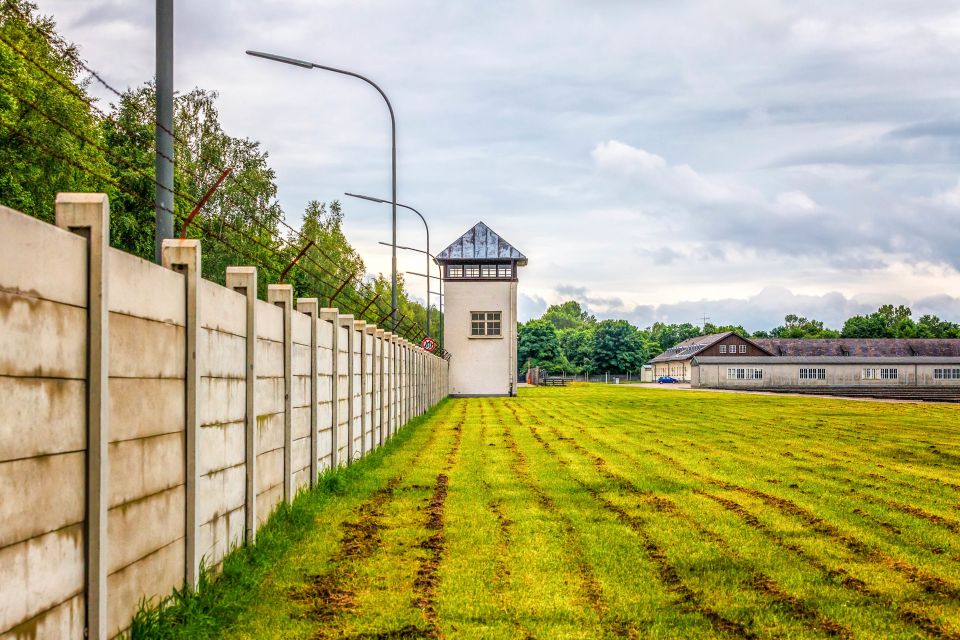
Dachau sees visitors year-round, and school groups can be part of the mix. The tour operator specifically recommends the afternoon departure at 1:10 PM if you want times with less crowding, because there are fewer school classes and groups on site then.
That matters more than it might sound. When the grounds are busy, it can be harder to hear the guide and harder to take in certain spaces quietly. Some people have found school group behavior disruptive on site, so choosing the quieter time is a simple way to protect your focus.
If you are sensitive to crowd energy—whether that means noise, numbers, or just the challenge of concentrating—aim for the later departure. You still get the full 5-hour experience, but you give yourself a better chance of making the visit feel like a serious reflection, not a group shuffle.
Price and value: what $49 buys in real terms
At $49 per person for about 5 hours, the pricing feels fair when you look at what is included. You get a guided tour, a public transport ticket, and transfers by public transport.
The best value piece is not the train ticket. It is the guide’s ability to translate a very complicated, very painful past into a route you can follow. Walking the memorial alone is doable, but it is also easy to miss the connections that make the experience educational instead of just observational.
This matters because Dachau is not only a site to look at. It is a place built to teach. Guides often explain the camp’s significance as the first German concentration camp opened outside Munich in 1933, and how the memorial has been used for education since 1965. Without that framing, you might know the basic outline, but you would not necessarily understand why specific features mattered.
Also, you are paying for reduction in decision fatigue. Public transit to and from Dachau can be a hassle when you are trying to stay on schedule while everyone is learning where to go next. The tour keeps you with the plan.


What to bring and how to pace yourself on a heavy day
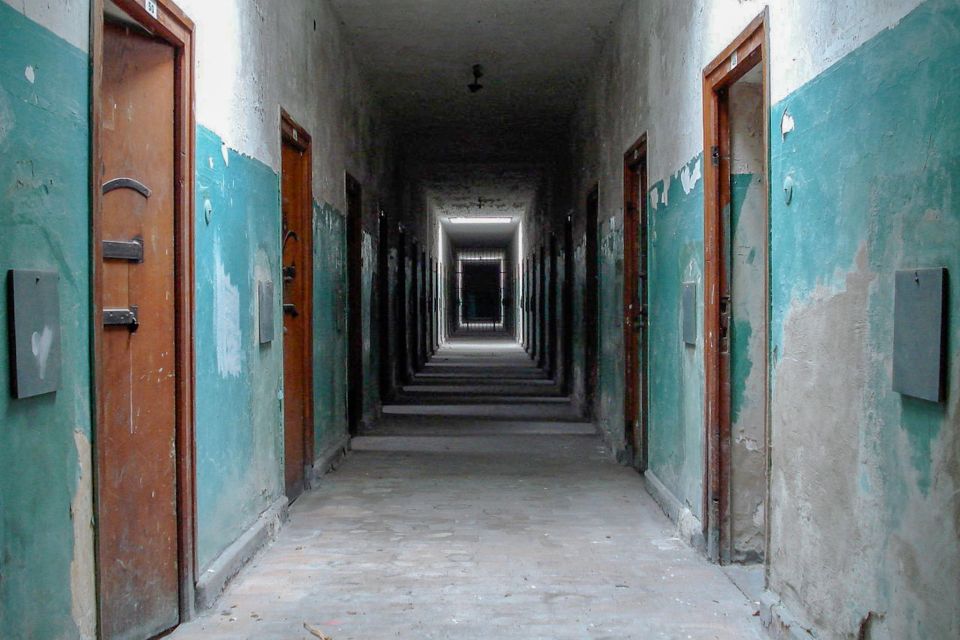
Bring comfortable shoes and water. The grounds involve walking and standing in areas that can be emotionally draining even when nothing is physically hard. You will want your feet to feel steady so your mind can do the work.
On a practical level, do not overpack your day with other activities right before or right after. This is not a quick history hit. It is a sobering visit that asks you to pay attention.
One more reality check: the return trip on public transport can feel crowded. Some groups report that the bus back can be very packed, and delays can happen when you rely on public schedules. That is not the guide’s fault, but it is worth knowing so you do not plan a tight connection immediately after.
If you have questions about what you are seeing, ask them while you are on site rather than trying to remember details later. The guide’s explanations tend to make the buildings and museum evidence click in a way that you will be thankful for when the day feels overwhelming.
Should you book this Munich to Dachau Memorial tour?
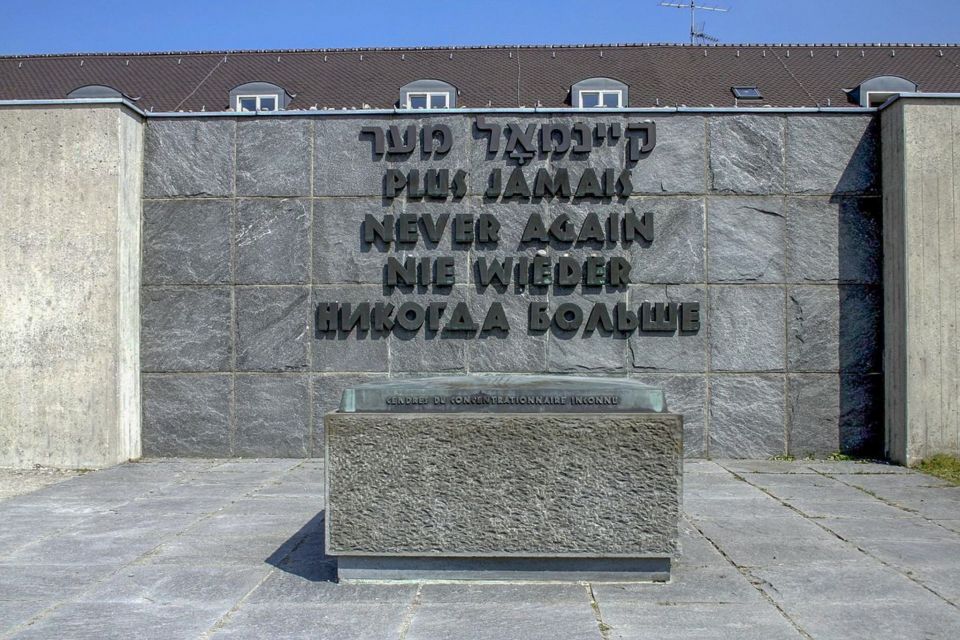
If you want a structured, respectful day trip with a guide who can connect the dots between buildings and documentation, I think this is a good choice. The biggest reason is the combo: grounds plus museum, explained in English, with time for questions.
Book it especially if you:
- want the stress removed from route planning while still using public transport
- care about understanding how Dachau worked as a system, not just seeing what remains
- appreciate guides who handle tough topics with empathy and clarity, like many named in visitor feedback (Thomas, Aileen, Matt, Michael, Conni, Jesse)
Skip it or choose a different format if you strongly prefer a completely self-paced visit where you control every minute alone. Even with good pacing, you are still on a guided schedule, and that can feel limiting in a place where silence and time alone matter.
FAQ
How long is the Dachau Memorial Site day tour from Munich?
It runs for 5 hours from meeting to return.
Where does the tour meet in Munich?
Meet at the Tourist Information for the City of Munich at the Gothic Town Hall in Marienplatz. The guide holds a yellow sign that says Dachau Memorial Tour in red letters.
Is the tour offered in English?
Yes, the live tour guide speaks English.
What is included in the price?
You get the guided tour, a public transport ticket, and transfers by public transport.
Is this tour wheelchair accessible?
Yes, it is wheelchair accessible. If you use a wheelchair, you will need a carer and should arrive 10 minutes before departure for the different entrance setup.
What should I bring?
Bring comfortable shoes and water.
Are pets allowed?
No, pets are not allowed.
Is there a better time to visit to reduce crowding?
Yes. The operator recommends the afternoon tour at 1:10 PM for less crowding since there are fewer school classes and groups.
Can I cancel for a refund, and can I pay later?
You can cancel up to 24 hours in advance for a full refund, and you can reserve now & pay later to keep plans flexible.