REVIEW · FUSSEN
Füssen: Old Town Guided Walking Tour in German
Book on GetYourGuide →Operated by Füssen Tourismus und Marketing · Bookable on GetYourGuide
Füssen feels like a storybook you can walk. This small-group Old Town tour strings together the town’s story from the Roman period to today, using real landmarks you can see up close instead of just waving at them from a bus. I love how the German guide turns architecture and places like Sebastian Cemetery into something you actually understand, and I also like the practical pace for photo stops and quick questions.
One consideration: this is a walking tour, so you won’t get long, slow “stay forever” time inside every site. If you want a full day of deep museum mode, you may need to pair it with other visits after the tour.
In This Review
- Key highlights at a glance
- A 90-Minute Walk That Gives Füssen Your Bearings Fast
- Where You Meet at Kaiser-Maximilian-Platz 1
- How the Guide Connects Roman Roots to Today
- Sebastian Cemetery and the Medieval City Wall Moment
- Franciscan Monastery, Bleichertörle, and Lechuferweg Views
- Holy Spirit Hospital Church Interiors: Where Details Pay Off
- St. Mang Basilica and the Courtyard of the High Castle Paintings
- Why This Tour Feels Personal: Small Group, Lots of Q&A
- Price and Value: How $9 Works in Your Favor
- Practical Tips Before You Go
- Who This Tour Fits Best (and Who Might Prefer Something Else)
- Should You Book This Füssen Old Town Guided Walking Tour in German?
- FAQ
- How long is the Füssen Old Town guided walking tour?
- What language is the guide speaking?
- How big is the group?
- Where do I meet the guide?
- What’s included in the tour price?
- Is transportation or pickup included?
- Are food and drinks included?
- Is the tour wheelchair accessible?
- Should I book this tour?
Key highlights at a glance
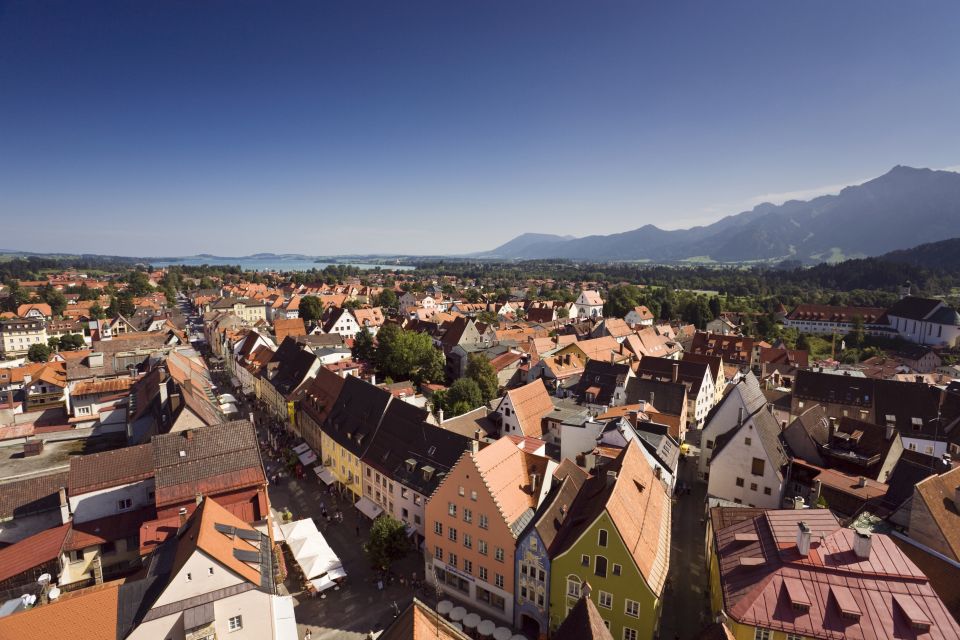
- Roman-to-present storyline that makes Füssen’s streets feel connected, not random
- Sebastian Cemetery and a Medieval city wall moment that gives context fast
- Franciscan Monastery, Bleichertörle, and the Lechuferweg for variety beyond the main square
- Holy Spirit Hospital Church interior where the details matter
- St. Mang Basilica and the Courtyard of the High Castle, including visible paintings at the courtyard
A 90-Minute Walk That Gives Füssen Your Bearings Fast
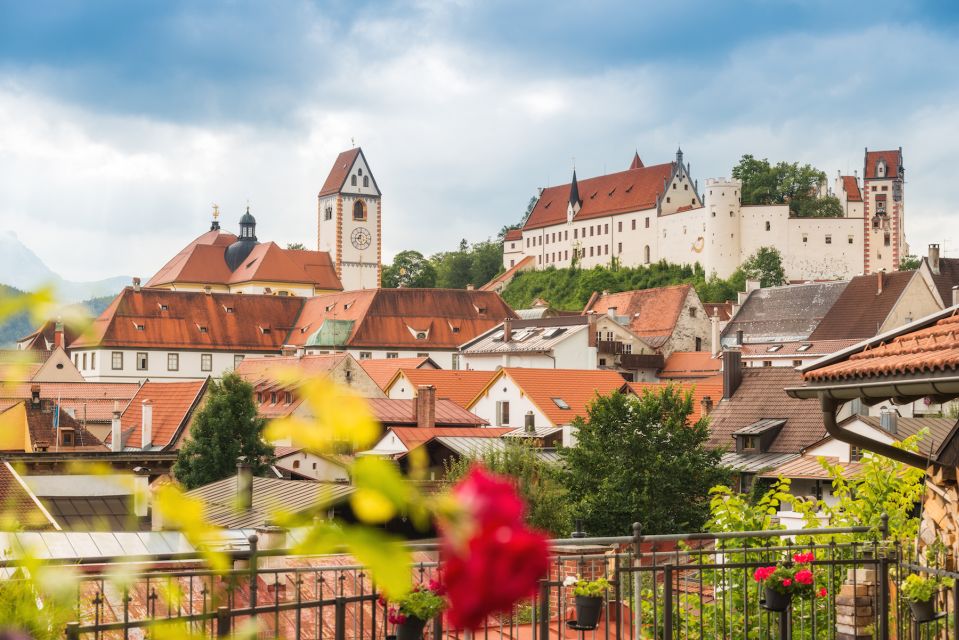
This tour is built for one job: help you understand what you’re looking at while you’re in Füssen. You meet, then you start walking through the Old Town streets with a guide who points out details you’d probably miss on your own. In just 1.5 hours, you get the town’s timeline and the “why” behind the buildings, not just names.
I like the structure because it moves in a way that feels realistic for walking and stopping. You’re not stuck waiting around. You’re also not sprinting through everything. It’s the kind of tour where you can keep your energy for later—maybe a longer sit-down afterward, or pairing this with a separate castle or church visit.
And since it’s limited to 10 participants, it tends to feel less like a lecture and more like a conversation with the group. One German review praised the fact that their group was small enough to feel a bit away from the usual flow, which makes a difference when you’re trying to ask questions.
You can also read our reviews of more walking tours in Fussen
Where You Meet at Kaiser-Maximilian-Platz 1
You’ll meet outside the Tourist Information at Kaiser-Maximilian-Platz 1. Try to arrive about 10 minutes early so you can find the group without stress. This helps a lot because the tour is only 1.5 hours long, and you don’t want to waste the first part standing around.
Also note the practical side: transfers to or from the meeting point aren’t included. So if you’re coming from outside town, plan to get there under your own steam. Food and drinks are not included either, so it’s smart to have a plan for snacks if you’re traveling all day.
The language is German, so if you want the full benefit, bring along at least a little comfort with German—or be ready to enjoy the visuals even when you don’t catch every word.
How the Guide Connects Roman Roots to Today
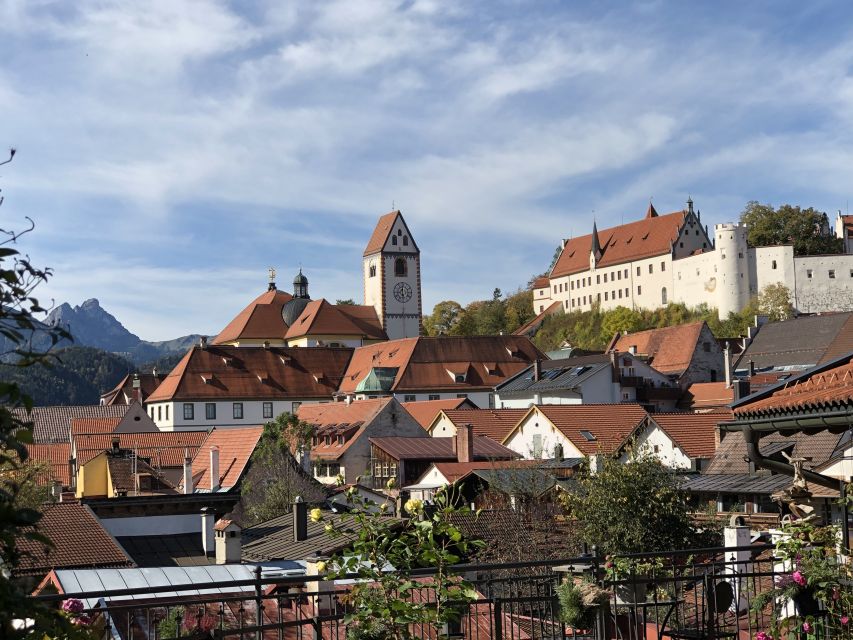
What makes this tour work is the storyline. Füssen didn’t start as a medieval picture postcard. Your guide ties together the town’s progression from the Roman period through later centuries, and then brings it into the present-day shape of the Old Town.
That timeline matters because Füssen is the kind of place where everything looks old, but not everything has the same origin. Without context, the city can blur into “pretty streets and old buildings.” With context, you start to notice differences: what came later, what was built for defense, what reflects church power, and what reflects how the town lived.
Several people rated the experience extremely highly for exactly this kind of explanation. In German-language feedback, guides were praised for being open to questions and for telling the story with real engagement—one review credited their guide with passion and answered lots of questions. Another mentioned the leader talking in a way that made the information feel clear and complete.
Sebastian Cemetery and the Medieval City Wall Moment
One of the best segments is Sebastian Cemetery, where you can see a Medieval city wall. This is a powerful stop because it explains something practical: why towns were shaped the way they were, and how the built environment kept people safe and organized.
Cemeteries can be easy to treat like a stop-off point, especially if you’re focused on castles and big sights. Here, it’s different. Your guide gives you a reason to look: you’re not just seeing graves, you’re also reading the city’s defensive logic through what survived in the landscape.
If you like history that connects to physical structures, this is where you’ll feel it. The wall is the kind of detail that changes your understanding of the streets around it. It’s also a great “anchor moment” early in the tour—once you grasp this idea, later stops start to feel like pieces of the same puzzle.
Franciscan Monastery, Bleichertörle, and Lechuferweg Views
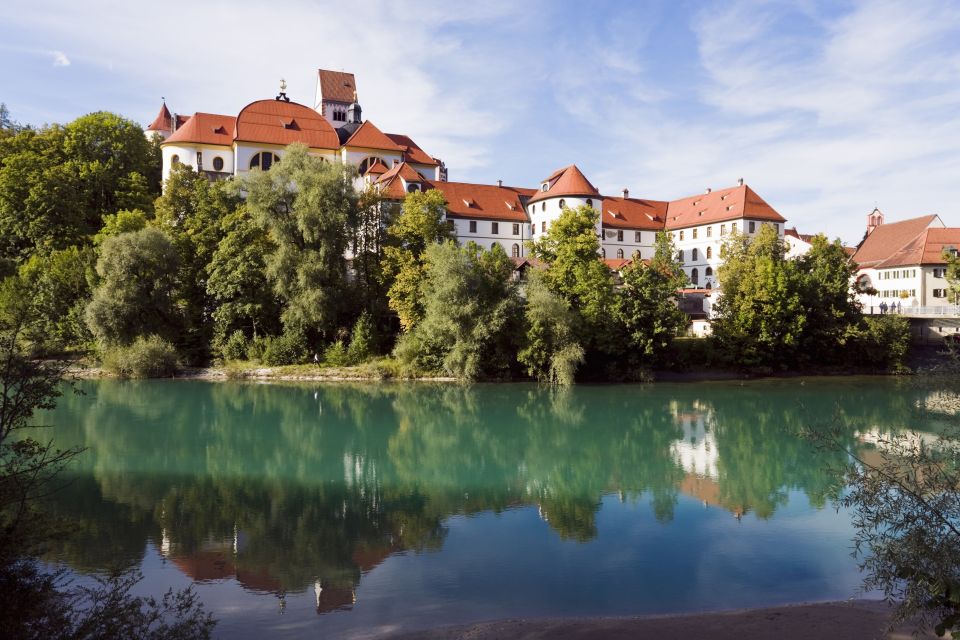
After the cemetery, the walk shifts into a different mood. You head toward the Franciscan Monastery, then you pass the Bleichertörle and the Lechuferweg along the area by the Lech. Even if you’re not chasing river views, this stretch adds variety and helps you understand how Füssen sits with its water geography.
The Lech River edge is useful context. Towns grow where they can use water for daily life, movement, and industry. Even without getting a long lecture at the river, you start to sense why certain areas developed as they did.
The Bleichertörle and the monastery stops also help because they broaden the story beyond “defense and grandeur.” You see more of the religious and community side, which is important in Bavaria towns where churches and monastic institutions played a huge role in daily rhythms and education.
One nice thing here: the pace keeps you from getting tired. It’s a walking tour, but the route choices prevent monotony.
You can also read our reviews of more guided tours in Fussen

Holy Spirit Hospital Church Interiors: Where Details Pay Off
Next comes the Holy Spirit Hospital Church. This is a great stop for anyone who enjoys interior art and architecture. From the outside, churches can look like churches. Inside, they often become a map of values—what mattered to the community, what donors funded, and how design helped create meaning.
Your guide points out features in the interior, so you’re not left standing there thinking, I know it’s pretty, but what am I looking at? Instead, you’ll understand what to focus on—small details that turn the room from background to a real experience.
If you’re traveling with limited time, this stop is efficient. You get a meaningful interior look without needing a full separate museum-style visit.
This is also one of those moments where having a real, live guide helps most. You’ll notice more because someone is helping you see.
St. Mang Basilica and the Courtyard of the High Castle Paintings
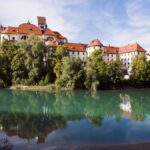
Toward the end, you’ll reach St. Mang Basilica and then the Courtyard of the High Castle, where you can marvel at the paintings visible in the courtyard.
This is where Füssen becomes more dramatic. Basilicas and castle courtyards carry different energy from the quieter streets and cemetery wall. It’s still the same town story, just told with bigger symbolism.
The courtyard paintings are especially worth paying attention to because they give you a “face” to the history you’ve been building. You’ve heard about centuries of change. Now you’re looking at art placed where people could see it. It’s a reminder that power and faith weren’t only about buildings—they were also about images and messages.
Even if you don’t consider yourself an art person, this stop is approachable. You can enjoy the paintings on your own, then your guide’s framing helps you place them in context.
Why This Tour Feels Personal: Small Group, Lots of Q&A
This tour limits participation to 10 participants, which changes the vibe. In small groups, you’re more likely to hear answers clearly and not feel like you’re shouting your question into a crowd. Several German reviews praised the guide’s willingness to take questions and the lively, engaged teaching style.
One review specifically mentioned a guide answering questions and explaining with real enthusiasm, and another noted that their guide continued so well that the tour stretched close to two hours. That matters, because it suggests the guide isn’t just reading a script—they’re reacting to curiosity.
If you’re the kind of traveler who likes to ask, Wait, why did they build it like that? or What does that detail mean? this tour fits you. If you’re more passive and want quiet sightseeing, it still works—you’ll just benefit more if you let yourself be curious.
Price and Value: How $9 Works in Your Favor
At about $9 per person, this is a strong value for a guided Old Town experience. You’re not paying for a long day or multiple transportation legs. You’re paying for a short walk, a knowledgeable German-speaking guide, and access to a route that hits several meaningful landmarks in a compact time window.
Is it “cheap”? Yes. But that doesn’t automatically mean it’s low quality, and the high ratings support that. The tour’s value comes from three things:
- Time efficiency (1.5 hours with multiple stops)
- Context (your guide helps you read what you see)
- Group size (limited to 10, so it doesn’t feel like a mass outing)
The main “cost” to consider isn’t money. It’s expectations. You’re not getting a full guided museum circuit. You’re getting a curated walk that helps you understand the Old Town quickly, then you can choose how deep you want to go afterward.
Practical Tips Before You Go
A few small things make a big difference on walking tours like this.
Wear shoes you can rely on. Old Town streets can be uneven, and you’ll want comfort for the full 1.5 hours. Bring a light layer if weather shifts, since you’ll be outside for most of the experience.
If you want the maximum payoff, do this: pause your phone scrolling. Look up at the facades when the guide talks. Most people don’t need perfect concentration to enjoy history. They just need attention for the key moments—cemetery wall, church interior, and the courtyard paintings.
And since the tour is in German, if you don’t speak it fluently, you’ll still benefit from visual cues. But if you can catch spoken cues like names and time periods, you’ll feel like you’re following a real story, not just a walk with facts.
Who This Tour Fits Best (and Who Might Prefer Something Else)
This is a good fit if you:
- Want history you can see, tied to specific Füssen landmarks
- Like guided explanations but don’t want a 4–6 hour commitment
- Prefer small groups where questions are welcome
- Travel with limited time and want a fast way to orient yourself
You might consider a different option if:
- You want lots of “hands-on” museum style time or long interior stays
- You’re looking for transport-included logistics from place to place
- You prefer guided tours in languages other than German
The route is efficient. That’s the point. It’s best when you treat it like your Old Town foundation.
Should You Book This Füssen Old Town Guided Walking Tour in German?
If you’re in Füssen for a short stay, I think this is an easy yes. The combination of small group size, a German-speaking guide, and a route that covers cemetery wall context, monastery/river-area variety, and the High Castle courtyard paintings makes it a smart way to spend 1.5 hours.
Book it if you like understanding what you’re seeing. If you just want photos with no interpretation, you might still enjoy it, but you won’t get the full value.
For most people, it’s a low-cost way to turn Füssen from pretty streets into a place with a timeline you can remember.
FAQ
How long is the Füssen Old Town guided walking tour?
It lasts 1.5 hours.
What language is the guide speaking?
The tour guide speaks German.
How big is the group?
The group is limited to 10 participants.
Where do I meet the guide?
Meet outside the Tourist Information at Kaiser-Maximilian-Platz 1.
What’s included in the tour price?
You get a guided walking tour with a German-speaking guide.
Is transportation or pickup included?
No, transfer to or from the meeting point is not included.
Are food and drinks included?
No, food and drinks are not included.
Is the tour wheelchair accessible?
Yes, it is wheelchair accessible.
Should I book this tour?
Yes, if you want an efficient way to learn Füssen’s Old Town story in German with a small group and several major stops—especially if you’ll appreciate church interiors and the High Castle courtyard paintings. If your schedule is tight, this is one of the easier “good decision” bookings because it’s short, focused, and priced as a real value.