REVIEW · MUNICH
Paul’s Private Tour in the Alte Pinakothek Munich
Book on Viator →Operated by Paul Riedel · Bookable on Viator
A great museum can feel like a maze. This private Alte Pinakothek visit is built to help you move with confidence, with skip-the-line entry and a guide who turns 700-plus paintings into something you can actually track. You’ll look closely at major works by Dürer, Rubens, and da Vinci, while also getting the story of how Bavarian rulers assembled the collection.
What I really like is the teaching style. Paul Riedel is a professional artist, and the way he explains techniques makes the art easier to “read,” not just admire from a distance. In the middle of a sudden real-world disruption near the museum, he also showed serious calm and problem-solving, keeping the tour going on the fly while still making the time count.
One consideration: the museum admission ticket is not included, so you’ll need to budget for that on top of the tour price. That said, the skip-the-line perk helps you start faster once you arrive.
In This Review
- Key things to know
- Alte Pinakothek, fast and focused: what the 2 hours really delivers
- Skip-the-line entry: why it’s worth paying for
- Paul Riedel’s artist-guided approach: how you learn to see
- What you’ll see: masters, names, and the Bavarian collection story
- Your itinerary in plain terms: how the visit is paced
- Meeting point and getting there without stress
- Who this tour is best for (and who should consider another option)
- Price and value: what $158.13 buys you in Munich
- Should you book Paul’s Private Tour at the Alte Pinakothek?
- FAQ
- How long is the Alte Pinakothek private tour?
- Where does the tour start?
- Is museum admission included in the price?
- Is this tour private?
- What’s included with the guide and entry?
- What if I need to cancel?
Key things to know
- Skip-the-line tickets for regular exhibits, so you waste less time at the entrance
- Private small-group format, so questions and pacing stay comfortable
- Paul Riedel’s artist viewpoint, with talk about painting techniques and how artists achieved effects
- Bavarian collecting context, including the dukes and kings tied to the works you’ll see
- A focused 2-hour route, aimed at helping you make sense of a huge museum quickly
Alte Pinakothek, fast and focused: what the 2 hours really delivers
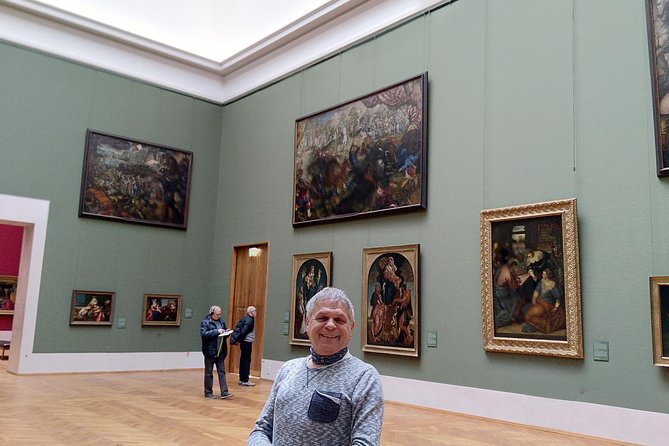
The Alte Pinakothek is a big deal in Munich, and the hard part is scale. You could spend a whole day here and still miss plenty. This tour is designed for the opposite goal: help you see a lot of the essentials in about 2 hours without getting lost in the “what am I looking at” fog.
The result is a route that’s meant to be legible. Instead of wandering from room to room with no anchor, you get a sequence of works and ideas you can connect. That matters because these paintings are from different eras and artistic “languages,” so some structure makes everything click sooner.
You’ll also get a strong sense of what the museum is built to do. The collection includes major Renaissance and earlier European painters, with names like Dürer, Rubens, and da Vinci showing up in the mix. You’re not just collecting famous artworks for a photo album. You’re learning how to notice choices artists made—composition, texture, light, and emotion.
And because the tour is private, you’re not forced into a rigid script where you only get half-listened-to explanations. If something grabs your attention, you can usually spend a little more time on it, then move on without the whole group falling behind.
You can also read our reviews of more private tours in Munich

Skip-the-line entry: why it’s worth paying for
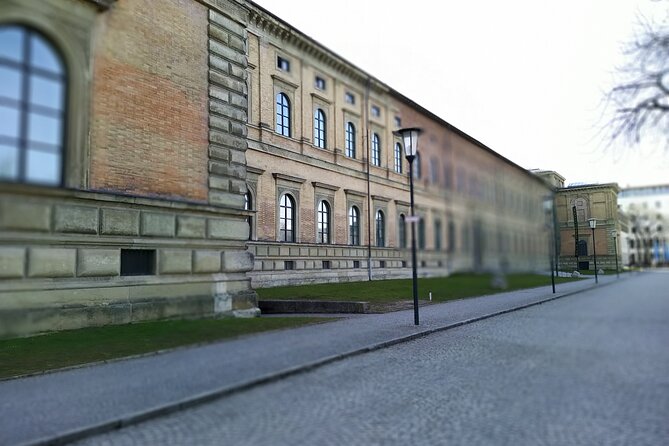
Skip-the-line sounds like a small perk, but in practice it changes the whole start of your visit. Munich museum queues can eat up your best energy, especially if you timed your day tightly. Here, you get skip-the-line tickets for regular exhibit areas, which helps you start viewing faster instead of standing still.
It also helps with mental momentum. When you walk into a museum already a little tired and annoyed, you tend to skim. When you walk in with time in your pocket, you look more carefully and ask better questions.
Do note the one detail that can surprise people: the tour includes skip-the-line for regular exhibits, but the museum admission ticket is not included in the tour price. So you’ll still want to confirm what you need to pay separately and have that ready. The upside is that once you’re in motion, you get a guided experience rather than a self-guided scramble.
Paul Riedel’s artist-guided approach: how you learn to see
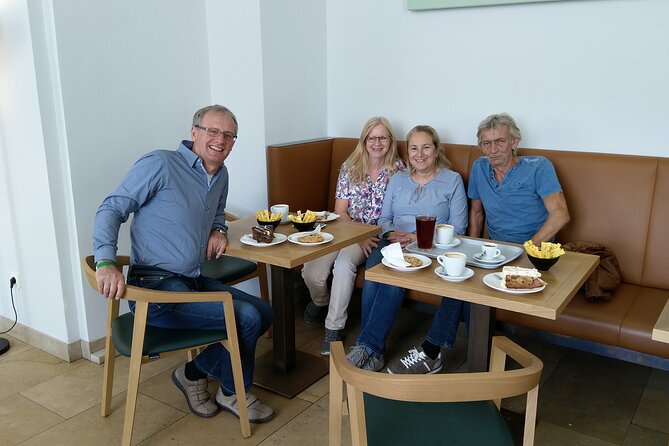
This is the core value of the tour. The guide is Paul Riedel, and the experience is shaped by the fact that he’s also a professional artist. That means the explanations tend to focus on how paintings are constructed, not only who painted them.
You’ll hear commentary on painting techniques and how artists achieved specific effects. That could be things like how light is handled, how forms are modeled, and how detail guides your eye. Even if you’re not a “museum person,” technique talk often makes the works feel less mysterious. You stop asking, “Why is this famous?” and start asking, “How did they do that?”
Humor and engagement also matter here. In real-life touring, the best guides don’t just deliver information; they keep attention moving. Paul’s style comes through as witty, with commentary that stays understandable while still being substantial. That balance is why this kind of tour works even if you only have a limited window in Munich.
There’s also a cultural thread that helps you connect old paintings to modern life. You’re not stuck in a closed museum bubble. Instead, the way paintings communicate—emotion, status, belief, persuasion—can feel less remote.
Finally, there’s a practical trust factor. In one real case of an incident near the museum, Paul handled it with calm and quick thinking, alerting the group and then meeting them at another location so the tour could continue. That doesn’t happen often, but it says something important about leadership under pressure.
What you’ll see: masters, names, and the Bavarian collection story
The Alte Pinakothek is full of heavyweight names, but it’s also full of context you might miss without guidance. This tour connects you to the people behind the collection—especially the Bavarian dukes and kings. That detail matters because it explains why certain artists and themes show up and how the collection was shaped.
When you understand who collected these works and why, the museum starts to feel like a real project, not just a building full of art. You also get a clearer sense of power and taste: what was valued, what was pursued, and how decisions made centuries ago still influence what you see today.
You can expect to look at works from major artists mentioned for the tour, including Dürer, Rubens, and da Vinci. For most people, seeing these names listed is easy. Understanding their different styles is the real challenge. A good guide helps you notice differences in technique and intent, so the works stop blending into one long list of “famous paintings.”
The tour’s structure also keeps you from getting overwhelmed. Trying to “cover” a museum on your own is how people end up tired and unimpressed. With a curated path and explanations, you get to feel progress. Each stop becomes a mini lesson, and your brain has a place to store what you learn.
Your itinerary in plain terms: how the visit is paced
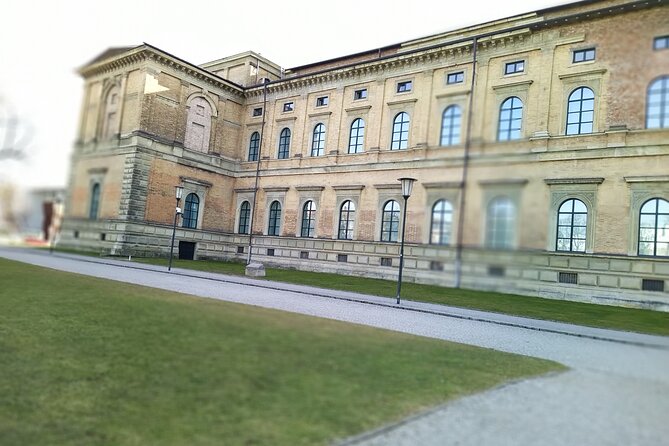
This experience stays centered on one place: the Alte Pinakothek. You’ll spend the whole session inside the museum environment, with the guide leading you through key stops.
The pacing is built around a 2-hour presentation in a private small group. That time window is ideal if you want art learning without turning your day into a museum marathon. It’s also enough time for the guide to adjust to your reactions. If you’re curious about why a painting is composed a certain way, you can usually get more explanation than you would on a large-group tour.
The tour includes skip-the-line entry, but it does not include the museum admission ticket itself. So plan for the total cost by adding the admission portion at booking or on the day, depending on how the provider directs you.
Also, you’ll likely cover the museum’s major highlights rather than every room in existence. That’s not a drawback if your goal is value and clarity. It’s the right format for visitors who want the museum’s best-known works and the stories behind them, without losing an entire afternoon.




Meeting point and getting there without stress
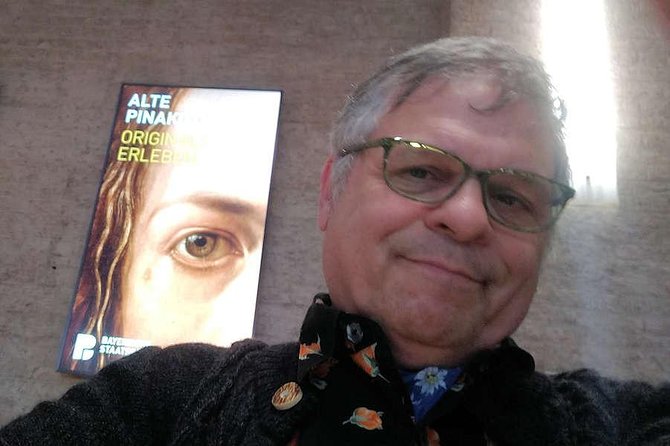
You meet at Alte Pinakothek, Barer Str. 27, 80333 München, Germany. The good news is that it’s listed as near public transportation, which is how you’ll probably want to travel through Munich anyway.
Because the tour starts at the museum and ends back at the same place, you don’t need to plan a complex route across town. That’s helpful if you’re juggling other museum stops or a dinner reservation.
For timing, dress like you’re going to a nice dinner or a smart casual business meeting. The stated dress code is smart casual, and that’s usually easy for Munich days, especially if you’re already traveling with a couple of “nice enough” outfits.
Who this tour is best for (and who should consider another option)
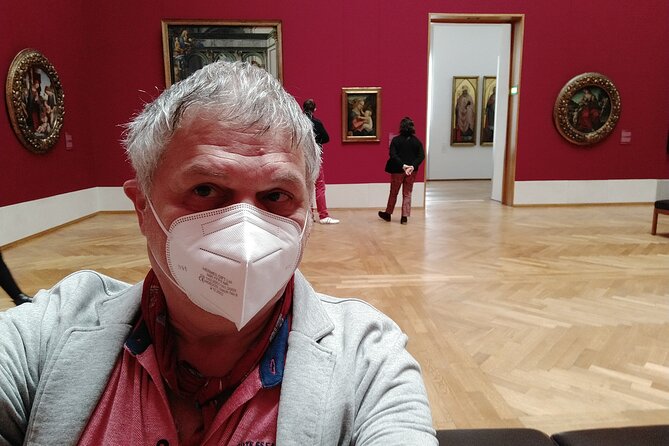
This tour fits art lovers who want a guided “sense-making” visit. If you like learning about technique, historical context, and the choices behind famous works, you’ll get a lot out of Paul Riedel’s approach.
It’s also a good fit for people with limited time. Two hours is short enough to be workable even on a busy trip, but long enough for real explanation instead of rapid-fire facts.
You might especially enjoy it if you:
- want a private setting with room for questions
- like art that comes with context about collecting and patronage
- prefer learning that focuses on how paintings work, not just who painted them
If you’re the kind of traveler who wants to roam slowly and read labels for hours without any structure, a guided format may feel a bit tight. In that case, you might do better with a self-guided museum day. But if you want the “best return on time,” this private tour is built for that.
Price and value: what $158.13 buys you in Munich
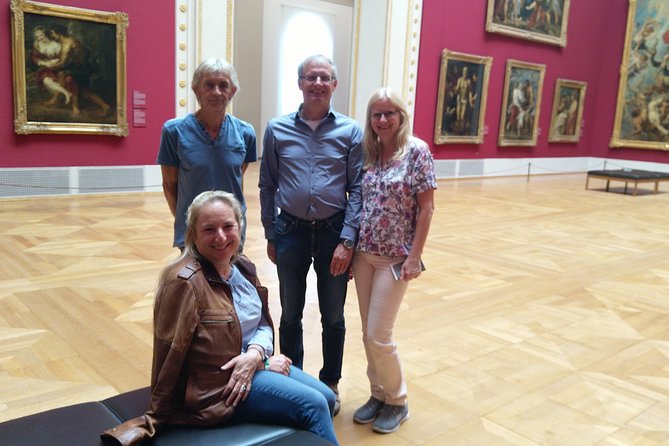
At $158.13 per person, this is not a budget add-on. So the question is whether the cost buys you something you can’t get easily on your own.
Here’s the value logic:
- You pay for a professional guide (Paul Riedel), with artist-level explanations and high engagement. That’s the biggest cost driver and the part you feel most during the tour.
- You get skip-the-line entry for regular exhibits, which saves time and reduces the annoyance factor.
- You get a concentrated 2-hour private small-group experience, which usually means better attention per minute than large public tours.
The one item that can soften the math is that museum admission is not included. So your true all-in spend is tour price plus the admission ticket you’ll still need to purchase.
Still, if you’re comparing this to the time cost of waiting in line plus the cost of figuring out what matters most inside a massive museum, the guide and entry savings can make it feel reasonable. For visitors who care about learning and efficiency, it tends to be a good trade.
If you’re traveling with a group, a private format can feel even more attractive because the experience stays tailored rather than becoming a loud shuffle.
Should you book Paul’s Private Tour at the Alte Pinakothek?
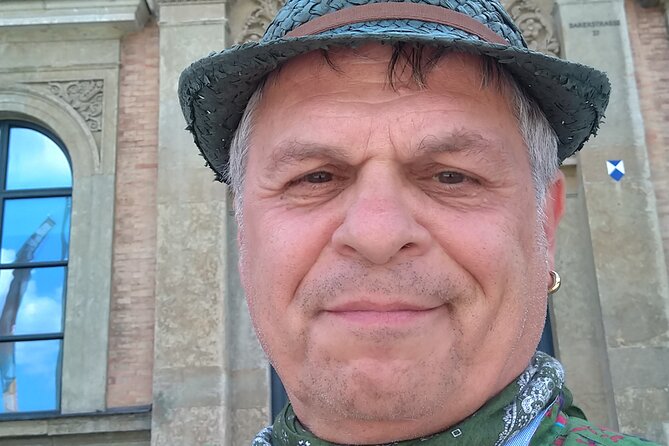
I’d book it if you want a fast, guided path through one of Munich’s key art museums and you care about understanding what you’re seeing. This is not just a “walk and point” visit. With Paul Riedel at the center, you get technique-focused explanations, clear historical framing, and a pace that respects your time.
Skip-the-line is a real perk here, and the private small-group setup helps you actually connect with the art instead of catching only fragments between other people’s attention.
The main reason not to book is simple: if you want maximum freedom to wander and linger without a structured route, you may prefer a self-guided day. Also, make sure you factor in that admission tickets are separate.
If your goal is art understanding in a short window, this tour looks like a strong choice.
FAQ
How long is the Alte Pinakothek private tour?
It lasts about 2 hours.
Where does the tour start?
The meeting point is at Alte Pinakothek, Barer Str. 27, 80333 München, Germany.
Is museum admission included in the price?
No. Skip-the-line tickets for regular exhibits are included, but admission ticket is not included.
Is this tour private?
Yes. It’s listed as a private tour/activity, meaning only your group participates.
What’s included with the guide and entry?
You get a professional 5-stars guide, skip-the-line tickets for regular exhibits, and a 2-hour presentation in a private small group.
What if I need to cancel?
Free cancellation is available up to 24 hours in advance for a full refund. If you cancel less than 24 hours before the start time, the amount paid is not refunded.