REVIEW · MUNICH
Munich – Illuminati & other Secret Societies, Tour in German
Book on GetYourGuide →Operated by DIE STADTSPÜRER® · Bookable on GetYourGuide
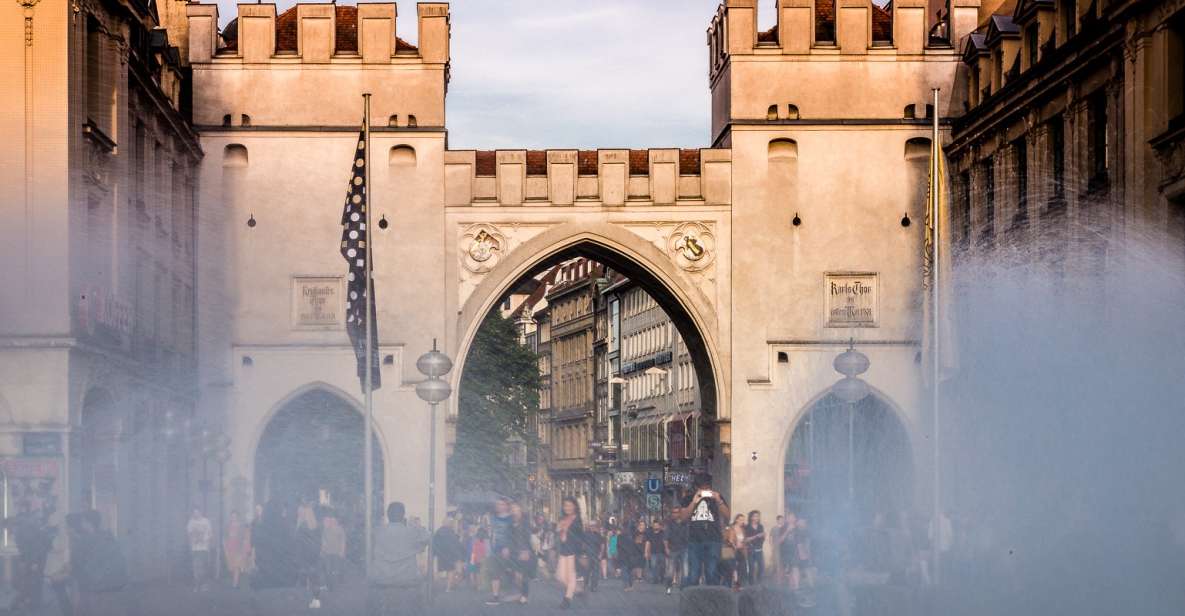
Munich turns into a symbol hunt on this tour. You start under the Karlstor arch and walk with a German guide through the city center, where stories about the Illuminati and Freemasons are tied to the stonework you can actually see.
I love how the tour frames a turning point with the Bavarian Elector, who’s presented as ending the conspiracy of the Illuminati and Freemasons once and for all. I also like the way it traces Freemasonry back to medieval dombau huts, then connects that to the role Masons played in shaping the Kingdom of Bavaria.
One possible drawback: this is a German-language experience, and English is only available for a private tour, so it may feel less fun if you expected a straightforward English sights walk.
In This Review
- Key things that make this tour interesting
- Munich Illuminati & Secret Societies: What You’re Really Doing for 2 Hours
- Where the Tour Starts Under Karlstor Arch
- The Core Story: Illuminati, Freemasons, and a Bavarian Reset
- Stop by Stop: How Each Landmark Becomes a Clue
- Old Academy: The Study of Symbols, Not Just Buildings
- Michael’s Church: Where Mystery Meets Real Stone
- Frauenkirche: Turning City Views into a Story Map
- Promenade Square: Closing the Loop in the Public City
- The Tour Guide Experience: Q&A That Actually Gets Handled
- Price and Value: Is $29 for 2 Hours Worth It?
- Who This Tour Suits Best (And Who Might Want to Skip It)
- Should You Book This Munich Secret Societies Tour?
- FAQ
- Where does the tour meet?
- How long is the tour?
- Is the tour in English?
- What places in Munich are part of the route?
- Is the tour wheelchair accessible?
- What does the tour cost and what’s included?
- Can I get a refund if my plans change?
Key things that make this tour interesting
- Symbol spotting in plain sight: the guide points out buildings and secret symbols you’d likely miss on your own
- Freemasons from the dombau connection: origins tied to medieval cathedral-building work huts
- Bavaria’s political twist: the story connects secret societies to the founding world of Bavaria
- Golden Fleece sightings: you’re prompted to notice the Order of the Golden Fleece insignia around Munich
- Church-and-square route: Old Academy, Michael’s Church, Frauenkirche, and Promenade square are used as key story anchors
Munich Illuminati & Secret Societies: What You’re Really Doing for 2 Hours
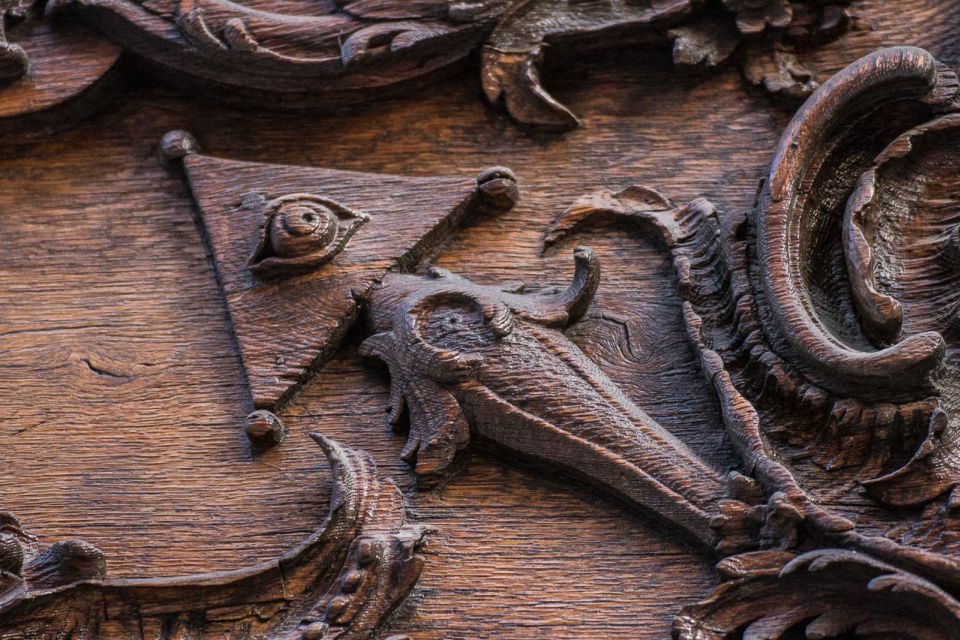
If you like your Munich sightseeing a bit off the main path, this is a smart choice. Instead of focusing only on famous façades and captions, you’re hunting for clues: symbols on buildings, references embedded in landmarks, and the stories that people attach to them. You’ll be walking through the center like a detective, not a tourist.
The tour is led by a live guide in German through DIE STADTSPÜRER®, and the theme stays consistent: Knights Templar, Freemasons, Illuminati, and other secretive groups are treated as having left marks in Munich’s culture and architecture. You’re not meant to memorize a family tree of conspiracies. You’re meant to learn how to read the city’s visual language and understand why these legends stick around.
For me, the value is that the tour gives you “why it matters,” not just “what it is.” The stories are connected to real places—churches, civic buildings, and squares—so you can keep the thread going after the tour when you’re wandering on your own.
You can also read our reviews of more tours and experiences in Munich.

Where the Tour Starts Under Karlstor Arch
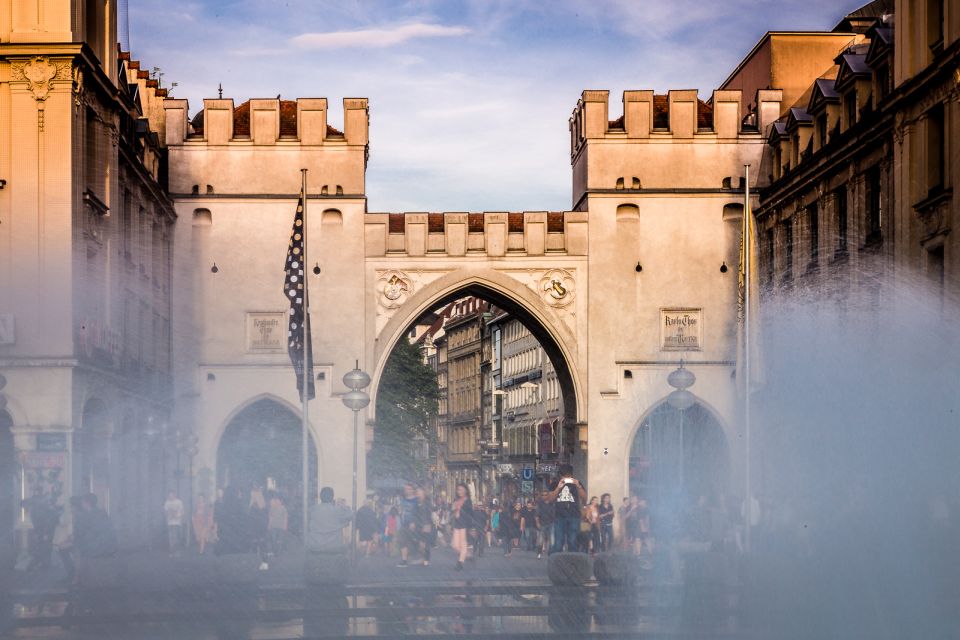
You meet directly under the archway of Karlstor at Neuhauser Str. 47, 80331. It’s easy to find once you’re in the area, and it sets the tone fast: you begin in the old-city core, with a landmark arch that feels like an obvious threshold between the normal Munich street level and the tour’s mystery theme.
The meeting setup also matters because this is only a 2-hour walk. You don’t want to spend that time doing logistics or searching for the group. Starting at a clear landmark helps you get into the story quickly and keeps the pace steady.
Tip: wear comfortable walking shoes. Even though the tour isn’t long, you’ll be moving between major points—enough for the legs to notice if you’re in stiff shoes or sandals.
The Core Story: Illuminati, Freemasons, and a Bavarian Reset
The tour’s headline is the history of secret societies in Munich, and it makes a specific promise: you’ll learn what a Bavarian Elector did to end the conspiracy of the Illuminati and Freemasons once and for all. That’s a big claim, but it’s also the tour’s organizing idea. The guide uses it as a way to explain how rumors, power, and institutional response can show up in public life.
What I like about this approach is that it turns the theme from pure “conspiracy talk” into a more human story about governance and influence. The tour also contrasts societies that allegedly tried to improve the world with groups portrayed as trying to manipulate political and social events. That tension keeps things interesting because it prevents the tour from being one-note.
You’ll also hear about Freemasons and their deeper roots. The tour specifically points you to the origins in medieval dombau huts—the workplace environment tied to medieval cathedral building. That connection is useful because it gives the idea of Masons as craftspeople and builders, not just secret club members in cloaks and shadows.
And then it broadens again into Bavarian identity. You learn about the role Masons played in founding the Kingdom of Bavaria. Even if you don’t buy every part of the legend, the way the tour links secret-society storytelling to the development of a region is the reason it’s worth your time.
Stop by Stop: How Each Landmark Becomes a Clue
This tour uses a tight chain of Munich locations that work well for symbol-based storytelling. You move through the city center and the guide repeatedly does the same smart thing: you look, you notice, then you learn what that symbol (or reference) is meant to suggest.
Here’s how the main stops fit into the narrative, and what to watch for.
Old Academy: The Study of Symbols, Not Just Buildings
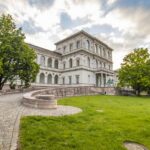
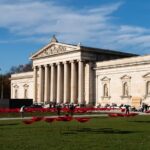
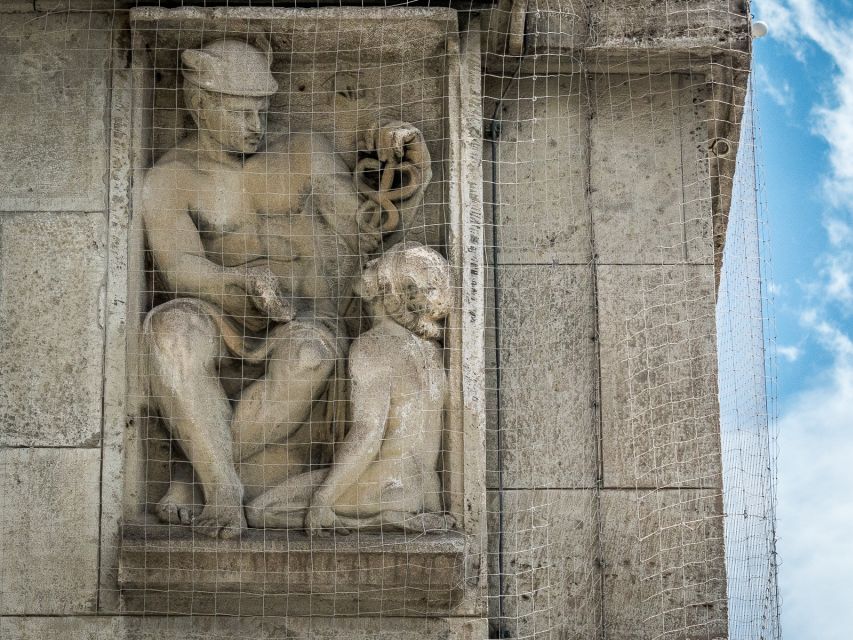
The Old Academy is one of the story anchor points. The tour’s focus here is on the idea that secret societies left behind a kind of visual shorthand: symbols, insignias, and marks that can be read like clues if you know what to look for.
What to expect: the guide directs your attention to details you’d normally pass. Instead of taking a photo of the whole façade, you’ll be nudged toward specific elements—where a symbol might sit, how it’s integrated, and what it’s linked to in the tour’s bigger story.
A drawback in places like this is that architectural ornamentation can be subtle. If you’re standing too far back or your attention is on the group logistics, you’ll miss the “aha” moments.
Michael’s Church: Where Mystery Meets Real Stone
From the Old Academy, you move to Michael’s Church. Churches are perfect for this theme because they’re loaded with symbolism by design—religion, authority, and art are all in the same place. The tour uses that to connect the “secret society” narrative to physical landmarks.
What to watch for: the guide helps you decipher symbols connected to the societies being discussed. Even if you’re not sure you believe the conspiracy framing, the church context makes the symbolism feel more grounded. It’s not just fantasy; it’s visual culture on display.
Practical tip: bring a mental checklist. If you go in thinking you’ll learn one single “perfect” answer about Illuminati or Freemasons, you may get frustrated. This tour works better if you treat it like a set of overlapping clues.
Frauenkirche: Turning City Views into a Story Map
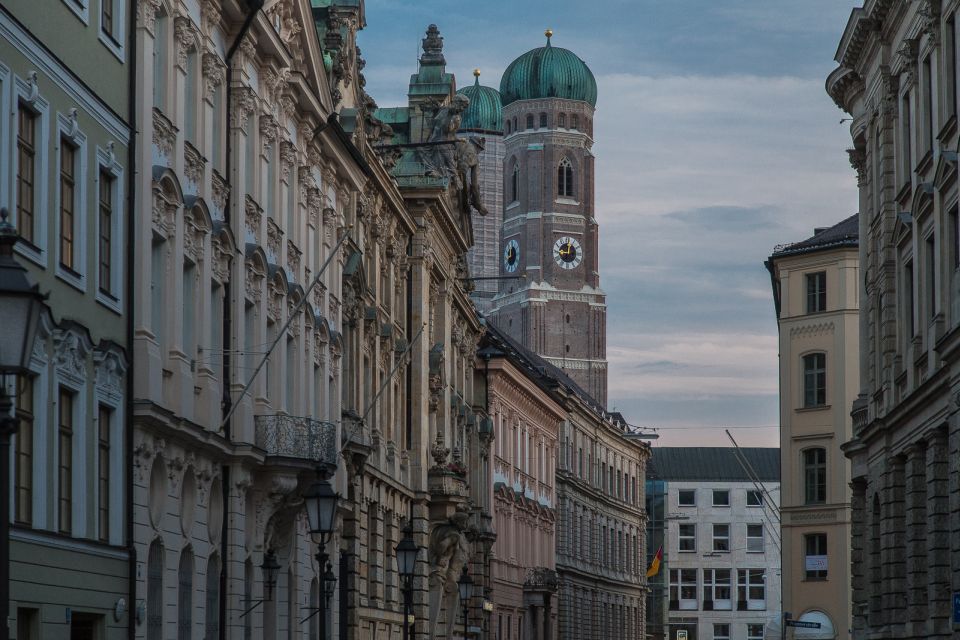
Then you reach Frauenkirche. This stop matters because it gives the tour a major visual anchor. When the guide tells you a story and points to a place like this, you start to understand why certain legends persist. Big landmarks are the kind of places where people want to attach meaning.
What to expect: you’ll connect what you’ve learned so far—Knights Templar references, Freemason roots, and the broader idea of secret groups influencing culture—to the kind of landmark that shapes how Munich looks.
If you’re hoping for a quiet, slow church visit, this part may feel more like a guided “meaning extraction” than a contemplative stop. Still, that’s aligned with the tour’s style.
Promenade Square: Closing the Loop in the Public City
Finally, you end at Promenade square. This is a useful choice because it shifts you from architectural symbolism into public space. A lot of these stories claim influence in social and political life, and ending in a square reinforces that angle.
The tour also uses this last section to answer questions. The format is designed for you to ask what you’re not sure about—whether you think the societies were radical Enlighteners or whether you’re curious about why the stories keep surfacing.
And you may notice a key theme tied to the everywhere-in-Munich idea: the Order of the Golden Fleece insignia. The tour specifically says you’ll encounter its insignia around the city. By the time you reach the final stop, it should feel less random and more like a recurring visual thread.
The Tour Guide Experience: Q&A That Actually Gets Handled
The quality of a themed tour lives or dies with the guide. On this one, the emphasis is on interpretation—spotting details and helping you decipher symbols. That requires good pacing and a guide who can handle questions without losing the thread.
A name that shows up strongly in the feedback for this experience is Albert, praised for being very good with follow-ups and comments. Even if your guide isn’t Albert, the tour is built around a guide-led question-and-answer rhythm, so it’s the kind of booking where you can ask, challenge, and clarify.
What this means for you: if you’re the type who wants context—why a certain symbol shows up, how Freemasons are tied to medieval building work, why Bavaria’s political story gets involved—this tour is likely to keep you engaged.
Price and Value: Is $29 for 2 Hours Worth It?
At $29 per person for a 2-hour German-guided walk, you’re paying for a focused narrative and hands-on symbol spotting. You’re not paying for a long day trip or museum entry. You’re paying for guided interpretation of public architecture, which is exactly the kind of thing that becomes more valuable the moment you realize how much you’d miss on your own.
The “value” angle depends on your expectations:
- If you want standard highlights only, you may find the theme a bit heavy.
- If you want something different—mystery, symbols, and the way Munich can be read like a clue trail—then the price feels fair because the tour gives you structure for what you’ll otherwise experience as random details.
Also, the tour includes a small gift. It’s not the main reason to book, but it’s a nice extra.
The big deciding factor is the language. Since the tour is German, the value is highest if you can follow the story smoothly.
Who This Tour Suits Best (And Who Might Want to Skip It)
I’d point you toward this tour if you:
- like history that’s connected to visible places
- enjoy interpreting symbols and noticing architectural details
- want a walking experience that’s about more than taking photos
You might want to skip it if:
- you’re hoping for an English city highlights tour with minimal interpretation
- you want pure sightseeing pacing, like “see this square, then that landmark, then lunch”
There’s also a realistic consideration: the tour may feel less like a direct Munich-only overview and more like a mystery framework applied to Munich’s key points. That’s not a flaw if you came for the theme. It’s just something to keep in mind.
Should You Book This Munich Secret Societies Tour?
Book it if you want to see Munich with a new set of eyes. Starting under Karlstor, moving past major church and civic landmarks, and learning how secret-society stories connect to visible symbols is a fun way to turn a normal walk into something memorable.
Don’t book it if you need English or if you only want a straightforward list of must-see sights. In that case, the German-only format and the symbol-heavy focus could leave you feeling like you’re not getting what you expected.
If you’re comfortable with German and you like the idea of decoding the city, this tour feels like good use of two hours in Bavaria’s capital.
FAQ
Where does the tour meet?
You meet directly under the archway of Karlstor, Neuhauser Str. 47, 80331.
How long is the tour?
The tour lasts 2 hours.
Is the tour in English?
The tour is in German. English is only available for a private tour.
What places in Munich are part of the route?
The tour includes stops at the Old Academy, Michael’s Church, Frauenkirche, and Promenade square (with the meeting point under Karlstor).
Is the tour wheelchair accessible?
Yes, the tour is wheelchair accessible.
What does the tour cost and what’s included?
The price is $29 per person, and it includes a small gift.
Can I get a refund if my plans change?
Yes. You can cancel up to 24 hours in advance for a full refund.