REVIEW · MUNICH
Walking Tour on Origins of Nazism in Munich – English
Book on Viator →Operated by Todo Tours · Bookable on Viator
Munich can feel too real when you walk it. This English walking tour links major moments from the Nazi rise to the actual streets, squares, and buildings where the story played out. You’ll follow the path from the early German National Socialist Workers’ Party to the broader buildup of the Third Reich, with context that’s heavy but clear.
I like how the route is tight and chronological, so ideas stick to places instead of floating around in your head. I also like the mix of locations: you see propaganda-era settings as well as memorial space for victims and resistance, which helps you understand the human cost, not just the political mechanics. One caution: the theme is big and emotionally intense, and at about 2 hours it can feel like you want more time than the schedule allows.
In This Review
- Key highlights at a glance
- A 2-hour English walk through Nazism’s beginnings
- Price and what you truly get for $20.16
- The route makes you compare propaganda and memory
- Stop 1: Platz der Opfer des Nationalsozialismus (Victims first)
- Stop 2: Staatliches Hofbräuhaus and the party’s base
- Stop 3: Haus der Kunst as a propaganda building
- Stop 4: Hofgarten as Munich’s important park space
- Stop 5: Odeonsplatz, a major Munich square
- Stop 6: Königsplatz, where the new city’s backbone shows
- What makes the expert guide so useful
- Timing and meeting point: how to make the start painless
- Who should book this tour
- Making it better: pair it with a bit of extra time
- Should you book this walking tour?
- FAQ
- How long is the walking tour?
- What language is the tour offered in?
- Where does the tour start and end?
- How much does it cost?
- Are tickets or entry fees included?
- What is the cancellation policy?
Key highlights at a glance
- Six meaningful stops across Munich, from a victims’ memorial square to Königsplatz
- Victim and resistance remembrance side by side with sites tied to the Nazi rise
- English expert guide helping you make sense of a complex, controversial story
- Entry included at several stops, so you’re not constantly paying extra on the street
- Max group size of 35, which keeps the walk from turning into a moving crowd
A 2-hour English walk through Nazism’s beginnings
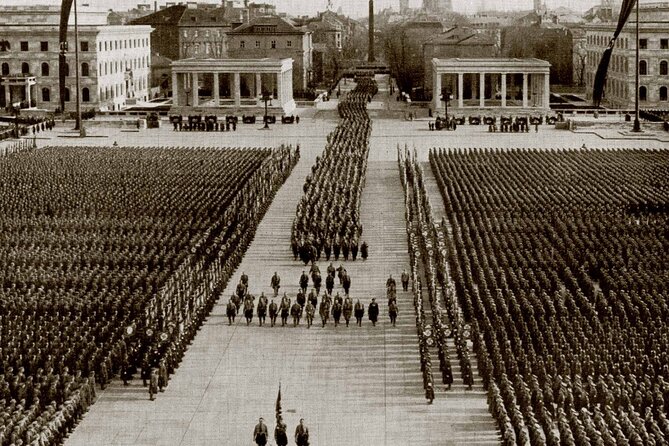
This is a 2-hour walking tour designed to explain how one political movement in Germany grew into something far more destructive. You start in central Munich and walk a route that connects key episodes you might have heard about—things like Hitler’s coup attempt, the burning of Goebbels’ books, and the night of broken glass—to the places you can stand in today.
The big value here is that you get context in the same place where history happened. Instead of reading names on a page, you’re looking at Munich stone, streets, and civic spaces—and hearing how those settings were used during the Nazi rise. That also means the walk moves beyond slogans. You’ll hear what Nazism meant and what it led to, plus you’ll get time for questions because the guide is there to sort out confusion.
You can also read our reviews of more walking tours in Munich
Price and what you truly get for $20.16
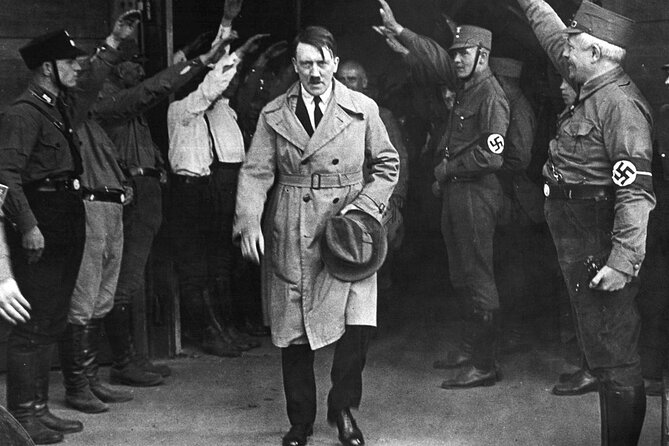
At $20.16 per person for about 2 hours, the price is reasonable—especially because several stops include entry, not just a guided stroll. You’re also paying for an expert guide who’s guiding your attention, connecting dots, and helping you understand why these specific buildings and squares matter.
A practical way to judge value: if you tried to do this by yourself, you’d likely spend time figuring out what each site is, what it’s linked to, and what to notice. Here, that work is done for you up front. Also, since the tour uses a mobile ticket, you avoid last-minute printing hassles.
The route makes you compare propaganda and memory
One reason this tour works so well is the balance of place types. You’re not only seeing locations tied to the rise of the National Socialist Workers’ Party and the Third Reich. You’re also seeing Munich memorial space—places connected to victims and resistance. That matters because it stops the story from becoming purely instructional.
You can think of the walk as a change in perspective. Early on, you start with remembrance. Midway, you move into settings connected with organization, presentation, and public power. Then you end in a space that shows how the regime tried to shape the city itself. By the time you finish, you’re less likely to leave with only dates and names. You’ll leave with a better sense of how ideology can use real architecture and real public space to spread itself.
Stop 1: Platz der Opfer des Nationalsozialismus (Victims first)
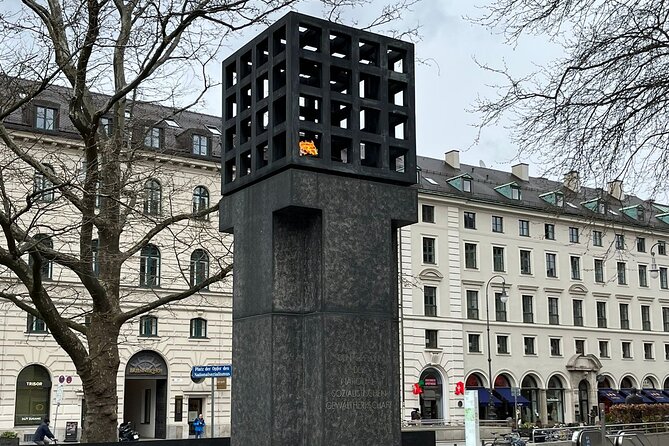
You begin at Platz der Opfer des Nationalsozialismus, a square dedicated to the victims of National Socialism. It’s a strong opening because it sets the emotional baseline. Before any propaganda-era talk starts, you’re reminded that this history isn’t abstract.
This stop is free and takes about 15 minutes. For me, the timing is smart. You’re not rushing past memorial space to get to the more dramatic sites. You’re starting with the consequences, which makes everything that comes after feel more grounded.
Stop 2: Staatliches Hofbräuhaus and the party’s base
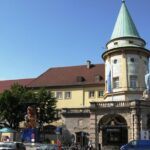
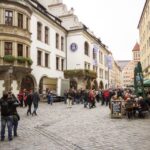
Next you head to Staatliches Hofbräuhaus, often described as a major brewery setting—and in this tour’s story, a place where the Nazi party established its base. This is one of the stops where the tour’s promise becomes very real: you’re standing in a location that helped support political organizing, not just a scene from a textbook.
You get about 15 minutes here, and entry is included. The practical benefit of visiting a place like this with a guide is that you know what to pay attention to while you’re there. Otherwise, a famous Munich venue can become just a pretty landmark. The guide helps you connect the social setting to the political use made of it.
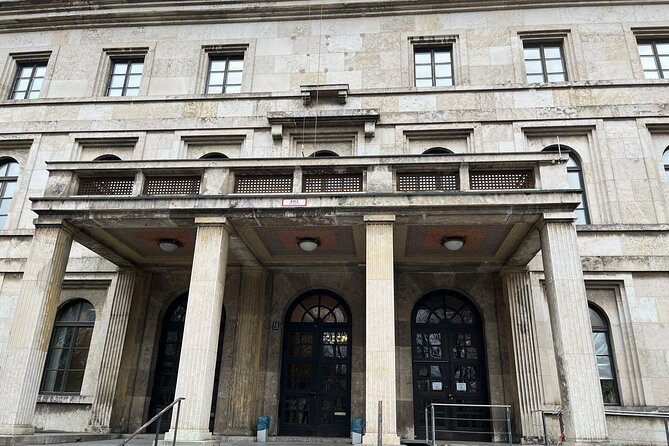
Stop 3: Haus der Kunst as a propaganda building
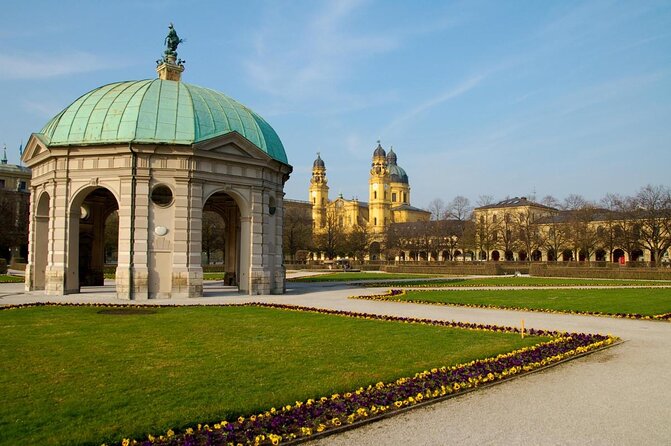
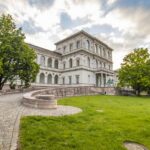
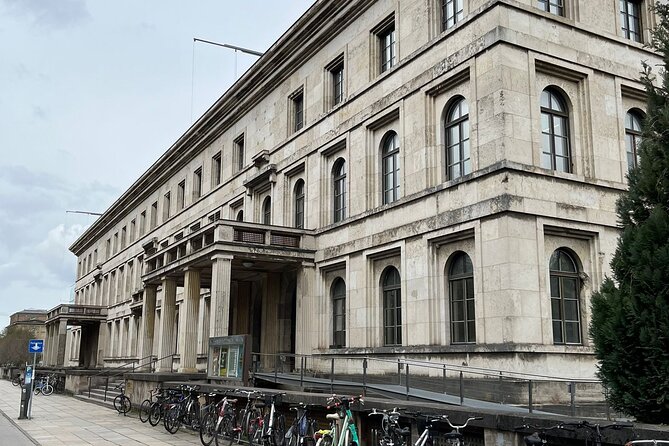
After the brewery stop, you visit Haus der Kunst, which is described here as a current museum site and also as the first propaganda building of the Third Reich. This is the kind of stop where the building itself becomes part of the explanation.
You’ll spend around 15 minutes, and entry is included. The key idea I took from this type of stop is simple: propaganda doesn’t only happen in speeches and posters. It also happens in institutions, in buildings meant to project authority, and in spaces that give an ideology a public stage.
Stop 4: Hofgarten as Munich’s important park space
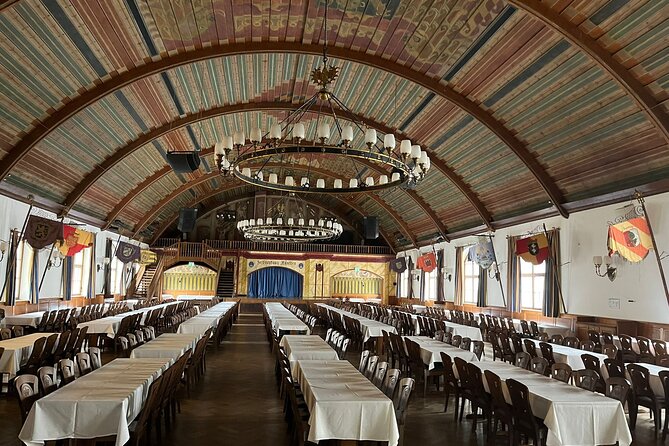
From the more political settings, you move into Hofgarten, one of the most important parks in Munich, with about 20 minutes on the stop. Entry is included here as well.
Parks sound neutral, but in a tour like this, they can show how public life, movement, and gathering spaces relate to political messaging. Even when the history is about a brutal regime, you can’t understand it by looking only at grim sites. You also need to understand how the regime used everyday civic settings.
Stop 5: Odeonsplatz, a major Munich square
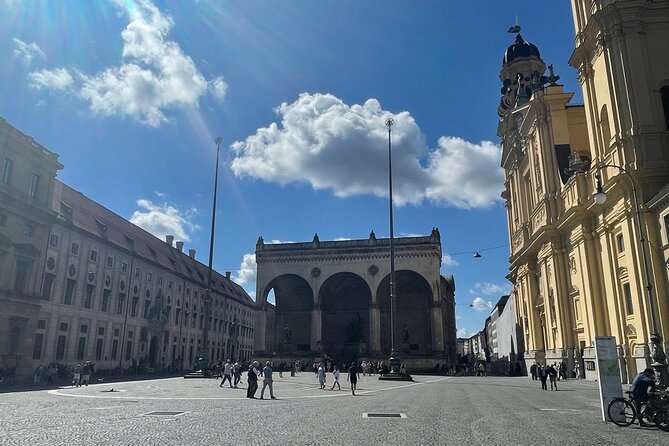
You then reach Odeonsplatz, one of Munich’s important squares. This stop is about 15 minutes and free.
A square is the ultimate stage. It’s where crowds can form, where visual messaging lands, and where public identity gets reinforced. In this tour, the square helps you see how large-scale civic spaces can become part of political theater.
Stop 6: Königsplatz, where the new city’s backbone shows
You finish at Königsplatz, which the tour frames as one of the main squares formed as part of the new city design associated with the Third Reich. The stop runs about 15 minutes, and it’s free.
Ending here works well because it’s outward-facing. By the time you reach Königsplatz, you’ve already seen the victim memorial opening and the propaganda-related stops. Now you’re closing with a space tied to city planning and the regime’s idea of how the city should look and function. The contrast helps you understand how ideology can shape more than politics. It can shape the look of the place people call home.
What makes the expert guide so useful
The tour doesn’t just throw information at you. The guide is there to explain the meanings behind the sites and to answer questions, which matters when the subject is complex and controversial. If you’re new to this topic, you’ll likely appreciate the way the tour gives you a first map through a subject that can otherwise feel overwhelming.
I also like that the guide helps you connect multiple episodes—like the burning of Goebbels’ books and the night of broken glass—to the broader rise of the movement. Those events can feel like separate tragedies unless you understand the political logic behind them. A good guide turns that chaos into a clearer sequence.
Practical tip: bring your curiosity, but also pace your questions. The walk is only about 2 hours, and the subject requires mental bandwidth. If you have extra time in your schedule later, that’s a great moment to go back and study a few sites again at your own pace.
Timing and meeting point: how to make the start painless
The tour starts at 3:00 pm at Mariensäule, Marienplatz 22 (80331 München). It ends at Königsplatz 1 (80333 München). Because both locations are central, you can usually reach them by public transportation without stress.
The route is also offered with a mobile ticket, which is handy when you’re moving through a busy city. With a max group size of 35, you should be able to hear explanations without constantly shouting over each other.
One small planning note: since lunch isn’t included, think about eating before you go—especially if you’re pairing this with other central Munich activities afterward.
Who should book this tour
This is a good fit if you:
- Want a first structured introduction to how Nazism took root in Munich through real places
- Prefer a short guided route rather than spending hours piecing together sites on your own
- Are interested in both the rise of the movement and the presence of memorial space for victims and resistance
- Speak English and want one guide steering the story
It might not be the best fit if you:
- Want a long, museum-style experience (this is a walking route, not a full day of indoor exhibits)
- Need lots of space to process emotionally; the topic is difficult and packed into a short timeframe
Making it better: pair it with a bit of extra time
Because the tour covers a lot in about 2 hours, I recommend giving yourself an option to extend the day. If you know you like museum time, you’ll probably want to add at least one indoor visit elsewhere after the walk. The tour gives you the skeleton—then you can put more flesh on the story where you personally want it.
A simple strategy: pick one or two stops that hit you hardest—propaganda-era architecture, the major squares, or the memorial—and spend extra time around those areas after the tour. Even a short return stroll can turn a single stop into a lasting memory.
Should you book this walking tour?
Yes, if you want a clear, English-guided route that links major moments from the Nazi rise to specific Munich locations. It’s good value for the time because the guide’s work reduces guesswork, and several stops include entry.
I’d say book it sooner rather than later if you’re visiting during peak dates, since the tour is often booked about a month in advance. And if you’re sensitive to heavy subject matter, plan your day with a little buffer so you’re not rushing from one dark topic to the next with no decompression.
If your goal is to understand how this era used the city as a stage—then balanced with remembrance—this is a smart, focused choice.
FAQ
How long is the walking tour?
It lasts about 2 hours.
What language is the tour offered in?
This walking tour is in English.
Where does the tour start and end?
It starts at Mariensäule, Marienplatz 22, 80331 München and ends at Königsplatz 1, 80333 München.
How much does it cost?
The price is $20.16 per person.
Are tickets or entry fees included?
It depends on the stop. Some locations are free, and others include admission, such as Staatliches Hofbräuhaus, Haus der Kunst, and Hofgarten.
What is the cancellation policy?
You can cancel for a full refund up to 24 hours before the experience’s start time (local time).