REVIEW · MUNICH
Best of Munich Electric Bike Tour
Book on Viator →Operated by Fat Tire Tours Munich · Bookable on Viator
Four hours, and you cover Munich fast. This electric-bike tour strings together big-name sights and quieter corners with a guide doing the explaining. You’ll glide from fountains and royal architecture to the park life of the English Garden, with beer-garden energy and the famous river wave stop.
What I love most is how the bike keeps your legs fresh, so the pacing stays fun instead of exhausting. Second, the live guide turns stone-and-sculpture sightseeing into something you can actually place in time, with context for what you’re looking at (and why it mattered). My only real caution: plan for extra costs for food and drinks, and expect the group size to be capped at 20, so roads can feel busy when everyone is riding together.
In This Review
- Key things I’d watch for before you ride
- Electric bikes in Munich: why this style of tour works
- Getting oriented fast: Wittelsbacherbrunnen, Karolinenplatz, and Königsplatz
- The Führerbau stop: history you can’t ignore, on a bright city street
- Kunstareal museum block: Alte Pinakothek to Pinakothek der Moderne
- Siegestor and Odeonsplatz: monuments, memory, and scale
- Residenz and Hofgarten: royal power, garden calm
- The English Garden: Munich at its most “local”
- Chinesischer Turm beer garden and the Eisbachwelle surfing wave
- Maximilian Park viewpoint and Maximilianeum: peace and politics in view
- Deutsches Museum: science you can actually plan around
- Viktualienmarkt and Ohel Jakob Synagogue: food culture and a modern city layer
- Price and value: $71.90 for a packed Munich loop
- Timing, pacing, and what to bring for comfort
- Should you book the Best of Munich Electric Bike Tour?
Key things I’d watch for before you ride

- Electric bike helps you keep the pace without turning the day into a leg workout
- Long highlight loop across the old core, royal sites, major museums, and park zones in about 4 hours
- A guide does the heavy lifting: directions, timing, and historical context at each stop
- Beer and food aren’t included so budgeting matters if you want the classic beer stop
- Max 20 people on bikes means you’ll do best if you follow the group instructions closely
Electric bikes in Munich: why this style of tour works
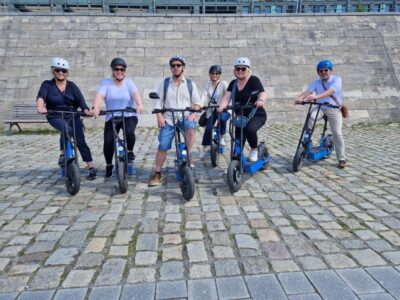
Munich is famously walkable and fairly flat in its center, but a highlights trip can still wear you out. This tour solves that problem with an electric bike and helmet, letting you cover distance without arriving tired and distracted. That matters because the route stacks a lot of “wow” moments in a short window, so you want your brain fresh for the stories.
The other big reason this works: the guide sets the rhythm. Instead of you trying to plot streets, you’re rolling from stop to stop with someone watching timing, transitions, and rider flow. You still get up close views, but you’re not doing the stress math of where to go next.
Group size is capped at 20 and the tour can include both e-bikes and non-e-bikes. If you like a calm, spread-out ride, keep in mind that this is still a group activity in a real city with real traffic patterns.
You can also read our reviews of more cycling tours in Munich

Getting oriented fast: Wittelsbacherbrunnen, Karolinenplatz, and Königsplatz
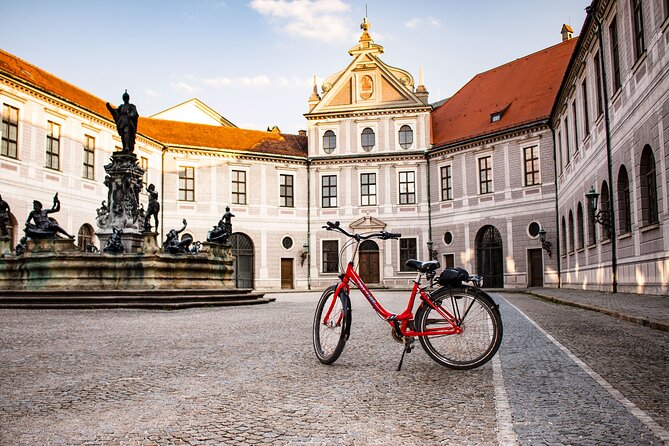
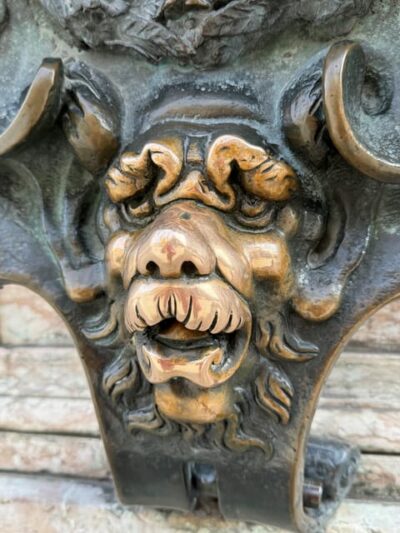
You start near Karlsplatz 4 and begin with the Wittelsbacherbrunnen, a monumental fountain at the edge of Munich’s city center. It’s not just decorative. It was made in the 1890s in a neo-classical style and designed by Adolf von Hildebrand, with an allegory tied to the “primal forces” of water. Even if you only take a minute, it’s a smart way to kick off the day: you’re reminded early that Munich loves grand symbolism.
Then you roll into Karolinenplatz in the Maxvorstadt district. The key payoff here is the idea of Munich’s urban “themes” showing up in public squares, plus the name honor for Queen Caroline of Bavaria. You’re not going to linger for hours at these first stops, but they set the tone: Munich’s center is built to be read, not just passed.
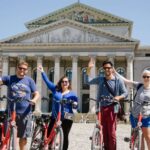
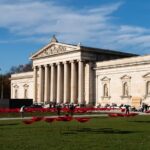
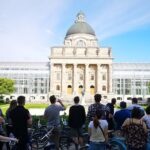
Next is Königsplatz, where the neo-classical look really kicks in. You’ll see the Propyläen Gate, and across from it the Glyptothek and the Staatliche Antikensammlungen. This is a perfect moment to stop and look back and forth, because the buildings face each other on purpose. If you’re the kind of person who likes architecture that has a plan, this square will click.
Quick note on pace: the early stops are short, so have your photo habits ready. This is a tour where you see a lot quickly, not one where you park for long viewing sessions.
The Führerbau stop: history you can’t ignore, on a bright city street
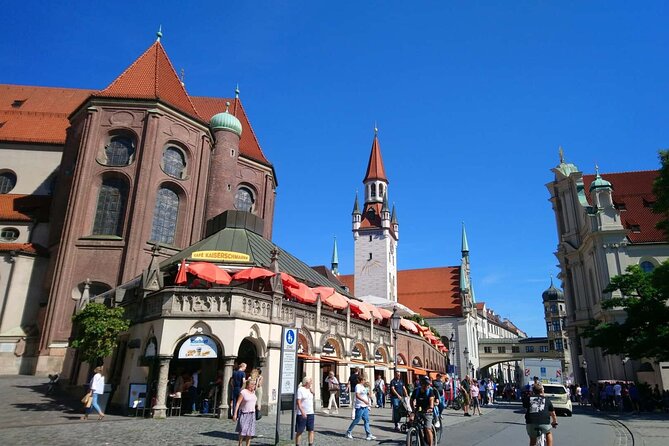
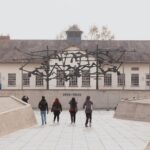
A standout stop in the loop is the Führerbau (Führer’s building). It was built in the Nazi period (1933–1937) and used heavily by Adolf Hitler. Unlike many sites tied to that era that were erased or transformed beyond recognition, this building still stands today, now housing the University of Music and Performing Arts Munich.
This is a moment where a good guide matters. You’ll get the context that helps you look at the building as more than a photo opportunity—how a city can keep using a structure while the meaning around it shifts over time.
The practical part: because this is a visible, central building, you’ll likely be sharing sidewalks with normal city life. Keep close to your guide, and don’t assume the group will be able to stop like a walking tour in a closed area.
Kunstareal museum block: Alte Pinakothek to Pinakothek der Moderne
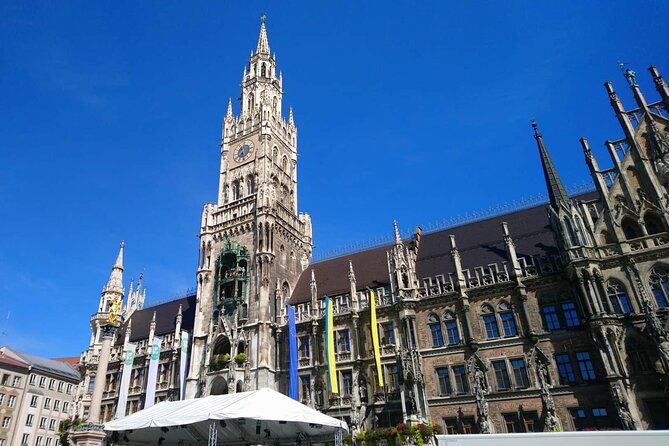
From the square-world, you head straight into Munich’s museum quarter, the Kunstareal, and it’s one of the best uses of time on this tour. Even though the stop windows are brief, you get orientation to the big categories of what you might want to go back for later.
At Alte Pinakothek, you’re looking at one of the oldest art museums in the world, with Old Master paintings. If you already know you love Renaissance and Baroque work, this is a strong “go see it for real” signal.
Then Pinakothek der Moderne shows you modern and contemporary angles, including multiple collections under one roof: modern and contemporary art, works on paper, design and applied arts, and architecture-related displays tied to the technical university’s museum of architecture.
Here’s the value: the tour doesn’t pretend you can “do” a museum in five minutes. What it does do is point you at the exact building that matches your interests. When you leave, you’re not wondering which museum was which—you have names and the kind of art you’ll actually find there.
If you’re traveling with someone who’s less into art, this still works because the buildings themselves are visually impressive, and you’re not forced to sit through long indoor blocks.
Siegestor and Odeonsplatz: monuments, memory, and scale
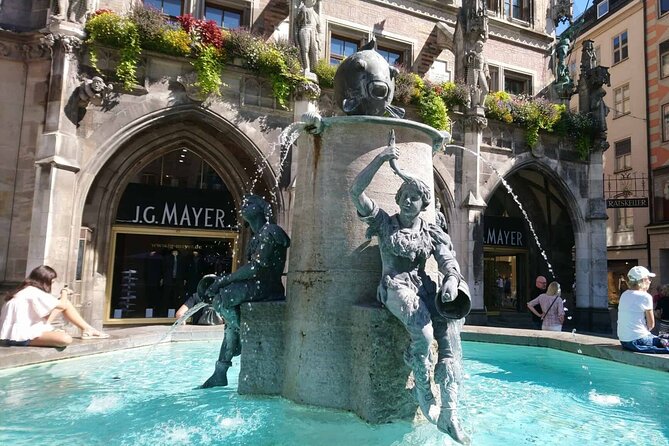
Next up is Siegestor (Victory Gate), a three-arched memorial arch crowned with Bavaria and a lion-quadriga. The original dedication was tied to the glory of the Bavarian army, but since the post–World War II restoration, it’s a peace reminder. That change in interpretation is a theme you’ll keep noticing around Munich: meaning changes, stone stays.
Then you reach Odeonsplatz, a large central square developed in the early 19th century and associated with Leo von Klenze’s planning. The key story here is that Odeonsplatz connects to dramatic political history—this square was the stage for a fatal gun battle that ended the march during the 1923 Beer Hall Putsch.
This stop is worth your attention even if you don’t want to learn politics. It shows how Munich’s public spaces function like stages where major events played out. You get the context without needing a full museum timeline.
You can also read our reviews of more tours and experiences in Munich
Residenz and Hofgarten: royal power, garden calm
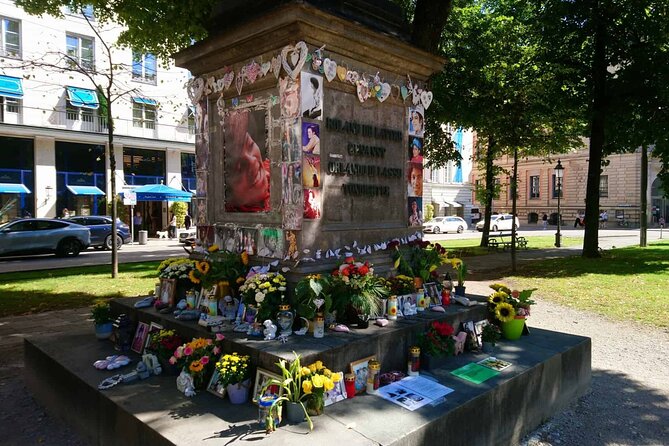
Now you move toward the heart of old royal Munich: the Residenz (Munich Residence). This was the palace of the Wittelsbach monarchs and is described as Germany’s largest city palace. Even on a short stop, the value is in seeing scale and layout—how this wasn’t a small court home, but a palace complex meant for power, pageantry, and display.
From there, you slip into the Hofgarten, built in 1613–1617 in an Italian Renaissance garden style. The centerpiece pavilion for the goddess Diana (built in 1615) gives you a visual anchor, and the setting between the Residenz and the Englischer Garten makes the transition feel natural: from royal grandeur to designed green space.
If you’re sensitive to sightseeing fatigue, this is a good mental break. You’re not just staring at facades—you’re getting a pause where the city’s tone softens.
The English Garden: Munich at its most “local”
The tour then enters the Englischer Garten (English Garden), one of the world’s largest urban public parks, covering 370 hectares. The “English Garden” style refers to an informal landscape look rather than a tight, manicured design.
This stop is valuable because it shifts the city from monuments and museums to daily public life. Even if you don’t spend long here, it’s a reminder that Munich isn’t only about kings, art, or politics. People come here for outdoor time, and the bike route helps you understand the park’s size and placement inside the city.
Practical tip: wear layers. Even in comfortable months, parks can feel breezier than the streets around them.
Chinesischer Turm beer garden and the Eisbachwelle surfing wave
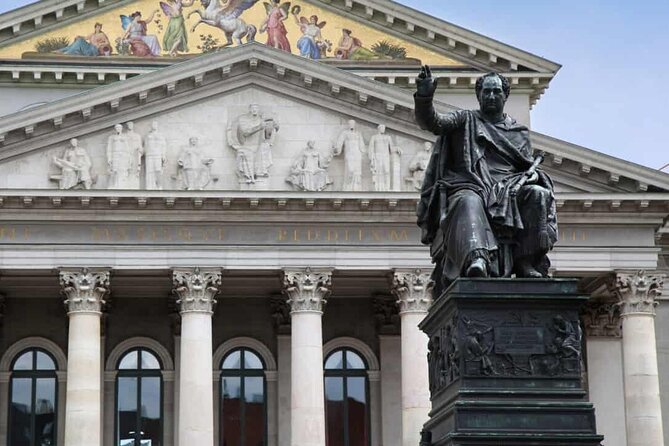
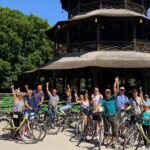
The food and drink moment is where the tour leans into Bavarian culture. You’ll stop at Biergarten am Chinesischen Turm, a huge beer-garden area associated with Hofbräu beer and known for an enormous seating capacity—7,000 seats—making it one of the biggest in Munich.
This is where the tour fits beer lovers best. The included part is the stop and the setting. You still pay for what you order, and some parts of the day also hint at optional beer sampling at a famous beer hall for an extra expense. So if you want the full beer experience, build a little budget.
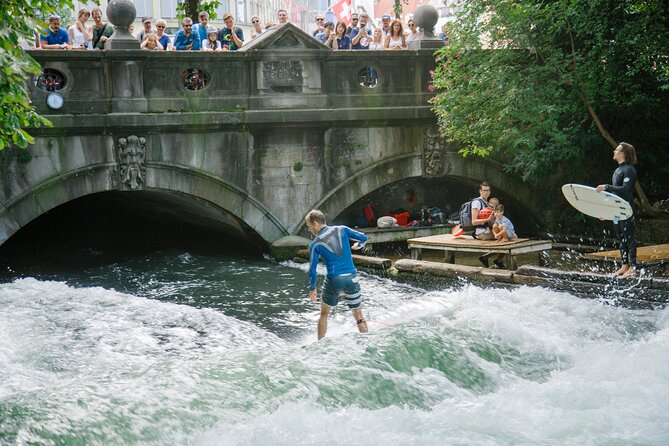
Right after the beer-garden stop comes a very Munich detail: Eisbachwelle, a standing wave on the Isar River near the Haus der Kunst area. It’s a cold, shallow water spot that’s used for surfing by experienced surfers, and it’s known as a place where you can watch a strange urban sport happening in the middle of the city.
Even if you don’t watch for long, it’s one of those moments that makes the tour feel like more than “checklist sightseeing.” You’re seeing a local contradiction: historic city + casual outdoor culture + a mini natural spectacle.
Maximilian Park viewpoint and Maximilianeum: peace and politics in view
Next is the Friedensengel (Angel of Peace) area in Maximilian Park. You’ll see an open space by the Isar with a fountain and waterspouts, plus a viewpoint deck accessed by stairs. A 38-meter Corinthian-style column holds a six-meter statue of the Angel of Peace, and it’s described as a replica of the Nike of Paeonius.
This stop is good because it’s not just one object. You’re dealing with sightlines and elevation, so you understand the space as designed for looking out.
Then you roll to Maximilianeum, a palace-like building that has served as the home of the Bavarian State Parliament since 1949. It’s another contrast stop: gardens and angels, then a seat of modern government.
Deutsches Museum: science you can actually plan around
The route includes the Deutsches Museum, described as the world’s largest museum of science and technology with about 125,000 objects across 50 fields and around 1.5 million visitors per year. Again, the stop is brief, so you’re not touring the whole place.
But the value is in the way it gives you a direction. If you like science museums, you now know this is your big, serious option in Munich—not a minor add-on. If you don’t, you can treat the building and setting as a quick reality check: Munich takes technology seriously, and this museum is a major reason why.
Viktualienmarkt and Ohel Jakob Synagogue: food culture and a modern city layer
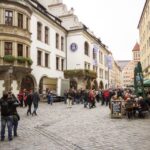
Near the end, you hit Viktualienmarkt, a market area that grew from a farmers’ market into a gourmet market with around 140 stalls and shops. This is where you can get ideas for what to eat later, even if you don’t buy anything right away. You’ll find everything from cheeses and spices to fish and juices, so it’s a great place to sample what Munich’s taste profile looks like.
If you want a souvenir that isn’t a postcard, a market stop like this helps. If you’re traveling with food constraints, this also gives you a chance to ask and compare options in person.
Finally, you reach Ohel Jakob Synagogue, built between 2004 and 2006 as the new main synagogue for Munich’s Jewish community. It was inaugurated on 9 November 2006, and the date ties back to the anniversary of Kristallnacht (68 years earlier). Even with a short stop, this is a meaningful “modern Munich” layer at the end of the ride, connecting the city to its present-day community story.
Price and value: $71.90 for a packed Munich loop
At $71.90 per person for about 4 hours, this tour sits in a sweet spot for visitors who want structure without spending a full day chasing locations. The big value is that your bike and helmet are included, plus you get a live guide for the full ride.
What costs extra is also clear: food and drinks. If you plan to add the beer sampling at a famous beer hall or order at the beer garden, you’ll raise the real cost. The upside is you’re doing it on your schedule: you decide how much you want to eat and drink, rather than paying a fixed package price.
One more value point: the tour is often booked about 61 days in advance. That usually signals demand. If your dates are flexible, you can shop around. If they’re not, book early so you don’t end up with a watered-down itinerary.
Timing, pacing, and what to bring for comfort
Expect a ride that’s part city streets, part designed public-space stops. The stops are mostly short (often around 5 minutes), which means you get plenty of variety but not long museum-style dwelling.
Bring:
- A wind layer, even if it’s warm at the start
- Closed-toe shoes you’re comfortable pedaling in
- A camera you can pull out fast at each stop, since you won’t have long breaks
- Money for drinks and any beer or snacks you want
If you’re new to bikes, you’ll still likely be fine because Munich’s central roads are fairly navigable for a guided group and you have the electric-assist. If you’re sensitive to crowds, keep aware that max size is 20 and streets can get busy.
Should you book the Best of Munich Electric Bike Tour?
Yes, if you want a fast, guided way to hit Munich’s “greatest hits” without turning it into a marathon. This is especially good for history buffs and beer lovers who like their sightseeing with context and a few moments that feel truly local, like the beer-garden stop and Eisbachwelle.
Hold off or pick a different format if you hate group riding on city streets or if you know you don’t want to spend extra on drinks and food. Also, if you need long indoor museum time, this won’t replace a full museum visit—it’s more of a smart sampler that helps you choose what to do next.
If you want an efficient first taste of Munich with a guide doing the explaining, this electric-bike loop is a strong choice.