REVIEW · MUNICH
Dachau Concentration Camp Memorial Site And Third Reich Day Tour From Munich
Book on Viator →Operated by Alun Evans Personal Tour Guiding Munich · Bookable on Viator
Dachau changes the way you see the world. This is a full-day, licensed-guide trip that pairs the Dachau Concentration Camp Memorial Site with a Third Reich walk through key Munich locations, all with round-trip transport from central Munich. Two things I really like: the focus on context (not just dates) and the way the guide handles a painful subject with care. One drawback to plan for: it’s a long, somber day with a lot of walking, and children under 14 aren’t permitted.
The rhythm matters here. You’ll take a train north from Marienplatz, spend about 5 hours at the Memorial (including strong museum time), then return to Munich for lunch on your own before continuing on foot through sites tied to Hitler and the Nazi Party. It’s emotionally heavy, but also structured—so you’re not left trying to figure things out while coping with the material.
If you want history that’s grounded in what happened to real people, this format works. It’s also a good fit for anyone who prefers a small group (max 15) because hearing your guide and asking questions feels easier when you’re standing close together.
In This Review
- Key Highlights Worth Signing Up For
- Munich to Dachau: One Day You Won’t Forget
- Meeting at Marienplatz and Getting There Without Stress
- Dachau Concentration Camp Memorial: What You’ll See and Why It Matters
- Camp and museum highlights you should expect
- The human story part (and the part your guide frames for you)
- Time to slow down instead of rushing through pain
- The Afternoon Third Reich Walk: Munich’s Nazi-Era Landmarks
- The Guide Makes the Difference in a Sensitive Place
- Price and Value: What $145.18 Buys You
- Getting the Most Out of It: What to Pack and How to Plan
- Who Should Book This Tour (and Who Might Skip It)
- Should You Book This Dachau and Third Reich Tour?
- FAQ
- Where does the tour start?
- What time does the tour begin?
- How long is the tour?
- Is the tour offered in English?
- Is transportation included?
- Is lunch included?
- Do I need hotel pickup or drop-off?
- How much walking is involved?
- Are children allowed on this tour?
- Does it operate in bad weather?
- Can I cancel for a full refund?
Key Highlights Worth Signing Up For
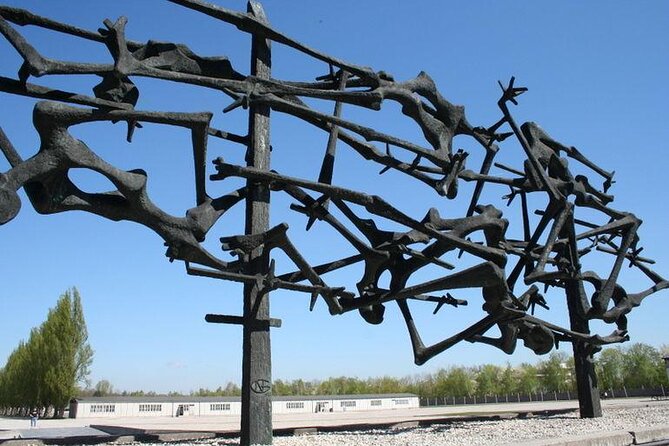
- Licensed guidance at Dachau: The camp and museum visit are led by a memorial-licensed guide, with time for the museum exhibit.
- Small-group dynamics (max 15): You get a calmer pace and more room for questions.
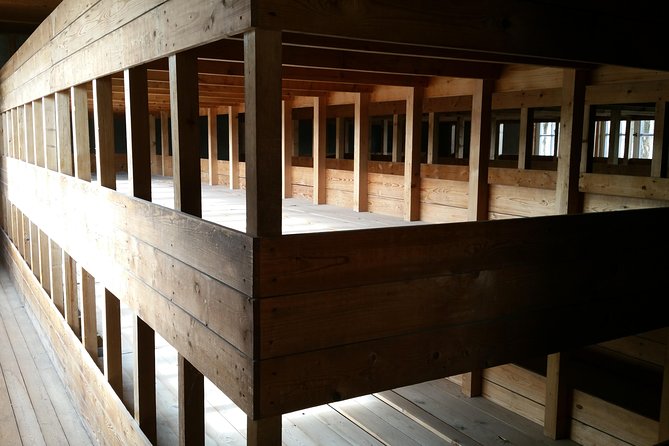
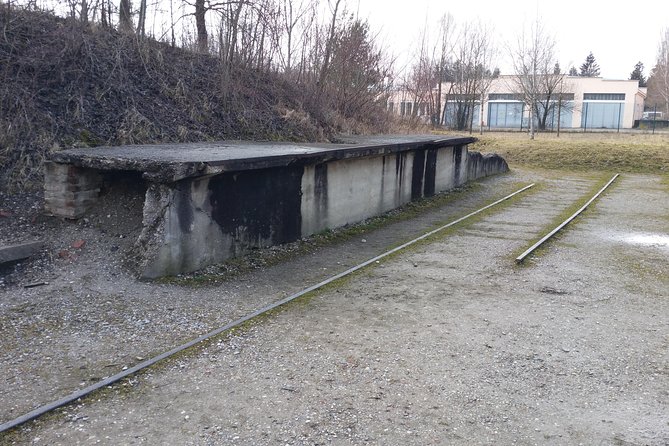
- Dachau’s full Memorial scope: You’ll see reconstructed cell blocks, the crematorium, administration areas, and more.
- Munich stops tied to Nazi milestones: Hitler-era locations are built into the day with clear historical context.
- A guided city walk after lunch: The Third Reich tour helps connect the dots in Munich rather than leaving you with disconnected facts.
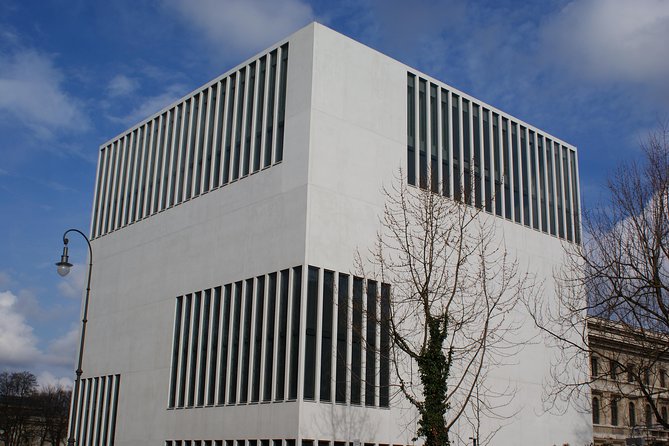
- Options for extra museum time: At the end, there’s the chance to go into a museum exhibit about National Socialism.
Munich to Dachau: One Day You Won’t Forget
This tour isn’t trying to be “busy for the sake of busy.” It’s designed to take you somewhere important and make sure the visit makes sense. Dachau Concentration Camp Memorial Site is the first Nazi concentration camp in Germany during the Holocaust, and it became a model for other camps that followed. That historical weight is exactly why a guided visit matters.
You’re not just seeing buildings. You’re seeing a system—how it worked, how it expanded, and how ordinary people were turned into targets. The guide’s job is to translate the material into a narrative you can hold onto. The payoff is that your brain isn’t stuck with random facts. It has a storyline.
And Munich isn’t an afterthought. The afternoon walking tour through key Nazi-era locations helps explain how politics, propaganda, and public events fed into the rise of the Third Reich—right where you’re standing.
You can also read our reviews of more tours and experiences in Munich.
Meeting at Marienplatz and Getting There Without Stress
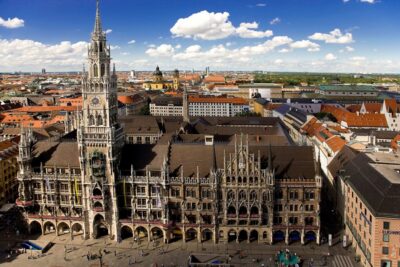
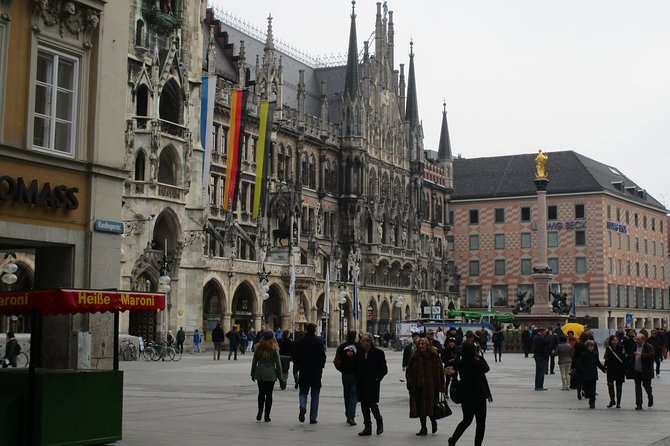
The day starts at Marienplatz in Munich, with a 9:00 am meet-up. From there, you board a train north to Dachau, about 20 minutes away. Round-trip transport from central Munich is included, so you’re not wrestling with schedules on the day you’ll need the most focus.
I like this “leave from the center” approach. Dachau days can go sideways when people try to DIY the route, then show up late, then miss timed museum sections. Here, the format keeps the day moving at a humane pace.
One more practical benefit: the tour is set up for all weather conditions. That means you should dress for rain or wind as well as sun. Since the tour involves a high amount of walking, comfortable shoes aren’t optional—they’re the difference between coping and regretting.
Dachau Concentration Camp Memorial: What You’ll See and Why It Matters
Your first major block is the camp and museum visit, scheduled for about 5 hours. The tone is somber from the start, but the structure helps you get value instead of overwhelm.
Camp and museum highlights you should expect
At Dachau, you’ll spend time with both outdoor memorial spaces and the museum exhibit. Depending on the day’s flow, you can expect to see:
- Photographs and documents connected to the camp’s operation
- Reconstructed cell blocks that help you visualize conditions
- The crematorium area
- Administration headquarters and related spaces
This combination matters. If you only look at memorials, you miss the documentation. If you only look at the museum, you miss the physical reality of the site.
The human story part (and the part your guide frames for you)
The Memorial isn’t just about the Nazi leadership. It’s about the prisoners. The guide’s narrative includes stories and facts about Dachau’s estimated 200,000 prisoners, including communists, German dissidents, gay men, Jehovah’s Witnesses, and Jewish and Polish men and women.
You also get specific context around key figures tied to Dachau, including Heinrich Himmler, connected here through the role of the guard who started the camp. The value isn’t name-dropping—it’s helping you understand the machinery behind the cruelty.


Time to slow down instead of rushing through pain
One detail I appreciate from how this tour is run: there’s space for you to explore at your own pace inside the Memorial area, not just a strict follow-the-guide loop. This kind of built-in breathing room is important. Dachau is not a museum where you can speed-read and move on.
If you’re the type who likes to sit with a particular exhibit or memorial wall for longer, you’ll likely appreciate that flexibility.
The Afternoon Third Reich Walk: Munich’s Nazi-Era Landmarks
After your Dachau visit, you return to Munich with the guide. Then you take a break for lunch on your own before heading out on foot for the Third Reich walking tour.
The big idea behind the afternoon is connection. You’ll see sites tied to Adolf Hitler and the Nazi Party, so you can follow the story forward from Munich’s political events to the broader tragedy that came later.
Here are the kinds of stops you’ll make, and why each one lands:
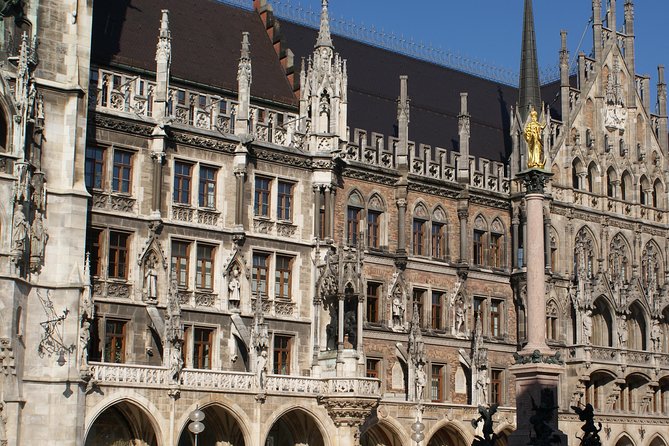
- Old Town Hall (1938 decision tied to a pogrom)
This is a reminder that persecution wasn’t only happening in remote places; decisions were made in civic spaces, with real consequences.
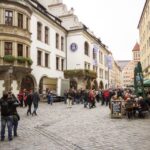
- Staatliches Hofbräuhaus (Hitler speeches nearby)
Munich is full of beer-hall mythology, and the guide uses that setting to explain how public gatherings amplified Nazi messaging.
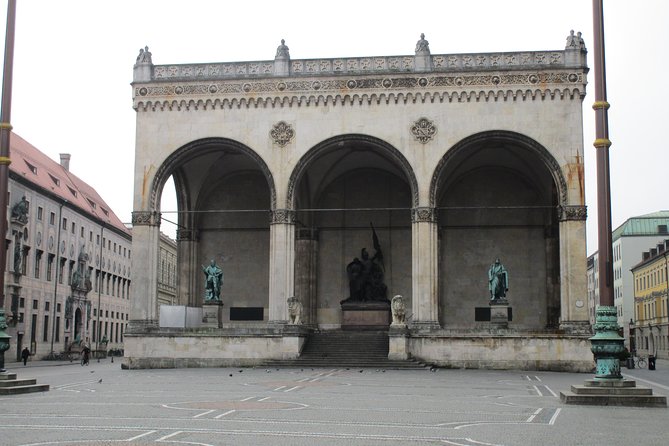
- Odeonsplatz (beer hall coup site, 1923)
This stop helps you understand how the movement gained momentum and how early power plays shaped later outcomes.
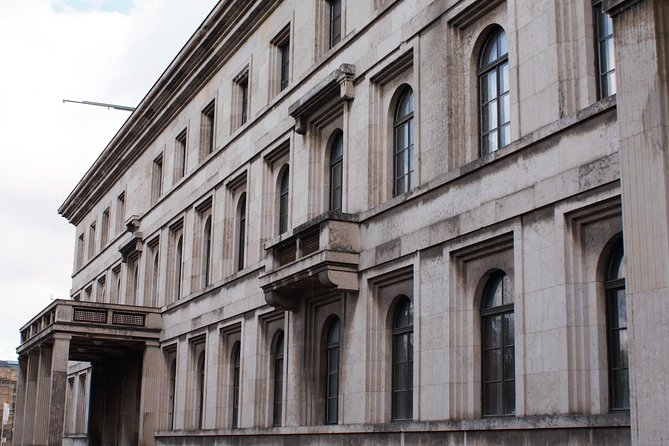
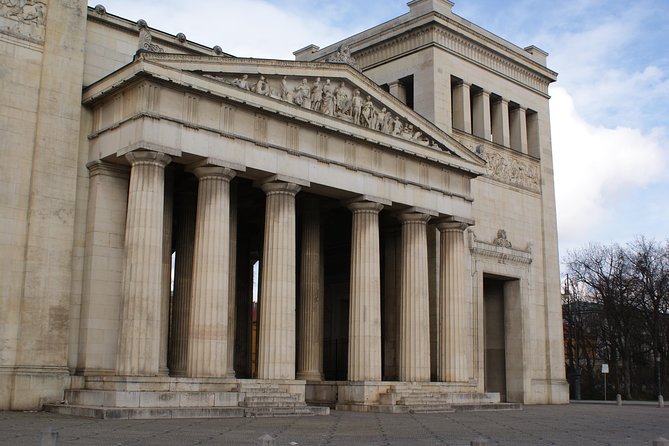
- Konigsplatz (Munich Agreement, 1938, plus Nazi ceremonies)
You’re seeing the theater of politics: agreements, ceremonies, and staged influence.
There’s also an option at the end to go into an additional museum exhibit about National Socialism. If you want a little more depth after the walking part, it’s a logical extension.
One caution: this afternoon is still walking. Pair that with the emotional weight of the morning, and it can be a long stretch. The tour works best if you pace yourself and don’t try to turn it into a sightseeing sprint.
The Guide Makes the Difference in a Sensitive Place
A tour like this lives or dies on tone. Dachau is a memorial, not a theme park. The guide’s approach is central—especially when the subject includes torture, slavery, and the brutal realities of the Nazi regime.
I like that this experience emphasizes respectful context and answers questions directly. When you’re standing in front of something heavy—whether it’s a reconstruction, an exhibit, or a Munich landmark tied to Nazi power—the questions people ask tend to be thoughtful, not casual. A skilled guide can handle that with care.
Another strength: the small group format supports conversation. With fewer people, it’s easier to hear explanations, easier to ask follow-ups, and easier to keep the group together without feeling rushed.
And if you’re worried about getting delayed, it’s worth knowing the day is managed with contingency thinking. Rail systems and crowds happen. Having a guide who plans for interruptions makes the outing feel steadier.
Price and Value: What $145.18 Buys You
At $145.18 per person, this isn’t the cheapest way to do Dachau and Munich sites. But value here isn’t just the transport—it’s the guidance and structure.
What you’re paying for:
- A professional guide who leads the Memorial visit and the Munich sites walk
- Round-trip transportation from central Munich
- A small group (max 15), which usually means better pacing and more manageable questions
- Several hours of guided time at Dachau plus guided city stops after
Also, the itinerary shows Dachau admission as free on the schedule segment. Even if you treat that as a “no extra admission fee line item” situation, it still keeps the cost easier to swallow than tours that layer in multiple paid attractions.
If you were thinking about DIYing Dachau, the big hidden cost is your time and mental load. You’d still need to get there, then figure out what to prioritize and how to interpret it in a way that’s accurate and respectful. This tour hands you the narrative and reduces the guesswork.
For me, the price makes sense if you want a guided, emotionally respectful day rather than a self-directed checklist.
Getting the Most Out of It: What to Pack and How to Plan
This is a walking-heavy day. Plan like you’re going to be on your feet for hours, not just “mostly inside.”
Bring:
- Comfortable shoes with grip
- Weather gear (rain jacket or umbrella, plus something for wind)
- Water, and snacks if you tend to get hungry before lunch
Also plan your lunch as fuel, not as a long sit-down event. You’ll have a break for lunch where food and drinks aren’t included, so pick something close and efficient. The goal is to keep your energy for the afternoon walk.
If you’re sensitive to graphic or disturbing material, acknowledge that up front. This is a memorial site with real images and documents, and the tour includes prisoner stories tied to Nazi persecution. That doesn’t mean it’s handled improperly; it means you should mentally prepare that it’s going to hit hard.
Who Should Book This Tour (and Who Might Skip It)
This works best if you:
- Want context and interpretation, not just a bus ride and photos
- Prefer a small-group experience so you can ask questions
- Are comfortable with a full day that’s emotionally serious and physically active
You might think twice if:
- You’re looking for a light, casual sightseeing day
- You don’t want to walk much (the tour has a high walking level)
- You’re traveling with children under 14, since children aren’t permitted
The good news is the structure helps. You’re not expected to carry the whole day on your own. The guide sets the pace, frames the sites, and gives you some room to absorb what you’re seeing.
Should You Book This Dachau and Third Reich Tour?
If your goal is a respectful, well-paced introduction to Dachau and the Nazi story in Munich, I’d book it. The standout value is the pairing: Dachau in the morning with a guided explanation of prisoner experiences and the Memorial’s scope, then Munich in the afternoon with key Nazi-era locations that make the rise of the Third Reich easier to understand.
Just go in prepared for a heavy day. Wear good shoes, dress for weather, and don’t overload your plans afterward. When you treat it like a serious visit—not a sightseeing detour—you’ll get much more out of it.
FAQ
Where does the tour start?
The tour starts at Marienplatz (80331 Munich, Germany).
What time does the tour begin?
The start time is 9:00 am.
How long is the tour?
Plan for about 8 hours total (approximately).
Is the tour offered in English?
Yes, it’s offered in English.
Is transportation included?
Yes. Round-trip transport from central Munich is included.
Is lunch included?
No. Lunch is a break on your own, and food and drinks are not included.
Do I need hotel pickup or drop-off?
No. There’s no hotel pickup and drop-off included.
How much walking is involved?
A high amount of walking is involved, and you should have a moderate physical fitness level.
Are children allowed on this tour?
No. Children under 14 are not permitted.
Does it operate in bad weather?
Yes. The tour operates in all weather conditions, so dress appropriately.
Can I cancel for a full refund?
Yes. You can cancel for a full refund as long as you cancel at least 24 hours before the experience start time.