REVIEW · MUNICH
Munich: Walking Tour Old Town and Viktualienmarkt
Book on GetYourGuide →Operated by Weis(s)er Stadtvogel GmbH · Bookable on GetYourGuide
Munich rewards slow walking, and this Old Town + Viktualienmarkt tour is a great way to get oriented fast. I love how it strings together the big-picture sights (Marienplatz, churches, Odeonsplatz) with the smells and street-level details of Munich’s market culture. I’m also a fan of the guides’ style—stories and answers come thick and fast, and some guides like Gitti and Karen even adjust the route to what your group cares about.
One thing to consider: it’s a short, focused 1.5-hour route. You’ll see a lot, but you won’t have long, quiet time in any one place—so if you hate moving on every few minutes, you may want a private option or plan to linger on your own right after.
Key highlights worth your attention
- Viktualienmarkt food-market atmosphere with time to take in stalls, aromas, and classic Munich eats
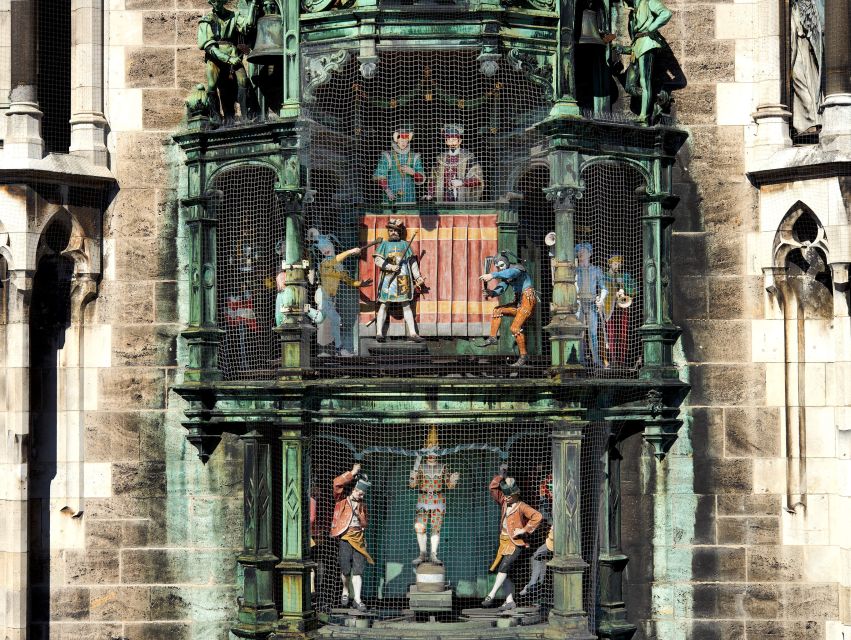
- Marienplatz essentials: New Town Hall views and the Glockenspiel area as your orientation anchor
- St. Peter’s Church stop that adds depth to Old Town roots and long-time parish life
- Old Court (Alter Hof) and the Wittelsbach connection for real context, not just photos
- Hofbräuhaus pass-by that frames Munich beer culture in a historical setting
- Maximilianstraße to Odeonsplatz for a contrast between luxury storefronts and grand civic squares
In This Review
- Starting at Marienplatz: the quickest way to feel like you’re in Munich
- St. Peter’s Church: Old Town depth without a museum ticket
- Viktualienmarkt: the market where Munich actually eats
- Old Court (Alter Hof) and the Wittelsbach thread you can follow
- Hofbräuhaus and beer culture: a famous stop with historical context
- Maximilianstraße, luxury storefronts, and why the contrast matters
- Munich Residenz area and Odeonsplatz: grand squares that feel like theater sets
- How the 1.5-hour pace actually works on foot
- Who this tour fits best (and when to choose something else)
- Price and value: $282 per group up to 30 for a high-impact route
- Should you book this Munich Old Town and Viktualienmarkt walk?
- FAQ
- How long is the Munich Old Town and Viktualienmarkt walking tour?
- Where does the tour start?
- Is the tour guided, and what languages are offered?
- What’s included in the price?
- Are entrance fees included for churches or other stops?
- Do I need to bring anything?
- Will the tour run in bad weather?
- Is it wheelchair accessible?
- Can I cancel for free or pay later?
Starting at Marienplatz: the quickest way to feel like you’re in Munich
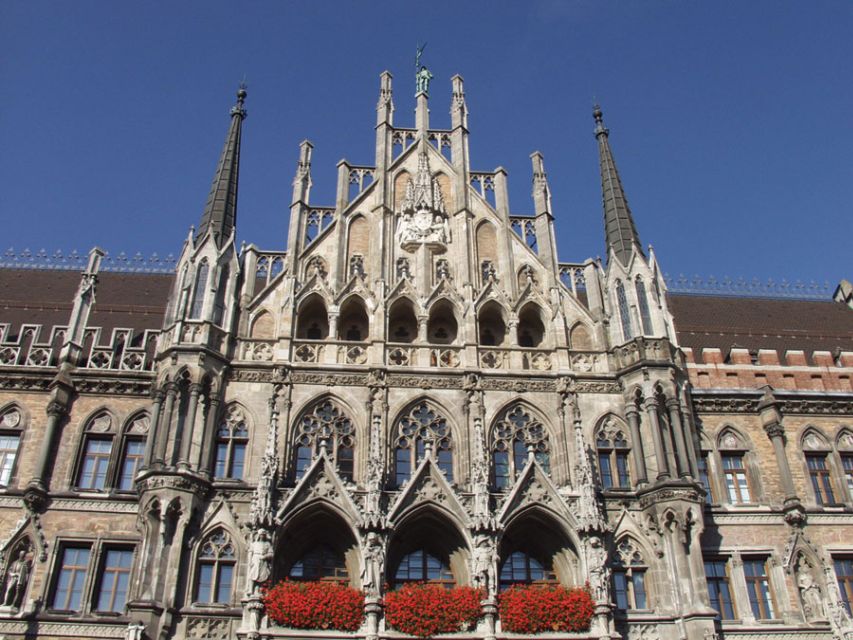
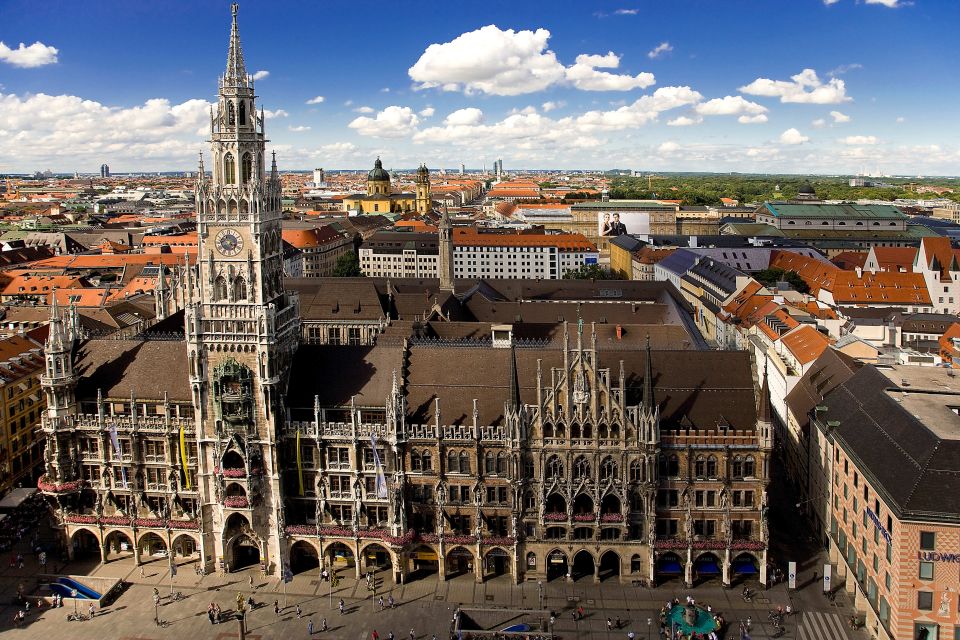
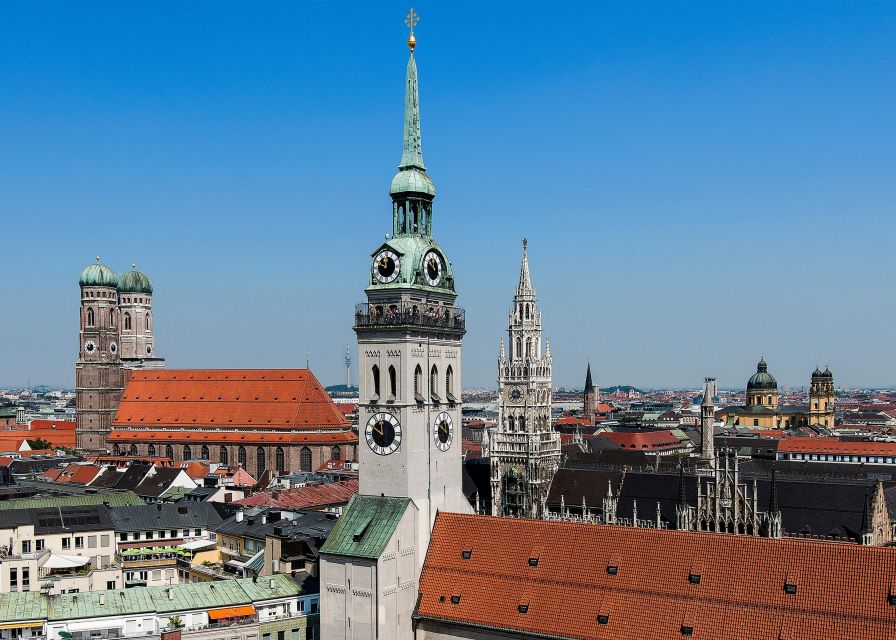
Most first-time Munich days start with a map and hope. This tour starts with a compass point: Marienplatz, the city’s central square. From there, you’re surrounded by the Neo-Gothic energy of the New Town Hall and right in the orbit of the Glockenspiel area. Even if you’ve seen it in photos, standing here helps you understand why this square is the city’s living room.
Then the tour begins to do what good walking tours should do: connect landmarks to meaning. The guide sets the tone with quick context so every next stop feels less random. If you’ve got kids, a smaller group, or just short attention spans, that framing matters. In the past, guides like Karen have even worked hard to keep a 10-year-old engaged—small adjustment, big impact.
Practical note: you’ll start at one of two possible meeting options—Mariensäule (München 1) or near the Neues Rathaus area—so double-check your exact pickup instructions before you show up. The statue area can be busy with tourists, and you don’t want to stress on day one.
St. Peter’s Church: Old Town depth without a museum ticket
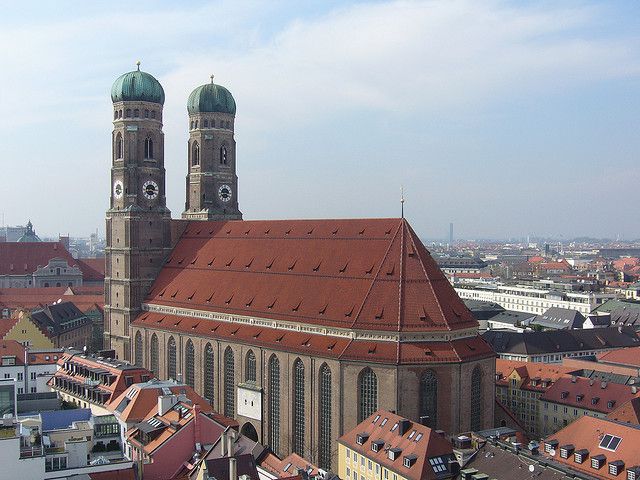
From Marienplatz, you head to St. Peter’s Church, described as Munich’s oldest parish church. That matters more than it sounds. When you’re on foot, churches work like time machines: you’re not just seeing architecture, you’re seeing continuity—how a city keeps using the same sacred anchor points across centuries.
What I like about this stop is the pacing. You’re given a brief sightseeing window to take in the exterior and absorb the guide’s explanation, so you’re not stuck in a long detour. If you’re the type who wants highlights plus context, this is a smart mix. If you’re the type who wants maximum time inside buildings, you’ll still have opportunities to go deeper later on your own.
Tip for your photos: Don’t just point and shoot. Look slightly to the side first to get the church positioned with the square-life around it. That’s where Munich’s scale becomes visible.
You can also read our reviews of more walking tours in Munich
Viktualienmarkt: the market where Munich actually eats
The next shift is the one most people are happy about: Viktualienmarkt. This is Munich’s largest traditional food market, and the tour gives you a proper walk-through moment instead of a quick “photo and go.”
Here’s what you should expect: stalls, colors, and that unmistakable market rhythm where people pick up bread, cheese, fruit, and yes—sausage. You might not be doing a formal tasting tour (meals and drinks aren’t included), but you’ll get enough time to understand why the market is famous. Even if you don’t buy anything, you’ll leave knowing where locals shop and what the city considers everyday comfort.
Why this stop is valuable: it grounds the Old Town buildings in daily life. Old Town can feel like a stage set if you only look at stone. A market stop pulls you back into the real Munich routine.
If you do want to snack, bring a small amount of cash or card flexibility so you can grab something right after the guide’s recommendation. Keep it simple: one bite now, one souvenir food later.
Old Court (Alter Hof) and the Wittelsbach thread you can follow
From the market you step back toward the old power center with Alter Hof (Old Court). The guide frames it as the former seat of the Wittelsbach dukes, which is a huge deal for understanding Munich’s timeline. It’s one thing to hear names in a history class; it’s another to stand near the places where rulers actually operated.
This stop also helps you connect the “why” behind later landmarks. When you understand who held power and where they lived or governed, Munich’s layout makes more sense. Streets like Burgstraße—one of the city’s oldest—take on a different role too. You’re walking a corridor that once mattered for movement of people and decisions.
One consideration: this is quick sightseeing. If you’re the sort who loves reading every plaque and staying until the light looks perfect, you’ll want to plan a follow-up visit on a separate day.
Hofbräuhaus and beer culture: a famous stop with historical context
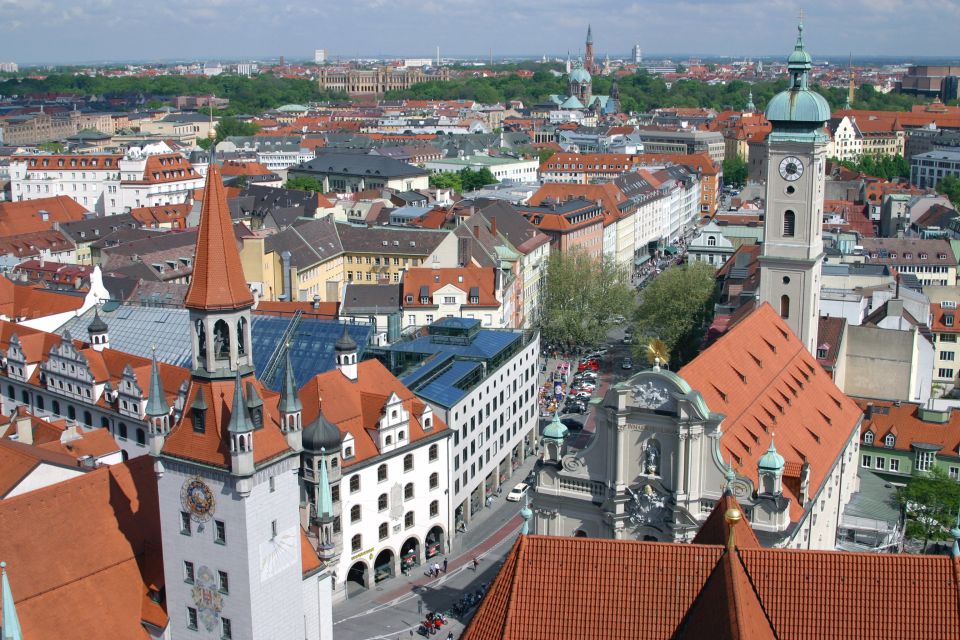
Next up is Hofbräuhaus München. Even if beer halls aren’t your thing, this stop is useful because Munich’s identity is tied to beer culture. The tour doesn’t ask you to commit to a long sit-down meal; instead, it positions Hofbräuhaus as a landmark where locals, visitors, and big personalities have intersected over time.
You’ll get the sense of why the beer hall became a cultural stage, and the guide’s job here is to keep it from turning into a cliché. Based on how guides describe the route and respond to questions, you can ask for recommendations on what’s worth doing next without forcing a beer-hall overload.
If you do plan to return later: consider going at a less chaotic time. This tour gives you context now, and you can choose how you want to experience the hall later—quiet drink, full atmosphere, or just photo-and-continue.
Maximilianstraße, luxury storefronts, and why the contrast matters
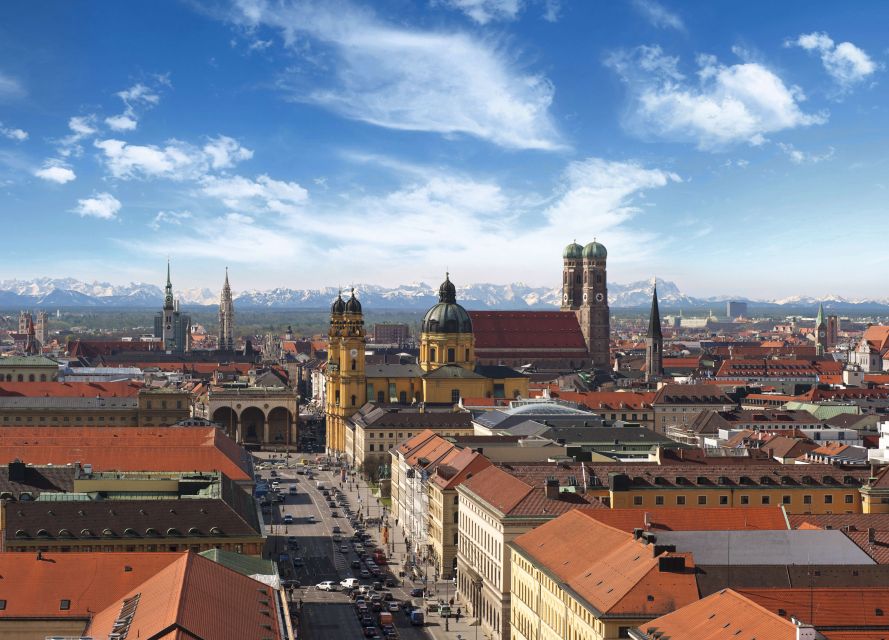
Then the walk swings toward Maximilianstraße, known as Germany’s most exclusive shopping street. This section isn’t about shopping. It’s about contrast.
You’ve just moved through medieval-feeling alleys and historic civic space. Now you’re looking at high-end boutiques, jewelers, and designer showrooms. It’s a reminder that Munich is layered: it doesn’t only preserve the past; it also grows with wealth, design, and modern tastes.
For me, this part is a nice visual reset. It breaks the monotony of “more old stone” and gives you a sense of where the city places value today. It also helps your photos look more varied—Old Town angles are one thing; luxury street symmetry is another.


Munich Residenz area and Odeonsplatz: grand squares that feel like theater sets
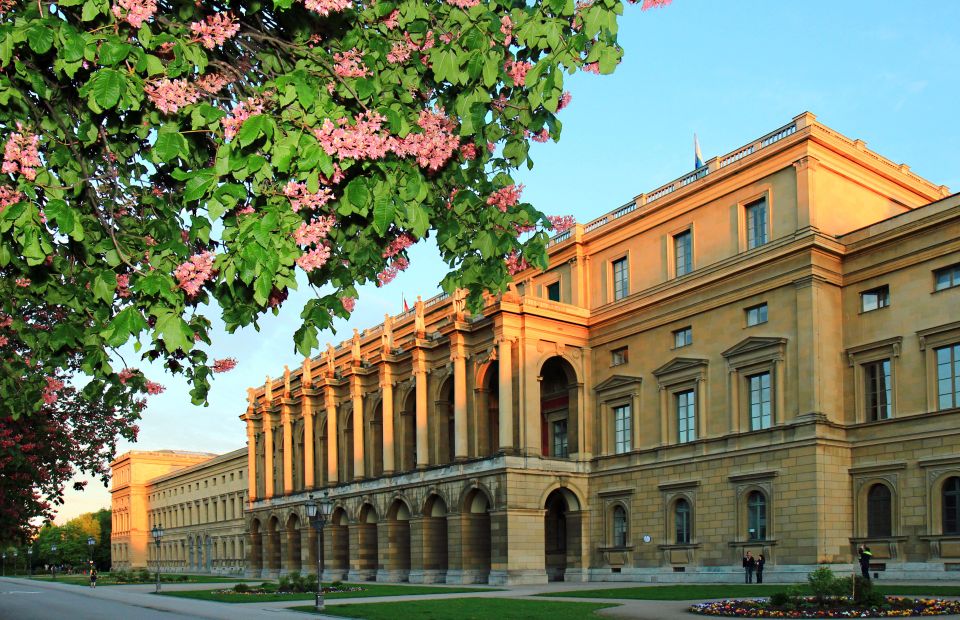
The route continues past Bavarian State Opera—neoclassical and positioned beside the Residenz, the former seat of Bavarian royalty. Even if you don’t go inside (entrance fees aren’t included), the exterior view and the guide’s framing help you understand the scale of power and culture concentrated here.
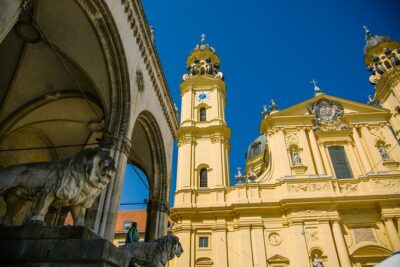
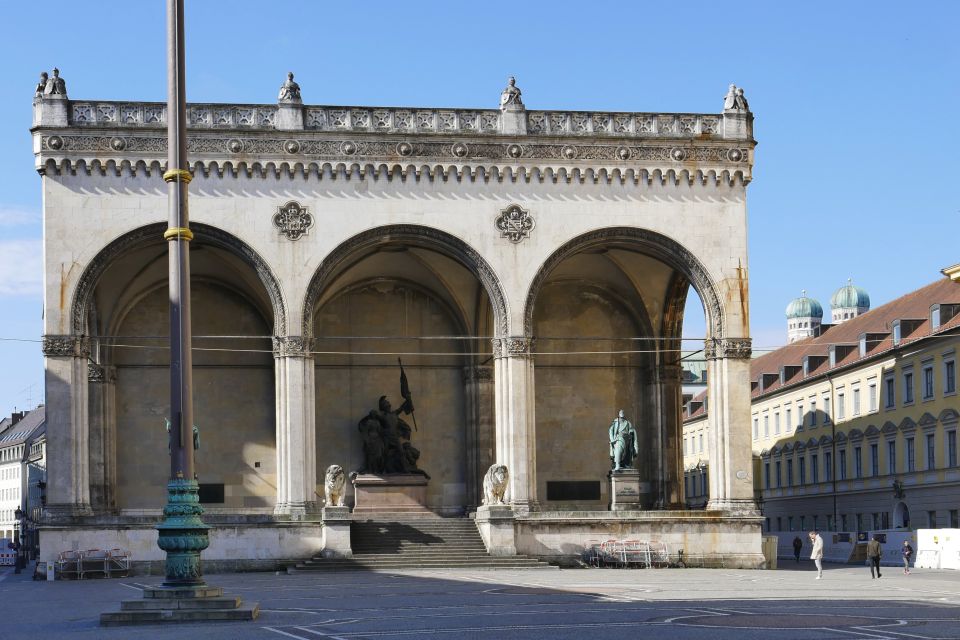
After that comes Odeonsplatz, a grand square surrounded by impressive buildings. The tour highlights the Feldherrnhalle, and opposite you’ll see the Theatinerkirche, built in striking Italian Baroque style. This church is part of why people call Munich the northernmost city of Italy. Whether or not you agree with the nickname, the architectural vibe is real.
This is a great stop to pause and let the city open up around you. If you’ve got questions about Bavarian identity or architectural influences, this is often the easiest place to ask, because you can point at multiple buildings while you talk.
How the 1.5-hour pace actually works on foot
A 1.5-hour route is short. The advantage is you can fit it into almost any schedule. The tradeoff is that the tour is built for seeing and understanding, not lingering for long.
So go in with the right mindset:
- Wear comfortable shoes, because you’ll cover multiple central areas.
- Expect rain or shine. This is a walking tour that doesn’t pause just because the sky decides to be dramatic.
- Use the guide to learn the “map in your head,” then plan your own second visit later if something really grabs you.
Group size can also shape pace. The price is listed as $282 per group up to 30, and there’s also a private group option. If you want more personal Q&A time—or your group has kids, mobility limits to consider, or specific interests—private is usually the calmer choice.
Who this tour fits best (and when to choose something else)
This tour fits best if you want:
- A fast orientation to Munich Old Town
- A strong mix of landmarks and everyday culture through Viktualienmarkt
- A guide who answers questions and adjusts focus to your interests
It may be less ideal if you:
- Need long indoor breaks or quiet time at every stop
- Want a deep, slow museum-style experience at one location
On guide quality: the reviews show a clear pattern of guides being personable and willing to tailor. Names like Gerhard, Claudia, and Gitti appear in past experiences, and several descriptions mention adaptability—helping people who already learned some Munich history or focusing on beer culture, pre-1850s foundations, and architecture. That tells you this isn’t just a scripted walk.
Price and value: $282 per group up to 30 for a high-impact route
Let’s talk value without pretending everything is “cheap.” $282 per group up to 30 works best when you’re traveling as a unit. If your group is smaller, your effective cost per person rises, but you still get a live guide for the full 1.5 hours.
Why that can still be worth it:
- You cover a tight set of high-demand sights in central Munich.
- You get practical context that helps you explore later without needing a guidebook for every turn.
- You also get the market stop, which often turns a landmark-only tour into something more memorable.
If you’re solo, pairing up with a shared group tour-style option can improve value. If you’re a family or you want targeted answers (food, history, architecture), private can justify itself because the guide can slow down or shift focus.
Should you book this Munich Old Town and Viktualienmarkt walk?
I’d book it if you’re aiming to get your bearings quickly and taste Munich’s street-level character as well as its famous architecture. The strongest reason to choose it is the combination: Old Town landmarks + Viktualienmarkt in a short, guided format.
Skip or consider another option if you know you want long stops, lots of indoor time, or a more food-centered tasting experience with meals included. This one is guided sightseeing plus market atmosphere—not a full sit-down dining plan.
If you decide to go, do one smart thing: plan a second self-guided stroll right after—pick one place you want to linger (market area, Hofbräuhaus zone, or one of the big squares). The tour gives you the “why.” Your follow-up visit lets you enjoy the “what if I just sit here for 20 minutes.”
FAQ
How long is the Munich Old Town and Viktualienmarkt walking tour?
The tour duration is listed as 1.5 hours.
Where does the tour start?
The meeting point can vary by option. Two starting location options are München 1, Mariensäule and Neues Rathaus.
Is the tour guided, and what languages are offered?
Yes, it includes a live tour guide. Languages listed are German and English.
What’s included in the price?
The tour guide is included. Entrance fees and meals or drinks are not included.
Are entrance fees included for churches or other stops?
No. Entrance fees aren’t included.
Do I need to bring anything?
Wear comfortable shoes. The tour notes you’ll be walking through multiple central areas.
Will the tour run in bad weather?
It takes place rain or shine.
Is it wheelchair accessible?
It’s listed as wheelchair accessible, but it also notes the activity is not suitable for people with mobility impairments. If that applies to you, confirm your specific needs with the provider before booking.
Can I cancel for free or pay later?
Yes. It offers free cancellation up to 24 hours in advance for a full refund, and it also lists a reserve now & pay later option.