REVIEW · MUNICH
From Munich: Berchtesgaden Foothills and Obersalzberg
Book on GetYourGuide →Operated by Gray Line Munich Day Tours · Bookable on GetYourGuide
One day, two worlds—alpine views and heavy history. I love the sheer panoramic payoff from the Kehlsteinhaus (Eagle’s Nest), and I also love how guides bring order to the story, especially with clear, human explanations at the Nazi Documentation Center and along the route. The main tradeoff is time: it’s a full 10-hour day, so you’ll spend a good chunk riding in the bus.
I’ve found that the best moments here are often the ones you didn’t plan to chase: the view lines over valleys and lakes, the engineering of getting up there, and the way the guide connects scenery to what happened in this place. And when weather closes the higher peaks, you still get a meaningful substitute through the salt mines experience in Berchtesgaden.
In This Review
- Key highlights at a glance
- From Munich’s streets to the Bavarian Alps
- Obersalzberg viewpoints: what you’re actually paying for
- Kehlsteinhaus (Eagle’s Nest): the engineering ride and the payoff
- The add-on cost you should plan for
- Photo tip that saves time
- Bad-weather plan: the salt mines of Berchtesgaden
- Nazi Documentation Center: confronting history with structure
- Berchtesgaden roads, valleys, and why the bus time matters
- The tour guide effect: the difference between seeing and understanding
- Timing and what to watch for on-site
- Price and value: what €80 really buys
- What to bring (and what to avoid)
- Should you book this Obersalzberg day trip?
- FAQ
- How long is the Obersalzberg day trip from Munich?
- Where do I meet the tour?
- Is there an alternative if the Eagle’s Nest route can’t be used?
- Do I need extra tickets for the Eagle’s Nest?
- Is the tour guided in English?
- What should I bring?
- Is the tour suitable for people with mobility issues or claustrophobia?
Key highlights at a glance
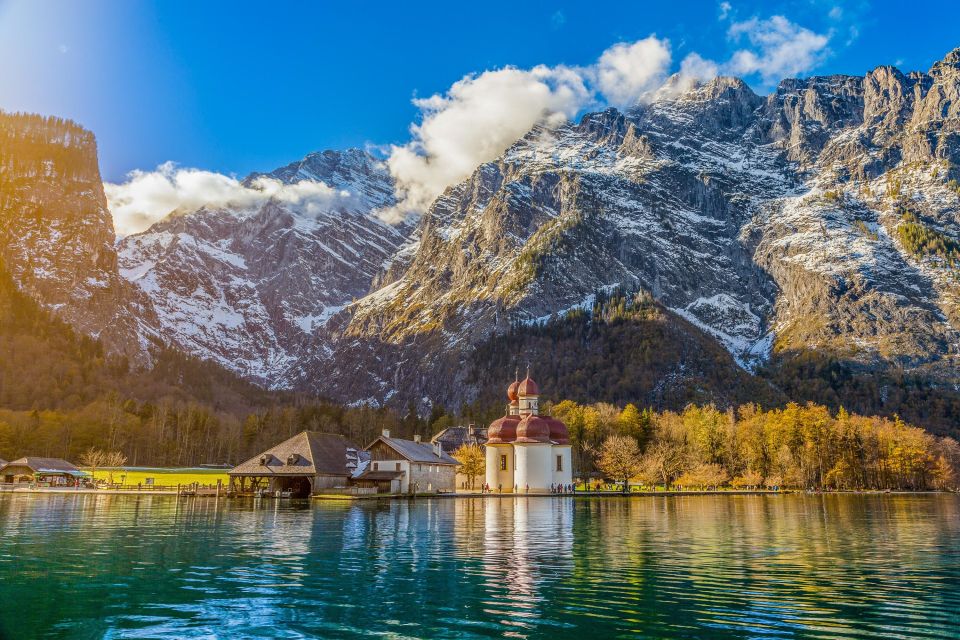
- Eagle’s Nest viewpoints: the classic mountain-top panorama, weather permitting
- English guiding from start to finish: guides like Ursula and Elisabeth keep the flow smooth
- Salt mines fallback: if fog or snow blocks the higher route, you switch plans
- Optional Nazi Documentation Center visit: a structured way to face the past
- Comfortable luxury bus: most days start and end relaxed, not rushed
From Munich’s streets to the Bavarian Alps
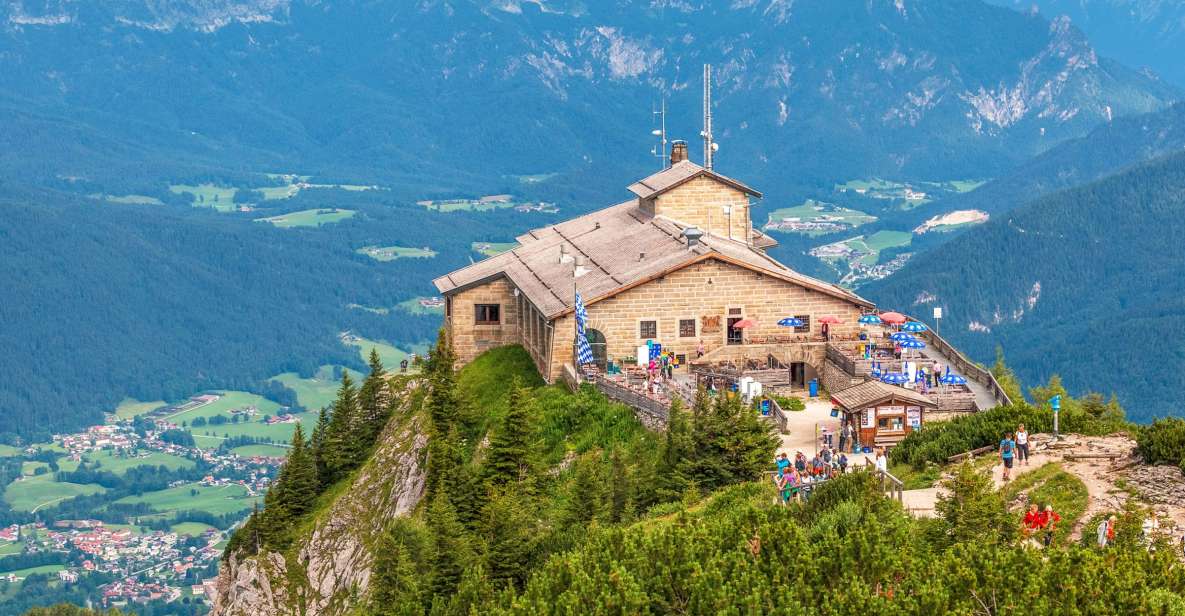
This tour is built for one big goal: getting you out of Munich and up into the Obersalzberg area without the stress of figuring out all the connections. You start at Karlsplatz (Gray Line, AutobusOberbayern bus lane), then settle in for a long ride through changing countryside.
The drive matters. It’s part of why the day feels satisfying instead of frantic. As elevation gradually increases, you start seeing why this region became so important to the people who controlled it. The mountains and valleys aren’t just pretty from a postcard angle—they help explain the appeal of distance, security, and spectacle.
Your bus experience also sets the tone. Most people describe the bus as large and comfortable, and some note solid air-conditioning on warm days. That’s a real benefit on a 10-hour schedule, because you’ll want to arrive fresher for the stops.
You can also read our reviews of more tours and experiences in Munich.
Obersalzberg viewpoints: what you’re actually paying for
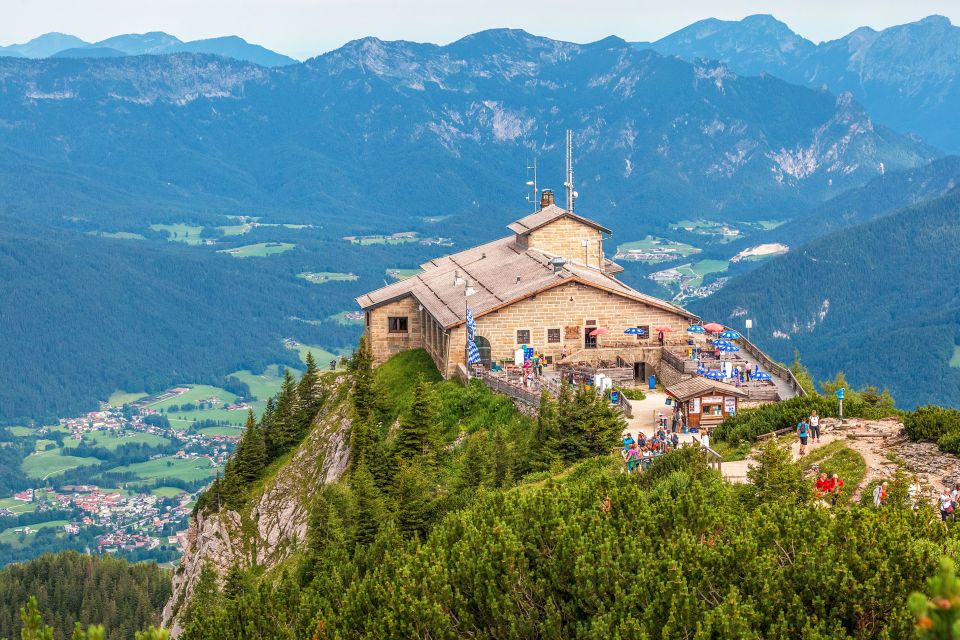
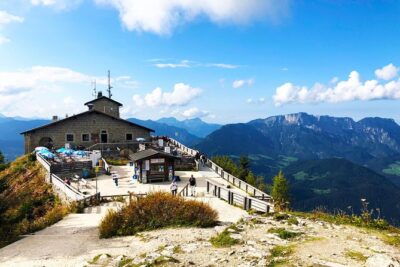
Obersalzberg is one of those places where scenery and history sit in the same frame. From the elevated viewpoints, you get a wide view across the valleys and toward the lakes—clean, dramatic, and hard to ignore. This is why the Eagle’s Nest is such a magnet. Even if you’re not a history fan, your eyes will do the job first.
But the viewpoint isn’t the whole reason this day works. The route through Obersalzberg is where your guide’s storytelling becomes practical: they help you connect what you see (the terrain, the positioning) to what you’re learning. If you like the idea of walking into history with context, this is the section where it clicks.
One more point: on overcast or foggy days, the views can soften. That’s not a fault of the tour—it’s weather. Still, the tour has a built-in way to keep the day meaningful if visibility drops.
Kehlsteinhaus (Eagle’s Nest): the engineering ride and the payoff
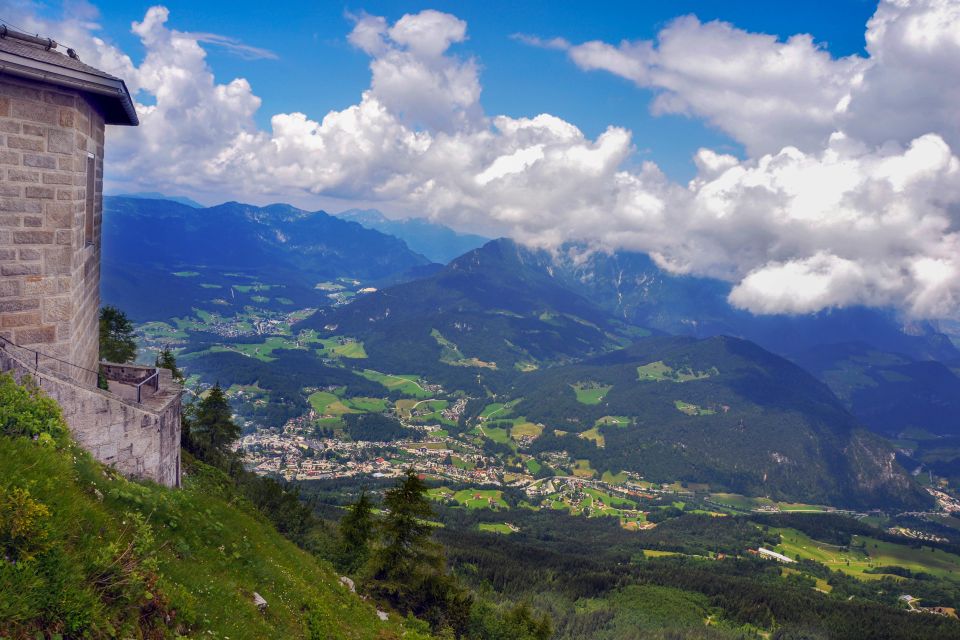
If you choose to go up to the Kehlsteinhaus, you’re signing up for a specific kind of experience: controlled access, then the famous climb into and out of the mountain. The good news is that the trip up is organized. The guide supports the logistics so you’re not juggling timing and transfers on your own.
Here’s what to expect once you arrive:
- You’ll connect to the special transport required to reach the Eagle’s Nest area (this specific ride is an added cost).
- Then you’ll use the on-site system inside the mountain to get to the viewpoint.
That inside-the-mountain element is also why the tour isn’t for everyone. If you’re claustrophobic, this part can feel like too much, since you’re moving in enclosed spaces as part of the experience.
The add-on cost you should plan for
The tour price includes the luxury bus and a guide, but the transport to the Eagle’s Nest by special bus service costs an additional €35, paid by credit or debit card. Plan that extra amount ahead, so you don’t hit a surprise moment.
Photo tip that saves time
You’ll want your camera/phone ready right when you reach the viewpoint area. The experience is structured, and the best light can shift quickly in the Alps—especially if clouds roll through. If the weather cooperates, you’ll get that classic panorama; if not, you still get the sense of height and the dramatic geometry of the mountaintop setup.

Bad-weather plan: the salt mines of Berchtesgaden
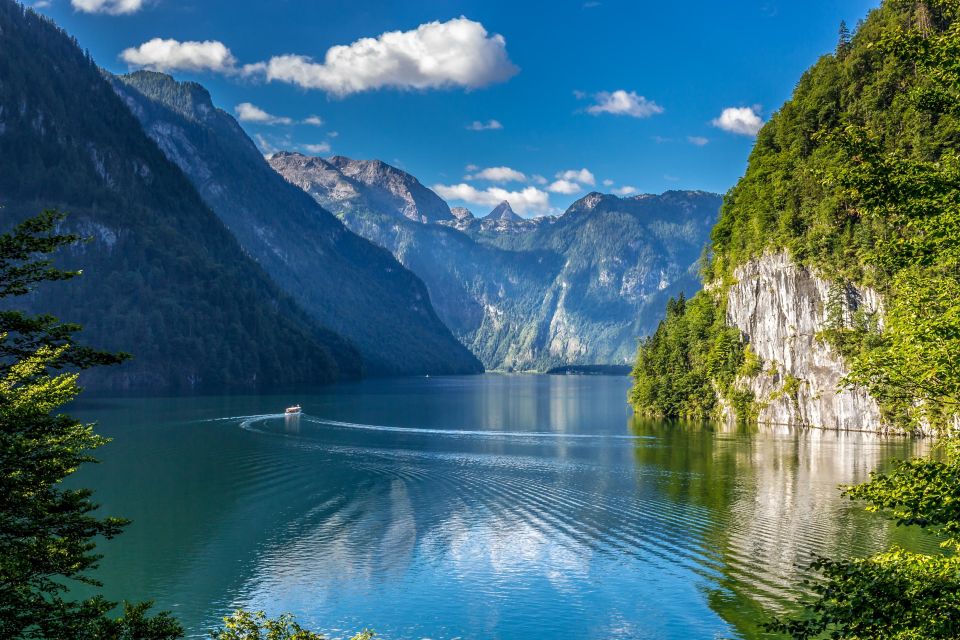
One of the smartest things about this tour is that it treats weather as a real possibility, not a disappointment. If conditions are foggy or snowy and the higher route isn’t workable, the day switches to the salt mine experience in Berchtesgaden.
Why this is a good substitute: salt mines aren’t just a change of scenery. They connect directly to why the region mattered in the first place. The salt trade shaped local life, wealth, and infrastructure—so you still end the day with a place-based understanding, just through a different lens than the Eagle’s Nest.
It also keeps the schedule intact. You still get a destination visit with a strong sense of place, rather than a “wait and see” day.
If you want a day that’s resilient to weather, this is the choice you’re making by picking this itinerary.
Nazi Documentation Center: confronting history with structure
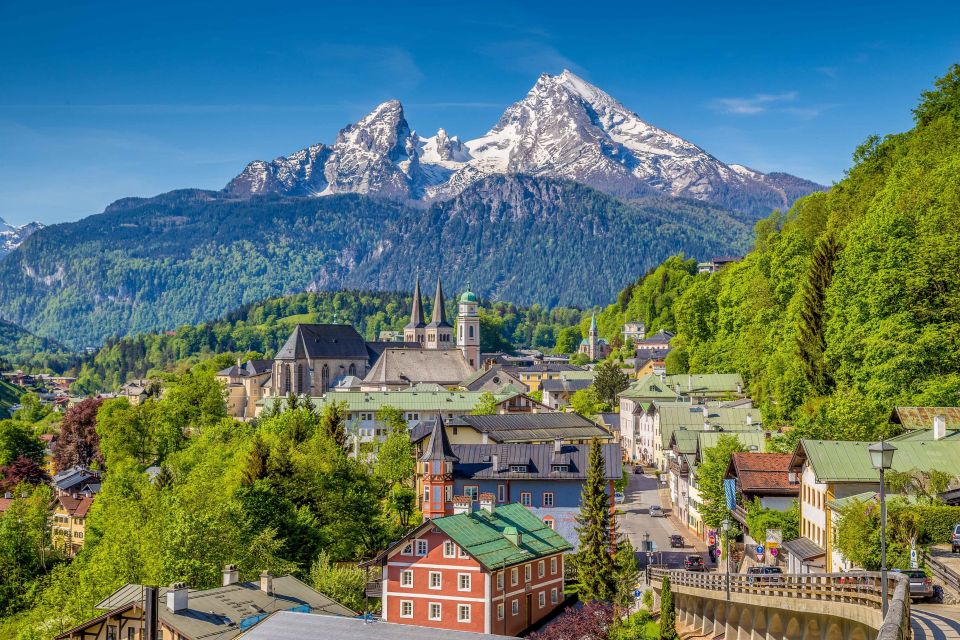
If you add the Nazi Documentation Center Museum, you’ll have a chance to put names, events, and motivations into a clearer timeline. For many people, this is the moment when the history stops being vague background and starts feeling concrete.
The key value here is structure. Instead of bouncing between facts, you’ll get a more organized interpretation of how this region fit into the rise of Nazi power—right alongside the stunning setting that makes the story so uncomfortable to look at.
Guides tend to handle this section with care. People repeatedly praise their delivery: explanations that stay clear, and pacing that keeps everyone moving when the day is already long. If you’re the type who likes to understand what you’re seeing before you wander off, this stop is a strong anchor.
Berchtesgaden roads, valleys, and why the bus time matters
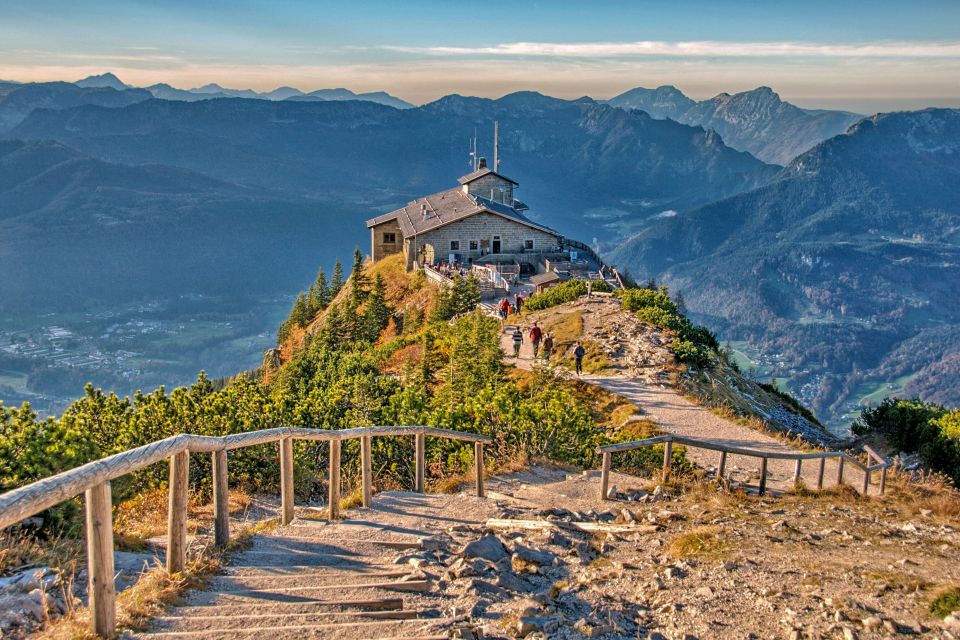
The day is long, and you should expect it. People often note that there’s significant time spent driving, and that part can feel long if you’re expecting a tight loop of short transfers.
That said, the drive is also what makes the day make sense. You’re traveling along the German Alpine Way, a route that climbs through valleys and toward the foothills of Berchtesgaden. This is where you start seeing the geography the whole region is built on.
When you’re riding, use the time wisely:
- Keep your layers handy, even in mild seasons. Mountain weather changes fast.
- If the sky clears even briefly, step into a window seat and let the view land.
The bus is where the tour earns its easy pace. You’re not mapping routes, changing stations, or coordinating multiple tickets. For a day trip from Munich, that matters more than people expect.
The tour guide effect: the difference between seeing and understanding
A pattern shows up again and again: the guide can make or break this kind of day. In the case of Gray Line Munich Day Tours, people frequently mention guides such as Ursula and Elisabeth (and other named guides) for a few consistent strengths.
What those guides do well:
- Keep the day organized across multiple stops
- Explain logistics clearly so you’re not guessing at meeting points or timing
- Connect the scenic elements to the historical story in a way that feels understandable
You’re also getting personality, not just facts. Many people describe guides as friendly and engaging, with a sense of humor that helps the day feel less heavy even when the content is hard.
This matters because the day mixes two very different tones: breathtaking views and the legacy of Nazi exploitation. A guide who can switch tones without dropping the ball helps you process it better.
Timing and what to watch for on-site
Because it’s a full day, the time at each location is purposeful. You’ll typically get enough time to look around, take photos, and understand what you’re seeing—without the day turning into a long idle wait.
Still, there are a couple practical realities:
- The Eagle’s Nest portion can feel time-sensitive because access is structured.
- On-site dining is an optional “fit it in” moment rather than a planned culinary event.
If you want to eat while you’re up there, you might find that the on-site restaurant setup can be a convenient option depending on timing. If you’d rather explore the nearby town more, you may end up balancing that with the fixed schedule for the heights.
Price and value: what €80 really buys
At around $80 per person for a 10-hour day, the value comes from the combo, not from any one stop. You’re paying for:
- Transport in a luxury tour bus
- An English-speaking live guide who manages timing and transitions
- A guided route that takes you to the Obersalzberg area without DIY hassle
But you should budget for the Eagle’s Nest add-on. The special bus transport to the top costs an additional €35. If you don’t want the Eagle’s Nest experience, or if weather blocks it, you’ll still get the salt mine alternative.
So the best way to think about cost is like this: your base price buys you the day structure and guiding. Your elective choice of the Eagle’s Nest transport decides whether you add the mountaintop engineering experience on top of it.
What to bring (and what to avoid)
This day is easy to overpack, but don’t. The essentials are simple:
- Passport or ID card (plan on bringing it)
- Comfortable shoes with good grip
- Layers for mountain weather shifts
Also, consider cash if you plan to buy something at the Eagle’s Nest area. Some people report that card acceptance can be limited on-site, so having a bit of cash avoids a last-minute scramble.
If you’re sensitive to enclosed spaces, be honest about it before booking. The tour includes a mountain interior experience for the Eagle’s Nest, and the trip is not suitable for people with claustrophobia.
Should you book this Obersalzberg day trip?
Book it if you want:
- A one-day way to get out of Munich into real Alpine country
- The classic Eagle’s Nest views (and you don’t mind an added €35 for the special transport)
- A guided approach to difficult history, with a Nazi Documentation Center option
Skip it if:
- You need mobility support that works well with enclosed or structured transport (this tour is not suitable for people with mobility impairments)
- You’re claustrophobic and the mountain interior experience sounds like a deal-breaker
- You hate long bus days. This is a full 10 hours.
If you go in with realistic expectations—long day, weather can change views, and history here is serious—you’ll likely come away feeling you saw the place in context, not just from a viewpoint.
FAQ
How long is the Obersalzberg day trip from Munich?
The tour runs for 10 hours.
Where do I meet the tour?
Meet at Karlsplatz 21-24 in the Gray Line, AutobusOberbayern bus lane.
Is there an alternative if the Eagle’s Nest route can’t be used?
Yes. If weather conditions like fog or snow prevent access to the higher peaks, the tour visits the salt mines of Berchtesgaden instead.
Do I need extra tickets for the Eagle’s Nest?
Yes. Travel to the Eagle’s Nest by the special bus service is available for an additional cost of €35, paid by credit or debit card only.
Is the tour guided in English?
Yes. The live tour guide is in English.
What should I bring?
Bring a passport (or passport/ID card as specified) and comfortable shoes.
Is the tour suitable for people with mobility issues or claustrophobia?
No. It is not suitable for people with mobility impairments or people with claustrophobia.