REVIEW · MUNICH
From Munich: Dachau Memorial Site Full-Day Tour
Book on GetYourGuide →Operated by InMunich Tours · Bookable on GetYourGuide
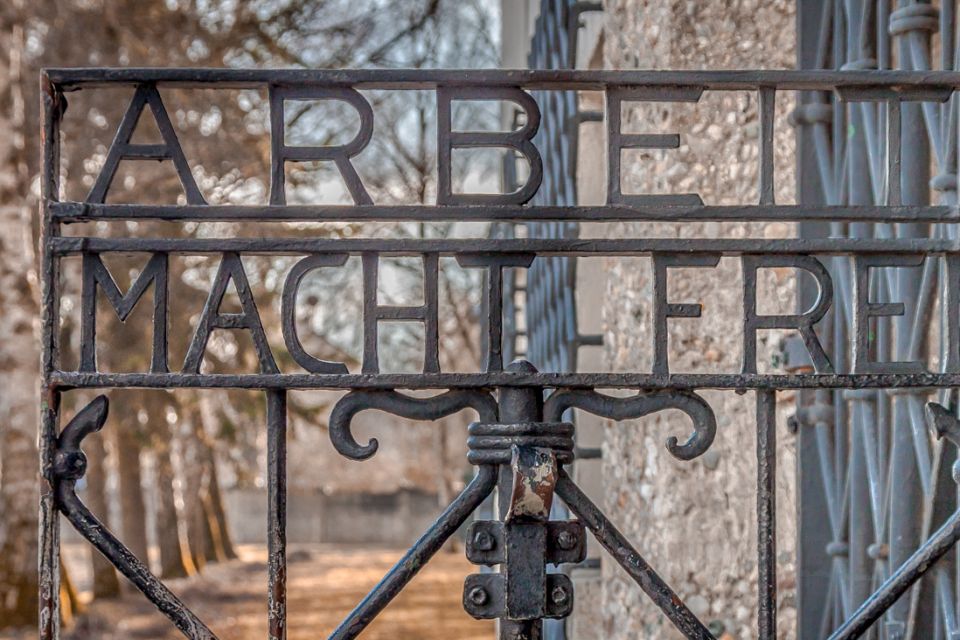
Dachau is heavy, and the guide matters. I like the Memorial-qualified pacing and clear route through the site, so you understand what you’re seeing instead of just staring at plaques. Two moments I won’t forget are passing the Arbeit Macht Frei sign in the Jourhaus and then standing inside spaces like the Bunker and barracks with context.
The only real drawback is that this is a graphic, emotionally intense visit with limited opportunities to pause and reset. Kids 13 and under aren’t permitted, and it’s not suitable for wheelchair users or people with respiratory issues.
What makes the trip work from Munich is that you don’t spend your whole day figuring out trains and stops. The guides (people like Marcin and Adam have been highlighted for this) focus on the camp’s full timeline—from why it opened through its three phases—so your visit feels organized, not chaotic.
In This Review
- Key points before you go
- From Munich to Dachau: the day-trip pace that actually works
- Meeting Marienplatz and finding your group fast
- The camp entrance route: Jourhaus and the Arbeit Macht Frei sign
- Appellplatz, barracks, and the spaces that explain daily life
- The Bunker and punishment spaces: why these rooms hit harder
- The School of Terror (SS training facility): context that makes the name make sense
- What the guide gives you: explanation that turns buildings into meaning
- Stop-by-stop timing: where the day goes
- Breaks, basics, and what to bring for a 6-hour memorial visit
- Price and value: why $51 makes sense for this kind of visit
- Who should book (and who should skip it)
- Should you book this Dachau tour from Munich?
- FAQ
- How long is the Dachau Memorial Site full-day tour from Munich?
- Where do I meet the guide in Munich?
- What language is the tour guide?
- Is lunch or snacks allowed during the tour?
- Are there age restrictions?
- Is video recording allowed?
- Is hotel pickup included?
Key points before you go
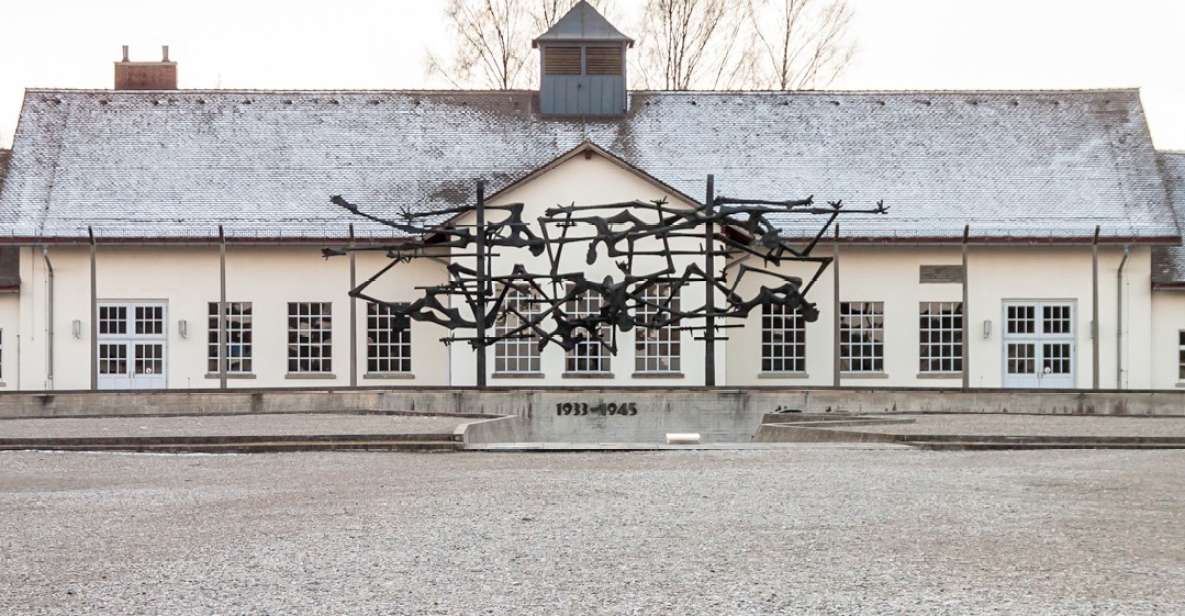
- Memorial-qualified guide in English keeps the story clear, from 1933 to 1945
- Jourhaus and the entry signage you can’t really process without explanation
- Bunker, barracks, and Appellplatz are covered as part of the camp’s daily routine
- School of Terror (SS training facility) is named and framed in the tour route
- About 4 hours inside the camp, with travel built into a total 6-hour day
From Munich to Dachau: the day-trip pace that actually works
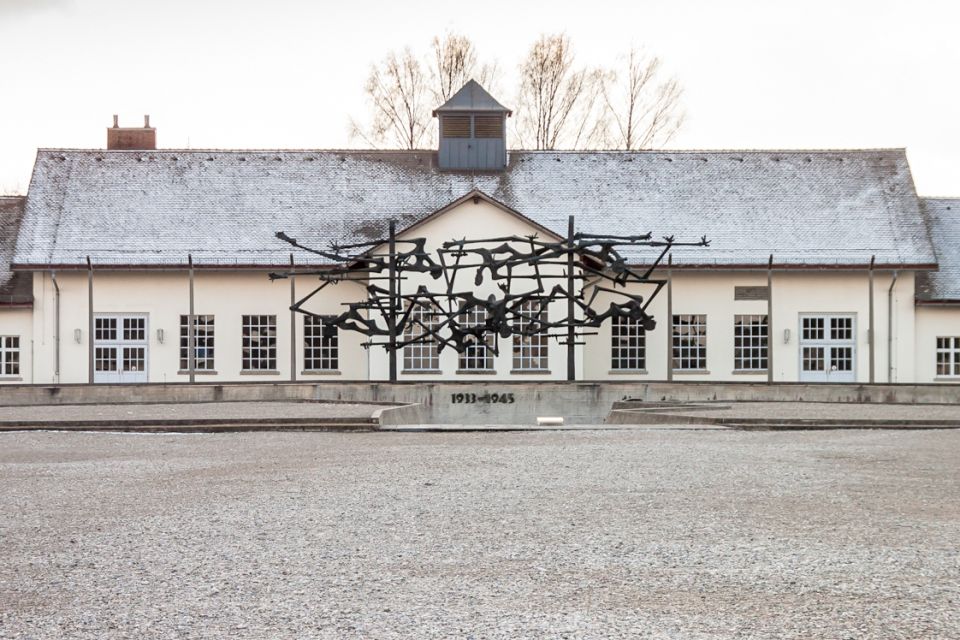
This is one of those trips where timing matters. You’re out of Munich, on public transit, and back again the same day. The whole schedule runs about 6 hours, with roughly 4 hours inside the camp and about 2 hours of travel.
That balance is part of the value. You get a meaningful block of time for the guided route, but you’re not stuck for half the day with empty minutes or long waits.
Also, the pace is steady. You will be moving and listening for most of the day, and the subject matter doesn’t allow for “let’s browse slowly” energy. That’s not a problem if you’re coming with the right mindset.
You can also read our reviews of more tours and experiences in Munich

Meeting Marienplatz and finding your group fast
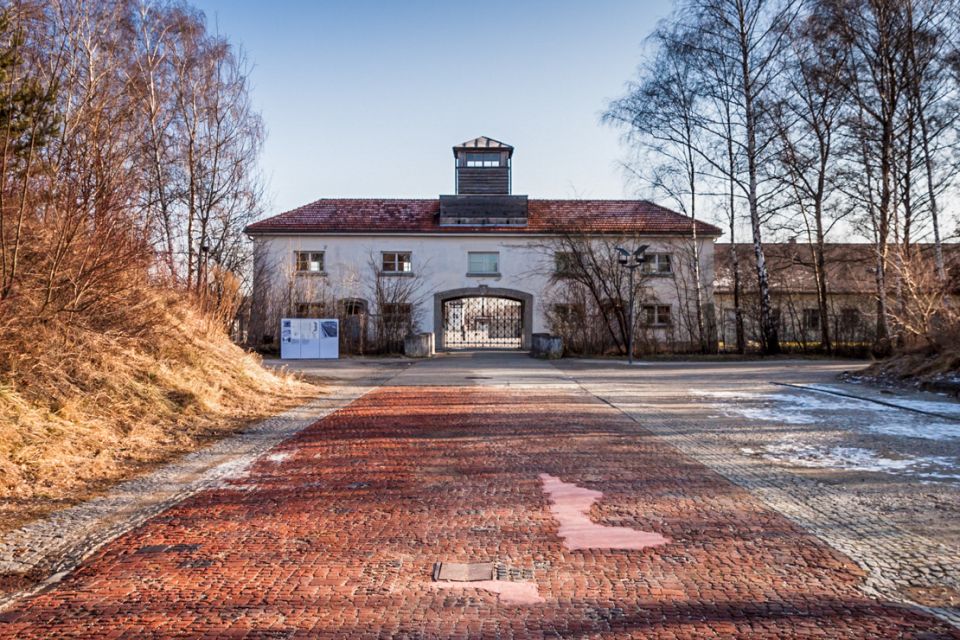
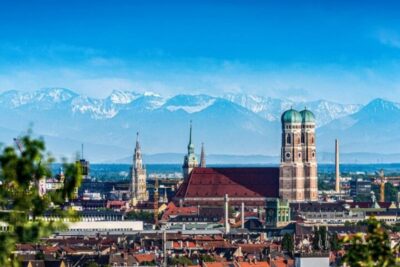
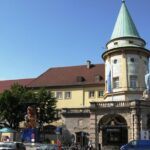
You meet your guide in central Munich at Marienplatz, in front of the department store Ludwig Beck (Marienplatz 11). Look for a white and blue umbrella and signs advertising the Dachau tour.
This matters because the morning starts with getting everyone together on time. If you’re late, it’s easy to miss the group and then you’re stuck trying to rejoin a moving train-and-bus plan.
Once you’re assembled, your guide manages the public-transport jump. You’ll take the subway/metro for about 40 minutes, then a short bus/coach ride (~10 minutes) toward the memorial site.
The camp entrance route: Jourhaus and the Arbeit Macht Frei sign
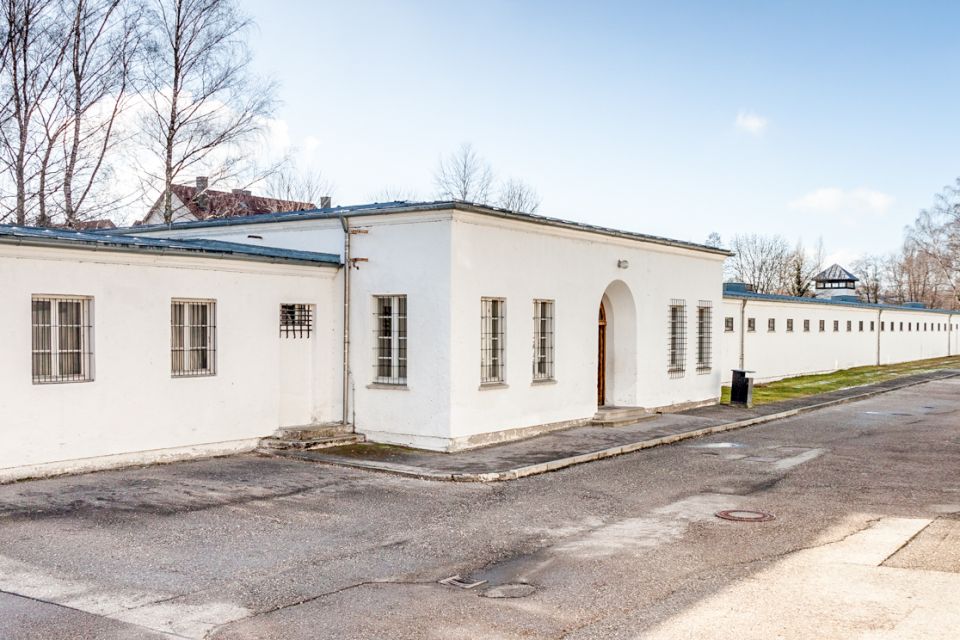
Walking into Dachau with a guide is the difference between collecting facts and understanding structure. The tour route starts by moving through key buildings and points that explain how the system worked and how it controlled prisoners’ daily reality.
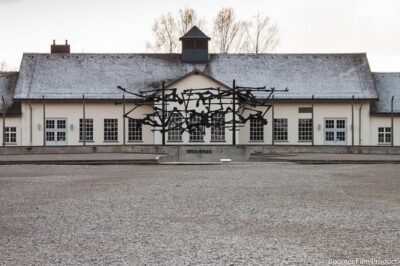
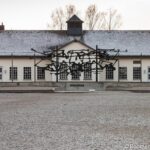
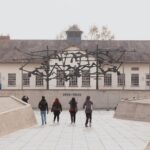
A major early stop is the Jourhaus, where you pass by the infamous Arbeit Macht Frei sign. The guide’s job here is crucial. Without explanation, it can read like a cruel slogan. With explanation, it lands as part of a wider system of humiliation, terror, and propaganda.
From there, you move through the entrance building and the gateway area, then continue into the camp’s main operational spaces. You’ll also hear about why the camp was opened and who arrived first—details that help you place what you’re about to see in time, not just in geography.
Appellplatz, barracks, and the spaces that explain daily life
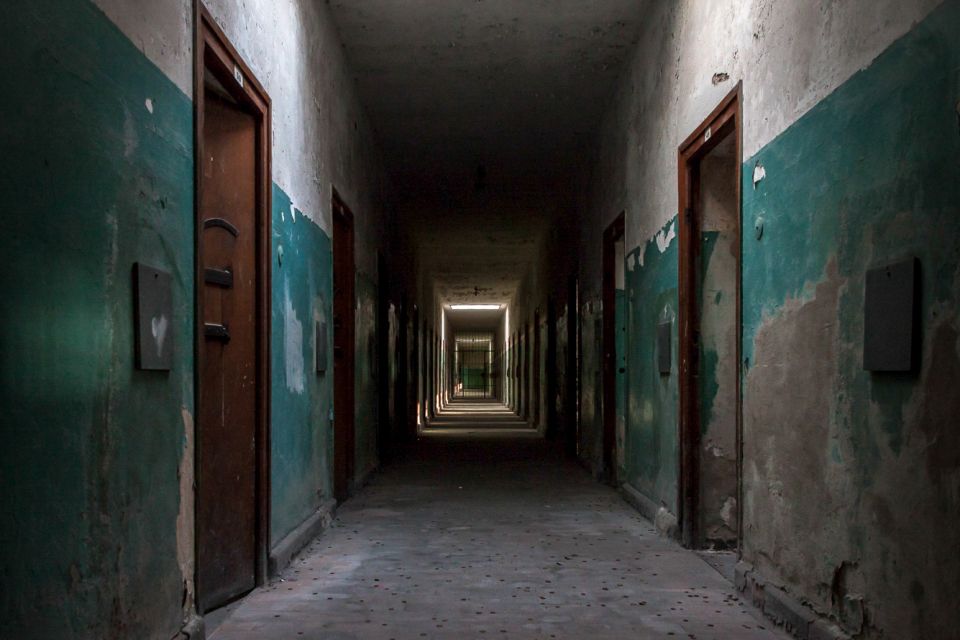
This tour isn’t only about what happened at Dachau. It’s also about how it ran day to day. That’s why the tour includes places tied to routine and control, not only sites tied to suffering.
You’ll spend time at Appellplatz, which is central to camp life and discipline. You’ll also walk through barracks, including Barrack X, with commentary on prisoners’ conditions and how the camp’s physical layout supported constant surveillance.
What I appreciate is how the guide connects the buildings to the story’s sequence. You’re not just seeing rooms; you’re learning what the camp demanded from prisoners and how authority was enforced through schedules, procedures, and punishments.
And because the tour covers the three phases of the camp, you get a sense of how Dachau evolved. That prevents the visit from feeling like a single static snapshot.
The Bunker and punishment spaces: why these rooms hit harder
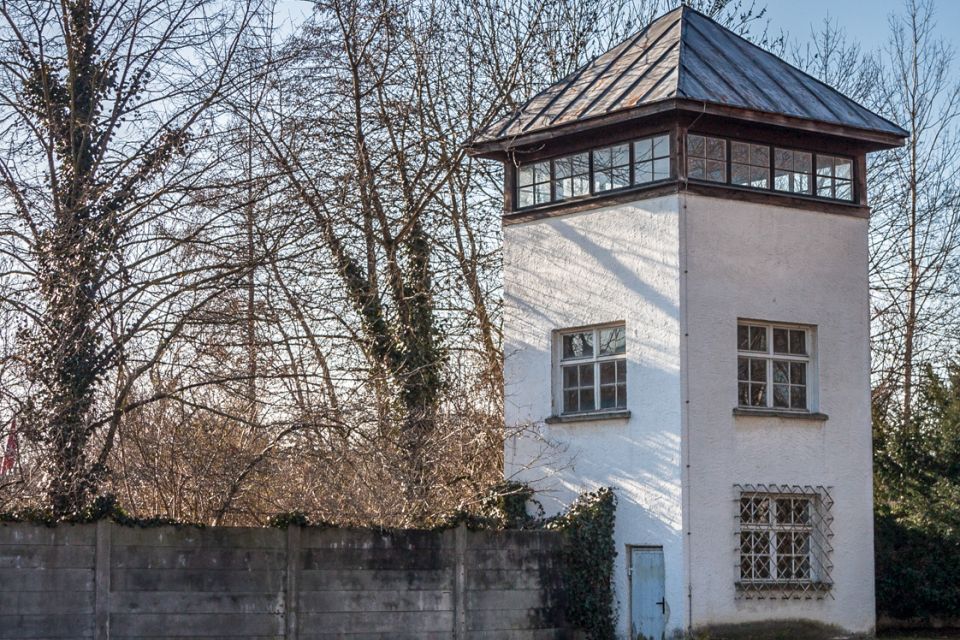
The Bunker is one of the most difficult stops, for obvious reasons. The tour frames it as part of the machinery of oppression, not as an isolated horror.
You’ll also see the barracks and other control-related areas with the guide explaining how the system moved from registration and new arrivals to trials in torture and punishment. That “from step to step” approach is heavy, but it’s also clarifying.
One thing I like about this style of tour is that it avoids leaving you with only shock. The guide gives you a chain of cause and effect—how the camp processed people, how it broke them, and how the broader Nazi regime used Dachau as a tool of terror.

The School of Terror (SS training facility): context that makes the name make sense
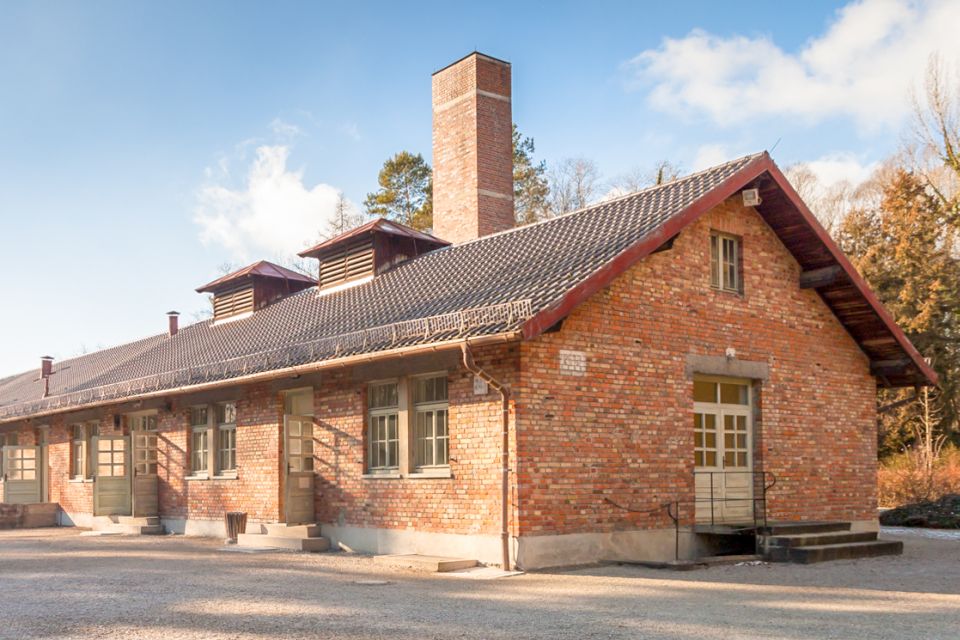
A standout named stop on this tour is the S.S. Training Facility, often referred to as the School of Terror. Hearing that label explained in context matters, because it connects the site to institutional training and ideological cruelty.
The tour doesn’t treat this area like an “extra” on the route. It’s tied back into the bigger picture: what Dachau was for, how it functioned as a system, and why it became such a landmark of Nazi repression.
If you care about how bureaucracies and institutions can produce violence, this part of the tour is especially powerful. It shows that the cruelty wasn’t random—it was organized.
What the guide gives you: explanation that turns buildings into meaning
A memorial site like this is full of text panels and documented evidence. But signage alone can still leave gaps, especially when you’re trying to connect the sequence of events to specific locations.
This tour’s strength is that the guide supplies that connection. You learn why the camp opened, who the first prisoners were, how the camp developed through its phases, and how daily operations worked from registration onward.
In past sessions, guides such as Sam, Hein, Keith, Marcin, and Adam have been singled out for keeping the group together and answering questions respectfully. That kind of leadership helps, because the emotional weight of Dachau can make it harder to ask questions at the exact moment you want to.
You’ll also be encouraged to take time with the written materials. The guide’s explanations support that, instead of rushing you through everything so fast you miss it.
Stop-by-stop timing: where the day goes
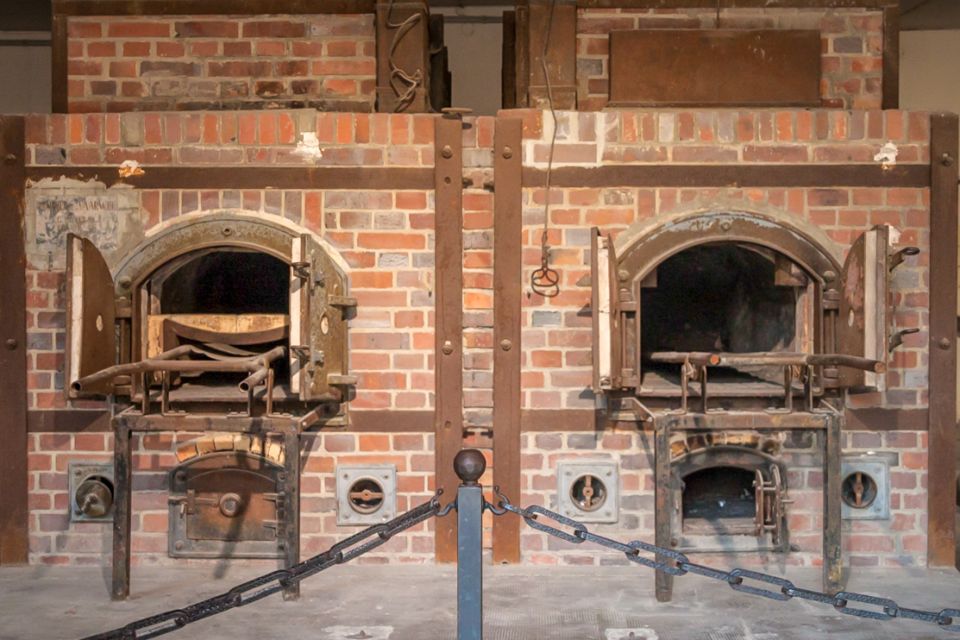
Here’s how the day feels based on the schedule you’re working with. After meeting in Munich, you travel about 40 minutes by subway/metro, then add a short bus ride to reach the memorial site.
At the site, there’s a break of about 15 minutes. Then the guided portion runs about 3.83 hours, which is the real engine of the day. That’s long enough to cover key areas like the Jourhaus, entrance building and gateway, Appellplatz, barracks including Barrack X, the Bunker, and the SS training facility/School of Terror.
On the way back, you hop on the bus/coach for about 10 minutes, then take the train back to Munich for about 40 minutes, finishing back at the meeting point in the late afternoon.
The practical takeaway: plan your comfort and your energy early. Once the camp visit starts, you’ll be glad you prepared, because you won’t have long “wander time” to reset.
Breaks, basics, and what to bring for a 6-hour memorial visit
This tour is very specific about what you bring and how you handle it on-site. Wear comfortable shoes. You’ll be walking through a lot of outdoor and indoor spaces, and the day can feel longer if your feet are unhappy.
Bring water and something to eat before you go. One key rule is that it’s not permitted to eat food while on tours at Dachau. The tour advises eating a big breakfast or bringing something to eat on the train.
You also need weather-appropriate clothing. Munich can be changeable, and Dachau is outdoors in lots of stretches. Layering helps.
One more practical note: the rules also say no smoking and no alcohol or drugs, and video recording is not allowed. So set expectations for photos/video on your phone and be ready to just use your eyes and notebook instead.
Price and value: why $51 makes sense for this kind of visit
At about $51 per person, the biggest value isn’t the ticket price itself—it’s what’s bundled. You’re getting the live English guide plus the train and bus fees for the day trip.
You’re also getting a full guided route covering major parts of the camp, with a Memorial-qualified guide guiding you through. For this kind of subject, that guidance is what keeps the visit coherent, especially if you don’t already know the camp’s timeline.
What’s not included is the hotel pickup and drop-off, so you’ll need to start from the Munich meeting point. In other words, you’re paying for the transport and guide, not for door-to-door convenience.
If you’re traveling on your own and you don’t want to coordinate schedules, this price structure is a decent match.
Who should book (and who should skip it)
This tour is best for you if you want an organized, respectful day with a route through the camp’s most significant areas and an explanation of how Dachau operated from 1933 to 1945. It also fits well if you learn by hearing a story while you walk the spaces.
It may not be for you if you need a highly accessible route or frequent stops. The tour is not suitable for wheelchair users, and it’s listed as not suitable for people with respiratory issues or mobility impairments.
It also isn’t for young kids. Children aged 13 and under aren’t permitted, and children 14 and over are welcome only if accompanied by parents who understand the graphic nature of the tour content. You may be asked for proof of age.
Should you book this Dachau tour from Munich?
Yes, if you want your day trip from Munich to be structured, guided, and genuinely informative without the stress of figuring out logistics yourself. The combination of Memorial-qualified guidance, a route through key sites like the Jourhaus and Bunker, and enough time on-site makes it a solid choice.
If you’re unsure, use this simple test: do you want a clear timeline and guided explanations while walking the camp grounds? If that sounds like what you need, book it. If you’re not prepared for a graphic, emotionally heavy visit with limited flexibility, you may want to choose a different pace or plan for a different style of visit.
FAQ
How long is the Dachau Memorial Site full-day tour from Munich?
The tour lasts about 6 hours total, including travel time plus time inside the camp.
Where do I meet the guide in Munich?
Meet your guide on Marienplatz, in front of the department store Ludwig Beck (Marienplatz 11). Look for a white and blue umbrella and signs advertising the Dachau Tour.
What language is the tour guide?
The live tour guide speaks English.
Is lunch or snacks allowed during the tour?
Eating food while on tours at Dachau is not permitted, so plan a big breakfast or eat something on the train before/after.
Are there age restrictions?
Children aged 13 and under are not permitted. Children aged 14 and over may be welcome if accompanied by parents who understand the graphic nature of the content.
Is video recording allowed?
No. Video recording is not allowed during the tour.
Is hotel pickup included?
No. Hotel pickup and drop-off are not included. You’ll need to make your way to the meeting point in Munich.