REVIEW · MUNICH
From Munich: Trip to Neuschwanstein & Linderhof in Spanish
Book on GetYourGuide →Operated by Bayern a medida GmbH & Co KG · Bookable on GetYourGuide
A fairytale day with real alpine drama. This Spanish-guided route takes you into both of King Ludwig II’s palace worlds, with time for interiors plus famous viewpoints. I like the two-palace combo in one long day, and I also like that the tour includes private transport so you’re not stitching together buses and tickets.
There’s a lot to pack into 11 hours, so a possible drawback is timing: you’ll rely on on-the-spot ticket purchases in EUR cash, and Mary’s Bridge can be closed in winter.
In This Review
- Key Points to Know Before You Go
- Neuschwanstein’s Interior: More Than a Postcard
- Mary’s Bridge Views: The Famous Stop (When It’s Open)
- Crossing to Linderhof: Why the Second Palace Feels Different
- Linderhof Interiors and Gardens: Where the Details Matter
- How the Spanish-Only Format Changes the Day
- Price and Value: What You Pay Up Front vs. On the Spot
- Getting There Without Stress: Karlstor Gate Matters
- Who This Tour Suits Best (And Who Should Skip It)
- Should You Book This Munich to Neuschwanstein & Linderhof Tour?
- FAQ
- Is this tour available for non-Spanish speakers?
- What’s included in the price?
- Are the Neuschwanstein and Linderhof tickets included?
- How much are the castle tickets?
- Can I pay for tickets by credit card?
- Do I need a separate ticket for Mary’s Bridge?
- Where do I meet the guide in Munich?
- How long is the tour?
Key Points to Know Before You Go

- Spanish-only tour: non-Spanish speakers can’t book, and everything is delivered in Spanish (live guide plus audio).
- Two major Ludwig II palaces: Neuschwanstein first, then Linderhof with its gardens and Baroque feel.
- Interior access is ticketed separately: you’ll pay for Neuschwanstein and Linderhof castle entries on the day.
- Iconic viewpoint stop at Mary’s Bridge: expect stunning views, but winter closures can change your plan.
- Meet at Karlstor Gate: your guide is waiting under Karlstor Gate at Karlsplatz, not on a random bus platform.
Neuschwanstein’s Interior: More Than a Postcard
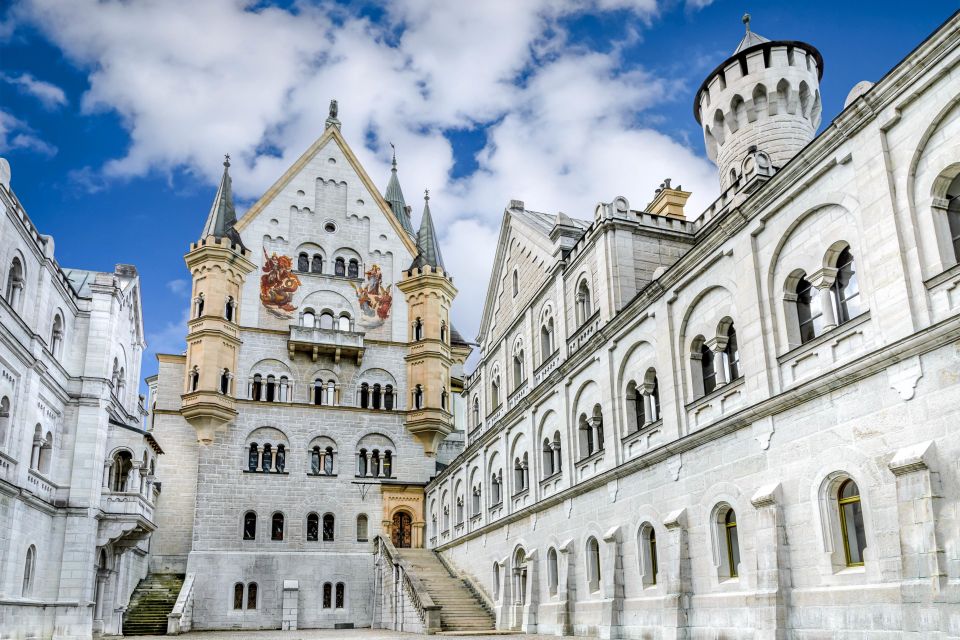
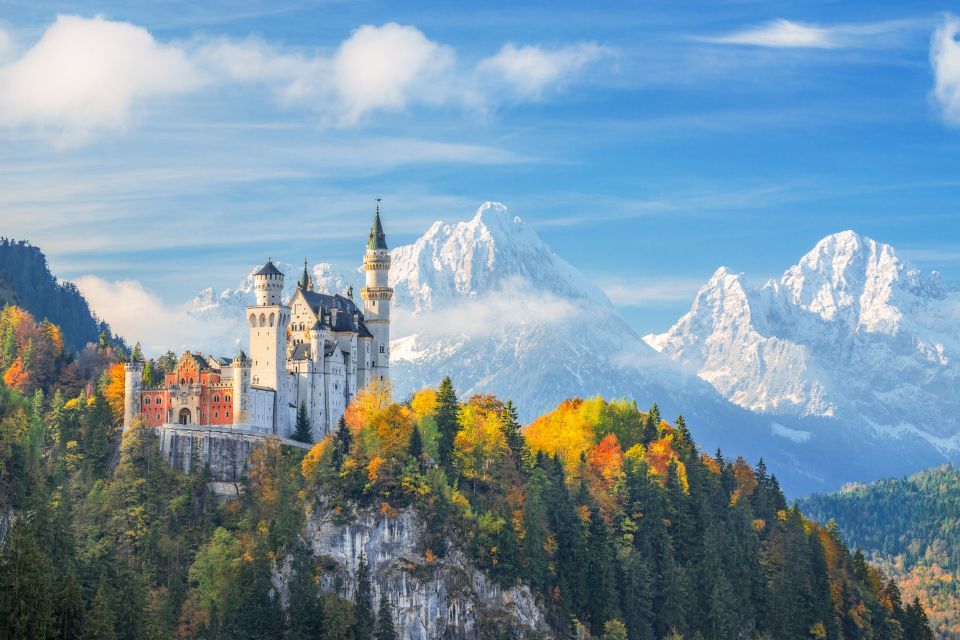
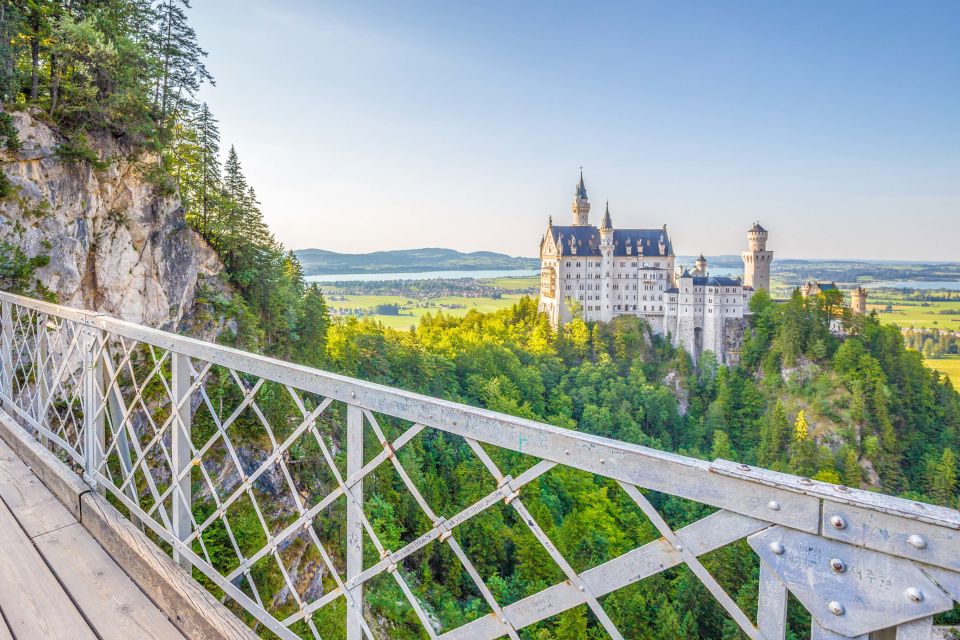
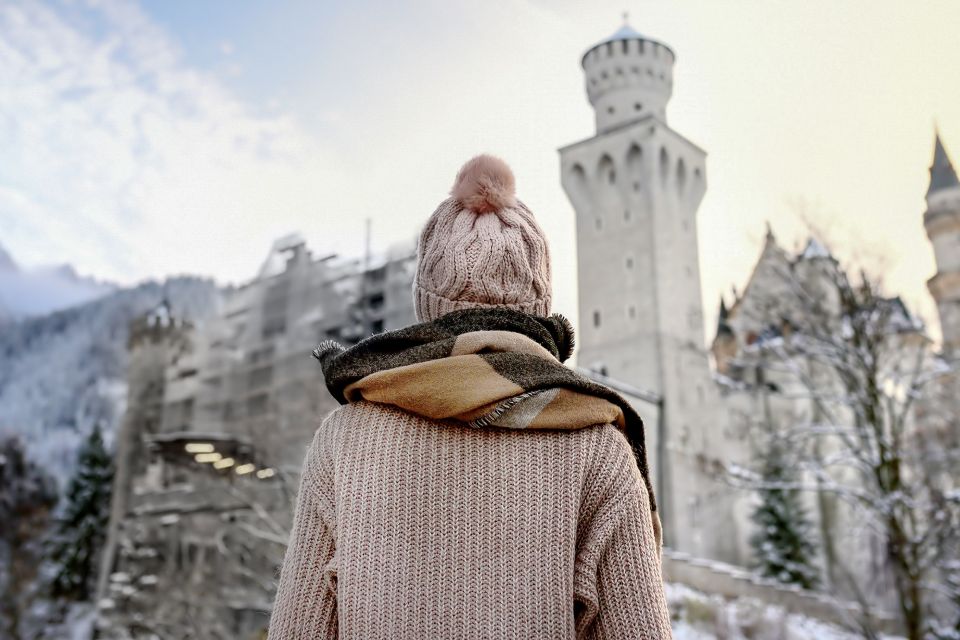
Neuschwanstein is the castle most people imagine the moment they hear Bavaria. It’s the alpine “fairytale” home built by King Ludwig II, perched above the valley with dramatic angles and a story that still feels personal and slightly strange. On this tour, you get more than the outside photo moment: you also visit the interior of Neuschwanstein, which is where the myth turns into architecture you can actually stand inside.
What I like about pairing Neuschwanstein with a guided day is that it helps you read what you’re seeing. From the moment you start driving into the pre-alpine region, your guide can frame Ludwig II not as a vague legend, but as a ruler with tastes, obsessions, and a clear visual agenda. You’ll have a chance to admire the exterior too, so you get both the “wow from far away” and the “wow up close” version.
One practical note: interiors of castles are popular, so you’ll want to be ready to move at the pace your guide sets. The tour includes your transport and guidance, but the castle interior tickets are not included in the base price, which means your exact entry timing depends on what you purchase for that day.
You can also read our reviews of more tours and experiences in Munich.
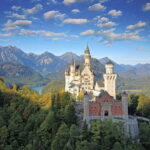
Mary’s Bridge Views: The Famous Stop (When It’s Open)
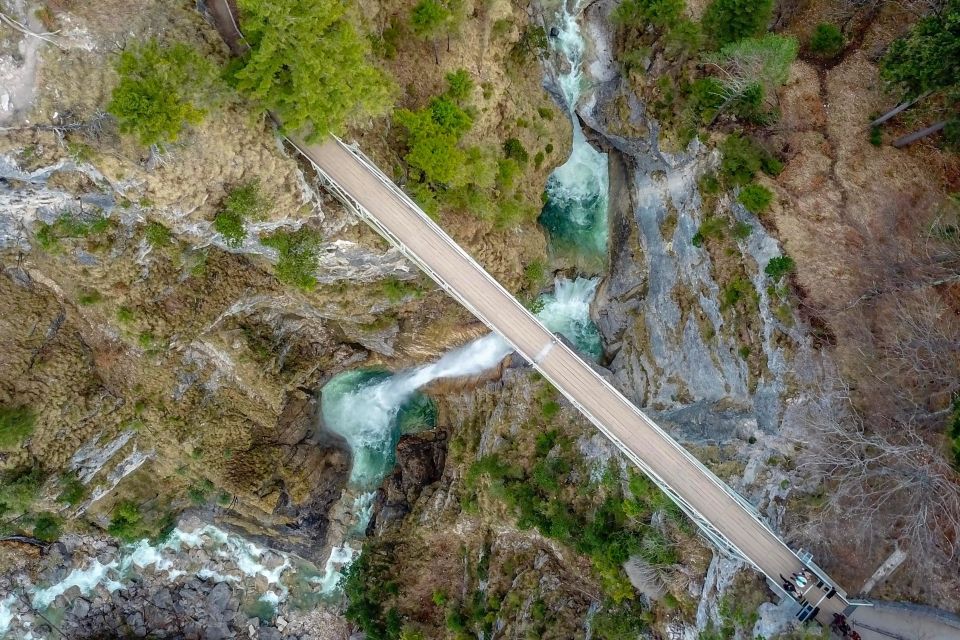
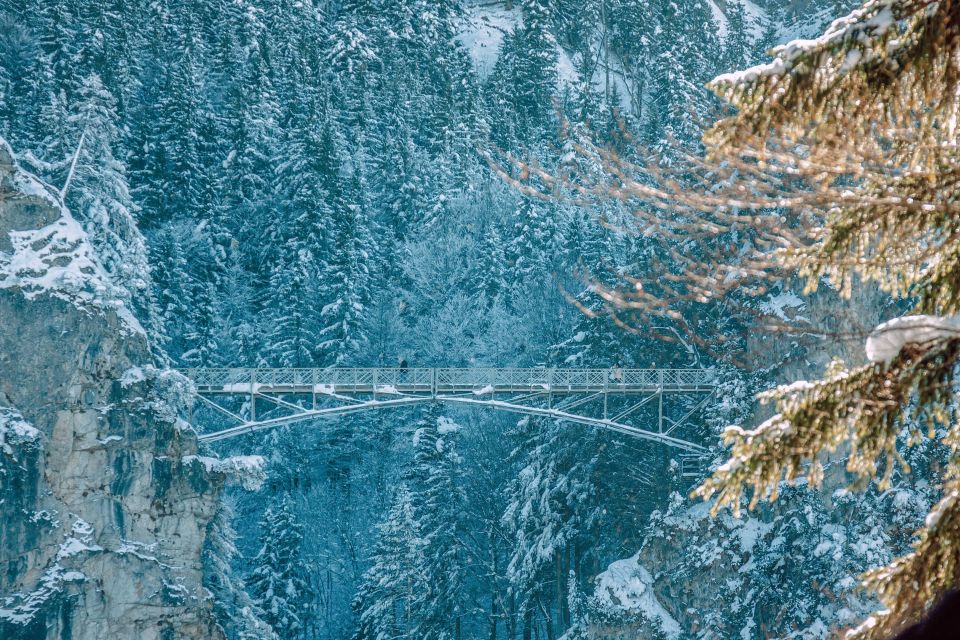
If Neuschwanstein is the headline, Mary’s Bridge is the scene-stealer. The tour includes time at the bridge so you can take in panoramic views over the surrounding valleys and mountains. On a clear day, it’s the kind of perspective that makes you understand why this area keeps showing up in postcards and films.
The important consideration is that Mary’s Bridge can be closed in winter. That doesn’t mean the day is ruined, but you should expect a possible change in how the viewpoint works. If you’re traveling in colder months, you’ll get the most value by keeping expectations flexible and listening closely to your Spanish guide about what is open and what isn’t.
This is also where your shoes matter. Even if you’re not doing a long hike, castle viewpoints and bridges tend to involve uneven ground and standing around for photos. Comfortable shoes help you enjoy the views instead of thinking about your feet.
Crossing to Linderhof: Why the Second Palace Feels Different

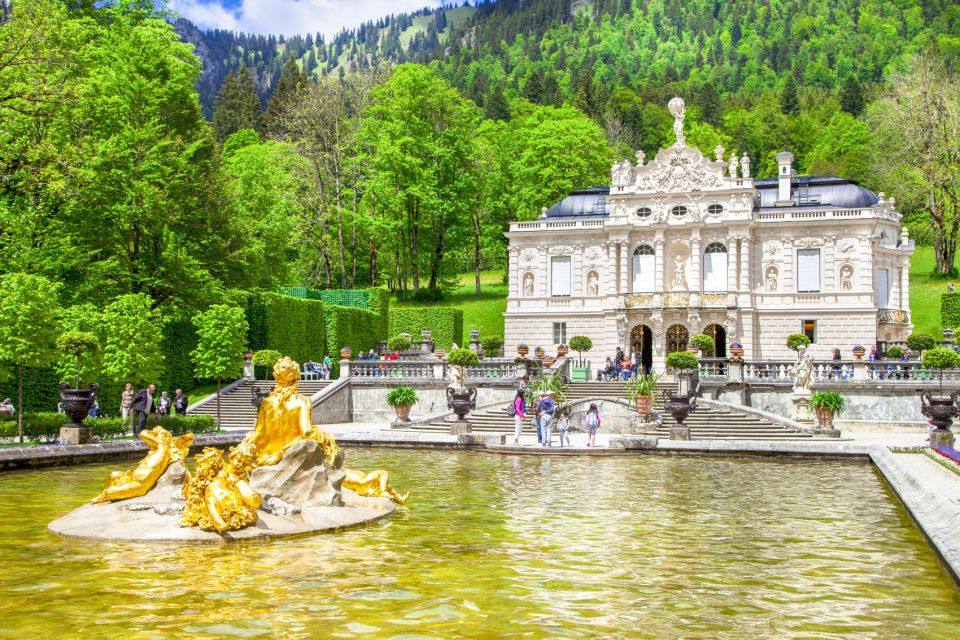
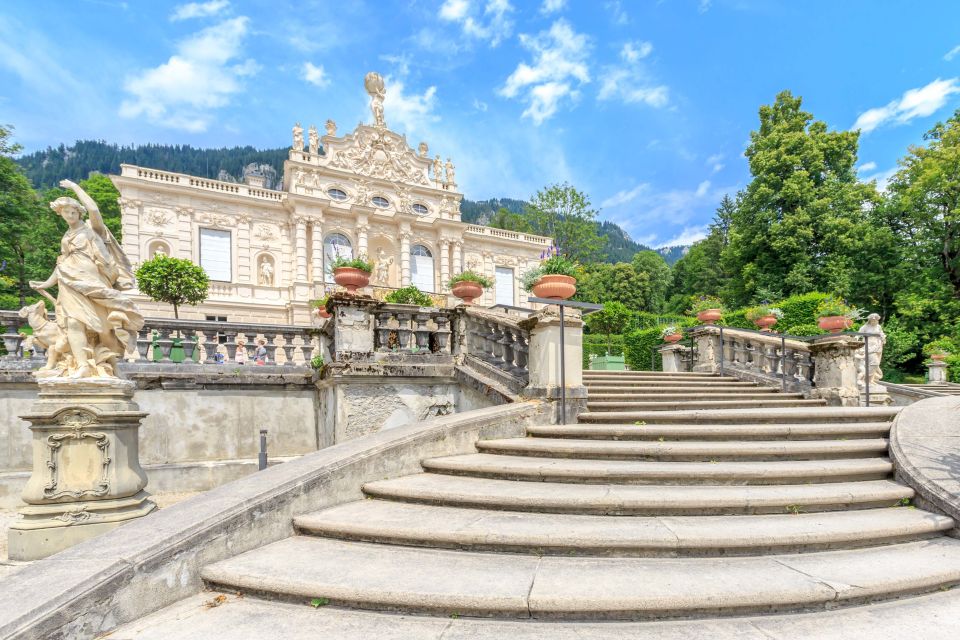
After Neuschwanstein, the day shifts gears. You’ll head across alpine valleys to Linderhof, a smaller palace than Neuschwanstein but one that still carries Ludwig II’s theatrical sense of grandeur. Linderhof is described as a Baroque jewel, and you can feel that difference right away once you arrive.
This part of the tour is valuable because it keeps you from experiencing Ludwig II as a one-note obsession. Neuschwanstein often gets all the attention. Linderhof shows another side: a palace that feels more intimate, more designed for atmosphere, and less about an instantly recognizable silhouette.
On this leg, you’ll also get the scenic alpine drive through the pre-alpine and alpine surroundings. That’s not “extra fluff.” It’s part of the reason the castles work so well. The palaces don’t sit in a vacuum; they’re built into a dramatic geography, and the views help you connect the dots between architecture and location.
Linderhof Interiors and Gardens: Where the Details Matter
At Linderhof, you’ll visit the palace itself and also see the spectacular gardens. This is where the tour’s format starts to make sense. If Neuschwanstein is about big story and big angles, Linderhof leans into pacing and detail. The gardens add another layer, giving you a place to pause between interior spaces and reset your brain before the next photo.
What’s also worth knowing: like Neuschwanstein, the Linderhof interior tickets are not included. You’ll buy them on the day from the accompanying guide, paying in EUR cash. The price is listed as €14 for adults (and €2.50 for under 18), and the ticket system includes a reservation component as well. If you hate the idea of handling cash for entry fees, plan ahead and keep it ready in your pocket before the tour starts.
The day overall is very “guided and structured,” so if you’re the type who likes to know what you’re seeing while you walk, you’ll likely enjoy the way your guide connects the palace design, the setting, and the vibe of the gardens.
How the Spanish-Only Format Changes the Day
This tour runs exclusively in Spanish, and non-Spanish speakers aren’t allowed to book. That restriction can feel picky, but it also keeps the experience smooth. You’re not waiting for bilingual summaries or getting half-translated explanations. The live guide is Spanish, and there’s also a Spanish audio guide included.
The best part of this setup is how it affects the pace. The tour is long—11 hours—and the Spanish commentary is what turns long drives into moving time instead of downtime. Based on the guide quality that stands out in the provided feedback, the experience tends to be energetic and attentive, with explanations given at a comfortable speed and with little detail points that keep you paying attention during the palace visits.
If you speak Spanish at a conversational level, this is a great match. If your Spanish is basic, it may still be workable for the visuals, but you’ll get less out of the interior storytelling and the explanations around viewpoints and gardens.

Price and Value: What You Pay Up Front vs. On the Spot
The tour price is listed as $93 per person and is about 11 hours long with private transport in a minivan/minibus and a guide included. On paper, that sounds reasonable for a full-day day trip from Munich to two major destinations.
Here’s the part you need to calculate for real value:
- Neuschwanstein interior ticket: €24 adult (and €2.50 under 18)
- Linderhof interior ticket: €14 adult (and €2.50 under 18)
- Mary’s Bridge transfer ticket: €3.00 per person
- Plus: food and drinks are not included
So you’re looking at roughly €41 extra per adult on top of the tour price, before any spending on snacks or drinks. Whether it feels like a deal depends on how you compare alternatives: doing this independently often costs you time, transport hassle, and the stress of coordinating separate entry reservations.
What makes the extra money feel justified is the convenience: round-trip transport, two palace stops in one day, and a guide handling the flow so you’re not wandering between locations trying to piece it together.
One logistics detail that affects value: ticket payment must be in cash in EUR (no credit card). If you arrive without euros or forget cash, you can waste time dealing with an ATM situation. That’s the kind of friction you should avoid.
Getting There Without Stress: Karlstor Gate Matters
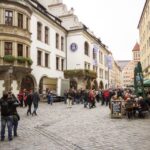
A small detail can make a day trip feel smooth or chaotic. Your meeting point is specific: under Karlstor Gate (at Karlsplatz), about 15 minutes before the activity starts. The guide is waiting there, and you’re told not to look for or get on any buses.
At the end of the tour, you return back to the same meeting point. That’s helpful if you’re trying to keep the rest of your Munich day simple—no complicated transfers back to the city center.
What to bring is also straightforward:
- Passport or ID card
- Comfortable shoes
And what not to bring (because it can affect how you’re handled by the vehicle or at stops): large bags, oversize luggage, weapons or sharp objects, and pets. Food and drinks are also not allowed in the vehicle, so plan to eat outside the transport portion.
Who This Tour Suits Best (And Who Should Skip It)
This is best for you if you:
- Want two Ludwig II palaces in one long day instead of picking just one
- Speak Spanish enough to enjoy explanations (live guide and Spanish audio)
- Prefer having transport and pacing arranged rather than dealing with tickets and logistics yourself
Skip it if:
- You don’t speak Spanish (the tour is not open to non-Spanish speakers)
- You need wheelchair access or have mobility impairments, since the tour is not suitable for wheelchair users or people with mobility impairments
If you’re visiting in winter, also consider that Mary’s Bridge can be closed, so your viewpoint plan might be different than a summer version.
Should You Book This Munich to Neuschwanstein & Linderhof Tour?
Book it if you want a full-day, guided, Spanish-language tour that gives you interiors at both Neuschwanstein and Linderhof, plus the big alpine viewpoints—without you coordinating multiple pieces yourself. The structure, private transport, and guide-led storytelling can make a long day feel efficient rather than tiring.
Don’t book (or at least think twice) if Spanish isn’t your comfort zone, or if you strongly dislike paying key entry fees in EUR cash on the spot. And if you’re traveling in winter, know that Mary’s Bridge may not be available.
If you’re ready for a long but well-guided day, this is a practical way to experience Ludwig II in Bavaria—castle, palace, gardens, and those alpine views all in one sweep.
FAQ
Is this tour available for non-Spanish speakers?
No. This tour is exclusively in Spanish and is not open to travelers who do not speak Spanish.
What’s included in the price?
The tour includes private transportation in a minivan/minibus and a guide. A Spanish audio guide is included as well.
Are the Neuschwanstein and Linderhof tickets included?
No. Tickets for the interior of Neuschwanstein and Linderhof are not included in the tour price.
How much are the castle tickets?
Neuschwanstein interior ticket price is €24 for adults (and €2.50 for under 18). Linderhof ticket price is €14 for adults (and €2.50 for under 18). These are purchased on the day of the tour from the accompanying guide.
Can I pay for tickets by credit card?
No. Payment for tickets is only possible in cash, and in EUR (no credit card).
Do I need a separate ticket for Mary’s Bridge?
Yes. Bridge transfer tickets are €3.00 per person. Also, Mary’s Bridge can be closed in winter.
Where do I meet the guide in Munich?
Meet under Karlstor Gate at Karlsplatz about 15 minutes before the activity starts. Look for the guide waiting under Karlstor Gate, not a bus.
How long is the tour?
The duration is listed as 11 hours (starting times depend on availability).