REVIEW · MUNICH
Third Reich Tour Munich
Book on Viator →Operated by Go Tours Munich · Bookable on Viator
Munich tells a dark story on foot. This Third Reich Tour Munich follows the Nazi rise through real street-level locations, from the Isartor Gate area all the way to Königsplatz. The pacing is built around seeing how propaganda, rallies, and key meetings shaped the city’s role in world events.
Two things I really like: first, you get expert guidance that ties each stop to the bigger narrative (so it does not feel like random landmarks). Second, the group is capped at 20 travelers, so questions actually get answered and you can keep up without feeling herded. If you want a story you can walk through block by block, this format works.
One consideration: this is heavy material. You’ll visit memorials for victims and see sites tied to arrests, speeches, and political violence, so go in with the right mindset and energy.
In This Review
- Quick hits before you go
- Why this Third Reich Tour Munich hits differently than a museum stop
- Route logic: meeting at Isartor, ending at Königsplatz
- Isartor Gate: the tour starts where Munich’s old center still breathes
- Sterneckerbräu: where the Nazi Party prototype began taking shape
- Hofbräuhaus: propaganda meets crowds at the iconic beer hall
- Feldherrnhalle: the Beer Hall Putsch site and why monuments matter
- Platz der Opfer des Nationalsozialismus: a necessary pause for victims
- Führerbau: Hitler’s Munich offices and the 1938 Munich Agreement connection
- Königsplatz: architecture turned into a stage for mass rallies
- Guides make or break it: Jamie Buckley and Kaevan’s style
- Price and value: $34.73 for a 2.5-hour city storytelling walk
- Logistics that matter (and what to bring)
- Who should book this Third Reich Tour Munich?
- Should you book this tour?
- FAQ
- How long is the Third Reich Tour Munich?
- Where does the tour meet and where does it end?
- Are there admission fees for the stops?
- How many people are on the tour?
- Do I need a printed ticket?
- Is it easy to get back into the city after the tour ends?
- Can I bring a service animal?
- Can I cancel for a full refund?
Quick hits before you go
- Small group, question-friendly pace with a max of 20 people
- From Isartor to Königsplatz, ending right where Munich’s postwar transit is easy
- Stops focused on “how it happened,” not just dates and uniforms
- Beer-hall origins at Sterneckerbräu and Hofbräuhaus, explained clearly
- A required pause for victims at Platz der Opfer des Nationalsozialismus
- Führerbau and the 1938 Munich Agreement connection, placed in context
Why this Third Reich Tour Munich hits differently than a museum stop
Some tours toss dates at you and call it history. This one is different because it connects Nazi-era power to specific corners of Munich—places where speeches were made, crowds gathered, and symbols were built on purpose.
It also avoids a common trap: turning everything into a generic “bad things happened” lecture. Instead, you walk a chain of locations tied to the rise of the movement, its public performance, and the consequences that followed.
And yes, you’ll be outdoors a lot. That can be a plus. Munich street scenes add a layer you can’t get behind glass.
You can also read our reviews of more tours and experiences in Munich.
Route logic: meeting at Isartor, ending at Königsplatz
You start at Isartor Gate (Tal 50, 80331 München) and finish at Königsplatz (Königsplatz 1, 80333 München). That start-to-finish flow matters because you end in the same area where the Nazis staged public power.
The walk is also practical for getting back into your day. From Königsplatz Station, you can take the U2 one stop to Central Station in about a minute. If you prefer surface options, buses and trams are nearby too. And if the weather is good, you can walk back to Munich’s Old City in under 15 minutes.
If you’re trying to group your itinerary, this tour works well as a morning or afternoon block. It sets context for the rest of the city.
Isartor Gate: the tour starts where Munich’s old center still breathes
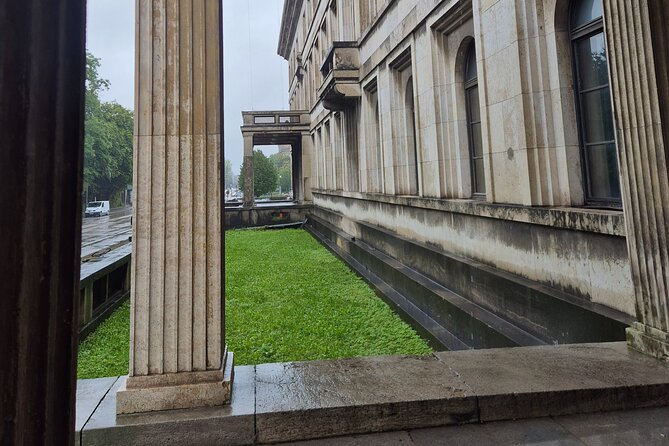
You meet at Isartor Gate first, with a short stop to orient yourself. Think of this as the “set the map” moment. From there, the tour moves into sites tied to the earliest Nazi organizing in Munich.
This part is quick, but it helps you settle into the theme: these weren’t distant events. They took place in places people passed, visited, and talked about.
If you tend to wander off and later wish you had a plan, do yourself a favor and pay attention right at the start. It saves you confusion later.
Sterneckerbräu: where the Nazi Party prototype began taking shape
At Sterneckerbräu, you visit a former beer hall tied to early organizing—described here as the place where a prototype Nazi Party was founded. This stop matters because early political movements often need ordinary meeting rooms and familiar venues, not only grand stages.
You’ll hear how Adolf Hitler and his followers used this kind of location as a starting point for building support in Munich. The key takeaway is how quickly a movement can go from small meetings to large public presence once it finds the right places and messaging.
This is also a good stop for questions. If you’re unsure how beer halls became political theaters, your guide should be able to connect the dots in plain language.
Hofbräuhaus: propaganda meets crowds at the iconic beer hall
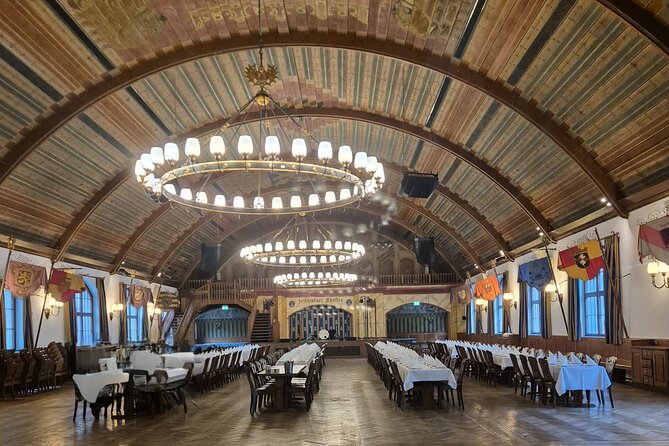
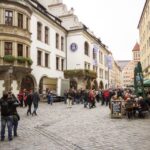
Next comes Staatliches Hofbräuhaus—one of Munich’s best-known beer halls. Here, the focus is on how Adolf Hitler held early meetings connected to the Nazi Party, and how gatherings drew bigger crowds as the movement gained momentum.
This is where you start to see the machinery of public persuasion. A beer hall is already a crowd magnet. Turn it into a political platform, and you get a ready-made audience—plus the social pressure of being seen there.
A practical note: even though the tour’s stops are admission ticket free, you may still want to treat the Hofbräuhaus area as a busy zone. Dress for walking and keep your group position in mind when crowds move.
Feldherrnhalle: the Beer Hall Putsch site and why monuments matter
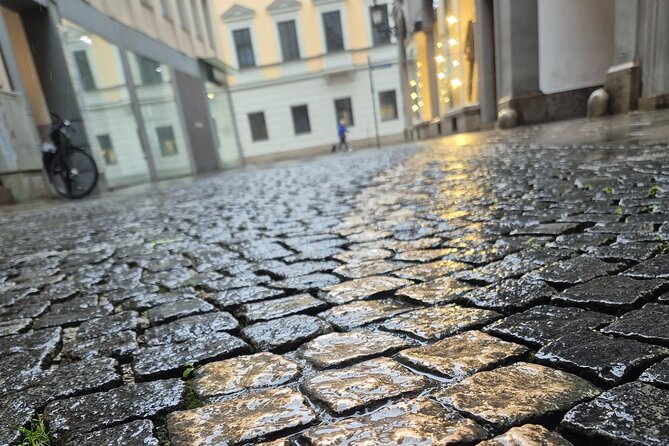
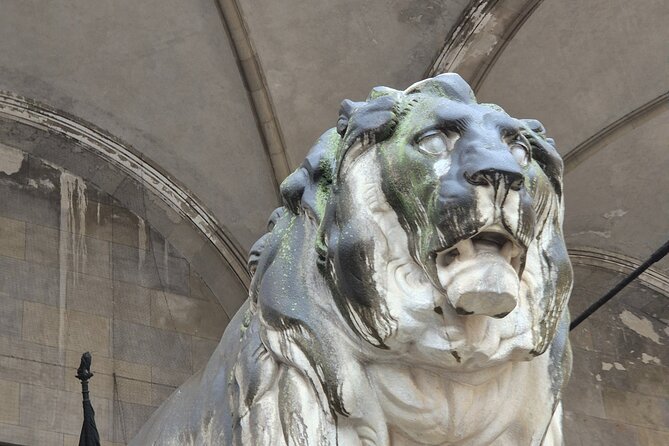
At Feldherrnhalle, you visit the site linked to the failed Beer Hall Putsch in 1923. The story here is more than the event itself. The tour explains how the location became a symbol after the clash between Nazi supporters and Bavarian police.
Monuments are not neutral. They are designed to tell you what to remember. That’s the point of this stop: you see how the Nazis tried to convert a failed attempt into a myth of sacrifice and destiny.
If you’re someone who likes cause-and-effect, this is one of the most important moments on the walk. It shows how movements survive setbacks by reshaping how people interpret what happened.
Platz der Opfer des Nationalsozialismus: a necessary pause for victims
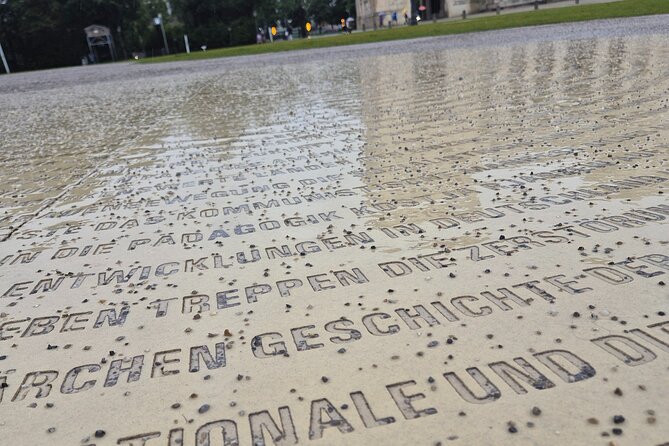
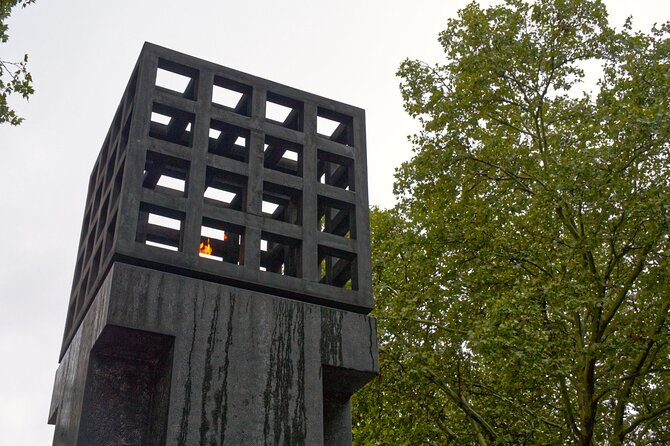
Then the tour shifts tone at Platz der Opfer des Nationalsozialismus, a memorial dedicated to people persecuted by the Nazi regime. You’ll pay tribute at the memorial, including the eternal flame feature noted at this stop.
This segment is solemn by design. It matters because it pulls the focus back to consequences for real humans—far beyond political storytelling.
If you’re sensitive to heavy topics, plan to slow down here. Take a breath. Let the meaning land before you move on.
Führerbau: Hitler’s Munich offices and the 1938 Munich Agreement connection
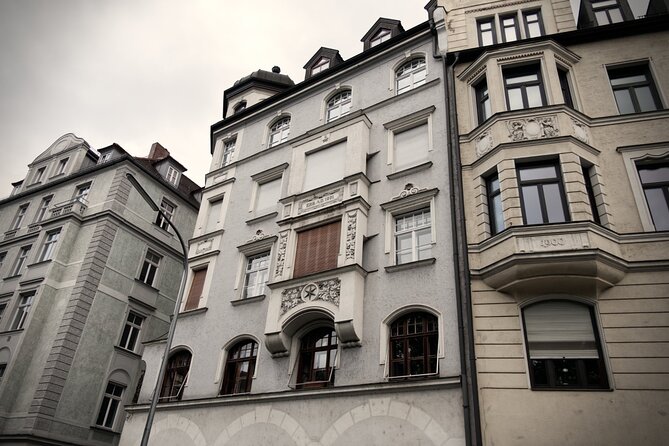
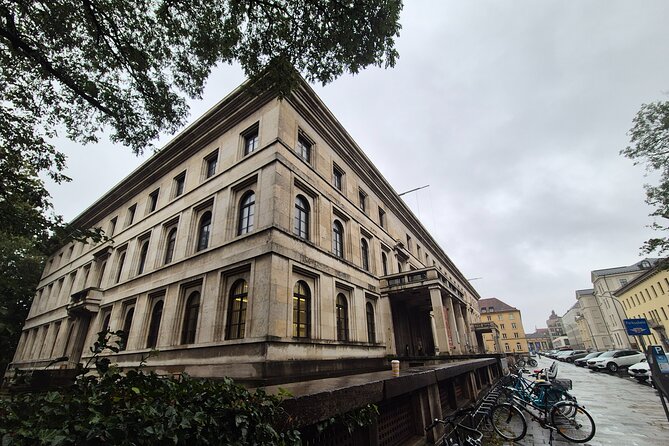
Next is the Führerbau area, described as Hitler’s official offices in Munich. The tour connects this building to meetings with high-ranking officials and key decisions.
The detail that really anchors this stop is the mention that significant events occurred here, including the signing of the Munich Agreement in 1938. For many history lovers, that single fact helps the building feel less like a “symbol” and more like a working location where decisions were made.
This is also where the tour’s “insider knowledge” element earns its keep. The goal is to help you understand why the building’s role is remembered—and how Munich became part of the machinery of major European events.
Königsplatz: architecture turned into a stage for mass rallies
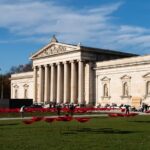
Finally, you reach Königsplatz. This grand square is where the Nazis transformed public space into a stage for mass rallies and military parades, using architecture to project power and control.
The tour explains how the regime used Königsplatz for propaganda: public ceremonies and even book burnings are included in the discussion at this stop. That last detail is especially telling. It shows how censorship and fear traveled through everyday public theater.
When you stand there, you can feel why squares like this get used by governments. It’s not just a location. It’s an amplifier.
Guides make or break it: Jamie Buckley and Kaevan’s style
This tour is guided, and the quality shows in the way the story is told. The guides named in past departures include Jamie Buckley and Kaevan—and both are described as strong on depth and context.
What I like about this approach is the combination of knowledge and pace. One guide is praised for stitching the street-level locations into a clear story as you walk. Another is noted for keeping a steady rhythm, encouraging you to notice what’s included while still allowing time to absorb extra details on the side.
That pace matters on a topic like this. Too fast and you miss the connections. Too slow and you lose momentum. This tour aims for the middle ground—enough context to make sense, not so much that you glaze over.
Price and value: $34.73 for a 2.5-hour city storytelling walk
The price is $34.73 per person for about 2 hours 30 minutes, and each stop lists admission ticket free. For me, that makes it easier to justify than tours where you pay a big base fee plus museums on top.
You’re paying mainly for two things: (1) guided interpretation that turns buildings into a readable narrative, and (2) a compact route that runs from Isartor to Königsplatz without you needing to figure out the connections on your own.
Booking tends to happen ahead—on average 7 days in advance—so if you want a specific day, I’d plan early rather than waiting until the last hour.
Logistics that matter (and what to bring)
This is set up as an easy “show up, scan, walk” experience. You’ll get a mobile ticket, and service animals are allowed. The tour is also near public transportation, which helps if your day is otherwise packed.
Because you’ll be outside for multiple stops, I’d treat it like a normal city walk tour:
- Wear comfortable shoes with decent grip.
- Bring a layer if Munich weather is cold or changeable.
- Keep your phone charged if you rely on the mobile ticket.
Group size is limited to 20, so you won’t feel swallowed by a crowd, but you should still stay with the group when the guide moves you between sites.
Who should book this Third Reich Tour Munich?
Book it if you’re a history-minded traveler who wants more than headlines. You’ll like it if:
- You enjoy learning how movements build support through real public spaces.
- You want the narrative connected to specific Munich locations.
- You prefer a guided walk where questions are welcome.
It’s also a good match for travelers who don’t want to spend a day hopping between museums. This tour focuses on key Nazi-era sites across the city’s layout.
If you’re traveling with someone who finds this topic too dark for casual sightseeing, consider doing it earlier in the trip. You can process what you learned, then shift gears to lighter parts of Munich afterward.
Should you book this tour?
Yes, if you want a structured, guided walk through the Nazi-era Munich story that connects locations to actions, symbols, and consequences. The combination of a small group, expert commentary, and a finish at Königsplatz (easy to transit from) makes it practical.
No, if you’re looking for a casual sightseeing loop or you’re not ready for memorial stops and the darker parts of 20th-century history. This tour covers that terrain head-on.
FAQ
How long is the Third Reich Tour Munich?
The tour lasts about 2 hours 30 minutes.
Where does the tour meet and where does it end?
You meet at Isartor Gate, Tal 50, 80331 München, Germany, and the tour ends at Königsplatz 1, 80333 München, Germany.
Are there admission fees for the stops?
The tour lists admission ticket free for the stops, so you are not paying entry tickets as part of this activity.
How many people are on the tour?
The tour has a maximum of 20 travelers.
Do I need a printed ticket?
No. The tour uses a mobile ticket.
Is it easy to get back into the city after the tour ends?
Yes. From Königsplatz Station, you can take the U2 U-Bahn to Central Station (one stop, about one minute). Buses and trams are also nearby, or you can walk to Munich Old City in less than 15 minutes.
Can I bring a service animal?
Yes, service animals are allowed.
Can I cancel for a full refund?
Yes. You can cancel up to 24 hours in advance for a full refund. If you cancel less than 24 hours before the start time, the amount you paid is not refunded.