REVIEW · MUNICH
Munich: Eisbachwelle River Surfing Experience
Book on GetYourGuide →Operated by Travel Costa Rica -Worldwide Experiences · Bookable on GetYourGuide
A surf wave in the middle of Munich is the real plot twist. This Eisbachwelle experience puts you at a standing river wave right by the Englischer Garten, with technique help from Max and a setup built for cold-water river conditions.
What I like most: the trip is built for beginners and intermediate surfers, and you get all equipment included (including a proper wetsuit and soft-top board). One thing to consider: river surfing here is technical, and you’re in icy water near a public river flow where you must follow safety rules and accept a degree of risk.
In This Review
- Key highlights that matter
- Why the Eisbachwelle wave is Munich’s must-see surf stop
- The 3-hour session: what your time is actually used for
- Gear choices that make river surfing less scary
- Cold water reality: wetsuits, booties, and pacing your nerves
- Learning the wave: what makes Eisbach technique different
- Where you’ll surf and what to do about crowds
- Price and value: what $170 buys you in real terms
- Who this experience fits best (and who should skip it)
- The guide factor: why Max-style coaching matters
- Practical tips before you go (so the 3 hours feel smoother)
- Should you book the Munich Eisbachwelle surf session?
- FAQ
- Where does the Eisbachwelle surf experience take place?
- How long is the experience?
- What time do sessions start?
- Is surfing available year-round?
- What level is this for?
- What equipment is included?
- What should I bring with me?
- Do I need to be able to swim?
- How big is the group?
- What languages are the tour guide available in?
Key highlights that matter
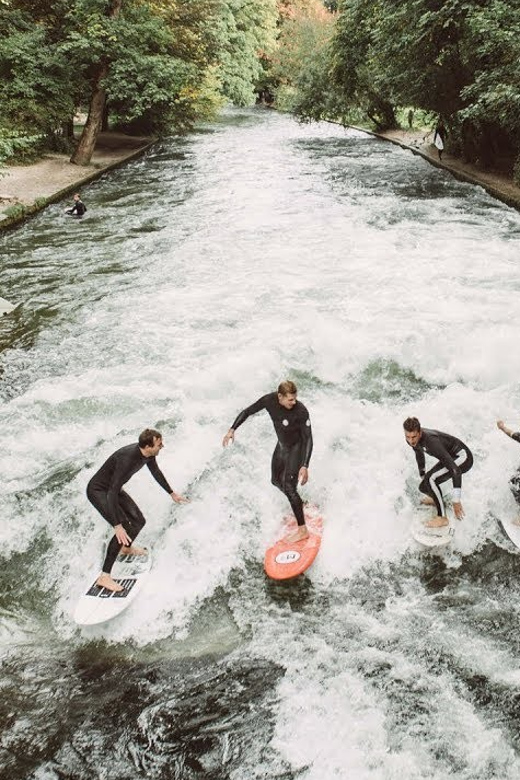
- Eisbachwelle in central Munich: next to Haus der Kunst and at the Englischer Garten edge
- All gear provided: 7’0 soft-top board, leash & fins, 5 mm wetsuit with hood, 4 mm booties, wax
- Coaching for progress: instructor tips focused on a wave that’s different every time
- Small group size (max 10): more hands-on help and better pacing
- 24/7 and all year round: yes, even when it feels cold enough to regret life choices
- Safety built into the plan: checks for upstream swimmers and guidance on exits
Why the Eisbachwelle wave is Munich’s must-see surf stop
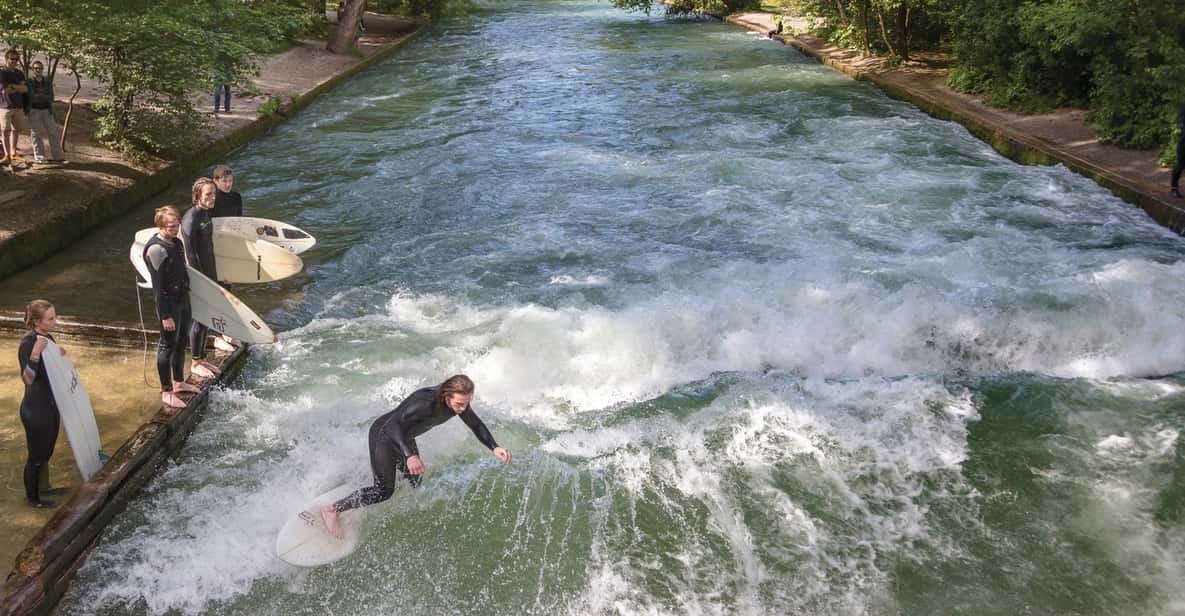
The Eisbachwelle is famous because it’s a real wave you can surf in the middle of a city park scene. The wave sits on the small, man-made Eisbach river, which is a side arm of Munich’s main river, the Isar. That location helps explain the vibe: you’re not in a remote surf spot. You’re in Munich, with cyclists, walkers, and curious spectators all around.
The surfing area is centrally located by Haus der Kunst and at the entrance to the inner-city park, Englischer Garten. That means you get something rare for outdoor sports in Europe: the convenience of being close to cultural landmarks, plus the thrill of a very physical, very local challenge.
This wave is also why river surfing became a “thing” beyond the coastline. It’s been portrayed in films and commercials and has shown up across social media for years. The key point for you: the Eisbach Wave isn’t just a novelty photo spot. It has enough character that technique and safety matter.
You can also read our reviews of more tours and experiences in Munich.



The 3-hour session: what your time is actually used for
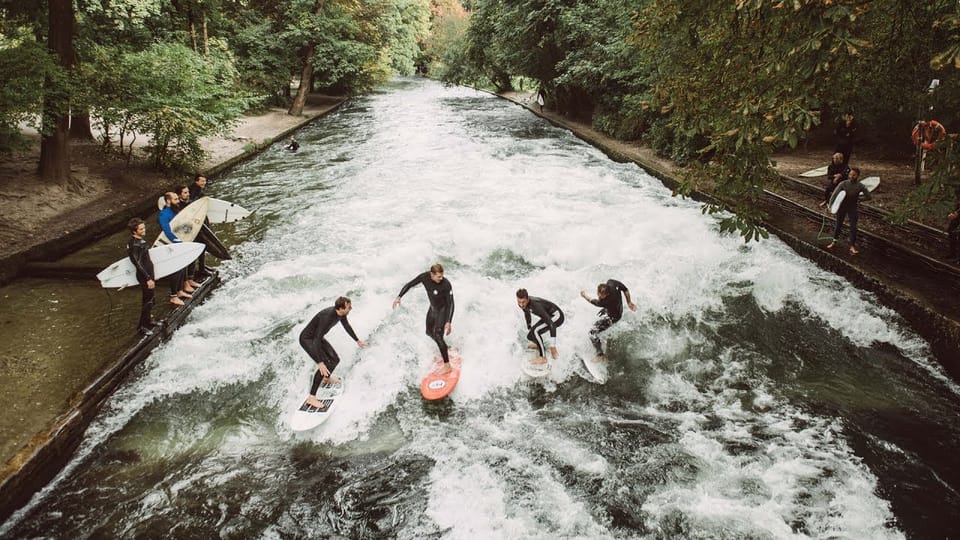
This experience runs about 3 hours, with set start times at 8am, 12pm, or 3pm. Since it’s a small group (limited to 10), the timing is designed to keep you in the water and learning, not standing around.
Here’s what your session typically centers on, in a practical order:
- Meet and get sorted: you’ll be guided to the right gear setup and sized/fit with the wetsuit and board gear.
- Technique and safety talk: because this is a river wave with swimmers and changing conditions, the instructor’s guidance is essential.
- Progress practice: you work toward catching and riding the standing wave, using the instructor’s tips to improve your timing and balance.
- Surf time with assistance: you’re not left alone. The plan includes assistance so you can focus on the surfing part.
- Wrap-up with photos and drinks: you’ll get photos, plus drinks are included to help you warm up after the cold.
You should expect the wave to feel demanding even for beginners, because river surfing is technical. The good news is the instruction is geared to your level, and the equipment is chosen to make learning safer and easier.
Gear choices that make river surfing less scary
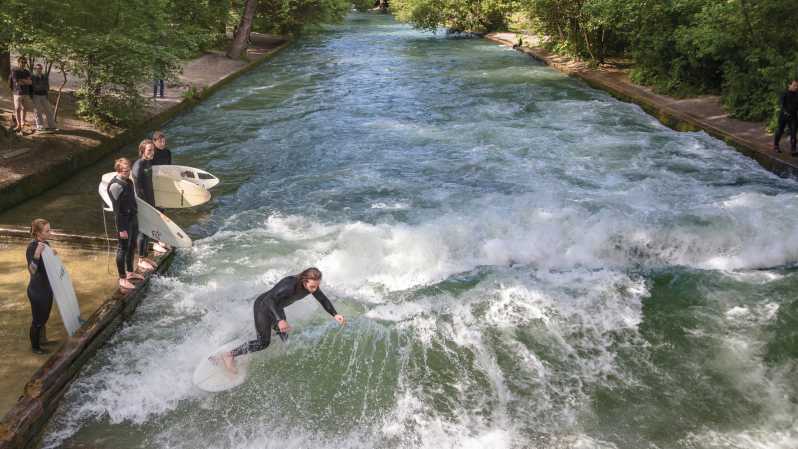
The biggest “value” here is that you don’t have to figure out the cold-water setup yourself. The experience includes everything you need for the Eisbach Wave style of surfing.
You’ll use:
- A 7’0” soft-top surfboard (with leash and fins)
- A 42” bodyboard you can try
- A 5 mm full one-piece neoprene wetsuit with an integrated hood
- 4 mm neoprene booties
- Surf wax
Soft-tops matter on this river wave. The board has more stability and buoyancy, which helps you stay confident while you learn. And if you get hit by your own board (it happens), foam boards are less likely to cause injury than harder fiberglass-style boards.
The board length guidance is also practical: they use boards with a minimum length of 6’–7’. Longer boards help with balance and catching the wave. For you, that means less struggling with your feet and more time learning timing.
Cold water reality: wetsuits, booties, and pacing your nerves
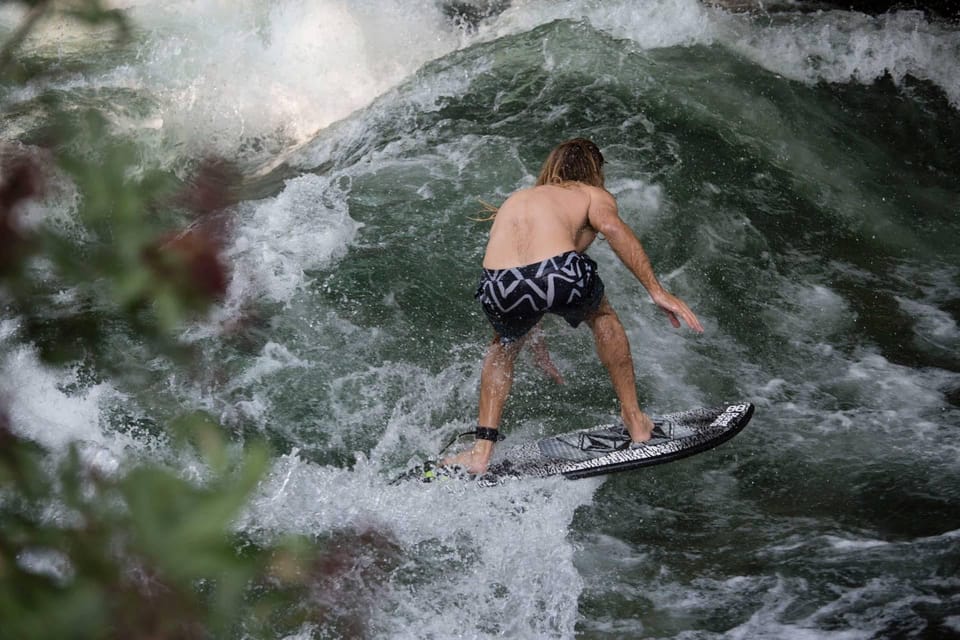
Munich river surfing can feel surprisingly brutal because you’re dealing with a river, not a warm beach break. The wetsuit setup here is meant for that reality: 5 mm neoprene with an integrated hood, plus 4 mm booties.
This is also one reason they teach technique rather than just say good luck. Wetsuits help you stay in the water longer, but the wave itself is still a balance test. Your instructor’s job is to cut down the guesswork.
One more practical thing: there’s an easy exit route if you have trouble getting out. If you can’t climb out of the canal due to injury, there’s a ramp-style exit about 100 meters downstream on the left side when looking downstream. Knowing this in advance can make you calmer when you start to feel overwhelmed.
Learning the wave: what makes Eisbach technique different
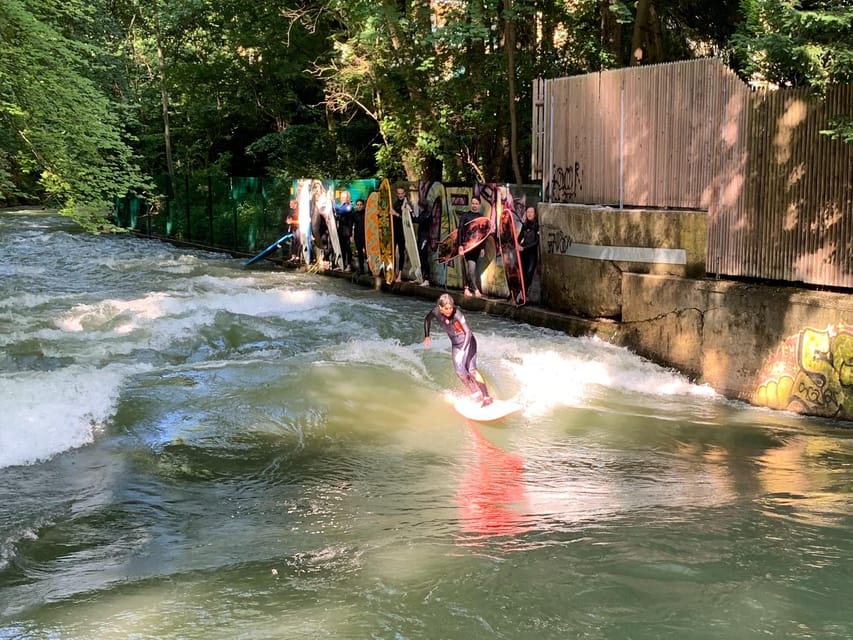
Eisbach Wave is not the same ride twice. The experience is built around that fact: each wave can demand different surfing skills and different equipment responses. That’s why the instruction emphasizes technique and not just “try harder.”
You’ll work with guidance meant for beginners and intermediate river surfers. The session is designed for surfers of different styles, and they even let you try a bodyboard. That can be a smart option if you’re still building confidence with stance and timing on a soft-top surfboard.
Safety rules are part of the technique, too. Before dropping in, you should always check upstream. Anyone coming from upstream has right of way. In summer especially, lots of people swim down the river daily. The instructor’s coaching is there to help you read the flow and make safer decisions.
Also watch for objects under water. This is a river environment, not a controlled ocean lineup. Small things can change how you feel and where you place your board.
And yes, you’re being taught practical responsibility. If you notice a swimmer who needs help getting out, you’re encouraged not to hesitate to help. That’s not just kindness. It’s part of the shared safety culture around this surf spot.



Where you’ll surf and what to do about crowds
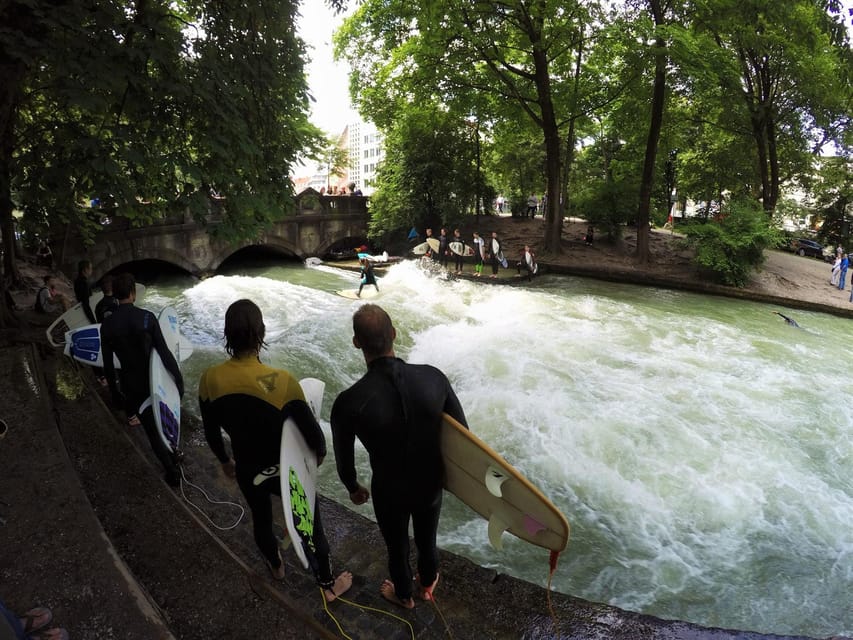
Even though this is a “surf experience,” it happens in a place people use every day. That’s what makes Eisbachwelle both exciting and slightly stressful at first.
The wave sits right by the Englischer Garten entrance and near Haus der Kunst, which means you’re not only managing your own session. You’re sharing the river space with swimmers and occasional passing surfers.
A key local rule: upstream movement matters. Before you take a set, check whether someone is approaching the wave from upstream. If you see a swimmer, you slow down and treat it like a real-life hazard, because you’re in real flow conditions.
In summer, the number of swimmers can be high. That’s why this experience stresses the upstream right-of-way and why the instructor’s eye is so helpful. For you, this means you’ll get clearer rules fast, which is exactly what you want when your adrenaline is up and your balance might be shaky.
Price and value: what $170 buys you in real terms
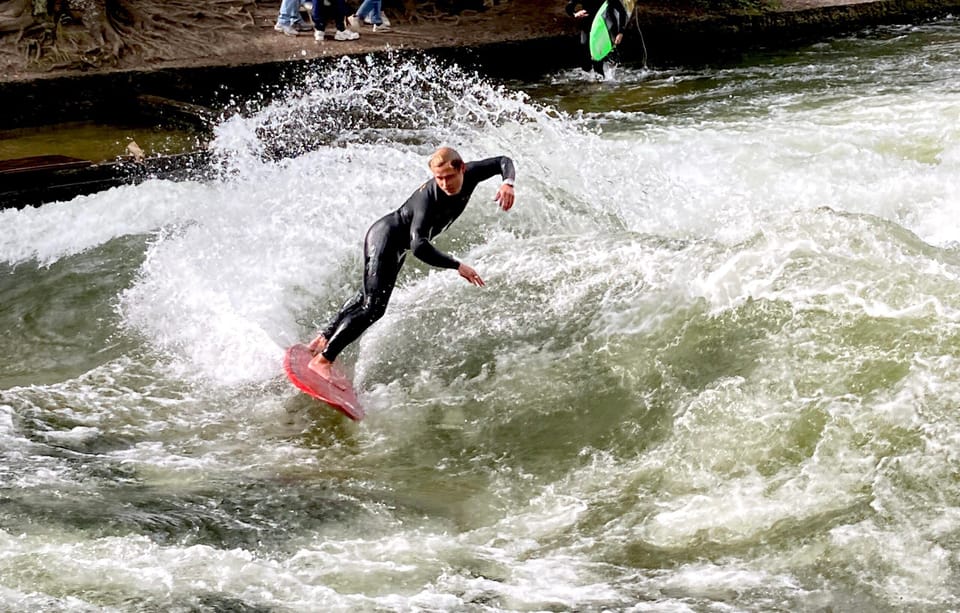
The price is $170 per person for about 3 hours. On paper, that sounds like a lot for a single activity. But river surfing often fails the “what’s included” test, and this one passes it.
Here’s the value math:
- You don’t rent gear separately
- You don’t have to buy a wetsuit setup
- You get coaching and assistance during a technical wave
- You get photos
- Drinks are included
They also keep the group small, limited to 10. That matters for value because hands-on help can reduce wasted time. In a 3-hour window, every minute counts. The equipment choice (soft-top board, wetsuit, booties) is also a big part of what makes the session achievable for beginners and intermediates.
If you’re visiting Munich and want a “this is why I came here” activity, this is one of the few sports that feels both local and memorable. You’re surfing the wave that made Munich a river-surf reference point in Europe.
Who this experience fits best (and who should skip it)
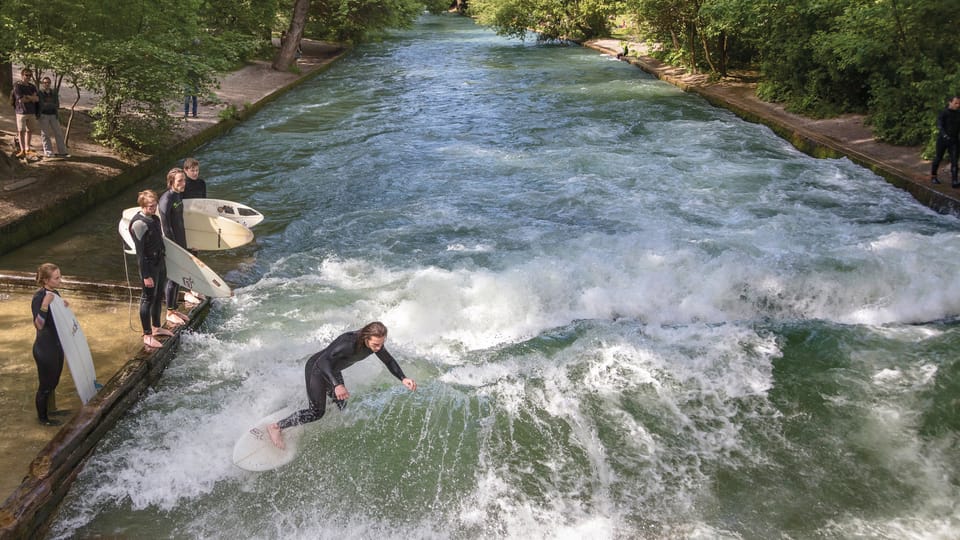
This is listed for beginners and intermediates, and they say it’s for all surfers who can handle a river wave lesson. You’ll also see that it’s not suitable for a wide range of people.
It’s not for:
- Non-swimmers
- Pregnant women
- People with mobility impairments
- Children under 18
- People with epilepsy
- People under 150 cm
- People over 275 lbs (125 kg)
If you can swim and you’re okay with technical, cold-water sport, this is a solid fit—especially if you want instruction rather than just a board rental.
You’ll also enjoy this more if you like hands-on learning. The wave is technical, and tips help you make progress faster. If you want a passive “watch people surf” outing, this won’t be your best match.
The guide factor: why Max-style coaching matters
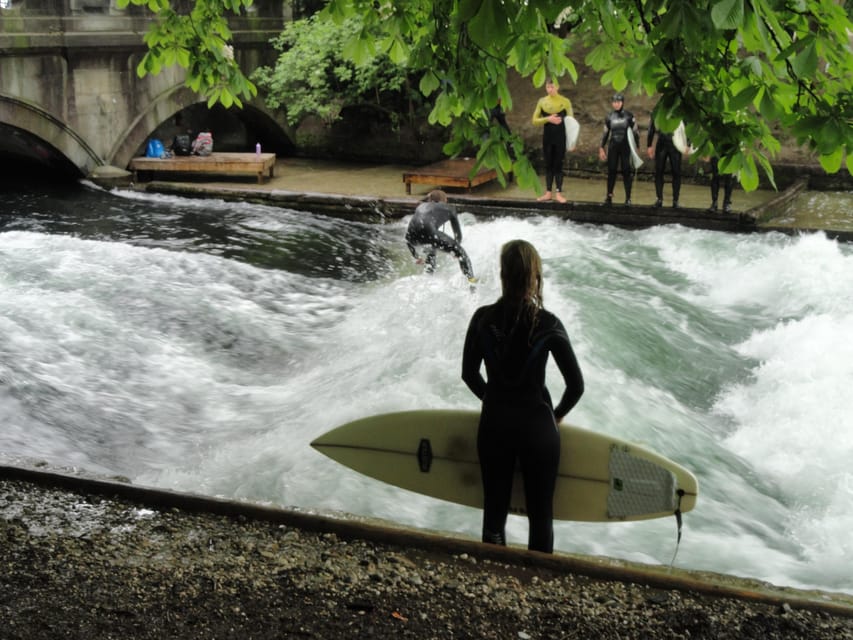
The experience credits assistance and a tour guide, and the guide name that comes up most often is Max. The recurring vibe is that the instruction is patient, professional, and easy going—the combo you want when you’re learning a risky sport in a cold, busy public setting.
That matters because river surfing isn’t like learning a gentle boardwalk skill. You’re working on balance, timing, and safety checks. A calm guide helps you focus on the wave instead of panicking in the water.
You’ll also get help that makes the session feel less awkward: getting set up, staying aware of incoming swimmers upstream, and learning how to handle the wave demands without rushing.
And because photos are included, you get something practical afterward: proof you were actually out there, not just standing on the bank taking blurry selfies.
Practical tips before you go (so the 3 hours feel smoother)
The basics that are actually worth your attention:
- Bring a passport or ID card
- Pack change of clothes
- Wear outdoor clothing that works with wetsuit season
- Bring your phone (they list a contact number and it’s useful if you need quick answers)
Also be honest with yourself about risk. The experience is recreational and can be dangerous. You should accept that there is a degree of risk and acknowledge that you participate at your own risk. This isn’t about scaring you. It’s about making sure you’re mentally prepared, because that calm mindset is part of good decision-making on the river.
Should you book the Munich Eisbachwelle surf session?
I’d book it if you want a highly local experience that combines sport and city life in one place. The central location, all gear included, and beginner-friendly coaching make it one of the more practical ways to try river surfing in Europe.
Skip it if you can’t swim, want a totally low-risk activity, or fall into any of the listed unsuitability categories. Also, if cold water will make you freeze mentally, this might feel harder than the wetsuit can fix.
If you’re a swimmer and you’re ready to learn a technical wave safely, this is a fun, memorable Munich story—one that doesn’t require chasing weather, tides, or remote surf breaks.
FAQ
Where does the Eisbachwelle surf experience take place?
It happens at the Eisbach Wave in Munich, near Haus der Kunst and at the entrance to Englischer Garten.
How long is the experience?
The duration is about 3 hours.
What time do sessions start?
Sessions meet at 8am, 12pm, or 3pm. Exact start times can depend on availability.
Is surfing available year-round?
Yes. The experience notes that surfing runs 24/7 and all year round.
What level is this for?
It’s for beginners and intermediates (river surfers), and it’s designed so all surfers at these levels can participate.
What equipment is included?
All equipment is included: a 7’0” soft-top surfboard with leash and fins, a 42” bodyboard you can try, 5 mm full wetsuit with integrated hood, 4 mm booties, surf wax, plus assistance.
What should I bring with me?
Bring a passport or ID card, change of clothes, and outdoor clothing.
Do I need to be able to swim?
Yes. It’s not suitable for non-swimmers.
How big is the group?
It’s a small group, limited to 10 participants.
What languages are the tour guide available in?
The live tour guide speaks English, German, and Spanish.