REVIEW · MUNICH
Small-Group 2-Hour Munich and The Third Reich Walking Tour
Book on Viator →Operated by Alun Evans Personal Tour Guiding Munich · Bookable on Viator
This is a tough walk, in the best way. You get a focused, small-group look at how Nazi power spread through Munich’s streets. The route is short, but the meaning is heavy.
I love that the tour is small-group (up to 15) and stays tight for about two hours, so you can actually ask questions. I also like the balance of specific sites with clear historical links, from early Nazi moves to the 1938 events tied to Jewish persecution.
One drawback: you’ll be walking through the center with no planned seating, and the subject matter is intense. If you need frequent breaks or prefer a lighter approach to WWII, this may be a hard fit.
In This Review
- Key things to know before you go
- A 2-hour walk that turns Munich’s Nazi-era landmarks into real context
- Marienplatz: where Munich’s 1938 Nazi decisions took shape
- Hofbräuhaus and the Nazi propaganda loop: speeches in everyday spaces
- Odeonsplatz: the beer hall coup and a gun battle in plain sight
- Königsplatz: the Munich Agreement site and Nazi ceremony spaces
- Price and logistics: is $60.07 worth two hours?
- Small group pacing: how this tour works in real life
- Who should book this Munich Third Reich walking tour?
- Should you book this tour?
- FAQ
- FAQ
- What language is the tour offered in?
- How long is the Munich and the Third Reich walking tour?
- Where is the meeting point for the tour?
- Does the tour include food or drinks?
- Is hotel pickup or drop-off included?
- Is admission required for the stops?
- What group size should I expect?
- Will the tour run in bad weather?
- What’s the physical requirement?
- What is the cancellation policy?
Key things to know before you go
- Up to 15 people, so the guide can keep the pace conversational instead of lecture-style
- Marienplatz as the starting anchor, walking straight into the Nazi timeline
- Stops tied to key dates like 1923 and 1938, not random “Nazi-looking” buildings
- Königsplatz includes optional documentation time, if you want to extend the learning afterward
- All-weather operation, so dress for rain and cold rather than sunshine fantasy
- No extras promised (food, drinks, hotel pickup are not included), which keeps the tour focused on the walking
A 2-hour walk that turns Munich’s Nazi-era landmarks into real context
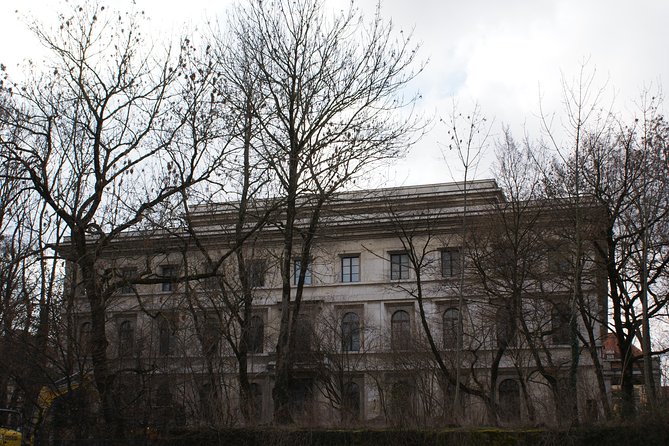
Munich’s streets can look calm and ordinary. That’s the point of this tour: you slow down and read what the city was doing at the time. This isn’t a “gawking at old buildings” route. It’s a guided path through places connected to Nazi rise, propaganda, and state violence.
You’ll cover a compact stretch of central Munich with a professional guide, starting at Marienplatz and ending back at the meeting point. The tour is about two hours, and the pace is built around short stops and explanations rather than long museum wandering.
Expect a careful, sensitive tone. The best part is that the guide doesn’t just list facts. He connects the geography to decisions that shaped real lives—so the landmarks feel less like history words and more like choices made in real places.
You can also read our reviews of more walking tours in Munich
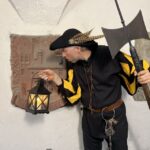
Marienplatz: where Munich’s 1938 Nazi decisions took shape
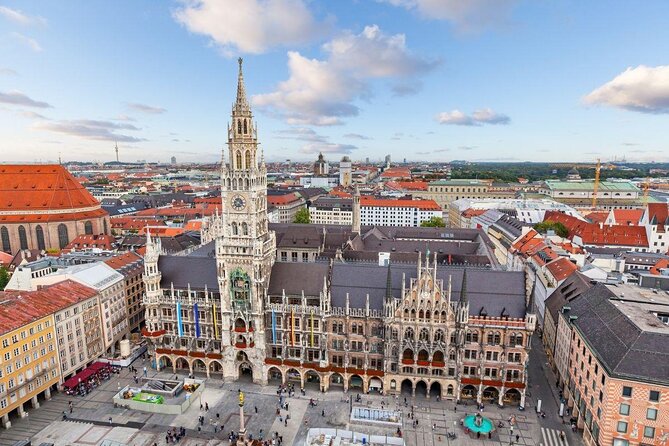
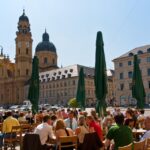
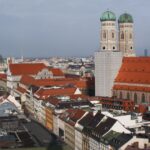
Your first stop is Marienplatz, the classic heart of Munich and the natural place to begin. From here, the guide points out locations tied to Adolf Hitler and the Nazi Party, including the old town hall in the square.
The most sobering part is the reference to 1938 and the decision to carry out a pogrom against the Jewish population of Germany. You don’t just hear that such atrocities happened. You see where power operated in the city’s center—right where people still shop, eat, and meet today.
Timing here is about 30 minutes. That’s long enough to set the framework for the whole walk, so later stops don’t feel like disconnected headlines. If you only remember one thing from this opening segment, make it this: context matters, and Munich’s central spaces were part of the story.
Practical tip: Marienplatz is busy, so stay close to the guide during the busiest moments. It’s easier for everyone when your group moves as a unit.
Hofbräuhaus and the Nazi propaganda loop: speeches in everyday spaces
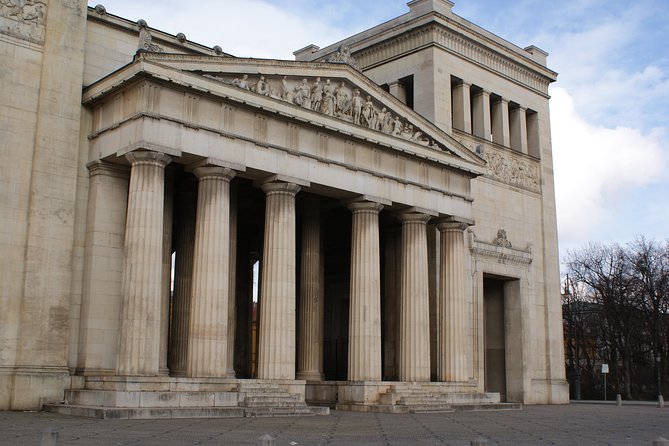
Next, you pass Staatliches Hofbräuhaus. This stop isn’t about architectural trivia. It’s about how Nazi leaders used familiar, public settings to project authority.
The tour notes that Hitler regularly gave speeches in the Hofbräuhaus. Then you connect the dots: you’ll hear how this fit into the earlier formation and public face of Nazi power, including nearby discoveries tied to the Nazi Party and SS.
This is a shorter stop (around 10 minutes). That works here, because the goal is not lingering. The goal is to keep moving through the chain of influence—how public spaces became stages for political theater.
What I like about this segment: it helps you understand how propaganda doesn’t always live in distant ruins. Sometimes it lives in places with music, crowds, and beer hall energy—until history turns the tone dark.
Odeonsplatz: the beer hall coup and a gun battle in plain sight
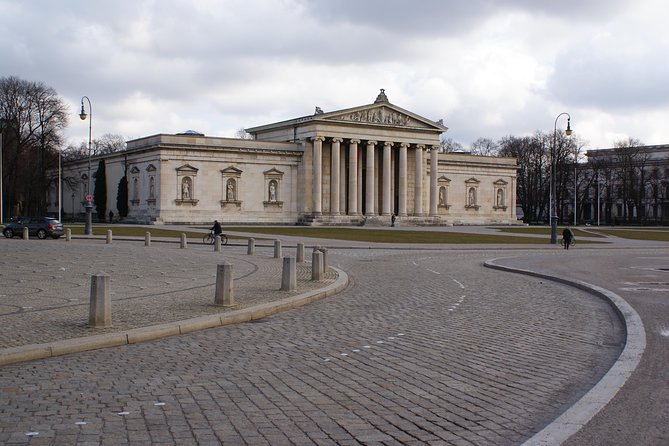
At Odeonsplatz, you get a moment of dramatic contrast. The guide points out the location where a gun battle took place between the Nazis and Bavarian police.
This event is tied to the beer hall coup of 1923. Hearing that in the open air—standing in the city center—changes how you remember it. Instead of a single line in a timeline, it becomes something that happened with streets, buildings, and crowd movement right around you.
Expect about 15 minutes here. It’s enough to understand what the battle was, why it mattered, and how it fed the Nazi narrative of struggle and legitimacy.
If you’re the kind of person who likes “how did we get from A to B,” this stop helps a lot. It’s a hinge point between early violent confrontation and later institutional power.
Königsplatz: the Munich Agreement site and Nazi ceremony spaces
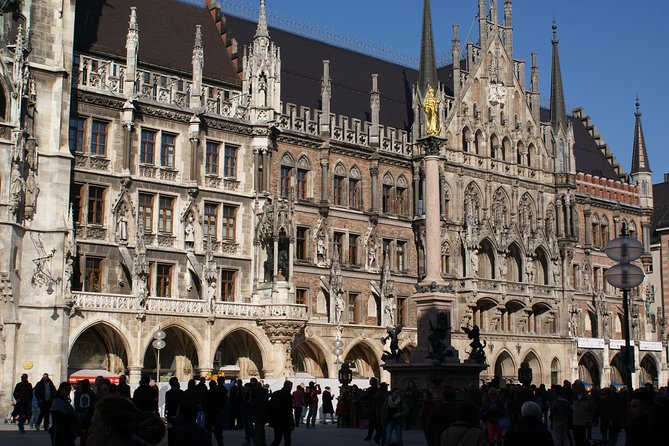
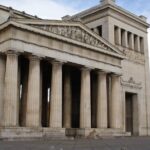
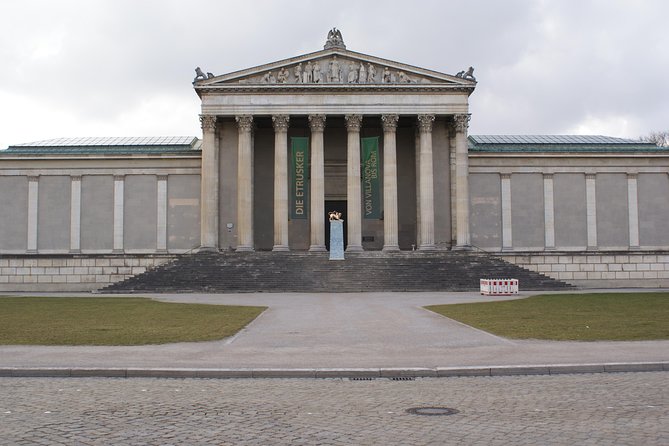
The final core landmark stop is Königsplatz. This is one of the most important places on the route because it ties together political agreements and public ceremony.
The guide explains the location connected to the Munich Agreement in 1938. Then you’re shown where Nazis conducted ceremonies honoring the 1923 failed beer hall coup. So you get two layers: official diplomacy on the one hand, and staged ritual on the other.
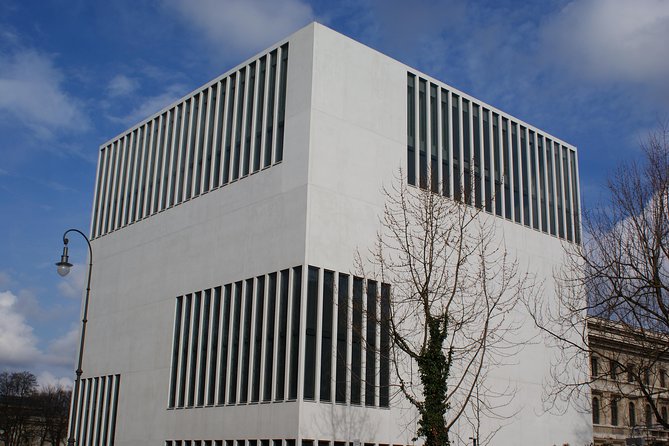
Time here is about 20 minutes, which again is enough to land the big ideas without dragging the walk into extra hours. And there’s an optional add-on: you can visit the documentation centre of National Socialism at the end of the tour if you want more.
This optional time is valuable if you like to pair guided context with a place that collects information. It gives you a natural “learning wrap-up” after the walking part, when your brain is already primed with dates, names, and locations.
A practical note: the documentation center visit isn’t guaranteed as part of the main tour flow, so decide based on your energy and time in Munich.
You can also read our reviews of more tours and experiences in Munich
Price and logistics: is $60.07 worth two hours?
At $60.07 per person for about two hours, this isn’t a bargain tour. But it also isn’t overpriced for what you get: a focused walking route, a professional guide, and a small-group cap of 15.
The value comes from the way the guide’s job is to translate the city into a usable historical map. You’re paying for that clarity, not for museum tickets or transport. In fact, food and drinks aren’t included, and there’s no hotel pickup or drop-off—so you’re showing up, walking, and learning.
Also worth noting: every listed stop has admission ticket free in the tour outline. That matters because it keeps the experience moving without surprise costs tied to entry fees.
The tour starts at 3:00 pm. If you’re planning the rest of your day, think about how you’ll get there, and build a little buffer for regrouping at a central square.
Small group pacing: how this tour works in real life
With a max of 15 travelers, you can expect a more humane pace than big-group sightseeing. The guide can point something out, watch for questions, and adjust the explanation if people look unsure.
You should still expect a walking tour. The outline calls for moderate physical fitness. That means you can do this if you’re generally comfortable walking in the city, but it’s not designed for people who need lots of rest breaks.
The tour also operates in all weather conditions, so plan like a local. Bring a jacket you’ll actually wear, not the one you pack “just in case.” Rain in Munich can be steady, and you’ll want shoes with grip.
Finally, the tour includes pickup from a designated meeting point and finishes back at that central spot. That’s convenient. It reduces decision fatigue. You don’t have to navigate transit or plan an end point after the walk.
Who should book this Munich Third Reich walking tour?
This is best for you if you want a straight, concentrated route through major Nazi-era Munich locations. It’s especially good if you’ve read a few names and dates but you’d rather see the physical setting and understand how events connected.
It also suits history-minded travelers who like questions. The tour format gives room for back-and-forth, and the guide uses the city itself as a teaching tool.
You might want to skip it if you:
- want a lighter, casual sightseeing day
- need frequent seating and long pauses
- feel overwhelmed by WWII-related topics and would rather choose a different style of tour
Should you book this tour?
Yes—if you’re ready for a sober walk with real place-based context. For the money, the best “value” is the guide’s ability to connect short time on the ground to the bigger historical story. The compact route, small group size, and clear stop-by-stop structure make it an efficient way to learn without spending your whole day in museums.
If you’re on the fence, decide based on your comfort with the topic. This is not a themed photo stroll. It’s a serious look at how Nazi power grew through Munich’s landmarks, using the city streets as the classroom.
FAQ
FAQ
What language is the tour offered in?
It’s offered in English.
How long is the Munich and the Third Reich walking tour?
The duration is about 2 hours.
Where is the meeting point for the tour?
The start meeting point is Landeshauptstadt München Stadtkämmerei, Marienplatz 8, 80331 München, Germany.
Does the tour include food or drinks?
No. Food and drinks are not included.
Is hotel pickup or drop-off included?
No. Hotel pickup and hotel drop-off are not included.
Is admission required for the stops?
The tour outline lists the stops with admission ticket free, so you typically won’t need separate entry tickets for those locations.
What group size should I expect?
The tour has a maximum of 15 travelers.
Will the tour run in bad weather?
It operates in all weather conditions, so dress appropriately.
What’s the physical requirement?
You should have moderate physical fitness since it’s a walking tour.
What is the cancellation policy?
You can cancel for a full refund if you cancel up to 24 hours in advance of the experience start time.