REVIEW · MUNICH
Munich: Old Town Culinary Tour
Book on GetYourGuide →Operated by Adventure World Tours · Bookable on GetYourGuide
Munich tastes better when you walk it. I like the mix of five tastings across the Old Town, and I especially enjoy how the guide Eddi turns Bavarian classics into stories you’ll remember while you sightsee. You’re not just eating; you’re learning why foods like pretzels, Weisswurst, and Leberkäs show up in Munich the way they do.
One thing to plan for: drinks aren’t included and seating at tastings isn’t guaranteed. That’s not a deal-breaker, but it does affect how you pace yourself during the 3 hours.
In This Review
- Key Points You’ll Care About
- Munich Old Town Food Tour: A Practical Way to Taste and See
- Where It Starts: Marienplatz, Rathaus-Glockenspiel, and Getting Oriented
- Rosenstraße 7 (15 Minutes): First Tasting and the Street-Level Munich You’d Miss
- Mariensäule Photo Stop (25 Minutes): A Landmark That Teaches More Than You Think
- St. Peter’s Church (20 Minutes): The Old Peter Angle and Easy City Photos
- Prälat-Zistl-Straße 10 (20 Minutes): Another Tasting With Bavarian Comfort
- Jüdisches Zentrum München (20 Minutes): Context Without Making It a Lecture
- Gewürze der Welt (20 Minutes) and the Spice Mindset
- Behindertenparkplatz (20 Minutes): Yes, the Name Gets Attention
- Viktualienmarkt (25 Minutes): Market Energy and a Taste That Feels Local
- Dreifaltigkeitspl. 1A (30 Minutes) to the Finish: Last Bites and Strong Memories
- What You Actually Eat: Bavarian Classics and a Few Clever Twists
- Value and Price: Is $51 a Good Deal?
- Practical Tips Before You Go
- Should You Book This Munich Old Town Culinary Tour?
- FAQ
- How long is the Munich Old Town Culinary Tour?
- How many food tastings are included?
- What is the meeting point for the tour?
- What language is the tour guide speaking?
- Are drinks included in the price?
- Is there guaranteed seating during tastings?
- What’s included besides the tastings?
Key Points You’ll Care About
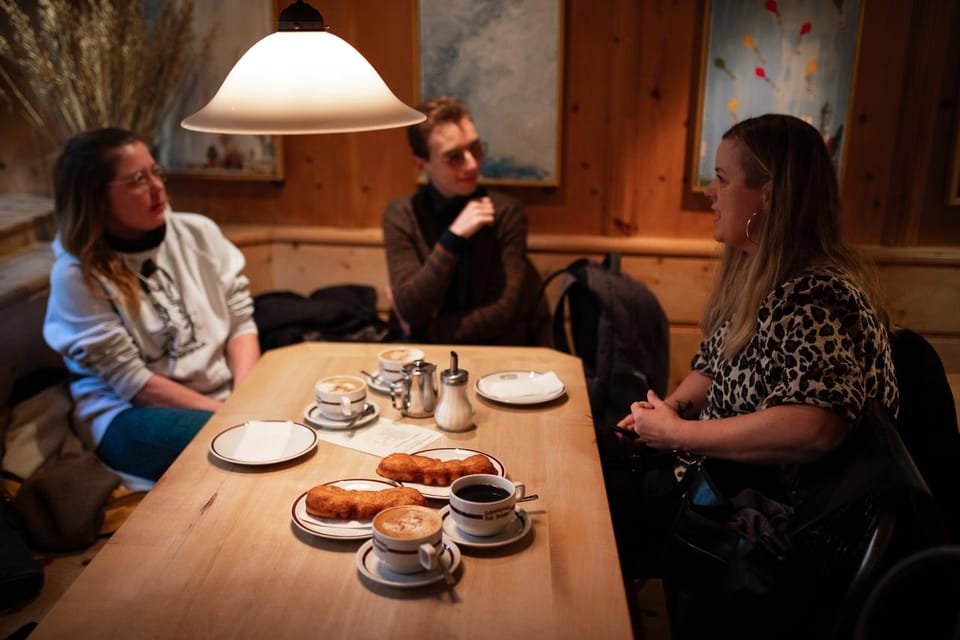
- Five stops, five tastings across Munich’s historic center
- Bavarian food origins + myths told by the German-speaking guide
- Classic photo-and-story sights like Marienplatz, St. Peter’s Church, and more
- Market energy at Viktualienmarkt with an easy Old Town finale
- A mix of savory and sweet bites, including spice and chocolate options
- No drinks included, so you’ll want to think about hydration
Munich Old Town Food Tour: A Practical Way to Taste and See
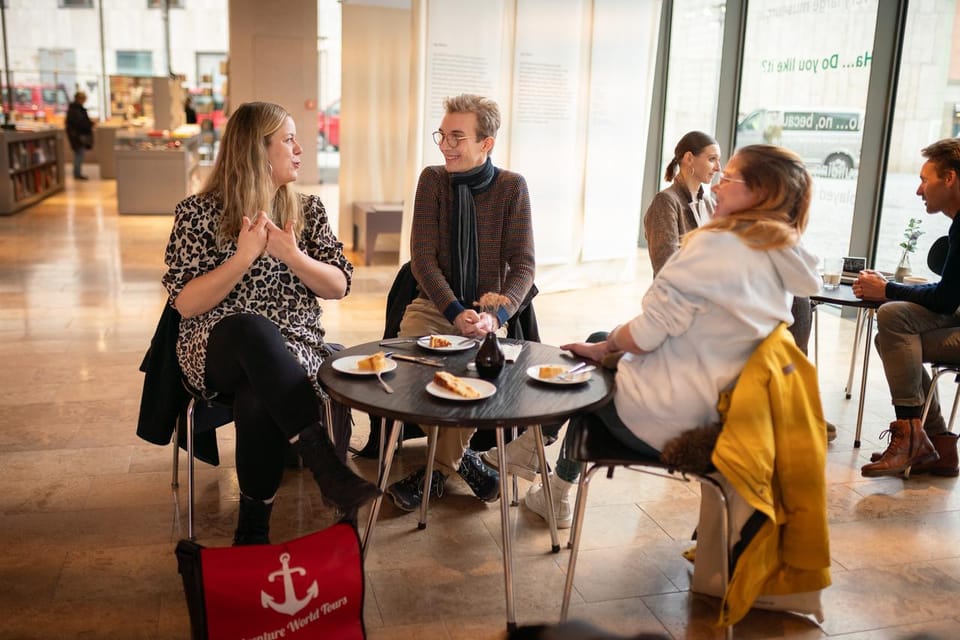
This is the kind of tour that works fast. In just 3 hours, you get a guided walking route through Munich’s core plus several food moments placed exactly where you’d rather not wander blindly. If you’ve ever looked at menus and thought, I want the local stuff, but I don’t know what to order, this solves that problem.
What you’re paying for isn’t only food. It’s context. You’ll hear how Bavarian food habits formed and how traditions shaped what people eat today. And you’ll do it while moving between landmarks you’ll likely pass anyway, including some of the postcard-famous spots in the Old Town.
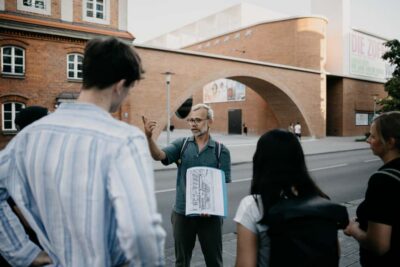
There’s also a human side. In the experience, the guide leans on funny legends, persistent myths, and little details that make the city feel less like a museum and more like a place where people actually live.
You can also read our reviews of more tours and experiences in Munich.

Where It Starts: Marienplatz, Rathaus-Glockenspiel, and Getting Oriented
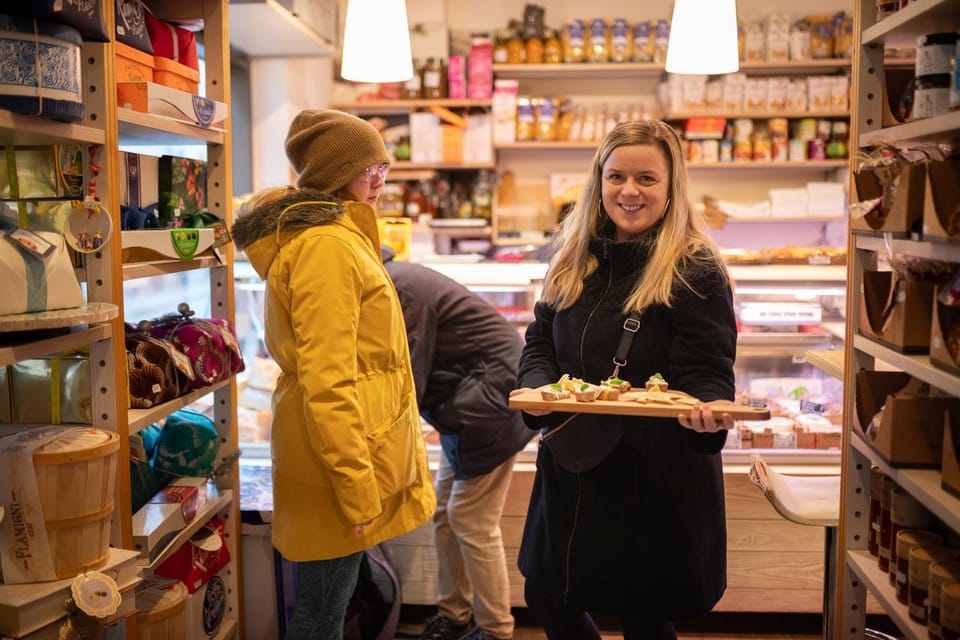
You meet at Marienplatz 8, down at the entrance to the Glockenspielturm. This is a smart starting point because you’re right in the visual center of Munich. Marienplatz is one of those squares where it’s easy to look around and feel lost in all the details—until someone gives you a route and a reason to care.
From the first minutes, your guide sets the tone: a walking pace that keeps you moving, but not rushing. Expect a guided beginning that links the food theme to what you’re seeing in the square area. It’s the kind of start that helps you get your bearings fast, without making you feel like you’re studying.
You’ll also see the area around the Rathaus-Glockenspiel, which is one of the most recognizable features here. Even if you’ve seen photos before, standing in the square changes the scale and the atmosphere.
Rosenstraße 7 (15 Minutes): First Tasting and the Street-Level Munich You’d Miss
Your first real stop is Rosenstraße 7, where you’ll get about 15 minutes of guided sightseeing and a food tasting. This part matters because it’s where the tour stops being a landmark loop and starts being a food crawl with a story.
Why this stop is a good early move: you get a quick introduction to the local food style before you get pulled into the bigger churches and squares. The guide’s explanations help you connect what you’re tasting to what you’re going to hear later about Bavarian food culture.
If you’re trying to figure out what to eat in Munich, this first tasting sets your baseline. You’re learning the difference between foods that are everyday comfort and foods that are more “Munich-specific,” including the savory leaning that shows up in classics like Leberkäse.
Mariensäule Photo Stop (25 Minutes): A Landmark That Teaches More Than You Think
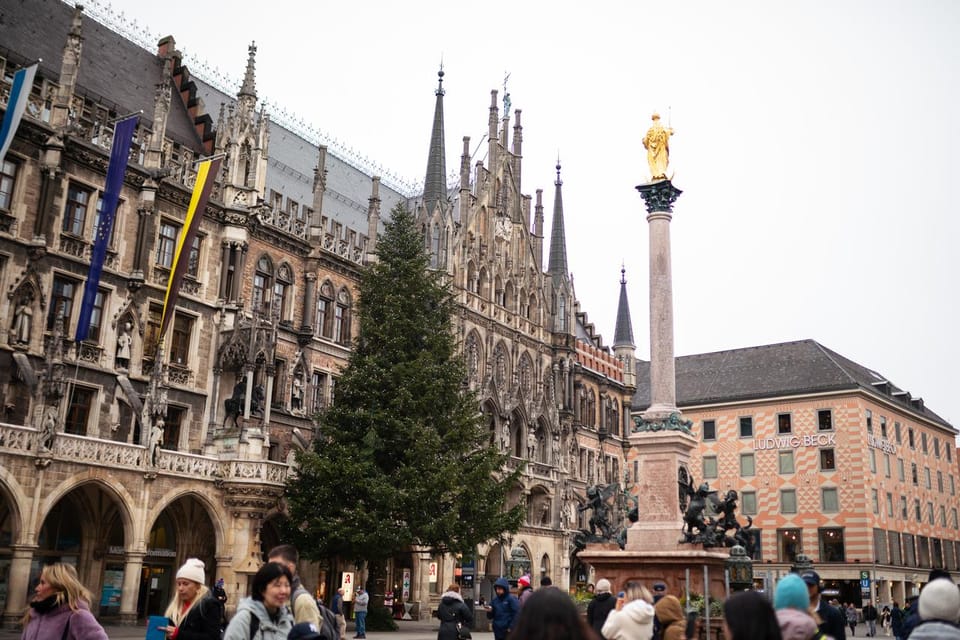
Next you head to Mariensäule Munich for about 25 minutes, including a photo stop plus sightseeing and guided talk. This is one of those places where your camera will want to do all the work, but the guide will nudge you to look at details you would normally skip.
This stop is valuable because it connects to the broader Old Town story—how Munich’s public spaces reflect local identity. When the guide ties those ideas back to food culture, it makes the tastings feel less random. You start understanding why a region’s food habits become part of everyday life rather than just “stuff to eat.”
You’ll likely feel the tour doing its job here: turning your walk into a timeline.
St. Peter’s Church (20 Minutes): The Old Peter Angle and Easy City Photos
You’ll spend around 20 minutes at St. Peter’s Church with a photo stop and guided sightseeing. This is the Old Peter area your guide uses to bring the skyline and the church’s presence into the story.
A good point here: church stops on food tours can go either way. Some guides use them as long lecture breaks. This one keeps it practical: you get the key sights, a bit of legend, and then you’re back on the move.
Also, St. Peter’s sits in a neighborhood feel where you can see how the Old Town blends daily life with major landmarks. That matters when you’re trying to understand what foods are “everyday” versus “festival” items.

Prälat-Zistl-Straße 10 (20 Minutes): Another Tasting With Bavarian Comfort

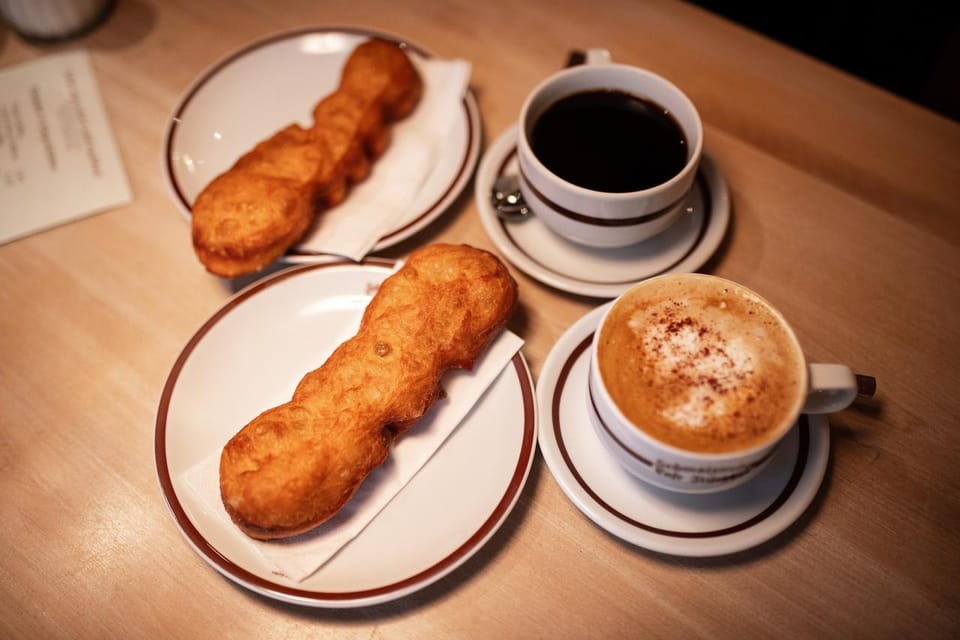
Then you shift to Prälat-Zistl-Straße 10 for about 20 minutes, including sightseeing and a tasting. This is a core part of why the tour is worth it: the tastings aren’t just one bite at each place and done. You’ll get enough time at the stops to notice flavors and textures, not only calories.
This is where the Bavarian comfort side shows up. Based on what you’ll encounter in the tour experience, you may see items such as Leberkäse and Schmalzgebäck (savory baked snacks connected to rich Bavarian tradition). The guide also frames these as more than “heavy food”—they’re tied to local habits, timing, and the way people used to eat for sustenance.
The guide’s approach is also calm. Even when you’re in a crowded Old Town spot, you’re guided with a plan, so you’re not constantly weaving around other groups.
Jüdisches Zentrum München (20 Minutes): Context Without Making It a Lecture
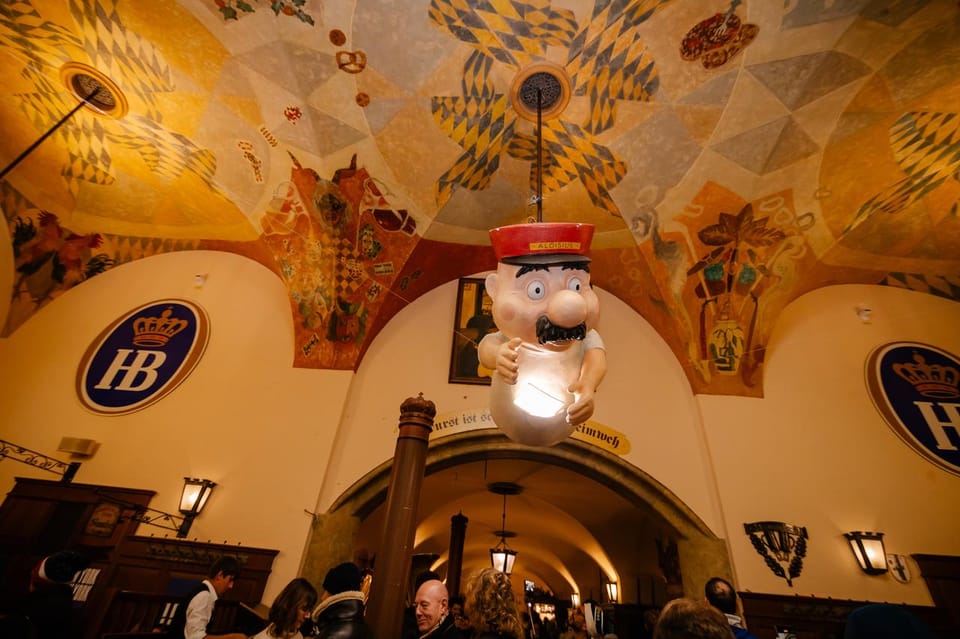
You’ll have a photo stop and guided visit at Jüdisches Zentrum München, plus a walking segment of about 20 minutes. This section is where the tour feels more human and less like a checklist.
The value here is balance. The tour doesn’t treat the Old Town like it’s only churches and markets. It places the Jewish center in the walking story, which helps you understand Munich as a layered place shaped by more than one community.
You’ll also hear the guide connect this stop to the broader myth-and-story angle of the tour. It’s the kind of information that doesn’t fit nicely on a single signboard.
Gewürze der Welt (20 Minutes) and the Spice Mindset
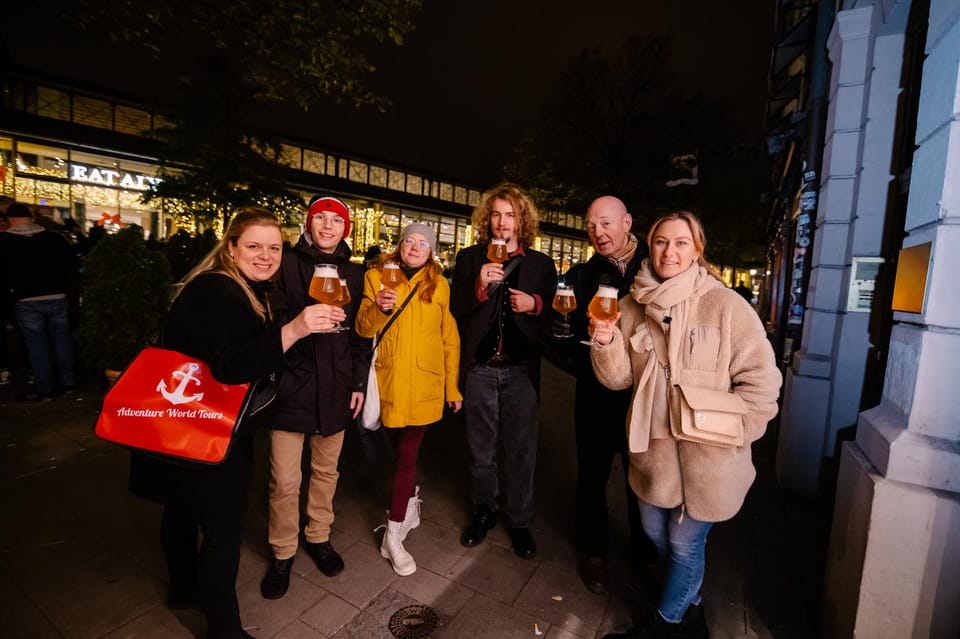
At Gewürze der Welt, you’ll spend about 20 minutes with sightseeing and a tasting. This is a smart pivot in the tour because spice and flavor are part of Bavarian food culture too, even if people sometimes think it’s only about weighty comfort foods.
A spice-focused stop also helps you taste more deliberately. Instead of only chasing salt and meat flavors, you start thinking about aroma and seasoning as identity.
And from the tour experience, this is where you may get a spice tasting component. If you’ve ever bought spice blends at home and wondered what makes one feel more “German” than another, this kind of stop gives you the logic behind the flavors you’ll encounter.
Behindertenparkplatz (20 Minutes): Yes, the Name Gets Attention
You’ll have another guided stop at Behindertenparkplatz for about 20 minutes, including sightseeing and food tasting. The name sounds like a punchline, and your guide will likely use the surprise of it to set up the story rather than get stuck on the label.
This is one of the moments where the tour shows its street-smart approach. It’s not only steering you toward famous landmarks. It also points you toward the everyday food reality of the Old Town—small places, practical stops, and local habits.
The takeaway: the tour helps you connect the dots between Munich’s big faces and the less obvious corners where people actually grab food.
Viktualienmarkt (25 Minutes): Market Energy and a Taste That Feels Local
Next comes Viktualienmarkt, where you’ll spend around 25 minutes with guided sightseeing and another food tasting. This is a place you can spend days in, but on a tour like this, it’s used well: you get guidance on what to notice while keeping the food pacing steady.
Viktualienmarkt is ideal for travelers who want Munich to feel real. You see a market that supports daily life, not just tourism. The guide helps you see what’s typical, what’s seasonal, and what’s worth trying right now.
If you enjoy people-watching, this is also a great zone to pause and absorb the atmosphere. In the tour experience, this stop often becomes a highlight because it’s one of the easiest places to connect what you’re tasting with what you’re seeing.
Dreifaltigkeitspl. 1A (30 Minutes) to the Finish: Last Bites and Strong Memories
You’ll have a final stretch at Dreifaltigkeitspl. 1A for about 30 minutes, with a photo stop, guided sightseeing, and food tasting. Then the tour ends at Dreifaltigkeitspl. 1.
This finish works because it’s still in the Old Town flow. You’re not dropped somewhere inconvenient. The area makes it easy to keep walking afterward and use your new food knowledge to pick a restaurant for dinner.
This final tasting moment matters too. After you’ve learned how Bavarian dishes evolved and why people eat them, the last bites feel more intentional. You’re tasting with understanding rather than sampling randomly.
What You Actually Eat: Bavarian Classics and a Few Clever Twists
The tour theme covers a lot of the foods people associate with Munich, and you’ll hear where they come from. Expect discussion around classics such as pretzels, Weisswurst, and Leberkäs, plus the sweet side with items like striezel and other regional pastries. You’ll also likely meet Italian specialties as part of the mix, which keeps the tour from feeling one-note.
From the experience and the comments connected to it, tastings can include:
- Leberkäse (a major Munich comfort dish)
- Schmalzgebäck (savory baked snack)
- Gewürzverkostung (spice tasting)
- Italian specialties
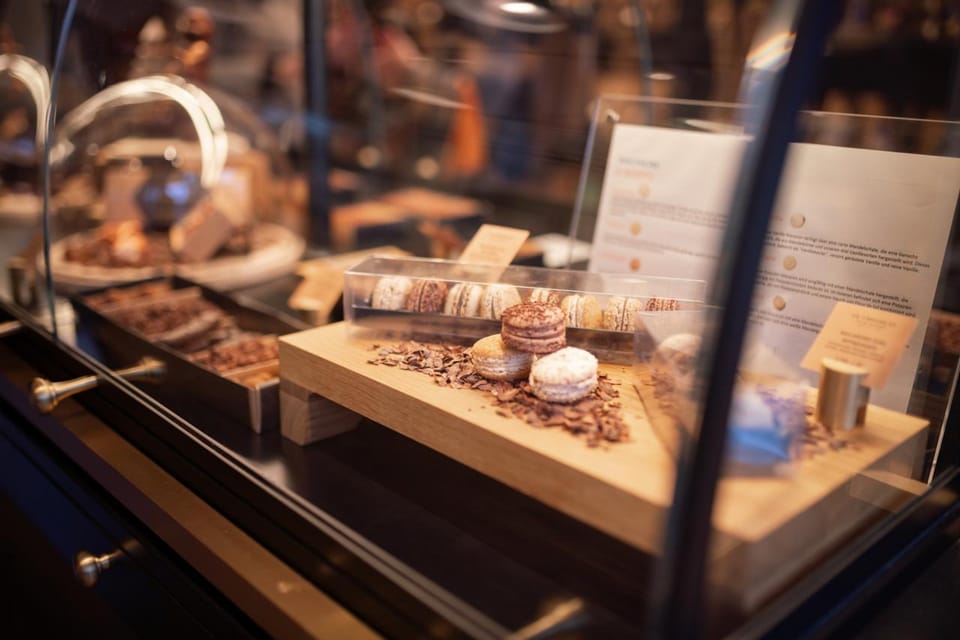
- A chocolate praline option at a stop that’s worth noticing if you like sweets
That last point comes with a gentle reality check. The sweet bite is delicious, but it’s not always the kind of thing you’ll want to add to your shopping cart. If you get tempted, just know that Old Town pricing for premium chocolate can be… Munchen-style: pleasantly firm.
Value and Price: Is $51 a Good Deal?
At $51 per person for 3 hours with five tastings, the value is best understood this way: you’re buying a guide route plus multiple food portions, not only “a snack tour.”
Here’s why it feels worth it:
- You get five different tasting moments at different locations, so you’re not stuck with one shop’s style.
- You get the guide’s explanations tied to what you’re tasting, including food origins and regional habits.
- The route covers major Old Town sights, so you don’t need a separate walking tour to connect the landmarks.
What can reduce value for some people is also clear:
- Drinks aren’t included, so you may still need to budget for water or beer elsewhere.
- Seats aren’t guaranteed, which matters in smaller tasting spots when you want to sit and chat.
If you’re the type who likes food and stories, this price usually lands in the sweet spot for a first-time or “I want a plan” Munich visit.
Practical Tips Before You Go
A few things will make this tour smoother for you:
- Wear shoes that handle cobblestones. This is a walking experience through busy Old Town streets.
- Expect German language. The guide is German, and some content may appear in its original language, so plan for that.
- Bring a light plan for snacks. Since there are tastings along the route, you won’t want a huge breakfast that kills your appetite.
- Plan for water. Since drinks aren’t included, you’ll feel better if you’re not waiting until you’re thirsty to think about hydration.
If you have dietary needs, the tour info you received doesn’t spell out options here. So it’s smart to ask before booking.
Should You Book This Munich Old Town Culinary Tour?
Book it if you want Munich to make sense quickly through food. This works best for:
- First-timers who want Marienplatz-area sights plus local tastings
- Travelers who like guided stories and myths, not just facts
- People who want Bavarian classics like Leberkäse and pretzels, with a guide to steer you toward the good stuff
Skip it (or think twice) if you need an English-speaking guide, because the tour is German-led. And if you hate walking for 3 hours in old streets, the format may feel like too much motion.
If you’re flexible, though, this is one of those “you’ll be glad you booked it” tours because it gives you both flavors and context. By the time you finish at Dreifaltigkeitsplatz, you’ll know what to look for next in Munich’s food scene.
FAQ
How long is the Munich Old Town Culinary Tour?
It lasts 3 hours and is a walking tour through Munich’s historic district.
How many food tastings are included?
You’ll have five different tastings at five selected locations in Munich’s Old Town.
What is the meeting point for the tour?
You meet at Marienplatz 8, 80331 Munich, at the entrance to the Glockenspielturm.
What language is the tour guide speaking?
The live tour guide speaks German.
Are drinks included in the price?
No. Drinks are not included.
Is there guaranteed seating during tastings?
No. There is no guaranteed seat.
What’s included besides the tastings?
You get a three-hour walking tour through the historic district plus an insider-trained guide.