Winter makes Munich feel secret again. I like how this walk blends Giesing street art with a serious architecture lesson, and I like the photo stop at the Alte Utting boat on the bridge; the trade-off is it is not suitable for wheelchair users or people with mobility impairments, so plan for lots of winter walking.
You get Isar river night views and the stories behind 700+ years of south Munich history, plus time at three alternative Christmas markets. You’ll also pick up a feel for how Munich’s “cool” side shows up in public space: shipping-container style culture areas, street art, and neighborhood corners most people skip.
For $36 you’re in good shape for a 2-hour guided circuit, starting at Piazza Zenetti and ending back there, with no food included so you can add your own snack breaks.
In This Review
- Key highlights that shape the whole experience
- Why this winter Munich walk feels different
- Meet Philipp and get real architecture talk (without the museum vibe)
- Piazza Zenetti: the meeting point trick that saves time
- Stop-by-stop in south Munich: from Volkstheater to the Isar boat scene
- Stop 1: Piazza Zenetti
- Stop 2: Münchner Volkstheater
- Stop 3: Bahnwärter Thiel
- Stop 4: MS Utting on bridge Lagerhausstrasse (the Alte Utting moment)
- Stop 5: Dreimühlenstraße
- Stop 6: Wittelsbacherbrücke
- Stop 7: Claude-Lorrain-Straße
- Stop 8: Little Venice
- Stop 9: Finish at Gans Woanders
- Christmas markets: three stops and the right kind of wandering
- The Isar river and willow island: why the scenery is more than scenery
- 700+ years of history without the textbook effect
- What you pay for: $36 for 2 hours that add up
- Who should book this hidden architecture tour (and who should skip it)
- Should you book this tour?
- FAQ
- How long is Munich’s Hidden Architecture Guided Tour?
- Where do we meet, and how do I get there by subway?
- Is the tour guided in English?
- How much does the tour cost?
- Are food and drinks included?
- Do we visit Christmas markets on the tour?
- Is this tour suitable for wheelchair users or limited mobility?
- What should I bring for a winter walking tour?
Key highlights that shape the whole experience
- Giesing first, not center-only: you see a south Munich neighborhood with its own rhythm and local character
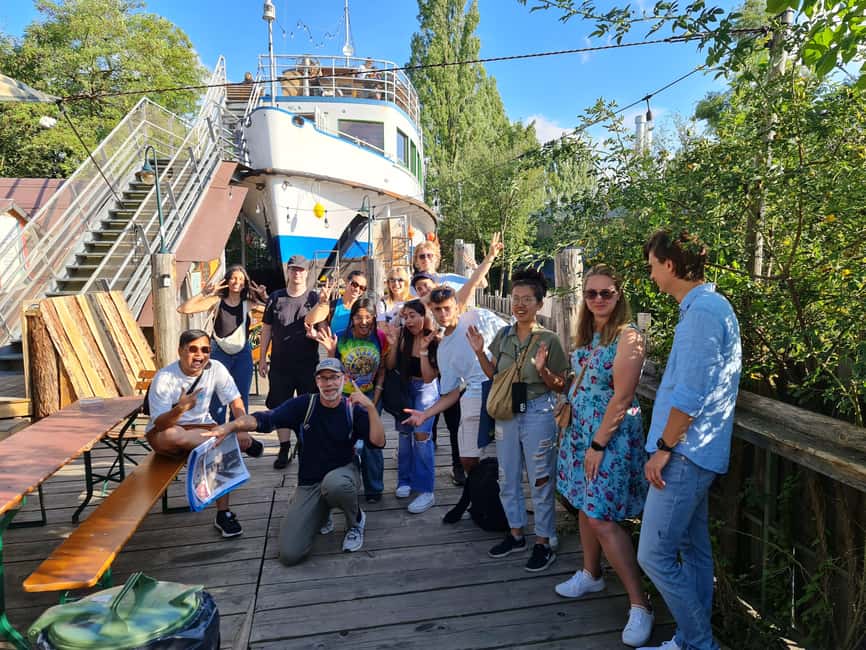
- The Alte Utting boat on the bridge: a standout photo moment with international attention
- Street art meets architecture context: you look longer, not just snap photos
- Isar river walk at night: plus nature views tied to the willow island area
- Three alternative Christmas markets: festive but still off the main drag
- Philipp’s architect-led guidance: clear explanations in English or German, with time for questions
Why this winter Munich walk feels different
This tour is built for people who think Munich is more than old buildings and beer halls. In winter, the city can feel sharper and quieter, so details matter more. That’s exactly what this route leans into: architecture cues, street art, and small places where the city’s culture shows up outdoors.
I like that you don’t just “pass through” neighborhoods. The focus is on making connections: how a theater building, a river crossing, a specific street, and even a quirky boat scene add up to a picture of south Munich. If you enjoy walking tours, you’ll probably enjoy how this one uses the night as part of the experience.
One more thing: Christmas markets are part of the plan, but they aren’t treated like a quick detour. You’re given enough time to actually look, browse, and soak up the mood, while the guide keeps steering you back to the theme of the evening.
You can also read our reviews of more guided tours in Munich

Meet Philipp and get real architecture talk (without the museum vibe)
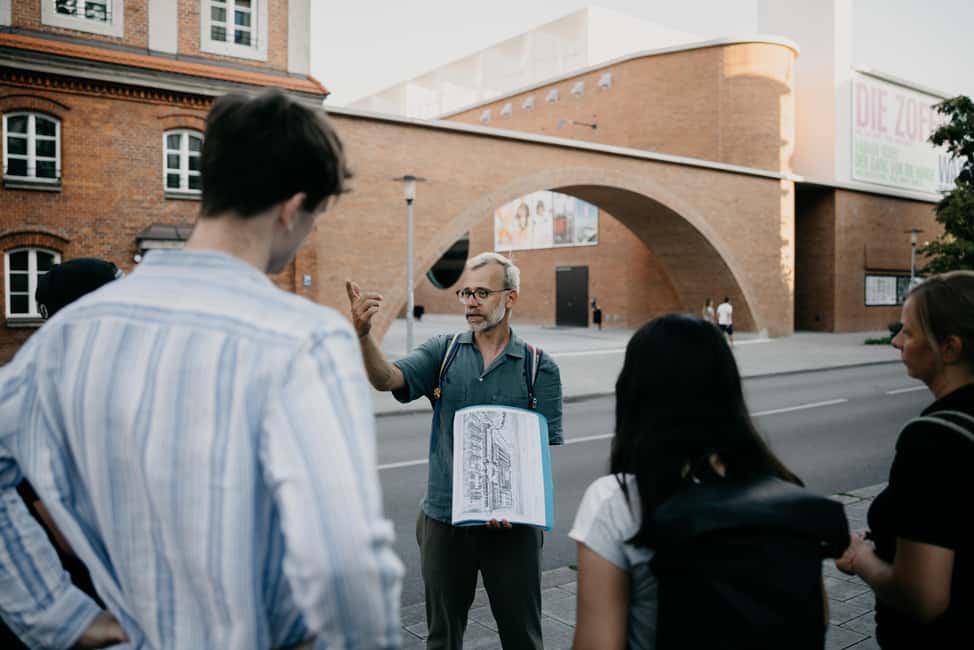
The guide here is Philipp, and his background as a professional architect shows in the way he explains what you’re looking at. This isn’t the kind of tour where someone reads facts off a sign. You get practical interpretation: what the buildings suggest, why certain spots are memorable, and how artistic choices and design habits shape the streets.
If you like asking questions, this tour is a good fit. The guiding style is geared toward conversation, and you’ll get direct answers rather than vague nods. The language options are also helpful for mixed groups—Philipp offers live guiding in English and German, so you don’t feel stuck if your German is rusty.
Also, the pace is built for a walking evening. That means the “value” isn’t just in the places you stop. It’s in how the guide trains your eye while you’re moving.
Piazza Zenetti: the meeting point trick that saves time
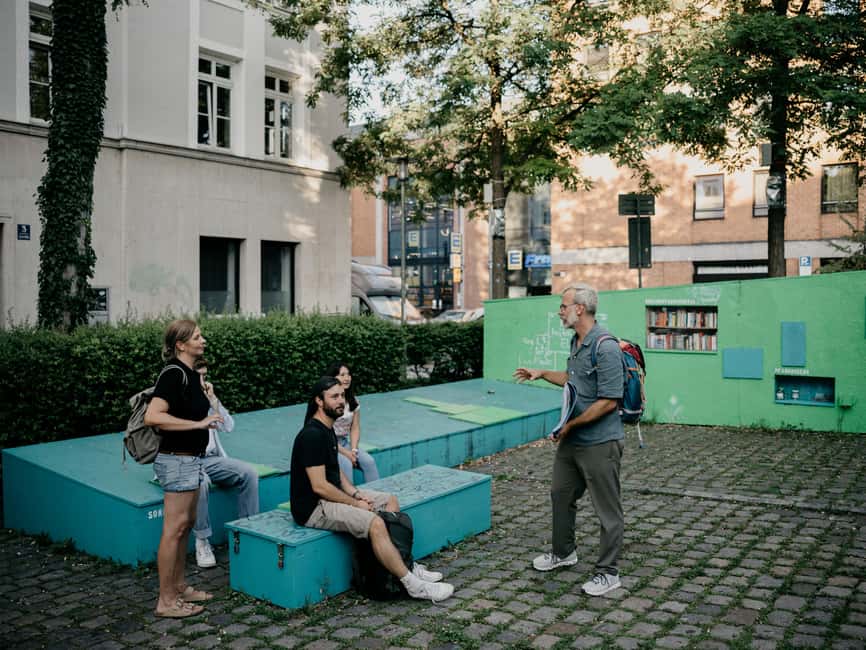
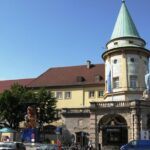
You’ll meet at Piazza Zenetti, right at the intersection of Tumblingerstrasse and Zenettistrasse. It’s easy to spot once you know what to look for: there are turquoise and green outdoor seating pieces and small trees placed in boxes.
Arrival tip that makes life simpler: get off at the U3/U6 stop Goetheplatz, then walk about 10 minutes to Zenettiplatz. That gets you close enough to start your walk without stress.
And for the humans-with-bags challenge: Philipp will be wearing a colorful backpack and holding a blue folder. Look for that early. It keeps the first five minutes calm, which matters when you’re dressing for cold weather and trying to meet a group on time.
Stop-by-stop in south Munich: from Volkstheater to the Isar boat scene
This tour is paced like a story. Each stop adds a layer, and the Isar river keeps reappearing as the visual anchor for the night.
Stop 1: Piazza Zenetti
This is your orientation moment. You start in a city square area that sets the tone for the walk—street level, neighborhood scale, and built for strolling. It’s also a practical start because you return to the same meeting area at the end.


Stop 2: Münchner Volkstheater
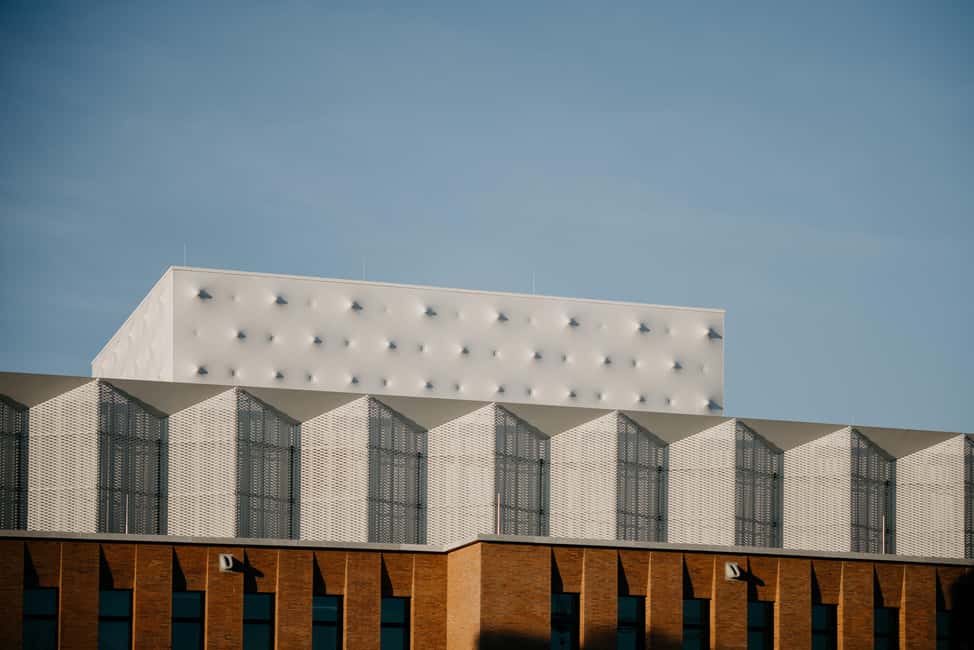
At the Münchner Volkstheater, you’ll get a guided look at how performance spaces connect to the city’s identity. Even if you don’t know the history details, you’ll leave with a clearer sense of why cultural buildings matter in a neighborhood, not just in the historic center.
Potential drawback: theaters and cultural venues can feel abstract if you’re only in Munich for one day. If that’s you, lean into the guide’s explanations and treat the stop as an “architecture lens,” not a checklist.
Stop 3: Bahnwärter Thiel
This stop is one of those addresses that’s easier to appreciate with context. The guide’s job is to connect the visual cues to what’s going on around you—what the place tells you about design choices and local culture. Expect a guided walkthrough rather than a quick glance.
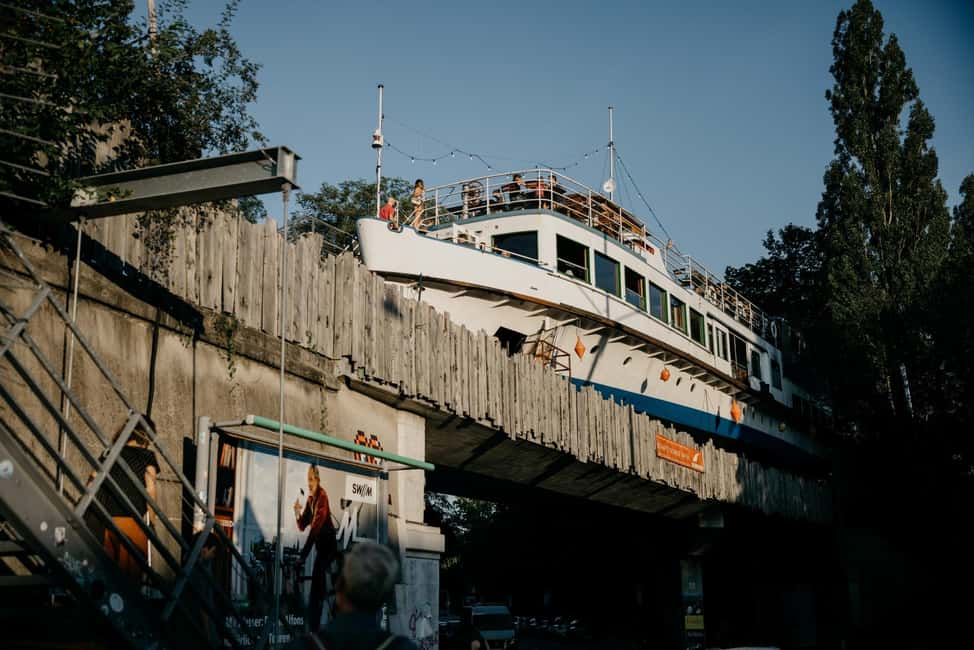
Stop 4: MS Utting on bridge Lagerhausstrasse (the Alte Utting moment)
This is the photo payoff. The tour highlights the Alte Utting, the boat you’ll see positioned as part of the scene on the bridge at Lagerhausstrasse. The New York Times praised this kind of visual “wait, what is that?” moment with a line pointing people to the boat on the bridge.
Why it matters for your experience: this stop turns the tour theme into something you can remember. It’s not abstract architecture talk anymore—it becomes a real object in the city frame.
Stop 5: Dreimühlenstraße
Here you shift back into walking mode, picking up the street rhythm. This is the kind of stretch where street-level details become your entertainment: building edges, street crossings, and the way people move through the neighborhood at night.
Stop 6: Wittelsbacherbrücke
A bridge stop does two things: it gives you a viewpoint, and it forces you to see how the river structures the city. Even without special photography skills, you’ll likely get clear angles for the Isar and the surrounding areas.
Stop 7: Claude-Lorrain-Straße
This is where the tour leans into the “hidden south” character. You’ll get a guided sense of how people live and build culture along streets that don’t get the same attention as the main tourist corridors.
Stop 8: Little Venice
Little Venice is one of those names that makes you curious before you even arrive. On this tour, it’s also a practical way to see water-related city design in a human scale—where the river setting changes how streets feel.
Stop 9: Finish at Gans Woanders
You end at Gans Woanders. Even though food and drinks aren’t included, finishing here is useful. It gives you a clear end point and a logical place to grab something warm if you still have energy.
Christmas markets: three stops and the right kind of wandering
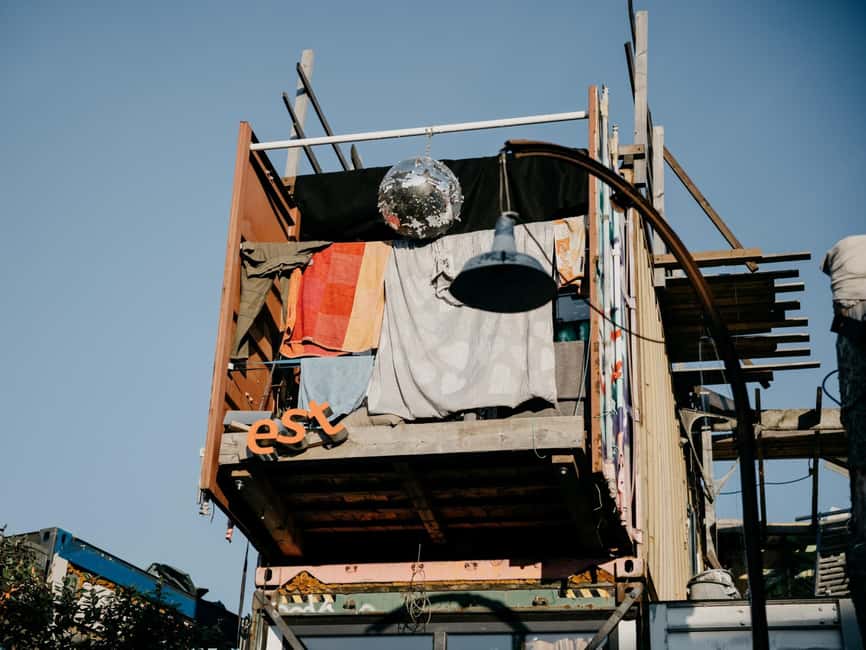
This experience includes visits to three Christmas markets that are described as cool and alternative. That phrasing matters. Munich has plenty of big, famous stalls, but this tour is aiming for the feeling of discovering.
You’ll likely treat the markets like living spaces, not just shopping lanes. That means you can browse, look at decorations, and take photos while the guide continues tying the city’s culture theme back to the architecture and neighborhood identity.
What I think makes this work: the markets happen in the flow of the walk. You’re not bused in, parked, and rushed out. You’re also not stuck only in one small square. Instead, the tour spreads the festive atmosphere across the route.
Important practical note: food and drinks aren’t included. If you have a sweet tooth or you know you’ll get hungry in winter, plan to buy something on your own time. The guide can help you with how to spend your remaining minutes after the tour finishes.
The Isar river and willow island: why the scenery is more than scenery
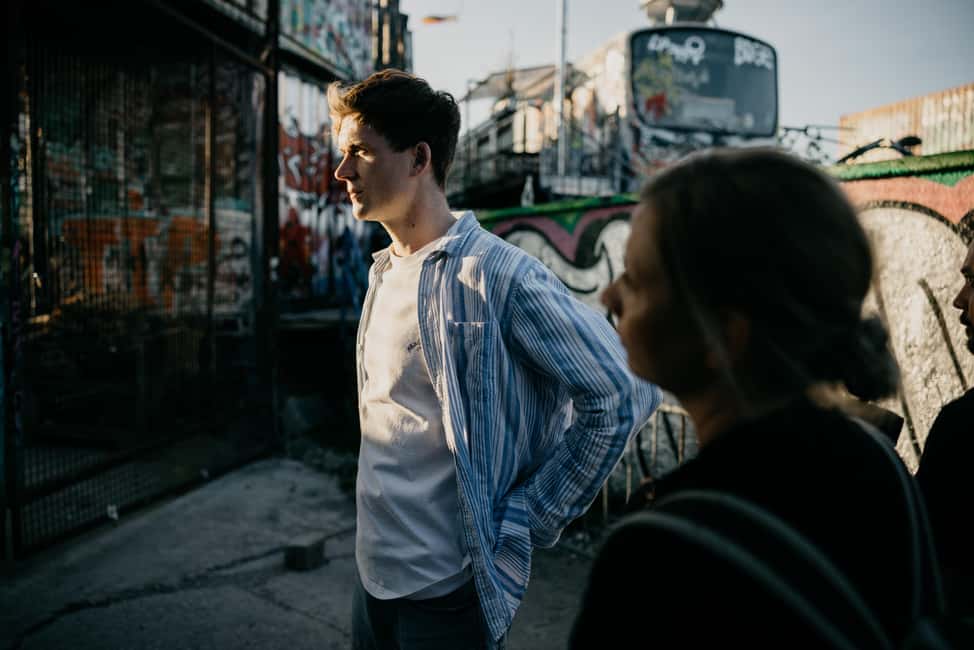
You don’t just see the Isar. You see it as part of Munich’s layout and as a natural counterweight to the city’s built edges. The highlights mention the Isar river and nature views, including the beautiful willow island area.
In winter, rivers act like a lighting and texture machine. Even when the weather is gray, the water can look dramatic, and the sky reflections make photos easier than you’d expect. Also, moving along the river at night changes the scale. Buildings look taller. Streets feel quieter. It’s one of the best times to see architecture in context.
If you’re hoping for a tour that feels “guided but not stiff,” the river sections are key. They give you space to take in the view while the guide works on the meaning behind what you see.
700+ years of history without the textbook effect
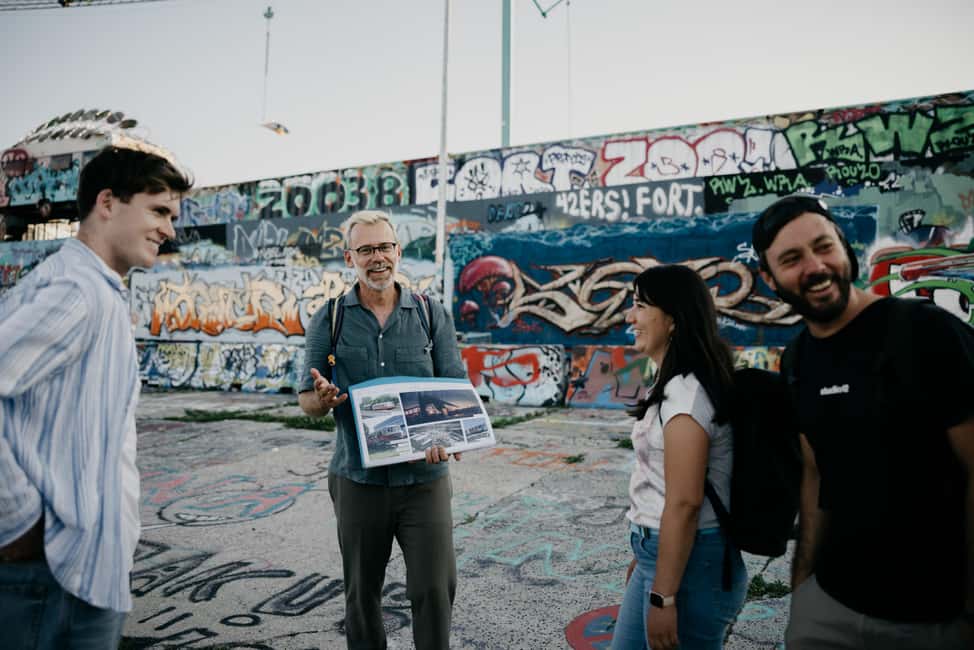
This tour promises 700+ years of history in Munich’s south districts. The useful part isn’t throwing dates at you. It’s showing how history sticks to the street plan and the identity of neighborhoods.
Stops like Münchner Volkstheater and the guided streets around Claude-Lorrain-Straße and Little Venice help you connect culture with place. You get a sense of how Munich evolved: what stayed relevant, what changed, and how modern creative energy can coexist with older urban structure.
If you love architecture, you’ll probably enjoy the way the tour keeps returning to details. It also helps that the guide answers questions clearly. That’s where “history” becomes more than a story. It becomes a way to look at Munich like an insider.
What you pay for: $36 for 2 hours that add up
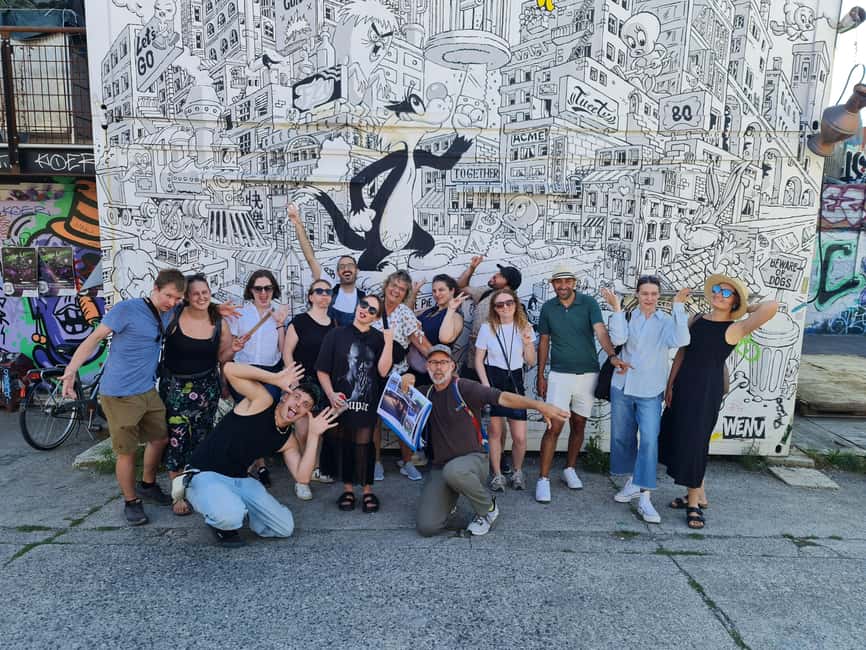
At $36 per person for a 2-hour guided experience, this tour is priced like a smart evening plan. You’re paying for something specific: guided interpretation in English or German, a structured walk through multiple points of interest, and time at three Christmas markets.
You’re not paying for a big bus ride or a long day tour. Instead, you’re getting focused time in a part of Munich that most people don’t build their schedule around. That’s where the value comes from. If you only have a couple of nights and you want a different side of the city, this is a good bet.
Two small things to keep in mind: transportation to and from the meeting point isn’t included, and food and drinks aren’t included. The tour does not try to replace a meal. It works best as an add-on experience that shows you how to see Munich.
Who should book this hidden architecture tour (and who should skip it)
This tour is a great fit if you care about:
- Street art and creative culture with an architectural lens
- Isar river views and a winter nighttime walk
- Christmas markets that feel local and off the main corridor
- History that you can feel in the streets, not just read about
It may not be the best fit if:
- You use a wheelchair or need step-free mobility support. The tour is not suitable for people with mobility impairments and wheelchair users.
- You want a fully indoor evening. This is a winter walk with outdoor stops.
If you’re staying in or around central Munich, you can still make it work. The meeting point is accessible via subway (U3/U6 to Goetheplatz), and the walk is designed to be handled on foot with comfortable footwear.
Should you book this tour?
I’d book it if you want Munich that feels current, creative, and a little unusual—without giving up the architecture and history part. The mix of the Isar at night, the Alte Utting boat-on-bridge moment, and three Christmas market stops makes it more than a standard sightseeing route.
Skip it if you need a very relaxed pace, or if mobility constraints make winter walking difficult. Also skip it if you’re only interested in the biggest, most famous highlights and you don’t care about street-level details.
If you’re the type who enjoys noticing small things—the shape of a building, the use of space in a neighborhood, the way creative culture shows up outdoors—this tour should fit you well.
FAQ
How long is Munich’s Hidden Architecture Guided Tour?
The tour runs for 2 hours.
Where do we meet, and how do I get there by subway?
You meet at Piazza Zenetti at the intersection of Tumblingerstrasse and Zenettistrasse. The best subway stop is U3/U6 Goetheplatz, followed by about a 10-minute walk to Zenettiplatz.
Is the tour guided in English?
Yes. The live tour guide is available in English and German.
How much does the tour cost?
The price is listed as $36 per person.
Are food and drinks included?
No. Food and drinks are not included.
Do we visit Christmas markets on the tour?
Yes. The tour includes visits to three cool and alternative Christmas markets, and you’ll also experience the area by night along the Isar.
Is this tour suitable for wheelchair users or limited mobility?
No. It is not suitable for people with mobility impairments and it is not suitable for wheelchair users.
What should I bring for a winter walking tour?
Wear warm clothing and comfortable walking shoes. Bringing a camera is also a good idea for the sights along the river and the festive stops.