REVIEW · MUNICH
In Depth Dachau Concentration Camp Tour (Private Tour)
Book on Viator →Operated by Big Hat Tours · Bookable on Viator
Dachau demands preparation and a careful guide. This private, English-language tour brings you through the Dachau Concentration Camp Memorial Site with a scholar-minded approach, plus the comfort of a quieter pace.
What I like most is the chance for solitude while you learn, and the way you walk through the camp’s original structures like the bunker and crematorium. The one real caution: the site includes graphic and disturbing images, and the memorial recommends children be 12 and older.
In This Review
- Key Things to Know Before You Go
- Why a Private Dachau Tour Feels Different
- Getting There: Marienplatz Start and a Simple Day Flow
- The Memorial Site Time: How the 5-6 Hours Are Used
- Walking Through Original Structures (Not Just a Summary)
- Curt Milburn and the WWII Context You’ll Actually Use
- Price and Tickets: Where the Value Shows Up
- Sensitivity, Kids, and Who This Tour Suits Best
- How to Get the Most From a Difficult Visit
- Should You Book This Private In-Depth Dachau Tour?
- FAQ
- How long is the private Dachau Concentration Camp tour?
- Where does the tour start and end?
- What language is the tour offered in?
- How much does the tour cost?
- What’s included in the tour price?
- Is the memorial admission included?
- Is any extra ticket needed for transportation?
- Is this tour suitable for children?
- Can I cancel for a full refund?
- Is this a private tour?
Key Things to Know Before You Go
- Private group pacing: you’re not forced into a big crowd rhythm.
- Five to six hours on the ground: enough time to understand what you’re seeing.
- Curt Milburn’s WWII storytelling: clear, respectful context on how the Nazi system worked.
- Original structures in your route: you see key buildings, not just descriptions.
- Admission is free, but transit may cost extra: the XXL Partner Ticket is separate.
- Bring sensitivity, not “tour mode”: this is a serious visit that asks for patience.
Why a Private Dachau Tour Feels Different
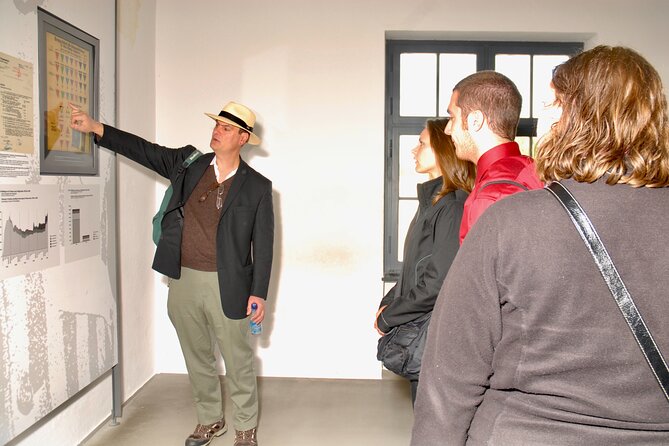
Dachau is not the kind of place you can casually “tick off.” I like that this is a private tour (just your group), because it changes how you experience the site. You can ask questions, pause, and process without competing with a constant stream of other voices.
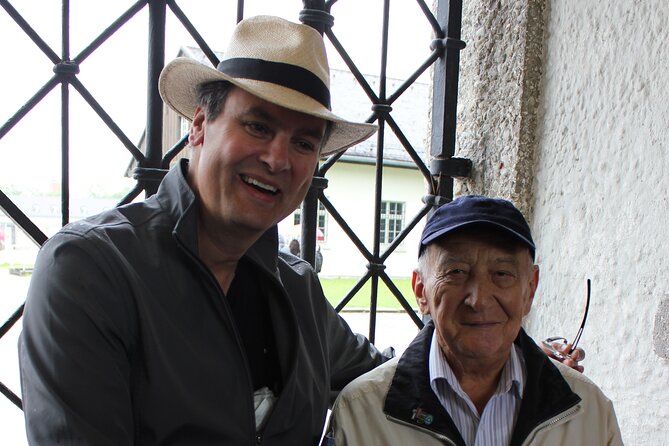
The guide here is Curt Milburn, a long-time Munich guide with a top local reputation through many reviews. More important than the credentials is the tone people describe: clear explanations delivered with care. That matters at a memorial like this, where the facts are heavy and the emotional weight can be immediate.
One more practical point: because the group stays together, the tour can feel less rushed. For a subject that can hit hard, that extra breathing room is not a luxury. It’s part of doing the visit the right way.
You can also read our reviews of more private tours in Munich

Getting There: Marienplatz Start and a Simple Day Flow
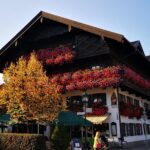
The tour meets at Marienplatz 18, 80331 München, Germany, starting at 10:30 am and ending back at the meeting point. That setup is handy because Marienplatz is one of Munich’s easiest hubs to reach, including by public transportation.
You’ll get a mobile ticket, which keeps things straightforward on the day. There’s also an option called an XXL Partner Ticket that is not included in the tour price (about €17), and it covers a short train ride and bus ride. Plan on that as the main extra cost if your routing uses it.
Since the experience runs about 5 to 6 hours, I recommend building in mental buffer time too. This isn’t the day for tight dinner plans or “we’ll see how we feel” scheduling right after.
The Memorial Site Time: How the 5-6 Hours Are Used
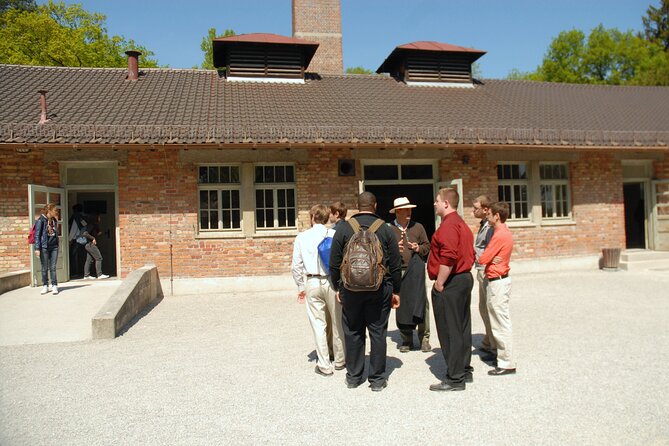
The heart of the tour is a visit to the Dachau Concentration Camp Memorial Site. The schedule is described as about 4 hours at the memorial, with the total experience running 5 to 6 hours including travel and the guide’s framing.
What makes this timing valuable is that it’s long enough to do more than scan. You’re given context for what you’re about to see, then you walk through key original areas, then you connect the pieces to what happened afterward, including liberation.
I also appreciate that the tour is offered in English, which removes one big stressor. When something is emotionally and historically complex, you want your explanations in your strongest language, not a second-best option.
Walking Through Original Structures (Not Just a Summary)
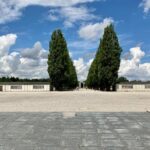
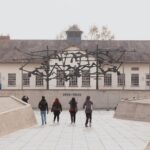
One of the most important parts of this tour is that you walk through the camp’s original structures. Based on the tour details, that includes the bunker, the crematorium, and the gas chamber area. Seeing these spaces with your own eyes is different from hearing about them in the abstract.
This is where a private guide can really help. A strong guide doesn’t turn this into theater. Instead, you get calm, scholarly information about how the camp was operated and why it was established in the first place—then you’re guided through the physical reality of the site.
A practical consideration: the memorial recommends 12+ because there are graphic and disturbing images. If you’re bringing younger kids, I’d treat this as a serious family discussion ahead of time, not an impulse stop.
If you’re sensitive to details, it can help to decide in advance how you’ll handle it. Some people prefer to focus on the guide’s words; others need breaks and quieter moments. The private format gives you that flexibility.
Curt Milburn and the WWII Context You’ll Actually Use
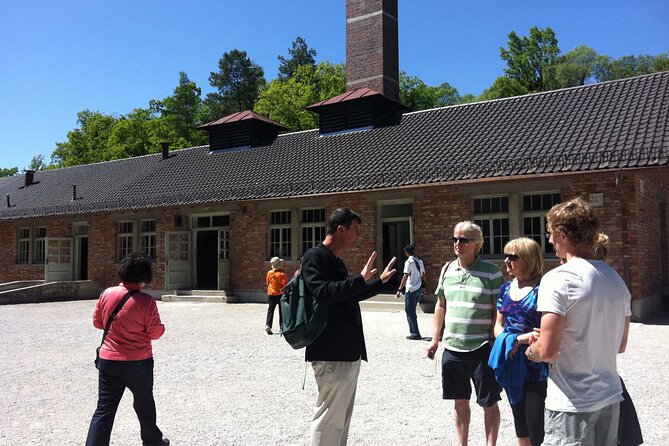
Curt’s role isn’t just to point and describe. The tour’s focus is scholarly WWII context: how Dachau came to be, how it operated, and the story of liberation. That structure matters, because it helps you understand the place as part of a system—not as isolated tragedy.
In reviews, Curt is praised for clarity and respect, especially given how difficult it is to narrate a concentration camp. People also highlight that he connects the story to broader events like Hitler’s rise to power. That’s a useful angle because it answers a question many visitors have in real time: how did this happen, step by step?
Here’s the value for you as a visitor. When the guide explains the timeline and the mechanics of the Nazi regime, your visit turns from emotional shock into comprehension. You still feel the weight, but you also understand the logic behind the horror.
One review also notes Curt provided follow-up support after the tour by sharing a digital book and guiding a short Munich walk to help the group reset. That’s not listed as a formal guarantee, but it does fit the broader theme of care: he treats the day as more than a checklist.




Price and Tickets: Where the Value Shows Up
The price is $252.31 per group (up to 15 people) for 5 to 6 hours. That structure can be excellent value if you’re traveling with a family or small group. If you’re one or two people, you may feel it more, but private history tours often cost more for the added time and attention.
A key detail: tour guide is included, while the XXL Partner Ticket (about €17) is not included. Admission to the memorial visit is listed as free for the tour’s stop, which helps keep your out-of-pocket cost from ballooning.
So the real question is: what are you paying for? You’re paying for:
- a private experience instead of a crowded group pace
- a guide who can handle sensitive subject matter with clarity
- enough time to connect what you see with WWII context
If those things matter to you, the price starts to look more reasonable.
Also, the tour is booked far in advance (about 140 days on average). If you’re traveling in peak season or want a specific start time, that planning lead time is a hint.
Sensitivity, Kids, and Who This Tour Suits Best
This is where you should be honest with yourself. This tour includes a serious memorial with graphic and disturbing imagery. The materials recommend children be 12 and older, and they suggest young people should have had some exposure to holocaust history and images before visiting.
That said, the tour is described as meaningful even with younger teens present in at least one family situation (ages 11 and 13 were mentioned). The real takeaway isn’t that age is flexible. It’s that preparation and a respectful guide go a long way.
I also like that the tour is described as suitable for most travelers, and it supports service animals. It’s also near public transportation, which helps with calmer logistics.
If you’re a parent, consider this: you’re not just taking kids to a place. You’re managing the emotional experience too. A private guide can help you pace it, but you’ll still want to be ready for heavy moments.
How to Get the Most From a Difficult Visit
This tour is built around understanding, but it still asks for a certain kind of presence from you. I’d come prepared to slow down. Dachau isn’t a place where speed helps.
Here are a few practical moves that tend to work well:
- Plan your questions ahead, so you can use your guide’s time well.
- Expect some discomfort and avoid scheduling anything stressful right afterward.
- Give yourself a mental reset window before you head back into regular sightseeing.
Because Curt’s explanations are praised for clarity and respect, you’ll likely get more from the visit if you listen carefully to his framing before you reach the original structures. Then, as you walk through the spaces, you can connect the physical details back to the story he’s building.
If you’re visiting with older kids or teens, I’d also treat it like a learning moment, not a passive outing. That approach matches the tour’s educational purpose.
Should You Book This Private In-Depth Dachau Tour?
Book it if you want a private, English guided experience that doesn’t rush the difficult parts. I’d especially recommend it if you care about getting clear WWII context and understanding how the camp was created and operated, not just what it looks like.
I’d think twice if:
- you’re hoping for a light day or a casual museum vibe
- you’re bringing children who may struggle with graphic imagery and you haven’t prepared them
- you’re trying to stack too many activities immediately before or after
One last reason to lean yes: this isn’t priced like a tiny sightseeing stop. It’s priced like what it is—time with a guide who’s been trusted for years to handle a sensitive topic with professionalism and scholarly clarity.
If you want the visit to feel respectful, grounded, and truly educational, this is the kind of Dachau tour that can make your time there more meaningful.
FAQ
How long is the private Dachau Concentration Camp tour?
The tour is listed as approximately 5 to 6 hours total, with about 4 hours at the Dachau Concentration Camp Memorial Site.
Where does the tour start and end?
The tour starts at Marienplatz 18, 80331 München, Germany and ends back at the same meeting point.
What language is the tour offered in?
The tour is offered in English.
How much does the tour cost?
The price is $252.31 per group (up to 15 people).
What’s included in the tour price?
The tour includes a tour guide.
Is the memorial admission included?
The memorial stop lists admission ticket free for the visit.
Is any extra ticket needed for transportation?
The XXL Partner Ticket (about €17) is not included. It covers a short train ride and bus ride.
Is this tour suitable for children?
The memorial site recommends children be 12 and older because of graphic and disturbing images. The tour notes that young people should have some prior exposure to Holocaust history and images before visiting.
Can I cancel for a full refund?
Yes. Free cancellation is available if you cancel at least 24 hours before the experience’s start time for a full refund.
Is this a private tour?
Yes. It’s described as a private tour/activity, so only your group participates.