REVIEW · MUNICH
Fall in Love with Munich in a Private Old Town Walking Tour
Book on Viator →Operated by Victoria – Key to Munich · Bookable on Viator
Munich’s old town comes with real stories. This private walk with Victoria turns big-name stops into clear scenes, with iPad visuals that help everything click. You’ll start at Isar Gate and end at Marienplatz, so you finish right in the middle of the action.
I especially like the personal pace you get with a small group. It also helps that the route includes a mix of medieval fortifications, legends, and beer culture instead of only postcard views.
One consideration: the second stop includes a site tied to the Nazi rise, including Adolf Hitler’s first public speech. If that topic makes you uneasy, plan for a heavier moment early on—and remember it’s still a 2-hour walk, so wear comfy shoes.
In This Review
- Key highlights you’ll feel in your day
- A private two-hour Munich kickoff at Isar Gate
- Price and what you’re really paying for
- Isar Gate to Sterneckerbräu: fortifications, legends, and the heavy part
- Dürnbräugasse to Hofbräuhaus: the oldest tavern and Munich’s beer theater
- Pfistermühle and the legend of the pretzel
- Alter Hof: Wittelsbach power, the Royal Zoo legend, and Munich’s colors
- Dallmayr to Schäfflerstraße: gourmet shopping, coffee habits, and pest-era dancing
- Frauenkirche and Marienplatz: devil’s footprint, wind secrets, and the Glockenspiel show
- The pacing and the style that make it work
- Who should book this Munich old town walk (and who might not)
- Should you book this tour?
- FAQ
- How long is the private Munich old town walking tour?
- How large is the group for this private tour?
- Is the tour in English?
- What is included in the tour price?
- Are food or drinks included?
- Where do we meet and where does the tour end?
- What if I need to cancel?
Key highlights you’ll feel in your day
- Private group up to 6 with flexible pacing
- Entrance fees included for the stops on the route
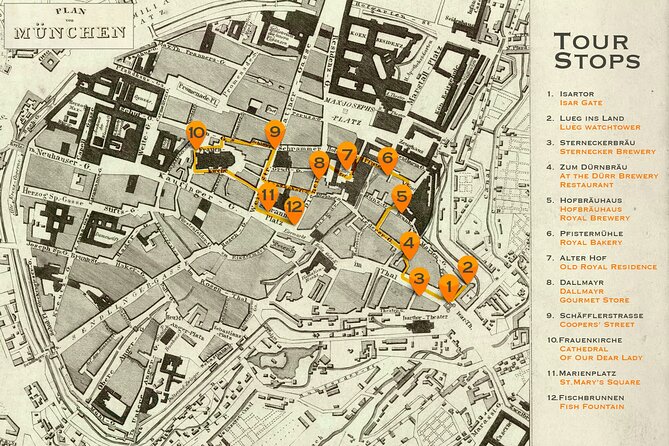
- Victoria’s iPad maps and picture support to keep stories grounded
- Beer hall + royal food lore in one tight loop (Hofbräuhaus, Pfistermühle, Dallmayr)
- Ends at Marienplatz, a convenient springboard for the rest of your Munich time
A private two-hour Munich kickoff at Isar Gate
This tour is built for orientation. You’ll get a guided path through Munich’s old center, but with a pace that keeps it from turning into one long line of statues. The format is simple: you meet at Isar Gate, then you walk stop-to-stop for about 2 hours and finish at Marienplatz.
You also get a small-group feel. It’s private for your group (up to 6 people), which matters in Munich old town, where streets narrow and detours are common. With a guide able to steer the route on the fly, you spend less time figuring out where to go and more time understanding what you’re seeing.
The tour uses a mobile ticket and is offered in English. And because entrance fees are included for the relevant stops, you don’t lose time or energy trying to buy tickets on the spot.
You can also read our reviews of more walking tours in Munich

Price and what you’re really paying for
At $157.28 per group (up to 6), this is not a budget bargain. The value is that you’re paying for a guided old-town loop that includes both access and interpretation.
Here’s how I think about the price: in Munich, the cost of entries, plus the time you’d spend researching what matters (and how it connects), can add up fast. This tour packages that work into a walk you can actually do. You also get insider tips for food and coffee, plus practical guidance for what to see next once you’re done at Marienplatz.
If you’re traveling solo, it can be pricey per person. If you’re traveling as a couple or small family, it starts to feel more reasonable—especially because you’re guaranteed the “only your group” part, not a shuffled crowd.
Isar Gate to Sterneckerbräu: fortifications, legends, and the heavy part
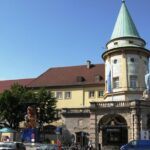
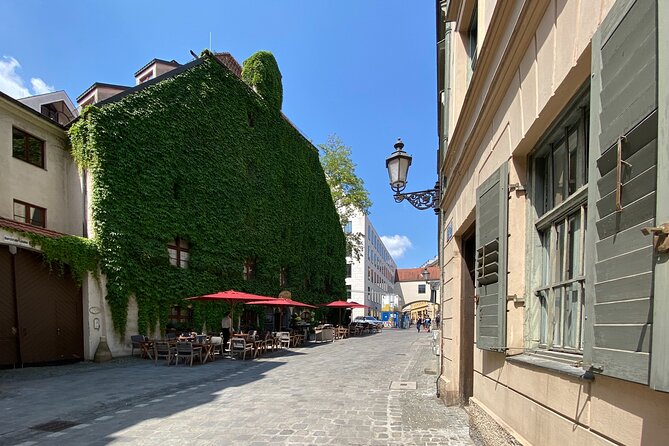
The tour starts under the central arch at Isar Gate (Isartor) on Tal 50. This is a strong opening because it anchors you in Munich’s medieval city planning right away. You don’t just see a gateway; you learn how the city’s defenses evolved and what parts of the wall are still visible in disguise.
You’ll also hear the kind of Munich founding story that sounds like folklore but helps you understand the city’s self-image. One of the more intriguing threads is how the city’s growth is tied to a single trade product—an idea that makes Munich feel less random and more intentional. (Even if you’re not a medieval-history person, the story structure is built to be easy to remember.)
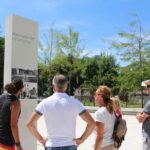
Then comes Sterneckerbräu. This stop is short, but it’s big in meaning. You’ll stand where Adolf Hitler held his first public speech that led him toward the German Workers’ Party, and you’ll hear how the building became tied to the Nazi Party’s key activities later.
That’s the tour’s one clear warning label. It’s historically relevant, but it’s also emotionally heavy. If you want your Munich day to stay light, you might prefer a route that doesn’t touch that topic. If you can handle it, having context from a guide is exactly what makes the stop more responsible than just passing by.
Dürnbräugasse to Hofbräuhaus: the oldest tavern and Munich’s beer theater
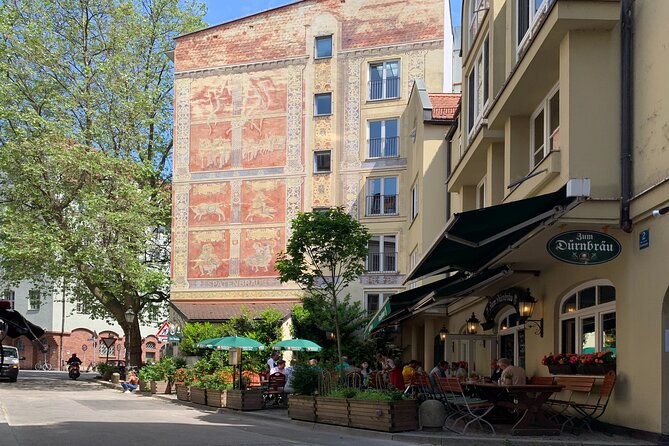
Next is Dürnbräugasse, where you’ll pass by what’s considered the oldest tavern in town. The story here is resilience: how a place can survive wars, changes in tastes, and the constant pressure of time—and still keep its status for more than half a millennium. Short stop, strong payoff. It helps you see that Munich’s beer-and-tavern culture didn’t start last weekend.
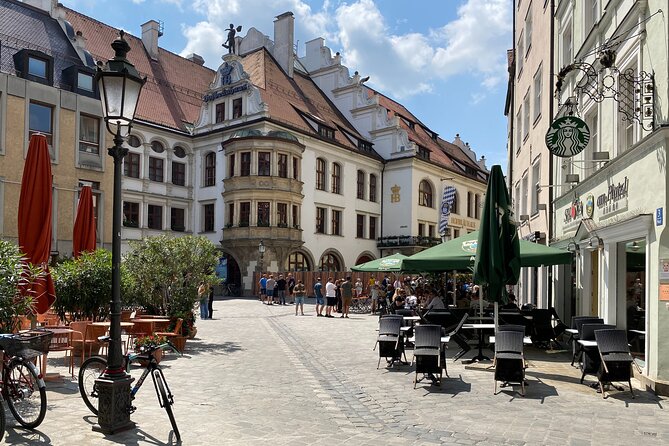
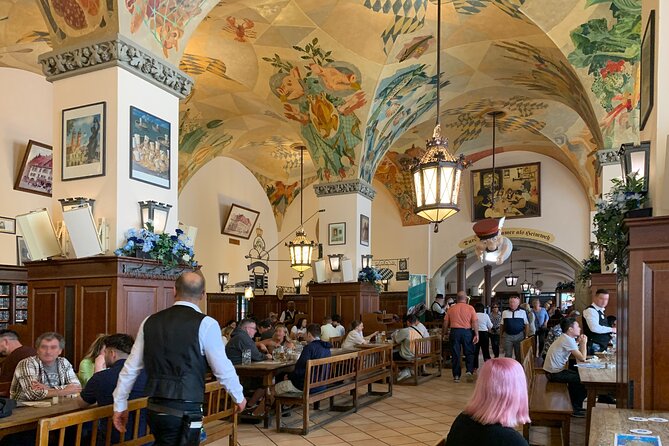
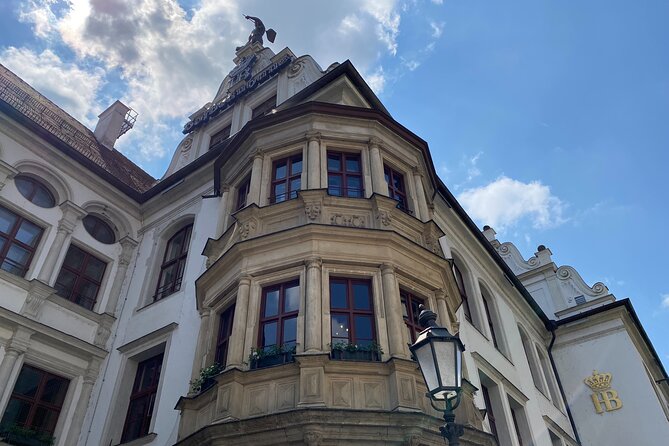
Then you move to the star attraction: Hofbräuhaus München. This is the former royal brewery turned famous beer hall, and you get time to go inside the main hall. Look for the interior details, the layout of the regular tables, and the beer mugs of regulars stored in special cells. Those small practices are part of why Hofbräuhaus feels like more than a tourist set.
You’ll also connect the dots between:
- the Bavarian brewing traditions
- the beer purity law
- Oktoberfest’s place in that brewing culture
- Munich beer garden “secrets,” explained in plain terms
You’ll even hear about the beer angel—part of the hall’s storytelling vibe. If you’re a beer person, you’ll get plenty to chew on besides the basic order-and-pay routine. If you’re not, this still works because the guide frames beer as a social system, not just a drink.
Practical note: this portion takes place at a very famous venue. Expect it to feel lively. If you want quiet for photos, aim for a slower pace in the moments your guide gives you.
Pfistermühle and the legend of the pretzel
At Restaurant Pfistermühle, you’ll sight a former royal bakery. The big theme is how food became legend in Munich. You’ll hear the story behind the pretzel and why it connects symbolically to the city.
This stop is quick, but it’s one of the best examples of how the tour uses tiny stops to add meaning. Munich isn’t only cathedrals and kings. It’s also everyday objects—like bread shapes—with long stories attached.
If you love food history, this is the kind of stop that makes you walk away noticing pretzels everywhere. If you don’t care about the legend, you still get a nice breather from heavier political and architectural stops.
You can also read our reviews of more private tours in Munich



Alter Hof: Wittelsbach power, the Royal Zoo legend, and Munich’s colors
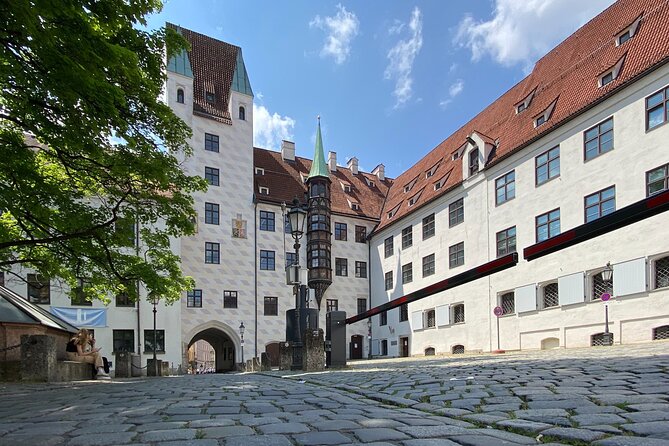
Then you’ll head to Alter Hof, where the guide takes you into the inner courtyard of the first residence of the Wittelsbach royal family in Munich.
This is where the tour shifts into “how a city is run” mode. You’ll hear a legend about a Royal Zoo and how it connects to Holy Roman Emperor Louis IV in a surprising way. Whether you treat it as pure legend or as a reflection of court life, it helps you understand the social world behind the palace presence.
You’ll also learn how Munich’s flag got its colours. That kind of detail matters more than it sounds. After you hear it, you stop seeing the flag as wallpaper and start seeing it as a choice with origins.
Dallmayr to Schäfflerstraße: gourmet shopping, coffee habits, and pest-era dancing
At Dallmayr Delikatessenhaus, you’ll walk past a historical gourmet store with royal tradition. Today it’s one of the largest delicatessen companies in Europe, but the point on the tour isn’t brand prestige. It’s the way the shop fits into Munich’s taste culture, from food to coffee.
You’ll get insider tips here too—especially useful if you’re the type who wants to plan one or two great eating stops and then let the rest of your day flow.
Then you cross to Schäfflerstraße, the Coopers’ Street. The tour explains a pest-containment legend tied to the 16th century, including a traditional dance that continued in Munich until modern times.
This is one of those stops that’s short, but it gives you a reason to look at street names and guild history. It’s easy to ignore street lore. This guide makes it the main event for a minute.
Frauenkirche and Marienplatz: devil’s footprint, wind secrets, and the Glockenspiel show
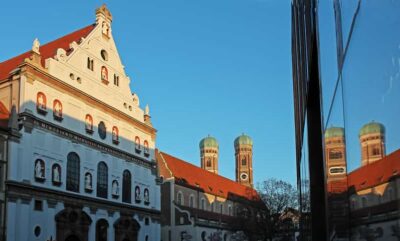
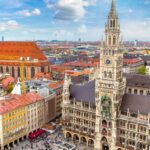
Now you hit the big architecture payoff: Frauenkirche. You’ll visit Munich’s cathedral and get stories about the legend of its construction and how that legend connects to the interior quirks.
You’ll also see the Devil’s footprint—a famous local story you’ll recognize even before your guide explains it. The tour also covers the so-called secret of the wind surrounding the cathedral all year around. The point isn’t to test physics; it’s to show how people in Munich explain and remember what they observe in daily life.
Then the tour finishes at Munich Marienplatz, where the energy spikes because you’re in the city’s main square. You’ll admire the Fischbrunnen (Fish Fountain) and hear about local traditions linked to it, including Wallet Washing and Butchers’ Jump. You’ll also hear the story of where Munich’s white sausage was invented.
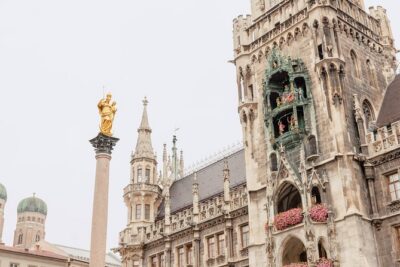
From there, your guide brings together the square’s big icons: St. Mary’s Square, the New and Old Town Halls flanking it, and the mechanical Glockenspiel. You’ll learn how the clock reenacts two key scenes from Munich’s history, played out through a carillon of tunes. Even if you’ve seen photos, it feels different when you understand what the scenes are meant to communicate.
The pacing and the style that make it work
The strongest praise for this tour is consistency: it feels organized, but not stiff. Victoria keeps stories moving and uses visuals on an iPad—maps and pictures that make older details easier to grasp as you walk.
Another practical strength from real tour experiences is flexibility. This is the type of guide who adjusts pacing for different group needs, and she also tends to build in comfort stops like a bathroom break midway. That matters because Munich old town can be slow with stops and crowds, and a tight itinerary that ignores human needs gets frustrating fast.
You’ll also get Q-and-A time. The guide answers questions and then turns your interests into a short list of next steps for after the tour, so your day doesn’t end when the walk ends.
Who should book this Munich old town walk (and who might not)
This is a great fit if:
- it’s your first time in Munich and you want a smart route
- you like stories that connect buildings to real people
- you want beer culture explained with context, not just facts
- you’re traveling with mixed ages or want a pace that can flex
It might be less ideal if:
- you want only light sightseeing and prefer to avoid WWII-related stops
- you dislike walking and standing for about 2 hours
- you’re hoping for a food crawl with meals included (food and drinks are not provided)
Should you book this tour?
I’d book it if your goal is simple: get your bearings fast, understand why Munich looks the way it does, and leave with specific next-stop ideas for food, coffee, and sights. The price makes more sense when you’re a small group sharing the cost, and the fact that entrance fees are included removes a common friction point.
If you’re sensitive to darker history, decide carefully about the Sterneckerbräu stop. But if you can handle context, this tour does a strong job of putting the city’s legends, beer culture, and landmark meanings into one walkable arc—ending right where you can keep exploring on your own.
FAQ
How long is the private Munich old town walking tour?
It lasts about 2 hours.
How large is the group for this private tour?
It’s a private tour for your group, with up to 6 people.
Is the tour in English?
Yes. It’s offered in English, and the guide is fluent.
What is included in the tour price?
You get a digital map of the itinerary, a knowledgeable and welcoming English guide, the 2-hour private walking tour, entrance fees included for the listed stops, and insider tips and recommendations.
Are food or drinks included?
No. Food and drinks are not included.
Where do we meet and where does the tour end?
You start at Isar Gate, Tal 50, 80331 München and end at Marienplatz, in the old town center.
What if I need to cancel?
You can cancel for a full refund if you cancel at least 24 hours before the start time.