REVIEW · MUNICH
München: Stadtführung Henker, Huren, Hexen in GERMAN
Book on GetYourGuide →Operated by Weis(s)er Stadtvogel GmbH · Bookable on GetYourGuide
Munich has a second face, and this walk shows it. You’ll connect Neuhauser Tor, St. Michael’s Church, and the well-known Frauenkirche to stories about executioners, prostitution, and witch hunts—how those worlds overlapped in the way the city was run. I love how the guide turns big landmarks into real human details, and I also like the fact that this is a straight, two-hour, guided experience with clear city routing. One thing to consider: the subject matter is heavy, and if you prefer light-and-lovely sightseeing, this isn’t your lane.
I like tours that teach you how to look at a place, not just what to see. Here, you learn why the executioners’ headquarters sat outside the city walls, why prostitution ended in the 1970s, and how the same systems of control could show up in totally different forms. You’ll also get some fun anecdotes along the way, so it’s not just grim facts in a monotone script.
Logistics are simple. Meet under the Neuhauser archway and look for your guide with the BIG BLUE BAG and the white words Weis(s)er Stadtvogel. The tour runs rain or shine, is in German, and it does not use actors or reenactments, so you’ll be hearing the story rather than watching a show.
In This Review
- Key highlights worth your attention
- A Two-Hour Walk Through Munich’s Dark Side (Without the Theater)
- Finding the Guide Under the Neuhauser Archway (So You Don’t Waste Time)
- Neuhauser Tor and the Salt Road: Where the City Controlled Who Went Where
- St. Michael’s Church: When You Look Up, You Notice the Timing of Power
- Frauenkirche and Alter Hof: Munich’s Famous Landmarks as Mirrors of Authority
- Former Jesuit College Stop and Witch Hunts: How a City Builds a Narrative
- Executioners, Pimps, and Prostitution: The Tour’s Central Provocation
- Why Executioners Stayed Outside the City Walls (The Logic of Control)
- Weather, Crowds, and Church Bells: The Practical Reality
- Price and Value: What You Get for About $25
- Who Should Book This German Dark-History Tour
- Should You Book It? My Take
- FAQ
- Where is the meeting point?
- What should I look for to find the guide?
- How long is the tour?
- What language is the tour in?
- Is the tour group shared or private?
- Is the tour outdoors, and does it run in bad weather?
- Are entrance fees included?
- Is this tour suitable for people with mobility impairments?
- What should I bring?
- Is cancellation possible?
Key highlights worth your attention
- Neuhauser Tor start point: the exact place where delinquents were led out of the city for execution
- Frauenkirche included on the route: a major Munich landmark tied to the tour’s darker themes
- Alter Hof (Old Court of Munich): power and politics in the same line of sight
- Historic salt road walking stretch: you’ll move along a route tied to how Munich functioned
- Former Jesuit college stop: a setting for witch-hunt discussion
- Shared group or private option: pick the vibe that fits your comfort level
A Two-Hour Walk Through Munich’s Dark Side (Without the Theater)
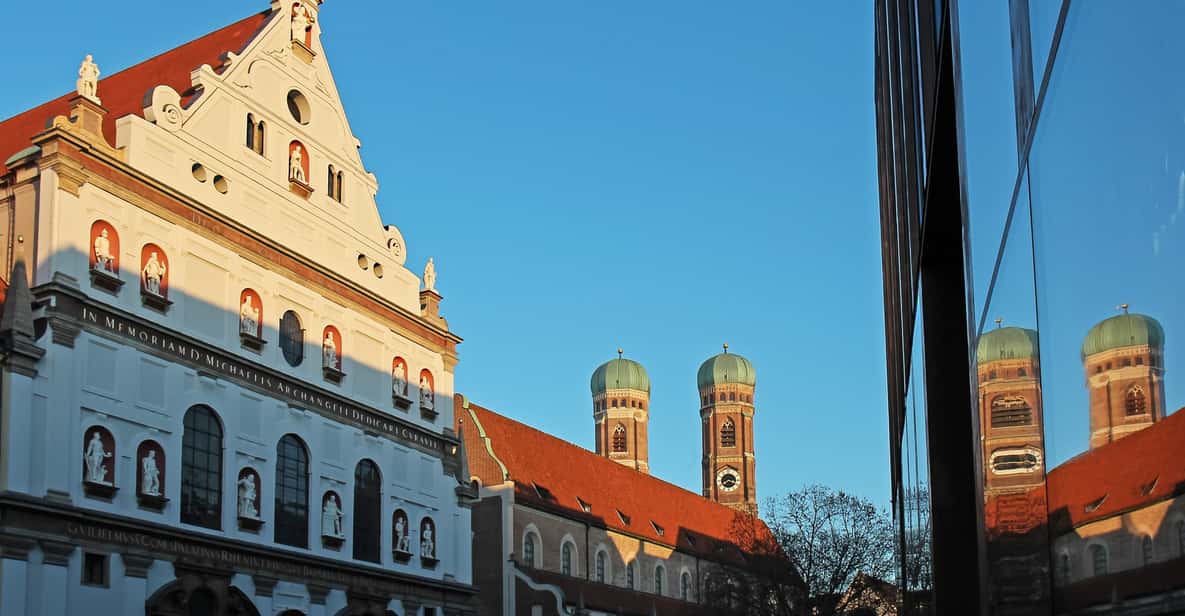
This is a city tour with a specific promise: it explains what executioners, prostitutes, and accused witches in Munich had in common. That’s the framing. The method is walking and storytelling, from landmark to landmark, so your brain keeps mapping the facts onto real streets.
What I like about this approach is that it turns symbolism into location. You’re not asked to imagine some abstract evil in a museum. You stand in a real place and hear how it worked. That’s what makes the tour feel practical, not just sensational.
The other big reason it works: it’s short. Two hours is enough time to connect a handful of major points—churches, court areas, gates, and a former Jesuit college—without dragging you through the whole city. You get a focused narrative, then you’re free to keep exploring with a changed lens.
Still, be honest with yourself about the tone. This isn’t a comedy, and it isn’t a gentle ghost walk either. You’ll hear about torture and executions. You won’t see reenactments, but the topics are real and grim.
You can also read our reviews of more tours and experiences in Munich.

Finding the Guide Under the Neuhauser Archway (So You Don’t Waste Time)
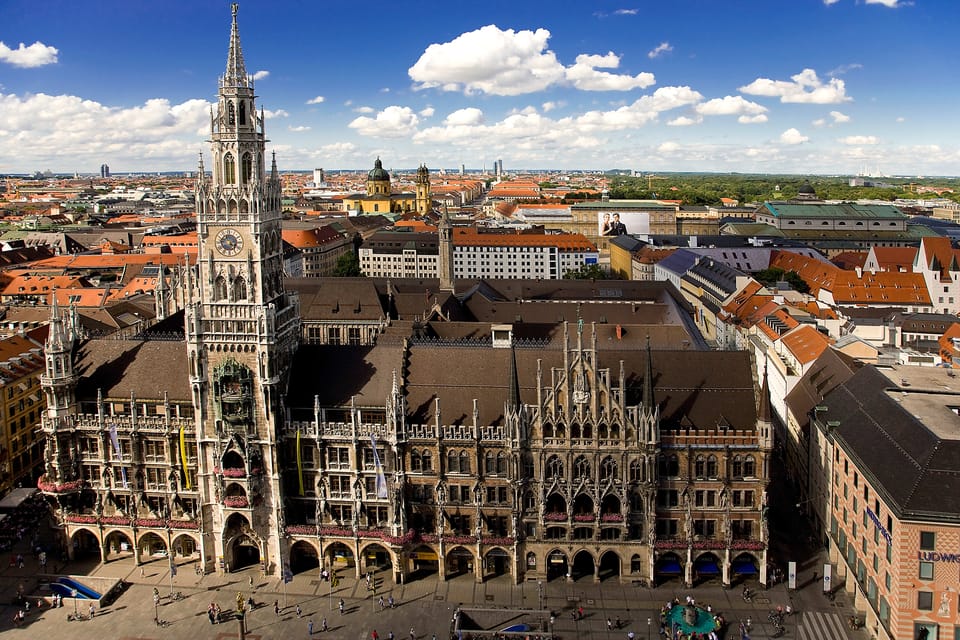
Meeting points matter, especially in a center like Munich where crowds can swallow a group fast. You’ll meet your guide under the Neuhauser archway. The guide wears a BIG BLUE BAG with the white text Weis(s)er Stadtvogel, which makes spotting them much easier than the usual “look for the person who looks like a guide.”
If you’re coming in by public transport, give yourself a little extra buffer. Not because the tour is disorganized—because central Munich around major pedestrian areas gets busy, and it’s easier to start calm than to sprint to the meeting point.
Language note: the live tour guide speaks German. If your German is basic, you might still follow bits, but plan for a real German immersion. If you’re not comfortable, a private option might still not fix the language issue, since the tour is listed as German.
Neuhauser Tor and the Salt Road: Where the City Controlled Who Went Where
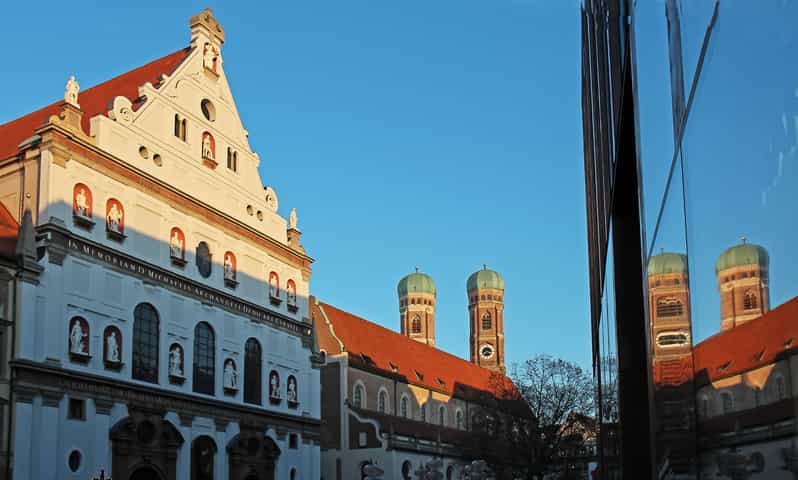
The tour kicks off at the place where delinquents were led out of Munich for execution: the Neuhauser Tor. That matters more than it sounds. A gate isn’t just architecture. It’s a system. It tells you what the city considered “inside” versus “outside,” and it sets up the tour’s bigger theme of control.
From there, you move along a route tied to commerce and movement: the historic salt road. Walking that kind of street stretch helps you understand how Munich kept functioning day after day—money, supplies, and people in motion. Then the guide layers in what that movement meant for power and punishment.
You’ll also hear about why certain operations weren’t kept neatly within the city center. The guide points to a logic behind placement—something about how the city managed work that was necessary but socially uncomfortable. You’ll come away thinking differently about the phrase “organized chaos.” This city wasn’t random. It was managed.
St. Michael’s Church: When You Look Up, You Notice the Timing of Power
A highlight here is St. Michael’s Church. You’ll visit it as part of the walk, not as a detour. That gives you a chance to slow down, stand, and listen in a way you can’t do while rushing street corners.
Church stops work especially well on tours like this because the building forces a different kind of attention. The guide can explain how belief, authority, and public life braided together. Even if you don’t care about architecture, you’ll still feel the point: these were not neutral spaces. They were part of how communities sent messages.
Practical note: church environments tend to have sound bouncing, and crowds can build fast. If the tour overlaps with other activity in the area, you may want to position yourself so you can hear the guide clearly. Don’t assume the center spot is always best—sometimes stepping slightly off to the side makes a big difference.
Frauenkirche and Alter Hof: Munich’s Famous Landmarks as Mirrors of Authority
Then you get to the most famous visual anchor on the route: the Frauenkirche. Seeing it is one thing. Hearing it explained through darker city mechanics is another.
What makes this stop valuable is the contrast. Frauenkirche is iconic and beautiful on postcards. On this tour, you’ll connect it to how municipal power operated in everyday life, including threats, punishments, and fear. The guide’s story helps you see how a city can project stability while still running on coercion.
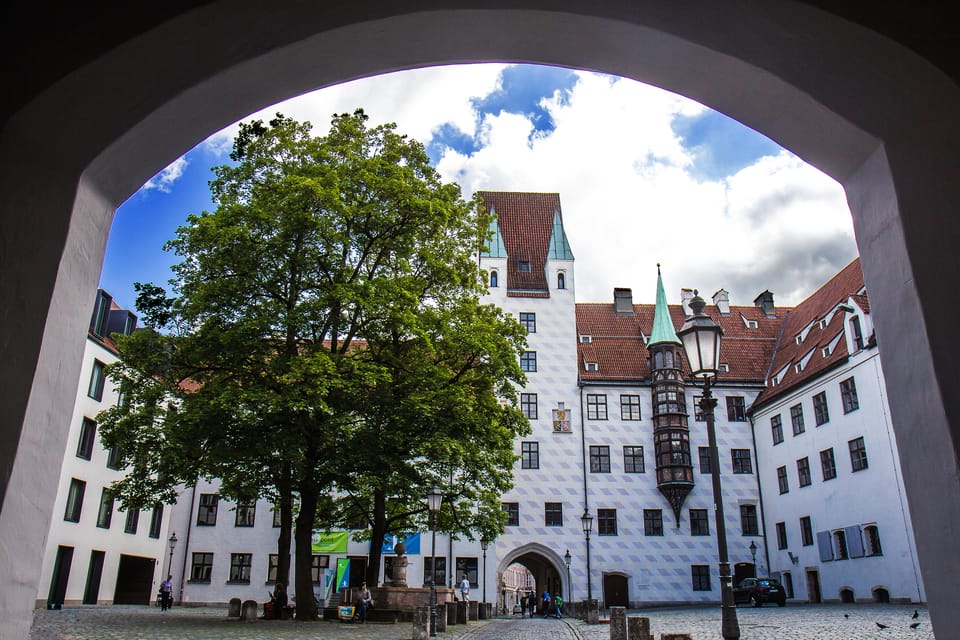
You’ll also pass Alter Hof, the Old Court of Munich. This is where the conversation clicks into governance. Courts aren’t just buildings for trials in the abstract. They’re tied to who held authority, who could order punishment, and how decisions became reality on the ground.
If you like “reading” cities through their institutions—rather than just collecting sights—this is a strong pairing. You’ll start to notice how the city’s most recognizable surfaces were also political stages.

Former Jesuit College Stop and Witch Hunts: How a City Builds a Narrative
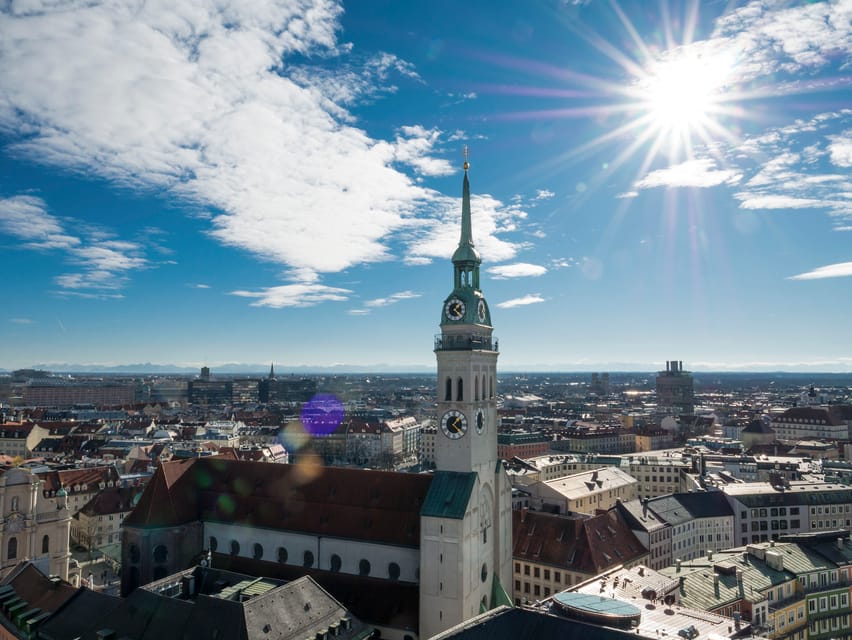
A key part of the walk heads to a former Jesuit college. This is where you’ll hear about the witch hunts. The value of this stop is that it gives the guide a concrete setting for how communities organized accusations.
Witch hunts weren’t only about fear. They were about building a story that justified action. And the tour’s structure helps you understand that the accusations didn’t float in midair. They were tied to institutions, public communication, and the broader way authority shaped truth.
One thing I appreciated in the way this tour is framed: it doesn’t treat witches, prostitutes, and executioners as totally separate curiosities. It keeps pushing the overlap. You’ll hear the idea that multiple roles—people accused, people paid, people enforcing—could connect through systems of control.
You don’t need to be a scholar to follow along. You just need curiosity and a willingness to accept that Munich’s past had a darker engine than most people expect.
Executioners, Pimps, and Prostitution: The Tour’s Central Provocation
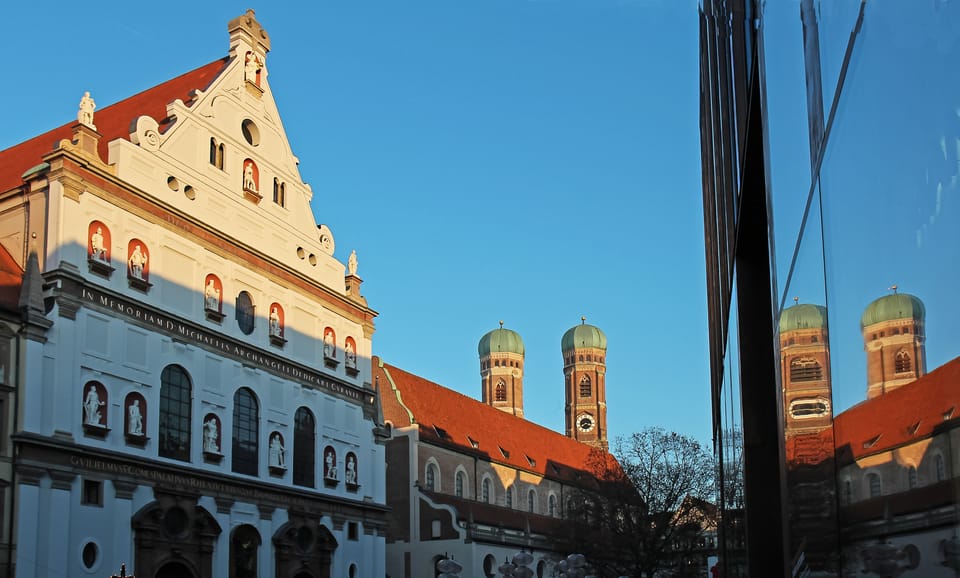
This tour’s core claim is blunt and thought-provoking: you’ll learn about how the city was run by executioners who also acted as pimps. That’s not a small detail. It’s the thread that ties the stops together.
As you walk, the guide connects prostitution to the same world as punishment. The goal isn’t just shock value. It’s to explain how certain jobs and authorities overlapped—how the boundary between enforcing order and profiting from disorder could blur.
You’ll also hear why prostitution ended in the 1970s, and the guide ties that change back to how society and governance shifted. This gives the tour a useful ending point. It stops being only a “then and there” story and becomes a “how did it change?” question.
One more note: there was at least one mismatch in clarity from a prior experience—some people found certain parts of the theme harder to hear or less directly connected in the moment. For you, the takeaway is simple: keep listening actively, and if you’re not hearing a key part, adjust your position. In crowded central areas, sound can get swallowed.
Why Executioners Stayed Outside the City Walls (The Logic of Control)
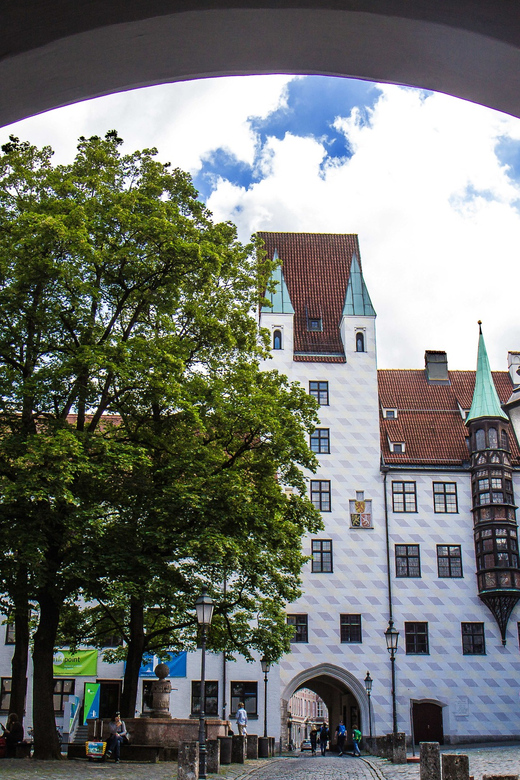
A standout fact you’ll hear is the reason the executioners’ headquarters were outside of the city. That detail is the kind of thing that makes you pause, because it hints at the city’s attitude.
If you think of the city as a single moral space, it doesn’t fit. But if you see it as an operating system, it makes sense: keep the work that scares people at arm’s length, while still maintaining access to power. Outside the walls could mean reduced social friction for the rest of the city and easier control over movements tied to punishment.
This theme shows up again and again in the tour’s route choices. You go to gates, court-adjacent zones, and institutional buildings. The story keeps returning to how placement and access mattered.
Weather, Crowds, and Church Bells: The Practical Reality
The tour takes place rain or shine. That means you should dress like it’s outside Munich. Because it is.
You also should expect that church areas can be busy. Even without any special show, normal city life adds sound and movement. If your German comprehension depends on hearing every word, plan for practical listening conditions. Stand where you can hear the guide best. Don’t always cling to the front—sometimes side positions are better for clarity.
Bring comfortable shoes. The tour is a walking city route through central streets and major monuments. Two hours might sound easy until you’re doing it on uneven paving and spending time stopping frequently.
Price and Value: What You Get for About $25
At $25 per person for 2 hours, this is priced like a serious guided walk rather than a casual stroll. Since it’s a live city guide experience with a focused theme, the price makes sense if you want story-based sightseeing.
What’s included is straightforward: a knowledgeable guided tour. What’s not included: food and drinks, pickup and drop-off, and entrance fees (if any apply during church visits).
So the value question comes down to your preference. If you like standard “here’s a church, here’s a square” tours, you might feel the focus is too heavy. If you like thematic city understanding—how power, fear, and economics shaped streets—this is good time for your money. You’ll leave with connections you won’t get from a generic walk.
Who Should Book This German Dark-History Tour
You’ll probably enjoy this most if you’re:
- curious about how institutions and everyday life intersected in historic cities
- comfortable with difficult topics like torture and executions
- the kind of traveler who likes guide storytelling, not just photos
- able to follow a German guide conversation for the full two hours
You might not love it if you want gentle entertainment or if you’re easily unsettled by grim subject matter.
A small caution for mobility needs: the tour is listed as wheelchair accessible, but it’s also marked as not suitable for people with mobility impairments. Because those two notes conflict, you should check directly with the provider before booking, so you’re not surprised by the actual walking surfaces and route demands.
Should You Book It? My Take
If you like Munich as a real city, not a postcard collection, I think you should book it. The route hits major landmarks—St. Michael’s Church, Frauenkirche, Alter Hof—then stitches them to a darker theme you won’t get from the usual highlights tour.
I’d skip it if you need a light tone, or if you’re worried about heavy historical topics. Also, choose your expectations carefully: this isn’t actors or reenactment. It’s a guided explanation. Your enjoyment will come from listening.
Finally, go early in your head. This is a tour about overlap—executioners, sex work, accusations—so it helps to stay mentally open from the first minute at Neuhauser Tor.
FAQ
Where is the meeting point?
Meet your guide under the Neuhauser archway.
What should I look for to find the guide?
Your guide will be wearing a BIG BLUE BAG with the white words Weis(s)er Stadtvogel.
How long is the tour?
The duration is 2 hours.
What language is the tour in?
The live tour guide speaks German.
Is the tour group shared or private?
You can choose between a shared group or a private tour.
Is the tour outdoors, and does it run in bad weather?
It takes place rain or shine.
Are entrance fees included?
Entrance fees are not included.
Is this tour suitable for people with mobility impairments?
It’s listed as wheelchair accessible, but it is also marked as not suitable for people with mobility impairments. You should check with the provider before booking.
What should I bring?
Wear comfortable shoes.
Is cancellation possible?
Free cancellation is available up to 24 hours in advance for a full refund.