REVIEW · MUNICH
München: Vegetarische Viktualienmarkt-Probiertour Deutsch
Book on GetYourGuide →Operated by Servus Bavaria Tours · Bookable on GetYourGuide
Munich’s food markets can feel like a maze—this tour makes sense of it. You’ll walk from Marienplatz to Viktualienmarkt, sampling vegetarian bites while your local guide explains what you’re looking at (including the market’s medieval roots). It’s food-first, but you also get the small-side stories that make the place click.
What I like most is that the tasting is truly vegetarian (with some vegan options), so you won’t sit out the fun. I also like the mix of flavors and textures: crispy pretzels with an Obazda-type spread, Munich-brewed kombucha, regional cheese with organic bread, plus a seasonal savory and a sweet surprise.
The one thing to watch: the tour is short, and the tastings are meant as samples—so portions can feel small if you’re expecting a full meal. Also, it’s not suitable if you have food allergies.
In This Review
- Key highlights to know before you go
- From Marienplatz to Viktualienmarkt: why this route works
- Stop 1 at the Fischbrunnen: get oriented fast
- Marienplatz segment (about 15 minutes): turning a square into a starting point
- Viktualienmarkt (about 75 minutes): food tastings in the right setting
- The market you see: 130 stalls and a place with old roots
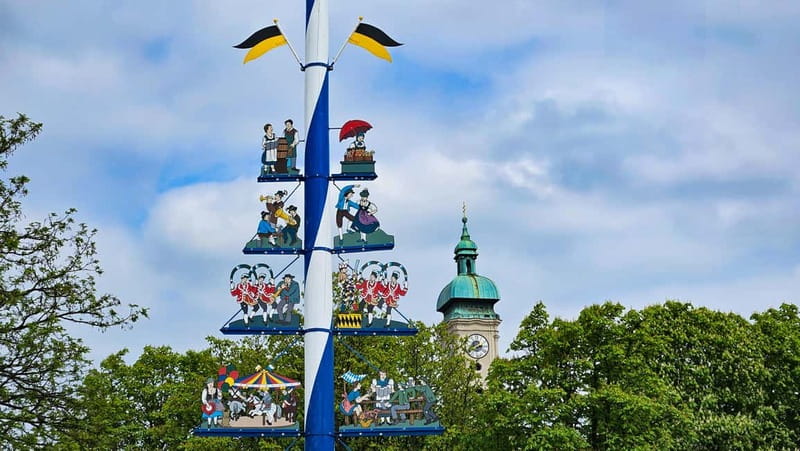
- The famous details: maypole, beer garden, and Munich’s characters
- The Brezenreiter moment: pretzels with a story attached
- The tastings: what you actually get to eat
- How the “vendor stories” change the feel of a food tour
- Price and value: $48 for a short, snack-focused tour
- Who this tour suits best (and who should skip it)
- Small practical tips to make your tour smoother
- Should you book the Deutsch vegetarian Viktualienmarkt-Probiertour?
- FAQ
- FAQ
- Where does the tour start?
- How long is the Viktualienmarkt vegetarian tasting tour?
- Where does the tour end?
- What language is the tour guide speaking?
- Is the tasting vegetarian or vegan-friendly?
- Is this tour suitable if I have food allergies?
Key highlights to know before you go
- All samples are vegetarian, with some vegan options, so you can eat confidently on the tour
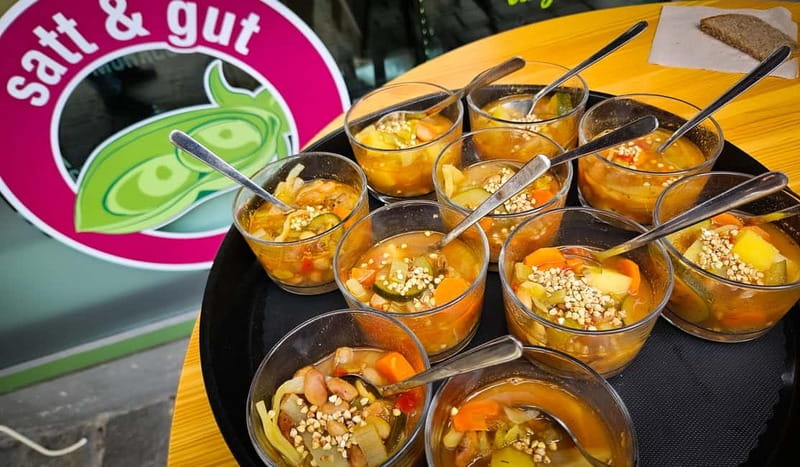
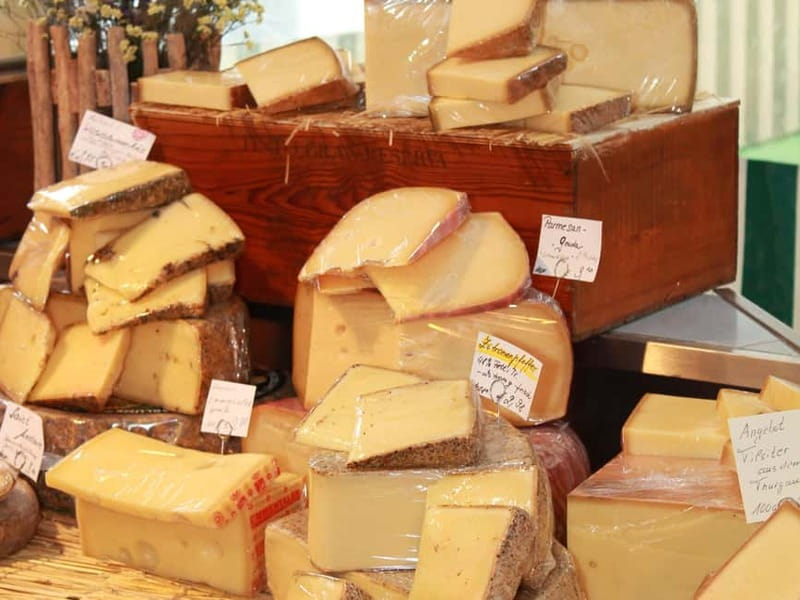
- Regional tastings include pretzels with Obazda-type spread, kombucha, local cheese, and a seasonal savory dish
- Behind-the-scenes time: you’ll chat with vendors and hear insider stories while you walk
- You’ll connect landmarks to food history, from the former Heilig Geist spital grounds to famous market details
- Plan for a quick hit: this is a 2-hour tour designed to sample, not to fully dine
From Marienplatz to Viktualienmarkt: why this route works
If you only do Munich’s sights, you miss how people actually live day-to-day here. This tour’s route is built for that. You start at Fischbrunnen on Marienplatz, then head into the market area for a longer stop at Viktualienmarkt. In practice, it’s an easy flow: sight-orientation first, then food details where they belong.
I like that it’s not just a snack run. The guide links what’s in front of you—stalls, displays, and famous features—to the market’s backstory. That matters because Viktualienmarkt isn’t a generic “tourist market.” It’s tied to the medieval Heilig Geist spital grounds, which gives the whole place a deeper logic than you’d get from a quick walkthrough.
And because all samples are vegetarian (with vegan options), you get a tour that doesn’t treat plant-based eating as an afterthought. You’re not there to “maybe” find something. You’re there to eat.
You can also read our reviews of more tours and experiences in Munich.

Stop 1 at the Fischbrunnen: get oriented fast
You meet at the Fischbrunnen on Marienplatz. This is a smart start point because you’re at the center of the old town—easy to find, and it sets you up for the walk toward the market.
What you should do at this stage: use the first moments to settle in and watch how the group moves. Since the tour is 2 hours, your guide’s timing matters. If you show up late, you’ll miss that early orientation that helps the rest of the tastings feel more meaningful.
Also, since the tour is conducted in German, it helps if you’re comfortable following along at a natural pace. You don’t need to be fluent, but you’ll get more from the small stories if you can track the main points.
Marienplatz segment (about 15 minutes): turning a square into a starting point
Next comes Marienplatz for a guided segment of roughly 15 minutes. This isn’t long enough for a full history lecture. It’s more like a quick framing: the guide helps you understand where you are and what you’re about to see.
Think of this as your “mental map” moment. When you’re later standing among market stalls, you’ll know what the guide is pointing to and why it matters. That’s the big payoff of starting with a short orientation rather than jumping straight into food.
If you’re the type who gets overwhelmed in busy places, this section is also useful. It gives you a rhythm: listen, look, then move on.
Viktualienmarkt (about 75 minutes): food tastings in the right setting
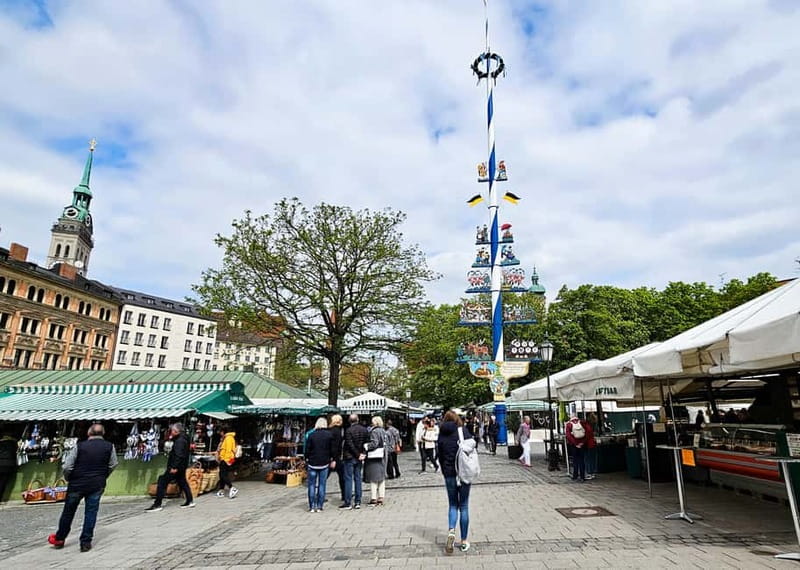
This is the main event. You spend about 75 minutes at Viktualienmarkt, and that time is built around three things: the market atmosphere, landmark storytelling, and multiple vegetarian tastings.
The market you see: 130 stalls and a place with old roots
Viktualienmarkt sits on the former grounds of the Heilig Geist spital. Your guide weaves that into what you notice today—especially the feel of the place as a working market, not a staged backdrop. The market has around 130 stalls, so even if you only have a short time, you’re still seeing serious variety.


The famous details: maypole, beer garden, and Munich’s characters
This stop also includes well-known features you can spot as you walk, like:
- the maypole
- the beer garden
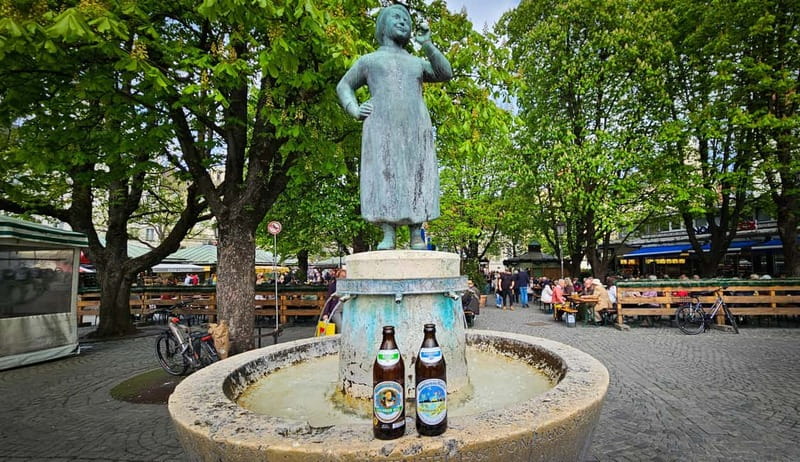
- the drinking fountains topped with Munich-original characters
Even if you’ve seen photos before, you’ll probably appreciate them more in person because you’re moving through the market with context. A drinking fountain isn’t just a photo spot—it becomes a landmark you can remember because the guide explains its place in the overall market character.
The Brezenreiter moment: pretzels with a story attached
One highlight explicitly calls out the Brezenreiter. Expect the guide to connect that well-known figure to the food culture around the market. If you’re a pretzel person (who isn’t?), this is the part where the snack becomes something you can place.
The tastings: what you actually get to eat
Your vegetarian tasting includes several specific sample types, and the exact mix can vary by season. Based on what’s included, you can expect items like:
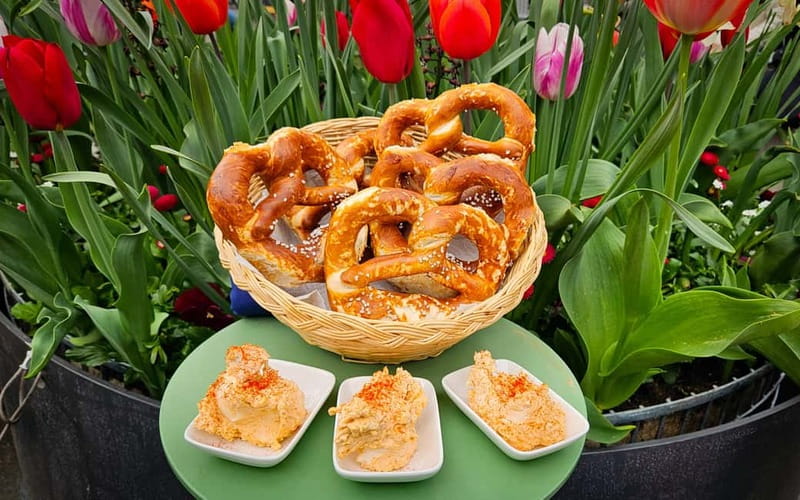
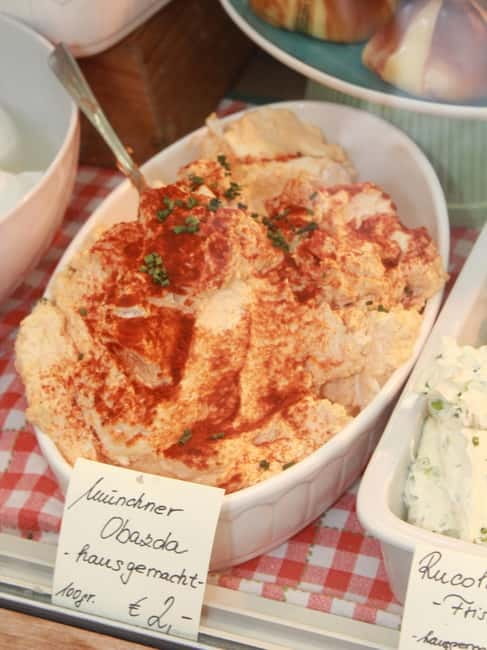
- Crispy pretzels with an Obazda-type spread
This is the kind of savory start that makes the rest of the tastings feel richer. You’re not just eating a small bite—you’re getting a classic flavor profile in a format that’s easy to try on the move.
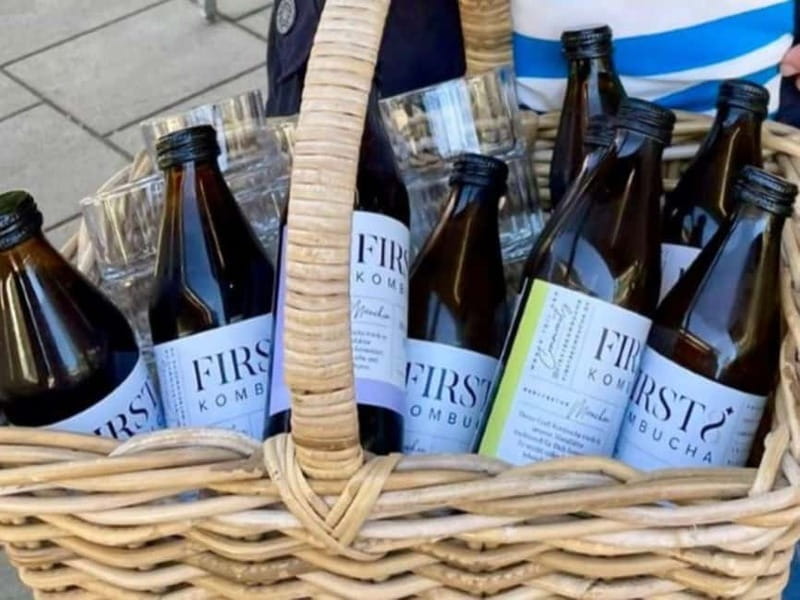
- Munich-brewed kombucha varieties
Kombucha can be hit-or-miss on tours when it feels like a token drink. Here, it’s treated like part of the tasting lineup, alongside food.
- Regional cheese plus freshly baked organic bread
This is where you get some solid grounding. It also helps balance the more tangy and snacky items with something traditional.
- Market-fresh salad or stew with local grains
The season decides which you’ll encounter. Either way, it’s a reminder that a market day is about what’s fresh right now, not what’s always on the menu.
- A sweet surprise
You’ll finish with something for the finish line—small, but satisfying.
One practical note: because these are samples, you’ll be tempted to hunt for seconds after the tour. That’s not a problem. It’s the whole point: the tasting gives you targets for what you’d want to buy later on your own time.
How the “vendor stories” change the feel of a food tour
A big part of the tour’s value isn’t just what’s on the plate. It’s the way you’re guided through the market by someone local who’s familiar with how vendors talk about their products.
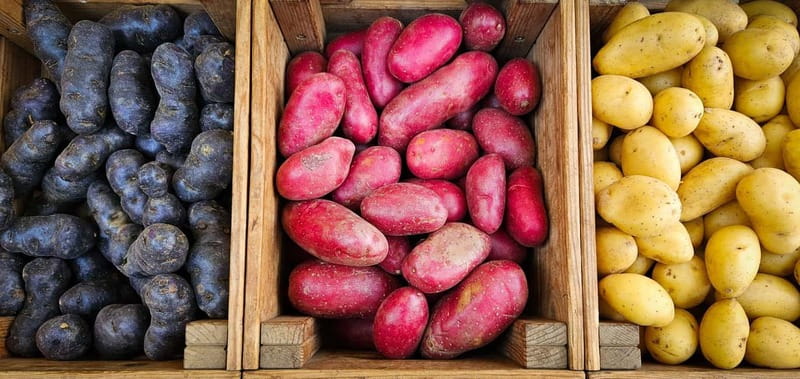
You’ll get a look behind the scenes, chat with vendors, and hear insider stories. This is the difference between walking through stalls while everyone says the same generic lines, versus hearing the kind of details that help you shop smarter afterward.
For example, when you learn what goes into a particular product or why it’s popular at this market, you can approach future meals with more confidence. You’ll know what to ask for and what to prioritize.
Price and value: $48 for a short, snack-focused tour
At about $48 per person for around 2 hours, this is priced like a food tasting experience, not a full sit-down meal. The value comes from the number of tastings included and the fact that everything stays vegetarian (with vegan options).
Here’s what makes the price feel fair:
- You get multiple distinct samples, not just one “main” bite
- You’re guided through the most famous market area for a set, efficient time window
- You get practical context—what you see, where it fits historically, and why certain foods are part of the market culture
Here’s what could make you rethink it:
- If you want large portions and heavy eating, the tour may feel like just that—samples. One note from the experience says the portions can be small, and it matches the reality of a 2-hour tasting tour.
My advice: treat it as a tasting + orientation experience. Then plan a proper meal on your own later if you’re really hungry.
Who this tour suits best (and who should skip it)
This works especially well if you:
- eat vegetarian and want options beyond basic salads
- like learning while you snack, not just following a checklist
- want a quick way to understand Viktualienmarkt’s layout and character in a short visit
It may not be ideal if:
- you have food allergies (it’s not suitable)
- you don’t like guided tours in German, since that’s the only language listed
- you need a full meal with bigger portions
Small practical tips to make your tour smoother
- Wear shoes you can stand in. Markets mean time on your feet.
- Go in with a plan to arrive hungry enough for samples, but not starving enough that you’re angry halfway through.
- If you’re sensitive to language, remember you don’t need every word—you just want the main idea to understand what you’re eating.
- Bring cash only if you like having options. The tour tastings cover the samples, but you might spot things you’ll want to buy later.
Should you book the Deutsch vegetarian Viktualienmarkt-Probiertour?
I’d book it if you want an efficient, vegetarian-friendly way to experience Munich’s most famous market without spending hours figuring out where to start. The biggest reasons are the guaranteed vegetarian tasting lineup (with vegan options) and the guide-led context that turns landmarks like the Brezenreiter and the Heilig Geist spital setting into something you can actually remember.
Skip it if allergies are in the picture or if you’re expecting large portions. In that case, you’d probably be happier doing your own market wandering plus a sit-down meal elsewhere.
FAQ
FAQ
Where does the tour start?
The tour meets at the Fischbrunnen on Marienplatz. Look for the guide wearing a name tag and bag saying SERVUS BAVARIA TOURS.
How long is the Viktualienmarkt vegetarian tasting tour?
It lasts about 2 hours.
Where does the tour end?
The tour ends back at Viktualienmarkt.
What language is the tour guide speaking?
The tour is guided in German.
Is the tasting vegetarian or vegan-friendly?
All samples are vegetarian, and some are vegan. You should not miss out on tasting stations due to meat-based restrictions.
Is this tour suitable if I have food allergies?
No. The tour is listed as not suitable for people with food allergies.