REVIEW · MUNICH
Munich in the 3rd Reich and WW2 private walking tour
Book on Viator →Operated by Dark History Tours · Bookable on Viator
Munich can look postcard-perfect and still hide a brutal past. This private walking tour tracks the arc of the Third Reich in the streets, from the early political chaos after World War I to Munich under Nazi rule and the war’s end. You get one guide for your whole group, so you can ask questions and move at a human pace.
I love two things most: the way the tour links big events (Versailles, Nazi rise, the SS’s origins) to real street locations, and the added visual storytelling—photos and period-style references that make the timeline easier to hold in your head. One thing to consider: the topic is heavy, and it’s still a walking tour with moderate walking, so comfortable shoes matter.
In This Review
- Key things to know before you go
- A private walk through Munich’s 1930s to 1945 story
- Start at Isar Gate, finish near Odeonsplatz: pacing and atmosphere
- Munich after World War I: why Versailles sets the stage
- The origins of the Nazi Party: seeing propaganda on the street
- The SS and the machinery of terror: origins before the worst hits
- Beer Hall Putsch and Munich’s political theatre
- Kristallnacht and the origins of the Holocaust
- Nazi Party Headquarters, the Munich Pact, and the power center vibe
- Allied bombing and how the war reached Munich
- Beer hall break: Hofbräuhaus-style pause, not a sightseeing detour
- Private guide value: why one-on-one feels worth it
- Who should book this tour—and who might want a different one
- Practical tips: shoes, weather, and questions to ask on the walk
- Should you book the Munich Third Reich and WWII private walking tour?
Key things to know before you go
- Private, up to 6 people: undivided attention and room for questions.
- 3.5–4.5 hours on foot: no car or bus, so wear real walking shoes.
- Timeline from Versailles to 1945: you see how Munich became a political engine.
- Stops connected to core Nazi milestones: Beer Hall Putsch, Kristallnacht, Nazi HQ, Munich Pact.
- A break is usually included at a beer hall tied to history: refreshments aren’t included, and you can ask for a café.
- Operates in all weather: pack for cold, rain, or snow.
A private walk through Munich’s 1930s to 1945 story
Munich has two faces. There’s the charming one with churches, beer halls, and old-city views along the Isar. Then there’s the other face, where political extremism took root and the city became the spiritual headquarters of the Nazi movement. This tour takes you through that second story—without sugarcoating it.
What makes it feel different from a basic history lecture is the structure. You’re not just hearing names and dates. You’re walking between landmarks and power centers that helped shape events, and your guide is there to connect the dots—why these places mattered, how Munich’s climate enabled extremist politics, and how the war’s violence eventually arrived in the city itself.
You’ll also notice the pacing is built for real conversation. Private tours are usually slower, more personal, and more flexible. Here, that means if you’re curious about a particular moment—Hitler’s rise, the Beer Hall Putsch, the early machinery of terror—you can steer the discussion without feeling rushed.
You can also read our reviews of more walking tours in Munich
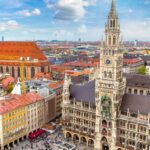

Start at Isar Gate, finish near Odeonsplatz: pacing and atmosphere
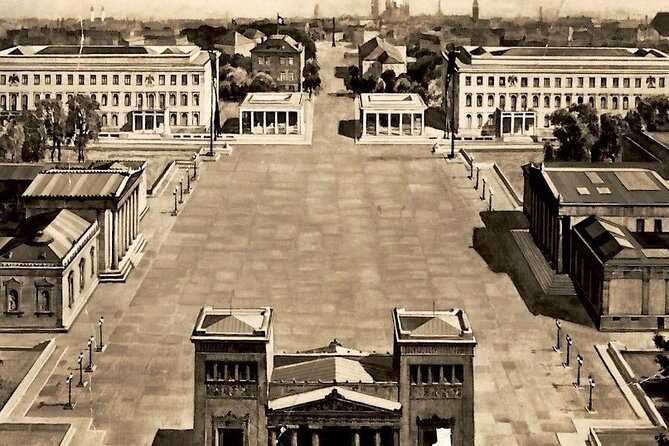
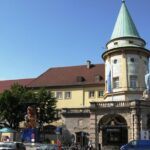
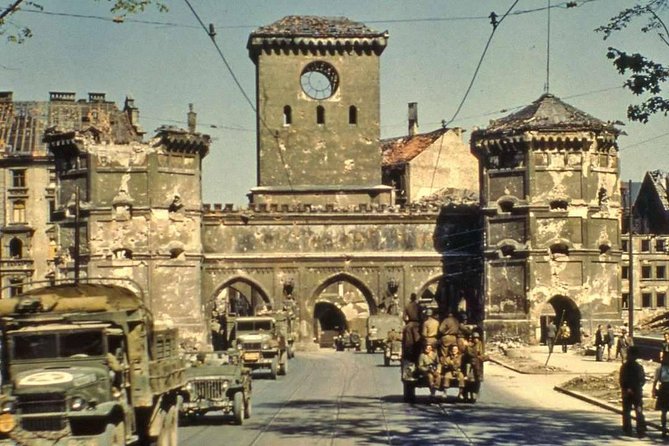
The tour starts at Isar Gate (Tal 50). Even before you get to the heavy topics, that location helps you get oriented. It’s close enough to central sights that you can picture Munich as a city of routes and crossroads, not just a museum.
The walk ends at Odeonsplatz, right by the Residenz palace area, and only a few minutes from Marienplatz. That matters because it gives you an easy landing spot after 3.5 to 4.5 hours of history. In practical terms: you can continue your day with a café stop, shopping, or a short hop back to your hotel.
Also, because it’s a walking format (no bus rides between stops), the tour’s rhythm feels grounded. You’ll move through real streets and real distances. That’s a plus for understanding how a city operates—but it’s also why good footwear is not optional.
Munich after World War I: why Versailles sets the stage
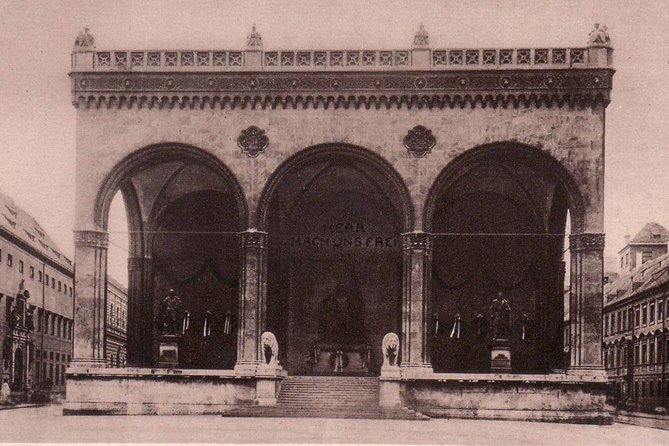
The tour’s story begins with the aftermath of World War I and the Treaty of Versailles. This part isn’t just academic. It’s the backdrop that helps explain why Germany—and Munich in particular—became fertile soil for anger, instability, and political extremism.
A useful idea here is that Munich wasn’t drawn into Nazism out of nowhere. The years after the war brought economic strain and social trauma. When you understand that, the rise of the Nazi Party feels less like a random twist and more like a grim outcome of conditions people lived with every day.
You’ll also learn how Munich briefly became a hot-bed for extreme political experiments in the chaos of that era. That early instability is important, because it shows how power can shift fast when institutions wobble and people feel cornered.
The origins of the Nazi Party: seeing propaganda on the street
Once the tour moves into the origins of the Nazi Party, the discussion centers on leadership, messaging, and the way movements build momentum. You’ll learn that the Nazi Party emerged under Adolf Hitler, and that Munich was officially christened with a powerful title: Hauptstadt der Bewegung, or Capital of the Movement.
For me, the key value of this section is how it reframes Munich. Instead of seeing it only as a beautiful city with famous traditions, you start seeing it as a place that gave the Nazi movement a stage and a home.
This is where the private format really shines. When you’re walking from one site to the next, you can ask questions like:
- How did the Nazis use public events and symbolism to grow support?
- Why did Munich become so central compared with other German cities?
- What did ordinary people actually experience during this shift?
If you like asking questions and getting straight answers, this tour fits your style.
The SS and the machinery of terror: origins before the worst hits
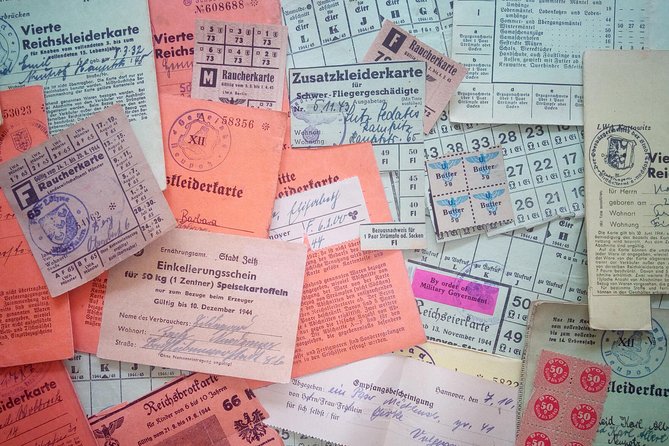
One of the tour’s promises is a look at the birthplace of the SS. That’s a phrase that sounds like a footnote until you connect it to what the SS became later in the war years. By placing it in Munich’s timeline, you get a clearer sense of how early organization and ideology can turn into systematic violence.
This stop-by-stop approach is more valuable than trying to memorize a list of organizations. It helps you see how institutions form first, and only later do they act on their most destructive goals.
You should expect your guide to explain the logic of that progression—how the movement moved from politics to enforcement, and from promises to coercion. It’s not light material, but it’s structured.
You can also read our reviews of more private tours in Munich


Beer Hall Putsch and Munich’s political theatre
The infamous Beer Hall Putsch is one of the tour’s anchor topics. It’s also one of the easiest ways to understand how street-level drama can shape national history. You’ll learn what happened and why it mattered, including how it fed the Nazis’ narrative and helped the movement gain momentum even before it officially held power.
In a walking tour, you can sense why this kind of event is remembered. You’re in the city where rallies and confrontations would have unfolded, and the guide can connect the dots between political theatre and real streets.
This section is also where your guide’s delivery matters. The tour is praised for guides who use visual aids—photos and references tied to the historical sites—so the story doesn’t stay abstract. That helps a lot if you’re history-curious but not a scholar.
Kristallnacht and the origins of the Holocaust
Then comes Kristallnacht, described as tied to the origins of the Holocaust. This is the portion that you should mentally prepare for. It deals with persecution and escalating state-linked violence.
Even if you already know the basics, a good tour should explain what’s happening beneath the surface: how propaganda and radical policy translated into coordinated harm. The value here is that you aren’t learning this as a distant chapter. You’re learning it as part of a Munich-centered timeline that shows how events escalated in stages.
Because it’s a private tour, you can pause, ask for clarity, and make sure you understand the sequence. You also avoid the common problem of large-group tours, where the guide can’t stop long enough to address real questions.
Nazi Party Headquarters, the Munich Pact, and the power center vibe
The tour includes the Nazi Party Headquarters and the signing of the Munich Pact. These topics bring you to the idea of governance: how a movement that started as radical politics becomes an apparatus that makes decisions at scale.
In practice, this section helps you understand two things:
- The Nazis didn’t operate only through violence; they also consolidated power through official channels.
- Munich was more than a backdrop—it was a decision-making focal point.
One useful way to look at this part is to treat each stop like a clue. The guide’s job is to show what the site represents in the Nazi system: who had power, how authority was presented, and how diplomacy and aggression were entangled.
If you want the story to connect cleanly to the later war years, this is where the timeline tightens.
Allied bombing and how the war reached Munich
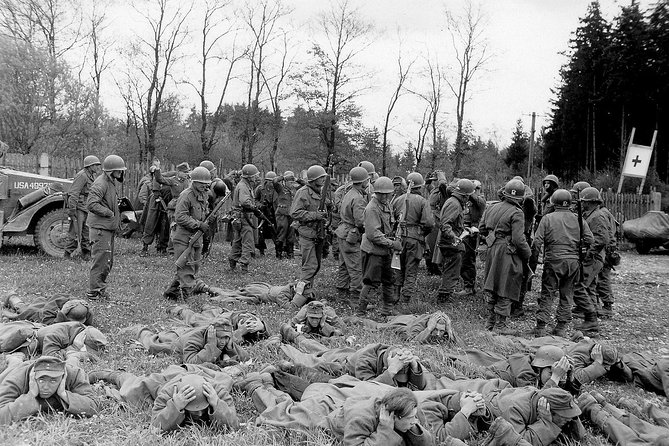
The Allied bombing campaign is included, along with how the city fell to US forces in 1945. This is where history stops being just political and becomes physical—air raids, destruction, and the end of Nazi control.
A walking tour can’t recreate the damage, but it can help you understand the geography of impact. You’re still learning by moving through the city, and the guide can explain how strategic targets, infrastructure, and military priorities shaped what happened.
If you’re sensitive to heavy subjects, pace yourself here. It’s okay to ask for a short moment, or to focus on the historical structure rather than the emotional details. A good private guide will work with you.
Beer hall break: Hofbräuhaus-style pause, not a sightseeing detour
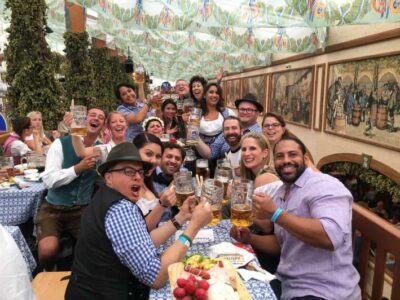
The tour generally stops for a break in a beer hall associated with this history. Hofbräuhaus came up in the experience reviews, which suggests the type of stop you might encounter is tied to Munich’s iconic beer culture and the historical context around it.
Here’s the practical truth: refreshments are not included. If you want a quick coffee or a calmer café break instead of beer hall atmosphere, tell your guide. The tour notes explicitly that you can request a café rather than sticking with the beer hall stop.
I like this break structure because it prevents the tour from turning into pure lecture mode. It’s a chance to reset your brain, use the restroom, and regroup—especially important when you’ve been absorbing tense events for hours.
Private guide value: why one-on-one feels worth it
The price is $423.44 per group (up to 6), and the tour lasts about 3 hours 30 minutes to 4 hours 30 minutes. That sounds like a lot until you do the math with real Munich tradeoffs.
If you have:
- 2 people: about $212 per person
- 4 people: about $106 per person
- 6 people: about $71 per person
So the value depends heavily on whether you’re traveling as a pair, a family, or a small friend group. Private tours are also about more than headcount. They’re about control: you can ask more questions, the guide can adjust the pace, and you’re less likely to feel like you’re being dragged through stops.
The experience is consistently praised for guides who:
- show visual support (photos and references)
- adapt if weather changes your time window
- keep teens and reluctant history fans engaged
- answer questions directly rather than hand-waving
Even if you’re not a die-hard WWII buff, the private angle helps you leave feeling oriented. You’ll know not just what happened, but how and why Munich became central to it.
Who should book this tour—and who might want a different one
This tour is ideal if you:
- care about WWII and the rise of Nazism
- want a clear city-based timeline rather than a slideshow
- like asking questions and getting specific answers
- are traveling in a group of up to 6 and want a shared experience
It’s also a good fit for families with older kids, based on how guides have worked with teens and even younger participants who can handle serious themes. Still, consider maturity. This is not the right tour for kids who can’t process persecution, terror, and wartime violence.
If you prefer lighter sightseeing—churches, gardens, maybe a quick beer hall story—then you might find the tone too dark. In that case, pair this with a more relaxed Munich day, so your trip has balance.
Practical tips: shoes, weather, and questions to ask on the walk
This tour runs in all weather conditions. Munich can be wet, cold, and slippery. Wear footwear that won’t let you down—because you’ll be walking between sites and there’s no bus ride to rescue you.
You’ll also want to come with curiosity. These are good questions to bring:
- Why did Munich become the movement’s home?
- How did early political chaos connect to later enforcement?
- What role did public events and propaganda play?
- How did the war’s violence reach the city?
One small but smart tip: plan your schedule around the fact that the tour can include a break and will run about 3.5 to 4.5 hours. If you stack it right before a long train ride or late dinner, you’ll feel rushed.
And yes, it helps to know that booking is often made in advance—on average, this tour is booked about 54 days ahead—so if your dates are fixed, don’t wait for the last minute.
Should you book the Munich Third Reich and WWII private walking tour?
Book it if you want a private, street-level way to understand how Munich helped shape one of history’s darkest periods. The biggest reason is value through attention: you get a focused guide, a chronological story from Versailles to 1945, and a route built around the real locations that mattered.
Skip it (or rethink timing) if you:
- can’t handle heavy material
- want a mostly relaxed sightseeing walk
- have limited mobility for a moderate walking route
- strongly dislike beer hall stops—though you can ask for a café instead
If your goal is learning with context—and leaving with a clearer sense of how history unfolded in the actual city—this is a standout way to experience Munich beyond the postcards.