REVIEW · MUNICH
Munich: Food Tour Beer- 3 small beers & “Brotzeit” in GERMAN
Book on GetYourGuide →Operated by Weis(s)er Stadtvogel GmbH · Bookable on GetYourGuide
Munich can feel like it runs on beer. This tour ties the old town streets to real brewing milestones, from Hofbräuhaus secrets to the Oktoberfest story inside a museum. You’ll start at Marienplatz and move through the crooked lanes like you’re following a local map, not just checking boxes.
I especially liked how this isn’t only about drinking. You get context on why Bavarians brewed the way they did, including the influence of Bavarian dukes and the purity law. And I also like that you get a clear tasting structure: three small beers plus pretzels at the right moment.
One thing to note: if you expect a heavy-on-food, heavy-on-tasting experience all the way through, this may feel more like a city walk with beer highlights. The mix can lean toward storytelling and historic stops rather than nonstop food.
In This Review
- Key highlights to look for
- Marienplatz meet-up: where your beer stories start
- The first beer and pretzels: setting the taste level early
- Hofbräuhaus: the famous walls and the secrets you miss alone
- Medieval brewing clues, the purity law, and why it changes how you listen
- Beer and Oktoberfest Museum: the model of Carl von Linde
- Weisses Bräuhaus and the Brotzeit moment that feels like dinner
- Price and logistics: is $87 worth it?
- Who this tour suits best (and who should skip)
- Should you book this Munich beer and Brotzeit tour?
- FAQ
- What’s the duration of the Munich beer and Brotzeit tour?
- Where do I meet the guide?
- What language is the live tour guide?
- What beers are included in the tasting?
- Is pretzel included?
- Is there a museum stop?
- What food is included?
- Is the tour outdoors?
- Is luggage allowed?
- Is the tour good value for the price?
Key highlights to look for
- Hofbräuhaus visit with beer-town stories tied to Bavarian power and brewing tradition
- Oktoberfest Museum time upstairs with a display about Carl von Linde’s cooling machine
- Three small beer tastings (0.1 l each) paired with pretzels during the experience
- Medieval brewing and Bavarian purity law context that helps you understand what you’re drinking
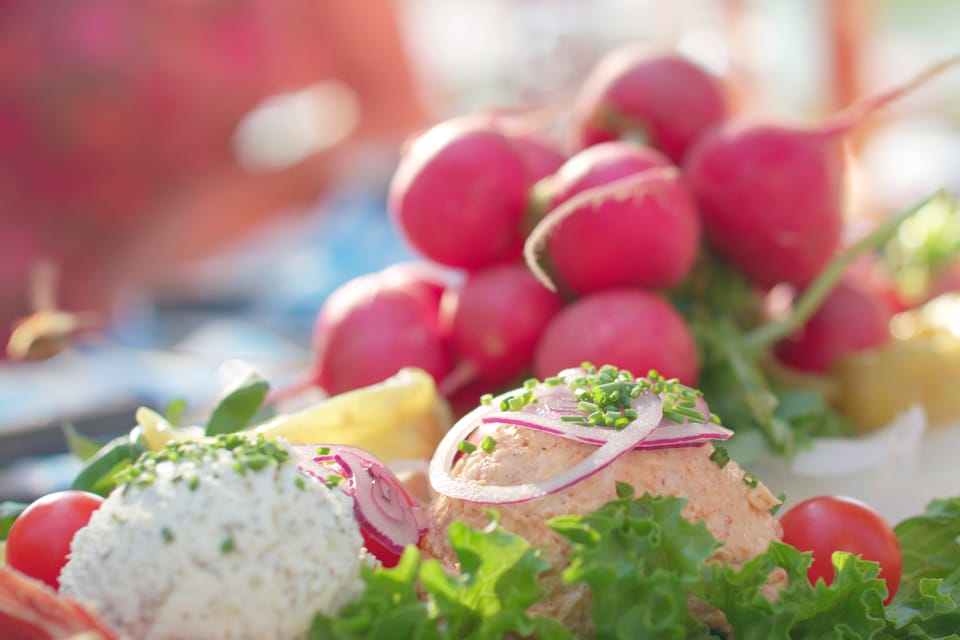
- Weisses Bräuhaus stop with a Bavarian light dinner option and time to eat at the end
Marienplatz meet-up: where your beer stories start
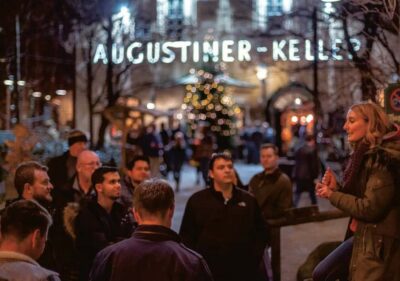
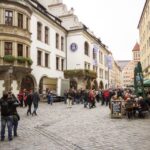
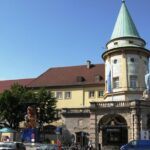
The tour meets at the Mariensäule, the big column in Marienplatz. It’s a smart starting point because the whole area is built for “walk and learn.” Within minutes you’ll feel how Munich explains itself: stone, plazas, and old streets doing most of the talking.
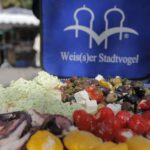
Your guide will be easy to spot: a big blue bag with the white words Weis(s)er Stadtvogel. It’s a small detail, but it matters when you’re standing in a crowded square and you don’t want to miss the group.
This is also where the tour sets tone. You’ll likely hear about Munich’s path from medieval beer culture toward the technical and cultural changes that made modern beer possible. It’s not just trivia. The guide frames what you’ll see next, so the buildings you pass don’t feel random.
You can also read our reviews of more food & drink experiences in Munich
The first beer and pretzels: setting the taste level early
The experience description talks about starting with a small beer called a Schnitt to get in the mood. However, the “not included” list also specifically mentions 1 Schnitt. So treat the first small beer as something to expect, but plan for the fact that it may cost extra depending on what’s included in your exact package.
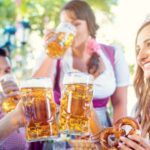
Either way, the tastings follow a structured flow. You’ll later get the main beer sampling: three different small beers (3 x 0.1 l) and pretzels. That pairing is classic for Munich beer culture because pretzels bring salt and chew, which make the beer taste cleaner and more defined.
Practical tip: if you’re sensitive to beer, take your time with sips. This tour does move stop-to-stop at a walking pace, so you want enough pace control to enjoy the flavors rather than just keep up.
Hofbräuhaus: the famous walls and the secrets you miss alone
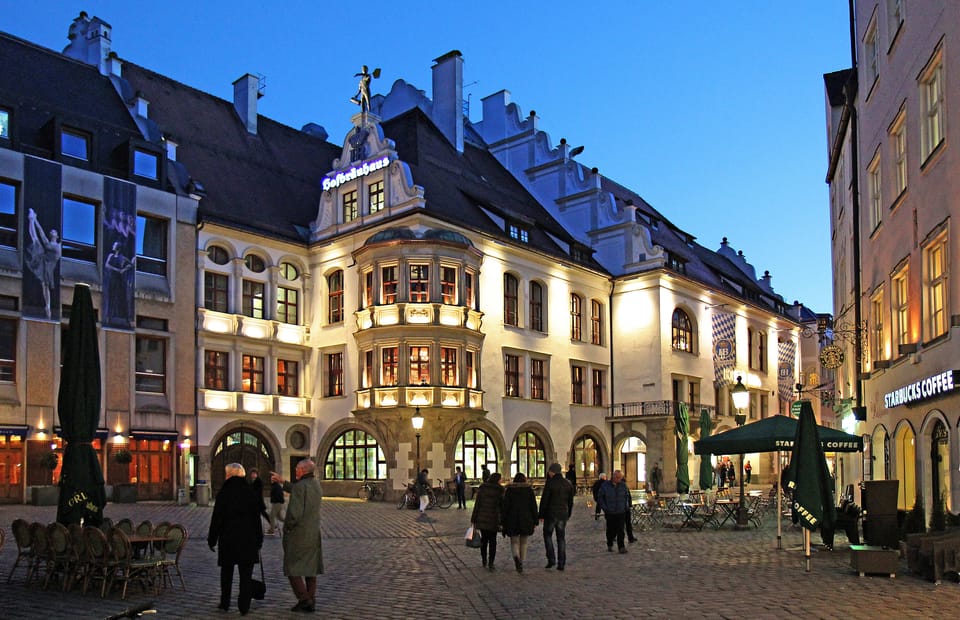
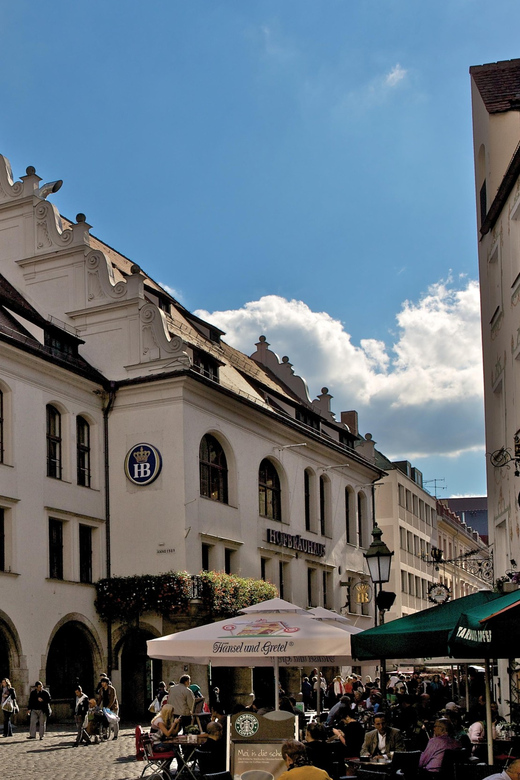
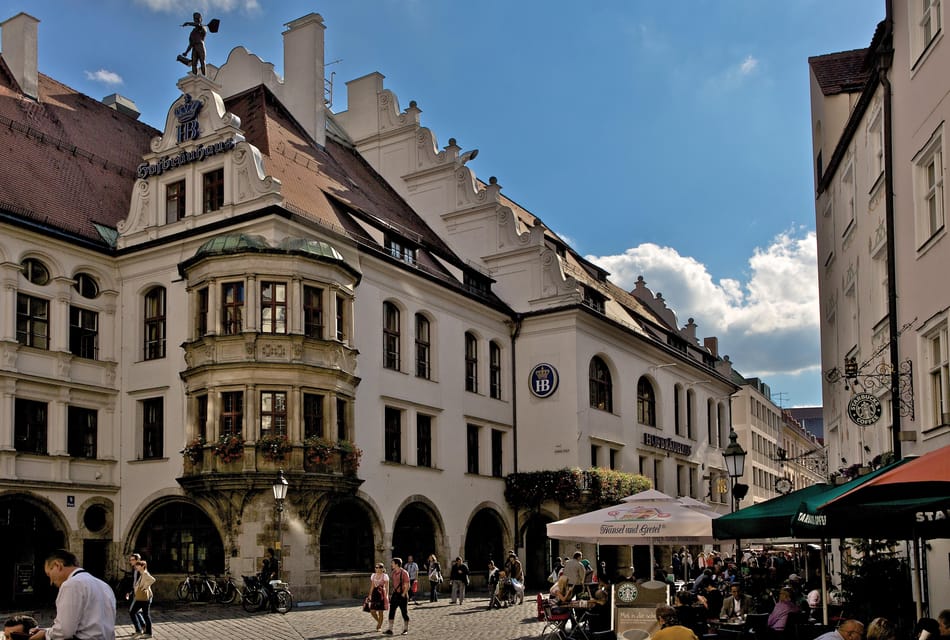
One of the core reasons to book this tour is the stop at Hofbräuhaus, described as the one-and-only place in this style and tradition. You don’t just go in and look around. The tour helps you understand why it’s famous and what makes it more than a photo stop.
A key detail you’ll hear is the connection to Duke William V of Wittelsbach, credited with founding Hofbräuhaus in the historic context of Bavaria’s ruling families. That matters because it ties beer to power—who had influence, what was protected, and how brewing fit into the larger social story.
What I like about this style of visit is that the guide points out “secret nooks.” You also hear stories that are easy to miss when you arrive on your own and just follow the crowd. The result is that Hofbräuhaus starts to feel lived-in, not just famous.
Also, the atmosphere is part of the deal: the description calls out rough brick walls and a strong old-town feel. Even if you’re not a superfan of beer halls, that setting helps you get why beer culture became a public identity in Munich.
Medieval brewing clues, the purity law, and why it changes how you listen
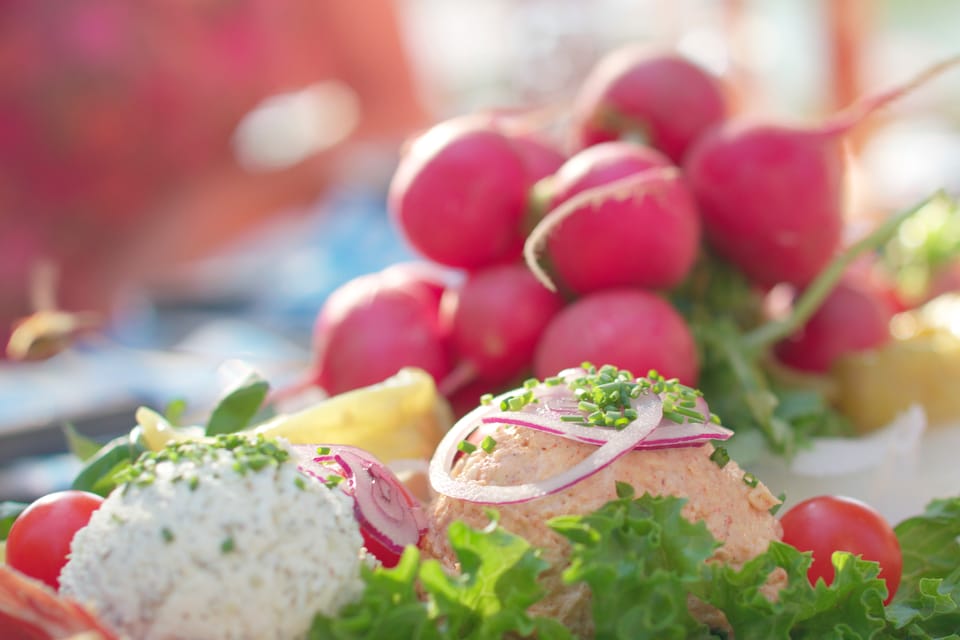
Between major stops, you’ll walk through the older lanes and past brewing houses and other interesting spots tucked into the old town’s crooked layout. This is one of those “quietly important” parts: the tour keeps moving, but the guide uses the movement to tell you what you’re seeing and why it mattered.
You’ll learn how people managed to brew in the Middle Ages, which is useful even if you’re not the nerdy type. Beer needs ingredients, heat control, fermentation timing—basically the same big problems, just with older tools. When you understand that, you stop thinking about beer as only a modern product.
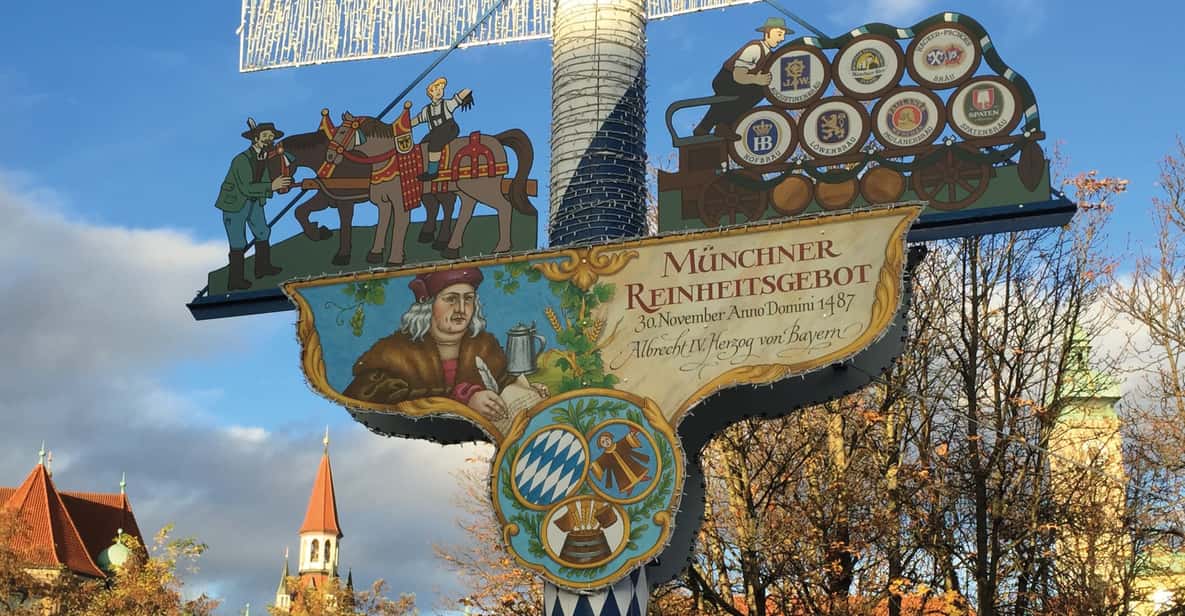
You’ll also hear why the Bavarian dukes introduced a purity law. Even without getting lost in legal wording, the point is clear: it was meant to define what beer could be made from and to protect quality. When you then taste multiple beers, that context makes the differences feel more meaningful.
If you like to understand what’s behind the label, this section is a good match.
Beer and Oktoberfest Museum: the model of Carl von Linde
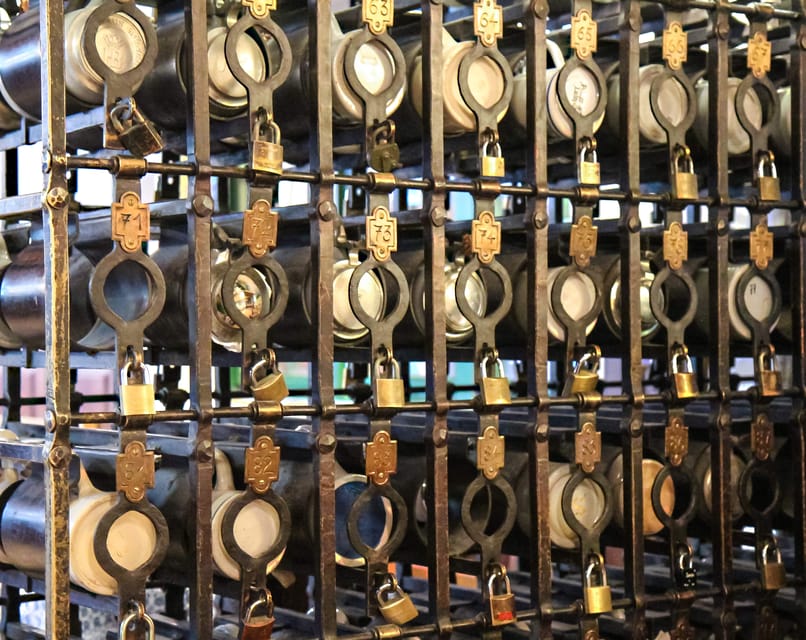
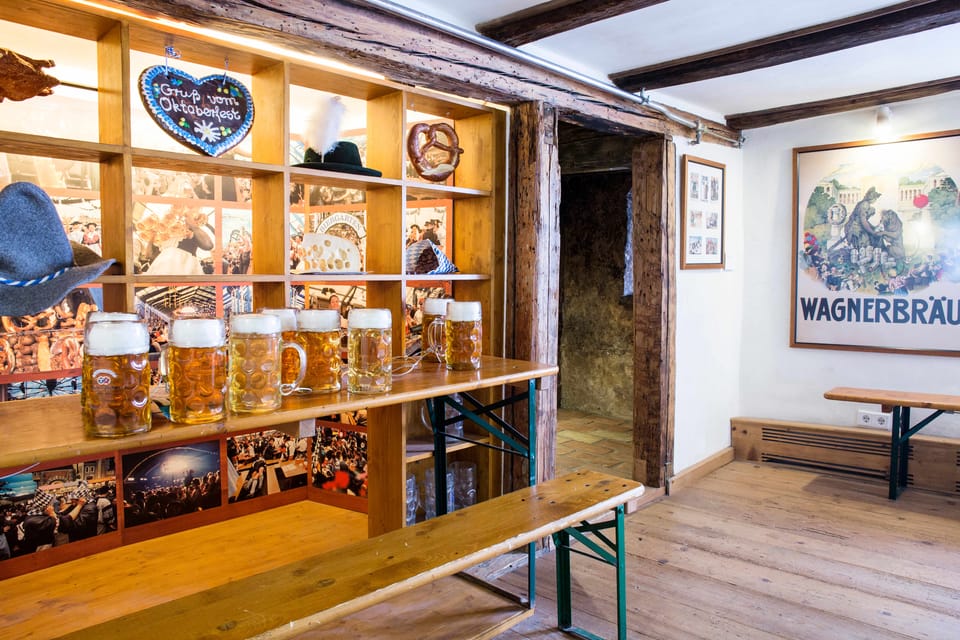
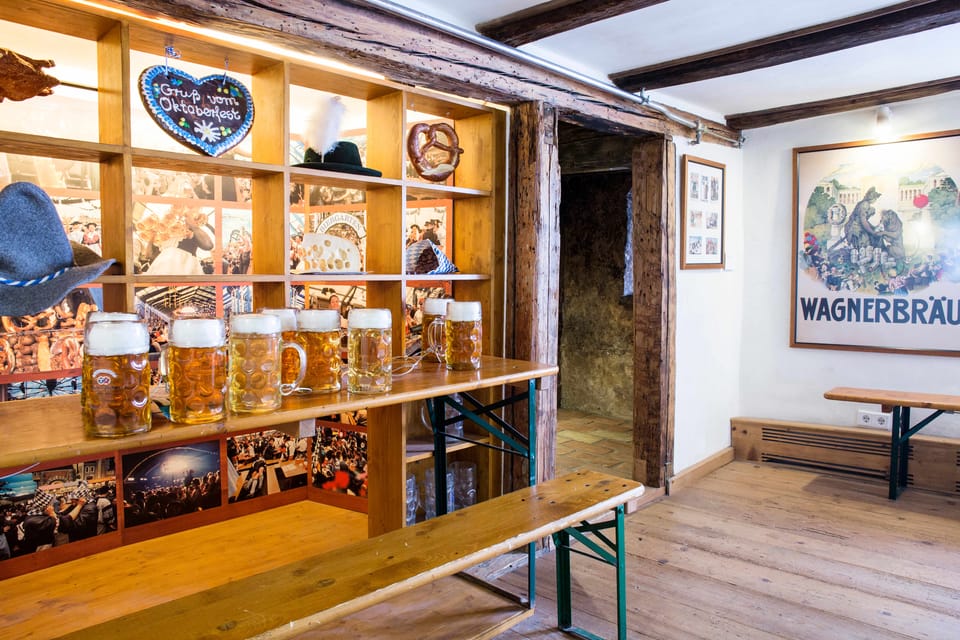
The Beer and Oktoberfest Museum is where the story shifts from tradition to technology and celebration. You’ll spend time inside the museum after your first proper beer tasting with pretzels.
Inside, you’ll see an incredible collection of items, including:
- a model of Carl von Linde’s machine that helped modernize beer cooling
- a picture of the first Oktoberfest in 1810
That Linde detail is a big deal for beer history because temperature control is one of the practical turning points between “beer as a local seasonal product” and “beer as a reliably brewed drink.” Even if you don’t know any of the technical background, the presence of that display tells you what the museum wants you to notice: beer became more consistent as brewing science caught up.
The Oktoberfest angle also matters because Munich’s beer story isn’t only about brewing. It’s about the festival culture that makes beer a public ritual, and 1810 is the anchor point you’ll see referenced.
Tip for your experience: take a slow pass at the museum displays that interest you most, but don’t ignore the rest. The guide’s job is to connect the artifacts to what you tasted earlier.
You can also read our reviews of more tours and experiences in Munich
Weisses Bräuhaus and the Brotzeit moment that feels like dinner
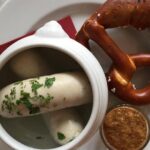
After the museum, you cross the street and arrive at the Weisses Bräuhaus. This is the stop where the experience turns into eating. You’re invited to enjoy a Bavarian meal called Brotzeit, described as complete Bavarian Brotzeit and a drink, and you can stay as long as desired.
The included vs not included lists create a little confusion here, so plan carefully. The package includes a Bavarian light dinner, while the not-included list explicitly mentions Bavarian Brotzeit with a drink. In practice, what you’ll want to check before you commit is whether you get the full Brotzeit set as part of your included meal, or whether you’ll pay for the drink and/or the full Brotzeit portion.
Either way, this part is great because it changes the rhythm. Up until now, you’re tasting and listening. Here, you finally get time to settle your feet, eat, and have a more relaxed beer moment—without the constant “next stop” pressure.
And once the food arrives, the tour guide says goodbye. That’s actually a plus. You’re not rushed into another location while you’re hungry.
Price and logistics: is $87 worth it?
Let’s talk about value. At $87 per person for about 150 minutes, you get:
- beer tasting of three different small beers (3 x 0.1 l)
- pretzels
- museum entrance
- a Bavarian light dinner
That’s a pretty honest bundle. Even in Munich, museum entry and a meal don’t come cheap. Also, the tastings aren’t huge pours, so the real value is the combination of tastings + context + museum access + guided pacing through the old town.
What might trip you up is your expectation level:
- If you want a long, food-heavy meal tour with nonstop tastings, you could end up feeling like it’s more sightseeing with beer.
- If you want beer culture explained through real places—Hofbräuhaus and the Oktoberfest Museum—then this format makes sense.
Group or private also changes the feel. The tour offers a choice between shared group and private. If you’d rather go at your own speed and ask more questions, the private option is usually the way to get more out of a story-driven tour like this.
Rain or shine is also part of the deal. So bring shoes that handle wet pavement, and dress for changing weather.
Who this tour suits best (and who should skip)
This tour fits best if you want:
- beer culture explained in German through real Munich institutions
- a structured tasting with pretzels
- museum time focused on how brewing became more modern (including cooling tech)
- a final food stop where you can actually sit and eat
It may be less satisfying if you’re trying to build your day around only big food and lots of beer quantity. The tasting portions are small by design, and the walking storytelling is a meaningful part of the experience.
One more note: guides can make or break this kind of tour. The feedback you’ll find includes a guide named Eva described as funny and skilled at leading the history with humor, and another named Hans Jürgen Beumer praised for enthusiasm and heart. When a guide has that energy, you get more out of the stops than you would with a quiet “walk and read” approach.
Should you book this Munich beer and Brotzeit tour?
I’d book it if you want a focused, guided beer-and-museum experience that also feeds you a Bavarian meal at the end. It’s not the longest drinking session, but it is a smart way to understand how Munich beer culture links buildings, people, rules, and technology.
Skip it (or choose a different format) if your main goal is nonstop food and heavy tasting volume. The tour’s “more story, less feast” balance might not match what you picture in your head.
If you do book, wear comfortable shoes, bring no large bags, and come ready to learn in German. You’ll walk away with a clearer sense of why Hofbräuhaus and Oktoberfest matter—and you’ll taste three beers along the way.
FAQ
What’s the duration of the Munich beer and Brotzeit tour?
The tour lasts 150 minutes.
Where do I meet the guide?
Meet at the big column called Mariensäule in Marienplatz.
What language is the live tour guide?
The tour is guided live in German.
What beers are included in the tasting?
You get a beer tasting of three different small beers (3 x 0.1 l).
Is pretzel included?
Yes. Pretzels are included.
Is there a museum stop?
Yes. Entrance fee for the Beer and Oktoberfest Museum is included.
What food is included?
The tour includes a Bavarian light dinner. The notes also list Bavarian Brotzeit with a drink as not included.
Is the tour outdoors?
It takes place rain or shine.
Is luggage allowed?
No large bags or luggage are allowed.
Is the tour good value for the price?
For $87, you’re paying for three tastings, pretzels, museum entrance, and a Bavarian light dinner, all with a guided walk through the old town stops.