REVIEW · MUNICH
Munich: Spanish Guitar & Bach Toccata at Asamkirche
Book on GetYourGuide →Operated by Prague Classics s.r.o. · Bookable on GetYourGuide
A night at Asamkirche feels like stepping into music. I love the way Spanish guitar and organ come together here—exactly the kind of pairing that makes familiar melodies sound newly alive.
Two big reasons I’d do this again: the Asam Church Late Baroque setting (all that sculpted drama and ceiling artwork) and the focused program that moves from Bach into Mozart, Vivaldi, Chopin, and beyond. One thing to consider: since it’s a 1-hour concert, you’ll want to arrive ready to sit and listen—there isn’t time for long wandering or delays.
In This Review
- Key highlights you’ll notice right away
- Asamkirche: A Late-Baroque Stage for Guitar and Organ
- What $35 Gets You in One Hour (and why it’s fair value)
- The Music Flow: From Bach to Spanish Guitar Favorites
- Why this setlist choice is smart for visitors
- The Performers Matter: Antigoni Baxe & Eglé Rudokaite (Plus Rotations)
- Your Night in Asamkirche: Arrival, Seating Mindset, and Listening Tips
- A quick listening game that improves everything
- What about ambiance and the “wow factor”?
- Price, Inclusions, and What’s Not Included
- Who Should Book This Concert?
- Should You Book: My Practical Recommendation
- FAQ
- How long is the concert?
- Where does it take place?
- How much is the ticket?
- Who performs the music?
- What kind of music is included in the program?
- What’s included in the price?
- Is food or drinks included?
Key highlights you’ll notice right away
- Guitar + organ duet: the sound blend is the main event
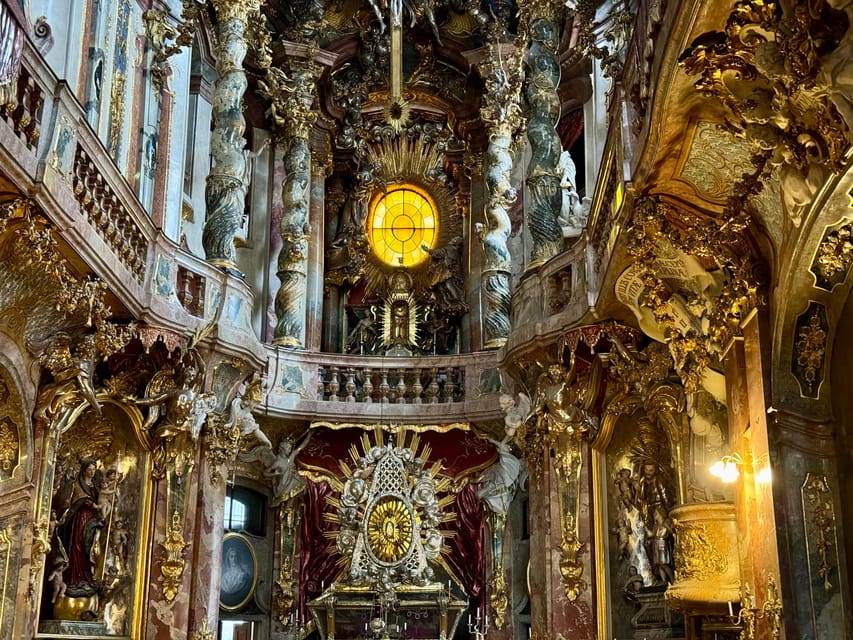
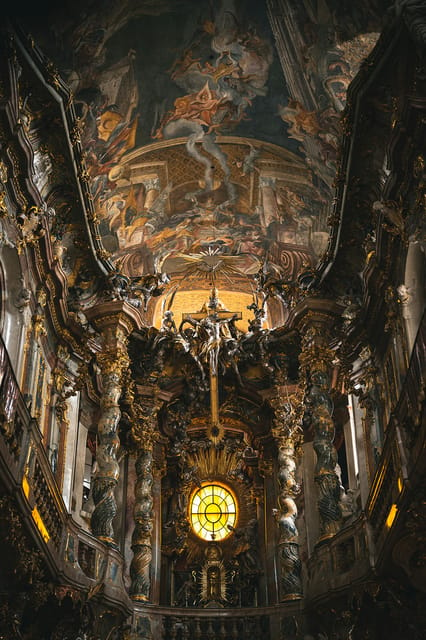
- Asamkirche ceiling fresco: Life of Saint Nepomuk by Cosmas Damian Asam is a standout
- Bach Toccata energy: it’s a signature closer theme
- “Spanish” repertoire flavor: Barrios, Albéniz, Tárrega, and Sanz show up
- Program changes by date: performers and pieces can rotate
Asamkirche: A Late-Baroque Stage for Guitar and Organ
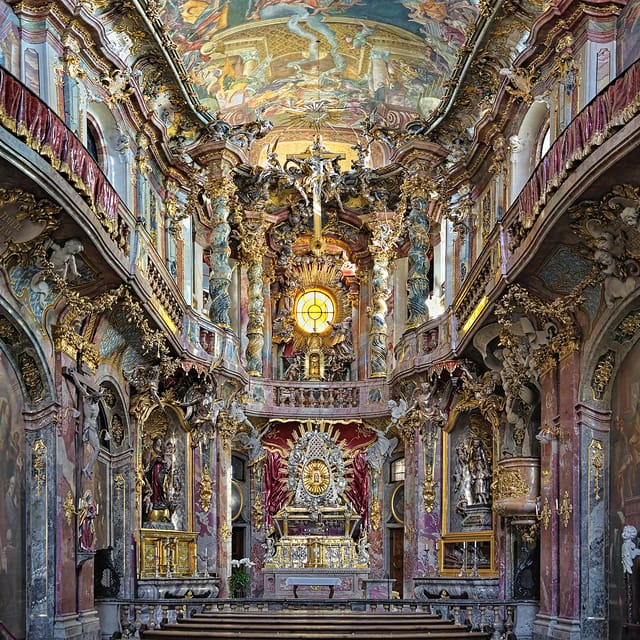
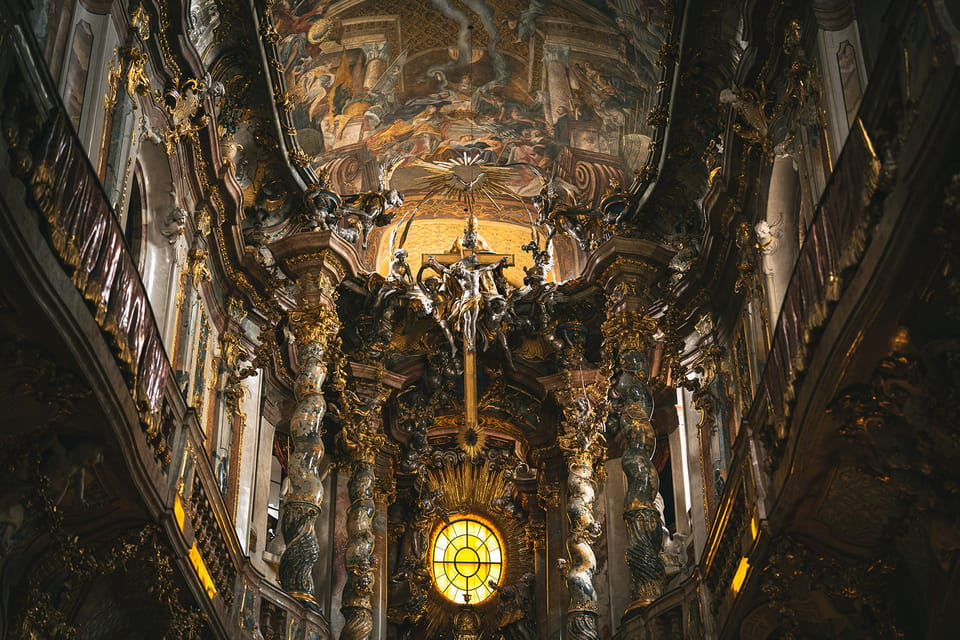
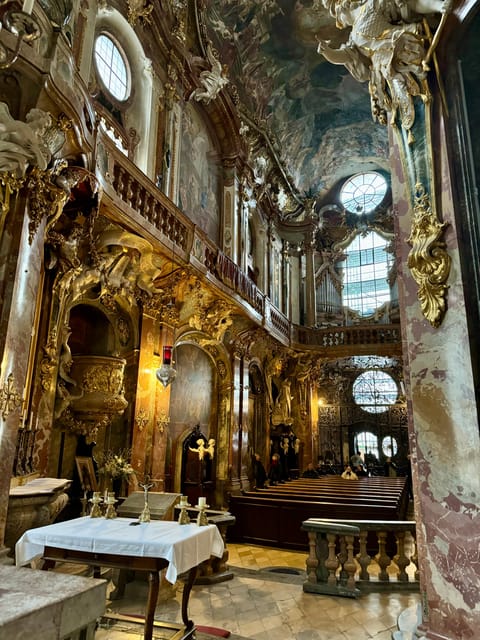
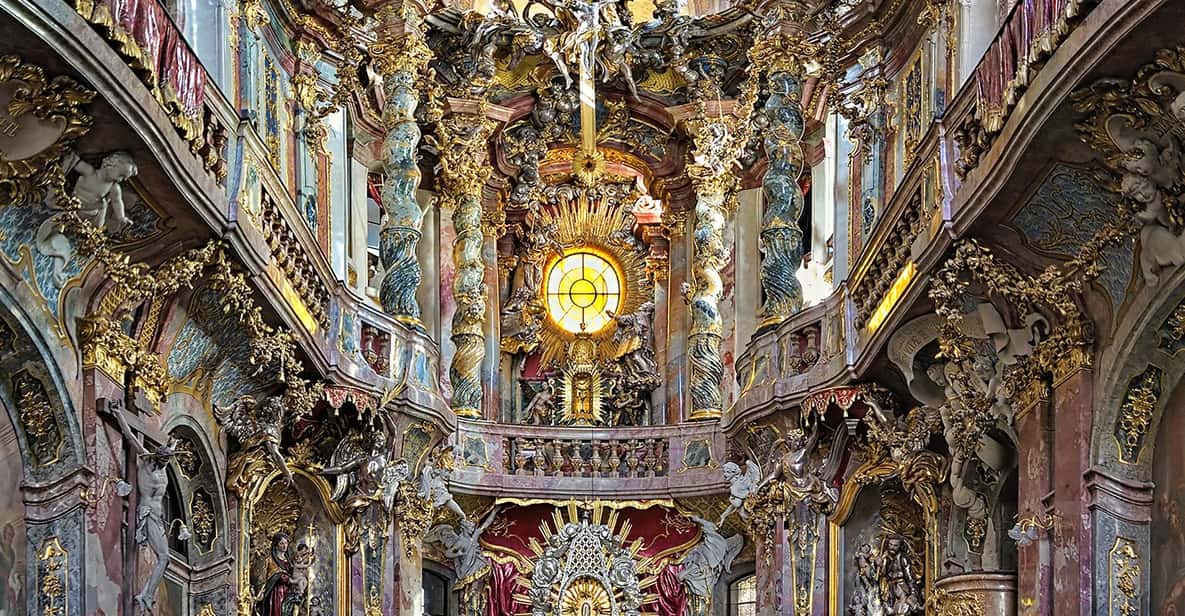
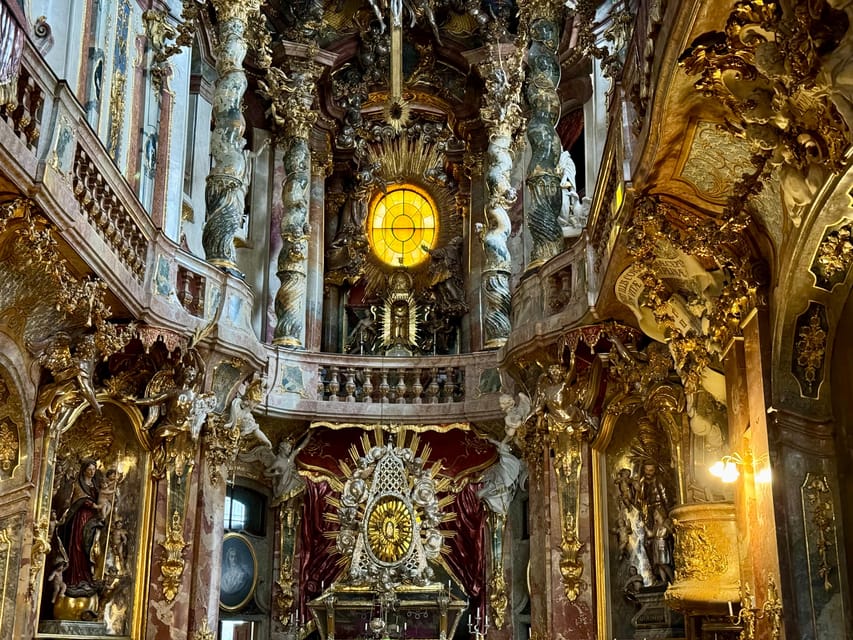
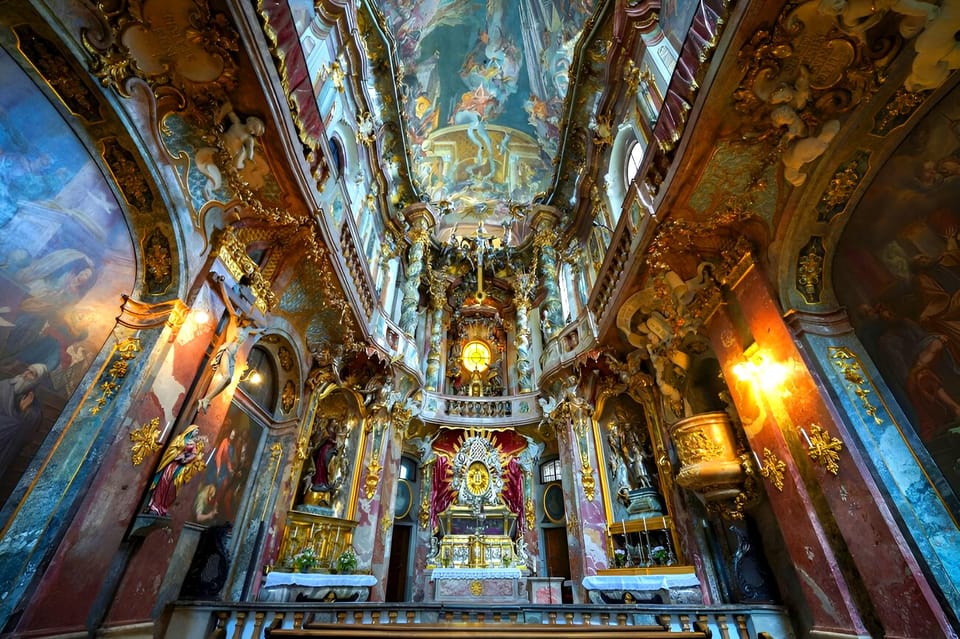
This concert takes place in Munich’s Asamkirche, also known as St.-Johann-Nepomuk-Kirche. The building itself is part of the reason the music lands so hard: the church was built from 1733 to 1746 by sculptor Egid Quirin Asam and painter Cosmas Damian Asam, and it’s often cited as one of the key examples of German Late Baroque.
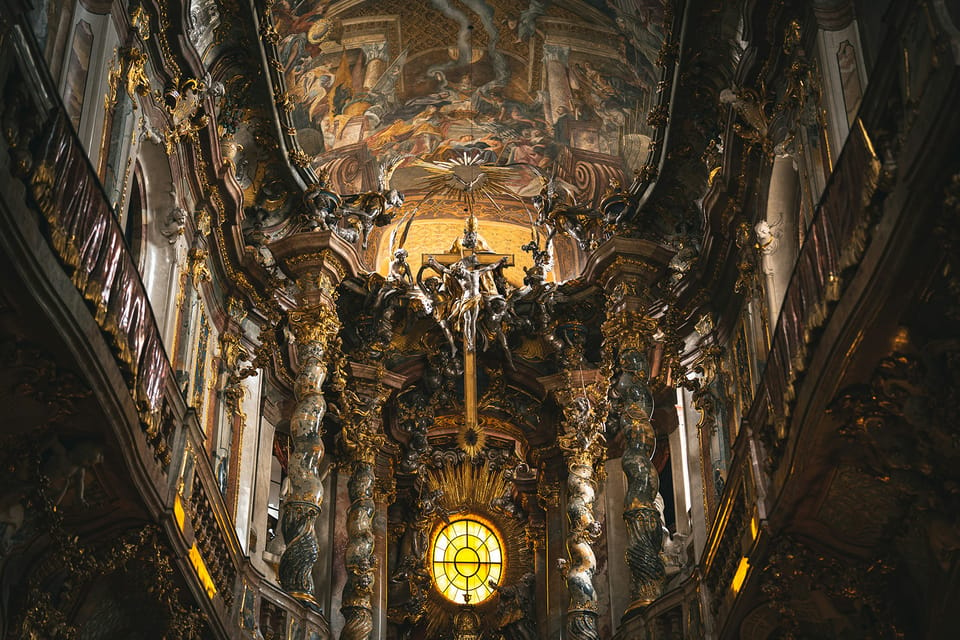
If you like art that feels dramatic rather than distant, you’ll appreciate what’s going on above you. The ceiling fresco Life of Saint Nepomuk is considered a masterpiece by Cosmas Damian Asam, and the brothers Asam studied in Italy at the Accademia di San Luca—so there’s an Italian-trained theatricality in the space. You don’t need a museum ticket mindset here; the room just sets the mood.
And then there’s the “why this venue works” part: a church like this gives the organ a natural home. The organ’s sustained tones can fill the air, while the guitar’s lines stay crisp enough to catch even when the harmonies get complex. It’s a smart pairing for people who want both sparkle and depth.
You can also read our reviews of more tours and experiences in Munich.
What $35 Gets You in One Hour (and why it’s fair value)
The ticket price is $35 per person, and the event runs about 1 hour. For a Munich cultural evening, that’s not just a bargain—it’s also the kind of schedule that fits real travel days. You’re not committing to a half-day plan or building your evening around getting home late.
You also get entry ticket and a printed program. That matters more than it sounds. A printed program helps you follow along with a sequence like Bach → Mozart → Vivaldi → Chopin → Bach Toccata (when the date’s program includes it). When you can track the structure, you enjoy the transitions instead of guessing what’s next.
The one real trade-off is the time limit. Because it’s one hour, you’ll want to show up early enough to settle. Once the music starts, you’ll be in listening mode—no long gaps, no slow tour pacing.
The Music Flow: From Bach to Spanish Guitar Favorites
The program is built around a recognizable idea: keep the spotlight on great composers, then add a “Spanish” color palette through guitar writing. Some dates feature the Bach Toccata and Fugue in D minor (BWV 565), while other dates swap in other major Bach and classical anchors. Either way, you get a tight mix designed for one sitting.
Here’s what the main program structure looks like on many dates:
- Bach opens with a movement from the suite material (like the G Major Suite BWV 1007).
- Mozart appears through “inspired by” orchestration/arrangement (Sor variations on a theme from The Magic Flute).
- Vivaldi delivers the biggest “showpiece” energy, usually as a guitar concerto with Largo & Allegro performed by guitar and organ together.
- Then the program pivots to romance and character pieces, often Chopin (like a Waltz in B minor or a Nocturne).
- Bach Toccata & Fugue is often a signature centerpiece or closer, followed by Spanish guitar repertoire.
And those Spanish pieces are where the title earns its keep. Expect gems like:
- Barrios – Mangoré and La Cathedral
- Albéniz – Asturias
- Tárrega – Recuerdos de la Alhambra
- Sanz – Canarios (from the Espagnola suite)
This is one of the reasons the event works even if you’re not a hardcore classical fan. You’ll recognize the melodic vibe quickly—then the organ-guitar combo changes the texture in a way that still feels fresh.
Why this setlist choice is smart for visitors
A lot of guitar programs can feel either too “pretty” (mostly lyrical) or too technical (mostly fast and flashy). This one balances lyricism with architecture: Bach and Mozart give structure; Vivaldi and the major concerto movements add forward motion; Chopin slows the heart rate; the Spanish pieces add rhythm and color. In 60 minutes, it keeps you engaged without turning into a marathon.
The Performers Matter: Antigoni Baxe & Eglé Rudokaite (Plus Rotations)
On the main listed dates (like 30.5., 6.6., 8.6., 19.6., 11.7., 25.7., 15.8., 22.8., 17.10., and 31.10.2025), the lineup is:
- Antigoni Baxe – Guitar
- Eglé Rudokaite – Organ
That pairing is a big part of what people love most about this experience. In the feedback you’ll see the same theme: the organ and guitar duet moments are the standout. That makes sense—Vivaldi-style concerto writing and the duet-friendly phrasing in the program make this combination sound intentional rather than forced.
On some other dates in 2025 (like 11.7. and 25.7. appear in the first list, while others show a different lineup), you may see rotation. Another listed version features:
- Vladimir Indyk – Gitarre
- Filip Smerda – Orgel
Same venue, similar concept, but a different interpretive voice. If you’re picky about performance style, checking which lineup you’ll get is worth your time. Since the program can also change, reading the specific program for your date is the best move.

Your Night in Asamkirche: Arrival, Seating Mindset, and Listening Tips
This is a sit-and-listen event in a church, and it’s built for focus. Since there’s no mention of food service, plan on treating it like a “music first” evening. If you’re coming after sightseeing, try not to arrive rushed.
The practical move: give yourself time to settle before the first notes. Even if you don’t have a named entrance or exact seating map, church venues generally work best when you can enter calmly, find your spot, and let your ears adjust.
A quick listening game that improves everything
If you want to get more out of the hour, do this in your head:
- Listen for when the organ becomes the “foundation” and when the guitar becomes the “line.”
- Notice how the guitar phrasing changes in Spanish selections like Asturias and Recuerdos de la Alhambra.
- Pay attention to the structure when Bach returns, especially when a Toccata & Fugue appears—those sections feel like they’re built to turn the room into a single instrument.
You don’t need a music degree for any of it. You just need to stay present.
What about ambiance and the “wow factor”?
Yes, the church is stunning on its own. But the best way to experience Asamkirche is not to treat it like a photo stop. Let the art and the sound share the same attention. The fresco and late-Baroque design set a mood; the music fills it in.
Price, Inclusions, and What’s Not Included
Let’s talk value clearly. At $35, you’re paying for:
- Entry ticket
- Printed program
You’re not paying for:
- Transportation
- Food and drinks
So if you’re planning dinner afterward, you’ll want to budget time (and cash) accordingly. If you’re coming from another part of Munich, factor in how long you’ll want to walk or transit so you can be seated comfortably before the start.
Also note the policy detail: unaccompanied minors aren’t allowed. If you’re bringing younger people, you’ll want an adult present.
Who Should Book This Concert?
I think this is a great match if you like any of the following:
- You want an evening with guitar-focused classical music but with Spanish flair
- You enjoy hearing a familiar composer (Bach, Mozart, Vivaldi, Chopin) presented in a guitar-led setting
- You’re in Munich and want a cultural experience that’s one hour long, not half a day
It’s also a solid choice for couples, solo travelers, and anyone who likes “big art in a small dose.” The program is concentrated, and the venue gives it extra gravity.
Should You Book: My Practical Recommendation
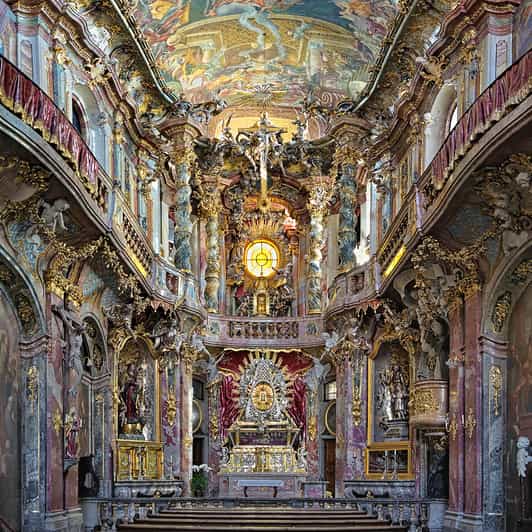
If your goal is a high-quality, low-commitment classical evening in one of Munich’s most striking baroque spaces, I’d book it. The combination of Asamkirche’s Late Baroque atmosphere and the guitar-organ duet is the kind of pairing that can make you pay attention from the first piece to the last.
Two quick checks before you decide:
- Confirm which date/program you’re booking, since performers and pieces can rotate.
- Plan to arrive early enough to sit down and listen—this is a concert, not a long roaming tour.
If you want a memorable hour that doesn’t eat your whole day, this is an easy yes.
FAQ
How long is the concert?
The performance lasts about 1 hour.
Where does it take place?
It takes place at Asamkirche (St.-Johann-Nepomuk-Kirche) in Munich, Bavaria, Germany.
How much is the ticket?
The price is listed as $35 per person.
Who performs the music?
The event features a guitar and an organ (duet). The listed performers include Antigoni Baxe and Eglé Rudokaite on some dates, and Vladimir Indyk and Filip Smerda on other dates.
What kind of music is included in the program?
The program can include composers such as Bach, Mozart, Vivaldi, Chopin, Barrios, Albéniz, Tárrega, and Sanz. The exact pieces can change by date.
What’s included in the price?
You get an entry ticket and a printed program.
Is food or drinks included?
No. Food and drinks are not included.