REVIEW · MUNICH
Munich: Street Art Bike Tour
Book on GetYourGuide →Operated by Munich Walk Tours · Bookable on GetYourGuide
Graffiti in Munich hits different when you ride. This bike tour brings you to real street art spots and explains how the graffiti movement started in Germany in the 1980s.
I love how the guide connects today’s walls to the early years, when Munich helped shape German graffiti culture. I also love that the route keeps moving, so you actually see more than a couple of murals without wasting your day in traffic or on long walks.
You’ll start in the heart of things at Marienplatz, in front of the Tourist Information Office, where your guide holds a yellow sign with red letters. From there, you roll toward the Isar river, where artists have left marks along the water, then you push outward to quieter areas like Giesing.
One thing to consider: at 210 minutes, it’s a solid chunk of time on a bike. Even a 12-year-old found it a bit long, so plan for a steady pace, not a casual stroll.
In This Review
- Key highlights you’ll actually notice
- Munich street art by bike: why this tour makes sense
- From Marienplatz to the Isar: the route and meeting vibe
- Graffiti history you can see: what the guide helps you notice
- Giesing: where the tour really leaves tourist Munich
- The slaughterhouse district: a grittier vibe that fits the art
- Boat break at the railway bridge: a smart reset
- The guide matters: what to expect from German-led tours
- Bikes, timing, and what to wear for 3.5 hours
- Price and value: what $40 gets you in Munich
- Who should book this Munich Street Art Bike Tour
- Should you book this tour?
- FAQ
- How long is the Munich Street Art Bike Tour?
- Where do I meet the guide?
- What’s included in the price?
- What language is the tour guide?
- Is this tour suitable for children?
- Is the tour wheelchair accessible?
- Are alcohol or drugs allowed during the tour?
- Is there a private group option?
- Can I cancel for a full refund?
- Is there a reserve and pay later option?
Key highlights you’ll actually notice
- Munich’s 1980s graffiti story: You get context on why Munich mattered early on.
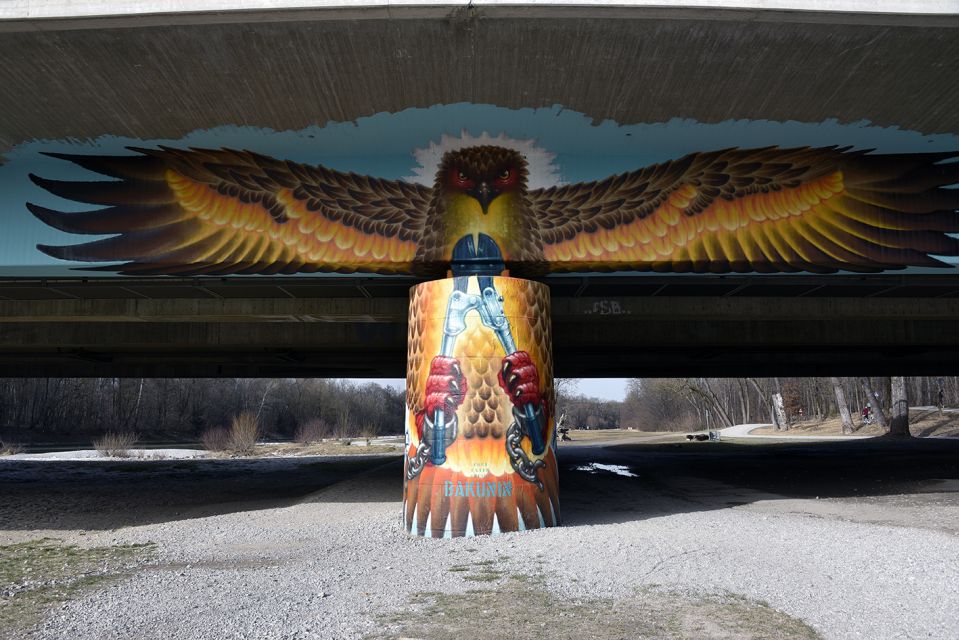
- Isar river street art: Murals and marks along the water, with the city rhythm slowing down just enough.
- Giesing + off-the-map streets: A former working-class neighborhood that feels a long way from tourist Munich.
- Slaughterhouse district stop: A more industrial-feeling stretch that fits the street art mood.
- Boat break at a railway bridge: A breather that breaks up the ride without killing the momentum.
Munich street art by bike: why this tour makes sense
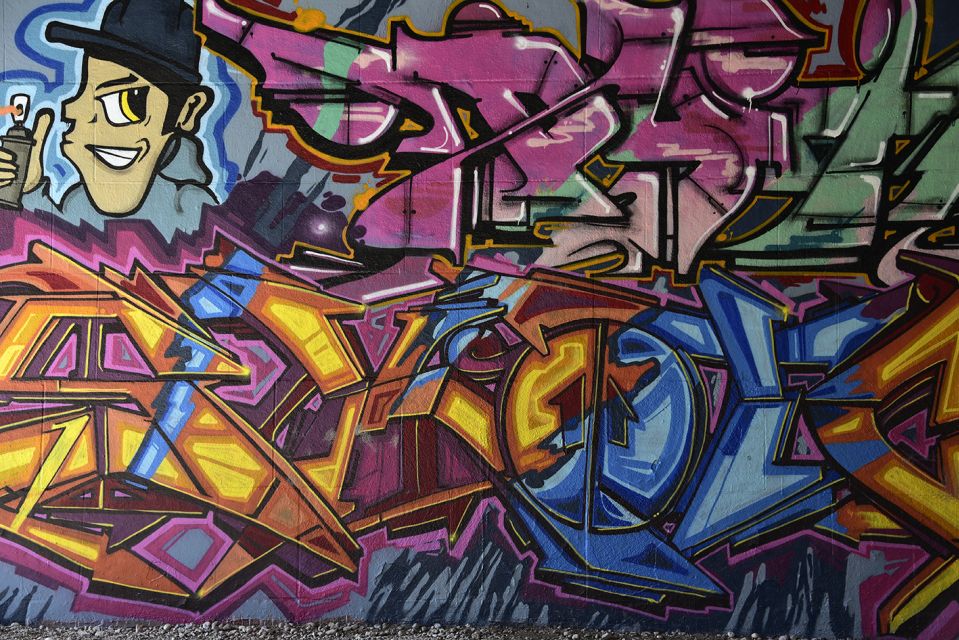
Munich can look too polished at first glance. That’s exactly why a street art tour works so well here. On foot, you can easily end up bouncing between a few well-known walls. By bike, you can move through multiple “eras” and vibes in a single afternoon.
This tour is also built around an idea most people miss: graffiti isn’t just decoration. It’s an evolving visual language tied to local history. You’re not only seeing colors—you’re learning why Munich was considered a mecca for graffiti artists, often mentioned alongside New York. That framing changes how you look at every wall you pass.
And yes, you’ll get actual street art stops, not just photo ops. You’ll stroll through sections, then ride again. The mix of cycling and short walks keeps it from feeling like one long commute.
You can also read our reviews of more cycling tours in Munich

From Marienplatz to the Isar: the route and meeting vibe
Your meeting point is easy to find if you arrive a little early: stand in front of the Tourist Information Office at Marienplatz. The guide holds a yellow sign with red letters, so you shouldn’t have to play guesswork.
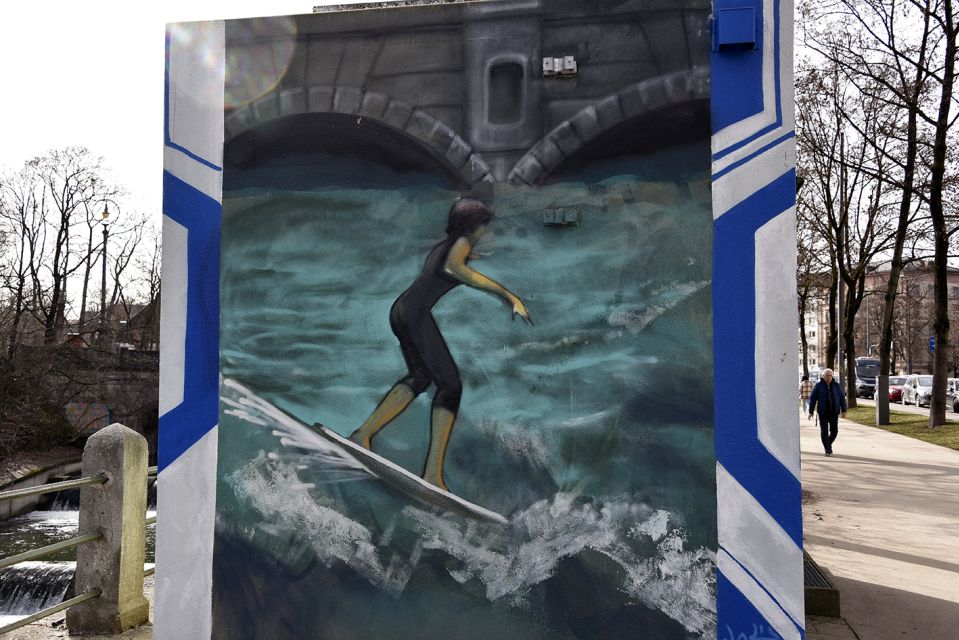
Once you’re on bikes, the tour feels like a guided loop that gradually shifts away from the central postcard zones. You’ll ride along the Isar river—and that matters more than it sounds. Rivers act like natural corridors. They help you cover ground while still feeling like you’re discovering parts of the city rather than just passing through them.
The pacing is designed for photos and explanations. You’ll stop often enough to look closely, and you’ll also get movement so you don’t sit around waiting. If you’re sensitive to long periods in the saddle, you might want to bring a water bottle and plan on taking the short stroll moments seriously rather than “powering through” every stop.
Graffiti history you can see: what the guide helps you notice
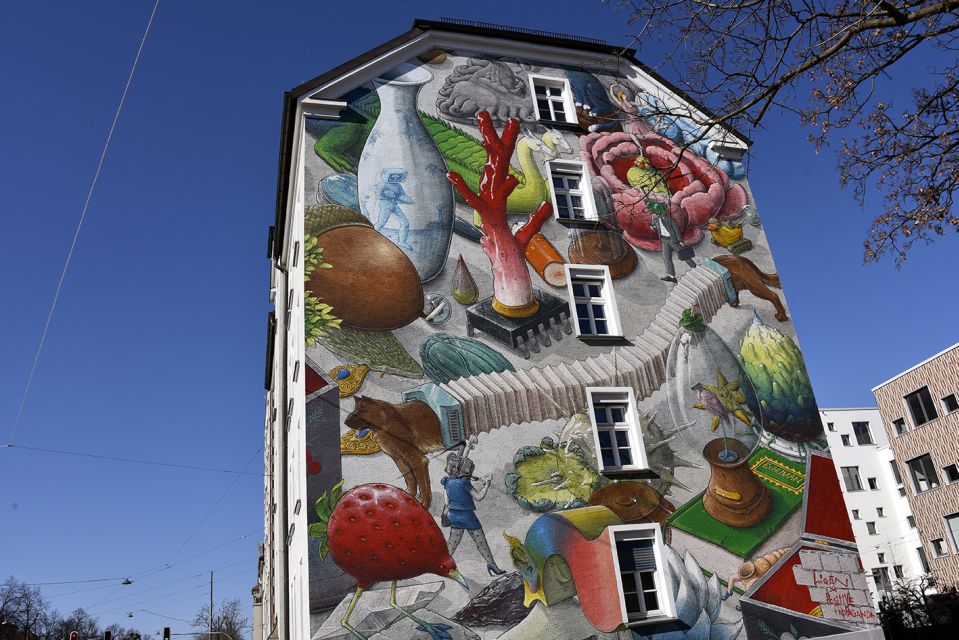
When you look at Munich today, it’s hard to imagine this is where graffiti culture took early momentum in Germany back in the 1980s. That’s the tour’s real value: it gives you a timeline you can connect to what you’re seeing in the present.
Here’s what you’ll pick up as you go:
- Old masters first, then newer voices: You’ll pass works from artists who helped shape the culture, not just random fresh tags.
- History facts in plain language: The guide shares background so the murals aren’t just “pretty paint,” but part of a broader movement.
- Street art as public conversation: You start noticing how styles, placement, and themes can shift over time.
One detail that stuck with me from guide chatter (and you may hear something similar depending on the exact route and guide approach) is how technical some street art can be—materials and effects are part of the story too. In one case, an Aldi advertisement mural was described as being made with photocatalytic paint, which is the kind of practical, nerdy detail that makes you look twice.
Giesing: where the tour really leaves tourist Munich
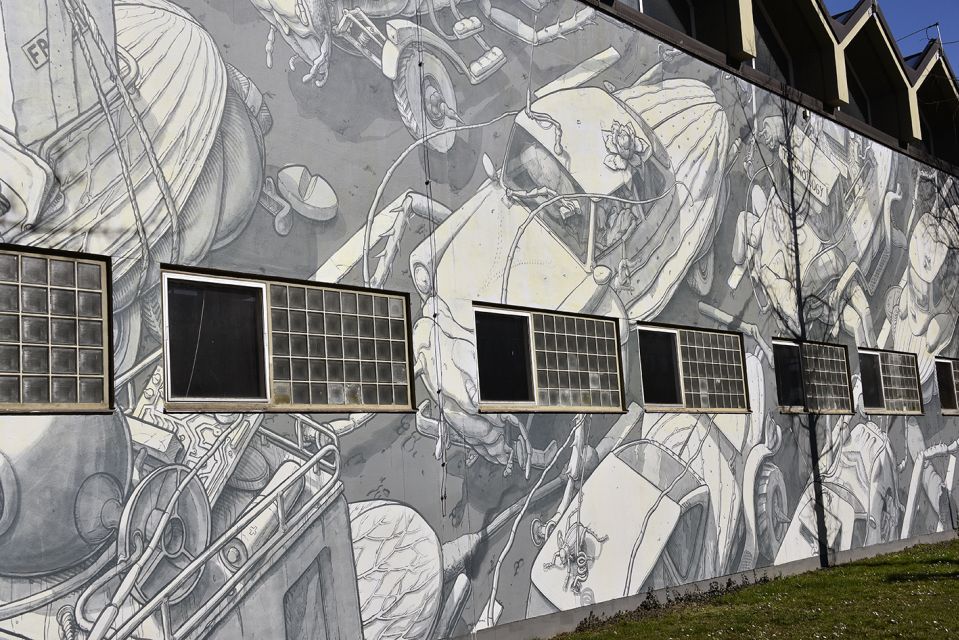
After the Isar stretch, you’ll head toward Giesing, described as a former working-class neighborhood. That shift is one of the smartest choices on the itinerary.
Why it works: street art doesn’t read the same way depending on where it’s placed. In a historic center, walls can feel curated, controlled, or overly “clean.” In areas with different day-to-day life, street art can feel more like it belongs to the neighborhood’s own pace.
In Giesing, you’ll get off the beaten path and ride farther into areas you likely wouldn’t choose on your own. You still get guidance, so you’re not just looking for murals blindly. You’ll have context for what you’re seeing, and you’ll be moving between stops efficiently.
If you like the feeling of discovery—real local streets, not just big-name landmarks—this part is where the tour starts to feel like a true ride through the city’s culture.
The slaughterhouse district: a grittier vibe that fits the art
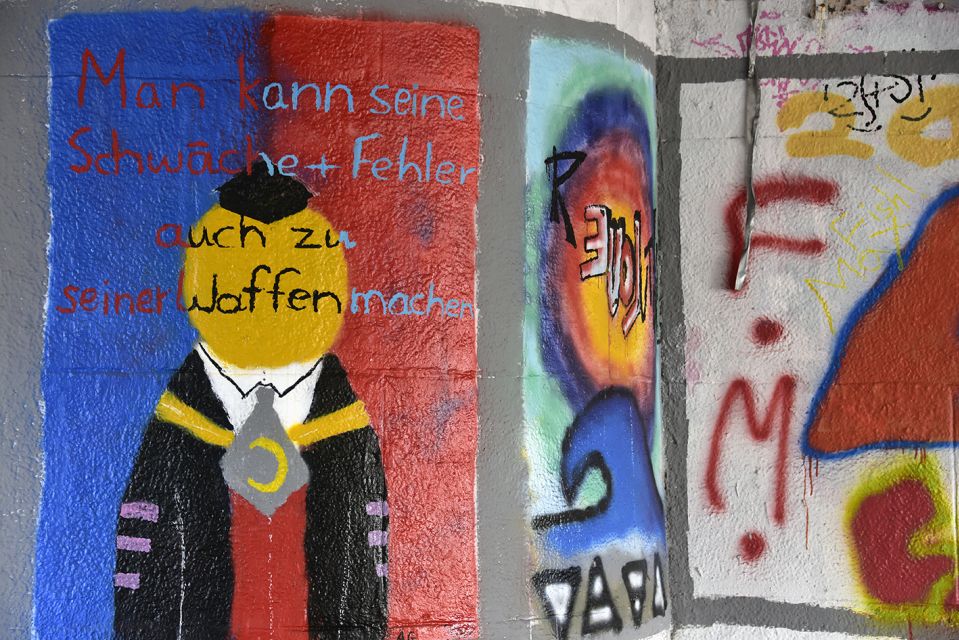
The tour also routes you toward the slaughterhouse district. That’s not a random stop. Industrial-feeling zones tend to match street art’s roots: the scale, the blank surfaces, and the “in-between” locations where street artists often work.
What I like about this section is that it balances the earlier river and residential feel. The city mood changes, and your eyes change with it. You stop thinking in terms of tourist sightseeing and start noticing how street art interacts with its surroundings—texture of walls, sightlines, and how art is placed to be seen by people who live and work nearby.
This area can be especially rewarding if you’re the type who enjoys contrast: neat Munich views in one direction, harsher urban surfaces in the other, and graffiti bridging the two.

Boat break at the railway bridge: a smart reset
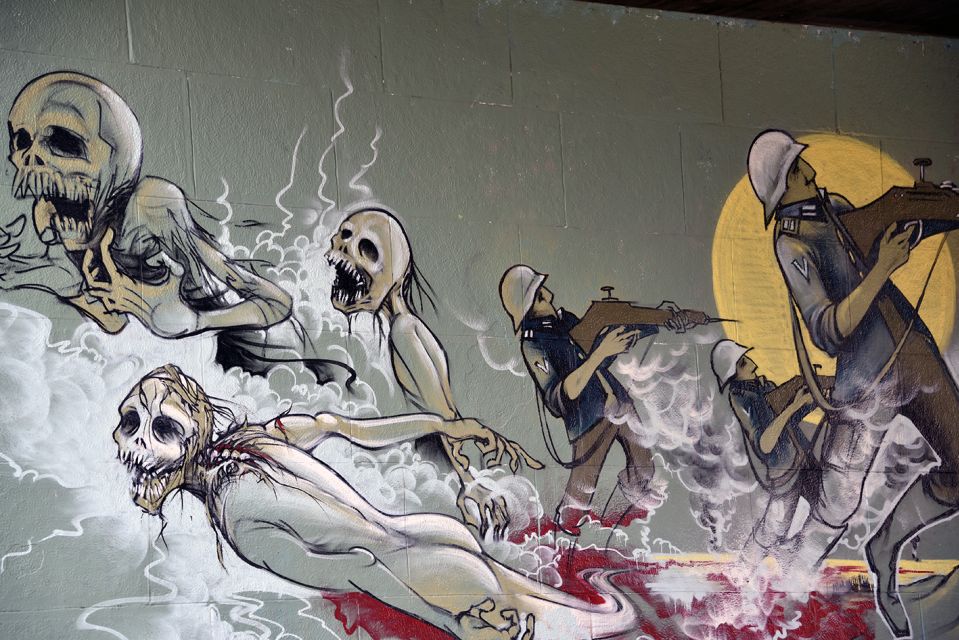
At some point, you get a break on a boat at a railway bridge. This isn’t just a novelty. It’s a time-out built into the tour rhythm.
After cycling and walking for a while, your brain needs a chance to rest and reframe what you’ve seen. The boat pause does that. You get a different perspective on the city, and you’re not stuck standing around. When you’re ready, you’re already mentally prepared to look again instead of just rushing through the next stop.
If you tend to overheat or get tired on bikes, the break is also practical. Even a short pause changes your energy level, and it keeps the whole afternoon from turning into a long effort.
The guide matters: what to expect from German-led tours
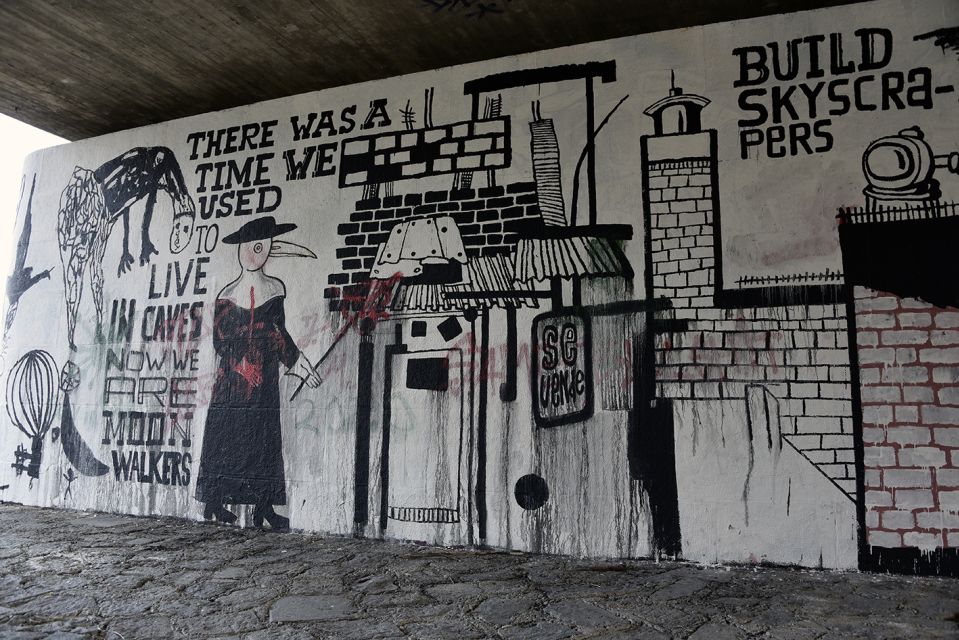
This is a live, German-guided tour. That’s important for two reasons: you’ll hear history and details from a local voice, and you’ll want to accept that the narration is in German.
Still, the experience doesn’t feel inaccessible. In at least one real booking, English speakers said the guide made a real effort to explain details clearly even though the tour language was German. Another review specifically praised Ulrike for being friendly, helpful, patient, and willing to put in extra work to communicate well.
So here’s how I’d approach it if you don’t speak much German:
- You’ll still benefit from visual explanations—art changes slowly when you’re looking closely.
- Ask questions if you can. Good guides often enjoy that.
- Don’t worry if you miss a few words; the stops themselves carry a lot of the meaning.
Also, the group dynamic can shift. One booking noted that rainy weather turned a group tour into a private tour. That’s a reminder to check the day-of conditions. If you show up with flexibility, you’re more likely to have a smooth experience.
Bikes, timing, and what to wear for 3.5 hours
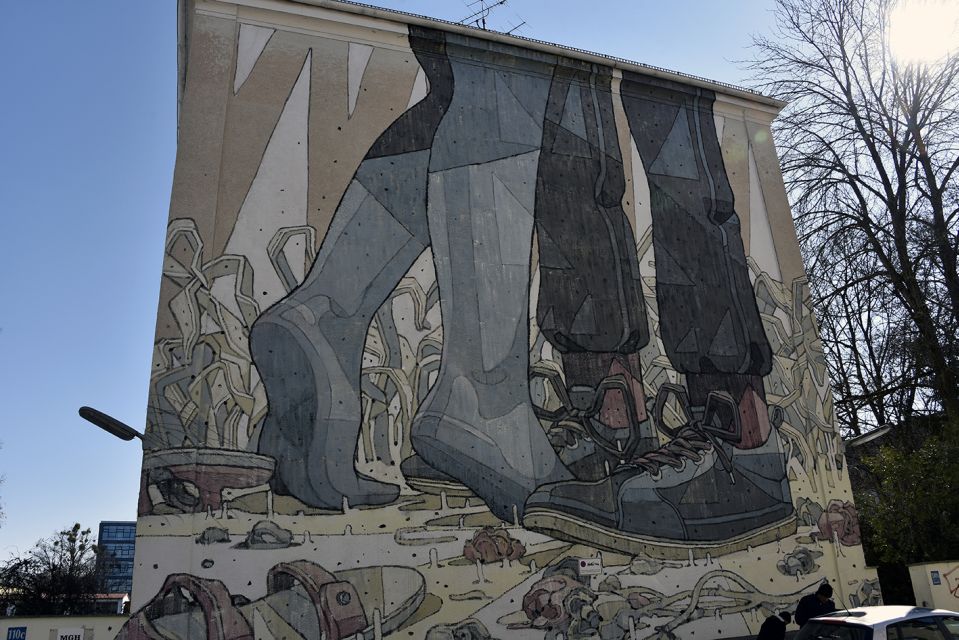
You get rental bikes included, which is a big part of the value. You don’t need to figure out bike logistics before you even start learning. The tour runs for 210 minutes (3.5 hours), which is long enough to see multiple areas but not so long you’re trapped on a saddle all afternoon.
What to consider:
- Bring comfortable clothes for cycling and weather changes. Munich weather can switch fast.
- Pack a small layer if it’s breezy near the river.
- Plan for the fact that you’ll do both riding and short walks.
If you’re coming with kids, pay attention to the age guidance: it’s not suitable for children under 10. One review mentioned it was a bit long for a 12-year-old, so for teens, think about your child’s attention span and interest in street art history, not just street art visuals.
And if you’re bringing anyone with mobility constraints, note this one detail: it’s not suitable for wheelchair users, so you’ll want another option if that’s a factor.
Price and value: what $40 gets you in Munich
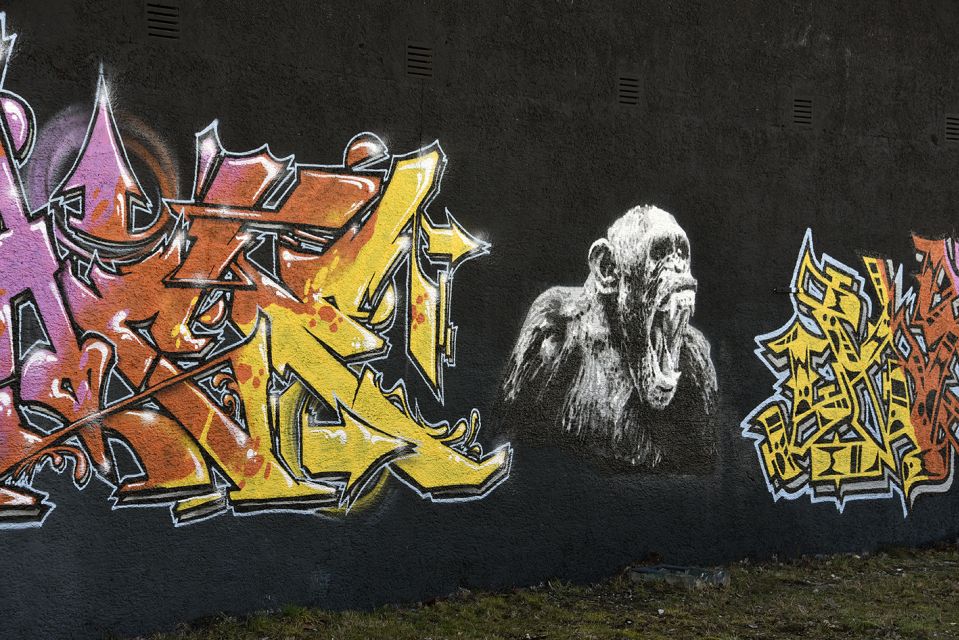
At about $40 per person for a 210-minute guided bike tour, the value comes from three things working together:
1) A guided storyline
You’re not only looking at murals—you’re learning the context behind them: why Munich mattered in the 1980s and how the scene evolved.
2) The bike is handled for you
Rental bikes are included. That saves time and hassle compared with trying to assemble your own bike plan.
3) You get a real “day format,” not a quick hit
Three and a half hours is enough to cover multiple zones: central meeting point, river segment, Giesing, slaughterhouse district, plus the boat break. That mix costs less than piecing it together with separate activities.
Could it be worth more than $40 on another day? If you go expecting a simple street-art walk, maybe. But if you want guided context and actual transportation between neighborhoods, the price feels fair—especially with bikes included and stops baked into the route.
Who should book this Munich Street Art Bike Tour
This tour is best for you if:
- You like street art that has context, not just pictures.
- You’re comfortable biking at least moderately for a few hours.
- You want to see more of Munich’s personality by getting out of the center.
- You enjoy a mix of history facts and real-world walking and riding.
It’s also a strong fit for families where kids are old enough and interested. One booking mentioned boys aged 12 and 10 loved it—mostly because it kept them busy for hours with new visuals and explanations.
You might skip it if:
- You hate bikes or you want a fully relaxed, slow-paced outing.
- You need wheelchair access.
- Your main goal is classic “must-see” landmarks, since this tour is intentionally alternative in focus.
Should you book this tour?
I’d book it if you want street art in Munich with actual guidance and enough movement to feel like you’re seeing the city’s layers—not just a single neighborhood mural trail. The combination of Isar river art, the push into Giesing, the slaughterhouse district stop, and the boat pause gives you variety in a short time.
If you’re worried about language, don’t let that scare you off. Even with a German-led guide, the visual stops and explanations are a big part of the experience, and guides like Ulrike have shown they’ll work to communicate clearly.
If you’re physically able to ride and walk a bit, this is one of those tours that helps you look at Munich differently the moment you start rolling. And that’s the whole point.
FAQ
How long is the Munich Street Art Bike Tour?
It lasts 210 minutes.
Where do I meet the guide?
Meet in front of the Tourist Information Office at Marienplatz. The guide will be holding a yellow street art tour sign with red letters.
What’s included in the price?
The tour includes a tour guide and rental bikes.
What language is the tour guide?
The live tour guide speaks German.
Is this tour suitable for children?
No, it’s not suitable for children under 10.
Is the tour wheelchair accessible?
No, it’s not suitable for wheelchair users.
Are alcohol or drugs allowed during the tour?
No, alcohol and drugs are not allowed.
Is there a private group option?
Yes, a private group is available.
Can I cancel for a full refund?
Yes. Free cancellation is available if you cancel up to 24 hours in advance.
Is there a reserve and pay later option?
Yes. You can reserve now and pay later, so you don’t pay nothing today.