REVIEW · MUNICH
Munich: Third Reich and World War II Segway Tour of the City
Book on GetYourGuide →Operated by Firewheels Tour GmbH · Bookable on GetYourGuide
Munich can feel like a postcard, until you learn how much of its story was shaped by the Third Reich. This 3-hour Segway tour takes you past major landmarks while a guide explains the context behind Nazi-era Munich. I like the built-in Segway experience (wind-in-your-face fun) and the fact that you cover serious, specific sites like Hitler’s Munich apartments and the Old Synagogue area in one run. One watch-out: roads and traffic can feel intimidating for a first-time rider, especially if your group isn’t comfortable yet.
The vibe is practical and focused: you start with training, then you’re out in the city with a small group. I also like how guides stay hands-on—people who were new to Segways said they were patient, especially when it was cold or the weather turned. A possible drawback is that the commentary may vary a bit by guide and language mix, and the Segway time can feel limited if the route spends more time on smoother, safer paths.
In This Review
- Key Highlights at a Glance
- A Segway-Wide Shortcut Through WWII Munich
- Getting Started at Robot City: Training and Safety Basics
- Königsplatz and Odeonsplatz: The Squares That Frame the Story
- The Nazi-Era Building Run: From Führer’s Building to the Brown House
- Hitler’s Apartments in Munich and the Old Synagogue Area
- Schelling-Salon, Beer-Hall Culture, and the Rhythm of the Ride
- What the Guides Do Well (Abdel, Jamal, and the Small-Group Advantage)
- Beer Hall Recommendations After the Tour: Hofbräuhaus and Hofbraukeller
- Price and Time: Is $100 Worth 3 Hours?
- Who Should Book This Segway Tour (and Who Should Skip It)
- Should You Book This Munich Third Reich and WWII Segway Tour?
- FAQ
- How long is the Munich Third Reich and World War II Segway Tour?
- Where do I meet the guide?
- What’s included in the price?
- Is hotel pickup included?
- What languages is the tour offered in?
- Is this tour suitable for children?
Key Highlights at a Glance
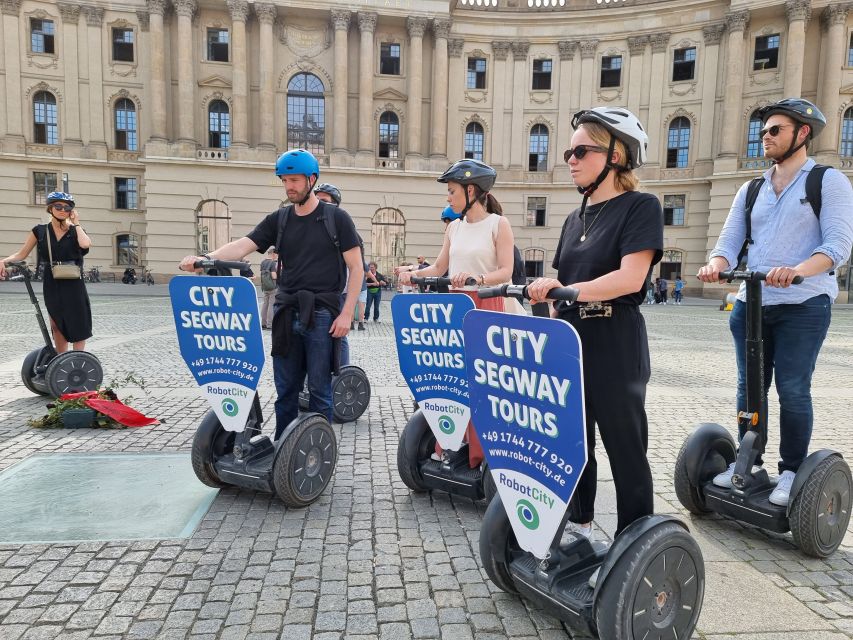
- Segway training first, so you spend less time worrying and more time moving
- Hitler-linked stops, including his Munich apartments from 1920–1929 and in 1933
- Top-pieces of Nazi-era geography, like Königsplatz and Odeonsplatz
- WWII context delivered on the ride, with stops near major historical locations
- Small group size capped at 10, which helps the guide keep control and attention
A Segway-Wide Shortcut Through WWII Munich
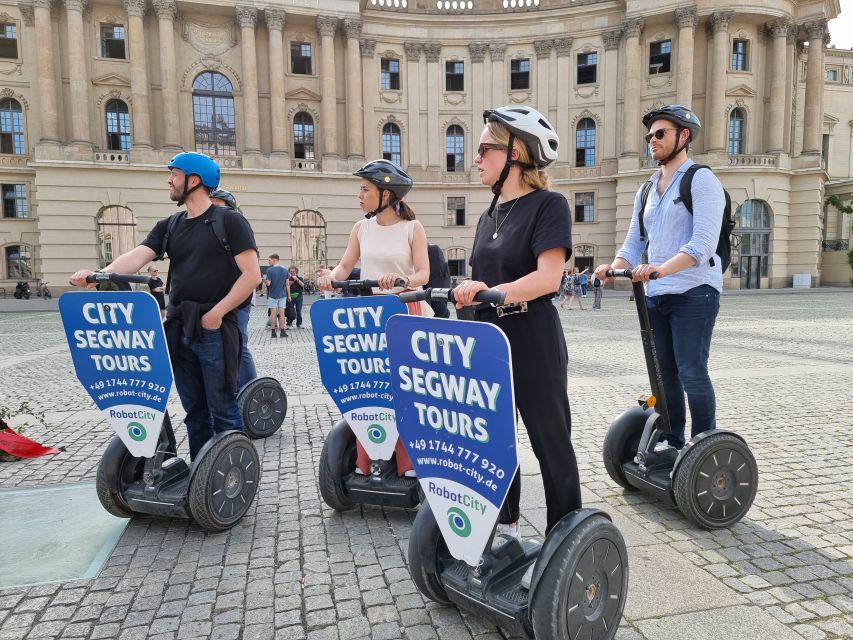
This is not a casual “see the city” loop. You’re on a guided Munich Segway tour that focuses on the darker layer of modern history: the rise of Nazi power and what followed in WWII. The Segway aspect matters because it lets you cover a lot of ground in a short time without turning your day into a long walking slog.
What makes this work for me is the structure. You get a quick start at the beginning, then you’re moving through central Munich while the guide ties locations together. That means places you might otherwise glance at—squares, facades, and building locations—start to connect as a timeline instead of random sights.
And yes, it’s also fun. A lot of people book this because gliding through the streets feels different from foot tours, especially when you’re in a group and the guide keeps things flowing. Expect frequent narration, not just “look here, picture time, next.”
You can also read our reviews of more city tours in Munich


Getting Started at Robot City: Training and Safety Basics
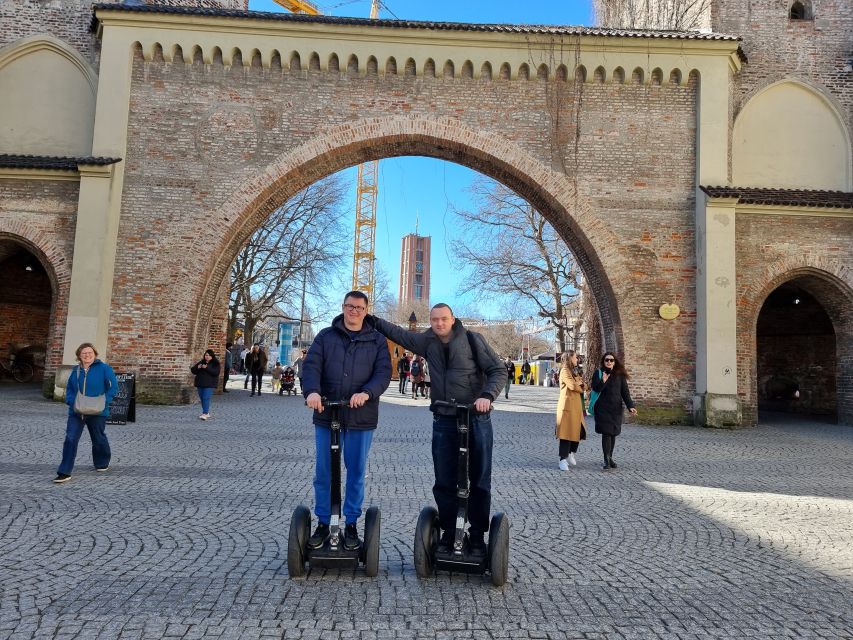
You meet at Robot City Segway Tour München, then you’ll get a short safety briefing and instructions for riding. For many people, this is the real make-or-break moment. Several guides have been described as very patient when helping first-timers find balance and control quickly.
Here’s the practical expectation: you won’t just jump on and go. You’ll learn how to steer and stop, and you should feel confident before you hit busier streets. One rider flagged that certain road segments can feel scary for the new-at-this crowd, but the same feedback also praised the routes through smoother stretches and bike paths when available.
If you’re the type who gets nervous on a vehicle, don’t skip the practice period. It’s short, but it’s designed to help. In colder weather, the tour still runs, and people noted it was freezing—so dress for winter riding if you go outside peak summer.
Königsplatz and Odeonsplatz: The Squares That Frame the Story
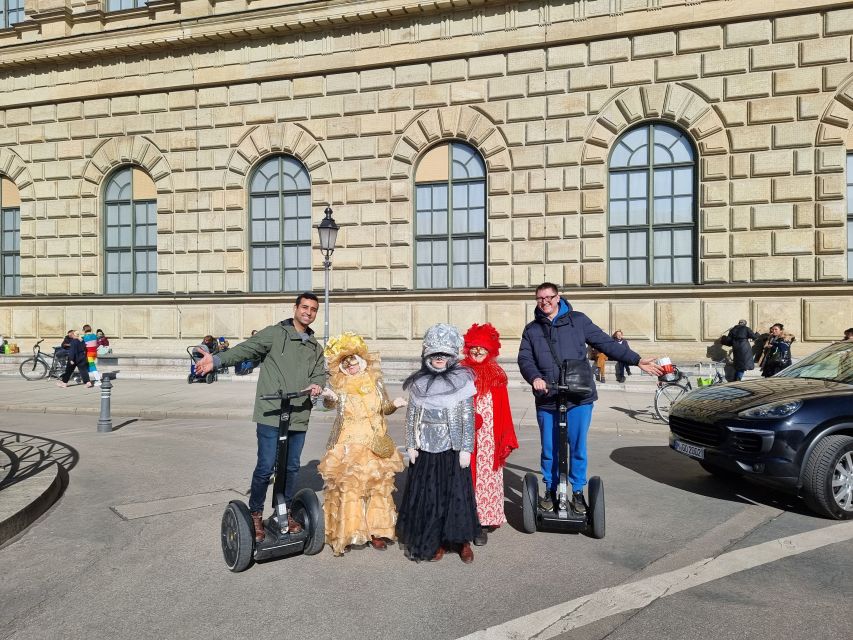
Once you roll out, you pass key central areas tied to the political theater of the era. Königsplatz and Odeonsplatz come up as major reference points, not just pretty intersections. The guide uses these squares to connect how public space, architecture, and power messaging were intertwined.
Think of these stops as your mental map. When someone points out a square and gives you the reason it mattered, you start to see how Munich’s physical layout played a role in the story. Even if you only have a few hours, these are the kinds of locations where a guide’s narration can turn “I’ve seen this on a street sign” into real understanding.
A helpful detail: you’re not stuck standing still while history happens in the abstract. You’re moving through the area, so the timeline feels continuous—like you’re traveling through layers of the city rather than collecting separate facts.
The Nazi-Era Building Run: From Führer’s Building to the Brown House
The route includes passes by sites that are strongly associated with the Nazi movement. You’ll hear about the Führer’s building and the Brown House, among other stops. Even if you don’t know the names today, you’ll understand why they matter after the guide explains how the city’s power structures shifted.
This is one of the places where a guide can really make the difference. A good guide keeps the details grounded: what this building was for, why this location mattered, and how it connects to the broader WWII timeline. Some riders specifically praised guides for being engaging and helpful, and others noted that guides vary in what they can say about every single architectural detail.
So my practical advice: go in prepared to learn context, not necessarily to get an encyclopedia on every facade. If you want ultra-deep architectural facts, pair the tour with a museum stop afterward. But for a fast, guided sweep of the most important sites, this format tends to do the job.
Hitler’s Apartments in Munich and the Old Synagogue Area
This tour’s emotional center is its focus on where Hitler lived in Munich and what happened around key community sites. You pass Hitler’s apartment from 1920–1929 and also his apartment in 1933, with explanations of his time in the city and how his path toward power accelerated.
Then you visit the area near the old synagogue site. The goal is not just to say the words, but to connect what you’re seeing to what occurred in Munich during WWII. It’s a lot to process, so if you’re sensitive to heavy historical content, plan your day accordingly. Pairing this tour with something lighter afterward can help it land properly.
Because this tour deals with Third Reich and WWII themes, the tone is serious even when the ride is energetic. I’d treat it as a guided education experience first, with Segway fun as the delivery system.



Schelling-Salon, Beer-Hall Culture, and the Rhythm of the Ride
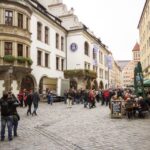
Not every stop is about Nazi buildings. You also pass Schelling-Salon, a pub that stayed open through both WWI and WWII. You may also hear about Bavarian kings and broader city history as the guide builds out the background so the era doesn’t feel disconnected from daily life.
This part matters because it prevents the tour from becoming a list of grim facts with no context. When you understand the city’s longer timeline, the WWII story has sharper edges. Munich wasn’t just a stage for politics; it was also a place where people lived, worked, drank beer, and gathered.
If your route includes park segments and cycling infrastructure, you’ll feel the Segway work its best magic. In one case, a rider wanted more Segway time, especially through a park area, but the same feedback praised how confident participants felt and how the cycle tracks helped the ride feel manageable.
The practical takeaway: expect a mix—some streets feel more exposed than others, and your comfort will depend on how much time you spend on bike lanes versus open road.
What the Guides Do Well (Abdel, Jamal, and the Small-Group Advantage)
A major strength of this experience is the human factor. Multiple guides were described as attentive, patient, and good at keeping people safe while still making the tour enjoyable. Names that came up include Abdel and Jamal, both of whom were praised for instruction and engagement.
Small group size (up to 10) is more than a marketing detail. It helps with control, pacing, and translation support if language needs come up. One participant experienced a language mix-up, and an interpreter was arranged, which shows you’re not left stranded if your language doesn’t match perfectly.
Also, guides often recommend places to return to after the tour. That’s useful because history tours can leave you mentally full but physically hungry. You can turn the tour into a full half-day plan instead of treating it as a standalone event.
Beer Hall Recommendations After the Tour: Hofbräuhaus and Hofbraukeller
Your guide doesn’t just point forward; they point you back toward good Munich food and drink. Two specific recommendations commonly come up: Hofbräuhaus am Platzl, a beer hall originally built in 1589, and Hofbraukeller, a restaurant serving traditional Bavarian cuisine.
Why this is valuable: after a Third Reich and WWII-focused tour, you’ll want a place that feels like Munich now, not Munich in the 1930s. These stops give you a clean way to shift gears without doing extra research while you’re still tired or cold from the ride.
If you’re going in winter, these kinds of indoor, classic spots tend to make the day feel complete. If you’re going during busier seasons, keep an eye on crowds—then choose your timing and reservations accordingly.
Price and Time: Is $100 Worth 3 Hours?
At $100 per person for a 3-hour guided experience, the value comes from three areas:
- You’re paying for more than the Segway. The tour includes a guide plus the Segway and helmet, and you’re getting organized route coverage in central Munich.
- You’re compressing a lot of key locations into a short window. For many people, that’s the whole point: history you can actually fit into an itinerary.
- The small group format helps quality. With fewer people, the guide can monitor riding skills and keep the tour moving.
Not included: hotel pickup and drop-off. So you’ll want to plan your arrival on your own and factor in how you’ll get back afterward. If your hotel is central, that’s easy. If you’re farther out, it can add some time.
Overall, this is a good value if you like guided context and you want the convenience of seeing several major sites without spending your whole day on foot. If you’d rather wander slowly and read on your own, you might get less out of the price.
Who Should Book This Segway Tour (and Who Should Skip It)
This tour is listed as not suitable for children under 14 and pregnant women, so check your group fit before you book. It also makes the most sense for adults who can handle the subject matter—Third Reich and WWII content can be heavy.
It’s a strong match if you:
- want an energetic way to cover central Munich in a tight schedule
- like history explained by a live guide with route context
- are comfortable following instructions and practicing briefly before riding
It may not be the best match if:
- you’re extremely anxious about shared roads or first-time vehicle riding
- you need tons of deep architectural detail at every stop (this tour is built around guided narrative and movement)
Should You Book This Munich Third Reich and WWII Segway Tour?
Book it if you want a guided, time-efficient way to see the Munich locations tied to Nazi history, including the stops around Hitler’s apartments and the Old Synagogue area. The small-group guidance, the practical Segway training, and the chance to glide between squares and key buildings make this feel like more than a gimmick.
Don’t book it if you know you’ll be distressed by WWII-related content or if first-time vehicle exposure would stress you out too much. In that case, you’ll probably prefer a walking history tour that keeps you fully in control on foot.
My final practical tip: wear grippy shoes, dress for the weather (people did it in snow and freezing conditions), and plan a relaxed, casual meal afterward. This tour can sharpen your view of Munich fast—then you’ll want comfort to balance it.
FAQ
How long is the Munich Third Reich and World War II Segway Tour?
The tour lasts 3 hours.
Where do I meet the guide?
Meet your guide at Robot City Segway Tour München.
What’s included in the price?
The tour includes a guide, the Segway, and a helmet.
Is hotel pickup included?
No. Hotel pickup and drop-off are not included.
What languages is the tour offered in?
The tour is offered with a live guide in English and German.
Is this tour suitable for children?
No. It is not suitable for children under 14, and it’s also listed as not suitable for pregnant women.