REVIEW · MUNICH
Munich World War II Sites Including Dachau Concentration Camp
Book on Viator →Operated by Radius Tours GmbH · Bookable on Viator
Dachau lands hard, especially with a guide. This full-day combo ties the Dachau Memorial experience to Munich’s visible Nazi-era sites, so you’re not just reading names—you’re seeing what they look like on the ground. You’ll tour the camp and museum areas, including photographs, documents, reconstructed cell blocks, the crematorium, and the administration headquarters.
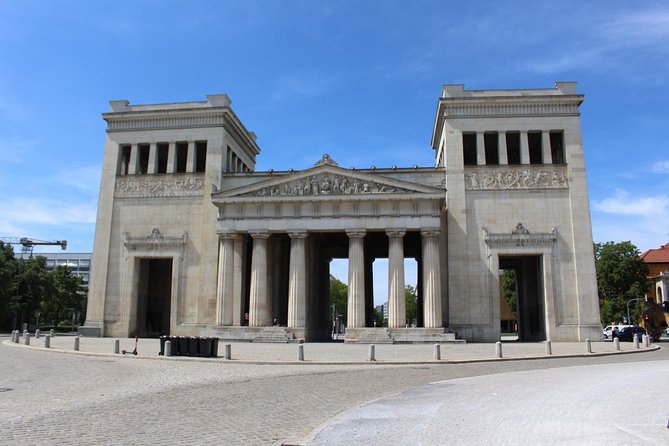
I also love the way the second half makes the city part feel real. On the Third Reich walking tour, you’ll walk old-town streets tied to the rise of Hitler’s movement, including the building linked to when he first joined the Nazi Party, the former Gestapo headquarters, and the 1923 Beer Hall Putsch location—ending near Königsplatz.
One heads-up: it’s a long, heavy day. There’s lots of standing and walking, the subject matter is intense, and the pace can feel like a lot if you’re hoping for slower museum reading or lots of quiet time.
In This Review
- Key takeaways
- Why Dachau and Munich’s Third Reich sites in one day?
- Price and what you get for $105.21
- Getting started at Radius Tours and the ride to Dachau
- Inside the Dachau Memorial: what the guided tour covers
- A drawback to consider inside Dachau
- The Munich Third Reich walk: Königsplatz, Marienplatz, and Nazi power in plain sight
- Listening can be a factor
- How the timing works for a long day (and how to survive it)
- Guides and group size: why the delivery matters
- Who should book this Munich WWII and Dachau combo
- Should you book this Dachau and Third Reich tour?
- FAQ
- How old do I need to be to join?
- Is the tour offered in English?
- How long is the experience?
- Are food and drinks included?
- How do you get to Dachau from Munich?
- Can I cancel for a full refund?
Key takeaways
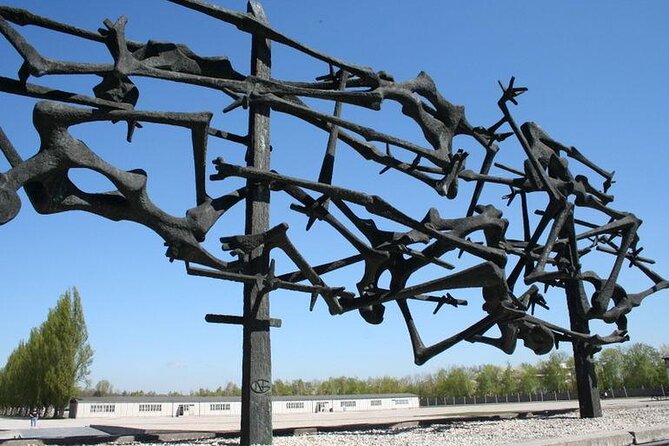
- Dachau Memorial tour covers the camp and museum areas, including key sites like reconstructed cell blocks and the crematorium
- Third Reich walking route connects Munich’s Nazi-era power centers to street-level history, ending at Königsplatz
- Guides earn praise for keeping a somber topic respectful while still engaging the group; names like Jake, Emmett, Iain, and Josh come up often
- Public transport is part of the deal (train, then city bus as needed), so plan for crowded moments
- Small-group size (max 25) helps keep things controlled on a very demanding day
- Food isn’t included, so you’ll want a lunch plan for the break between halves
Why Dachau and Munich’s Third Reich sites in one day?
The pairing works because it puts two timelines in the same frame. Dachau Memorial shows the machinery of oppression in physical form—cell blocks, records, and the space where prisoners were processed. Then the Munich walk shifts to the political stage: where Nazi power grew, how it organized itself, and how propaganda moved from meeting rooms to public life.
You get a sense of cause and consequence. Without the Munich portion, Dachau can feel like a distant horror story. With the city walk, the story connects to buildings and locations you can actually point at.
This is also a good choice if you only have one full day to spend on this topic. Splitting it across two separate days is often ideal for reading slowly, but not always realistic when you’re fitting Germany into a schedule.
You can also read our reviews of more tours and experiences in Munich.
Price and what you get for $105.21
At $105.21 per person for about 8 hours 30 minutes, you’re mostly paying for three things:
- A guided, structured visit to Dachau Memorial (not just a self-guided entry)
- A guided city walk through major Nazi-era locations in central Munich
- Group transportation coordination between Munich and Dachau (public train, plus city bus as needed)
Food and drinks aren’t included, so factor in lunch. Still, the guide + the two-part format is what makes the value feel solid. You’re not piecing together transit, routes, and historical interpretation on your own. And because it’s a set departure from central points, you avoid the time sink of planning a day that can easily get complicated.
If you’ve been thinking, I can just go to Dachau myself, this tour’s main advantage is interpretation and pacing. You’ll see more of what matters, and you’ll hear how the sites connect.
Getting started at Radius Tours and the ride to Dachau
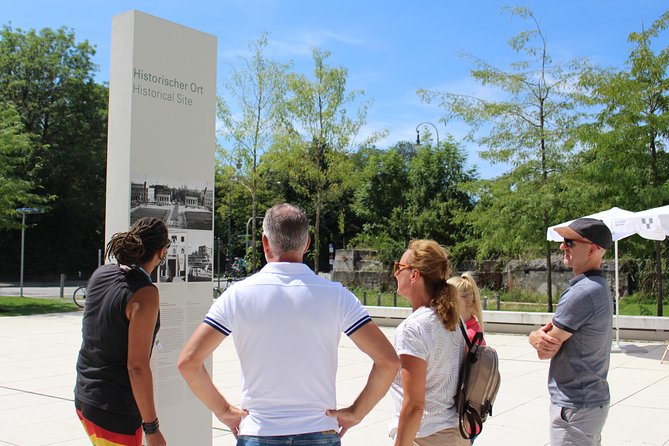
The day starts at Radius Tours (Dachauer Str. 4, 80335 München) at 9:00 am. The tour has a set meeting flow that puts you together first, then moves you toward Munich’s main station.
From there, your group heads north by train to Dachau Concentration Camp Memorial Site. In real life, this part matters because it reduces logistics stress. You’re not juggling schedules, tickets, and where to meet a guide in a new transit maze.
One practical note: some participants mention the return and transit can involve city bus time as well, and that public transport can get crowded. So wear shoes you can handle all day, and bring a water bottle if you tend to feel dry quickly.
Inside the Dachau Memorial: what the guided tour covers
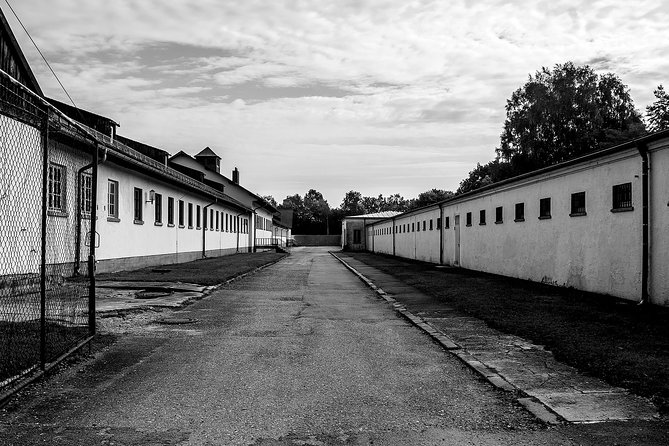
Dachau is the first Nazi concentration camp in Germany during the Holocaust, and it later served as a model for other camps. The guided portion is designed to help you understand that in a way that’s grounded in place, not just dates.
During the Dachau visit, you’ll tour the memorial and museum areas with a focus on the camp’s evidence and structure. Expect to see:
- Photographs and documents that explain what happened here
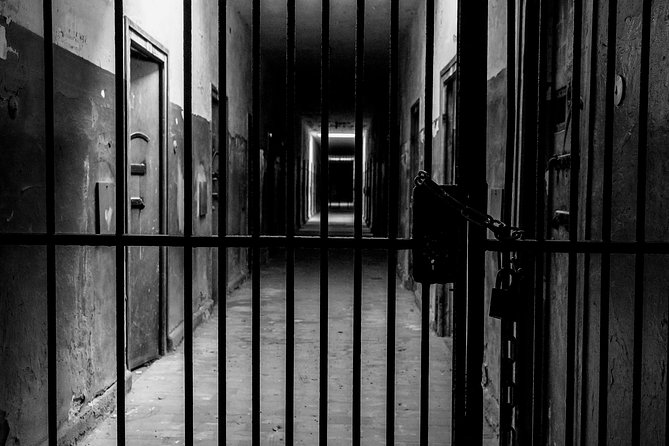
- Reconstructed cell blocks, so you can visualize how the system worked day to day
- The crematorium area and the administration headquarters
You’ll also get stories tied to key figures linked to the camp, including the role of Heinrich Himmler and how the camp was founded. That kind of context is important, because it turns the site from a set of buildings into a system with decisions, enforcement, and intent.
This part of the day can feel emotionally heavy. The best guides keep the tone respectful while still explaining clearly. Names like Emmett, Iain, and Ian show up often in feedback for combining strong facts with a careful approach.
A drawback to consider inside Dachau
If you’re the type who wants to linger and read every sign at your own speed, the time on site can feel tight. The tour format is built to cover major areas with a guide, which means less wandering and more “follow the route.”
Also, some of what you’ll see may be reconstructed or no longer exist in its original form. A guide can help you understand what’s present, what’s reconstructed, and why the memorial is designed the way it is.


The Munich Third Reich walk: Königsplatz, Marienplatz, and Nazi power in plain sight
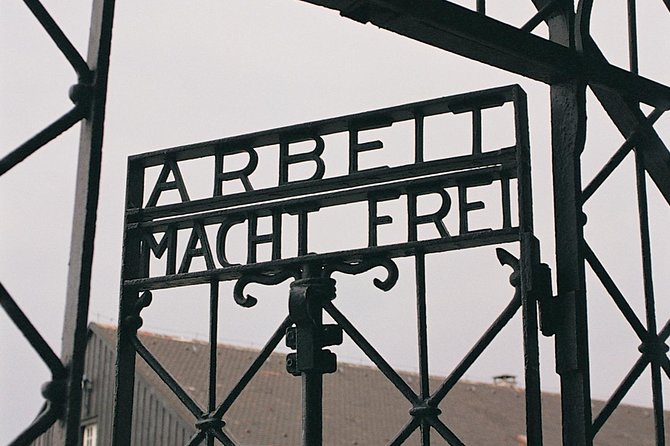
After a break in Munich, you reconnect with the group for the walking portion. The goal here is not just to list sites—it’s to show how Nazi Germany grew from ideology into street-level power.
The walk starts around Königsplatz, which was used as a marching grounds for the Nazi Party. From there, the route brings you into the center of town, including Marienplatz and surrounding old-town areas.
Along the way, you’ll visit several period-linked locations, such as:
- The building where Hitler first joined the Nazi Party
- The former Gestapo headquarters
- The place associated with the Beer Hall Putsch in 1923
This is where the day clicks for a lot of people. You go from the camp’s physical reality to the political theater of Munich—then you realize how the same ideology can show up in totally different forms: prisons on one end, propaganda and intimidation on the other.
Listening can be a factor
A smaller but real issue: city noise and echoes can make it harder to hear the guide in some spots. I’d plan for that by standing where the guide is easiest to hear, and using breaks to reposition instead of staying glued to the back.
If you’re sensitive to sound, bring your patience. The city walk is often described as intense and information-heavy, even when the guide is great at presenting it.
How the timing works for a long day (and how to survive it)
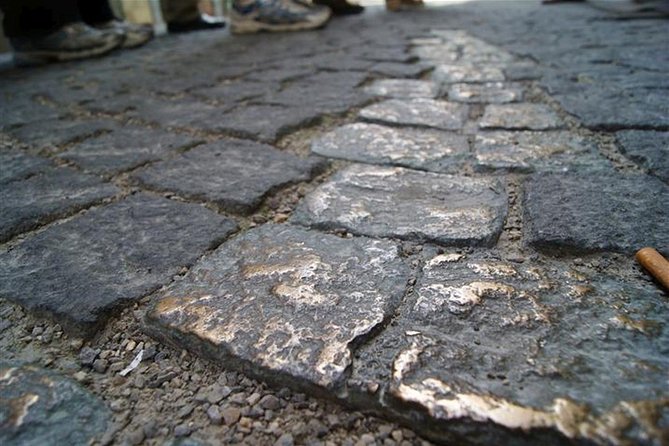
This tour runs from 9:00 am and stretches to roughly 8.5 hours total. The day is built in two big chunks:
1) The Dachau guided portion (about 2.5 to 3 hours)
2) The Third Reich walking tour (about 2.5 hours), plus transit and a break
In other words: it’s not a quick hit. Your schedule will feel like a full-day commitment, and your feet will know it.
Here’s how to make that easier:
- Wear comfortable walking shoes with decent grip (Munich sidewalks and public transit platforms can be slick in colder weather)
- Pack water and a small snack for the breaks, since food and drinks aren’t included
- Dress for weather layers. People note the tour can be cold or hot depending on the season
There’s also value in the break between the two parts. It’s your chance to reset before another walk, and to grab lunch nearby (on your own).
Guides and group size: why the delivery matters
For topics like this, the guide can make or break the experience. What I like about this format is that the guides seem chosen for both accuracy and tone. Many named guides—Keith, Jake, Scott, Mark Pearson, Sam, Connie, Josh, and Achim—are described as pairing strong delivery with respect for victims.
That matters because Dachau isn’t an “interesting facts” attraction. It’s a memorial. The best guides manage three things at once:
- Keep you oriented so you understand what you’re looking at
- Maintain a respectful tone without turning the day into a lecture nobody can follow
- Answer questions without derailing the route
With up to 25 people, it’s large enough for energy, but small enough that you’re not lost in a crowd. It also helps the guides keep the group together during transit.
If you’re worried about pace, treat this as a structured learning day, not a museum wander day. You’ll cover a lot, and your guide is there to shape it into a coherent story.
Who should book this Munich WWII and Dachau combo
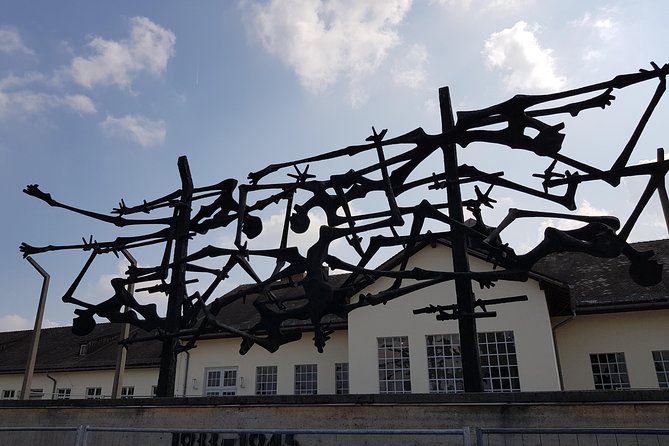
This tour is a strong fit if:
- You want two connected perspectives in one day: camp reality + Munich’s Nazi-era sites
- You like guided interpretation more than reading every sign alone
- You’re okay with a full day of walking and standing
It may not be ideal if:
- You prefer slow, quiet museum time and lots of self-paced browsing at Dachau
- You struggle with long, emotionally intense tours
- You’re trying to do this topic without any walking (this is very much a walking and standing experience)
Should you book this Dachau and Third Reich tour?
If you have one day in Munich and you want the most direct, organized way to understand both Dachau and the Nazi-era imprint on Munich, I think this is worth booking. The best part isn’t just access—it’s the guided structure that helps the day feel clear instead of scattered.
Book it if you want a guided route, you can handle a long day, and you’re ready for a respectful, heavy experience. Consider another option if you’d rather spend extra time sitting with exhibits at Dachau or you know you’ll burn out on nonstop walking.
FAQ
How old do I need to be to join?
The tour is open to visitors aged 13 and older. Under 13s aren’t permitted, and proof may be required.
Is the tour offered in English?
Yes. The tour is offered in English.
How long is the experience?
It runs for about 8 hours 30 minutes total, including the Dachau portion, the Munich walking portion, and transit/break time.
Are food and drinks included?
No. Food and drinks aren’t included, so plan for lunch during the break.
How do you get to Dachau from Munich?
You travel as a group using public transport, including a train from Munich Hauptbahnhof and additional public transport as needed. Return to Munich is also by train.
Can I cancel for a full refund?
Yes. Free cancellation is available up to 24 hours before the experience start time for a full refund.