REVIEW · MUNICH
Munich: Birthplace of the Third Reich Guided Walking Tour
Book on GetYourGuide →Operated by Radius Tours GmbH · Bookable on GetYourGuide
Munich’s Nazi story is written into the street plan. This guided walking tour gives you a clear route through the places tied to the Third Reich’s growth, from early beer-hall speeches to memorials for victims. I like that the tour doesn’t just point at buildings; it connects what you see to the choices that led to mass persecution. I also like the way strong guides can keep the tone human, including question time with answers that actually land, like Jake and Dan (the Bearded man) often do.
The big draw is the set of specific sites: the old beer halls tied to Hitler’s early political gatherings, the location connected to Goebbels and Kristallnacht planning, and the Nazi-era headquarters area—plus monuments honoring opponents of Nazism and those who suffered under it. The main consideration is emotional heaviness: this is a walk through anti-Semitism, propaganda, and organized terror, so go in with the headspace for serious history.
Practical tip: wear good shoes and expect a cold, wet, or hot day to affect your comfort. At $29 for a 2.5-hour walk, it’s good value, but it won’t feel like a relaxed stroll.
In This Review
- Key things I’d watch for on this tour
- Munich and the Third Reich: how the city teaches without a lecture hall
- Where you start at Radius Tours and what the timing really feels like
- Beer halls where Hitler’s politics got its first audience
- The Goebbels planning stop and the Night of Broken Glass reality check
- Nazi-era headquarters and why some buildings survived
- Memorials for victims and opponents: remembrance as part of the route
- Price and value: is $29 for 2.5 hours worth it?
- What kind of guide you want, and what this tour tends to deliver
- How to get more out of the walk (without forcing yourself)
- Should you book this Munich Third Reich walking tour?
- FAQ
- How long is the guided walking tour in Munich?
- What does the tour cost?
- Where do I meet for the tour?
- Is there a live English-speaking guide?
- Is hotel pickup included?
- Is transportation to the historic center included?
- What is included in the price?
- What are the main highlights during the walk?
- Can I cancel for a full refund?
- Can I reserve now and pay later?
Key things I’d watch for on this tour
- Beer halls with early Nazi energy: places tied to Hitler’s first major speeches and party meetings
- A real Kristallnacht thread: a stop at the building associated with Goebbels’ planning
- Nazi headquarters area today: Nazi-era buildings still standing amid WWII scars
- Memorials you can’t skim past: monuments for victims and opponents of Nazism built into the route
- Guides that handle tough material well: many guides are praised for empathy plus humor, like Jake, Steve, Sam, and Nic
Munich and the Third Reich: how the city teaches without a lecture hall
Munich has a way of doing history differently than a museum. You’re not standing behind glass. You’re on streets where people walked, argued, and recruited—then later survived, fled, hid, or endured. This tour makes that connection fast. In just 2.5 hours, you get a guided map of how a political movement turned into a killing machine.
What matters most is the cause-and-effect storyline. The route is built around the rise of the Nazi Party in Munich and the ideology that fed it, starting before the world war. You’ll hear how the movement grew out of early failures and street-level power grabs, then shifted into something organized enough to act on brutal plans.
And you’re not left with only villains in the abstract. The walk keeps returning to real human targets—especially the memory of victims of anti-Semitic violence and the people who opposed Nazism. That’s why the memorial stops land. They don’t feel like decoration. They feel like the emotional end of the chapter you’ve just read.
You can also read our reviews of more walking tours in Munich
Where you start at Radius Tours and what the timing really feels like
You meet at the Radius Tours office. From there, the tour includes transportation to the historic center. Hotel pickup isn’t included, so plan to get yourself to the meeting point.
The tour lasts 2.5 hours. That’s a sweet spot: long enough to connect multiple sites, short enough that you won’t feel trapped in one topic for half a day. It’s also walking-focused, so your comfort depends on weather. A rainy or freezing day can make any outdoor history lesson feel longer, even when the guide is great.
I’d come ready with questions. Many guides on this kind of tour are praised for handling questions clearly, and you’ll get more out of it if you ask about what you’re seeing—why a building matters, or how a particular event connects to what came next.
Beer halls where Hitler’s politics got its first audience
Beer halls are more than background in Munich—they were stage space. On this route, you’ll see the beer-hall locations tied to Hitler’s early political meetings and first-party speeches. The feeling you get from these stops is practical: the movement didn’t grow in silence. It grew in rooms designed for crowds, drinking, and persuasion.
This is where you learn an uncomfortable truth about how power spreads. You can walk past a building today and feel like it’s just architecture, but the guide points out what was said, who was there, and why public speeches worked. You’re basically training your eye to recognize propaganda as performance.
If you care about “how it could happen,” this part of the tour does that job. You’ll connect the early meetings to the later takeover, and you’ll start understanding how street fights and rhetoric fed each other. It’s not just a history of Nazis. It’s a history of tactics.
The Goebbels planning stop and the Night of Broken Glass reality check
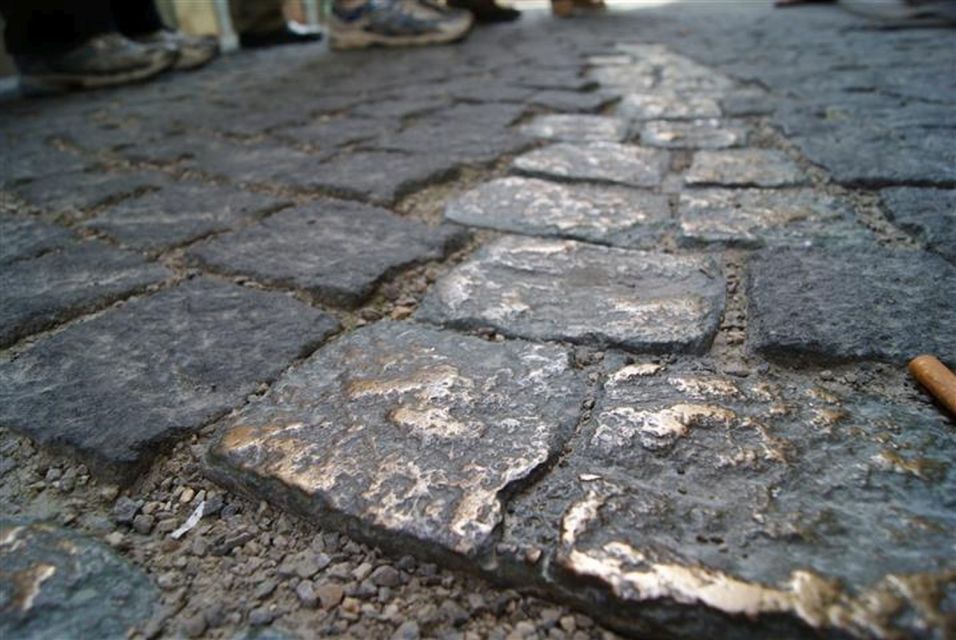
One of the most chilling stops is at the building where Goebbels plotted the Night of Broken Glass. Even if you’ve heard the name before, seeing the site with a guide’s context gives it a different weight.
This section is about the road from ideology to action. Kristallnacht wasn’t random violence; it was coordinated persecution. The tour uses this moment to connect anti-Semitic ideology and propaganda to what people could be pushed into doing—what ordinary systems enabled, and how quickly violence can become “policy in motion.”
I like tours that don’t rush this part or turn it into trivia. Here, the narrative brings the moral stakes to the front. You’re asked, implicitly, to see how language, threats, and fear were used as tools—tools that created real destruction.
Nazi-era headquarters and why some buildings survived
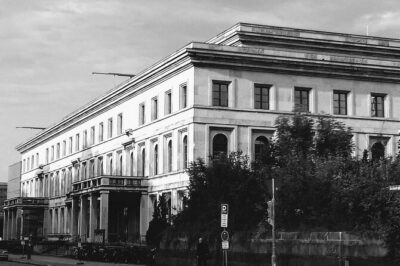
The tour also includes the official Nazi Headquarters area. This is a hard stop, but it’s also one of the most visually informative ones, because it shows you what stayed behind.
Central Munich saw heavy WWII destruction from Allied bombing. Still, many Nazi buildings survived and remain. Standing near these structures helps you understand how uneven history can be. The physical shell endured, even when the ideology should have been understood as criminal from the start.
The guide’s job here is to help you read the city like a document. A building isn’t a neutral object. It’s a witness. And when it survives when other areas don’t, it raises a question you’ll carry with you: how do societies remember what they once housed?
You can also read our reviews of more guided tours in Munich



Memorials for victims and opponents: remembrance as part of the route
This tour doesn’t treat memorials as an optional add-on. You visit monuments honoring many victims and opponents of Nazism, and they sit inside the walk rather than at the end like a checkbox.
That pacing is important. You’ve just traced how the Nazi Party and ideology rose to prominence in Munich. Then you’re confronted with the people who suffered because of it. It turns history from a timeline into something closer to responsibility.
In practice, these stops help you avoid a common trap: learning names and dates but forgetting the human cost. When memorials are placed where you can actually see them—on a street-level route—they resist that trap. You have to slow down. You have to look.
And if you’re traveling with someone who feels uncomfortable with heavy topics, this is often the part where the conversation becomes real, not just educational.
Price and value: is $29 for 2.5 hours worth it?
At $29 per person for about 2.5 hours, this is one of those tours that’s priced for access. You’re paying for a guided narrative that stitches together multiple sites you likely wouldn’t connect on your own.
If you only wanted photos, you could walk the center and take pictures. But the value here is the meaning: beer halls tied to early Nazi speeches, the Goebbels planning site connected to Kristallnacht, and the Nazi headquarters area plus memorials. Without a guide, those places might read as just “old buildings.” With a guide, they read as steps in a dark chain of events.
Also, the tour includes transportation to the historic center, which cuts down on your planning friction. And because it’s an English live guide, you get more than signage would provide.
So yes, it’s a fair price for what you get—especially if you like history that feels grounded in the streets, not stuck behind museum labels.
What kind of guide you want, and what this tour tends to deliver
The guides are a big reason people rate this tour highly. Several names show up in the feedback: Jake, Sam, Steve, Dan (the Bearded man), Nic, Iain, Sara, Josh, and Aileen, among others.
What’s consistently praised isn’t just facts. It’s how the information is handled. Many guides are described as clear and structured, with an empathetic tone. Others are praised for answering questions and keeping the group moving without turning it into a lecture marathon.
I’d treat that as your checklist. This topic can become either cold and academic or too soft to feel honest. The best versions balance empathy with clarity—and use small humor carefully, the way people do when they need to keep going without making light of suffering. If a guide like Jake or Steve is on your tour, you’ll likely get that steadier balance. If it’s Nic or Sara, you can also expect a strong focus on explaining the stages in a way that stays understandable.
How to get more out of the walk (without forcing yourself)
This is a history tour, but it’s still your day. To get the most out of it, I’d do three things.
First, come with basic context. You don’t need a textbook. But if you know what Kristallnacht was, and that Munich played a key role in the Nazi movement’s early rise, the guide’s connections will click faster.
Second, ask good questions. If something feels unclear—why a building matters, how a specific event led to the next—you’ll usually get a direct answer. Guides here seem comfortable fielding questions.
Third, give yourself permission to feel things. This is heavy material: anti-Semitism, persecution, and the machinery of violence. The memorial stops are there for a reason. Don’t rush past them just to feel tough. Let the history land.
Should you book this Munich Third Reich walking tour?
Book it if you want a street-level history route through Munich’s role in the rise of the Third Reich—and you want it explained by a guide who can handle heavy material with structure and care. It’s especially worth it if you like walking tours that feel like an argument made with facts, not just stops added to a photo list.
Skip it if you’re looking for light sightseeing, or if you know that an anti-Semitism and Kristallnacht-focused route will be too much for your current emotional bandwidth. This tour is honest about the harm, and it doesn’t try to soften the topic for convenience.
If you do book: wear comfortable shoes, bring a phone for quick note-taking, and show up ready to learn. For $29, you’re buying not just movement through the city, but a clearer understanding of how propaganda and violence took root—then how Munich remembers what happened.
FAQ
How long is the guided walking tour in Munich?
The tour runs for 2.5 hours.
What does the tour cost?
It costs $29 per person.
Where do I meet for the tour?
Meet at the Radius Tours office.
Is there a live English-speaking guide?
Yes, the tour has a live guide and the tour language is English.
Is hotel pickup included?
No, hotel pick-up is not included.
Is transportation to the historic center included?
Yes, transportation to the historic center of Munich is included.
What is included in the price?
Included items are the guide, the tour itself, and transportation to the historic center.
What are the main highlights during the walk?
You’ll see beer halls tied to early Nazi meetings and speeches, a building connected to Goebbels and Kristallnacht planning, the official Nazi Headquarters area, and monuments honoring victims and opponents of Nazism.
Can I cancel for a full refund?
Yes. You can cancel up to 24 hours in advance for a full refund.
Can I reserve now and pay later?
Yes. There’s a reserve now & pay later option mentioned for keeping travel plans flexible.