REVIEW · MUNICH
Neuschwanstein Castle & more – Private Tour from Munich
Book on Viator →Operated by Munich Private Tours · Bookable on Viator
Fairytale castles meet real Bavarian history. This private Neuschwanstein day trip is built for comfort and control: you ride in a Mercedes with hotel pickup, then you get skip-the-line access for the inside castle tour. My favorite part is how the day feels tailored instead of rushed. One thing to consider upfront: Neuschwanstein involves a lot of stairs and narrow, winding levels.
What really makes this tour worth your time is the human touch. In the best moments, guides like Aiman (based on what I’ve seen shared) do more than recite facts; they shape the pace around what you care about, even adding a detour when it fits. It’s also a longer day (about 7–9 hours), so plan your stamina and save lunch for later unless you’re okay with snacking.
In This Review
- Quick hits you’ll actually use
- A private day from Munich that doesn’t feel like a factory line
- Entering Neuschwanstein: skip-the-line tickets plus real stair reality
- The childhood stop that makes Ludwig II’s story click
- Wies Pilgrimage Church: color, calm, and music in a packed year
- Passionstheater: Bavarian houses and a different kind of culture
- Ettal Abbey: monastery life and why people stop here
- Price and logistics: what you’re really paying for at $88
- Comfort notes: a full day, stairs, and how to avoid sore-foot regret
- Who should book this tour (and who might not love it)
- Should you book Neuschwanstein Castle & more – Private Tour from Munich?
- FAQ
- FAQ
- How long is the Neuschwanstein private tour from Munich?
- What does the tour include for Neuschwanstein Castle?
- Is lunch included?
- Which other stops are included besides Neuschwanstein?
- Are there a lot of stairs inside Neuschwanstein?
- Can I reserve an elevator if I have reduced mobility?
Quick hits you’ll actually use
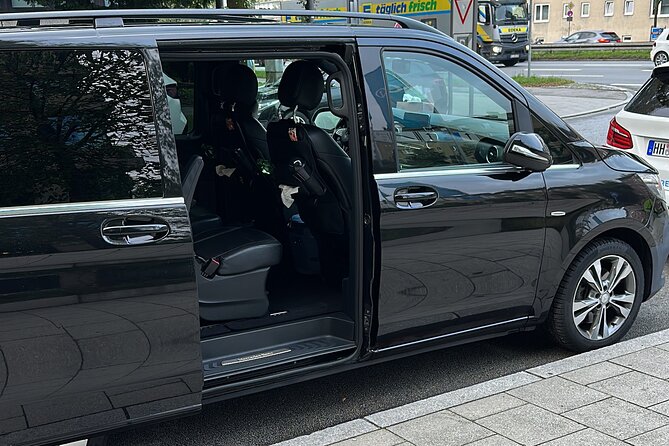
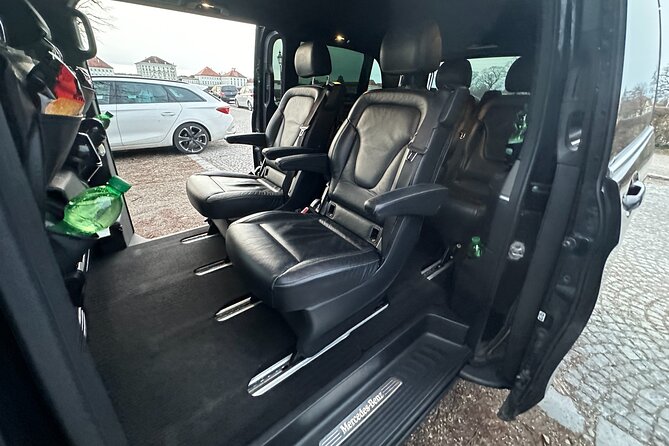
- Private ride in a Mercedes: comfort for a full day of hopping between sites.
- Skip-the-line inside Neuschwanstein: saves the time you’d otherwise lose to ticket queues.
- Castle-area transport included: you can use the shuttle bus or horse carriage once you’re up there.
- Wies Pilgrimage Church is a must for the senses: famous for color, shapes, piety, and music.
- Ludwig II context first: you see the place where young Ludwig II spent his childhood to make Neuschwanstein click.
- Guides can adjust the day: reports include off-the-beaten-path stops for standout views.
A private day from Munich that doesn’t feel like a factory line
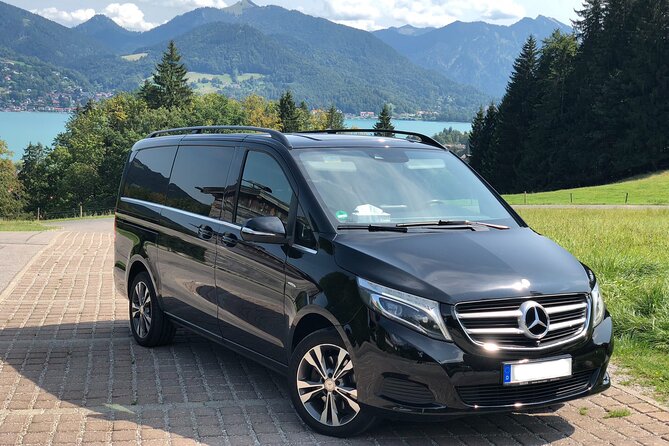
Neuschwanstein is one of those places where the photos are famous for a reason. But a big crowd can flatten the experience into a checklist: bus, tickets, stairs, photos, done. This is the opposite vibe. You’re not sharing the day with a random mass of strangers. You’re in a private group with a driver/guide, and your route can flex around what you want to linger over.
The comfort matters more than you might think. You’re looking at a full day’s worth of travel and walking, plus the Neuschwanstein site itself sits above the town. Starting with hotel pickup and drop-off means you spend less time figuring out transit and more time actually enjoying the scenery and the stops.
The best part is that the day is structured but not rigid. You still hit the big targets—castle, pilgrimage church, and more—but there’s room for pacing. In one account, the guide even took the group off the main path to see a lake at the foot of the Austrian Alps. That’s exactly the kind of “small move” that turns a standard excursion into a personal day.
You can also read our reviews of more private tours in Munich

Entering Neuschwanstein: skip-the-line tickets plus real stair reality
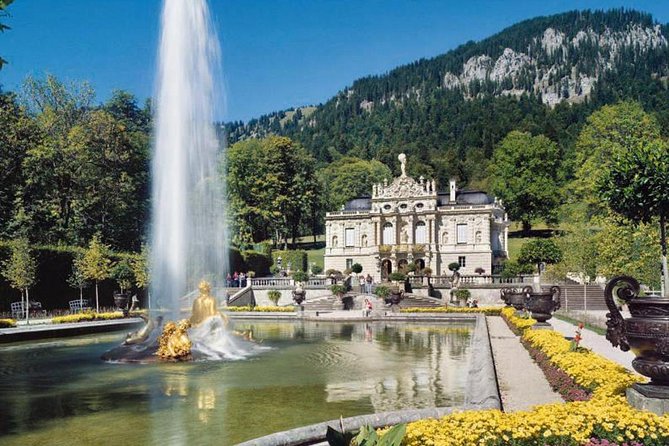
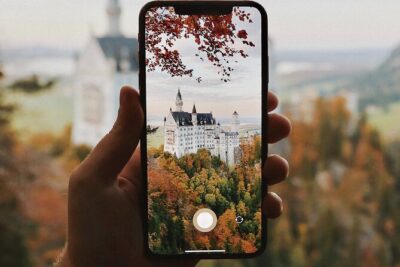
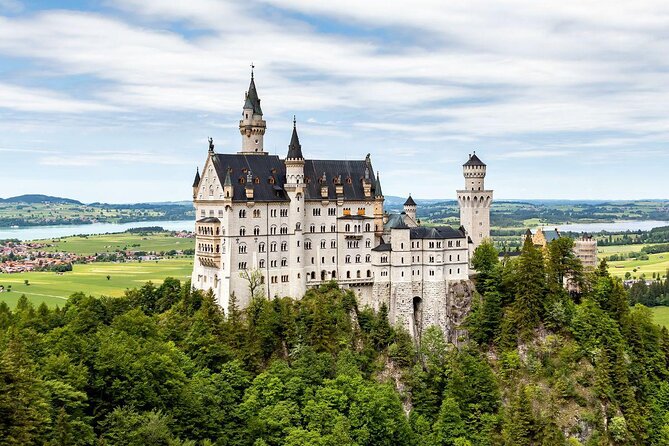
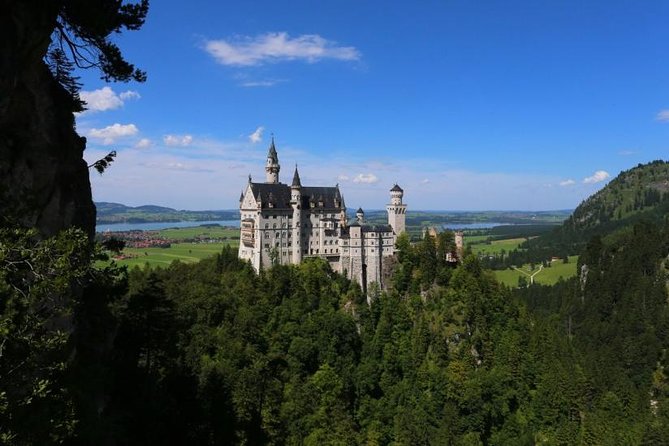
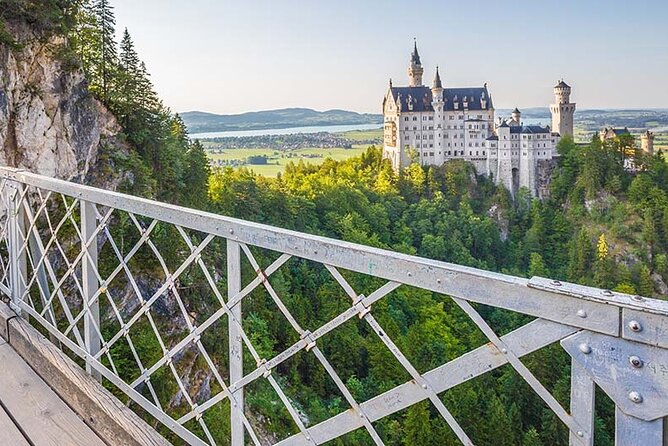
Neuschwanstein Castle is the fairytale machine. It sits in Hohenschwangau, Bavaria, and it was built by order of King Ludwig II—part royal statement, part art project, and yes, it even became an inspiration for Disney’s Cinderella castle. The experience feels like stepping into a crafted dream, but the planning part is where you win time.
Here’s the practical upside: you get skip-the-line entrance tickets for the inside tour. That’s a big deal in this area, where ticket lines can stretch and where “we’ll get there early” only helps if the day cooperates. With the inside access included, you’re not stuck waiting for the main event.
Once you’re inside, what you’re really touring is Ludwig II’s world: a mixture of ambition, mythology, and architectural storytelling. Even if castles aren’t your main obsession, Neuschwanstein’s interior tour gives you more than postcard angles—it helps you understand why people still talk about it decades later.
Now the consideration you need to respect: the castle is physically demanding. The building has 5 floors and the total stair count is listed at 165 steps upstairs and 180 steps downstairs. If you’re generally fine with stairs, you can manage it with steady pacing. If you aren’t, there is an option to reserve an elevator (you just need to ask in advance). It’s also narrow and winding in places, so comfortable shoes aren’t optional.
The childhood stop that makes Ludwig II’s story click
Neuschwanstein gets all the attention, but the day becomes far more meaningful once you understand what shaped Ludwig II. That’s why this itinerary includes the place where he spent his childhood.
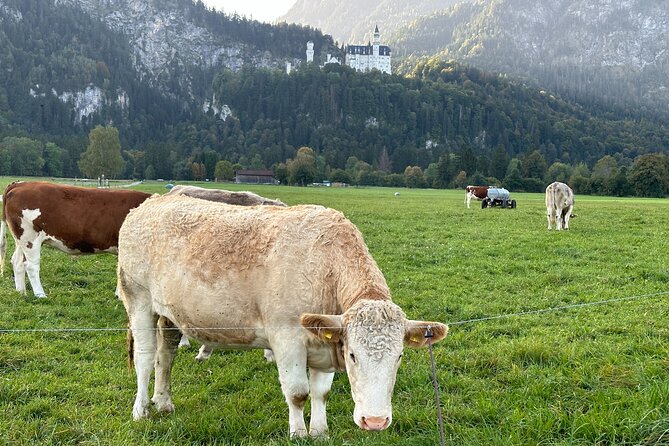
This stop ties directly into the family story. The castle is described as dating back to the 12th century and being associated with the knights of Schwangau. Over time it was badly damaged. Then, in 1832, Crown Prince Maximilian—who later became Ludwig II’s father—acquired it and totally rebuilt it over five years. The family used it during summer and as a hunting residence. After Maximilian’s death, Ludwig II took over and spent much of his time there.
The value for you is simple: you don’t just see a dramatic castle built by order of a king. You also get the earlier setting where the king’s life was rooted. That context can make the architecture feel less random and more intentional. It also helps you spot recurring themes—Ludwig II’s fascination with grandeur, his connection to the region, and the way his family shaped the story before he built the big dream.
If you’re short on time or not into historical background, you might be tempted to skip this stop. I’d still recommend it. It’s one of those “supporting act” pieces that improves how you read the main show at Neuschwanstein.
Wies Pilgrimage Church: color, calm, and music in a packed year
After Neuschwanstein’s drama, Wies Pilgrimage Church offers something different: serenity with a strong emotional pulse. The church is known as one of the world’s pilgrimage spots. Over the course of a year, one million people from all over the world visit. That number might sound huge, but the reason people keep coming is described in the way the space feels—bright serenity, wonderful shapes and colors, and religious piety expressed through representation.
For you, the practical win is how the tour sets up your pacing. You won’t just rush from one highlight to another. You’ll take a breather at a site where the main focus is the interior. And it’s not only visual. The experience also includes music, which is called out as part of what makes Wies special—think of it as wonder coming from more than one direction.
A realistic expectation: since it’s popular, it can be busy during peak hours. The tour time allocation is short (about 30 minutes), so you should be ready to look, absorb, and then move on. If you’re the kind of traveler who loves slow, long museum-style contemplation, you may wish you had more time here. But with the whole day packed, this is still a strong “taste” stop that keeps the day varied.
Passionstheater: Bavarian houses and a different kind of culture
Next up is Passionstheater, described as a historical village known worldwide for the passionsplay that started in the 17th century. This stop is less about a single building and more about the atmosphere of place—beautiful old Bavarian-style houses and carvings.
This is where the tour can feel like it’s doing something beyond the obvious. Neuschwanstein is the headline. Wies is the emotion. Passionstheater gives you a cultural layer, tied to performance and tradition. Even if you don’t plan to sit in on a play (the data doesn’t specify a performance), the setting still matters. Carvings and old architecture can make a village feel like a living stage set.
The stop is also short—about one hour—and that fits the flow of the day. You’ll get enough time to walk around, see the character, and capture details without feeling like you’ve lost an entire afternoon to “one more stop.”



Ettal Abbey: monastery life and why people stop here
To round out the day, you’ll visit Ettal Abbey (Kloster Ettal), a Benedictine monastery near Oberammergau and Garmisch-Partenkirchen. The key thing to know is that this isn’t just a pretty exterior. It’s tied to an active religious community.
The monastery is described as one of the largest Benedictine houses and a major attraction for visitors. As of 2005, it had more than 50 monks, with another five at Wechselburg. That kind of scale can shape the feel of the visit: Ettal isn’t just a stop for architecture photos; it’s connected to ongoing monastic life.
The tour time here is about 30 minutes. So again, don’t expect a long, museum-style deep visit. Instead, use it to get a sense of the monastery presence and the place’s role in regional faith and culture. If you enjoy quieter stops where the mood shifts away from crowds, this is the kind of finale that can land well.
Price and logistics: what you’re really paying for at $88
The tour price is listed at $88, which sounds low for a private day trip—especially one that includes multiple attractions and transportation support. The value becomes clearer when you match cost to what’s actually included.
You’re paying for:
- Hotel pickup and drop-off
- A private tour with a driver/guide
- A round-trip private transfer in a premium car (Mercedes van or sedan)
- Bottled water
- Neuschwanstein skip-the-line entrance tickets
- Castle-area transportation once you’re there (shuttle bus or horse carriage)
- And the cultural stops listed as admission free (Wies, Passionstheater, and Ettal Abbey)
Lunch is not included, so budget for a bite on your own. But compared with doing these sites independently, the cost is easier to justify when you consider how much time and stress transportation can add. This tour wraps the planning work into one scheduled day, so you don’t spend your energy on train changes, parking, or timing the castle shuttle.
There’s also a “hidden” cost factor people often forget: the Neuschwanstein day is physically demanding. When transport and ticket timing are handled for you, you can focus on managing your pace.
Comfort notes: a full day, stairs, and how to avoid sore-foot regret
This tour is best for people with moderate physical fitness. The main physical challenge is Neuschwanstein’s stair-heavy interior. The listing gives a clear step count, which is helpful because it removes guesswork. If you think you’ll be okay, bring good shoes and expect the climb to be slower than you’d like.
The upside of having a guide and private transport is that you can pause when you need to. In the best-run tours, timing stays smooth, and the guide helps keep the day from feeling like a sprint. The included castle-area shuttle or horse carriage also reduces unnecessary uphill walking once you’re in the area.
If you have mobility concerns, the data says you can reserve an elevator option. You’ll want to flag this clearly in advance under special requirements so the plan matches your needs.
Who should book this tour (and who might not love it)
I think this is a great fit if you want:
- A private Neuschwanstein day from Munich
- Comfortable transport in a Mercedes with pickup and drop-off
- Inside access to Neuschwanstein without fighting lines
- A mix of major sights plus Bavarian religious and cultural stops
It may not be your perfect match if:
- You dislike stair-heavy sites
- You want a very flexible, open-ended schedule (this is still a structured day)
- You’d rather spend long, uninterrupted time inside one place instead of seeing several
Also, if you’re traveling with family, the tour notes ask you to list children’s ages under 18 as special requirements. That tells me the operator pays attention to group details, which can matter when pacing a castle visit.
Should you book Neuschwanstein Castle & more – Private Tour from Munich?
If your goal is a smooth, high-comfort day that covers Neuschwanstein plus meaningful Bavarian stops, this is a strong choice. The biggest reasons to book are the inside Neuschwanstein tickets with skip-the-line access, the premium private transport with pickup/drop-off, and the way the day adds context through Ludwig II’s childhood setting. The church stop at Wies also brings a different kind of beauty—serene, colorful, and paired with music.
I’d book this tour if you’re ready for stairs and you want someone else handling the timing. I wouldn’t book it if you want minimal walking or if you need a mostly flat route. In that case, your best move is to ask about elevator arrangements and double-check how you’ll manage the castle’s stair count.
FAQ
FAQ
How long is the Neuschwanstein private tour from Munich?
The tour runs about 7 to 9 hours.
What does the tour include for Neuschwanstein Castle?
You get skip-the-line entrance tickets for the inside castle tour, and you also get included transportation at the castle area using the shuttle bus or horse carriage.
Is lunch included?
No, lunch is not included.
Which other stops are included besides Neuschwanstein?
The tour includes the Pilgrimage Church of Wies, Passionstheater, and Ettal Abbey. Admission is listed as free for these stops.
Are there a lot of stairs inside Neuschwanstein?
Yes. The building has 5 floors, with about 165 steps upstairs and 180 steps downstairs during the visit. The tour advises moderate physical fitness.
Can I reserve an elevator if I have reduced mobility?
The option to reserve the elevator is mentioned for visitors with reduced mobility or a disability. You should inform the operator under special requirements.