REVIEW · MUNICH
South Tyrolean specialties and wine tasting
Book on GetYourGuide →Operated by Tante Alma - Südtiroler Spezialitäten · Bookable on GetYourGuide
A South Tyrol tasting beats a museum stop any day. I love how this is set up as a small-group wine evening with classic regional grapes, then paced with food so nothing feels rushed. What makes it interesting is the mix of white, rose, and red from South Tyrol paired with a traditional Marende plate, including bacon and cheese. One consideration: the tasting is adults-only (not for kids under 18), so plan accordingly if you’re traveling with younger family.
In 1.5 hours at Tante Alma – Südtiroler Spezialitäten (Aunt Alma), you’ll sip through the styles South Tyrol is known for, from aromatic whites to structured reds. Expect the host to work in German, Italian, and English, which is a big deal if you don’t speak German. If you’re looking for a long, slow wine tour with lots of walking, this is more of a sit-down tasting than a big outing.
In This Review
- Key Things To Know Before You Go
- How Aunt Alma Turns South Tyrol Wine Into an Easy 90-Minute Plan
- The Wine List: Gewürztraminer, Pinot Blanc, Lagrein, Vernatsch (Plus Rose)
- Why the Terroir Explanation Matters (Alpine Climate and Mineral Soils)
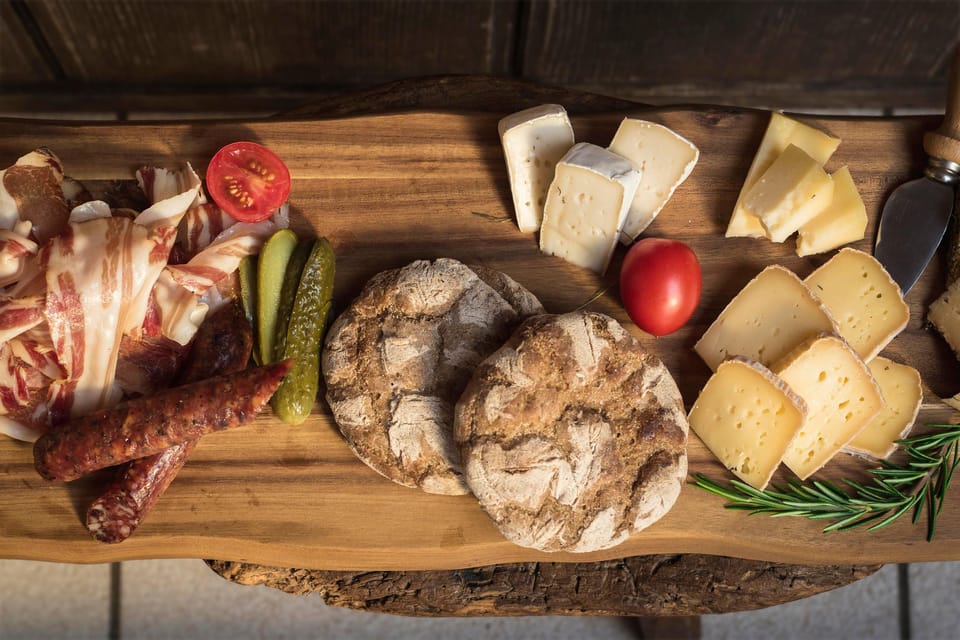
- The Marende Pairing Plate: Bacon, Cheese, Kaminwurzen, and Schüttelbrot
- What the 1.5 Hours Feels Like: A Simple, Well-Paced Flow
- Small Group + Multi-Language Hosting: German, Italian, English
- Price and Value: Why $44 Makes Sense for Wine + Marende
- Who This South Tyrolean Wine Tasting Is Best For
- Should You Book Aunt Alma’s South Tyrolean Wine Tasting?
- FAQ
- How long is the South Tyrolean wine tasting?
- What is the price per person?
- What wines are included in the tasting?
- What South Tyrolean snack is included with the wine?
- What grape varieties will I taste?
- What languages is the host able to use?
- How large is the group?
- Is this experience suitable for children?
- Where do I meet, and where does it end?
- Can I get soft drinks or additional food?
Key Things To Know Before You Go
- 90 minutes of tasting and pairing, not a half-day tour
- Gewürztraminer and Pinot Blanc for the white portion, then Lagrein and Vernatsch for reds
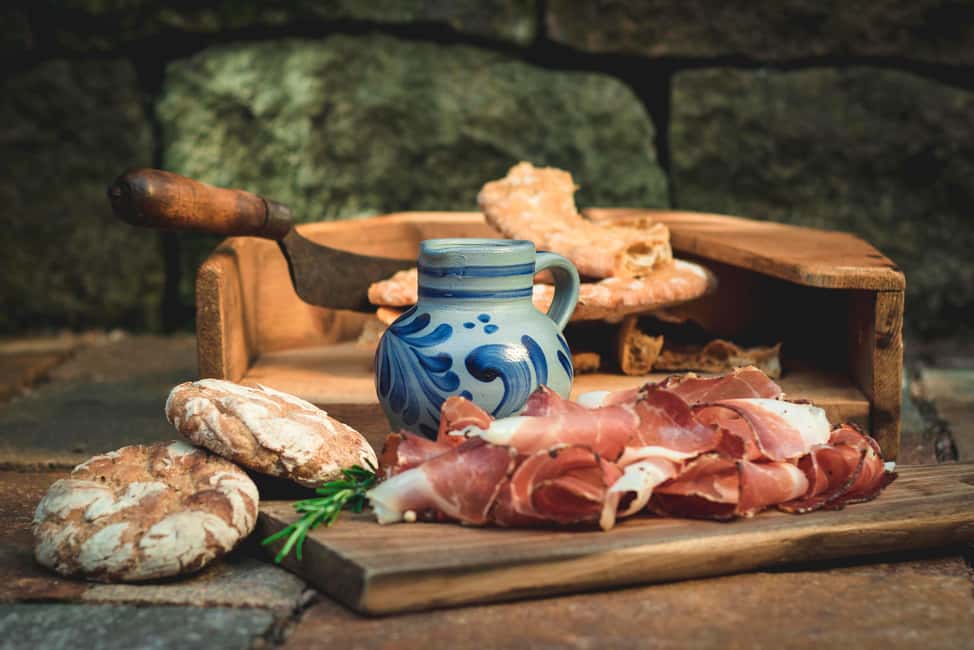
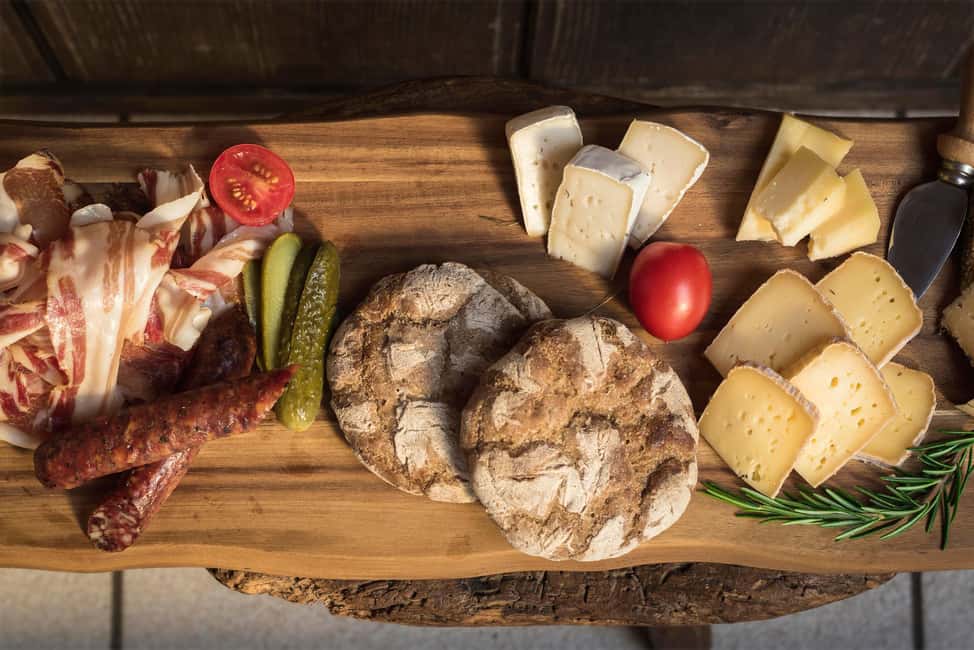
- Marende snacks included, including bacon, cheese, Kaminwurzen, and Schüttelbrot
- Small group up to 10, so questions don’t get lost
- German/Italian/English support, with the host leading in multiple languages
- Adult-only experience (not suitable for children under 18)
How Aunt Alma Turns South Tyrol Wine Into an Easy 90-Minute Plan
This is a straightforward, no-drama way to taste South Tyrolean wine without needing to become a sommelier first. The format works because it mixes tasting with a traditional snack spread right from the start. Wine tasting experiences can sometimes feel a bit like homework. Here, it’s more like dinner-table pacing: sip, snack, sip again.
The time matters, too. At 1.5 hours, you get enough tastings to notice differences between grapes and styles, but you’re not stuck through a long evening. That makes it a smart add-on if you’re already in Bavaria and want something distinctly South Tyrolean rather than just a generic German wine stop.
The other big win is the setting and group size. With a small group (limited to 10), you can actually hear the explanation and ask questions without shouting over a crowd.
You can also read our reviews of more food & drink experiences in Munich


The Wine List: Gewürztraminer, Pinot Blanc, Lagrein, Vernatsch (Plus Rose)
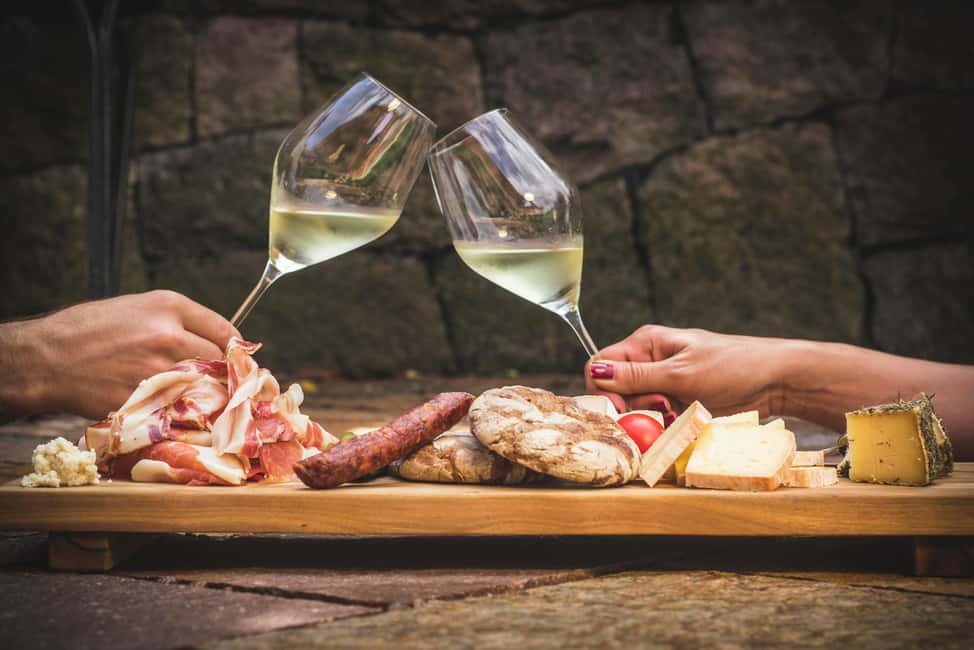
South Tyrol isn’t one-note, and the tasting reflects that. You’ll be sampling the region through grape varieties that represent the main flavor directions.
Here’s the lineup you should expect:
- White wine options: Gewürztraminer and Pinot Blanc
- Red wines: Lagrein and Vernatsch
- Rose: included as an option in the set (and there’s also mention of an optional red wine)
What I like about choosing these grapes is that they help you compare categories quickly:
- Gewürztraminer tends to be all about aroma and presence.
- Pinot Blanc often feels cleaner and lighter on the palate, a good counterpoint.
- Lagrein and Vernatsch give you the heavier, more serious side of South Tyrol reds.
Even if you don’t remember every name, you’ll leave with a sense of what you personally prefer: more aromatic whites, lighter reds, fuller reds, or something in between. That’s practical knowledge you can actually use later when you’re ordering wine elsewhere.
Why the Terroir Explanation Matters (Alpine Climate and Mineral Soils)
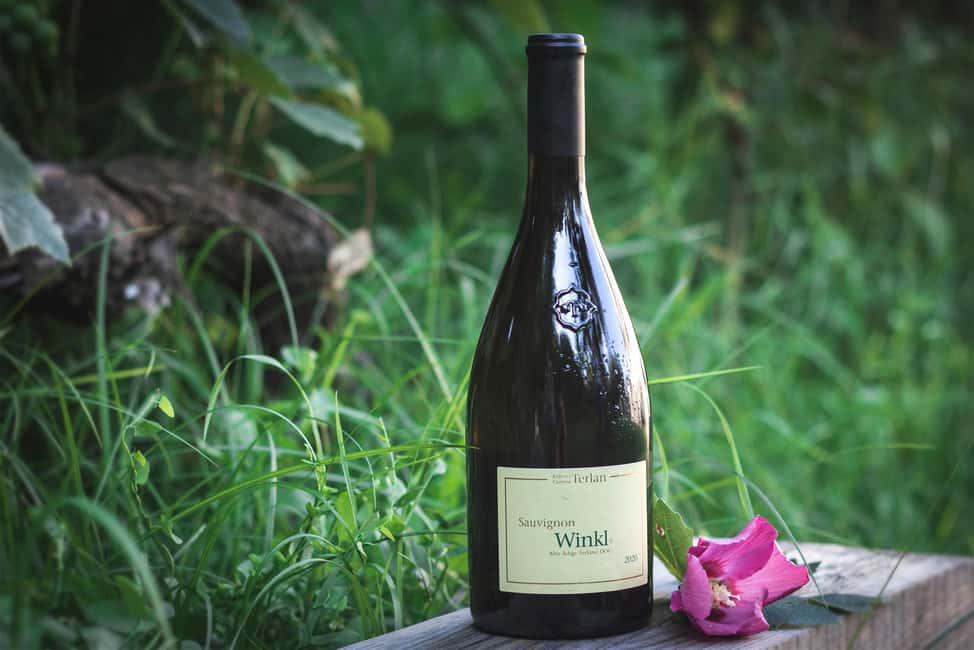
The tasting doesn’t just toss out grape names. It frames the wines in terms of alpine climate and mineral-rich soils. That’s helpful because it gives meaning to what you’re tasting.
When you hear the words alpine climate and mineral-rich soils in a tasting context, it’s basically telling you: don’t expect the wine to taste like something from a hot, flat region. Instead, you’re likely to notice more structure, tension, and a distinct mineral feel. Not everyone will pick that up equally, but having the context makes it easier to “listen” for what’s going on.
This also helps you understand why South Tyrolean wines can feel both traditional and specific to place. The point isn’t to memorize science. It’s to taste with a guide in your head.
The Marende Pairing Plate: Bacon, Cheese, Kaminwurzen, and Schüttelbrot
Wine is great, but wine is better with the right food. This is where the experience shines, because the included snack spread is the traditional South Tyrolean Marende, paired with the tastings.
From the included details, you can expect a mix that includes:
- bacon
- cheese
- Kaminwurzen
- Schüttelbrot
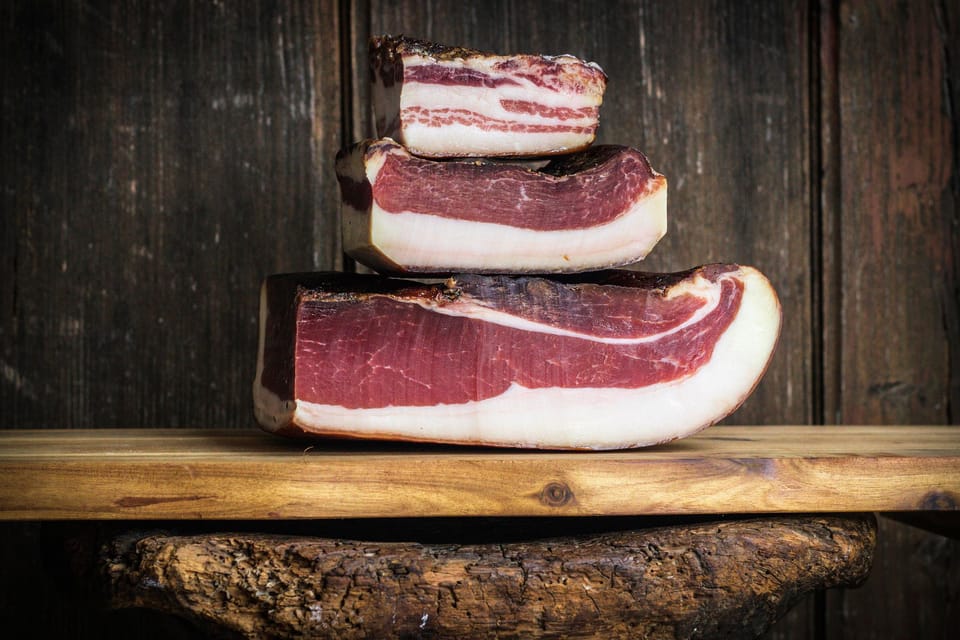
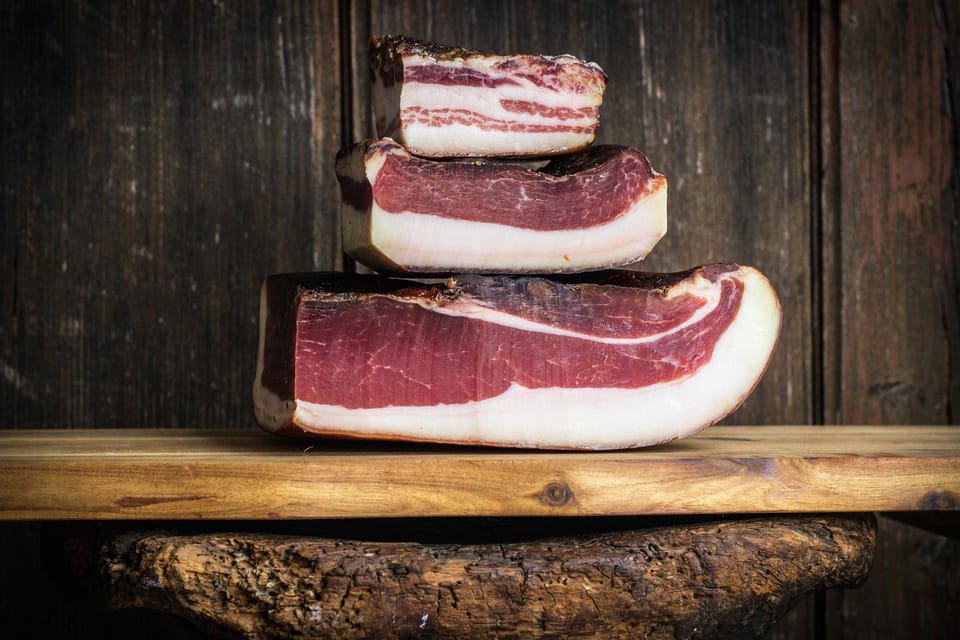
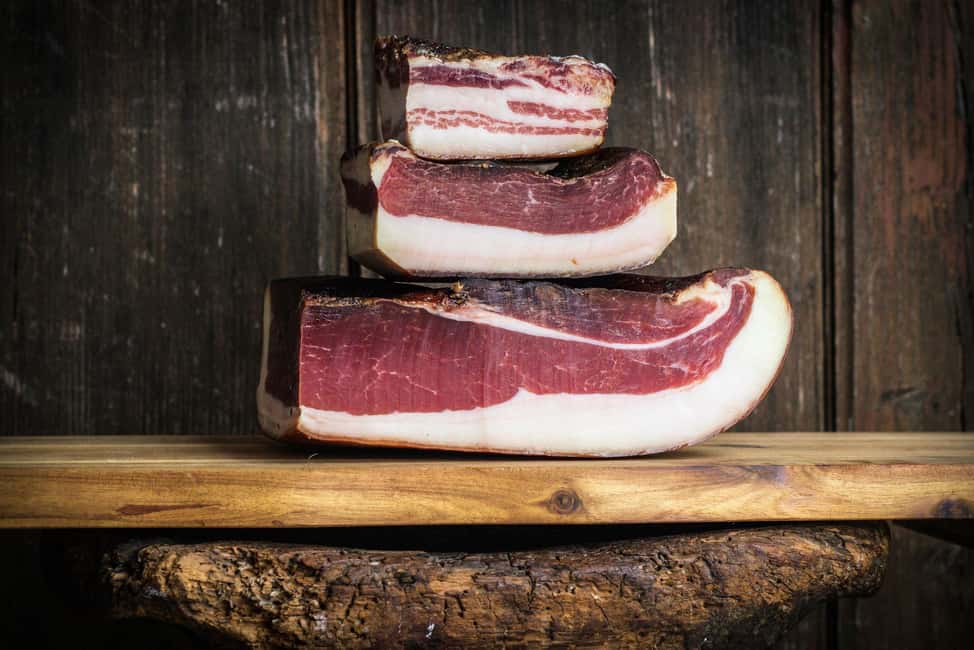
The best practical takeaway here is that these foods are built for wine. Kaminwurzen (a smoked sausage) and bacon bring salt and smoky depth. Cheese adds fat and texture. Schüttelbrot is a sturdy, traditional bread—great for cutting through richness and keeping your palate from getting overwhelmed.
If you’ve ever done tastings where the food is basically an afterthought, this is the opposite. The snacks are part of the pacing. You’ll be able to taste more clearly because you’re not drinking on an empty stomach or between bites that don’t match.
One consideration: if you don’t eat pork or prefer not to handle cured/smoked items, the snack list may be a challenge. The tasting includes these items as part of the standard spread, so it’s worth thinking about dietary fit before you book.
What the 1.5 Hours Feels Like: A Simple, Well-Paced Flow
Because this experience is one stop at the meeting point (and it ends back there), the best way to think of it is as an organized tasting sequence rather than a multi-location tour.
Here’s how the flow makes sense in real time:
- Arrival and setup at Tante Alma
You start at Aunt Alma – South Tyrolean specialties. The group is small, so you’re not lost in a maze of other tours.
- Marende snack comes along with the first pours
The tasting includes the food as part of the experience, so you can taste and compare while eating. That’s a big difference from tastings where food shows up only at the end.
- White wine sampling
You’ll taste aromatic whites such as Gewürztraminer and Pinot Blanc. These are often the easiest way to calibrate your palate early on.
- Rose and/or the red option
There’s an included rose component, and the details mention an optional red wine in that slot. If you’re not sure what you prefer, this flexible structure can be a plus.
- Red wine sampling
The tasting moves into Lagrein and Vernatsch. This is where the heavier, structured side shows up, especially after the snack plate has done its job of keeping things balanced.
- End back at the meeting point
After about 1.5 hours, you wrap at the same place you started, so you can plan dinner nearby without extra logistics.
That’s the whole thing, and that’s why it works. You’re not dealing with transportation changes or spending your energy finding the next stop. You can just focus on wine and food.
You can also read our reviews of more wine tours in Munich

Small Group + Multi-Language Hosting: German, Italian, English
A host who speaks German, Italian, and English is more than a nice-to-have. It changes the quality of the tasting. You’ll be able to follow explanations without guessing, and you can ask questions that match what you’re actually tasting.
The limited size (up to 10 participants) also affects how the host can interact. In a big group, you tend to hear only part of the story. Here, it’s easier to stay engaged and to get answers that make sense for you.
If you’re someone who likes learning the basics without getting lectured, this style tends to fit well. It’s guided, but not intimidating.
Price and Value: Why $44 Makes Sense for Wine + Marende
At $44 per person for 1.5 hours, the value is in the combination. You’re not just buying glasses of wine. You’re getting a set that includes:
- 1 white wine
- 1 rose (with an optional red wine mentioned)
- 1 red wine
- South Tyrolean Marende snack
And you also get the host’s guidance in multiple languages and a format designed for a small group. When food is included and the tasting is structured, the per-person cost is easier to justify than “wine only” options.
Also, this kind of tasting often saves you money later. Instead of buying a random bottle you’re not sure about, you’ll start to understand which South Tyrolean styles you actually enjoy—aromatic whites, fuller reds, or something else.
Worth noting: soft drinks and extra snacks aren’t included. The information says you can order and pay on sight, along with a small selection of additional traditional specialties. So plan for a little extra spend if you want to continue eating after the included Marende.
Who This South Tyrolean Wine Tasting Is Best For
This fits best if you want:
- a short, focused experience (90 minutes)
- South Tyrolean grapes and specialties without a big itinerary
- food paired with wine, not food as an afterthought
- a small group where you can actually interact
- German/Italian/English support
It may not be ideal if:
- you’re traveling with kids under 18 (it’s not suitable)
- you avoid pork or smoked/cured meats
- you’re looking for a walking tour or lots of sightseeing beyond the tasting room
Should You Book Aunt Alma’s South Tyrolean Wine Tasting?
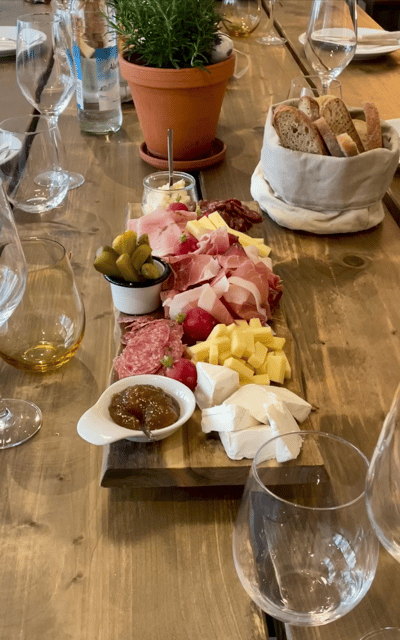
I think you should book it if you want a genuinely practical South Tyrol experience in Bavaria—wine plus a traditional Marende spread, guided in a way you can follow. The best reason to choose it is simple: you get both the tasting and the food pairing as part of the deal, and the time is tight enough that it won’t derail your day.
Pass if you’re specifically seeking a long, multi-stop excursion or if you’re uncomfortable with the included snack ingredients (bacon, Kaminwurzen, cheese).
If your goal is to leave with a clear sense of which South Tyrolean wines you enjoy, and to do it without turning the evening into a complicated project, this is a smart pick.
FAQ
How long is the South Tyrolean wine tasting?
It lasts 1.5 hours.
What is the price per person?
The price is $44 per person.
What wines are included in the tasting?
The tasting includes 1 white wine, 1 rose (with an optional red wine mentioned), and 1 red wine.
What South Tyrolean snack is included with the wine?
You get South Tyrolean Marende (snack), which includes items such as bacon, cheese, Kaminwurzen, and Schüttelbrot.
What grape varieties will I taste?
You can expect Gewürztraminer and Pinot Blanc for whites, plus Lagrein and Vernatsch for reds.
What languages is the host able to use?
The experience is offered in German, Italian, and English.
How large is the group?
It is a small group, limited to 10 participants.
Is this experience suitable for children?
No. It is not suitable for children under 18.
Where do I meet, and where does it end?
You start at Aunt Alma – South Tyrolean specialties, and the activity ends back at the meeting point.
Can I get soft drinks or additional food?
Soft drinks and additional specialties are not included. You can order and pay on sight.