REVIEW · MUNICH
Munich Old Town Walking Tour
Book on Viator →Operated by Radius Tours GmbH · Bookable on Viator
Munich’s Old Town compresses a lot fast. This 2-hour walk is a smart way to connect the big landmarks you see on postcards with the stories that make them make sense, including stops at Frauenkirche and Marienplatz. I especially like how the guides blend history with humor (I’ve heard everything from Dan to Patrick described as funny and high-energy), and how you get practical direction for what to do next. One possible drawback is that this is a street-level walking tour, so on busy sections you’ll want to position yourself where you can hear.
You also need good walking stamina for a compact route with plenty of time outside. The upside: the pace is built for orientation, so after you finish, you’re not just tired—you’re oriented, with the feeling you can navigate the center on your own.
In This Review
- Key Highlights to Look For
- Walking the Old Town: What This Tour Is Really For
- Meeting at Radius Tours and Getting Oriented Fast
- Stop-by-Stop Through Munich’s Center (With Time for Looking)
- From Karlsplatz (Stachus) to the First Landmark Moment
- Frauenkirche: The Church You’ll Recognize Instantly
- Rathaus-Glockenspiel: Turning a Clock Into a Story
- Marienplatz: The Square That Explains Munich
- Viktualienmarkt and Beer Culture You Can Actually Use
- Churches and Royal Power: St. Peter, Alter Hof, Residenz
- St. Peter’s Church: The Oldest Anchor
- Alter Hof: Where Wittelsbach Power Started
- Residenz München: The Big Royal Residence
- Finishing at Odeonsplatz: Where to Go Next
- The Value Question: Is $27.81 Worth It?
- What I’d Watch For on the Ground (So You Enjoy It)
- Who Should Book This Tour
- Practical Tips to Make the Most of It
- Should You Book This Munich Old Town Walk?
- FAQ
- How long is the Munich Old Town Walking Tour?
- What’s the meeting point and where does the tour end?
- Is the tour in English?
- How much does it cost?
- What’s included in the tour price?
- What is not included?
- What happens if the weather is bad?
Key Highlights to Look For
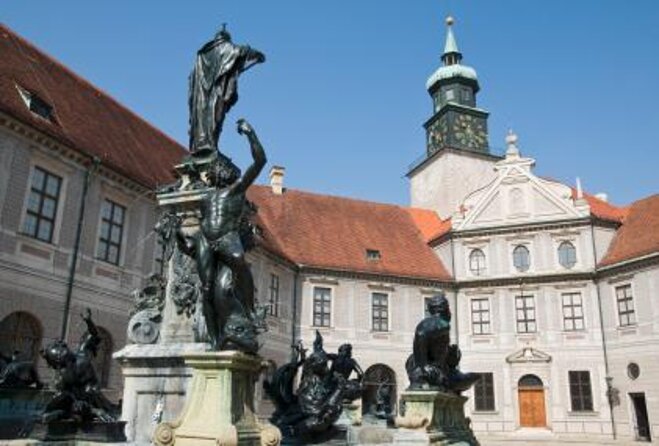
- Old Town orientation in 2 hours so you know where everything is right away
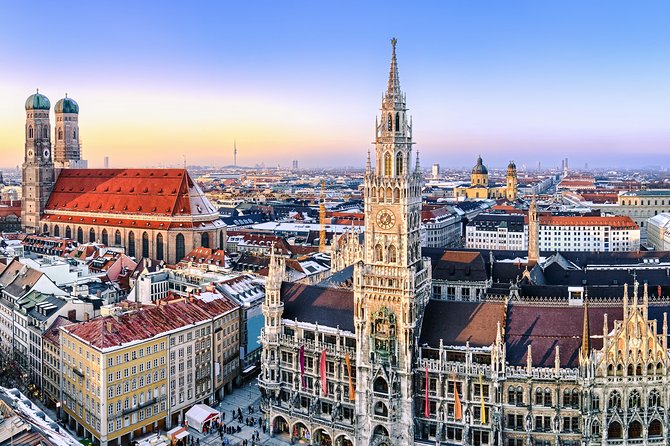
- Marienplatz and the Rathaus-Glockenspiel with the kind of context that turns a photo stop into a story
- Viktualienmarkt as your food-market anchor, plus a stop that points you toward Munich’s beer garden culture
- Wittelsbach power centers via Alter Hof and Residenz München, not just churches and clocks
- A small group size (max 25) that helps the guide keep the tour moving and answer questions
- Strong guide energy with names like Maria, Anna, Timmy, and Aileen popping up in standout experiences
Walking the Old Town: What This Tour Is Really For
This tour is built for your first day in Munich, when you want a guided tour that also works as a map. In about two hours, you’ll hit the city’s most recognizable center sights without turning the day into a long slog.
You’ll see the famous buildings, sure. But the value is how the guide links them—church power, royal power, and the everyday square life that still runs the city.
The price is also surprisingly reasonable for what you get. At $27.81 per person, you’re paying for a professional guide plus local guidance, and the route is packed with major landmarks that would take you much longer to line up on your own.
You can also read our reviews of more walking tours in Munich



Meeting at Radius Tours and Getting Oriented Fast
You start at Radius Tours, Dachauer Str. 4 (about a short walk from the center). Checking in is straightforward, and the early pace matters here because you’re heading straight into the core sightseeing zone.
The tour runs with a small group—up to 25 people. That number is big enough to feel social, but small enough that you’re not disappearing into a crowd.
The ticket is mobile, and you’ll get confirmation at booking time. It’s also near public transportation, which helps if you’re arriving from somewhere outside the center.
Stop-by-Stop Through Munich’s Center (With Time for Looking)
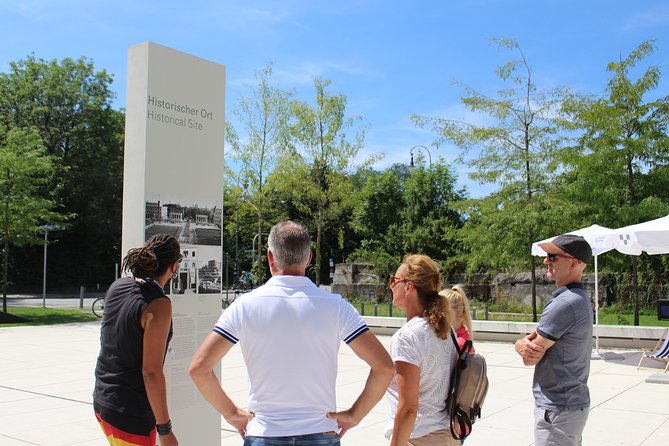
Here’s how the walk typically unfolds, and what each stop really adds.
From Karlsplatz (Stachus) to the First Landmark Moment
After meeting your guide, you head to Karlsplatz, the start of the central area. This early stretch is more than warm-up time. It’s where you learn how Munich’s geography shapes the flow of the city.
Then you move on to a big icon, so you’re not doing hours of minor sights before the wow factor.
Frauenkirche: The Church You’ll Recognize Instantly
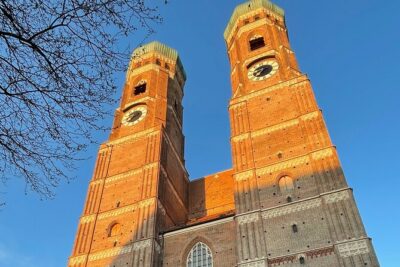
Next comes Frauenkirche, the famous Munich cathedral church. It’s huge—up to 20,000 people—and that scale changes how you experience it.
You’ll get about 10 minutes here, which is enough time to take in the exterior presence and still keep the tour moving. If you’re the type who likes to linger, plan a return visit later.
One practical note: this area draws attention, so keep an eye on the group’s movement and don’t drift too far. The payoff is that once you understand where you are relative to other landmarks, everything you see later feels easier.




Rathaus-Glockenspiel: Turning a Clock Into a Story
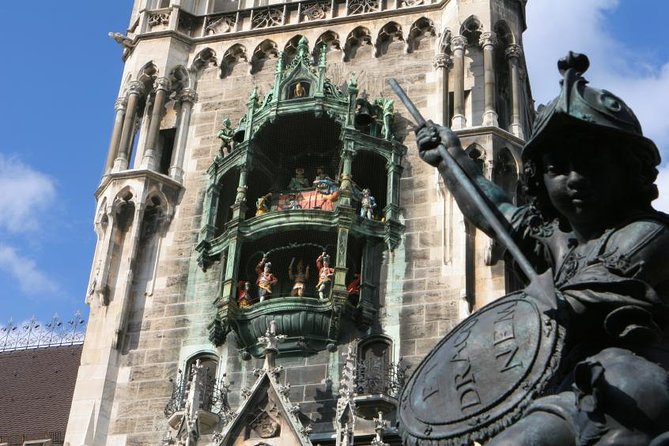
Then you reach Rathaus-Glockenspiel, the clock carillon at the New Town Hall. Expect about 20 minutes here, and this is one of those stops where the guide’s storytelling can make a huge difference.
You’re not just seeing a moving show. You’re learning what’s behind it, including connections back to events from the 1500s. If clocks and civic history are your thing, this is a highlight stop.
The Glockenspiel happens multiple times a day, and the guide timing helps you catch it without guessing. If you only remember one central performance area in Munich, make it this one.
Marienplatz: The Square That Explains Munich
Marienplatz is where the city center really clicks. You’ll spend about 20 minutes here, and it’s the perfect place for orientation because multiple major sights cluster around this square.
A good guide will point out what to watch for and how to read the buildings around the space. One standout theme I’ve heard from guides like Emmet and Aileen is how they keep the explanations at the right level: detailed enough to feel meaningful, not so heavy you want to escape.
Marienplatz is also where you’ll likely plan your next move. After your tour ends later, you can come back here with less uncertainty.
Viktualienmarkt and Beer Culture You Can Actually Use
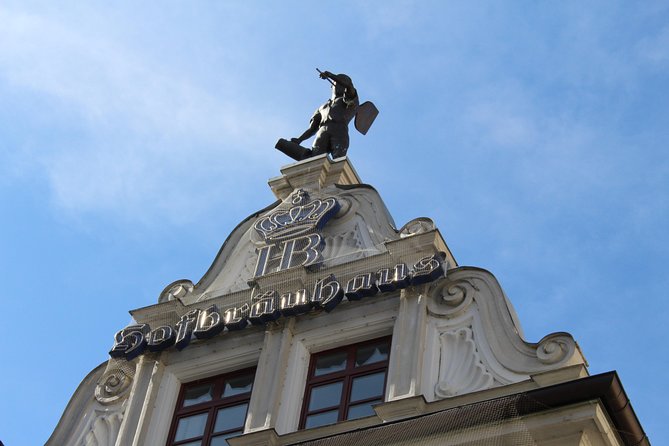
Now the tour turns to food-market energy at Viktualienmarkt, Munich’s biggest and most famous market. You get about 30 minutes, and this longer stop is intentional—you need time to wander, snack (if you want), and absorb the local vibe.
This market stop also connects you to Munich’s beer garden culture. Even if you’re not in full-on beer mode today, it helps you understand why beer halls and garden seating are part of Munich’s everyday rhythm, not just a tourist gimmick.
If you like practical travel learning, this is the type of stop that pays off immediately. You’ll get cues for where to eat later and how the area feels when it’s not just you and your map app.
Churches and Royal Power: St. Peter, Alter Hof, Residenz
St. Peter’s Church: The Oldest Anchor
St. Peter’s Church is next, about 10 minutes. It’s described as the oldest structure of Munich, so it’s a grounding stop—especially after you’ve been looking at more dramatic or central landmarks.
This is also one of those places where the guide’s commentary can prevent the usual mistake of thinking you’re only looking at one building. You’re learning how old faith and old civic life sat in the middle of the city’s growth.
Alter Hof: Where Wittelsbach Power Started
Then you move to Alter Hof, the first residence of the royal Wittelsbach family. You’ll get about 10 minutes here.
This stop helps you understand why Munich became such a powerhouse in the region. It’s not just that rulers lived somewhere; it’s that their presence shaped where the important spaces were built and how they functioned.
Residenz München: The Big Royal Residence
Next is Residenz München, the Wittelsbach royal residence. Another 10-minute stop, but it’s packed with meaning. You’re seeing how Munich’s royal story didn’t vanish—it left physical marks in the architecture and the layout.
This part of the tour is often what separates a quick sightseeing walk from an experience that helps you make sense of why Munich looks the way it does. If you’re even a little interested in German history, you’ll feel the connections quickly.
Finishing at Odeonsplatz: Where to Go Next
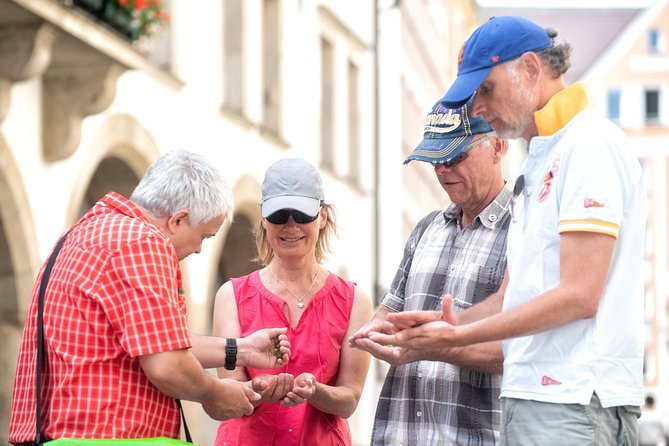
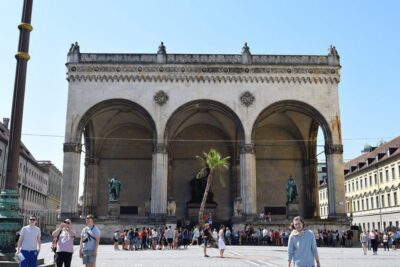
The tour ends at Odeonsplatz, at the northern end of the city center. You’ll spend about 30 minutes here, which is great because it gives you time to reset your bearings.
Odeonsplatz is a smart finish point. You’ll be close enough to major streets and central areas that your next stop feels natural, not like you’re crossing town blind.
It also means you can pick your late-day plan based on what you liked most—if you loved the clocks, you’ll know where to return. If you loved royal sites, you can keep exploring in that direction.
The Value Question: Is $27.81 Worth It?
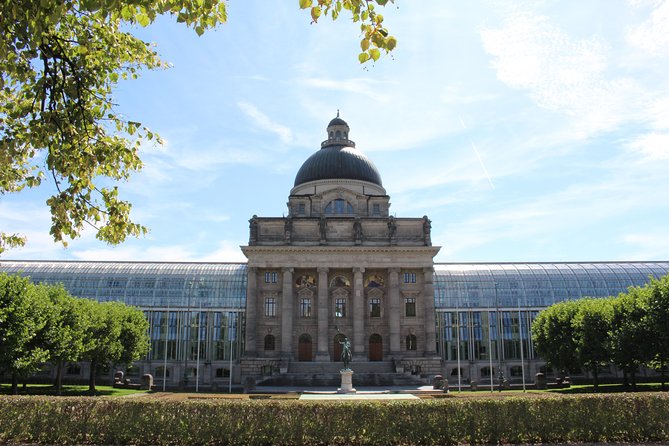
For $27.81, you’re paying for three main things: a professional guide, local insight, and a route that strings together key sights into one efficient plan.
Walking the same list on your own is possible, but you lose the benefit of how the guide ties it together. Good guides also help you avoid time-wasting confusion—where to stand for the best view of a clock show, what to notice first, and how to think about what you’re seeing.
Also, the group size cap (25) matters for value. If the group were huge, it would turn into a slow shuffle. Here, the tour is designed to stay workable in a busy central area.
What I’d Watch For on the Ground (So You Enjoy It)
This is a street-level walk, and Munich’s center can get busy. One review mentioned it was harder to hear the guide when it was packed, and that’s the one realistic drawback.
Your fix is simple: don’t get stuck at the back. If you’re with a group, try to stay near the front when the guide is speaking.
Another practical consideration is the weather. The tour requires good weather, and if it’s canceled due to poor conditions, you’ll be offered another date or a full refund. That matters because you’ll be outdoors for most of the experience.
Who Should Book This Tour
This one fits best if you want a fast, guided orientation of the Old Town and you like learning through walking. It’s especially good for:
- First-timers who want Frauenkirche, Marienplatz, and the royal story in one go
- People who like humor mixed into history, since guides like Dan, Patrick, Maria, and Anna have been repeatedly praised for energy and storytelling
- Travelers who want recommendations afterward—several guides are noted for giving clear directions and helping people shape the rest of their day
If you need very quiet time, or you dislike crowds, you might prefer a smaller, more flexible format. But if you’re okay with a lively city center, this is a strong way to start.
Practical Tips to Make the Most of It
A few small moves will make a big difference.
First, wear comfortable shoes. You’ll be walking between major sights, including squares that pull in crowds.
Second, treat the tour as a planning tool. After you finish, go back to the one or two stops that you liked most, and spend your own time there.
Third, watch for the little local traditions. One guide tip I’ve seen recommended: at Marienplatz, you may notice a tradition involving the lion statue and its nose—if your guide points it out, it’s an easy, fun photo moment.
Should You Book This Munich Old Town Walk?
I think this is a great choice if you’re arriving in Munich and want to feel confident in the center quickly. The combination of major sights, a small group, and guides who are consistently described as funny and engaging makes this more than a checklist walk.
If you’re sensitive to noise or crowding, you’ll just want to manage your position so you can hear. And because it depends on good weather, it’s best to book early in your trip with a date buffer.
For a first Munich day, this tour hits the right balance: you’ll leave with photos, yes—but more importantly, you’ll leave with a map you actually understand.
FAQ
How long is the Munich Old Town Walking Tour?
The tour lasts about 2 hours.
What’s the meeting point and where does the tour end?
You start at Radius Tours, Dachauer Str. 4, 80335 München, Germany. The tour ends at Marienplatz, 80331 München-Altstadt-Lehel, Germany.
Is the tour in English?
Yes, the tour is offered in English.
How much does it cost?
The price is $27.81 per person.
What’s included in the tour price?
It includes a professional guide and a local guide.
What is not included?
Food and drinks are not included. Hotel pickup and drop-off are also not included.
What happens if the weather is bad?
This experience requires good weather. If it’s canceled due to poor weather, you’ll be offered a different date or a full refund. Free cancellation is available up to 24 hours in advance for a full refund.