REVIEW · MUNICH
From Munich: Dachau Concentration Camp Private Tour by Car
Book on GetYourGuide →Operated by Rosotravel Germany · Bookable on GetYourGuide
Dachau is heavy history, and it helps to have support. This private trip runs on your schedule with a 5-star licensed guide in your chosen language, so you spend your energy on what matters, not logistics.
What I like most is the way the tour ties everyday camp realities to the bigger WWII story, and the comfort of a clean, air-conditioned ride directly from your accommodation in Munich. The one drawback is time: the Memorial Site portion is 2 hours, so you may not see every exhibition panel if you move slower or want extra reflection.
In This Review
- Key Things You’ll Notice on This Dachau Private Tour
- Dachau Memorial Site: what the guided visit actually focuses on
- The private car ride from Munich: comfort, timing, and group fit
- The 2-hour Memorial Site tour: prison, barracks, and the crematorium
- WWII and Holocaust context: why this tour explains motivations, not just dates
- The 6-hour option: documentary screening in the former farm building cinema
- 4-hour vs 6-hour: how to choose without overdoing it
- Price and value: what $710 per person is buying
- Who this tour fits best (and who should think twice)
- A few practical tips to make the day smoother
- Should you book this Dachau private tour from Munich?
Key Things You’ll Notice on This Dachau Private Tour
- Private Munich-to-Dachau car transfer in a sedan (1–4) or larger van (5+), with pick-up and drop-off at your place
- A 2-hour guided tour at the Dachau Concentration Camp Memorial Site with free entry included
- Prison and camp structures covered, including former prison areas, barracks, and the crematorium
- WWII and Holocaust framing focused on the camp as a prototype labor system and the crimes committed there (1933–1945)
- Optional 6-hour documentary screening of The Dachau Concentration Camp in the cinema of a former farm building
Dachau Memorial Site: what the guided visit actually focuses on
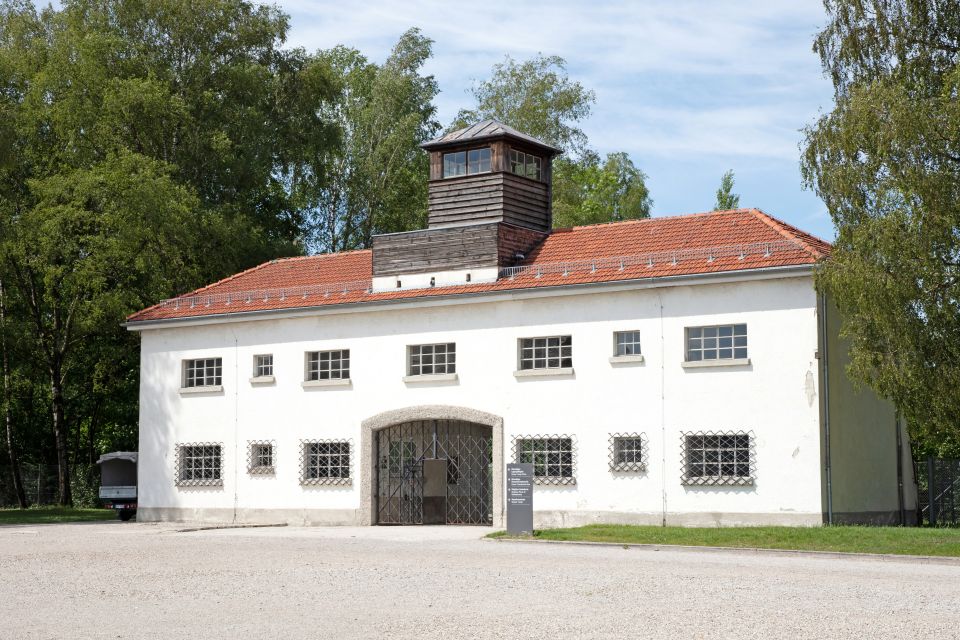
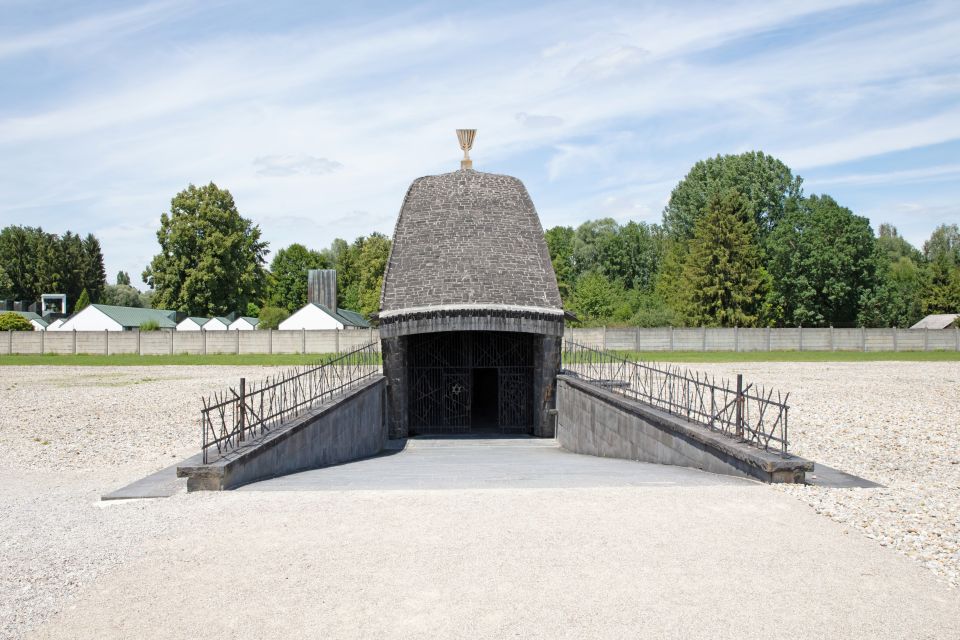
This tour is built around one main goal: helping you understand Dachau as the first and longest running Nazi concentration camp in Germany, and how it fit into the Nazi labor camp system. The guide leads you through the Memorial Site grounds with a clear storyline, starting from arrival and daily forced routines, and moving toward death or liberation.
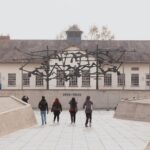
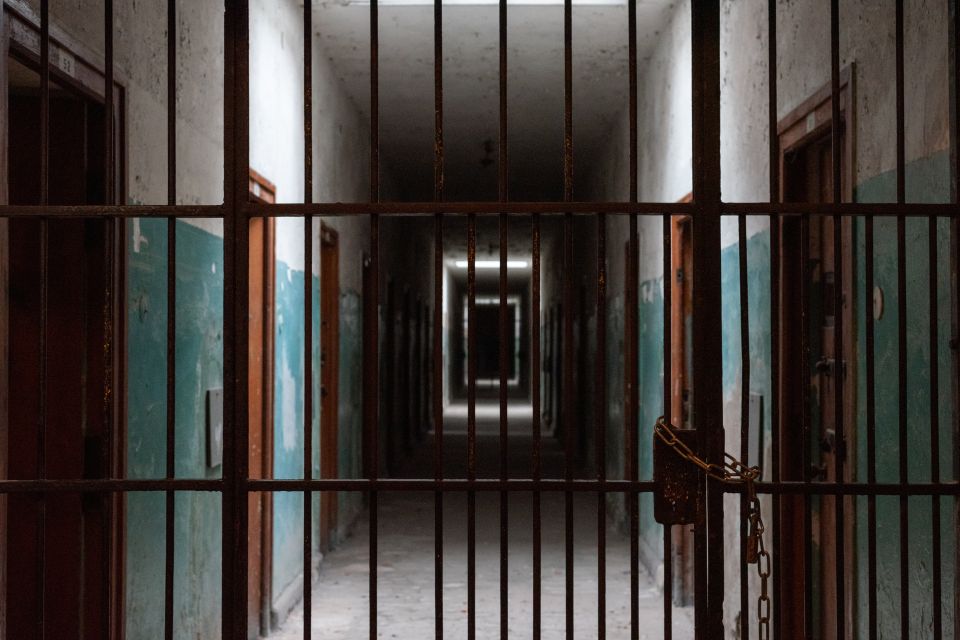
You’ll see more than “photo stops.” The tour includes key camp remains and spaces tied to how the system worked. Expect stops centered on the former camp prison, barracks, and the crematorium—structures that visitors often feel are hard to process unless someone can point out what you’re looking at and how it connects to the camp’s function.
The tone matters too. A good guide keeps the focus on facts and human experiences without turning the visit into a quick script. In particular, guides like Antje are described as deeply empathetic and able to handle sensitive history professionally, even when traveling with young people. That’s a real plus if you want the information to land, but you also need emotional control.
You can also read our reviews of more private tours in Munich

The private car ride from Munich: comfort, timing, and group fit
This is one of the simplest ways to reach Dachau from Munich, because you don’t have to coordinate trains or buses. You get pick-up and drop-off at your accommodation, and you travel in a clean, air-conditioned vehicle. That matters on a day when you’re already mentally bracing for what you’ll see.
Timing is straightforward. Plan for an estimated 1.5-hour round-trip transfer between Munich and Dachau. Traffic can change that estimate, but the tour is built around it. That means your schedule stays predictable: you’re not spending your “thinking time” stuck between connections.
Vehicle size also helps. If you’re a small group (up to 4 people), you’ll use a sedan. If you’re 5 or more, you’ll travel in a larger van. If you’re traveling with friends but want extra space even if you’re under 5, you can choose the 5-person option so you get the roomier vehicle. That’s a smart move when you want everyone relaxed before the Memorial Site visit.
The 2-hour Memorial Site tour: prison, barracks, and the crematorium
Inside the Memorial Site, you’ll take a guided walk for about two hours, with free entry included. The guide’s job is not just to explain history, but to help you read the site: what each area is, what daily life meant in practice, and why these spaces were part of a system designed to crush people.
You should expect the tour to cover:
- The arrival and early camp experience (as the broader story frames it)
- Daily life and forced labor
- The structures that functioned as prototypes for later Nazi concentration camps
- The former prison area, barracks, and crematorium
That mix is important. It prevents the visit from becoming either too abstract or too graphic. You’re guided to understand how the camp’s design supported control, labor, and death.
One practical tip: because it’s a guided 2-hour visit, you’ll get more out of it if you come with a “question mindset.” For example: look for how the guide connects camp structures to forced labor and the wider WWII system. Even if you don’t know the details beforehand, your guide can connect the dots in a way that makes the site’s layout more understandable.
WWII and Holocaust context: why this tour explains motivations, not just dates
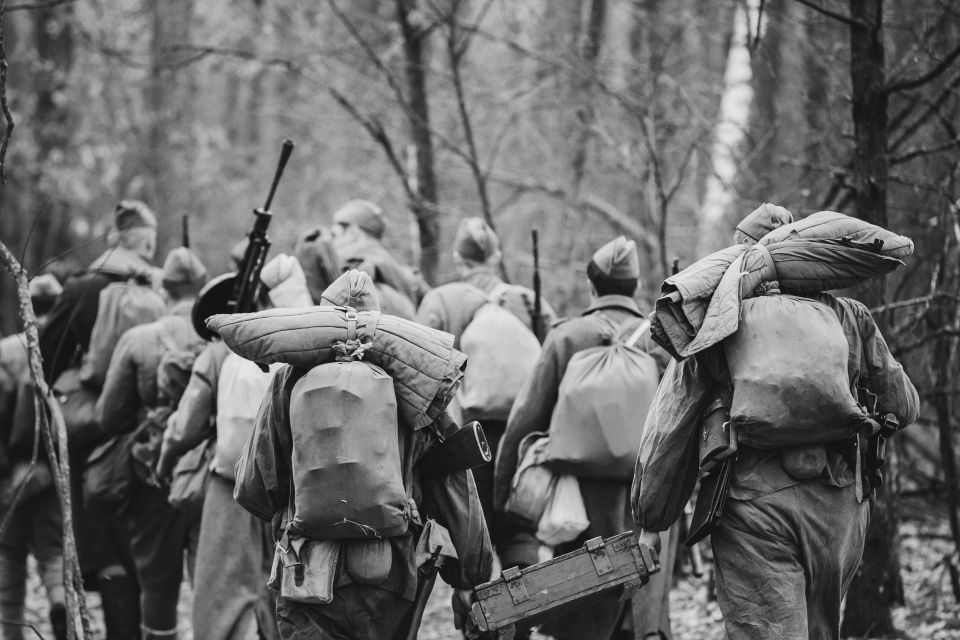
A lot of tours stop at what happened. This one adds a layer of interpretation: it frames Dachau as a model camp and links it to the bigger Nazi project. The guide explains the prototype labor camp system and discusses the prisoners and purpose behind it, not just events in isolation.
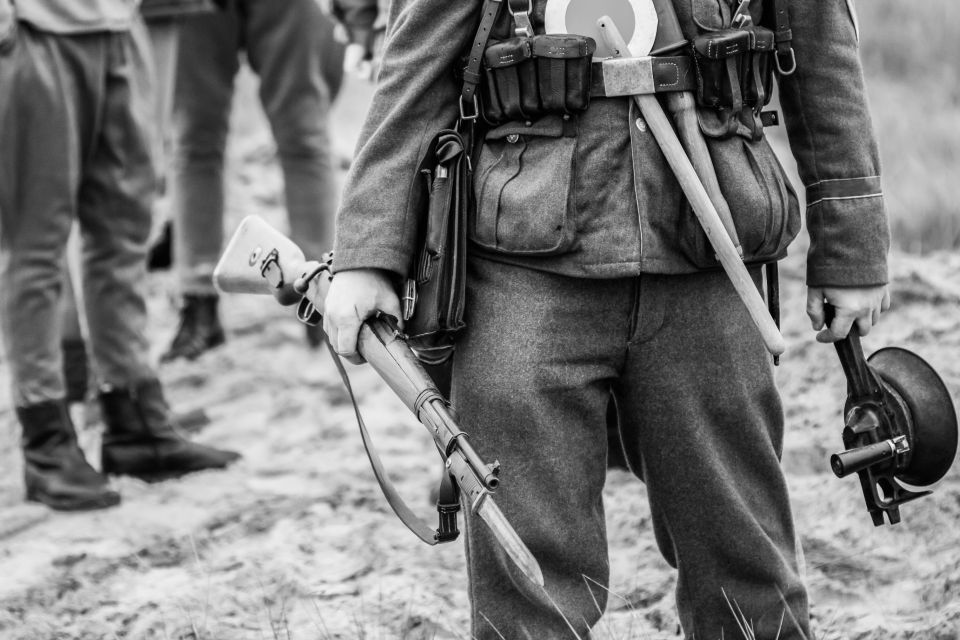
You’ll also focus on the crime scene of Dachau during the years 1933–1945, including the reality of daily hunger, forced labor, torture, disease, and death. That description isn’t meant to shock for shock’s sake. It’s meant to show you what the system did to people, day after day.
Another part I appreciate is the focus on motivation—specifically the role of Heinrich Himmler and others behind the Holocaust. It’s a difficult topic, but discussing it at the right moment helps you understand why camps weren’t random cruelty. They were part of a plan.
Guides such as Stephen are described as excellent at pointing out small site details that many visitors would miss. I think that’s key: when you see a site like this, details do the heavy lifting. The right explanation can help you notice what your eyes would otherwise glide past.
The 6-hour option: documentary screening in the former farm building cinema
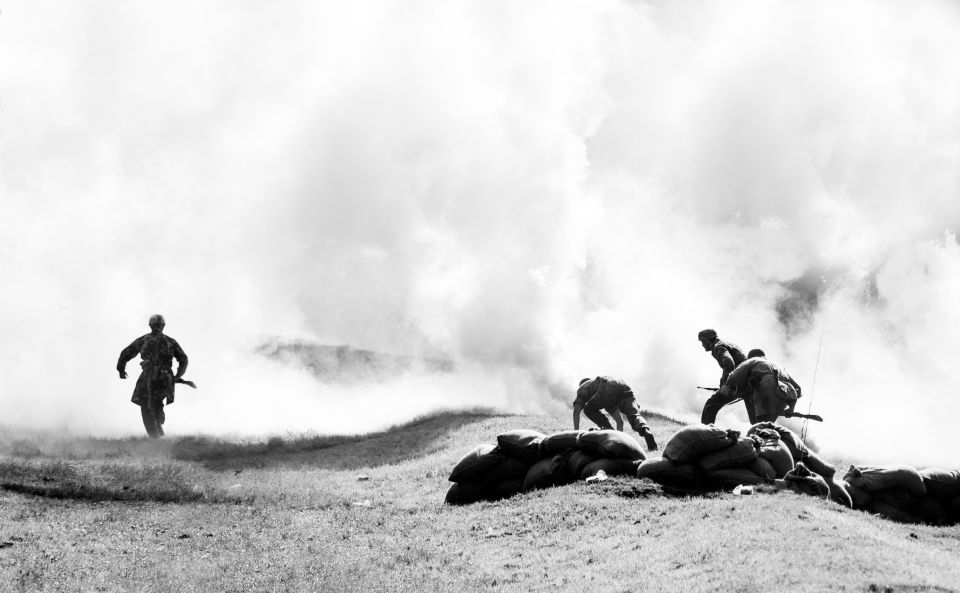
If you choose the 6-hour version, you get something extra: a screening of The Dachau Concentration Camp (2021). This screening happens in the cinema inside the former farm building, which adds an extra layer of atmosphere. Even if you’re tired after the Memorial Site walk, that film time can help you connect the visit to a fuller timeline.
The documentary uses historical material—historical film footage, photographs, objects, works of art, plans, graphics, documents, and contemporary witness reports—to tell the story from establishment to present day. In other words, it’s not just commentary. You’re seeing a built narrative grounded in sources.
Language is also handled. The screening film is available in English, German, Italian, French, or Spanish. So if you’re choosing between tour languages, it’s worth matching your strongest comfort language to the film option too—not just the on-site guide.
This 6-hour format works well if you:
- Want more than a site walk
- Prefer a guided storyline that continues after you leave the grounds
- Like your history with structure, not only on-the-ground observation


4-hour vs 6-hour: how to choose without overdoing it
You can book a 4-hour tour or a 6-hour tour. The core difference is the documentary screening.
- 4-hour option: includes the Memorial Site guided portion, but not the documentary screening.
- 6-hour option: includes the Memorial Site guided portion plus the documentary in the former farm building cinema.
If you’re tight on time, the 4-hour version can be the right call because you still get the guided visit of the Dachau Memorial Site with the key camp areas and exhibitions. But if you want the full arc—from the camp’s establishment through later understanding—the 6-hour option is the better match.
I’d also consider your emotional bandwidth. This subject is tough. A longer format can help some people process because it slows the story down and gives context. For others, it can feel like too much in one day. If you’re not sure, pick the option that matches how you normally handle heavy information: do you like a shorter, focused visit, or do you prefer the extra time to absorb?
Price and value: what $710 per person is buying
At $710 per person, you’re paying for more than transportation and a guide. You’re paying for a private format—meaning your day runs with your group, your chosen language, and your chosen pace, rather than squeezing into a large shared schedule.
Here’s the value logic I see:
- Private return transfer from Munich to Dachau (including pick-up and drop-off at your accommodation)
- A licensed, 5-star guide fluent in your chosen language
- Free entry to the Memorial Site and a guided 2-hour tour
- For the 6-hour option: documentary screening included (in the former farm building cinema)
You may not find the same level of direct, guided pacing with a generic group bus tour. And with a topic this sensitive, that difference matters. I’m not saying you need privacy to learn history, but you often need it to ask questions, absorb difficult material, and keep control of your own pace.
If you’re traveling with others, check group size. The sedan/van split is built in. That can make the day feel more comfortable and less cramped than you’d expect for a “half-day” trip.
Who this tour fits best (and who should think twice)
This tour is designed for people who want a clear, guided understanding of Dachau’s role in Nazi Germany and the Holocaust. It’s especially suitable if you:
- Want the convenience of a private car from Munich
- Prefer a guide who can explain what you’re seeing on-site
- Appreciate a structured WWII narrative, including Dachau as a prototype labor camp system
The guidance style can also work for families. Some groups have had experiences where guides like Antje supported adults and young people with professional care. That’s useful if your family needs a careful, responsible approach—not a fast, “just the facts” version that leaves kids confused.
Who should think twice? If you’re someone who needs lots of unscheduled time for reflection, a 2-hour guided Memorial Site visit plus travel time may feel paced. You might want to plan extra time before or after so you’re not rushing your own emotional processing.
A few practical tips to make the day smoother
- Choose your tour language carefully. The guide is fluent in your selected language, and the documentary in the 6-hour option is also available in multiple languages.
- Bring comfortable walking shoes. You’ll spend time on Memorial Site grounds, and the day includes round-trip transfer time.
- Expect the subject matter to be emotionally demanding. Go in knowing that the tour covers hunger, forced labor, torture, disease, and death, and it frames Dachau within the Holocaust.
Also, check your email the day before. You’ll receive important information that helps you get ready for the pick-up and the day’s timing.
Should you book this Dachau private tour from Munich?
Book it if you want private comfort, a licensed guide, and a visit that connects the site to the WWII and Holocaust story with clear explanations. The 6-hour option is the better fit if you want the documentary screening as a second layer of context after the on-site walk.
Skip or reconsider if you’re hoping to “wander freely” for long, independent exploring time. The guided portion is scheduled, and the day is paced for a full experience, not a slow, open-ended museum day.
If you want a responsible, well-structured way to understand Dachau—without the stress of transportation—this private car tour is one of the most practical options from Munich.