REVIEW · MUNICH
Mozart and German Composers Private Tour in Munich
Book on GetYourGuide →Operated by Rosotravel Germany · Bookable on GetYourGuide
Mozart and Munich make a great combo. This private Old Town walking tour turns street corners into composer stories. I especially like the way the guide connects music to specific places you can point at, from Marienplatz to major performance venues. The other big plus: the stop-by-stop focus on figures like Mozart, Strauss, Wagner, and Orlande de Lassus helps the whole thing feel clear, not like a lecture.
I also love that you’re not just seeing monuments—you’re learning the “why” behind them. You’ll hear how Munich became a music center for medieval Europe, plus the mix of church music tradition, court music, and bourgeois culture that shaped what got performed. It’s the kind of context that makes the city make sense fast.
One consideration: it’s a 2-hour walk, and one experience note says the tour may run a little longer than expected. If you’re on a tight schedule, plan some breathing room.
In This Review
- Key Things That Make This Tour Worth Your Time
- Mozart to Wagner on Foot: What This 2-Hour Tour Feels Like
- Marienplatz and St. Peter’s: Munich’s Music Starts in Plain Sight
- Frauenkirche and Orlande de Lassus: Training Young Talent in Munich
- National Theatre and Bayerische Staatsoper: Wagner’s Premiers and Strauss’s Role
- Munich Residenz and Mozart’s Court Concert: Music at Power
- Cuvilliés Theatre and Idomeneo (1781): Opera on Its Original Stage
- How the 5-Star Licensed Guide Turns Facts Into Meaning
- Price and Value: What $215 Per Person Buys You
- Before You Go: Meeting Point, Timing, and Comfort
- Who This Tour Suits Best (and Who Might Skip It)
- Should You Book Mozart and German Composers Private Tour in Munich?
- FAQ
- Where is the meeting point for the tour?
- How long is the Mozart and German Composers private tour?
- Is this tour private or shared?
- What languages does the live guide speak?
- What are some of the key sights you’ll see?
- How much does the tour cost?
- Can I cancel or pay later?
- Do I need to check anything before the tour day?
Key Things That Make This Tour Worth Your Time
- Composer-led route through Munich’s Old Town so you always know what you’re looking at
- St. Peter’s Church (13th-century choir history) tied to real musical tradition
- Womenkirche/Frauenkirche context, including training links to Orlande de Lassus
- Bayerische Staatsoper and National Theatre stories involving Wagner and Richard Strauss
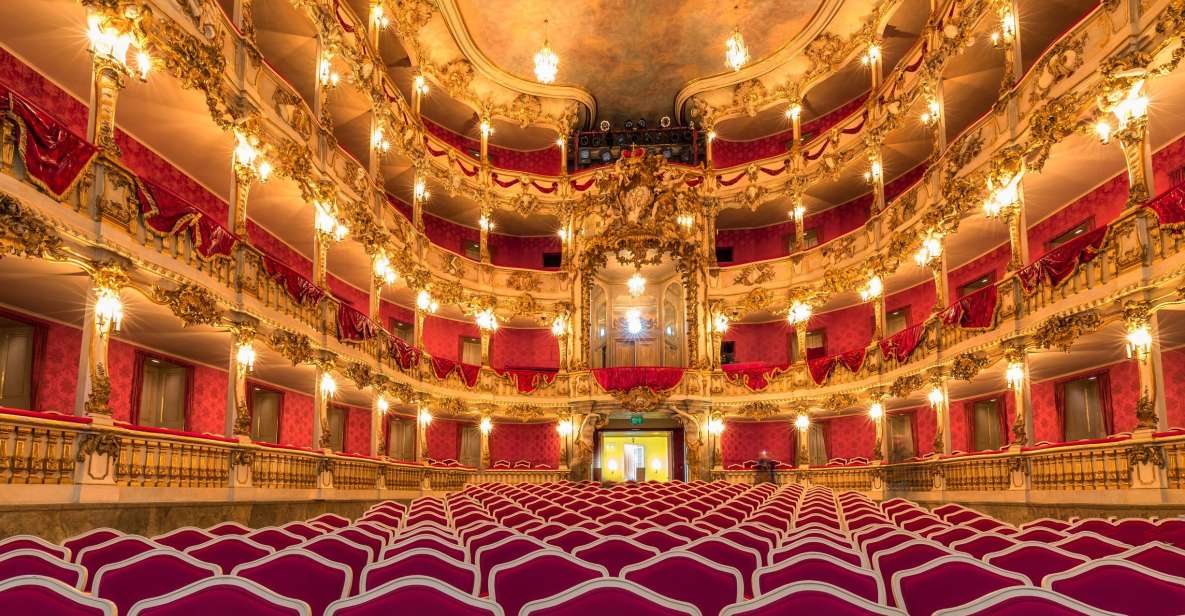
- Munich Residenz and Cuvilliés Theatre with Mozart performance milestones, including Idomeneo (1781)
- Private guide format: you can steer the pacing toward what you care about most
Mozart to Wagner on Foot: What This 2-Hour Tour Feels Like
This is a focused, street-level tour built for music lovers who want more than a photo stop. You’ll be walking through Munich’s Old Town, anchored by a handful of power locations where classical music didn’t just happen—it was part of political life, church life, and everyday cultural ambition.
The rhythm is simple: the guide points out key sights, then links each one to the composer story. That matters because it changes the experience from “seeing big buildings” into “hearing how the city used to sound.” In a place like Munich, where music is woven into institutions, that approach makes your time count.
And because it’s private, the guide can tailor the pace to your interests. Want more Mozart? Ask. More opera? Ask. The tour is designed for that “you’re in control” feeling, even though you’re still following a strong route.
You can also read our reviews of more private tours in Munich


Marienplatz and St. Peter’s: Munich’s Music Starts in Plain Sight

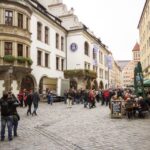
Your tour starts at hotel BEYOND by Geisel, Marienplatz 22, right across from St. Peter. You meet your guide outside (don’t go inside the hotel—just use it as your landmark). This setup is practical: Marienplatz is easy to find, and you start in the exact kind of open public space where history tends to show off.
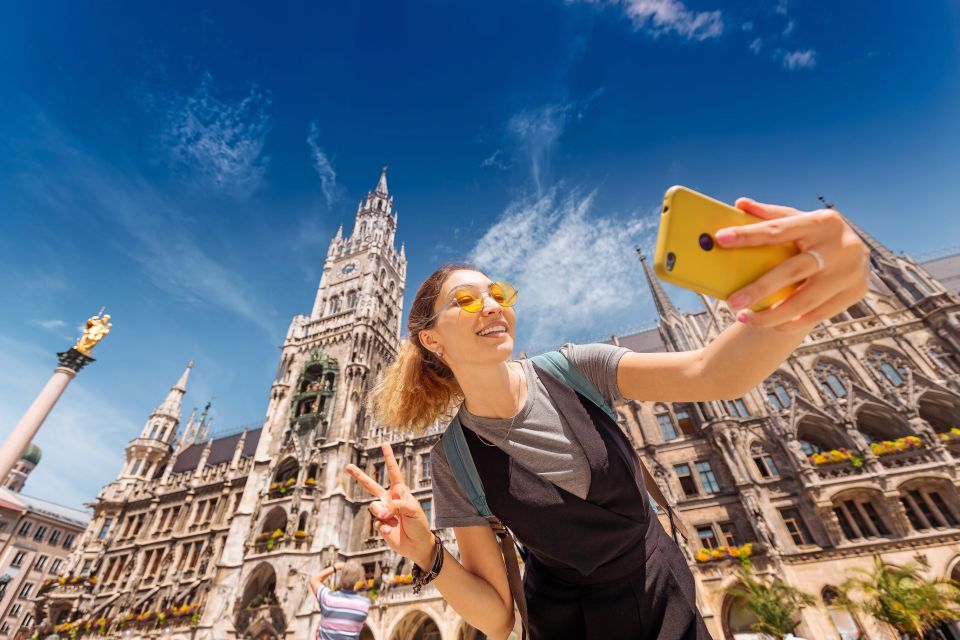
From there, the tour’s early energy comes from how it uses the city’s center as a musical stage. You’ll walk through Marienplatz and head toward major church and square landmarks, including Frauenkirche and nearby points tied to historical music training and performance.
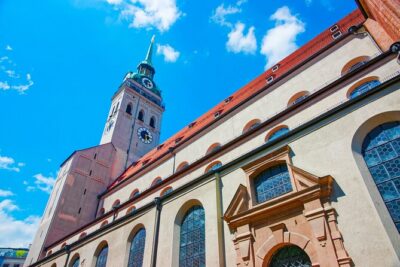
One stop that really gives you a sense of depth is St. Peter’s Church, where the choir tradition traces back to the early 13th century. That’s not just trivia—it changes how you see the building. Instead of viewing the church as a single moment in time, you start to understand it as a long-running musical workplace, where singing and performance were part of the city’s daily rhythm.
If you like when a guide uses details that make history feel physical, this part delivers. Churches are easy to look at. It takes a good guide to make them feel active. Here, you get that activation.
Frauenkirche and Orlande de Lassus: Training Young Talent in Munich
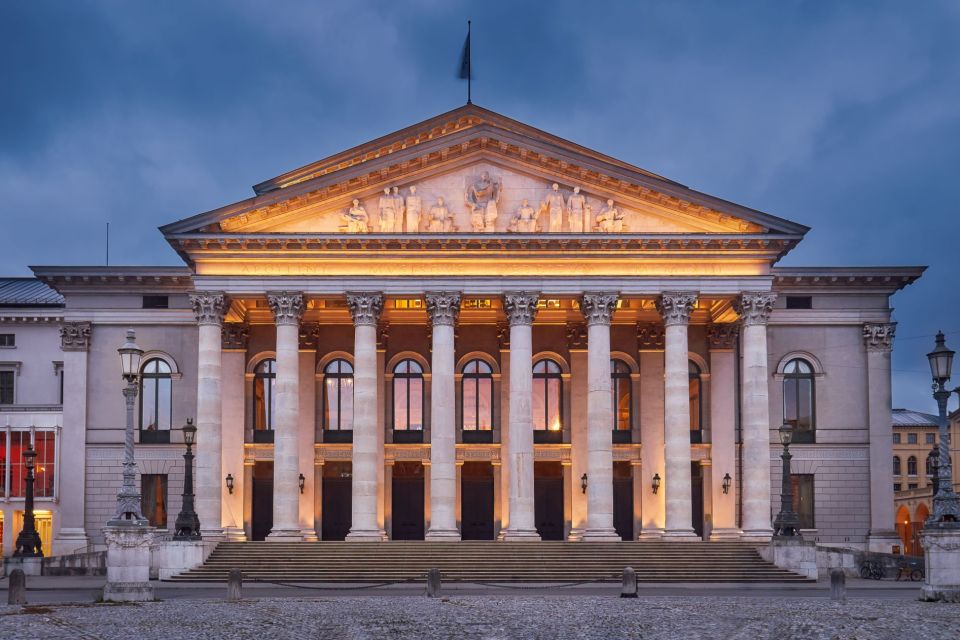
Next, you’ll reach Frauenkirche (Munich Cathedral). It’s one of the city’s most recognizable landmarks, so it’s the right place to pause and reset your perspective.
The tour connects Frauenkirche to musical education and training. You’ll hear how many young musical talents trained under guidance associated with Orlande de Lassus, one of the prominent musicians of the 16th century. That’s a fascinating angle because it shifts the story away from famous names only being “geniuses” and toward the system that formed them.
Here’s why that’s valuable for you: when you understand that training pipelines existed—linked to institutions, churches, and respected conductors—the whole idea of Munich as a music center stops feeling like marketing. It becomes practical. The city wasn’t just producing stars by accident. It was building talent.
Also, Frauenkirche sits in a public zone where people are always around. That’s a bonus if you like seeing how historical sites live in the present, not like a museum display behind rope.
National Theatre and Bayerische Staatsoper: Wagner’s Premiers and Strauss’s Role
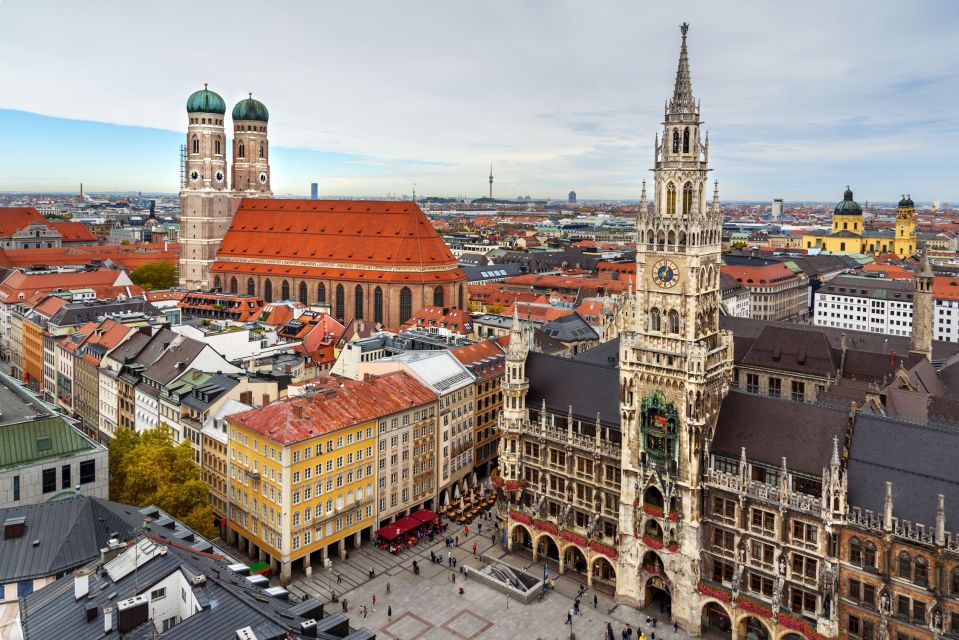
The tour then moves you toward the big performance world: the National Theatre and the Bavarian State Opera (Bayerische Staatsoper). This isn’t small-scale “church choir” music anymore. This is where the city’s serious opera life showed up.
The guide ties this venue to Richard Wagner’s works, including that many of his works were premiered there. You also learn that Richard Strauss worked as a third conductor there. Those two names together do something useful for your understanding. They show how Munich’s musical identity moved across eras, not staying stuck in one style.
Why this matters on a walking tour: it’s easy to memorize composer names. It’s harder to connect them to institutions where those works were actually staged. By placing Wagner and Strauss in the same operational story—premieres, conductors, and the work of getting performances on stage—the tour helps you see how music becomes public life.
Practical note: opera-house areas can feel busy. If you’re sensitive to crowds, you may want to keep your pace steady and let your guide lead the exact timing through the busiest spots. The benefit of a private guide is that you’re not stuck with a fixed group tempo.
Munich Residenz and Mozart’s Court Concert: Music at Power
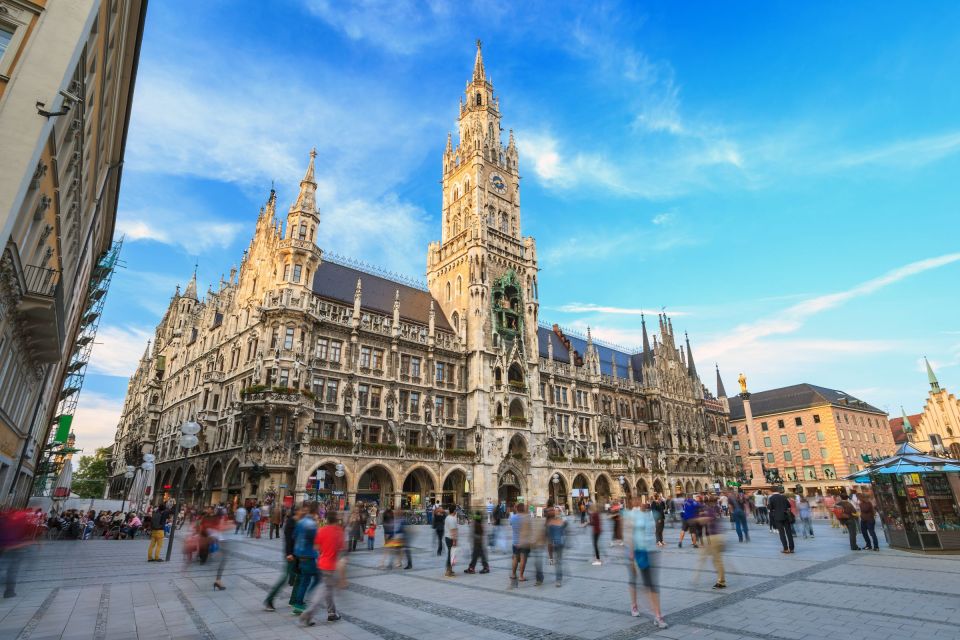
If you want the “wow” factor that feels historical and political at the same time, the Munich Residenz is one of the key stops. This is where the tour shifts to court culture—music as something tied to rulers, diplomacy, and status.
Here’s the specific Mozart connection you’ll hear: Wolfgang Amadeus Mozart played a concert for Elector Karl Theodor and Ferdinand IV, King of Naples. That detail does a lot of work. It turns Mozart from a distant name into a documented presence inside a place that mattered to European power.
For you, the value is the perspective. Court music wasn’t only about art for art’s sake. It was also about relationships between courts and the way culture signaled influence. This stop helps you understand why Munich could become a magnet for major musical figures.
And because you’re walking, not riding between far-apart stops, you get a clearer “how the city works” picture. The Residenz area gives you that sense of Munich’s center of gravity—socially, culturally, and historically.



Cuvilliés Theatre and Idomeneo (1781): Opera on Its Original Stage
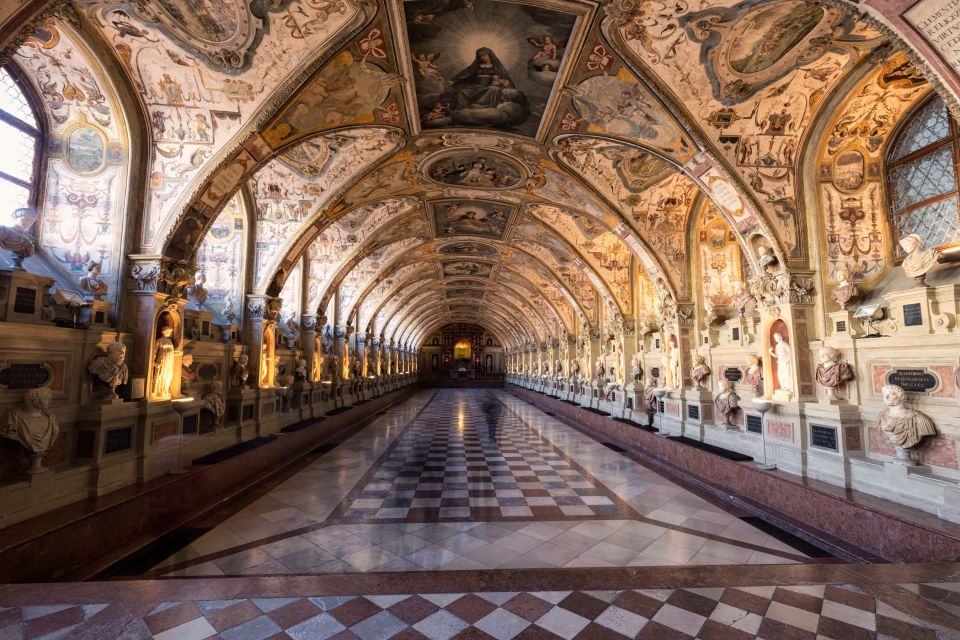
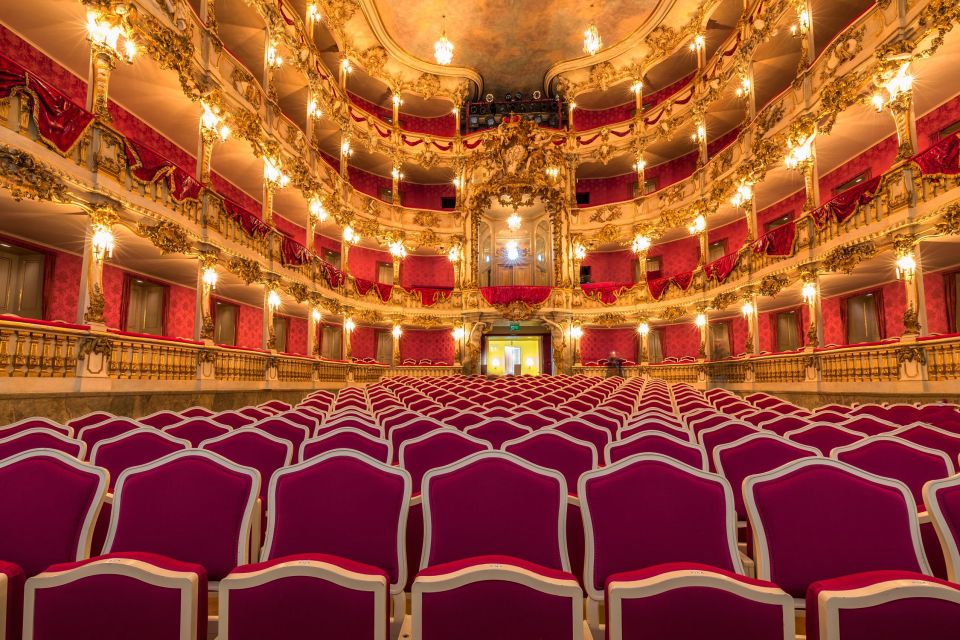
Inside the Residenz area, you’ll also encounter the Cuvilliés Theatre, a performance space tied directly to Mozart’s early opera career. The tour highlights that Mozart premiered his opera Idomeneo there in 1781.
This is a great stop for two reasons:
- You get a concrete date and a concrete production milestone, so you can mentally place Mozart in time.
- You learn that the theatrics you associate with opera weren’t invented on paper—they had real stages and real logistics.
If you’re the kind of person who likes to picture the moment—people in the seats, the excitement, the pressure—that’s where the tour earns its keep. It helps you think beyond the building and into the performance context.
Also, this stop is a reminder that Munich’s musical story isn’t only about famous names being mentioned in passing. It’s about works being put on in specific rooms with specific acoustical and design character.
How the 5-Star Licensed Guide Turns Facts Into Meaning
This tour is powered by the guide format: a 5-star licensed guide fluent in your chosen language (English, French, German, Italian, Spanish, Polish). You can feel the difference when a guide understands how to connect composer biography to real streets and real institutions.
From the experience notes, the strongest praise lands on story quality: the guide’s ability to share compelling composer stories and explain where the music actually happened. That’s exactly what you want on this kind of tour. If the guide only recites names, you’ll forget it in a day. If the guide links the names to locations and roles—premieres, conductors, training, choir traditions—you retain the connections.
One more subtle benefit: because it’s private, you can ask for clarity. You can slow down at a church detail or speed through squares, depending on what you enjoy.
The one snag worth planning for: at least one experience note says the tour may run a little longer than you expect. That doesn’t ruin the value, but it’s smart to keep your schedule flexible, especially if you have later reservations near Marienplatz.
Price and Value: What $215 Per Person Buys You
At $215 per person, this isn’t the cheapest “walk and learn” option. But it’s also not just paying for a route and a map.
You’re paying for:
- A private experience (not a group shuffle)
- A licensed 5-star guide
- A targeted composer theme that hits major Munich institutions tied to Mozart, Strauss, Wagner, and training links like Orlande de Lassus
- A tour that includes recommendations on best places to visit, not only facts
Here’s how to judge the value if you’re weighing it against other Munich options. Ask yourself this: do you want a standard highlights tour, or do you want a “music-lovers tour” that gives meaning to what you’re seeing? If you care about classical music, the themed focus is what makes the higher price feel reasonable.
Also consider logistics time. Munich’s Old Town can be easy to wander, but you won’t naturally stumble onto the kind of connections this tour makes—like Mozart’s court concert link at the Residenz or the Mozart Idomeneo premiere at the Cuvilliés Theatre. This tour saves your brain from having to piece those dots together yourself.
If you’re traveling with another person and you’re both interested in composers, the private format can feel even more worthwhile. If you’re more “I’ll do buildings and photos,” you might find the subject matter is too specific.
Before You Go: Meeting Point, Timing, and Comfort
You meet your guide at the start: outside hotel BEYOND by Geisel, Marienplatz 22, 80331 Munich, directly opposite St. Peter. The tour ends back at the same meeting point, which is handy when you’re planning dinner afterward.
The tour is 2 hours and described as a walking tour through central Old Town sights. That means you’ll want comfy shoes, especially if you’re visiting in warmer months or on a day when Munich streets are packed.
Two more practical items:
- Check your email the day before the tour. You’ll receive important information.
- Starting times depend on availability, so confirm your slot early so you can line it up with your other Old Town stops.
If you’re the type who likes to plan your day in blocks, try pairing this with a later food or museum plan near Marienplatz. You’ll get your orientation first, then enjoy the rest without guessing.
Who This Tour Suits Best (and Who Might Skip It)
This is ideal if you:
- Love classical music and want a place-based understanding of composers
- Prefer guided storytelling tied to specific sites over a general city overview
- Want a private experience where your interests shape the pace
- Enjoy churches, opera houses, and court history as one connected story
It may not be the best fit if:
- You don’t care much about Mozart/ Strauss/ Wagner and just want broad sightseeing
- You have a super tight schedule where even a slightly longer tour is risky
That “slightly longer than expected” note is worth taking seriously. If your day is packed, build buffer time.
Should You Book Mozart and German Composers Private Tour in Munich?
I’d book it if your goal is to understand Munich through music. The tour’s strength is not just that it names famous composers. It ties them to choir tradition, musical training, court culture, and opera institutions—so you walk away with a real mental map of how the city’s sound culture formed.
If you’re on the fence, do this quick check: can you name at least two of these composers—Mozart, Strauss, Wagner? If yes, and you like the idea of learning where the stories played out, the $215 private format is likely to feel fair.
If your time in Munich is short and you want maximum variety, a general highlights tour might be a better first step. But if you’re leaning classical, this is one of those “worth slowing down for” experiences.
FAQ
Where is the meeting point for the tour?
Meet your guide in front of hotel BEYOND by Geisel, Marienplatz 22, 80331 Munich, opposite St Peter. You should not enter the hotel; it’s only a meeting point.
How long is the Mozart and German Composers private tour?
The tour lasts 2 hours. Starting times depend on availability.
Is this tour private or shared?
This is a private group tour, meaning you won’t be joining a mixed group.
What languages does the live guide speak?
The guide is available in English, French, German, Italian, Spanish, and Polish.
What are some of the key sights you’ll see?
You’ll see major Old Town highlights including Marienplatz, Frauenkirche, St. Peter’s Church, the National Theatre / Bayerische Staatsoper, Munich Residenz, and the Cuvilliés Theatre.
How much does the tour cost?
The price is listed as $215 per person.
Can I cancel or pay later?
You can cancel up to 24 hours in advance for a full refund. You can also reserve now & pay later.
Do I need to check anything before the tour day?
Yes. Please check your email the day before the tour to receive important information.