REVIEW · MUNICH
Munich City Pass: Admission to 45 activities and Public Transport
Book on Viator →Operated by Turbopass GmbH · Bookable on Viator
Munich can feel big fast, but this pass adds structure. You can pick a 1 to 5 day pass and use it across a long list of top sights, with public transport folded in.
I like that you can swap plans on the fly. The pass also hits serious museum hitters like Deutsches Museum and the classic collections around town, so you can spend your time looking at art and ideas instead of standing in queues.
One heads-up: a few stops are marked as needing advance planning by you, and at least one major museum entry (Neue Pinakothek) is listed as closed for renovation for a set period, so you’ll want to double-check before you count on it.
Quick, useful highlights
- 45+ activities with flexible days lets you match the pass to your schedule
- Public transport access plus an included 24-hour hop-on hop-off circle (7 stops) helps you move fast
- Big-hitter stops include Deutsches Museum, Nymphenburg Palace, and Bavaria Filmstadt
- Many entries are listed as free with the pass, so your day can stay admission-light
- Expect mostly self-paced touring, with some options that may require advance booking on your side
- Small group size is capped at 15 people, which can matter if any part is hosted
In This Review
- What You’re Really Buying With the Munich City Pass
- Price and Value: When $48 Actually Pays Off
- Getting Around Munich: S-Bahn, U-Bahn, and the 7-Stop Hop-on Circle
- Stop-by-Stop: How Each Included Sighting Feels in Your Day
- Alte Pinakothek: European Painting from the 14th to 18th Centuries
- Schloss Schleissheim: Two Exhibitions Under One Roof
- Bavarian National Museum: Big Collections That Fit Many Tastes
- Botanischer Garten München-Nymphenburg: A Fairytale-Style Garden Break
- Cuvilliestheater: Rococo Theater With a Famous Pedigree
- Deutsches Museum: One of the World’s Big Science Shows
- Deutsches Museum Verkehrszentrum: Land Vehicles in a Dedicated Setup
- Flugwerft Schleissheim: Aerospace Displays on a Big Footprint
- Deutsches Theatermuseum: Special Exhibitions Without a Permanent Set
- Glyptothek: Greek Vase Masterpieces and Ancient Art
- Haus der Kunst: Contemporary Art in a Major Setting
- Jewish Museum Munich: Munich’s Story Through a Jewish Lens
- Kunsthalle München: Art Across Time, From Antiquity to Now
- Lenbachhaus: Blue Rider Collection and Classic Munich Art
- Marstallmuseum: Carriages from the Late 1600s to the 1800s
- Münchner Stadtmuseum: A City Museum Near Viktualienmarkt
- Museum Brandhorst: Modern and Contemporary Art Behind a Big Facade
- Museum Fünf Kontinente: World Cultures Under One Roof
- Museum Mensch und Natur: Natural History, Human Side Included
- Museum Villa Stuck: Franz von Stuck’s House
- Neue Pinakothek: Listed as Closed for Renovation Through 2025
- NS-Dokumentationszentrum München: Learning and Remembrance
- Amalienburg, Pagodenburg, Badenburg: The Nymphenburg Park Castles
- Pinakothek der Moderne: Modern Art in a Big Collection House
- Museum Reich der Kristalle: Minerals and Gems in Display Cases
- Ruhmeshalle und Bavaria: The 18-Meter Statue Viewfront
- Sammlung Schack: Paintings by Franz von Lenbach
- Residenz Museum: Treasury in Munich’s Residence
- Lustheim Palace: Meissen Porcelain Collection
- Nymphenburg Palace: The Big Palace Anchor
- Staatliche Münzsammlung München: Coins Spanning Thousands of Years
- Munich Museum of Egyptian Art: 5,000 Years of Culture
- Valentin Musaum: Quirky Karl-Valentin-Style Humor
- Bavaria Filmstadt: Movie and TV Sets and Real Scenes
- FC Bayern Museum: Allianz Arena Club History
- Umadum: The Giant Observation Wheel for Munich Views
- Olympiapark: Park Railway Included and Classic Park Views
- New Town Hall (Neues Rathaus): Tower Views Over Munich
- SEA LIFE Munich: Aquarium Time in Olympiapark
- Tips That Make the Pass Feel Like a Smart Plan
- Should You Book the Munich City Pass?
- FAQ
- How much does the Munich City Pass cost?
- How many days can I use the pass?
- Does the pass include public transportation in Munich?
- Are any major attractions included for free?
- Is every museum on the list guaranteed to be open?
- Can I cancel for free?
What You’re Really Buying With the Munich City Pass
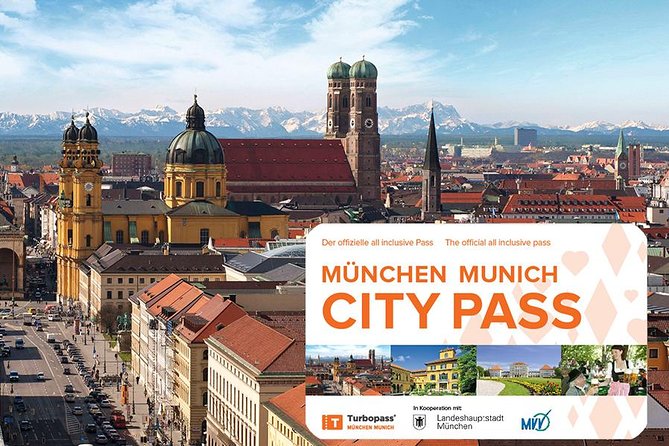
For $48 per person, the Munich City Pass is really about reducing two common stressors: admission costs and time spent queueing. The pass gives access to 45+ Munich attractions and activities, and it’s designed so you can choose how many days you need (from 1 up to 5).
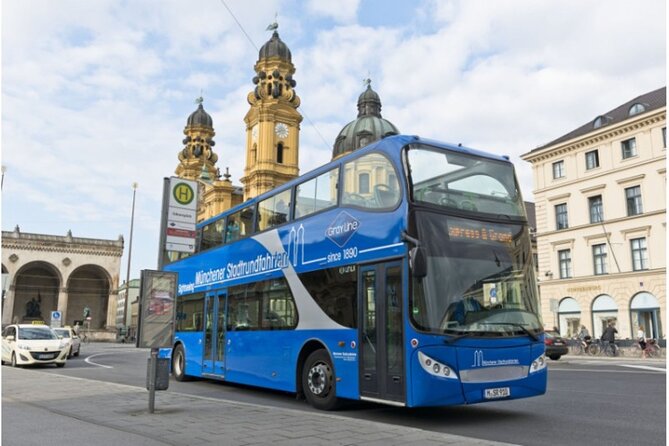
The other practical win is mobility. You get public transportation access, plus an included 24-hour Hop-on-Hop-off Express Circle with 7 stops. That combo is useful because Munich sights spread out. You don’t want to waste your best museum hours on complicated routes.
The pass is offered in English, and you receive confirmation at booking. After that, you’ll rely on the digital pass instructions for any stops that require extra steps on your end.
Price and Value: When $48 Actually Pays Off
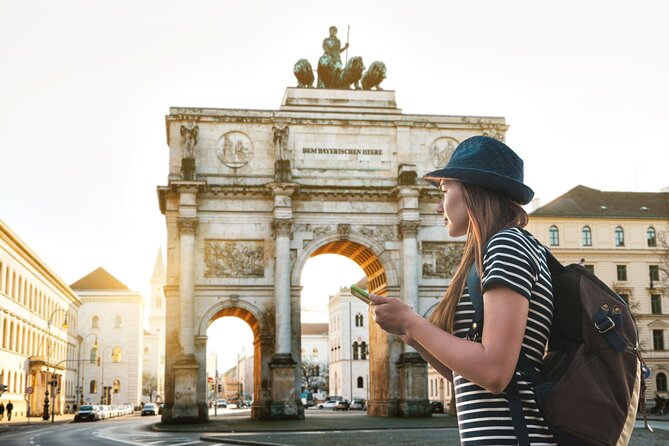
$48 sounds like a bargain in a city where a day at top museums can add up quickly. Your best value comes when you use the pass the way it’s meant to be used: more than one big stop per day.
Here’s the mental math that helps: this pass covers a lot of admissions, including major institutions. For example, Deutsches Museum is included for free, and the itinerary also lists other high-interest entries as free or included. If you’re planning a museum-and-palaces trip, the pass usually feels like a smart shortcut.
If you’re only doing a couple of attractions total, you might not hit the sweet spot. This is the kind of pass that shines when you’re already thinking about filling several hours with museums, science, gardens, and a couple of classic landmarks.
You can also read our reviews of more city tours in Munich



Getting Around Munich: S-Bahn, U-Bahn, and the 7-Stop Hop-on Circle
Munich’s transit is one of the best parts of the city, and this pass leans on that strength. You get free public transport, either for the inner area or for the broader coverage area labeled M-6, depending on the option you select.
The real-world benefit is that you can design your days around sights instead of routes. You can also break up longer museum days with transit breaks, then jump back in.
On top of that, the Hop-on-Hop-off Express Circle runs for 24 hours and includes 7 stops. That’s a handy safety net when you want a low-effort way to connect clusters of sights without thinking too hard.
Stop-by-Stop: How Each Included Sighting Feels in Your Day
Below is the pass lineup in the same order you’ll likely encounter planning. For each stop, I’ll tell you what it’s best for, how to think about timing (most are listed at about 2 hours), and any realistic catch.
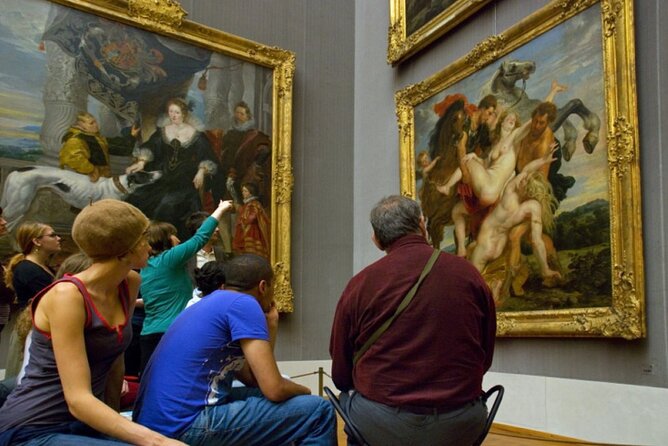
Alte Pinakothek: European Painting from the 14th to 18th Centuries
This is your classic art anchor. If you like European painting that covers centuries, Alte Pinakothek is the kind of museum where you can do a slow, satisfying loop without feeling rushed.
Plan on spending a good chunk of your 2 hours reading the room and choosing a few key works to anchor your attention. If you try to see everything at once, you’ll end up skimming.
Schloss Schleissheim: Two Exhibitions Under One Roof
Schloss Schleissheim is more about structured exhibits than wandering gardens. You’re looking at two listed exhibitions: the Ecumenical Collection of Gertrud Weinhold and Prussia’s Cultural History Collection.
It’s a strong pick if you want history with a museum rhythm. The only drawback is that it’s easier to feel “museum-heavy” here, so pair it with something lighter later (a garden or theater).





Bavarian National Museum: Big Collections That Fit Many Tastes
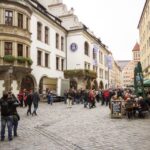
This one is described as one of the largest museums in Germany, and it aims at broad appeal. That means you’re less likely to get stuck if you’re with someone with different interests.
Give yourself time to drift. In a museum this size, the most enjoyable route is usually your own personal favorites rather than a strict checklist.
Botanischer Garten München-Nymphenburg: A Fairytale-Style Garden Break
After museums, the Botanical Garden is a reset button. It’s all about plants and seasonal atmosphere, and the pass includes admission so you don’t have to budget extra.
If you’re visiting in good weather, build in time to slow down. If it’s rainy, keep expectations realistic: gardens can still be lovely, but you may not get the same full experience.
Cuvilliestheater: Rococo Theater With a Famous Pedigree
Cuvilliestheater is one of those stops that works even if you’re not a theater person. It’s described as the most beautiful Rococo theater in Germany, and it notes that Napoleon visited.
This is a “look up and enjoy” place. The best strategy is to treat it like a quick but meaningful cultural moment, not a full-day production.
Deutsches Museum: One of the World’s Big Science Shows
This is a major inclusion. The pass includes free access to Deutsches Museum, and it’s described as one of the most traditional and largest science and technology museums in the world.
The main tip: don’t try to do it all. Pick a few sections that match your curiosity—science museums can multiply fast. With a listed 2 hours, choose themes and commit.
Deutsches Museum Verkehrszentrum: Land Vehicles in a Dedicated Setup
If you like vehicles, this is your follow-up. The Verkehrszentrum focuses on land vehicles and has a unique collection angle.
This tends to work well right after the main science museum because you stay in the same general interest lane. If you’re more “hands-on curiosity” than reading-heavy, you’ll likely find this easier to enjoy in the time limit.
Flugwerft Schleissheim: Aerospace Displays on a Big Footprint
Flugwerft Schleissheim is described as covering 8,000 m² with nearly 70 aerospace exhibits. It’s a strong pick if you like aviation and want a visual museum experience.
Because the space is large, your 2 hours can vanish. I’d choose a few “topic arcs” such as aircraft types or key eras rather than aiming for everything.
Deutsches Theatermuseum: Special Exhibitions Without a Permanent Set
This one has a different feel. The pass notes there is no permanent exhibition due to space restrictions, but special exhibitions are presented regularly.
That can be a positive if you like rotating content. The consideration is simple: what you see depends on what’s on during your visit, so keep your expectations flexible.
Glyptothek: Greek Vase Masterpieces and Ancient Art
Glyptothek is credited with the world’s best collection of Greek vases, plus other ancient works in materials like gold, bronze, ceramics, and glass.
For art lovers, this is one of the pass’s most rewarding “quality per hour” stops. The only time-burn trap is overcommitting. Better to choose a few rooms and go deep on the objects that catch you first.
Haus der Kunst: Contemporary Art in a Major Setting
Haus der Kunst is where the pass shifts toward modern cultural energy. It’s listed for contemporary art, and that mix can refresh your museum sequence.
If your earlier stops skew classical, this is a good pivot point. You might not love every gallery, but it helps keep the day from feeling repetitive.
Jewish Museum Munich: Munich’s Story Through a Jewish Lens
This museum gives insight into Munich’s history from the Jewish perspective. It’s a strong add-on when you want the city’s story to have depth and perspective beyond what you see in palaces and galleries.
Because it’s history-focused, you might need more than 2 hours to take everything in. Still, the pass time window is enough for a meaningful overview.
Kunsthalle München: Art Across Time, From Antiquity to Now
Kunsthalle Munich houses a broad spectrum, from antiquity to the immediate present. That breadth can be a blessing if you like variety.
The main drawback is that the wide scope can lead to skimming if you don’t pick a focus. If you’re short on time, let one theme lead your route.
Lenbachhaus: Blue Rider Collection and Classic Munich Art
Lenbachhaus is singled out for the worldwide largest collection of blue riders (Der Blaue Reiter). If you’re into modern art movements, this is one of the stops that feels purpose-built.
This also pairs well with Glyptothek because both reward a slow, attentive look. Give yourself time to settle in before rushing to the next door.
Marstallmuseum: Carriages from the Late 1600s to the 1800s
Marstallmuseum is tied to Nymphenburg Palace and focuses on the evolution of carriages from the end of the 17th century to the end of the 19th century, with exhibits from Germany, France, and England.
This is a surprisingly fun museum if you like design and historical engineering. The only consideration is that if you’re expecting a broad palace-style experience, this is more specialized.
Münchner Stadtmuseum: A City Museum Near Viktualienmarkt
Located near Viktualienmarkt, Münchner Stadtmuseum helps you connect the big sights to everyday city life and past identity.
It’s a good “context” stop. After you’ve walked through palaces and galleries, you’ll often find this kind of city museum helps the pieces click.
Museum Brandhorst: Modern and Contemporary Art Behind a Big Facade
Museum Brandhorst is described as hiding a modern and contemporary collection behind a spectacular facade. That contrast alone is worth a quick pause outside.
Inside, it’s best if you enjoy contemporary art that asks you to think rather than only admire. With a strict time limit, focus on a few standout galleries.
Museum Fünf Kontinente: World Cultures Under One Roof
This museum is dedicated to cultural riches from around the world. It’s a good counterbalance if your first day is mostly European art and local history.
The possible drawback is that world culture collections can be information-heavy. If you’re a quick skim person, you’ll need a plan so you don’t lose time.
Museum Mensch und Natur: Natural History, Human Side Included
Museum Mensch und Natur focuses on natural history with a human angle. It’s a solid choice when you want a science-meets-life museum day without only sticking to machines.
It’s also a great option if the weather turns, since you’ll have lots to read and observe indoors.
Museum Villa Stuck: Franz von Stuck’s House
Museum Villa Stuck is tied to the home of Franz von Stuck. This is a good change of pace because you’re not only viewing art behind walls; you’re in the kind of space an artist inhabited.
If you like atmosphere and design, you’ll likely enjoy it more than a plain gallery experience. Go in expecting a more intimate museum.
Neue Pinakothek: Listed as Closed for Renovation Through 2025
Neue Pinakothek is explicitly marked as closed from January 1, 2019 until 2025 due to renovation works. Since your trip might be outside that window, you should treat this entry as conditional.
If it’s your favorite on the list, double-check the current status before you build your schedule around it. Otherwise, use it as a flexible swap for nearby museum time.
NS-Dokumentationszentrum München: Learning and Remembrance
This is a serious museum stop: learning and remembrance that explores Munich’s history in relation to Nazism and the consequences of dictatorship.
Give it the attention it needs. It’s not the kind of visit you cram between lighter sights; it benefits from slower pacing and space to absorb.
Amalienburg, Pagodenburg, Badenburg: The Nymphenburg Park Castles
These three stops are grouped as park castles in Nymphenburg Palace grounds. That makes them easy to chain during one outing.
They’re well-suited to camera time and leisurely wandering. The main drawback is that if you’re running tight on time, all three can feel similar unless you focus on details like architecture and style changes.
Pinakothek der Moderne: Modern Art in a Big Collection House
Pinakothek der Moderne is presented as one of Europe’s largest modern art collection houses. If you love modern work, it’s the kind of museum where you can spend hours and still find new ideas.
With a 2-hour slot, you should pick a few lanes. Otherwise, the scale can make you feel like you didn’t see enough.
Museum Reich der Kristalle: Minerals and Gems in Display Cases
Museum Reich der Kristalle focuses on crystals, diamonds, emeralds, gemstones, and other minerals. It’s a visual stop that tends to work for almost any interest level.
This is great when you want something that feels more concrete and less conceptual. The consideration is simple: if you’re not drawn to minerals, you might find it repetitive after one round.
Ruhmeshalle und Bavaria: The 18-Meter Statue Viewfront
Ruhmeshalle and Bavaria features an 18-meter tall statue of Bavaria’s patron in front of the hall of fame. It’s a strong stop for big-scale Munich symbolism.
This is more about the exterior presence and photo-friendly structure. Pair it with an indoor museum if you’re visiting in cold or rain.
Sammlung Schack: Paintings by Franz von Lenbach
Sammlung Schack focuses on paintings by Franz von Lenbach. If you’re already interested in Lenbach from earlier, this gives you more depth in one artist lane.
With a time limit, it’s often easier to enjoy a focused collection like this because you don’t feel pulled in too many directions.
Residenz Museum: Treasury in Munich’s Residence
The Residenz Museum includes a treasury described as one of the most prestigious collections of its kind. This is the “wow objects” stop, especially if you like decorative arts and craftsmanship.
The likely drawback: treasures can tempt you to rush. Slow down and pick a few sections to look at longer rather than doing a quick sweep.
Lustheim Palace: Meissen Porcelain Collection
Lustheim Palace includes the Meissen porcelain collection, with variety in products. This is one of the pass’s best options if you like decorative objects and fine detail.
It’s also a good museum for families and mixed-interest groups because the visuals are easy to enjoy even if you’re not a porcelain expert.
Nymphenburg Palace: The Big Palace Anchor
Nymphenburg Palace is included on the pass. It’s described as a once court refuge for Munich royalty.
This is where the day can shift from museums to atmosphere. The main consideration is that palaces add walking time, so don’t overschedule immediately before and after unless you’re okay with more movement.
Staatliche Münzsammlung München: Coins Spanning Thousands of Years
The State Coin Collection houses more than 3,000 objects, with the oldest dating from the third millennium BC. That time range can feel almost unreal.
If you like collecting themes, this is a standout. If you prefer modern museums with interactive elements, you might want to treat this as a slower visual browse rather than an active experience.
Munich Museum of Egyptian Art: 5,000 Years of Culture
The Egyptian Museum gives you 5,000 years of Egyptian culture and art. It’s a big-picture stop that also tends to reward careful viewing.
This is another “don’t cram it” museum. Two hours can be enough for a solid introduction, especially if you pick a few galleries to prioritize.
Valentin Musaum: Quirky Karl-Valentin-Style Humor
Valentin Musaum is described as a quirky and original museum experience. This is a mood-lifter in a pass full of major galleries and serious history.
It’s also a good way to keep your trip from feeling like you only saw big institutions. Go here when you want personality.
Bavaria Filmstadt: Movie and TV Sets and Real Scenes
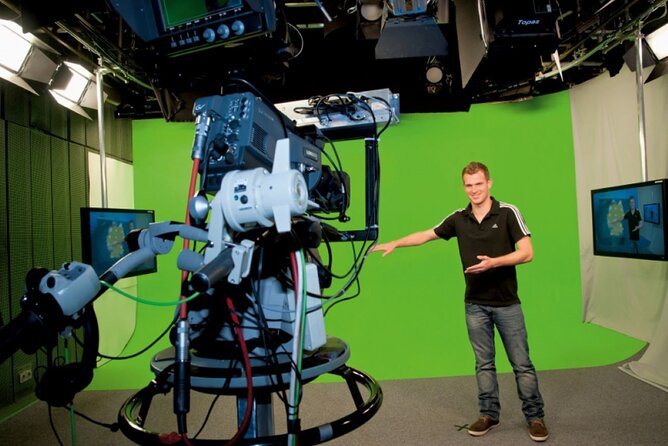
Bavaria Filmstadt is listed with original scenes from big movies and famous TV highlights. This is a fun contrast to art museums and science halls.
If you’re a film fan, you’ll likely enjoy it more than the average museum stop because you can connect what you see to pop culture imagery.
FC Bayern Museum: Allianz Arena Club History
FC Bayern Museum is included and described as Germany’s biggest club museum. It’s in the Allianz Arena experience world, and it leans into the club myth and record champion identity.
This is a great choice if you want a modern, energetic break from traditional museum formats.
Umadum: The Giant Observation Wheel for Munich Views
Umadum is a giant transportable observation wheel, described as the biggest of its type. You’ll see Munich from above, which is a nice way to reset your perspective after museums.
This pairs well late in the day when your eyes need a break from indoor exhibits. The only drawback is simple: if weather is bad, you may feel the view experience is less satisfying.
Olympiapark: Park Railway Included and Classic Park Views
Olympiapark is included, and it notes the park railway is part of the experience. That means even if you’re tired, you can still move through the area without walking every step.
It’s also a great staging area because it connects nicely to other nearby sights in the park zone.
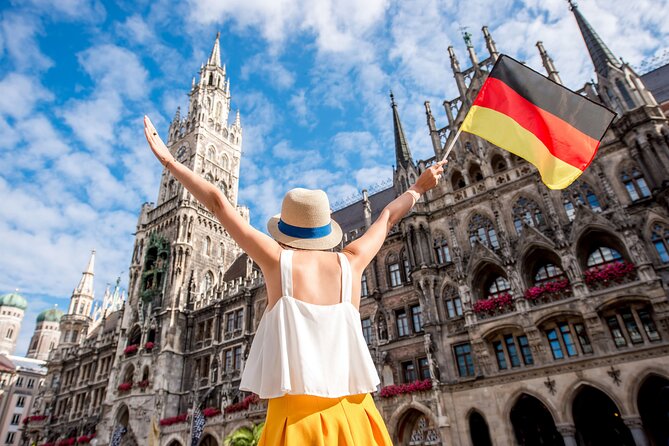
New Town Hall (Neues Rathaus): Tower Views Over Munich
Neues Rathaus offers a breathtaking view from the tower. This is the city-silhouette moment, and it’s worth your time if you want Munich to look like Munich from above.
The consideration is that tower views can be time-sensitive based on when you arrive, so treat it as a planned stop rather than something you float.
SEA LIFE Munich: Aquarium Time in Olympiapark
SEA LIFE Munich brings you an aquarium view of the sea world inside Olympiapark. It’s a relaxing final stop, especially if you want a calmer ending after museums and cultural history.
It also works well if you’re traveling with mixed interests or just need something lighter.
Tips That Make the Pass Feel Like a Smart Plan
Here’s what I’d do if I had the pass and wanted it to feel effortless.
First, treat each day as a pairing of two types: one major museum anchor and one lighter or visually different stop. A museum-heavy day plus a palace plus another museum can feel exhausting even with included admissions.
Second, pay attention to what’s listed as free and what’s listed as ticket-included. That matters because the pass covers many admissions, but not every stop is identical in how it’s presented.
Third, plan around the note that some guided tours must be booked in advance by you. Don’t leave that for the last minute. If a stop in your plan feels like it depends on a guide, handle it early.
Fourth, check the status of entries marked closed for renovation. Neue Pinakothek is specifically listed as closed due to works for a set period. If your dates land outside that window, you can adjust, but don’t assume.
Last, buy earlier if you can. The pass is typically booked about 52 days in advance, which hints at demand during popular travel weeks.
Should You Book the Munich City Pass?
If your plan is museums, palaces, and science plus real time on public transit, the Munich City Pass is a strong value at $48. The mix of classic art, big institutions like Deutsches Museum, palace grounds at Nymphenburg, and a fun cultural split into film, football, and an observation wheel makes it ideal for first-timers and repeaters alike.
I’d skip it only if your trip is short and you’re aiming for just one or two sights. This pass really rewards people who want to stack multiple included admissions and keep moving.
FAQ
How much does the Munich City Pass cost?
It’s listed at $48.00 per person.
How many days can I use the pass?
You can choose a pass valid for 1 to 5 days, depending on your schedule.
Does the pass include public transportation in Munich?
Yes. It includes free public transport for the inner area or for the entire area (M-6) if you select that option, and it also includes a 24-hour Hop-on-Hop-off Express Circle with 7 stops.
Are any major attractions included for free?
Yes. The pass specifically includes free access to the Deutsche Museum, Lustheim Castle with the Meissen porcelain collection, Nymphenburg Castle, and entry to the FC Bayern museum.
Is every museum on the list guaranteed to be open?
Not necessarily. Neue Pinakothek is listed as closed from January 1st 2019 until 2025 due to renovation works, so you should treat it as a conditional stop.
Can I cancel for free?
Yes. There is free cancellation up to 24 hours in advance of the experience start time for a full refund.