REVIEW · MUNICH
Munich: Raven Black Witches and Executioners Walking Tour
Book on GetYourGuide →Operated by DIE STADTSPÜRER® · Bookable on GetYourGuide
Munich has a spooky side few notice. The Raven Black Witches and Executioners Walking Tour takes you through the southern old town, using grim characters and eerie stories tied to real city-center corners. It’s a fast, focused way to see Munich beyond beer halls and postcards, with the mood tilted toward fear, death, and the people who lived on the edges.
I like how the route connects big, recognizable landmarks—starting at the Frauenkirche—with the rougher-feeling streets of the Hackenviertel. I also like the story toolkit: witches, executioners, grave-diggers, ravens, and the “dishonest jobs” of the Middle Ages, all turned into a walking narrative you can follow street by street.
One consideration: it’s a German-language tour, so if you’re hoping for English throughout, you may struggle. Also, it’s not aimed at kids under 14, since the material leans dark and unsettling.
In This Review
- Key highlights you can plan around
- What this dark Munich tour actually feels like
- Starting at Frauenkirche: the easiest way to get your bearings
- Hackenviertel and Hofstatt: where the fear lived in street names
- The executioners, the witches, and the jobs society tried to hide
- Angers quarter and the Sendlinger Tor approach
- German-language guiding: what to expect and how to handle it
- How 105 minutes fits a Munich day (and why $25 makes sense)
- Who this tour is best for
- Practical planning tips before you go
- Should you book Raven Black Witches and Executioners in Munich?
- FAQ
- Is this tour in English?
- Where does the tour start?
- How long is the tour?
- How much does it cost?
- Is it suitable for children?
- Can I cancel for free?
Key highlights you can plan around
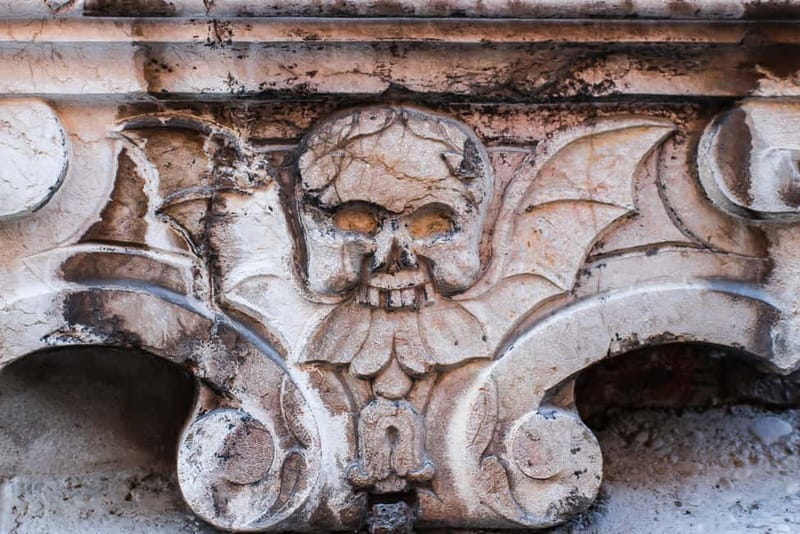
- Frauenkirche start, between the towers for easy navigation in the center of Munich
- Hackenviertel + Hofstatt—the streets tied to fear, outcasts, and shady trades
- Hangmen, witches, whores, and executioners show up as characters in the city’s story
- Angers quarter stops that help you understand why certain neighborhoods became dangerous reputations
- A walk from Frauenkirche toward Sendlinger Tor to trace the old urban edge
- About 105 minutes—long enough for atmosphere, short enough to add on to dinner
What this dark Munich tour actually feels like
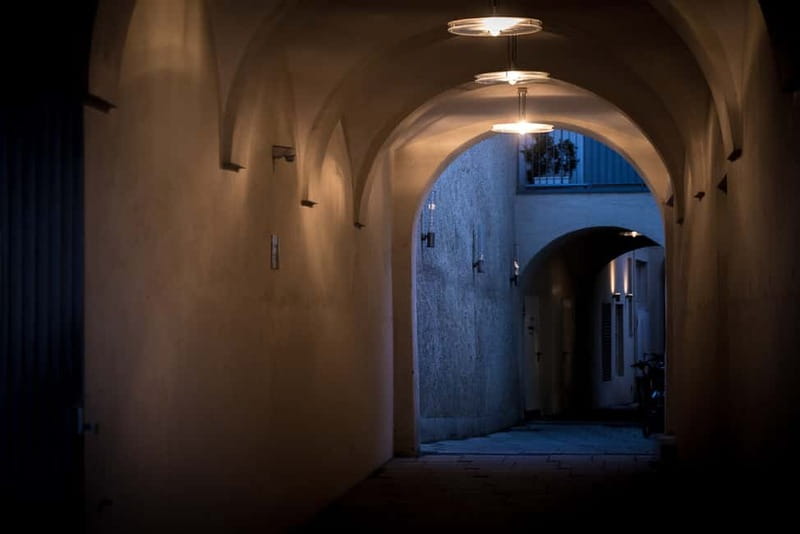
This is a walking tour for people who like their Munich a bit darker than the typical sightseeing route. You’ll move through the southern old town and hear stories about the lost souls of witches, executioners, and other figures pushed to the fringes of society.
The pitch is simple: death was part of daily life, and some jobs were treated like contagion. The guide uses that idea to help you connect what you see today—streets, corners, named areas—to the feeling of an older city where fear wasn’t just entertainment.
If you enjoy street-level history, this tour hits the sweet spot. You’re not getting a museum lesson. You’re walking through places where the stories are meant to stick in your head.
You can also read our reviews of more walking tours in Munich


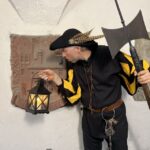
Starting at Frauenkirche: the easiest way to get your bearings
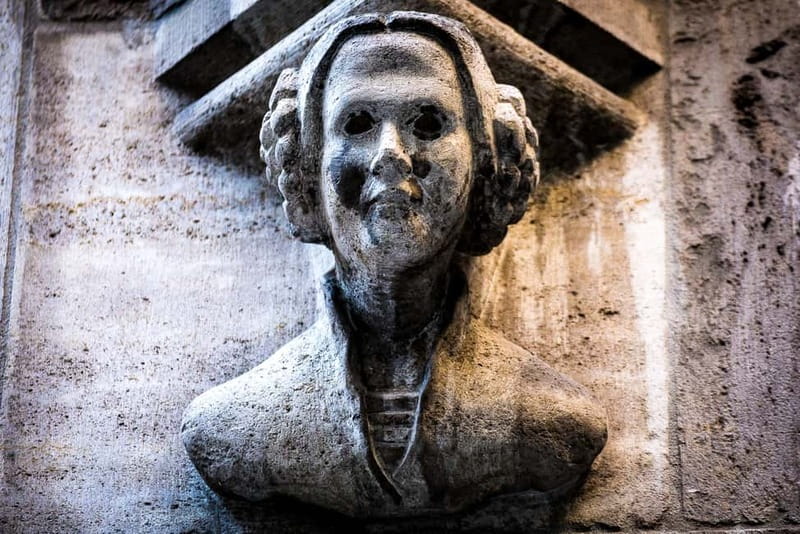
You meet in front of the main entrance to the Frauenkirche at Frauenplatz, between the two towers. That’s a practical choice: it’s central, easy to spot, and you’ll have a clear orientation point before the stories start getting grim.
From there, the tour heads into the Hackenviertel area—criss-crossing those lanes as the narrative builds. Think of this as the “setup” phase: you learn how the guide will talk about the city’s underworld, then you start walking into the quarters where those themes belong.
Even if you’re new to Munich, this start makes the tour feel manageable. You’re not hunting for a meeting spot in a side street. You’re starting where most people already know how to get.
Hackenviertel and Hofstatt: where the fear lived in street names
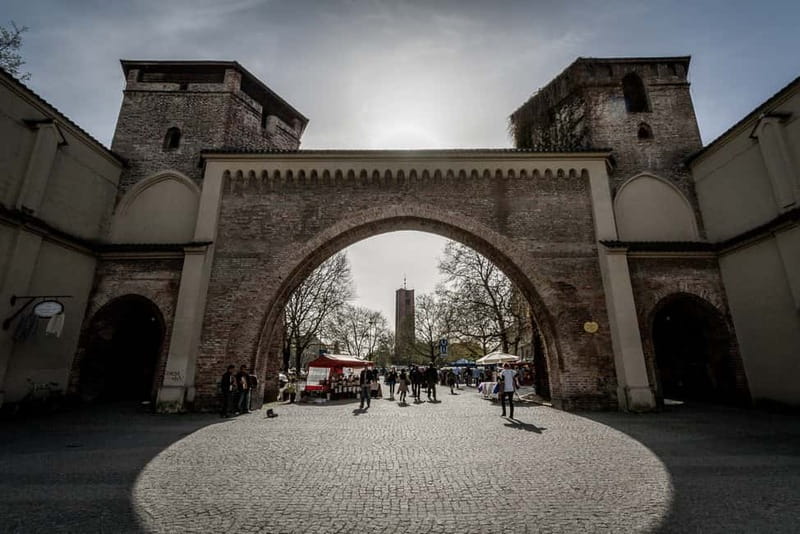
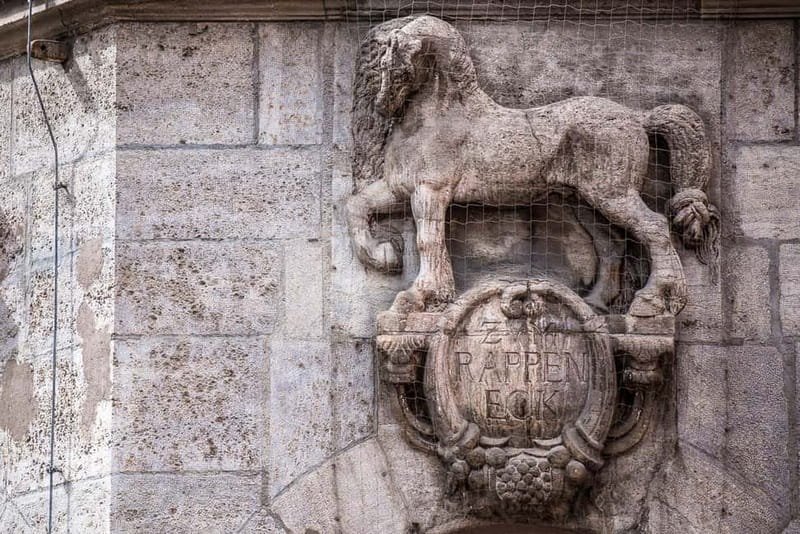
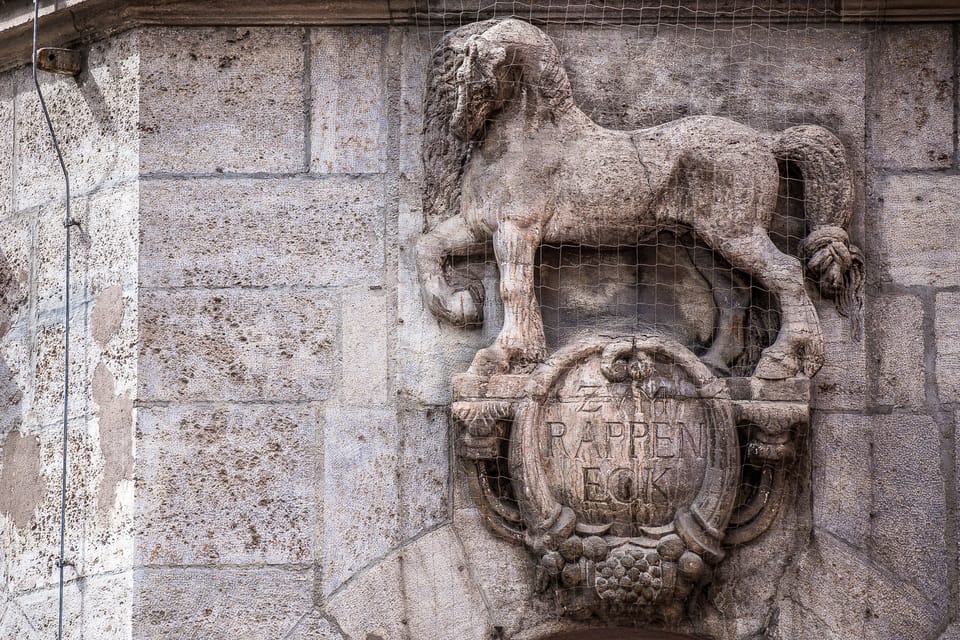
The heart of the experience is the Hackenviertel, including time around Hofstatt. This is the area described as having once bred fear, and the way the tour frames it makes the neighborhood feel like more than a map label.
You’ll hear about “shady characters,” including hangmen and witches. The guide’s goal is to connect those labels to a mental picture of the past: people society didn’t want to look at, and the trades that came with real consequences.
What I like about this part is that it stays concrete. The tour doesn’t just say the city was brutal. It points you toward specific city-center areas—Hackenviertel and Hofstatt—and uses the stories to explain why people kept distance.
The executioners, the witches, and the jobs society tried to hide
A big part of what you’ll hear is about the “dishonest jobs” of the Middle Ages and the grim roles that kept the city running. The tour highlights characters like witches and executioners, and it also brings in people tied to death in everyday ways—like the grave-digger.
You’ll also get eerie imagery built into the narration: ravens circling, executioners with hatchets, and the idea that certain places were considered cursed. The point isn’t to treat it like a ghost story you can ignore. It’s to show how fear, punishment, and superstition shaped daily life and how Munich remembered (or hid) those chapters.
This is also where the guide’s storytelling matters most. You’re on foot, and the guide ties the next story to the next corner. That rhythm is what makes the dark theme feel coherent instead of random.
Angers quarter and the Sendlinger Tor approach
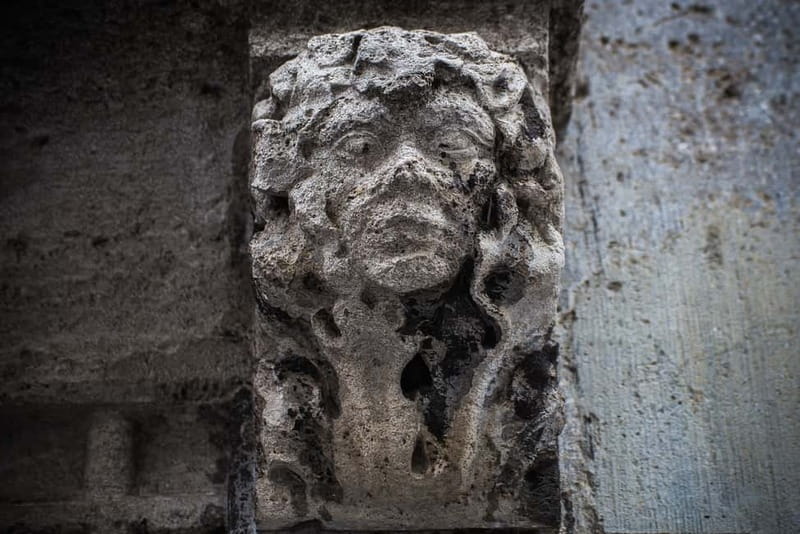
Another named area you’ll work through is the Angers quarter, plus stops that help you understand why the Hackenviertel had such a reputation. The tour uses these segments to paint a map of “safe” vs. “unsafe,” built from who belonged where and what happened when night fell.
You’ll also walk toward Sendlinger Tor as part of the route plan, tracing a city edge where the streets were described as unsafe once “good citizens” retired. It’s a useful way to see the old town’s geography as something people experienced emotionally, not just physically.
And here’s a practical note: since the tour ends back at the meeting point, expect a complete loop that returns you to your starting area. That makes it easier to continue with dinner or another sightseeing stop without a complicated transit plan.




German-language guiding: what to expect and how to handle it
This tour is in German. That’s clearly stated, and it’s the key thing you need to know before you book.
In one positive review, the guide was praised for working with a language challenge for an English-only participant, and the guide’s clarity was specifically mentioned. In another review, the tour’s German-only nature was called out, with the reviewer appreciating that the advertising matched the reality.
So here’s my practical advice: if you’re comfortable with some German—or you’re happy to follow stories even when not every word lands—you’ll probably enjoy the experience more. If you need full English explanations throughout, this one may frustrate you.
How 105 minutes fits a Munich day (and why $25 makes sense)
The tour runs about 105 minutes, so it’s not one of those half-day projects. You can fit it before dinner, after a morning museum, or as your evening activity if you like your nightlife quiet and story-driven.
At $25 per person, the value comes from the format: you’re paying for a local guide and a themed walking narrative tied to real central locations. You’re not paying for museum tickets or long transportation segments. You’re paying for time with a guide who can point out the “why” behind the city’s darker legends.
There’s also a small gift included, which doesn’t change the math, but it’s a nice touch that signals this isn’t a barebones free-for-all.
Who this tour is best for
I think this tour is a strong fit if you like city stories that focus on people who were pushed out of polite society. If you enjoy hearing how fear, punishment, and superstition shaped urban life, the Witch-and-Executioner theme will feel purposeful rather than random.
It’s also a good option if you’re the kind of traveler who likes a walking route that stays in the center. You get landmark context at Frauenkirche, then you move into the named quarters where the stories belong.
It’s not suitable for children under 14, so plan on it as an adult activity. And if you’re easily bothered by grim themes, be aware that the tour is explicitly built around death as part of everyday life and includes stories of executioners and other dark figures.
Practical planning tips before you go

Wear shoes you can walk in for an hour and a half. That sounds obvious, but it matters more on story tours because you’ll want to keep your focus on the guide rather than on foot discomfort.
Arrive with enough time to locate the meeting spot: in front of the Frauenkirche main entrance on Frauenplatz, between the two towers. That exact detail matters because Munich has plenty of crowded squares, and you don’t want to waste the first part of the tour guessing where everyone is gathered.
If you want to make your German go farther, use the setting to your advantage. Even when you miss individual words, place names—Frauenkirche, Hackenviertel, Hofstatt, Sendlinger Tor—act like anchors. The theme also gives you an expectation: witches, executioners, grave-diggers, and cursed places.
Should you book Raven Black Witches and Executioners in Munich?
Book it if you want a short, story-led walk in Munich’s center that treats the city’s dark side as real and human. The payoff is a guided connection between recognizable landmarks and the older neighborhoods tied to fear—especially around Hackenviertel and Hofstatt—without turning it into a long museum day.
Skip it or reconsider if German is a deal-breaker for you, since this is a German-language tour. Also, if dark themes aren’t your thing, you’ll probably prefer a lighter architecture or beer-hall itinerary instead.
If you’re ready for a 105-minute evening with witches, executioners, and the streets they’re linked to, this is a well-rated choice at $25 that’s easy to slot into a Munich itinerary.
FAQ
Is this tour in English?
This walking tour is conducted in German.
Where does the tour start?
It starts in front of the main entrance to the Frauenkirche on Frauenplatz, between the two towers.
How long is the tour?
The tour lasts about 105 minutes.
How much does it cost?
The price is $25 per person.
Is it suitable for children?
No. It is not suitable for children under 14.
Can I cancel for free?
Yes. You can cancel up to 24 hours in advance for a full refund.