REVIEW · MUNICH
Munich: Night Watchman Walking Tour
Book on GetYourGuide →Operated by Weis(s)er Stadtvogel GmbH · Bookable on GetYourGuide
One lantern, a hundred years of secrets. This 1.5-hour walk turns Munich’s old town into a living stage, with a costumed night watchman guiding you through alleyways, churches, and stone memorials after dark.
I especially like the way the guide uses wit and charm while also teaching real details about Munich’s past. You also get those small, off-the-main-road corners the city looks for you to miss in daylight—exactly the kind of places that make nighttime feel different.
One thing to consider: it’s a story-forward evening walk with a lot of speaking, and it may not be your best pick if you want a quiet, purely scenic stroll.
In This Review
- Key points to know before you go
- Why a Night Watchman Tour Fits Munich After Dark
- Price and Group Value: $530 for Up to 30 People
- Where You Meet and How the Tour Starts
- Marktplatz and the Night Watchman’s Rules for the City
- St. Peter’s Church: Towers, Angles, and the Local Explanation
- Churchyard Stories: Gravestones, Customs, and Cautions
- Altes Rathaus and Salzstraße: When a Stadttor Complains
- Prison-to-Alter Hof: Torture Chamber, Louis II, and Wittelsbach Roots
- Following the City Walls from the 12th Century
- Gruftgasse and the Story of Waller in Walchensee
- Schäfflergasse: Wine Instead of Beer in the Middle Ages
- Frauenkirche and the Two Towers: Symbols You’ll Notice Upward
- Promenadeplatz, Salzstadel, and Palaces Built for Mistresses
- Salvatorkirche and Theatinerkreuzgang: Love, Loss, and the Host Story
- The Walk’s Final Beat: Back Into the Night
- Who This Tour Is Best For
- Should You Book This Munich Night Watchman Tour?
- FAQ
- How long is the Munich night watchman walking tour?
- Where does the tour start?
- What languages are available?
- Is food or drinks included?
- Is the tour wheelchair accessible?
- Is this a private tour?
- Can I cancel for a full refund?
- Can I reserve and pay later?
Key points to know before you go
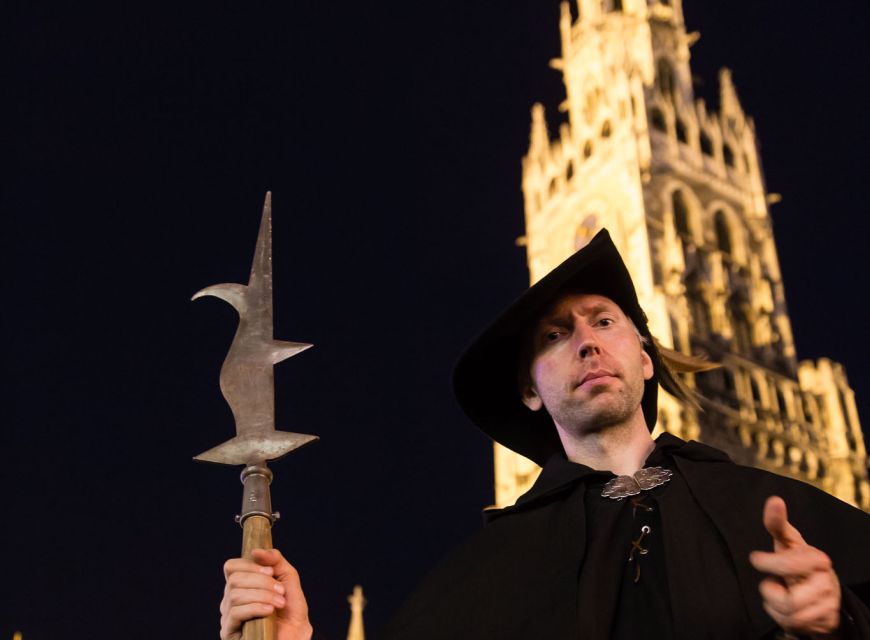
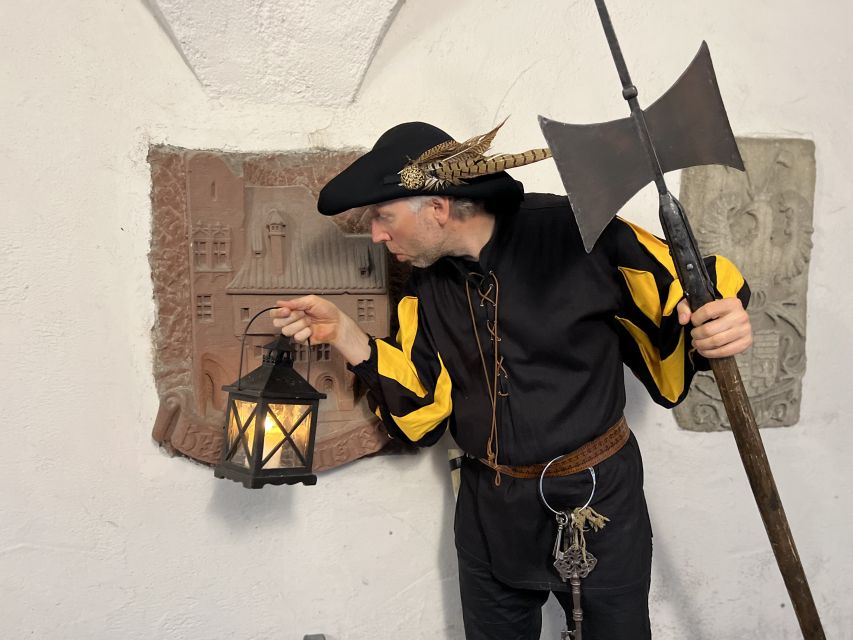
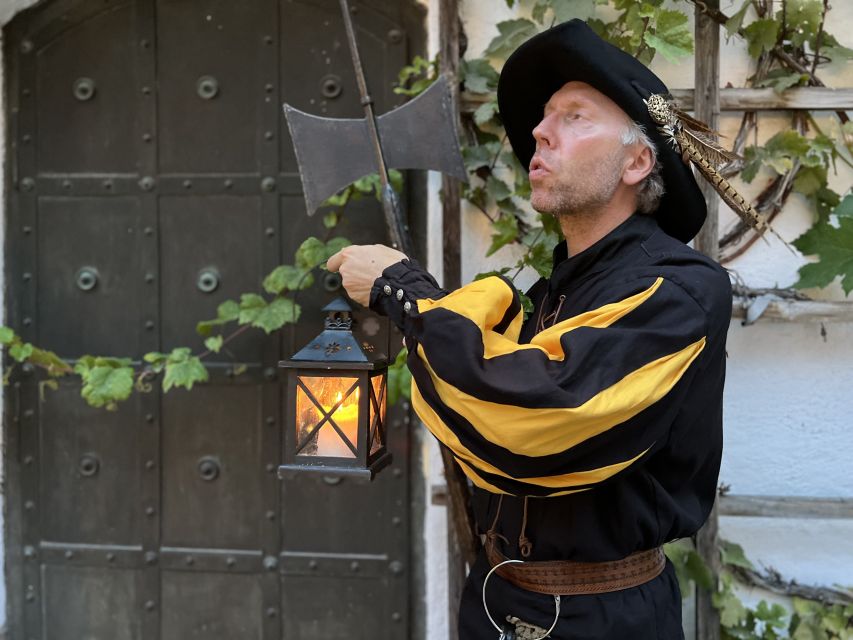
- Costumed night watchman guide with medieval garb and a theatrical style
- Hidden alleyways and dark corners that you typically walk past
- Churchyard and tower stories tied to specific monuments and names
- Dark humor mixed with local facts, including saints and city legends
- 1.5 hours of late-evening atmosphere, without food or drinks
Why a Night Watchman Tour Fits Munich After Dark
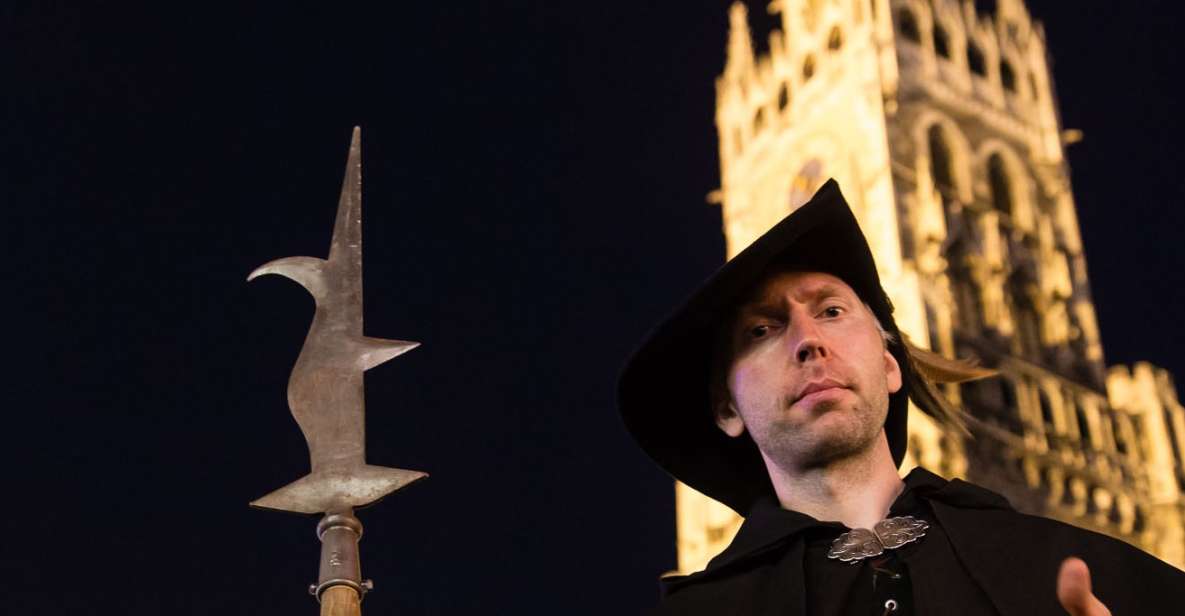
Munich is known for big squares and clean lines, but the medieval parts feel more dramatic at night. A lantern-carrying night watchman changes the pacing fast: you stop rushing, and you start noticing doorways, tower angles, and cramped lanes.
What makes this experience work is the character. The night watchman is more than a “point-and-tell” guide; he acts like a nighttime official who must keep order when people sleep. That gives the whole walk a purpose, even when the stories veer into ghostly territory.
You can also read our reviews of more walking tours in Munich
Price and Group Value: $530 for Up to 30 People
The price is $530 per group, with room for up to 30. That’s not cheap per person if you’re traveling solo, but it can be smart value if you’re splitting it among friends or a small group.
Think of it this way: you’re paying for a live, costumed guide for a set stretch of old town, plus a scripted set of stops that covers towers, prisons, palaces, and church legends in just 1.5 hours. If you’re the kind of traveler who likes stories tied to exact places, the format usually feels worth it.
If you’re traveling as a family or a group of friends, it’s one of those “pay once, learn together” tours. If you want a low-cost solo option, you might prefer something with per-person pricing instead.
Where You Meet and How the Tour Starts
The meeting point can vary depending on the option you book. That means you’ll want to confirm your specific start location when you reserve, then arrive a few minutes early so you don’t end up chasing a costumed guide through side streets.
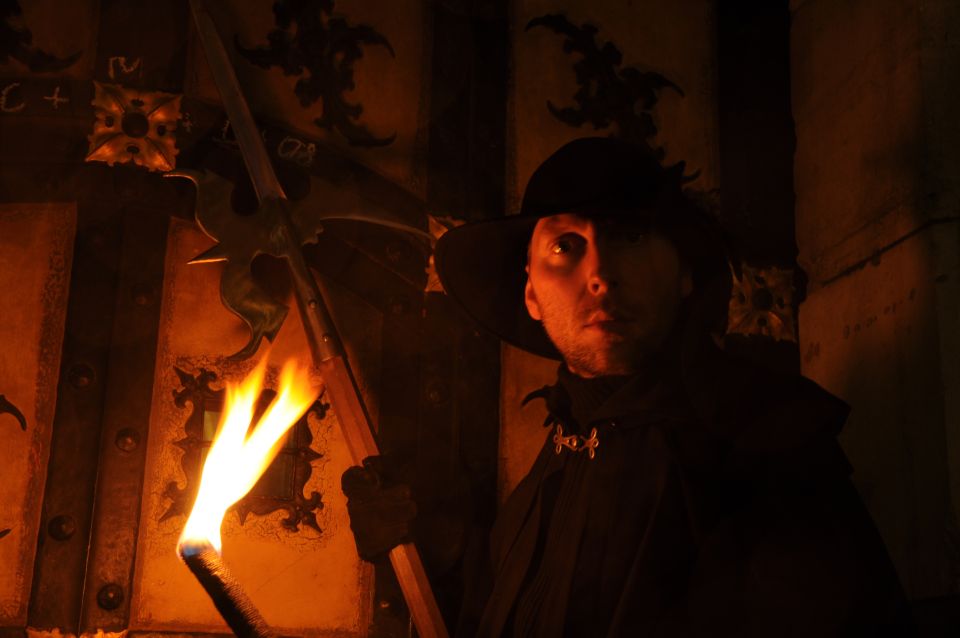
Once you start, you’re guided through Munich with the night watchman acting like your host. He also sets a mood: law-abiding citizens are in bed after 21:00, so the tour leans into the idea of the city belonging to night rounds rather than nightlife.
Marktplatz and the Night Watchman’s Rules for the City
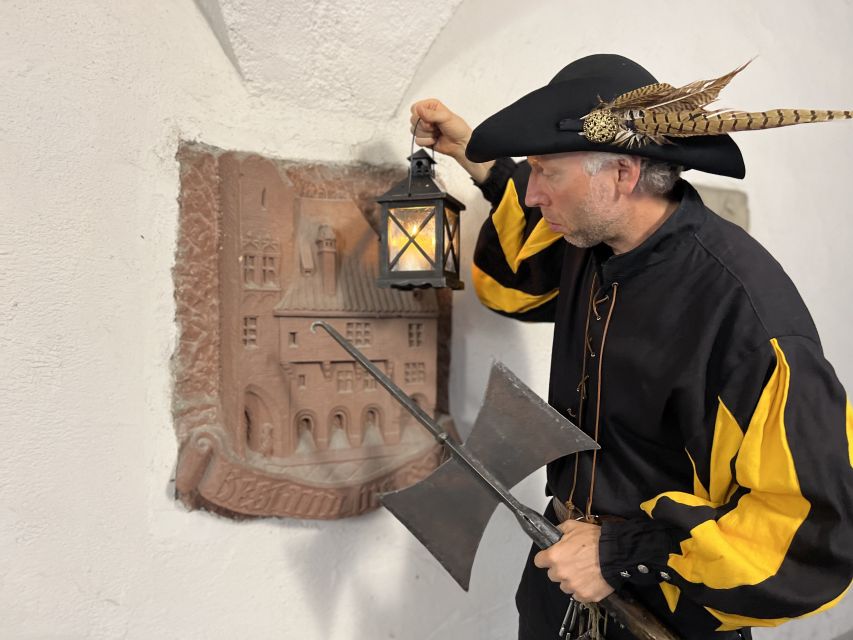
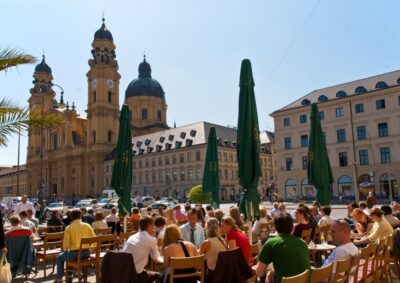
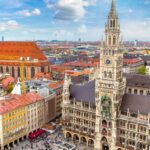
You begin around Marktplatz, where the night watchman shepherds his flock. It’s a good opening point because it places you right in the center of the old town flow, then quickly pulls you away from wide avenues.
This is also where you learn the “job” behind the character. When people sleep, the night watchman still has to maintain peace and order in alleyways and darkened corners. That framing helps you connect the later stops—prisons, churchyards, tower symbols—with the same idea: safety, authority, and survival in a city built long before streetlights.
The guide’s personality is part of the value. He scolds when you don’t know about patron saints, but he’s also ready with answers when the questions turn funny and practical, like why Munich has so many taps. His answer is basically: for the beer.
St. Peter’s Church: Towers, Angles, and the Local Explanation
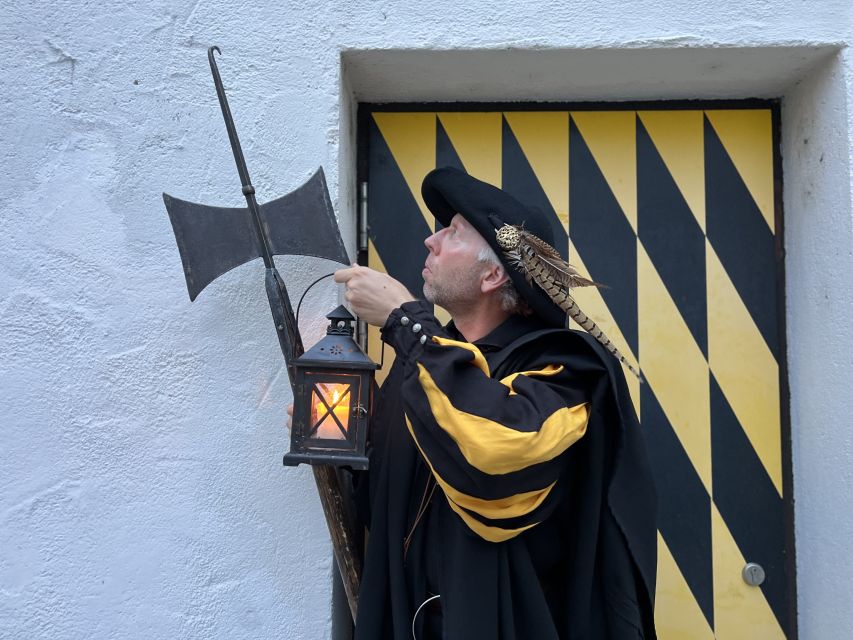
From Marktplatz, you head to St. Peter’s Church. The tour includes a chance to look up at the tops of the towers, and the guide explains why they stand askew.
That one detail is more useful than it sounds. When a building looks “wrong” at first glance, it forces you to slow down and ask what’s going on—construction limits, repairs, or changes over time. The guide’s explanation gives you a reason to look closer, not just a photo moment.
If you like architecture but hate generic explanations, this stop is a strong match. You’re not just told that the towers exist; you’re guided to see the angle and learn why it matters.
You can also read our reviews of more evening experiences in Munich

Churchyard Stories: Gravestones, Customs, and Cautions
Next comes the old churchyard, where you hear stories from the gravestones. The tone stays in the world of the night watchman: funeral customs, epitaphs, decomposing corpses, and even missing church pews enter the conversation.
This part can feel heavy, but it’s also the tour’s best “place-to-story” connection. You’re standing where memorials were meant to outlast a person, so the guide turns names and symbols into something you can actually picture.
If you’re sensitive to darker themes, this is the section where you’ll feel it most. If you’re the type who enjoys historical reality without polishing, you’ll probably like how blunt and specific the stories can get.
Altes Rathaus and Salzstraße: When a Stadttor Complains
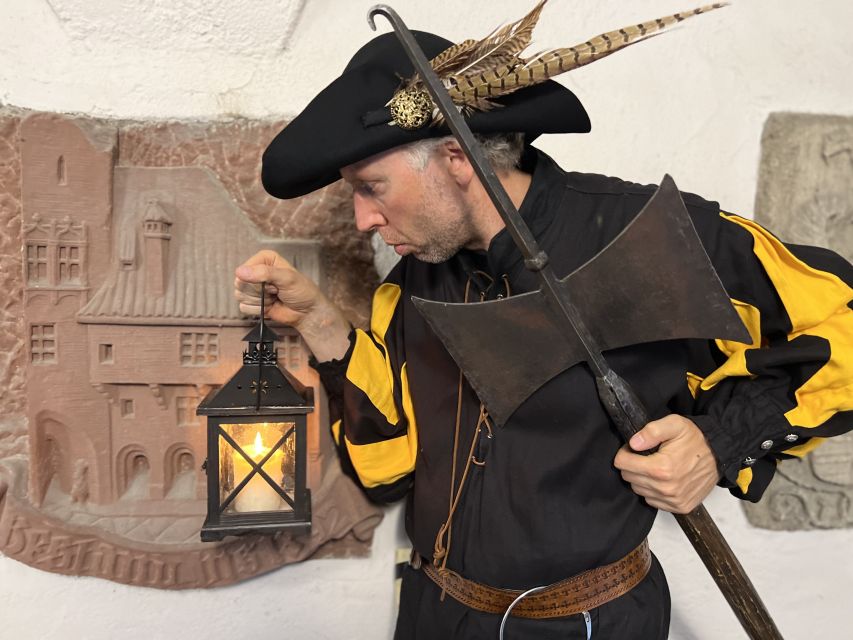
The tour moves to the Altes Rathaus on historic Salzstraße. Here, the old Stadttor comes to life and complains about its rebuilding in the 1970s.
That’s a fun twist, and it also teaches you something practical: cities keep changing, even when they seem frozen behind old stone. Hearing the Stadttor “complain” is theater, but the idea is real—restoration and modernization leave fingerprints on the past you’re trying to understand.
Then comes a moment where piety gets questioned. The guide brings up patron saints Onuphrius and Henry the Lion, who are said to protect people from sudden death. Even if you’re not religious, the way the guide links belief, fear, and everyday life helps you read old Munich in context.
Prison-to-Alter Hof: Torture Chamber, Louis II, and Wittelsbach Roots
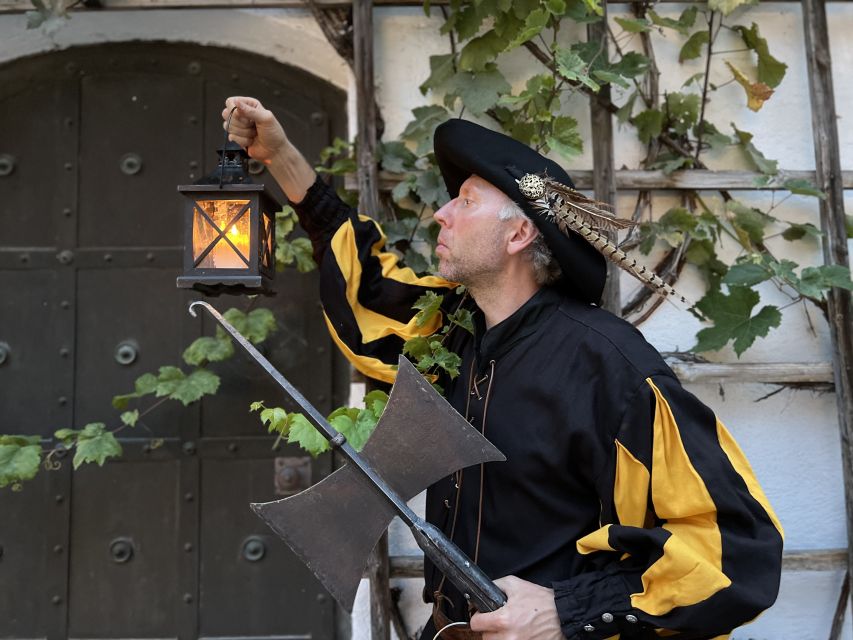
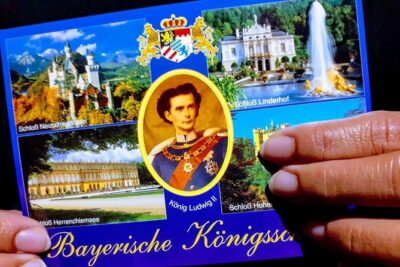
You continue past a torture chamber and prison, then move on toward the Alter Hof, built by Louis II. The night watchman explains why Louis II was seen as harsh and how the House of Wittelsbach came to Munich.
This sequence gives you a clear path from institutions of punishment to the seat of power. It also helps explain why palaces and authority felt entwined with control back then.
You’ll also hear where the name Zwingerstock comes from. That kind of detail is exactly what makes walking tours useful: you’re not just learning broad strokes, you’re collecting the small words and names that locals used to describe real places.
Following the City Walls from the 12th Century
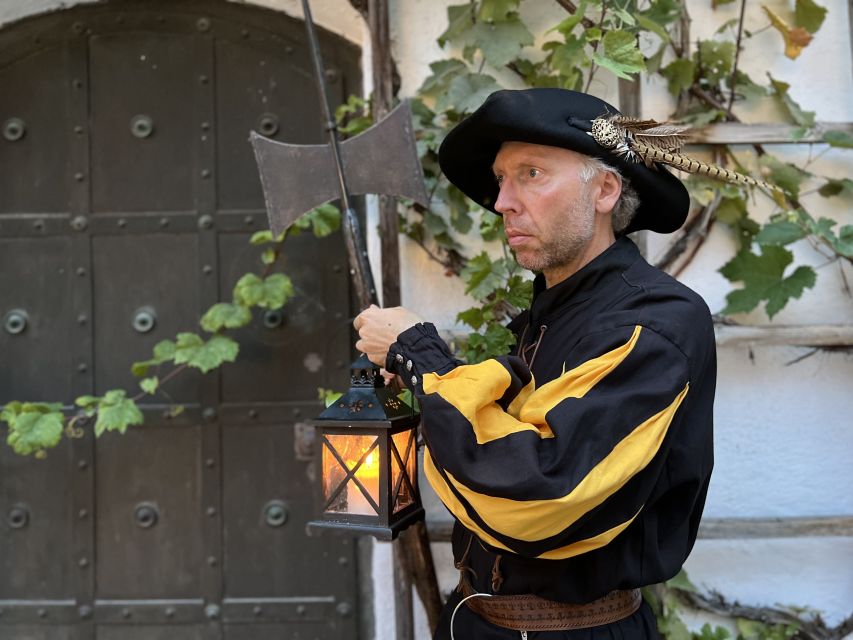
Next, you follow the city walls from the 12th century. The walk includes heading west from Wasserburg, keeping the motion focused rather than turning the night into a wandering stroll.
This is a great part if you like the sense of boundaries. Walls tell you how a city understood safety and expansion. At night, you can also imagine how dark lanes and gates would feel—places where movement needed permission.
It’s not just about distance covered. It’s about linking Munich’s geography to how people lived, traveled, and feared the unknown.
Gruftgasse and the Story of Waller in Walchensee
At Gruftgasse, you hear Alois tell a spooky story about Waller in Walchensee, featuring a young lady and a golden ring. This stop works because it gives a narrative thread that’s separate from the political and architectural stops.
Legends like this are often what make a walking tour stick in your memory. It’s not a textbook lesson; it’s a mood. And because the story is tied to a specific lane, you’ll be able to point to where it happened when you replay it later.
If you like old-world storytelling, you’ll probably feel like you’re borrowing a piece of Munich’s folklore for the evening.
Schäfflergasse: Wine Instead of Beer in the Middle Ages
Then comes Schäfflergasse, where you learn why wine was the drink of choice in the Middle Ages, rather than beer.
This is the kind of information that changes how you think about a city. Munich is famous today for beer culture, so the idea of wine taking center stage earlier makes you reconsider what “tradition” really means: it evolves with trade, habits, and local life.
Even if you already knew Munich for beer, this stop adds a second layer. It’s a reminder that historical diets and drink preferences were shaped by practical forces, not brand identity.
Frauenkirche and the Two Towers: Symbols You’ll Notice Upward
At the cathedral, you set your sights higher to the two towers of the Frauenkirche. The guide frames them as symbols of the city, and the stop encourages you to look upward instead of just scanning shopfronts.
Then you hear about a rich widow’s epitaph and Fanny von Ickstatt’s unlucky fall from the north tower of the Frauenkirche. Those stories are dramatic, but they also connect you directly to how people used monuments to communicate status, memory, and warning.
If you’re the type who likes historical human stories, this section lands well. It’s not only rulers and structures; it’s individual lives caught in a city’s architecture.
Promenadeplatz, Salzstadel, and Palaces Built for Mistresses
The tour heads to Promenadeplatz with the old Salzstadel (salt warehouse) in view. From there, you pass Palais Porcia and Palais Holstein, with the night watchman explaining the story of Karl Albrecht and why he built palaces for his mistress.
This is an eye-opening angle on power. In many cities, romantic scandals stay behind closed doors; here, it shows up in buildings you can still walk past. You learn that architecture can be both political messaging and personal decision-making.
This portion also helps you keep time. Once you reach Promenadeplatz, you feel like you’re in the last stretch of the route, but the guide keeps adding story turns so the evening doesn’t feel like a single long lecture.
Salvatorkirche and Theatinerkreuzgang: Love, Loss, and the Host Story
At the Salvatorkirche, the night watchman covers an enormous host desecration and also tells a love story about Henriette Adelaide, consort of electoral prince Ferdinand Maria. The tour continues at the Theatinerkreuzgang, where you hear how the long-awaited heir was born after 10 years, leading to the building of the Theatine Church.
That sequence ties together personal life and public architecture. It also shows how the city’s religious events weren’t isolated from politics and family drama.
If you like church history but wish it came with character rather than solemn lectures, you’ll probably enjoy this part. It’s story-driven while still anchored to named places you can revisit after the walk.
The Walk’s Final Beat: Back Into the Night
At the end, the night watchman lets his herd loose into the night to continue his rounds. It’s a theatrical closing that matches the whole approach: you’re not just learning about the past, you’re entering the night-time mindset of Munich’s old town.
By the time you’re done, you’ll likely see the same streets differently. Even if you return to the city center for dinner afterward, the alleys and towers won’t look like generic scenery anymore.
Who This Tour Is Best For
I’d put this tour on your shortlist if you like:
- Story-led walking tours tied to specific monuments
- Evening atmospheres where the city feels slower and stranger
- Old town history you can remember because it comes with names and scenes
You might skip it if you prefer quiet sights over spoken narrative, or if you don’t enjoy darker historical topics like prison and graveyard stories.
Should You Book This Munich Night Watchman Tour?
Book it if you want a fun, animated way to see Munich’s old town with sharp details, not just landmarks. The costumed guide format makes the walk feel alive, and the stop selection covers towers, churches, prison sites, and palaces in a tight 1.5-hour route.
Skip it if your ideal tour is mostly photos and minimal talking. This one is built around a character who tells stories with edge—fun, historical, and sometimes grim.
If you do book, wear comfortable shoes and plan for a nighttime walk. Bring curiosity. You’ll leave with a mental map of Munich that looks nothing like the city you saw at noon.
FAQ
How long is the Munich night watchman walking tour?
The tour lasts 1.5 hours.
Where does the tour start?
The meeting point may vary depending on the option you book, so check the specific start location for your reservation.
What languages are available?
The live tour guide offers German and English.
Is food or drinks included?
No. Food and drinks are not included.
Is the tour wheelchair accessible?
Yes, the tour is wheelchair accessible.
Is this a private tour?
Private group options are available.
Can I cancel for a full refund?
Yes. You can cancel up to 24 hours in advance for a full refund.
Can I reserve and pay later?
Yes. You can book your spot and pay nothing today.