REVIEW · MUNICH
Munich: Walking tour of the old town with all your senses
Book on GetYourGuide →Operated by Adventure World Tours · Bookable on GetYourGuide
Munich has secrets you can feel. This walking tour of the old town turns big sights into something personal, with stories, small surprises, and a focus on all your senses from the first step. You start in a prime spot at Marienplatz, and the guide’s mix of history and modern Munich charm keeps the walk moving and fun.
I especially like the way you get both the famous buildings and the everyday side of the city. The stop at Viktualienmarkt is where traditions and Munich’s food and drink culture turn into real-life context, not just facts on a sign. One possible drawback: tap water is included, but one participant wanted paper cups instead of whatever is used in practice to avoid extra plastic—so think ahead if you’re picky about that.
In This Review
- Key highlights worth your attention
- Marienplatz to the New Town Hall: the walk starts with a sound
- Unequal height towers and eight church clocks: why you’ll keep looking up
- White gold and Munich traditions: the city’s older habits made clear
- Viktualienmarkt and Munich food/drink culture: where the walking turns tasty
- Teufeltritt legend and the “don’t read this in a guidebook” stories
- What makes the 2-hour pace work (and when it won’t)
- Private group value: $227 per group up to 10 people
- Who should book this Munich old town walk
- Should you book this Munich old town tour?
- FAQ
- Where does the tour start?
- Where does the tour end?
- How long is the walking tour?
- What language is the live tour guide?
- Is this a private group tour?
- What is included in the price?
- What is not included?
- How much does it cost?
- Is free cancellation available?
- Is there a reserve and pay later option?
Key highlights worth your attention
- Marienplatz meet-up at the New Town Hall carillon tower, right in the thick of Munich’s central story
- Unequal towers and the puzzle of eight church clocks, explained in a way that makes you look up
- White gold: a local term tied into the city’s older wealth and customs
- Teufeltritt legend: Munich’s dark little story angle, folded into the walk
- Viktualienmarkt with insider knowledge on food and drink culture
- Funny anecdotes and even celebrity-style stories that you won’t find in most guidebooks
Marienplatz to the New Town Hall: the walk starts with a sound
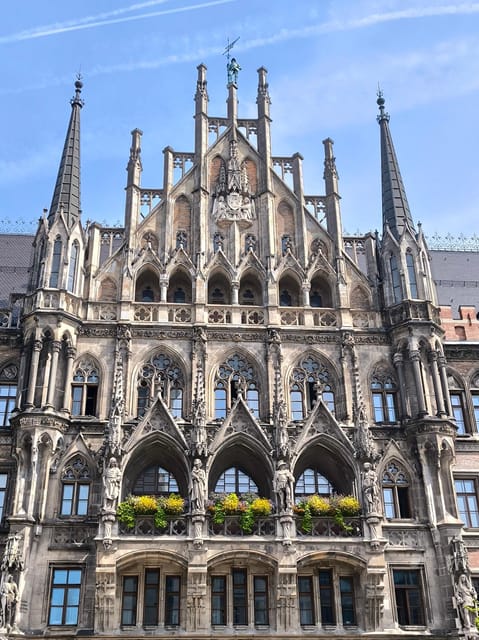
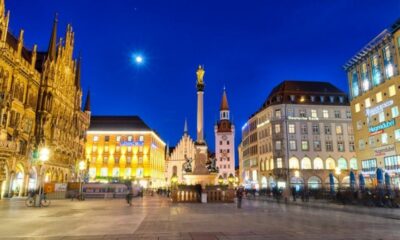
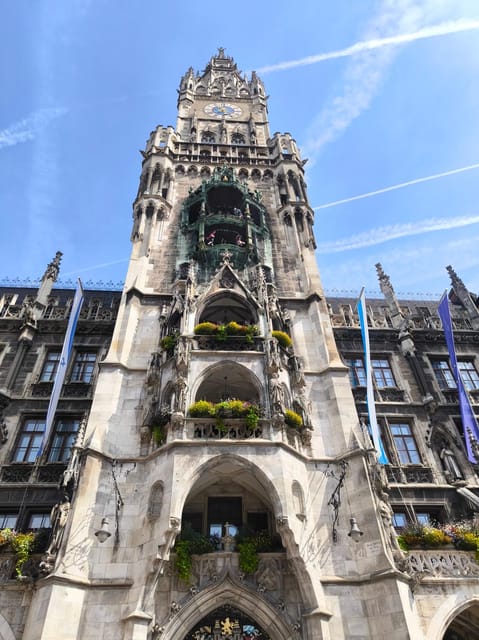
The tour begins at Marienplatz 8, by the carillon tower of the New Town Hall (downstairs at the entrance). That setting matters. Marienplatz is where Munich feels like a capital city—open square, major landmarks, and constant motion. Starting here means you get bearings fast, and you’re surrounded by the architecture the guide will reference all through the walk.
From the start, expect more than “look at that building.” The guide connects sights to habits and local explanations, mixing history with small modern observations. The goal is simple: you should walk away feeling like you understand how Munich talks to itself—through public space, sound, timing, and traditions.
If you love stories, this is where it kicks off. The guide uses humor and short, memorable anecdotes to keep the walk from turning into a lecture. One guide name—Fabi—popped up in standout feedback for delivering a tour that people clearly loved. Even if you don’t have the same guide, the style is the same: playful, organized, and built for walking pace.
You can also read our reviews of more walking tours in Munich



Unequal height towers and eight church clocks: why you’ll keep looking up
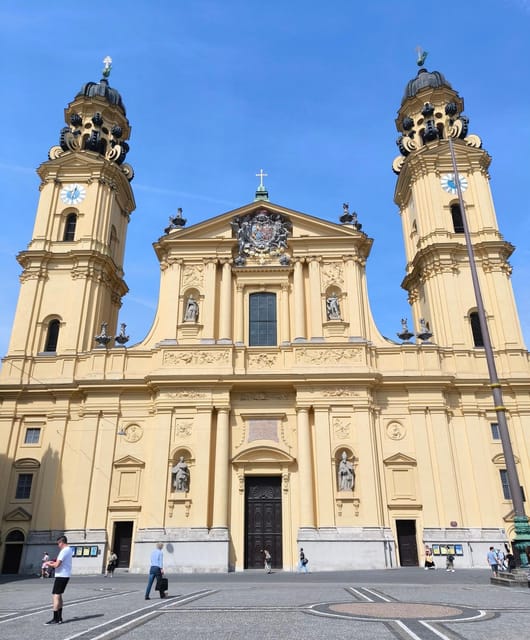
Munich’s old town has a “topography of details.” You can’t help noticing the rooflines, towers, and church façades—especially when someone points out what’s odd and why it stayed odd. This tour focuses on exactly those details, including the idea of towers of unequal height and the mystery around the eight church clocks.
Here’s what that means for you on the street. You’ll spend less time staring at your phone and more time scanning the skyline, because the guide turns architectural quirks into questions: Why would people build things this way? Why do multiple clocks matter? What did locals use them for? You don’t need a background in history. The guide frames it so the questions make sense in plain language.
The eight-clock angle is particularly good for getting your brain engaged. Instead of treating churches as photo backdrops, you’ll start thinking like an observer from the old town era—someone noticing time, rhythm, and how the city regulated daily life. It’s the kind of stop where you’ll be glad you brought comfortable shoes, because you’ll be pausing often.
White gold and Munich traditions: the city’s older habits made clear
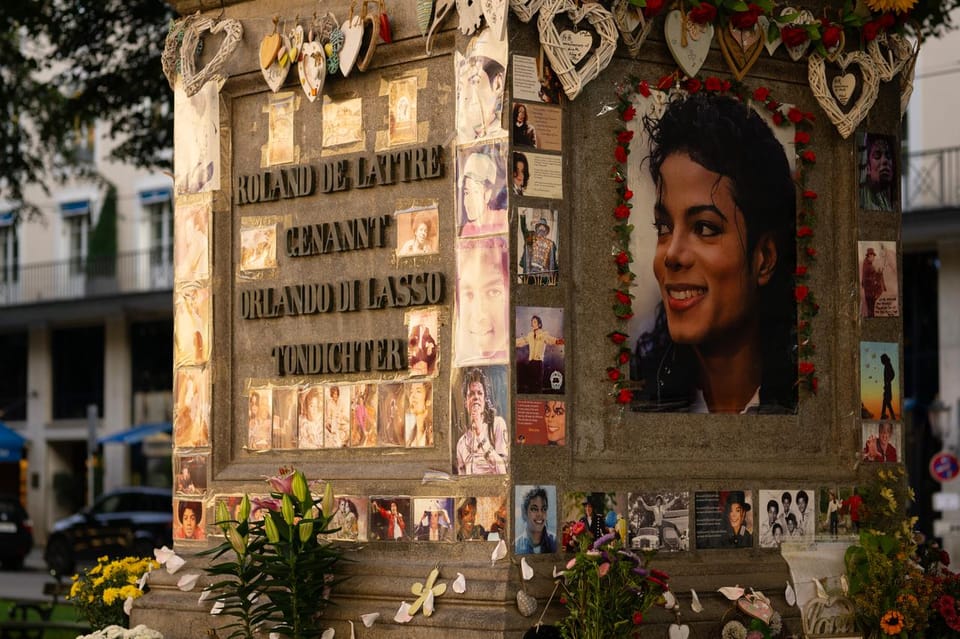
The walk doesn’t stick only to “monuments and churches.” A big part of the experience is Munich traditions, including what the guide calls the city’s “white gold.” The phrase alone is intriguing, and the value here is not the term—it’s what you learn behind it: how something valuable shaped routines and identity.
You’ll also get explanations that connect tradition to everyday life today. That’s important because Munich’s old town can feel like a museum if you approach it the wrong way. This tour keeps yanking you back to the living city: the customs, the social side, the reasons people gather where they gather.
In practice, the guide’s approach is hands-on storytelling. You’ll get funny anecdotes—some tied to historical moments, others tied to modern references the city is known for. The tour promises you’ll hear unusual stories, including celebrity-related bits, and it delivers that “I’ve never heard that before” feeling without making it weird or random.
Viktualienmarkt and Munich food/drink culture: where the walking turns tasty
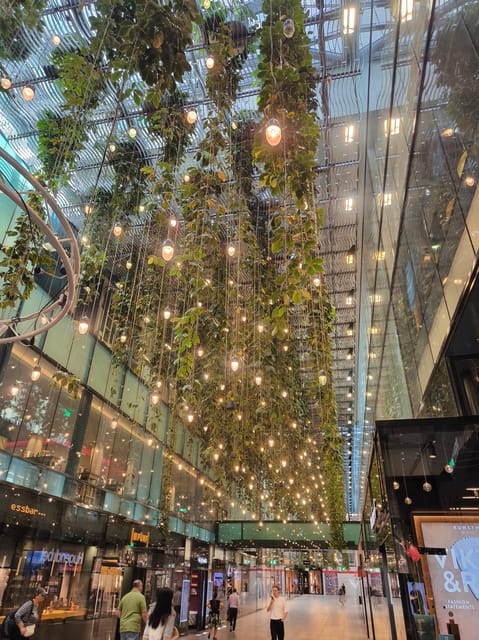
If you want one stop that makes this tour feel practical, it’s the visit around Viktualienmarkt. The market area is legendary, and on this walk it’s not treated like a quick photo stop. You get insider knowledge and context for why the market matters, plus entertaining facts about Munich’s food and drink culture.
Why this is worth your time: walking tours often point at food and say, “Try something.” This one gives you enough background to make sense of what you’re seeing. You understand what locals care about and how traditions show up in what people buy and eat.
Also, this is where “with all your senses” becomes real. Even if you aren’t doing a full-on tasting plan, the market environment pulls you into smell, color, and the sound of everyday conversations. It’s a different kind of learning than reading a plaque. You’re learning how a place works by watching it operate.
One practical note: the tour includes tap water. That’s a nice detail for a 2-hour walk, especially if you’re using it as a reset between other sightseeing plans. Still, given that a participant wished for paper cups to reduce plastic, you might want to plan your own preference if you’re sensitive about packaging or what’s used to serve it.
Teufeltritt legend and the “don’t read this in a guidebook” stories
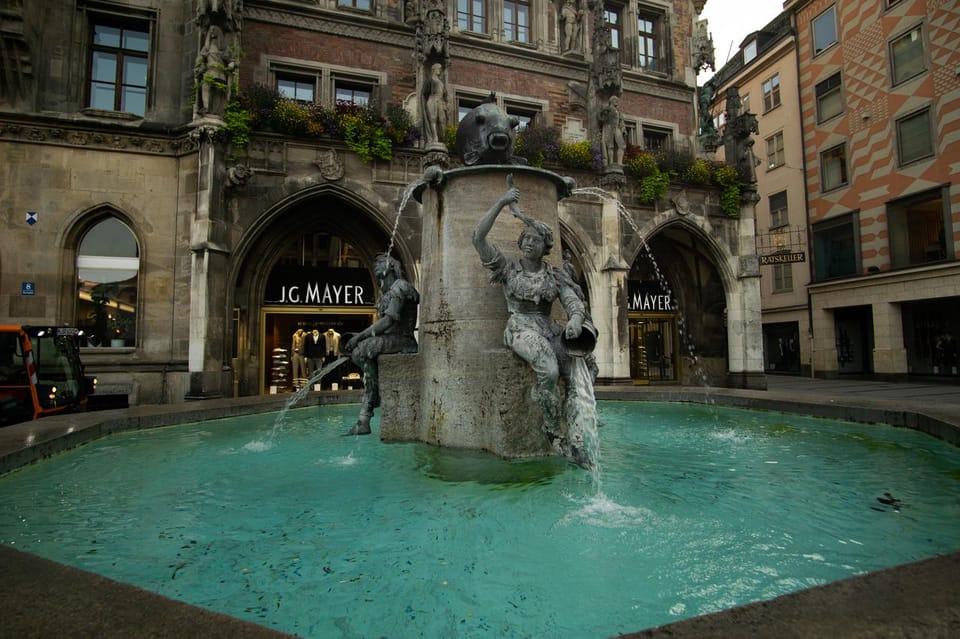
Every good city walk has an emotional memory, and this one leans into legends and surprise stories. You’ll hear about the Teufeltritt legend, plus other unusual tales that connect the old town to character and myth.
Legends like this matter because they reveal what communities were afraid of, proud of, or obsessed with. They also show how history sticks in street-level culture. When the guide explains the Teufeltritt story in the context of the walk, it changes the feel of the surrounding buildings. They stop being scenery and start being part of a narrative people passed down.
The guide also includes what the tour description calls celebrity stories and funny anecdotes you’re likely to miss elsewhere. You’ll get enough humor to keep the walk light, but not so much that you lose the thread. The best part is how these stories link back to the city’s identity—Munich as a place with manners, with humor, and with serious traditions hiding in plain sight.





What makes the 2-hour pace work (and when it won’t)
This tour lasts 2 hours, and the structure is built for momentum. That matters in Munich, where the city center rewards short windows. A long tour can feel exhausting, and a short one can feel rushed. Two hours is a sweet spot for the old town: enough time for landmarks, legends, and market context, but not so long that you’re worn out before you finish.
Because it’s a walking tour with lots of stop-and-go storytelling, you’ll want to wear shoes you can move in for a couple of hours without thinking. You also may find yourself looking up a lot—towers, clocks, church details. So don’t plan a heavy climb afterward the same day.
If you’re traveling with very small kids, or you’re dealing with mobility limits, you might need to think twice. The tour type is a private group walking experience, but the tour format itself still assumes you can walk and pause frequently.
Private group value: $227 per group up to 10 people
The price is $227 per group up to 10 people for the 2-hour walk. That means your actual cost per person depends entirely on group size.
- If you fill the group with close to 10 people, the math gets very attractive.
- If it’s just two of you, the per-person cost rises a lot, and it’s more of a treat than a bargain.
For value, I’d think in terms of what you’re buying: a trained local guide, a focused route through the old town, and guided context around the things people usually only skim—unequal towers, clock mysteries, traditions, and the market area. You’re not just seeing; you’re getting explanations designed for walking time.
The tour earns a strong overall score: 4.5 out of 5 across 51 reviews. That’s not a guarantee of your experience, but it signals consistent quality. One review specifically praised a guide named Fabi for making the tour perfect, and another gave high marks while flagging a small issue around water cups for reducing plastic.
Who should book this Munich old town walk
I’d book this if you want:
- A story-led old town walk that includes traditions and food culture, not just architecture
- A guide who uses humor and odd details to keep you engaged
- A route anchored around real central landmarks like Marienplatz and the New Town Hall carillon tower
- A 2-hour plan that fits neatly into a day of sightseeing
I’d think twice if you prefer:
- Purely factual tours with minimal personality
- A food experience that’s built around lots of paid tastings (this tour includes tap water, but “more drinks” are not included)
- A language you don’t read or speak, since the guide language is German
Should you book this Munich old town tour?
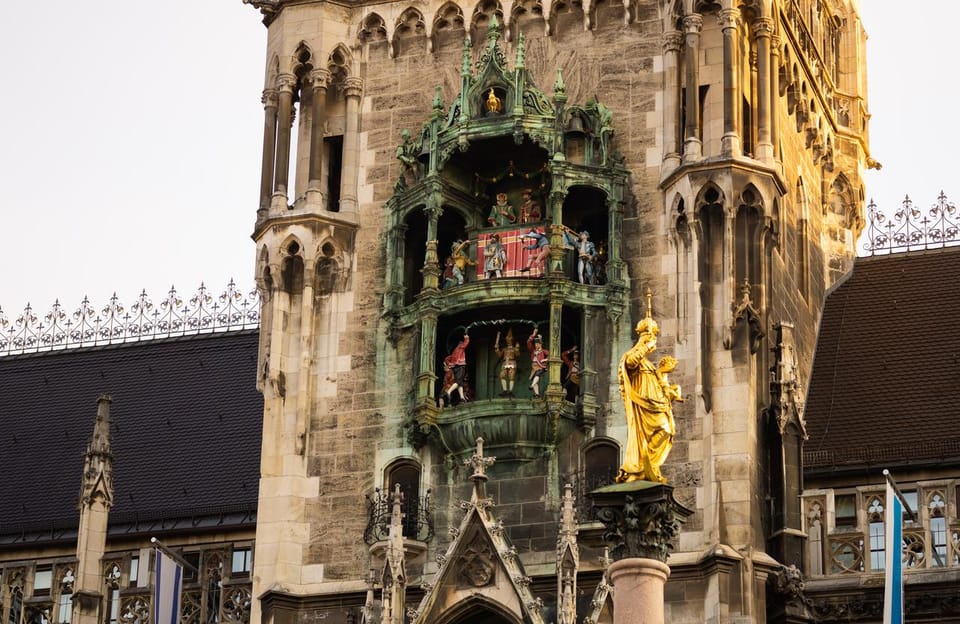
Yes, if you want a guided walk where the old town feels like a living place, not a photo set. The combination of Marienplatz energy, skyline details like unequal towers and the eight church clocks, tradition clues like “white gold,” and the market-area context at Viktualienmarkt makes this a strong “first connect” tour for Munich.
Also, the value can be excellent if your group size is close to the top end (up to 10). If you’re traveling solo or as a pair, it can still be worth it for the storytelling and guided focus—but treat it more like a personal experience than a budget move.
If you book, do yourself a favor: plan the rest of your day so you can stay flexible after the tour. You’ll likely want to go back to whatever parts you find yourself caring about most—because that’s what this kind of walk is designed to trigger.
FAQ
Where does the tour start?
The tour starts at Marienplatz 8, 80331 Munich, at the carillon tower of the New Town Hall (downstairs at the entrance).
Where does the tour end?
The activity ends back at the meeting point.
How long is the walking tour?
It lasts 2 hours.
What language is the live tour guide?
The live tour guide is in German.
Is this a private group tour?
Yes, it’s listed as a private group.
What is included in the price?
A guide trained by the provider with insider knowledge, a guided walking tour through the old town, small surprises, and tap water.
What is not included?
More drinks are not included.
How much does it cost?
It costs $227 per group up to 10 people.
Is free cancellation available?
Yes. You can cancel up to 24 hours in advance for a full refund.
Is there a reserve and pay later option?
Yes. You can reserve now and pay later, with no payment needed today.