REVIEW · MUNICH
Munich: Historical Walking Tour on the Rise of Hitler
Book on GetYourGuide →Operated by Munich Stories · Bookable on GetYourGuide
Munich’s streets have a dark underside. This historical walking tour follows the rise of Hitler through the squares and buildings that helped turn Munich into the Nazi movement’s center, keeping events in clear timeline order. You start right in the middle of it all at Marienplatz, then move along the city’s visible reminders of that era.
What I like most is the way Alex, a Munich local named Alex (young, born and raised in the city, with a long personal interest in the subject), connects places to meaning. I also like the delivery: serious topic, but not stiff. There’s room for questions, short pauses, and even a bit of humor, which makes the facts easier to hold without turning it into a lecture.
One thing to consider: the tour is in German. If you don’t follow German well, this is going to feel less rewarding.
In This Review
- Quick take: what makes this tour worth your time
- From Marienplatz to Nazi-era Munich: the pacing that helps
- Meet Alex: the local guide who turns buildings into context
- Why Munich mattered: the logic behind the rise
- What you’ll see: surviving Nazi-era buildings and altered public space
- Keeping it respectful and human: humor, questions, and pacing breaks
- Price and value: is $30 for 2.5 hours fair?
- Who should book this Munich historical walk
- Practical tips for a smoother walk in all weather
- Should you book this tour?
- FAQ
- How long is the tour?
- Where do I meet the guide?
- What does it cost?
- Is the tour guided?
- What language is the tour in?
- Does the tour run in bad weather?
- What should I bring?
- Is hotel pickup included?
- Is it wheelchair accessible?
- Can I cancel for a refund?
Quick take: what makes this tour worth your time
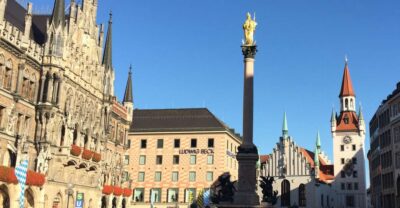
- Marienplatz as the starting anchor, right at the Marian Column with the small golden statue in the middle of the square
- Alex’s local perspective, shaped by growing up in Munich and studying how this rise happened
- Chronological storytelling, so events build logically instead of jumping around
- Nazi-era buildings and squares you can still see, including propaganda structures that survived the war
- A balanced tone that stays respectful while still allowing laughter and conversation
- Short breaks built in, so you don’t feel rushed through heavy material
From Marienplatz to Nazi-era Munich: the pacing that helps
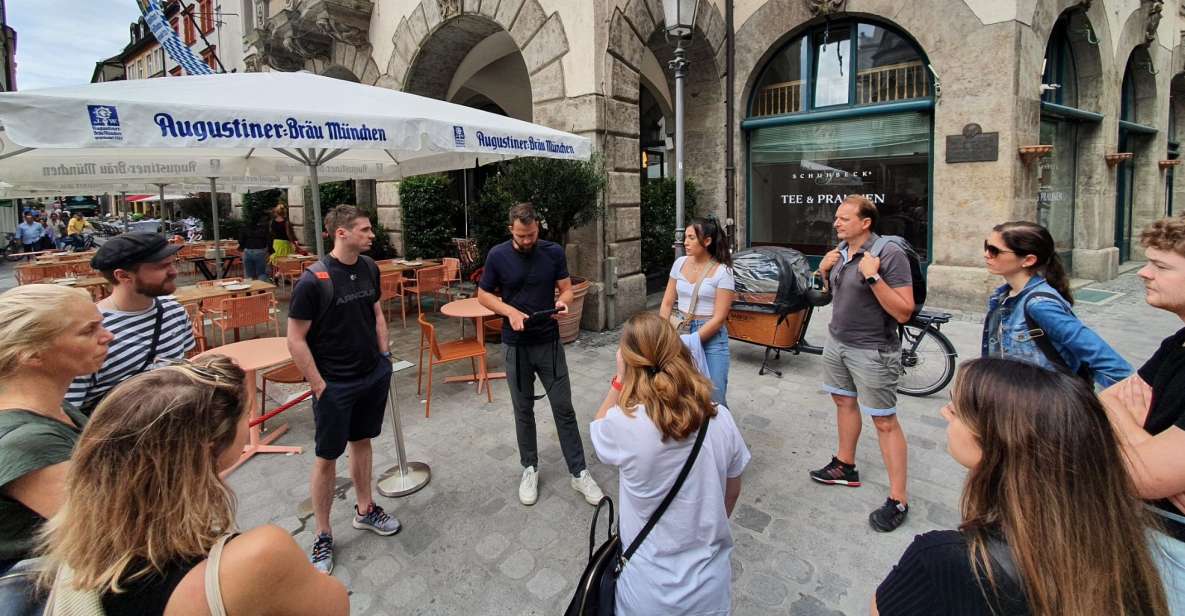
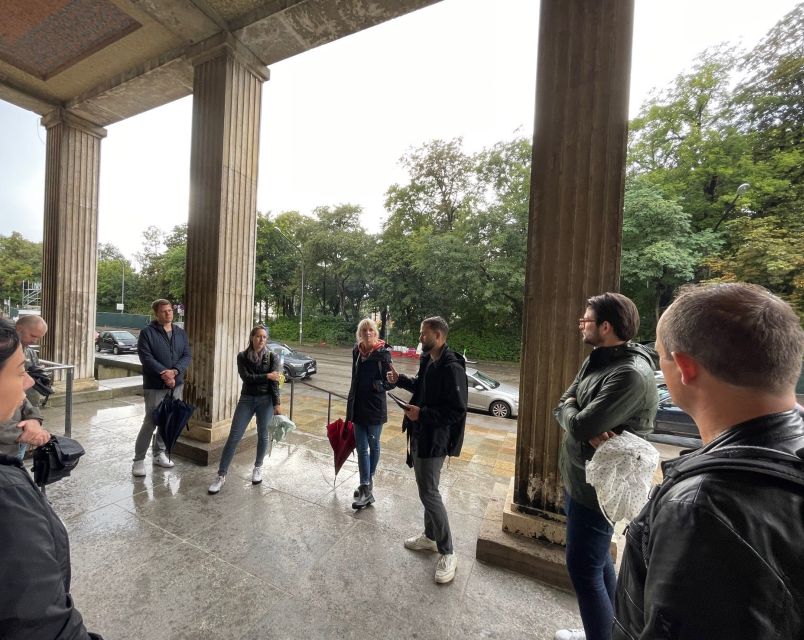
This tour is designed as a walk through cause and effect. You begin at Marienplatz, meeting Alex at the Marian Column (the big column with the small golden figure at the center). That location matters. It’s one of Munich’s most central, public spaces, which makes the history feel less like museum material and more like city life.
The pacing is chronological, which is a big deal with a topic like this. Instead of dropping you at scattered sites and hoping you connect the dots, the story moves in order. That means each square or building you pass has a clear job in the narrative: one is tied to early speeches, another to the Nazi parade culture, and others to how Munich was pulled into the movement’s public face. You end up with a map in your head, not just a list of stops.
The time commitment is also realistic. At 2.5 hours, you get enough walking to see the city’s structure and the architecture details that remain, without burning the whole day. With comfortable shoes, you can enjoy the streets and still have energy for the rest of your Munich plans.
One more practical note: the tour runs rain or shine. So plan your clothing like you would for any outdoor Munich walk—nothing fancy, just comfortable and weather-ready.
You can also read our reviews of more walking tours in Munich
Meet Alex: the local guide who turns buildings into context
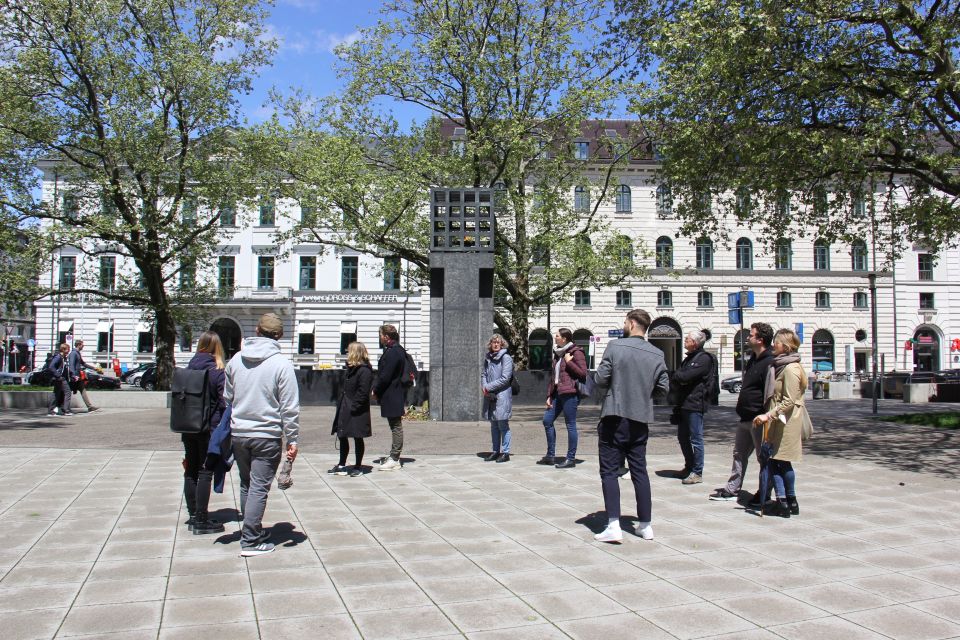
Alex is the heart of this experience. He’s not presenting history as a distant tragedy; he’s asking how a flourishing European city could become the setting where National Socialism took hold. That motivation comes through clearly: he’s been interested since youth, and he frames the tour around understanding—especially the question of how this inhuman dictatorship could destroy Europe within a few years.
What helps is that Alex’s tone seems built for real people, not just history buffs. The tour is designed so you do not have to be a professional to follow along. You’ll get context, not just names. And you’ll get a pace that supports questions, not shuts them down.
That’s part of why the experience is described as both informative and enjoyable. Alex treats guided touring like it should work in real life: you learn, you ask, you pause, you keep moving. Reviews also highlight that he’s thoughtful about giving people small breaks and staying responsive, which is especially valuable when the subject matter is heavy.
If you care about memory culture—how a city chooses to remember and what it chooses to show—this is the kind of guide that explains not only what happened, but what it means to walk past reminders today.
Why Munich mattered: the logic behind the rise
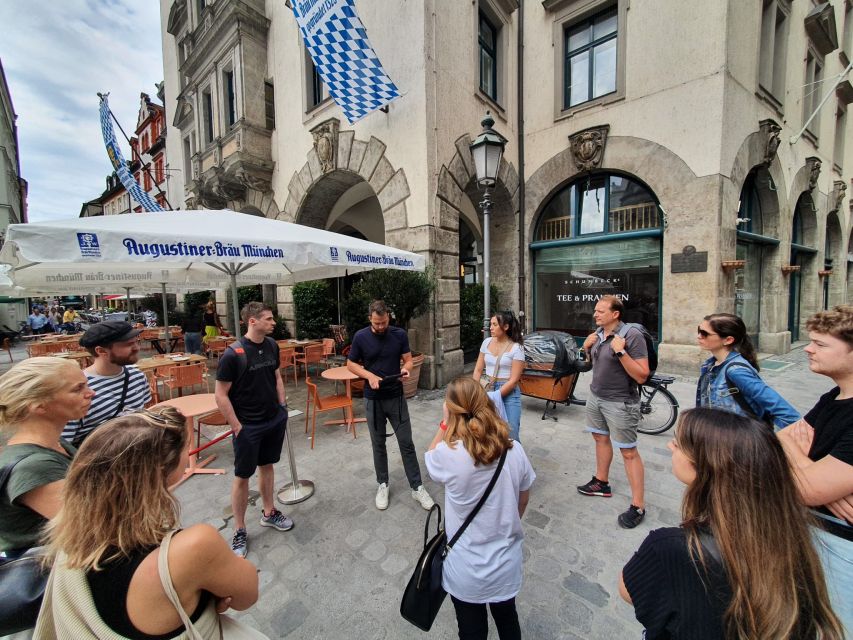
Munich is often remembered for art, culture, and a calm surface. This tour takes that pleasant image and challenges it. You’ll learn how Munich played a decisive role in the rise of the Nazis, including the idea that the movement gained momentum there and later received an honorary label tying the city to the Nazi cause.
The tour’s storyline centers on a few key ideas that stay consistent as you walk:
- Munich became a stage where Nazi messaging could take hold.
- Nazi leaders used public space—speeches, parades, and mass gatherings—to build authority and momentum.
- A building boom followed, leaving structures behind that the city still carries today.
One important thread is how quickly the atmosphere changed. The information you get isn’t just about ideology; it’s about the physical environment. Once the movement got traction, Munich’s public face shifted. Propaganda buildings were erected, and many survived the war unscathed. That survival is what makes this tour feel real. You’re not only learning about the past; you’re reading it in the present-day cityscape.
The tour also focuses on difficult questions. Not just what the Nazis did, but why a city like Munich became involved enough to host the movement’s major public moments. That’s the point of walking: you see how the city’s layout and architecture made gatherings, visibility, and messaging possible.
What you’ll see: surviving Nazi-era buildings and altered public space
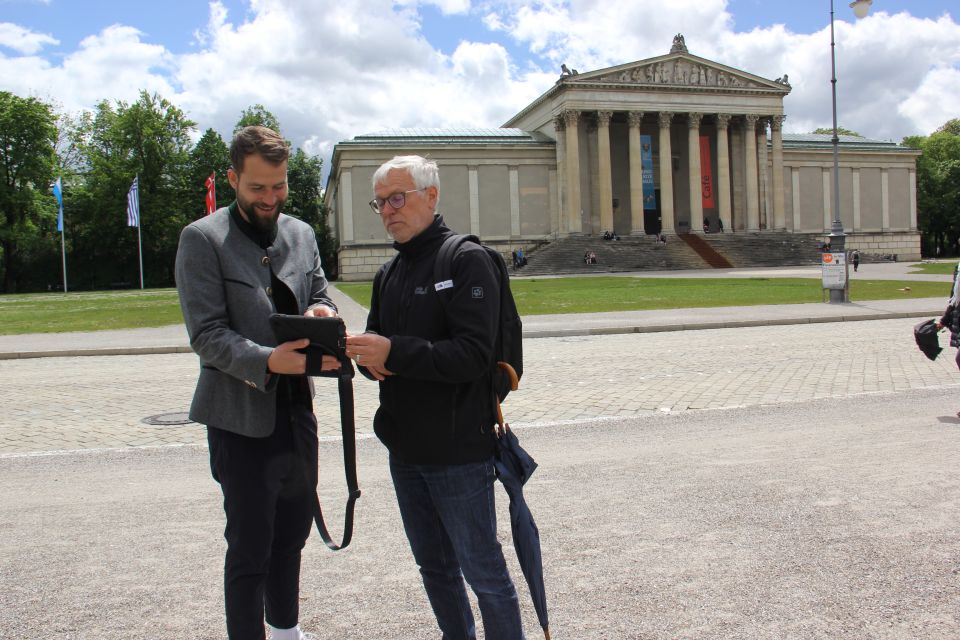
The stops are built around important buildings and squares connected to National Socialist activity. You’ll visit sites tied to how the Nazis used Munich for early public events, and you’ll see the kind of structures that were built specifically for the movement’s messaging.
You’re also told directly that some places weren’t just political stages. The tour includes spots where buildings were used in religious contexts or misused as places of worship. That matters, because it shows how the movement used familiar institutions and symbols to create legitimacy, not just spectacle.
Even without a long list of technical architectural terms, you get a practical visual experience. You’ll look at buildings and squares as silent witnesses. If so much propaganda architecture still stands, then you can’t understand Munich today without looking at what shaped it. That’s why the tour is worth doing on a first trip too: you start learning how the city’s past is literally built into the streets.
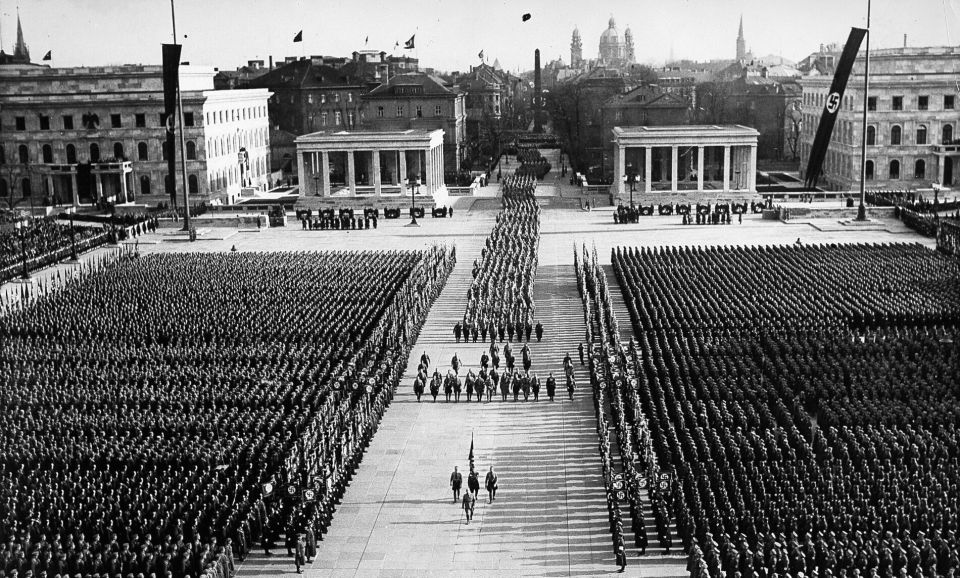
Another detail that helps: the tour highlights how Nazi parades and speeches were part of the public rhythm. You’ll learn how those events were staged and how Munich endured the bombing war that followed. Again, you’re not only hearing dates. You’re hearing why certain sites matter and why they still carry weight now.
Keeping it respectful and human: humor, questions, and pacing breaks
A topic like this can easily become either too clinical or too heavy. This tour avoids both extremes, partly thanks to Alex’s approach. He handles the subject seriously while still insisting that a guided tour should be fun in the sense that it stays engaging and human.
You also get the feeling that the tour is structured for understanding, not performance. Reviews mention Alex responding to questions and inserting short pauses. That’s more than comfort. It improves learning. When you can breathe, ask, and process, the story sticks better.
And yes, there’s humor. But it’s described as laughter that supports conversation, not laughter that trivializes events. That line is hard to walk, and it’s a big reason this tour gets high marks. It shows that you can talk about dark history without making it emotionally numb or emotionally overwhelming.
If you’re the type of person who prefers facts plus interpretation, this tour’s tone fits. You’re not just being told what happened. You’re being guided through meaning—why Munich’s role mattered, how the built environment supported the movement, and how the city carried those reminders through the war and after.
You can also read our reviews of more historical tours in Munich



Price and value: is $30 for 2.5 hours fair?
At $30 per person for a 2.5-hour guided walk, this is priced like a focused city tour rather than a museum deep dive. The value comes from two things you actually get:
- A full guided format with Alex, a local guide who knows Munich and the subject well enough to explain the connections clearly.
- Personal recommendations to explore Munich like a local.
Those recommendations matter more than you might think. When you leave a history walk with a few tailored ideas for where to go next, you stretch the day. You don’t just complete the tour—you build a better itinerary around it.
If you’re price-sensitive, look at what you’re buying: not a quick photo stop, but a guided narrative through key public spaces and surviving Nazi-era architecture, plus time for questions. For many people, that’s a fair trade for a half-day chunk of time.
Who should book this Munich historical walk
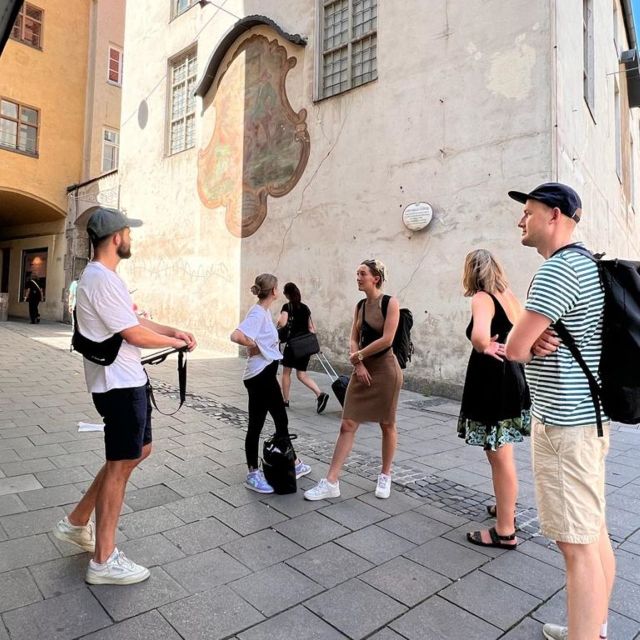
This tour is a strong match for you if:
- You want political history connected to real street-level sites, not just reading about it.
- You like chronological stories that help you understand how events link together.
- You’re comfortable with serious subject matter, delivered in a respectful and conversational style.
- You want a guide who can answer questions and keep the pace workable.
It may be less ideal if:
- You only speak basic German and expect the tour to be translated. The tour is German-language only.
- You need a light, purely sightseeing day. This walk is about National Socialism’s rise and how Munich became central to it.
Practical tips for a smoother walk in all weather
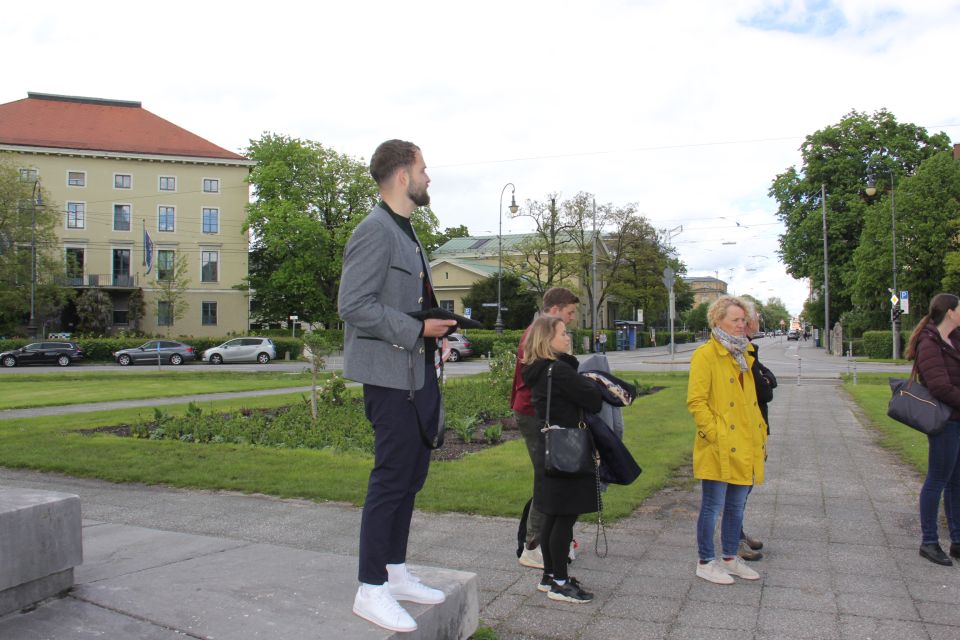
- Wear comfortable shoes. You’ll be moving through central Munich on foot.
- Dress for rain or shine. Bring a light layer or rain protection so you stay focused on the story, not on being cold or soaked.
- Bring your curiosity. The tour is set up for understanding, and questions are part of the flow.
- If you use a wheelchair, note that the experience is stated as wheelchair accessible. Still, wear-and-tear streets and sidewalks vary, so it helps to have patience and plan for slower turns through busy public areas.
Also, do yourself a favor: arrive a few minutes early at Marienplatz so you can find the Marian Column easily. It’s a busy square, and getting oriented fast keeps the tour starting smoothly.
Should you book this tour?
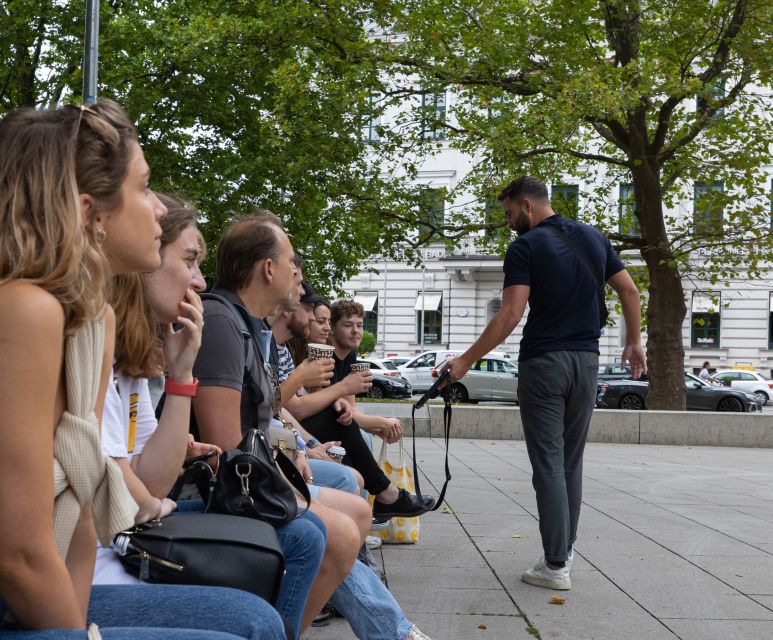
I think you should book it if you want Munich in context—seeing how the city’s calm surface and its buildings still carry traces of how National Socialism gained power. The guide, Alex, is the reason this works: local knowledge, a clear chronological structure, and an approach that’s serious without being grim or preachy.
Skip it only if the German-only format would block your understanding, or if you’re craving a relaxed, history-free walking day.
If you book, go in with one goal: notice what remains in Munich’s cityscape and listen for how the story ties those visible reminders to the events that made it possible.
FAQ
How long is the tour?
The tour lasts 2.5 hours.
Where do I meet the guide?
Meet at Marienplatz, at the Marian Column (the large column with the small golden statue in the middle of the square).
What does it cost?
The price is $30 per person.
Is the tour guided?
Yes. It is a live guided tour with Alex.
What language is the tour in?
The tour is conducted in German.
Does the tour run in bad weather?
Yes, it takes place rain or shine.
What should I bring?
Bring comfortable shoes for walking.
Is hotel pickup included?
No. Hotel pickup is not included.
Is it wheelchair accessible?
Yes, the tour is listed as wheelchair accessible.
Can I cancel for a refund?
Yes. Free cancellation is available up to 24 hours in advance for a full refund.