REVIEW · MUNICH
Full-Day Dachau Concentration Camp Memorial Site Tour from Munich
Book on Viator →Operated by InMunich Tours · Bookable on Viator
Dachau isn’t a casual sightseeing stop. This full-day tour from Munich links the camp’s brutal reality with the wider rise-and-fall story of the Third Reich, and you’ll walk the grounds with a guide instead of just reading plaques. I like how the day is organized, and how your guide highlights key places so they don’t blur together. The round-trip train and bus planning is also a big win when you’re starting in the center of Munich.
The one drawback is time at the memorial. Four hours on site is substantial, but if you want to read every exhibit slowly and linger in each space, you may feel it moves a bit fast.
In This Review
- Key takeaways before you go
- Dachau from Munich: a doable day trip with real structure
- Meeting at Marienplatz: start in the middle of it all
- Bahnhof Dachau and the bus route that echoes forced marches
- Inside the memorial grounds: Jourhaus, Appellplatz, and what the layout teaches
- Barracks, daily routine, and memorial spaces that add human scale
- Crematorium areas, mass graves, and the gas chamber stop
- How much time you actually have on site
- What’s included (and where the value comes from)
- Pace, walking, and what to bring for a smooth day
- Who should book this tour (and who should think twice)
- Should you book the Full-Day Dachau Memorial Site Tour from Munich?
- FAQ
- How long is the tour?
- Is the tour offered in English?
- What does the price include?
- Are food and drinks included?
- Can children join the tour?
- Is there luggage storage on the tour?
Key takeaways before you go
- Meeting point is dead easy: Marienplatz (in front of Ludwig Beck, Marienplatz 11) with your guide holding a white-and-blue umbrella.
- Public-transport day trip with purpose: You’ll take the train, then a bus that follows the prisoners’ forced-march route.
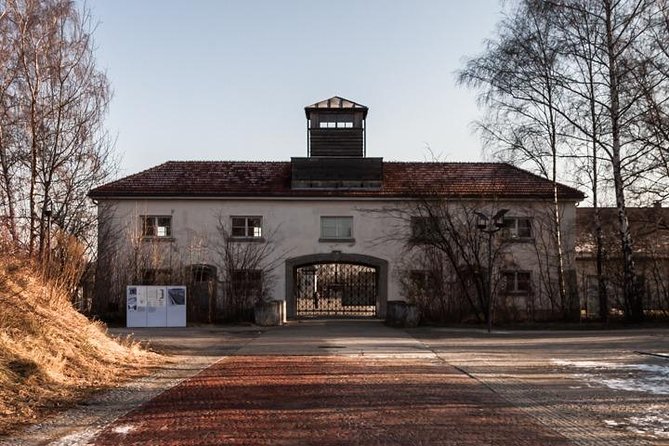
- You see the camp’s main layout: Jourhaus/entrance, roll call square Appellplatz, barracks areas, perimeter fence and guard towers.
- You get the museum context too: The Memorial Site Museum is built into a former maintenance building—useful for understanding what you’re walking past.
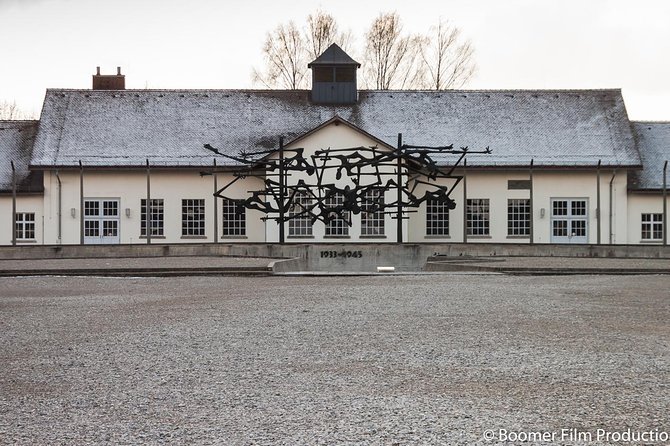
- Major memorial elements are included: International Memorial, religious memorials, Nandor Glid Sculpture, and Barrack X.
- Hard stops are part of the visit: You’ll also go to the two crematorium areas, mass graves, and the gas chamber.
Dachau from Munich: a doable day trip with real structure
Munich to Dachau is one of those trips that sounds simple on paper, and then you realize how much easier it is when someone else handles the flow. This tour is built around a smooth train-and-bus route from central Munich, so you’re not wrestling schedules or transfers mid-day.
What makes it worth doing as a guided tour is the way a good guide turns scattered details into a clear chain of cause and effect. You’ll hear how the camp opened, who the first prisoners were, how Dachau changed over time, and how prisoners were registered and categorized. That matters, because without context, it’s easy to see locations and still miss the pattern.
If you’re the kind of person who likes to understand what you’re looking at—rather than just marking off boxes—this format fits.
You can also read our reviews of more tours and experiences in Munich



Meeting at Marienplatz: start in the middle of it all
Your day starts at Marienplatz, at InMunich Tours’ meeting point in front of Ludwig Beck (Marienplatz 11). Your guide will do a short briefing so you know how the group will move and what to expect. It’s a small but helpful step: you get your bearings fast, which is nice when the rest of the day is emotionally heavy.
This is also where the tour’s practical touches show up. You’ll get a mobile ticket, and the guide is easy to spot thanks to the umbrella. Group size is capped at 30, which tends to keep things controlled during transfers.
One more practical detail: you’ll be walking and moving through the memorial grounds, so plan your day like you would for a serious museum visit—comfortable shoes, layered clothes, and no lingering plan to grab a full meal later.
Bahnhof Dachau and the bus route that echoes forced marches
The tour route includes a transfer at Bahnhof Dachau, then a bus ride that follows the route prisoners were forced to march. That’s not just a symbolic detour. It changes how you read the place you’re arriving at, because you’re traveling the same general path that many prisoners took.
The station stop is also an important primer. You’ll be told that Dachau’s train station is original and that many prisoners would have arrived there before being marched to the camp. You’re essentially getting the bridge between the outside world and the camp’s locked-in system.
For many people, this segment is one of those moments where the day shifts from transportation into history you can feel in your body. You’re not just learning terms; you’re watching the timeline unfold in space.
Inside the memorial grounds: Jourhaus, Appellplatz, and what the layout teaches
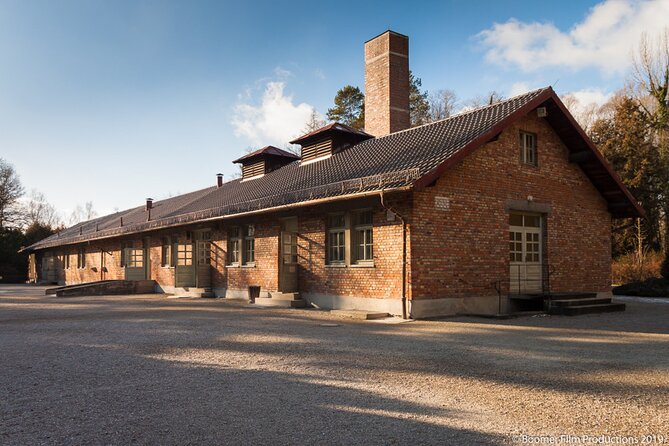
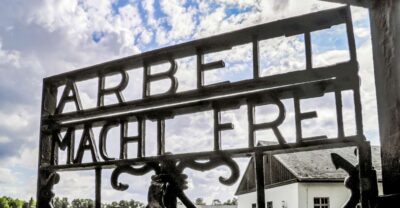
The main event is a guided visit to the Dachau Concentration Camp Memorial Site, with about four hours on site. You’ll start with the entry experience—the Jourhaus and the entrance/gateway areas. These parts matter because they set the tone: the camp wasn’t only a place of imprisonment; it was designed to control, process, and break people.
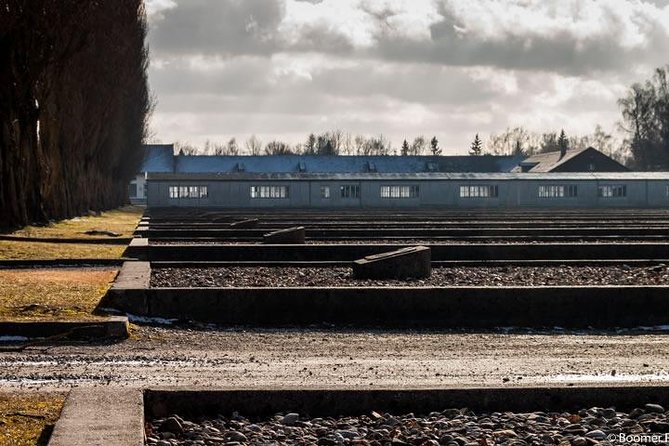
Next comes the roll call square, Appellplatz. This is where the system becomes visible. In the guide’s telling, you’ll learn about prisoner registration, categorization, and how treatment was tied to that rigid structure.
You’ll also visit spaces that help explain the daily machine of the camp:
- barracks areas and what prisoner life and routines looked like
- the camp perimeter fence and guard towers, which show how escape and outside contact were shut down
- the Memorial Site Museum in a former maintenance building, which gives you a clearer reading of what you’re seeing
A key value here is that the guide doesn’t just point at buildings. They connect what each location reveals about the camp’s function—why it existed, how it operated, and how it evolved.
Barracks, daily routine, and memorial spaces that add human scale
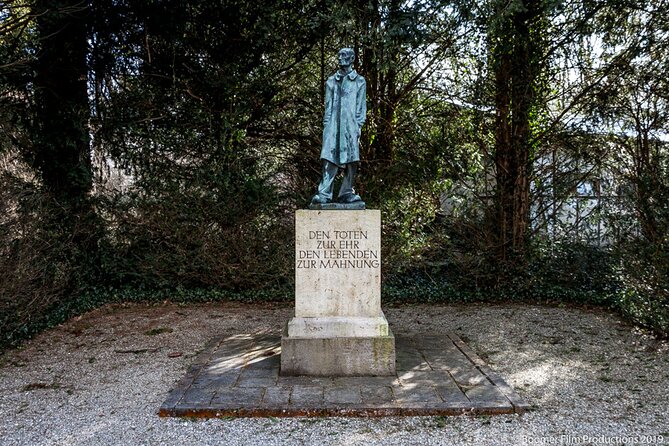
Dachau is large enough that it can feel like information overload if you’re there alone. With a guide, the experience becomes more navigable. You’ll hear about barracks and the daily routine, and you’ll get a sense of how prisoners were squeezed into a brutal schedule.
The tour also includes several memorial elements that help you understand the camp’s impact beyond one location:
- International Memorial areas
- religious memorial spaces
- Nandor Glid Sculpture, which brings an artistic, human register to a place defined by cruelty
- Barrack X, a specific stop that visitors often find especially difficult, because it represents how the camp’s system treated and targeted people
These stops are the reason a guided tour can be more than a convenience. They give you interpretive anchors. Instead of feeling like you’re walking through rows of structures, you start to grasp what each element is preserving and why.
And yes, you should be prepared to feel tense. Even if your day is well organized, the subject matter is not light.



Crematorium areas, mass graves, and the gas chamber stop
This is the part where you’ll need to go slowly in your head, even if the group keeps moving. The guided visit includes the two crematoriums, the mass grave areas, and the gas chamber.
I’m not going to sugarcoat it: these are among the hardest places you’ll visit anywhere in Europe. But hearing the tour’s explanations here is often more useful than trying to piece together meaning from signs alone.
If you’re worried about not coping, plan a practical strategy:
- Wear layers so you can handle temperature swings.
- Bring a water bottle and take a quiet breather when you need one.
- If you get overwhelmed, you can still focus on the simple task your guide is doing—connecting what you’re standing beside to the camp’s purpose and operation.
The goal is understanding with respect, not spectacle.
How much time you actually have on site
The memorial visit takes about four hours, and the whole tour is roughly six hours including travel. That’s a solid chunk, and it covers the core areas you’d expect on a structured Dachau tour.
Still, two different instincts show up in the field:
1) People who want enough time to absorb everything through the museum and exhibits.
2) People who wish they had more breathing room for quiet reading and extra memorial stops.
To avoid disappointment, don’t expect a leisurely pace. This tour is designed for seeing the essentials with context. If you’re the type who reads every label, I’d think of this as a first, guided pass. After that, you might want to return on another day to linger longer.
What’s included (and where the value comes from)
At $48.98 per person, the best way to judge value is not just the sticker price. It’s what you’re buying that’s hard to replicate on your own: a guided visit timed for efficient transfers, plus round-trip shared transport from central Munich.
Included features:
- Professional guide for the full experience
- Round-trip shared transfers
- Mobile ticket
- Admission tickets for the stops are handled as part of the tour
- The tour begins in central Munich at Marienplatz (Ludwig Beck)
Also, the group size max of 30 helps the tour stay organized. You won’t feel like you’re trapped in a stampede.
On top of that, you’re saving your energy for the serious work of paying attention—listening, looking, and taking in what each location means.
Pace, walking, and what to bring for a smooth day
The tour runs in all weather, so you should dress for real conditions. Munich in different seasons can be damp, chilly, or windy, and the memorial grounds are outdoors for large chunks. Plan layers and bring a rain layer.
Also bring a practical item most people forget: a snack and a drink. Food and drinks are not included, and options at the memorial can be limited. Even a small bottle of water helps when you’re walking and standing more than you expected.
Two more must-knows:
- The tour does not hold luggage.
- You should have moderate physical fitness for the walking and movement.
Service animals are allowed, and the tour is near public transportation—both nice to know for planning.
Who should book this tour (and who should think twice)
This is an adult-focused experience. The tour accommodates ages 14 to 99. Children younger than 14 are not permitted, with age proof recommended in case it’s requested.
This tour fits best if:
- it’s your first time seeing Dachau and you want structure and context
- you want history explained in a way that matches what you see on the ground
- you prefer to follow a guide so you don’t miss key parts like Appellplatz, Barrack X, and the crematorium/gas chamber areas
Think twice if:
- you’re hoping for a light, casual day out from Munich
- you want long museum reading time at a very slow pace
- you’re traveling with lots of luggage and don’t want to manage it yourself
Should you book the Full-Day Dachau Memorial Site Tour from Munich?
If you’re visiting Munich and you’re asking whether Dachau is worth your time, I’d say yes—because a guided visit gives you the context that makes the place hit harder in the right way. The transport plan from Marienplatz, the forced-march route bus segment, and the clear walkthrough of major memorial areas are all practical reasons this tour earns its place on a first trip.
Book it if you can handle an intense, emotional day and you want your visit to feel organized and meaningful. Skip it (or plan a different approach) if you need lots of free time to roam, read, and linger without a group pace.
FAQ
How long is the tour?
It’s about 6 hours total, including transport. The visit at the Dachau Memorial Site is about 4 hours.
Is the tour offered in English?
Yes. The tour is offered in English.
What does the price include?
The tour includes a professional guide, round-trip shared transfer from central Munich, and a mobile ticket. Admission tickets for the stops are included as part of the tour.
Are food and drinks included?
No. Food and drinks aren’t included, and there are limited options at Dachau, so it’s smart to bring a snack and a drink.
Can children join the tour?
Children 14 years or younger are not permitted. You should plan for 14+ only, and proof of age may be requested.
Is there luggage storage on the tour?
No. The tour doesn’t allow luggage to be held during the experience, so plan to travel without bulky bags.