REVIEW · MUNICH
Munich Oktoberfest Guided Full-Day Experience
Book on Viator →Operated by The Local Experience · Bookable on Viator
Oktoberfest is chaos—this tour keeps it friendly. You start in central Munich and roll straight into the reserved tent experience on Theresienwiese, with beer and Bavarian food planned so you’re not wandering when crowds hit.
I love the built-in flow. You’ll begin with a classic Bavarian breakfast (Weisswurst, Brezn, Weissbeer), which makes the day feel like Munich, not just beer. I also love the guide-led navigation, especially getting through the crush and settling into your tent setup without wasting hours.
The one consideration is comfort and cost. This day isn’t cheap, and where your table lands inside the tent can affect how hot it feels—so plan for long hours in festival weather and tight spaces.
In This Review
- Key things to know before you go
- Why a guided Oktoberfest day feels easier than free-for-all
- Marienplatz morning: Munich basics and a real Bavarian breakfast
- Entering Oktoberfest with reserved tent seating (and why it’s a big deal)
- What’s included: beer garden-style start plus tent feasting
- Munich history you can actually use during the party
- Price and value: what you’re really paying for at $481.52
- Getting ready: clothing, what you can carry, and how to move fast
- Inside the tent: what the experience is like in real terms
- How to make your day smoother (especially if it’s your first Oktoberfest)
- Who this tour is best for (and who should think twice)
- Should you book this Oktoberfest guided day?
- FAQ
- What time does the Oktoberfest tour start and how long is it?
- Where do we meet and where does the tour end?
- What’s included in the price for food and drinks?
- Is alcohol included, and do I need ID?
- Are there restrictions on bags or cameras?
- Is gratuity included?
Key things to know before you go
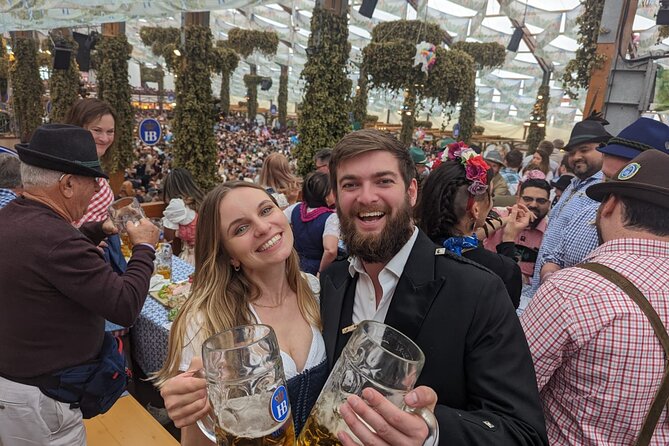
- Reserved seating inside a major Oktoberfest tent with your table held until about 4:00 PM
- Classic Bavarian breakfast to fuel you before the big beer-fest surge
- Beer included at two points (a half liter at an inner-city beer garden style stop, plus liters in the tent)
- Small group size (max 20), which makes it easier to actually stay together and ask questions
- No backpacks in the tents and strict limits on purse size, so pack light
- Cash is useful since cards are often not accepted and tipping may be expected
Why a guided Oktoberfest day feels easier than free-for-all
Oktoberfest isn’t just loud. It’s a moving map of lines, entrances, and party momentum. The big value here is not the beer itself—it’s that you arrive with a plan already in place, including reserved table time and help getting you to where you’re supposed to be.
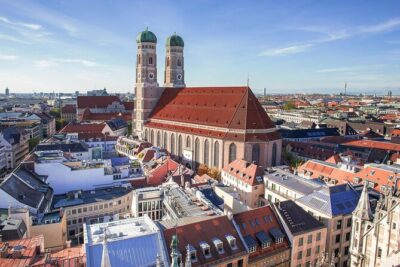
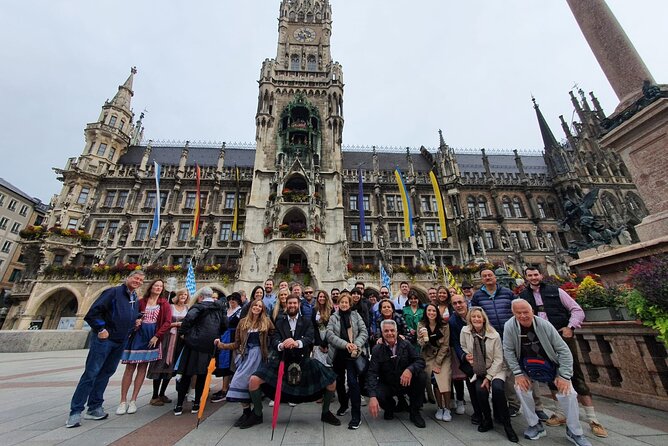
You’ll also get an intro to Munich that grounds the experience. Starting at Marienplatz with a quick city overview means you’re not just watching flags and steins go by; you’ll understand why the festival looks the way it does, and what the traditions mean once you’re inside.
And yes, the day is built for fun. Guides help keep things flowing—so you can enjoy the music, the people-watching, and the food—without spending your morning hunting down the right tent, menu, or table.
You can also read our reviews of more guided tours in Munich

Marienplatz morning: Munich basics and a real Bavarian breakfast
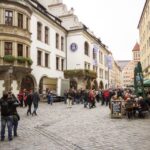
Your day begins at Mariensäule, Marienplatz 22 at 9:00 AM, right in the heart of Munich. From there, you’ll get a short intro walking tour focused on Munich and context for Oktoberfest, with a first taste of the local food ritual right after.
Then comes the breakfast that sets the tone: Weisswurst, Brezn (pretzel), and Weissbeer. This is the kind of meal that matters at Oktoberfest because it’s not just fuel—it’s a cultural warm-up. If you’re new to Bavarian staples, it’s also a gentle way to try multiple items before you commit to festival-style portions.
You should consider the timing. This stop is about 1 hour, so it’s quick by design. If you arrive slightly late, you’ll feel it more here than later in the day, since the schedule pushes you toward Theresienwiese afterward.
Entering Oktoberfest with reserved tent seating (and why it’s a big deal)
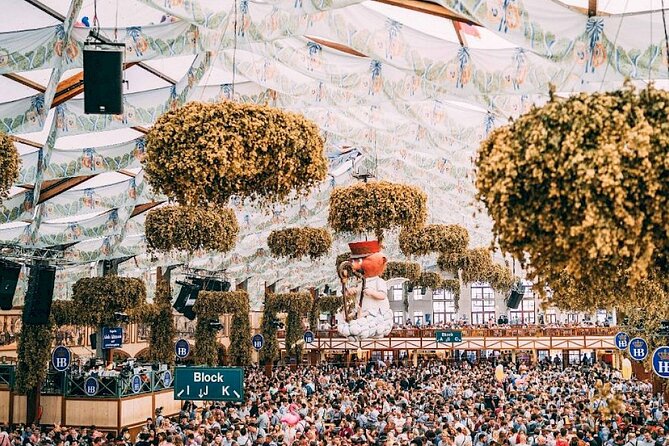
Once you reach the festival grounds, the difference between guided and unguided is simple: time saved and stress avoided. Oktoberfest is famous for crowd pressure, and your guide’s job is to move your group into your assigned area and keep you there together.
You’re placed with reserved seating inside one of the biggest tents, with the food-and-drink portion structured as part of your package. Many first-timers find that just getting seated correctly changes the whole day, because it lets you focus on the experience rather than logistics.
From the reviews and common tent dynamics, one useful detail is table height and location. A few people noted that seating on higher levels, especially in warmer conditions, can feel noticeably hot. So if you’re sensitive to heat, I’d treat this as a reason to dress in layers and plan for long stretches without easy airflow.
What’s included: beer garden-style start plus tent feasting
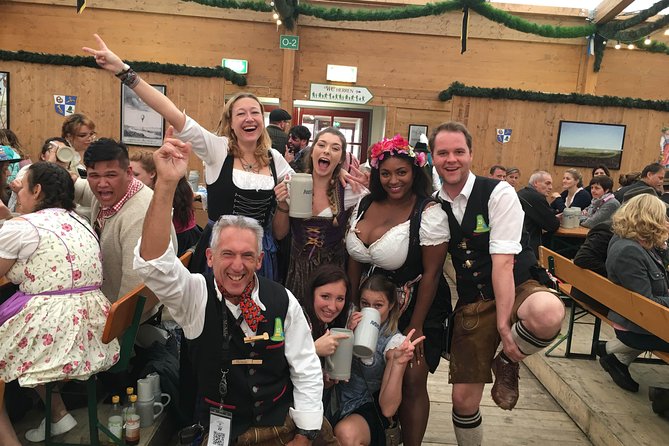
The inclusions are what you should judge for value, not the headline “Oktoberfest” label.
Here’s how the day’s food and drink pieces typically line up:
- Traditional Bavarian breakfast: Weisswurst, Brezn, and Weissbeer
- Half liter of beer at a stop described as the largest inner-city beer garden in the world
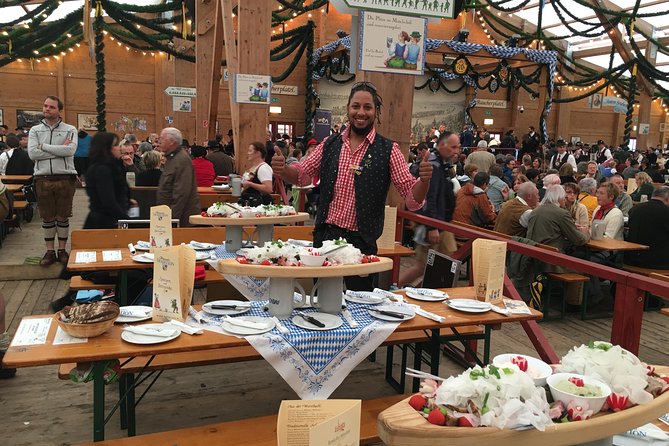
- Reserved Oktoberfest tent table and table-based food setup
- A half roast chicken and 2 liters of beer served at your leisure during the tent portion
- Bavarian Brotzeit platter (cold cuts and cheeses) for each table
A key part is that the tent meal is served in a way that’s meant to keep you there. You’re not “touring around” for hours. You’re anchored. That’s a good fit if you want to enjoy music, people-watching, and the full tent atmosphere without constant navigation.
One more practical note: tipping. The tour states gratuity isn’t included. Still, you should expect cash tipping to servers may be part of the culture inside tents. One review suggested budgeting extra cash for beer and chicken tips (small amounts per item). Even if your exact costs differ, the safest move is to bring more cash than you think you need.
Munich history you can actually use during the party
A lot of Oktoberfest tours hand you trivia. This one focuses more on what you can see and feel while you’re there. You’ll learn about the history of Oktoberfest and Munich from your guide, then apply that context in real time while you’re standing in the festival.
You might also catch fun tradition cues from your guide, like how to join the group moments. One review highlighted that the guide taught the Ein Prosit song before time in the tent. That’s the kind of small cultural tool that makes the atmosphere feel less confusing and more participatory.
And because the group stays together, you get a smoother experience. You can ask questions, get guidance on what to look for, and keep moving without losing your place in the schedule.
You can also read our reviews of more tours and experiences in Munich



Price and value: what you’re really paying for at $481.52
At $481.52 per person for about 6 hours, this is not a budget choice. So the honest question is: what part of the day is worth that spend?
Here’s the value equation I’d use:
- Reserved seating in a major tent: that’s hard to replicate at the last minute during peak Oktoberfest energy.
- Meals and beer structured into the day: you’re not buying every item from scratch under pressure.
- A guide to manage the crowd: time has value, especially when you’re new to the grounds.
- Small group (max 20): you’re not lost in a huge herd.
You can still have a great Oktoberfest day without a tour, but for first-timers, the biggest risk of going it alone is wasted time and missed comfort. This tour reduces that risk by holding your table, keeping the day organized, and handling the flow from Munich center to Theresienwiese.
That said, one review flagged that food timing can become messy if a food order isn’t handled smoothly, and another mentioned heat and comfort with upper-level seating. Those are not deal-breakers, but they are reasons to go in with realistic expectations: this is a massive festival with human-scale bottlenecks, even with reservations.
Getting ready: clothing, what you can carry, and how to move fast
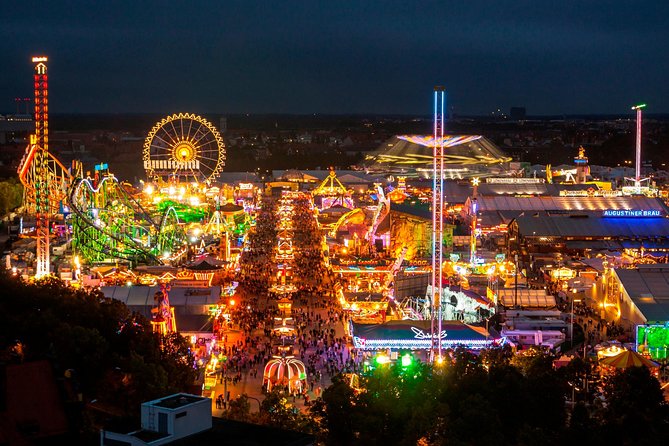
This part can make or break your day. Festival rules are strict, and tent access isn’t the place to discover you packed wrong.
Plan for the basics:
- Backpacks aren’t allowed in the tents (security reasons).
- Purses are allowed up to three litres volume, or a size of 20 cm x 15 cm x 10 cm.
- DSLR cameras are OK, but you won’t need one; a smartphone camera is plenty for pictures.
- You’ll be walking on cobblestones, so wear shoes that won’t punish your feet.
If you want to dress up, this is the classic place to do it. Dirndl and Lederhosen make it feel like Munich, not just a stop on a beer itinerary. One practical tip from the provided guidance: wear comfortable walking shoes (or a low, wide heel). And if you’re wearing a dress, consider spandex shorts underneath to avoid awkward discomfort on carnival rides and busy festival movement.
Transport wise, there’s no hotel pickup. You’ll need to get yourself to Marienplatz and then follow the tour through to the end point at Theresienwiese.
Inside the tent: what the experience is like in real terms
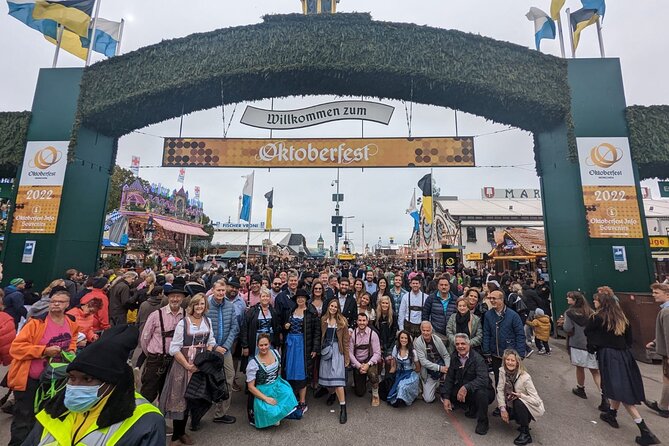
Think of the tent as a performance space and dining room in one. You’ll be surrounded by music, server action, and a constant roar of conversations. The tour doesn’t turn it into a quiet museum visit. It’s meant to be a full-on Oktoberfest day, with reserved seating so you can settle.
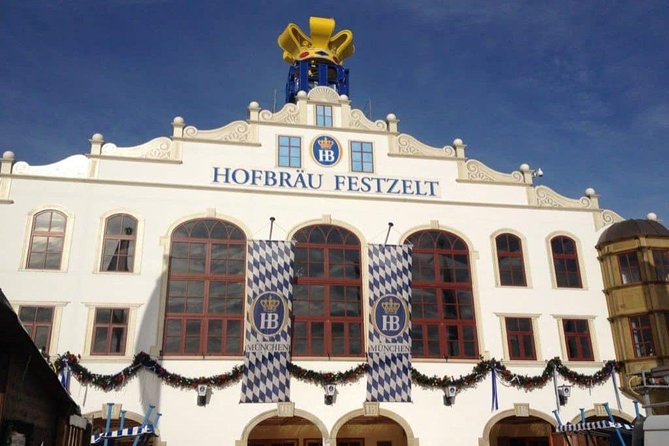
Many guests love that feeling of being set up on a balcony or elevated view—one review specifically mentioned balcony reserved seating in the Hofbräu tent for a standout vantage point. If you get a similar arrangement, you’ll get a dramatic look at the sea of people while still having a place to land for your meal and beer.
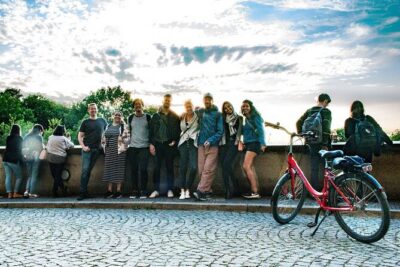
Also, group bonding happens naturally here. Several reviews pointed out that meeting others during the day made the whole experience better—especially for first-timers who might otherwise feel intimidated by the festival scale.
How to make your day smoother (especially if it’s your first Oktoberfest)
If it’s your first time, I’d focus on three goals: get oriented fast, stay comfortable, and avoid cash surprises.
1) Bring cash for spending and tipping
Cards are often not accepted in these settings. Even if your package includes a lot, you’ll want cash for extras and server tipping.
2) Carry the right ID
You must be 18+ and have a valid photo ID to consume alcohol. Bring a photo copy of your valid ID and leave the original at your hotel (as suggested). Keep in mind you’ll likely need ID on hand at the festival.
3) Pack small and light
Since backpacks aren’t allowed in tents, plan for a small bag or purse within the size limit. You’ll move quicker, and you’ll waste less time at security checks.
4) Have a backup plan for where you’re staying
One practical tip: bring your hotel’s business card. That’s gold when you’re tired and the streets start looking the same after hours.
Who this tour is best for (and who should think twice)
This is a strong match for:
- First-time Oktoberfest visitors who feel overwhelmed by festival logistics
- People who want a structured day rather than guessing which tent, which table, and what schedule
- Groups of friends or couples who enjoy meeting others during shared meals
You might think twice if:
- You hate long seated periods in a crowded setting. The day is built around being in your tent area.
- You’re very sensitive to heat. Table position can matter inside the tent.
- You want maximum freedom to roam. This tour prioritizes reserved seating and planned meal flow over wandering.
Also, you should be aware it runs with a minimum of 4 people and has a maximum of 20, so you get a medium-sized group feel—not a tiny private tour, but not a massive bus group either.
Should you book this Oktoberfest guided day?
I’d book it if you want your first Oktoberfest day to feel organized, Munich-flavored, and genuinely fun from the moment you meet at Marienplatz. The reserved tent time, the breakfast starter, and the guide help you skip the biggest pain points—crowd navigation and figuring out where to land.
I’d pass or consider alternatives if you’re chasing the cheapest possible Oktoberfest option, or if you’re picky about seating comfort and heat inside tents. This is still Oktoberfest, so some operational rough edges can happen in a huge venue.
If you want a confident first day—food, beer, history context, and a table waiting for you—this one is a solid choice. Bring cash, pack small, wear comfy shoes, and treat it like a whole-day Munich ritual, not just a beer stop.
FAQ
What time does the Oktoberfest tour start and how long is it?
The tour starts at 9:00 AM and runs about 6 hours.
Where do we meet and where does the tour end?
Meet at Mariensäule, Marienplatz 22, 80331 München, Germany. The tour ends at Theresienwiese, 80 München, Germany.
What’s included in the price for food and drinks?
You get a guided Munich walking intro plus beer garden and Oktoberfest time, a Bavarian breakfast (Weisswurst, Brezn, Weissbeer), half liter of beer at the beer garden stop, reserved table seating in a Oktoberfest tent, and a half roast chicken plus 2 liters of beer. You also get a Bavarian Brotzeit platter for each table.
Is alcohol included, and do I need ID?
Yes, beer is included, and you must be 18 years of age with a valid photo ID to consume alcohol.
Are there restrictions on bags or cameras?
Backpacks are not allowed in the tents. Purses are allowed up to a limited size/volume. DSLR cameras are OK, but a smartphone camera is recommended.
Is gratuity included?
No. Gratuity is not included and is left to individual discretion. Cash can be helpful for tipping and spending.