REVIEW · MUNICH
Munich 3-Hour Segway Tour: Nazi Munich & Royal Architecture
Book on GetYourGuide →Operated by Fat Tire Tours - Munich · Bookable on GetYourGuide
Riding a Segway makes Munich click fast. What I like is the smooth training that gets you confident quickly, and the way the route pairs big royal buildings with Nazi-era Munich context. One thing to think about: you’ll be on active city streets, so you need comfort riding and following safety rules.
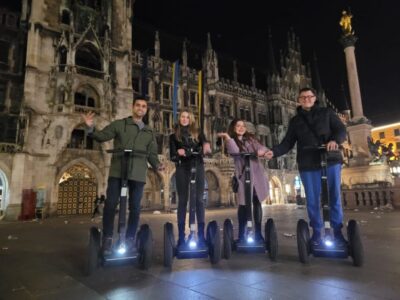
This is built for a first-time taste of the city. You get a guided loop through central sights, small groups capped at 8, and lots of time to ask questions so you leave with clearer ideas for the rest of your trip.
It’s also not a tour for every body or weather plan. It runs rain or shine, raincoats are included, and it’s not suitable for people with certain mobility limits or recent surgeries—and Segways have weight limits.
In This Review
- Key things I’d focus on before you go
- Why a Segway is the right fit for historic Munich
- Karlsplatz 4 to the safety lesson: get moving fast
- Königsplatz, the Pinakotheken stops, and the art-and-empire loop
- Odeonsplatz to Munich’s WWII context: understanding without a museum day
- Royal Munich power: Residenz, Maximilianeum, and opera grandeur
- Eisbachwelle and Isar River: the break that makes the tour feel alive
- Pacing, traffic etiquette, and who this tour suits (and who should skip)
- Price of $91 for a 3-hour ride: what you’re really paying for
- Should you book this Nazi Munich & Royal Architecture Segway tour?
- FAQ
- How long is the Munich Segway tour?
- Where do I meet for the tour?
- What languages are the guides?
- Is the tour rain or shine?
- What are the age and weight requirements?
- What should I wear or bring?
Key things I’d focus on before you go
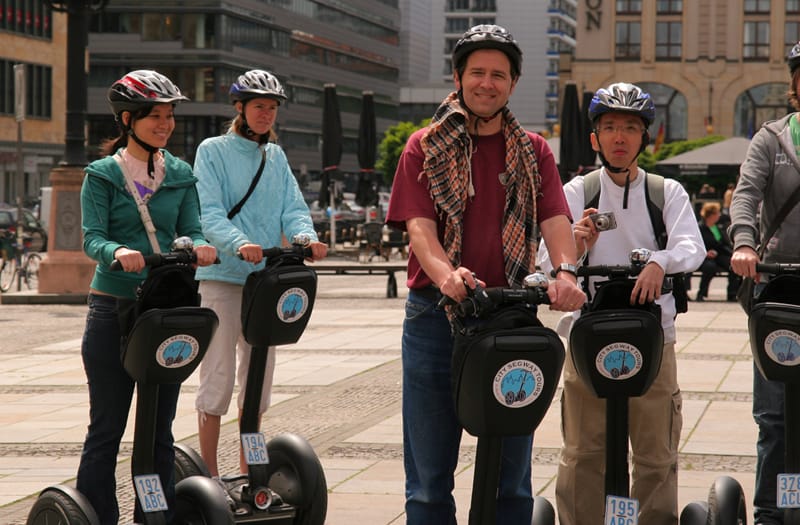
- Self-balancing training first, so you’re not white-knuckling it through Munich.
- Small group of up to 8 means more attention from the guide and easier question time.
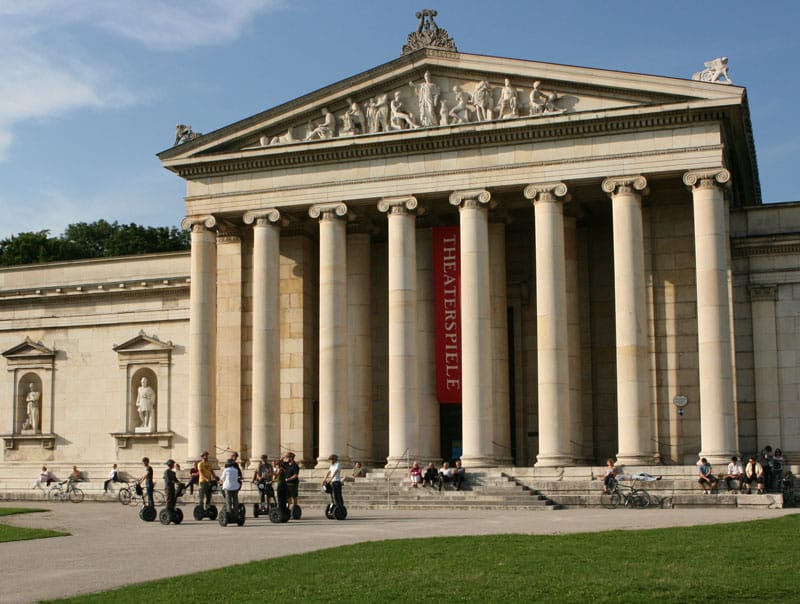
- Königsplatz’s Acropolis-style design and classic architecture stops are a major payoff.
- Nazi Munich and WWII discussion is part of the route, not just a slogan on a banner.
- Eisbachwelle (Munich river surfers) turns a sightseeing ride into a memorable pause.
- Busy-street riding etiquette is covered so the tour stays fun, not chaotic.
Why a Segway is the right fit for historic Munich
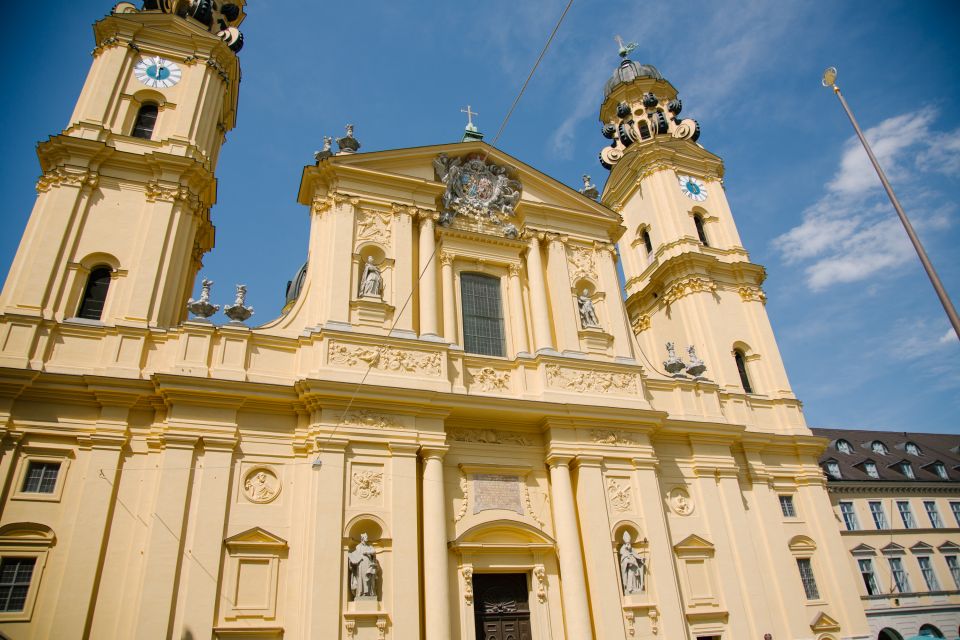
Munich is spread out in a way that can make a first day feel like you’re always walking. A Segway changes that math. In 3 hours you can cover a lot of ground and still stop for photos, questions, and a proper look at major landmarks.
The best part here is the mix: you’re not only getting pretty façades. You’re also getting a guided explanation of Munich’s darker chapters—alongside the royal and ceremonial look of Bavaria’s power structures. That contrast helps the city make more sense as a whole, especially if you’re the kind of traveler who wants both culture and context, not one or the other.
If you choose this tour, I suggest you treat it as a “get your bearings fast” day. Think of it as your orientation layer: roads, squares, important buildings, and the stories that connect them.
You can also read our reviews of more tours and experiences in Munich


Karlsplatz 4 to the safety lesson: get moving fast
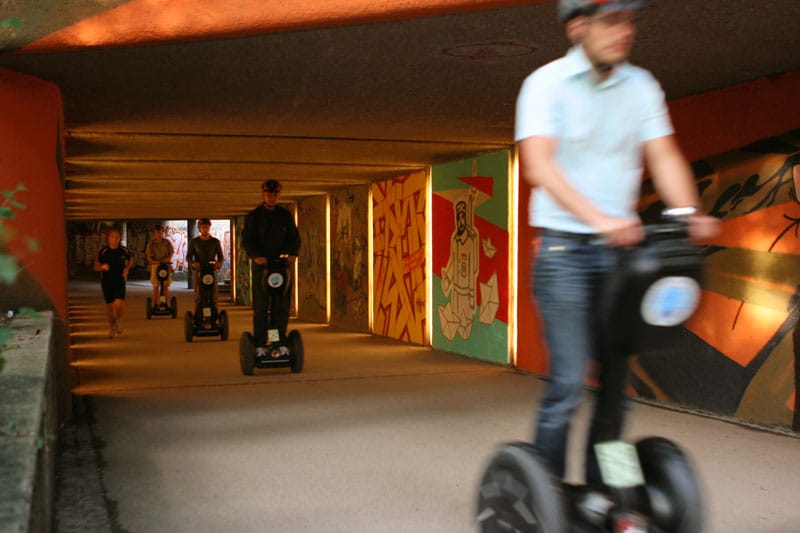
You meet at Fat Tire Tours, Karlsplatz 4. If you’re coming from Karlsplatz (Stachus), the directions are pretty specific: stand at the Karlsplatz McDonald’s with your back to the city gate, turn right along Sonnenstrasse, and after about 50 meters you’ll spot the shop on the right in the courtyard of Karlsplatz 4.
Before you start sightseeing, you do a safety briefing and Segway orientation that lasts about 30 minutes. This matters more than people expect. Reviews repeatedly praise the coaching—guides like Canaan, Bob, Tom, Matthew, Steve, and José are singled out for training that helps you feel comfortable before the route gets more active.
You’re also in good hands with the practical stuff: raincoats are included. If it’s cold, you might still feel it (Munich wind can be rude), but at least you’re not getting soaked with no protection.
One more real-world note: you can’t bring open-toed shoes or alcohol/drugs. And Segways come with weight limits of 45–115 kg (100–250 lbs), plus minimum age 14. If that doesn’t fit you, you’ll be frustrated fast.
Königsplatz, the Pinakotheken stops, and the art-and-empire loop
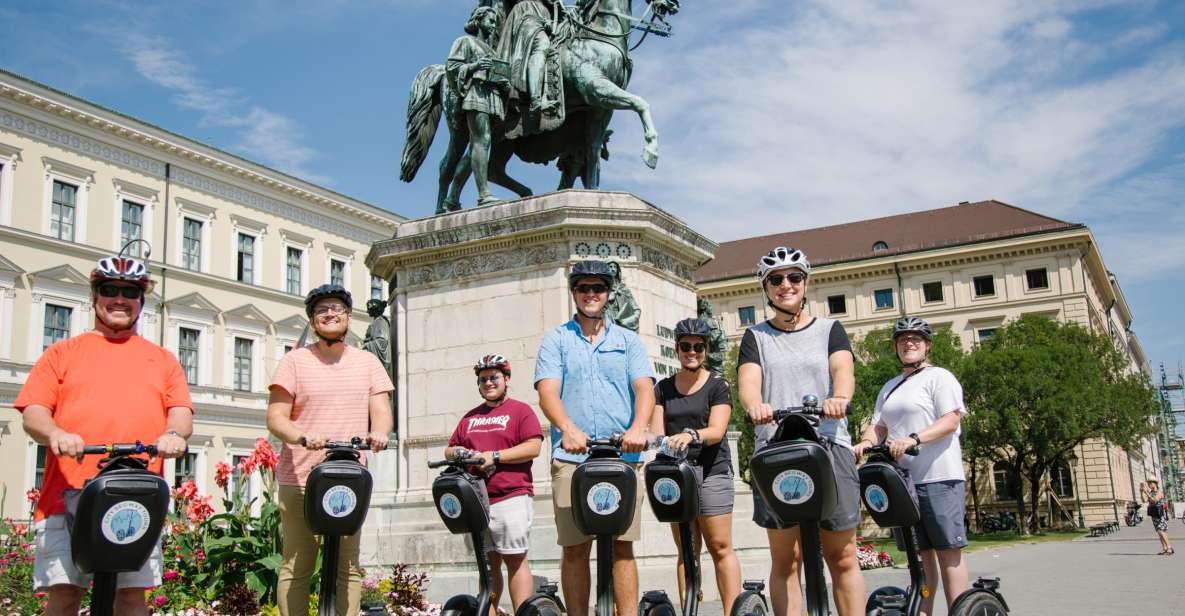
Early on, you roll through central squares and planning-heavy architecture—exactly the kind of stuff that’s fun from a Segway because you can keep moving without skipping the details.
You’ll hit quick photo stops such as Karolinenplatz, then Königsplatz, a key architectural moment. This plaza is described as modeled on the Acropolis in Athens, so you’re seeing Munich borrowing ancient “authority” language in stone. Even if you’re not an architecture nerd, it’s the kind of place where the proportions and layout make you pause.
From there, the route passes major museum-area landmarks with short sightseeing stops, including the Alte Pinakothek and Pinakothek der Moderne. These aren’t just “drive-by” stops. Your guide’s job is to point out what you should notice at speed: the type of building, the style cues, and how the city developed into a wealthy, culture-forward place.
You also catch Siegestor and Odeonsplatz, both tied to Munich’s grand “look at me” identity. Expect these stops to be quick—photo-stop quick—but the guide context makes them land better than if you were just reading plaques.
Small-group format helps here. When you’re only up to 8 people, you’re more likely to get a tailored explanation instead of generic talking points.
Odeonsplatz to Munich’s WWII context: understanding without a museum day
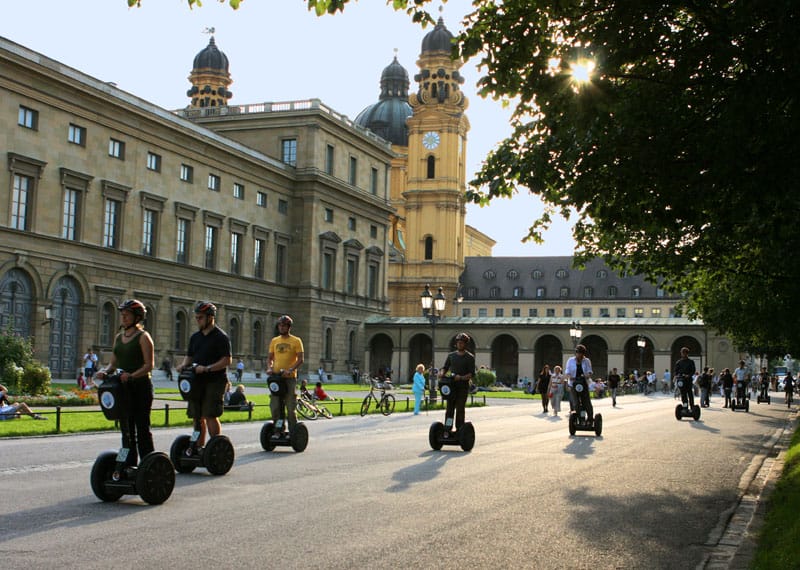
This tour is specifically framed around Nazi Munich & World War 2 context, along with the more ceremonial, royal side of the city. That means your guide will weave the historical story while you’re riding past recognizable civic sites—so the past doesn’t feel trapped behind ticket lines.
You’ll hear about Munich’s role during World War 2, and you’ll see remnants connected to the rise of Nazism. The practical value of this approach is simple: you’re learning where these forces played out in real spaces you can still point to later.
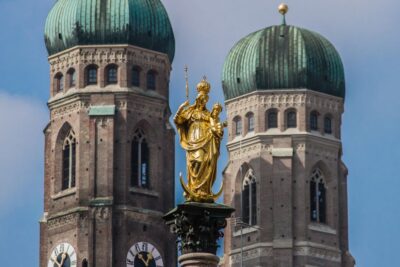
The route also includes Angel of Peace, Munich. That stop matters because it changes the emotional tone. It gives you a chance to balance the heavier material with a message of remembrance and recovery, rather than ending on a dark note.
If you’re sensitive to the tone of historical storytelling, it’s worth knowing that at least one guide moment has been called out as a bit crude by a reviewer. The good news is that the core focus of the tour is clearly instruction + sights, not shock value. Still, if you prefer very formal narration from minute one, plan for that possibility.
Bottom line: the “ride-by history” format works best when you come with a mindset to listen closely, not just snap photos.
Royal Munich power: Residenz, Maximilianeum, and opera grandeur
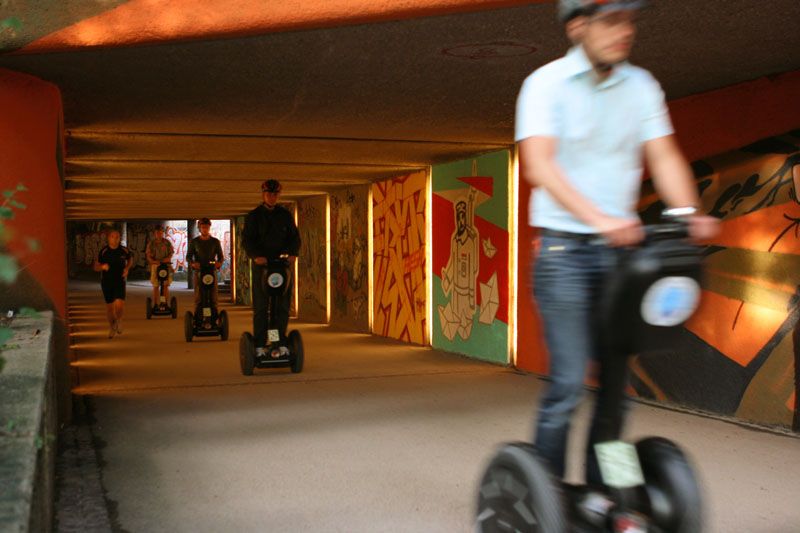
Alongside the darker history, you get the royal and governmental architecture that shaped Munich’s reputation. This part is often what people remember most, because the buildings are huge, detailed, and built to impress.
A major architectural highlight is Maximilianeum, described as the home of the Bavarian state parliament since 1949. Passing it on a Segway gives it a different energy than standing across the street. You can watch how the scale changes the square around it.
You’ll also make a photo stop at Munich Residenz, which is one of those landmarks that feels like it should come with a dramatic soundtrack. The tour framing helps here: instead of treating it like a single highlight, you see it as part of a city that learned to project power through design.
Other royal/civic stops include Haus der Kunst and Bavarian State Opera. These don’t come with long on-foot time, but they give you reference points. Later, when you’re planning what to visit on your own, you’ll know what each building is and why it matters.
And the route doesn’t forget everyday meaning. It points you back to Munich’s motto, München mag Dich (Munich likes you). That might sound like a friendly slogan, but in context it’s a useful reminder: Munich sells hospitality and identity at the same time it carries heavy history.




Eisbachwelle and Isar River: the break that makes the tour feel alive
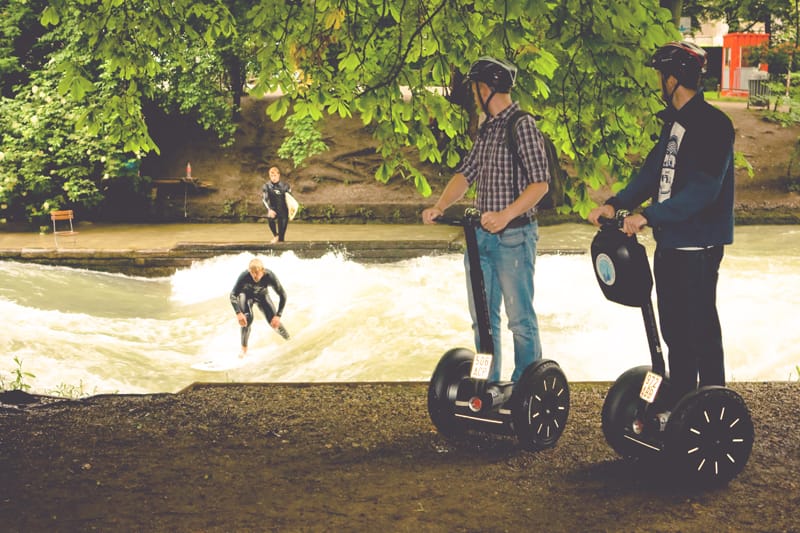
If you want one stop you’ll brag about later, it’s Eisbachwelle—the world famous Munich river surfers. The information provided calls it the first in the world, which is exactly the kind of quirky local claim that makes you stop and look.
You’ll get about 10 minutes here, and that’s real time. It’s long enough to watch surfers (when conditions allow) and long enough to reset your brain after the history and architecture stops.
Right after that, you’ll have photo time near the Isar River. The value here isn’t just scenery. It’s a change of pace: moving from stone and institutions to a living water setting. It also gives you a breather for cold or tired legs, which can be a real factor on a 3-hour ride.
Even if you don’t know anything about Munich’s river culture, this part connects the city’s public spaces to something human-scale.
Pacing, traffic etiquette, and who this tour suits (and who should skip)
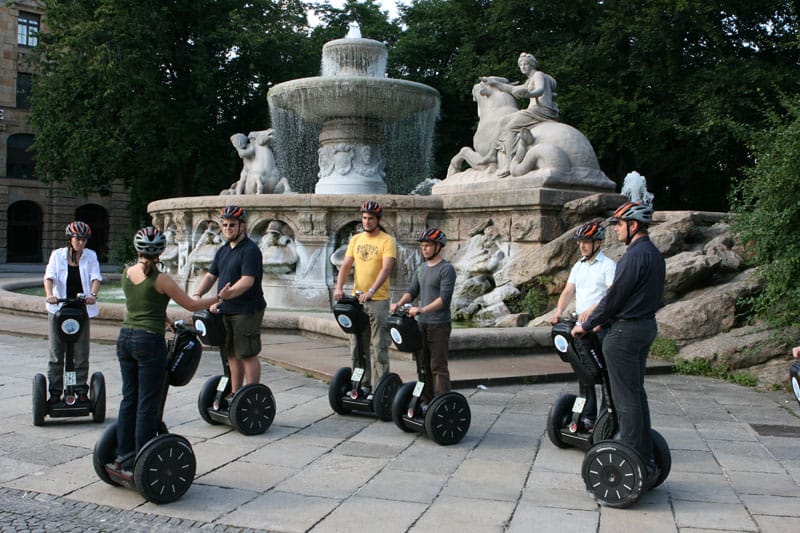
The tour is 3 hours, with a training and briefing window early on and lots of shorter photo/sightseeing stops afterward. Groups are kept small—limited to 8 participants—and the guide is there to answer questions, not just shepherd you to the next point.
Where most people make or break their experience is comfort level. You must have reasonable balance and follow instructions closely. The route includes riding on busy streets, and etiquette guidance is part of the package—one review specifically noted that even with busy roads, the briefing helped avoid issues.
Who it fits well:
- First-time visitors who want main sights plus context without doing multiple museums
- People who enjoy learning from a guide while moving through the city
- Travelers who like architecture and also want honest history
Who should skip:
- Pregnant women, people with back problems, recent surgeries, low fitness, or mobility impairments
- Anyone outside the age/weight ranges (minimum age 14, weight 45–115 kg / 100–250 lbs)
- People who can’t ride safely or can’t commit to attention during briefings
Also, dress for the weather. It’s rain or shine, with raincoats included, but extreme conditions can adjust the plan. Comfortable shoes are required, and open-toed shoes are not allowed.
Price of $91 for a 3-hour ride: what you’re really paying for
At $91 per person, you’re not just buying transportation. You’re paying for:
- the Segway vehicle and the orientation + safety instruction
- an English-speaking guide (and German is also listed)
- the small-group format
- the rain gear (raincoats)
- a guided route that mixes royal architecture with Nazi-era/WWII context
The value is strongest if you’re someone who would otherwise spend time lining up tickets, walking between far-apart sights, or trying to self-navigate without much context. Here, you get a guided “map with meaning” in a short window.
It’s also a good fit if your vacation needs efficient planning. The tour’s structure is designed to give you insider tips after the ride—useful for choosing what to do next without guessing.
Not included: drinks and food. If you know you’ll get hungry or want a hot drink break, plan on grabbing something before or after, because you’re on your own for that part.
Should you book this Nazi Munich & Royal Architecture Segway tour?
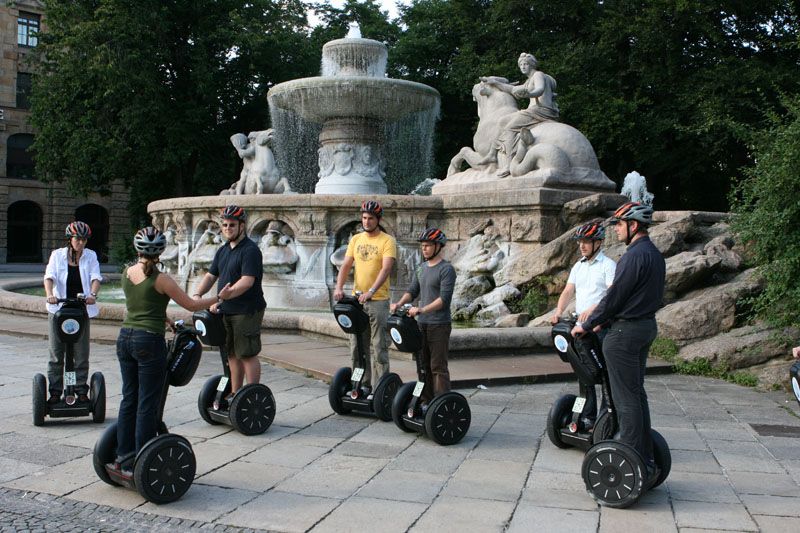
Book it if you want a fast Munich intro that includes real historical context, not just pretty buildings. The combo of royal architecture stops and a guided Nazi-era/WWII storyline helps you understand the city’s contradictions in a way that walking alone often can’t.
Skip it if you’re not comfortable riding on city roads or if the physical requirements don’t match your situation. The training can help (guides like Canaan and Matthew are praised for making people comfortable), but it can’t change the basic safety needs of Segway riding.
If you’re ready to move, listen, and take short photo breaks rather than long museum-style visits, this is a high-value way to start your Munich trip.
FAQ
How long is the Munich Segway tour?
The tour lasts 3 hours. Starting times can vary, so it’s best to check availability for the exact time slot.
Where do I meet for the tour?
You meet at Fat Tire Tours, Karlsplatz 4. From Karlsplatz (Stachus) McDonald’s, go right along Sonnenstrasse, and after about 50 meters you should see the shop in the courtyard of Karlsplatz 4.
What languages are the guides?
The tour lists English-speaking guidance, and German is also available.
Is the tour rain or shine?
Yes, it runs rain or shine except for extremely inclement weather. Raincoats are included.
What are the age and weight requirements?
You must be at least 14 years old. Participants also must weigh between 45 kg and 115 kg (100–250 lbs).
What should I wear or bring?
Bring comfortable shoes and comfortable clothes. Cash is listed as a recommended item. Open-toed shoes are not allowed, and alcohol and drugs are not allowed.