REVIEW · MUNICH
Private Munich Rickshaw City Tour and English Garden
Book on Viator →Operated by Brezntours München · Bookable on Viator
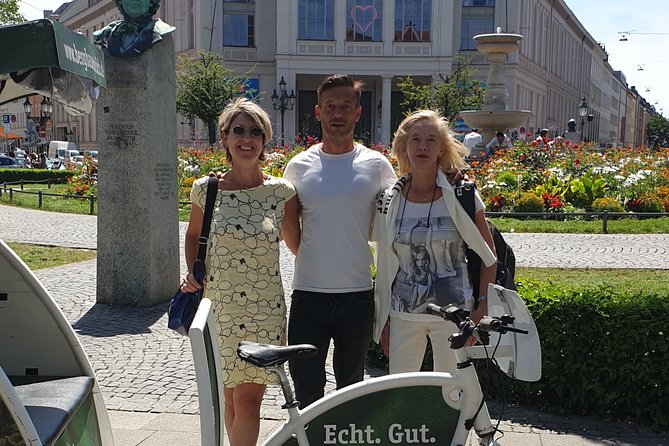
Stop over. Munich from a rickshaw feels different. This private 1.5-hour ride is a fast, comfortable way to hit the city’s key squares and parks in a smart route, starting at Marienplatz and ending back where you began. I love that it mixes big-name stops with the kind of scenery you usually only see if you plan a whole day.
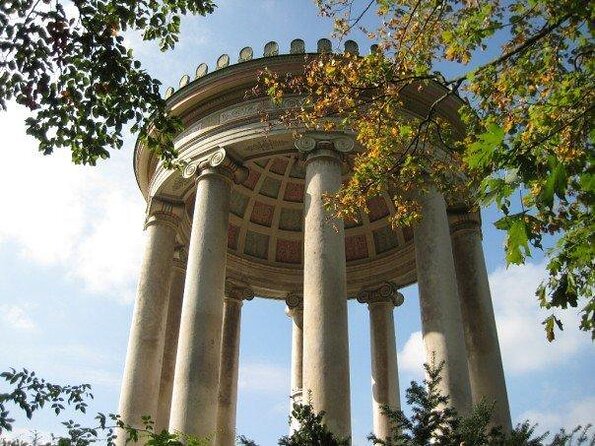
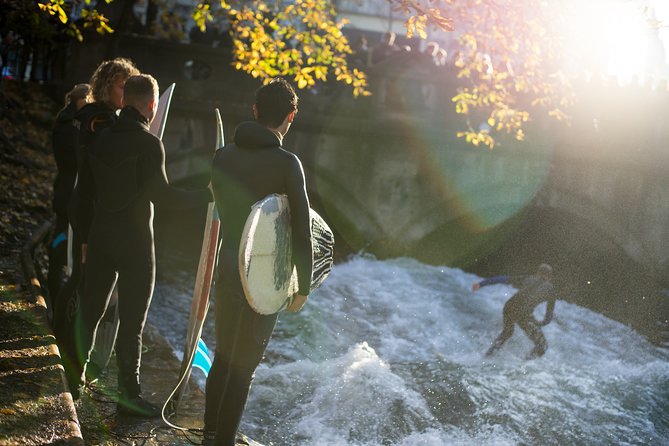
My second big win: the English Garden section is the star, including the famous Eisbach surfer wave area and the Chinese Tower views. On cold days, guides like Andy and Andre have shown up prepared, with blankets and hot water bottles so the ride stays cozy instead of miserable.
One thing to keep in mind: the experience runs only with good weather, so have a flexible mindset. If weather shuts it down, you’ll be offered another date or a full refund, so you won’t be stuck.
In This Review
- Key highlights at a glance
- Why a private rickshaw tour works so well in Munich
- Marienplatz: the medieval heart with a modern pulse
- English Garden: Eisbach surfers, Chinese Tower, and a real reset
- Max-Joseph-Platz and Maximiliansstrasse: Munich’s “northern Italy” moment
- Hofbräuhaus area and Viktualienmarkt: where daily life meets big names
- Residenz München: courtyards, theaters, and royal-scale details
- Odeonsplatz and the royal-gov axis: where Munich’s storyline shows up
- Bayerische Staatskanzlei and the feel of official Munich
- Timing, comfort, and how to dress for a rickshaw ride
- Price and value: what you’re paying for
- Who should book this tour?
- Should you book this Munich rickshaw tour?
Key highlights at a glance
- Private group, up to 2 people: you move as a unit, not as a crowd.
- English Garden by rickshaw: it’s a big area, and the tour helps you see more without walking yourself tired.
- Cold-weather comfort gear: blankets and hot water bottles have been part of the setup on chilly days.
- A tight “greatest hits” route: old-town squares plus royal buildings and gardens.
- Frequent free viewing stops: you’re spending money on the ride and guidance, not entrance fees.
- Park + palace contrast: Munich’s parks and court life both show up in 90 minutes.
Why a private rickshaw tour works so well in Munich
Munich can feel big once you start walking. Even if you love your legs, you’ll lose time to stairs, traffic lights, and the simple fact that squares and parks are spread out. A rickshaw tour cuts that friction. You get movement and narration without turning your day into a walking audit.
This is built for comfort and focus. You’re not trying to “do everything.” Instead, you’re guided through the most useful parts of the city: Marienplatz for orientation, the English Garden for a real break from urban streets, and then back into the historic core with royal and government landmarks. That makes it a strong first-day plan—especially if your schedule is short.
You also feel the personal touch. Guides have handled it like a proper small-group experience, from keeping the pace reasonable to tailoring a little when you want extra time in the English Garden. If you have mobility limits, this format can be a lifesaver because you’re not forced into long stretches on foot.
You can also read our reviews of more city tours in Munich

Marienplatz: the medieval heart with a modern pulse
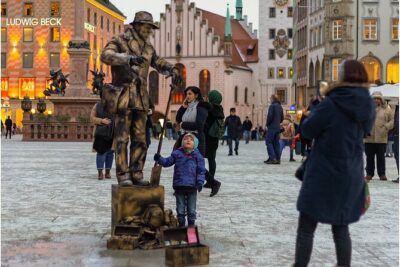
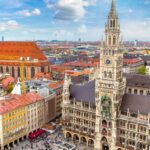
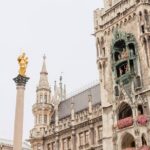
Your tour starts at Marienplatz, and that’s the right move. It’s the public square where Munich’s “center of gravity” shows up fast—medieval street energy, major civic presence, and that blend of old stone with city-day life.
Here, you get a short orientation stop that helps everything else click. Even just standing there and seeing where key streets and landmarks feed into the square makes the rest of the route easier to understand. You’re not just taking photos; you’re building a mental map.
This is also a good place to notice how Munich layers time. The city doesn’t feel like a single era frozen in place. It’s active, working, and lived in. That’s what makes the whole tour feel practical: you’re learning landmarks in the same places you’ll later navigate on your own.
English Garden: Eisbach surfers, Chinese Tower, and a real reset
If I had to pick one part you’ll remember, it’s the time in the English Garden. This park is in the middle of the city, one of the largest in the world, and it acts like Munich’s outdoor living room. You trade traffic for water, shade, and open space.
The route highlights the Eisbach area, where surfers ride the wave—one of the most distinctive “only-in-Munich” scenes you can get without extra planning. You also pass or pause for the Chinese Tower views. And the tour rounds things out with the Kleinhesseloher See area, which helps the park feel less like one photo spot and more like a whole landscape.
There’s another reason this stop lands well: it changes your pace. After city squares, you get motion that feels slower and more relaxed. Even on a cold day, the vibe can feel like a holiday—because you’re outside and surrounded by park life, not just buildings. And yes, that’s when the rickshaw comforts matter. On chilly rides, blankets and hot water bottles have been part of the experience, and that can turn a damp morning into something genuinely enjoyable.
Max-Joseph-Platz and Maximiliansstrasse: Munich’s “northern Italy” moment
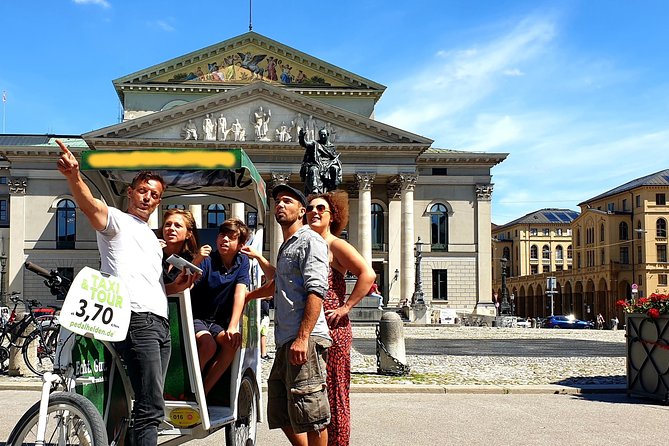
Next comes Max-Joseph-Platz, where Munich leans into its glamorous, elegant side. You’re near National Theatre and the royal-residence atmosphere, plus the wide Maximiliansstrasse axis that people describe as carrying a southern flair.
This stop is useful because it shows you Munich’s “court city” identity. You’re not only seeing monuments; you’re seeing how the city spaces its power and culture—what it chose to look like and where it chose to place that look.
Think of it as visual contrast. After the English Garden’s open feel, Max-Joseph-Platz reminds you that Munich also builds grand, ceremonial streets and monumental backdrops. It’s one of the reasons people say the city can feel different block to block.
Hofbräuhaus area and Viktualienmarkt: where daily life meets big names
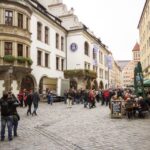
Then you roll toward the Staatliches Hofbräuhaus area at Platzl. Since 1589, beer culture has been anchored here, and the square is always the kind of place where life is happening around the landmark.
Right after that, you reach Viktualienmarkt, which is Munich’s classic food-and-flower market stop. This is where the city’s everyday rhythms show up. You’ll get a quick look at the famous butcher line, the beer garden atmosphere, and the idea that this market isn’t just for tourists—it’s a real local hub with lots of stalls, covering regional and exotic options.
Practical tip: don’t expect to “eat everything” in one short stop. Instead, treat it as orientation for what you can return to later. If you want a good meal plan for the rest of your trip, watching the types of food and the feel of the market helps you decide what to look for.
You can also read our reviews of more private tours in Munich


Residenz München: courtyards, theaters, and royal-scale details
At Residenz München, you’re stepping into the scale of the Bavarian court. The big point here isn’t just that it’s a famous building. It’s the structure of the place: nine inner courtyards and standout spaces like the Cuvillières Theatre, which even had visitors tied to major European events.
One of the most interesting aspects of a quick stop like this is how it sets expectations. If you like palaces, this is a “see the frame” moment. You learn what makes the residence special—courtyards, the Brunnenhof mood, and the way the grounds work like rooms rather than one big hall.
A drawback? With a short tour window, you might wish you had hours. That’s not a problem with the tour so much as a reality: Residenz is the kind of place where a guided pass can make you want a longer second visit. If you’re the type who enjoys architecture and indoor spaces, plan to come back when you have more time.
Odeonsplatz and the royal-gov axis: where Munich’s storyline shows up
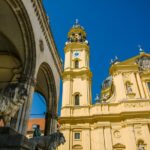
Odeonsplatz brings you into one of Munich’s most history-dense areas. You pass the Theatiner Church environment and see how streets like Ludwigstrasse and Brienner Strasse connect into the city’s formal core. The tour also points out the Feldherrnhalle area and ties in a personal note: Sisi, Empress Elisabeth of Austria-Hungary, was born here.
Then you continue toward Hofgarten, a royal garden that has existed beside the residence since the 1500s. You’ll get a look at the Diana temple setting and the garden layout with fountains and tidy hedge-lined views.
These stops matter because they help you read the city like a map of power and culture. Without a guide, it’s easy to see beautiful buildings and still miss the storyline. With the tour framing, you start to notice why the city looks the way it does.
Bayerische Staatskanzlei and the feel of official Munich
The route also includes Bayerische Staatskanzlei, the representative building of the Bavarian government. It’s described as formerly connected to the Army Museum, which gives it a layered feel—today it’s official and polished, but it sits in a location that carried military-era function.
This is a small stop, but it helps complete the mental picture of Munich: you see royal life, public civic squares, food culture, and then the formal government presence. If you’ve ever wondered what makes Munich feel “orderly” and “intentional,” it’s partly in how these buildings sit along the same structured corridors.
You also get a satisfying sense of spacing: gardens and official buildings act like breathing breaks between heavier landmarks. That balance is one reason the full loop feels coherent instead of random.
Timing, comfort, and how to dress for a rickshaw ride
Your tour runs about 1 hour 30 minutes, and it’s designed so you can keep moving without long waits. It’s also offered in English and is a private tour/activity, meaning only your group participates.
Dress like you’ll be outside. Even with blankets and hot water bottles offered on cold days, you’ll still spend time sitting in an open-air style of experience. If it’s chilly, layer up and bring gloves if you get cold hands easily. If it’s sunny, you might want light sun protection—because you’ll be looking around at exposed streets and park edges.
Also plan around weather. The experience requires good weather, and if conditions break that requirement, you’ll be offered a different date or a full refund. That’s especially important in Munich, where the sky can swing between crisp and gloomy quickly.
Finally, one reality check: short tours can be affected by small mechanical issues. There’s an example of a flat tire that caused a portion of the ride to be missed. If that kind of thing happens, the best you can do is stay flexible and communicate with your guide about getting back safely.
Price and value: what you’re paying for
The price is $130.96 per group (up to 2) for about 90 minutes. That’s not “cheap” by walking-around standards. But you’re paying for three things that add up quickly:
First, you’re buying time. This route covers a lot of major points without you crisscrossing on foot.
Second, you’re buying comfort. Rickshaw seating and guide support reduce the fatigue factor, which matters even more if you have limited mobility.
Third, you’re buying interpretation. Guides have a knack for turning monuments into usable context. Names like Andre, Andy, Andreas, and Michael show up in the experience stories, and the consistent theme is friendly, practical direction plus a pace that works for real people, not just tour robots.
If you’re traveling as a couple or with a small family unit, it’s often good value. Two people sharing the cost for a guided loop can feel like a smart way to start Munich—especially if you’ll otherwise spend your first day trying to figure out where everything is.
Who should book this tour?
This is a strong match for:
- Couples or small groups (up to 2) who want a guided overview without long walking.
- First-timers who want their bearings fast: Marienplatz to English Garden to the royal-core circuit.
- Anyone who dislikes rigid, crowded group schedules and prefers a private pace.
- People with mobility challenges, since the format reduces the walking grind.
It may be less ideal if:
- You want to spend hours inside museums and palaces. This tour gives quick outside and short stop context, not deep interior time.
If you’re the type who enjoys photos, orientation, and a clear plan, this tour fits your style.
Should you book this Munich rickshaw tour?
Yes—with one smart condition: book it when the weather looks best and keep your schedule flexible. If you time it well, you get a high-value overview of Munich’s main “zones” without burning your legs.
Here’s my quick decision checklist:
- Want a first-day win with Marienplatz + English Garden? Book it.
- Traveling with someone who gets tired easily? Book it.
- Cold day trip worry? Bring layers, and know that blankets and hot water bottles have been part of the comfort setup.
- Planning to chase deep museum time? Pair it with a separate plan for Residenz or another interior site.
If your goal is to get oriented, see major landmarks, and enjoy the English Garden in a way that feels easier than walking, this is a very solid choice.